
Introduction: The Truth About Home DIY Greywater Systems
With growing concerns about water scarcity and sustainability, more homeowners are exploring alternative ways to reuse water. One popular approach is installing a DIY greywater system. Greywater—gently used water from showers, sinks, and washing machines—can be captured and redirected for landscape irrigation, reducing your household’s water waste and utility bills. However, a cloud of misinformation surrounds home greywater systems, deterring many from taking the leap. Can you really do it yourself? Is it safe for your plants, your plumbing, and your family? Will you run afoul of the law? This comprehensive guide will debunk the most persistent myths about DIY greywater systems, providing you with practical, actionable insights for setting up and maintaining a safe, efficient, and eco-friendly system at home. Whether you’re a sustainability enthusiast or simply looking to reduce your water footprint, understanding the facts will empower you to make informed decisions about integrating greywater reuse into your daily life.
Myth 1: Greywater Systems Are Unsafe for Home Use
Understanding Greywater Safety
The idea that greywater is inherently unsafe is one of the most common misconceptions. In reality, greywater is distinct from blackwater (sewage) and, when properly managed, poses minimal health risks. The key is to use greywater only from sources free of heavy contaminants or pathogens—typically bathroom sinks, showers, and washing machines (excluding water from toilets or kitchen sinks, which may contain food waste and grease).
Best Practices for Safe Greywater Use
- Filter Out Solids: Use simple filters to catch lint and hair from washing machines and tubs.
- Direct Application: Apply greywater directly to the soil, not to edible plant leaves or root crops that will be eaten raw.
- Timely Use: Direct greywater to the landscape immediately; do not store it, as bacteria can multiply quickly in stagnant water.
- Choose Appropriate Soaps: Use biodegradable, low-sodium detergents free of boron and chlorine bleach, which can harm plants and soil.
When these guidelines are followed, greywater systems are safe and even beneficial for both your household and landscape.
Myth 2: DIY Greywater Systems Are Illegal or Require Complex Permits
Understanding Local Regulations
Many homeowners believe they’ll face insurmountable legal hurdles when installing a greywater system. While regulations vary, the truth is that most areas in North America and other developed regions allow simple greywater systems—especially laundry-to-landscape or branched-drain setups—without complex permits, provided they follow basic safety standards.
How to Stay Compliant
- Research Local Codes: Start by consulting your city or county’s environmental health department or building authority.
- Simple Systems Often Exempt: Many locations permit basic greywater systems (e.g., laundry-to-landscape) without a permit.
- Follow Best Practices: Avoid surface pooling, runoff, and cross-connections with potable water lines.
- Document Your Work: Keep diagrams and records of your system for future reference or inspections.
Understanding and respecting local codes is crucial, but legal barriers are rarely as daunting as imagined for basic, well-designed DIY greywater projects.
Myth 3: Greywater Harms Gardens and Soil
Fact-Checking Plant and Soil Health Concerns
A persistent myth is that greywater will poison your garden or degrade soil health. In fact, greywater—properly applied—can be a boon, providing both irrigation and nutrients. Problems only arise when inappropriate cleaning products are used or when greywater is applied to sensitive crops without proper subsurface delivery.
How to Use Greywater Safely in the Garden
- Select the Right Plants: Best for ornamental trees, shrubs, woody perennials, and fruit trees. Avoid using it on root crops or leafy greens eaten raw unless you use subsurface irrigation.
- Distribute Evenly: Use a branched-drain or mulch basin system to avoid over-irrigating one spot.
- Monitor Soil Health: Check for signs of salt buildup or plant stress. Amend with compost to buffer the soil.
- Rotate Irrigation: Alternate greywater and fresh water periodically, especially in arid climates.
With these practices, your landscape can thrive on greywater for years without harm.
Myth 4: Greywater Systems Are Too Expensive and Complicated for DIYers
DIY Approaches to Greywater Reuse
Contrary to claims that greywater systems are only for professionals or require significant investment, many effective systems can be built with basic plumbing skills and affordable materials. The most popular is the laundry-to-landscape system, which diverts washing machine water outdoors without major plumbing alterations.
Typical Costs and Materials
- PVC pipe and fittings: $40–$100
- Mulch basins for plant beds: $20–$80 (depending on garden size)
- Hose diverter valve: $25–$50
- Miscellaneous (tools, clamps, filters): $20–$50
In most cases, a simple system can be assembled for under $200, especially with some DIY ingenuity. Large, automated systems with pumps and filters can cost more but are rarely necessary for a typical home landscape.
Myth 5: Greywater Smells Bad or Attracts Pests
Debunking Odor and Pest Concerns
When properly designed, a greywater system should not emit foul odors or become a magnet for insects and rodents. Odors arise only when greywater is allowed to pool on the surface, stagnate in pipes, or is applied to inappropriate areas.
Odor-Free System Tips
- Immediate Soil Application: Always direct greywater to mulch or soil immediately, avoiding storage tanks.
- Mulch Basins: Layer mulch over irrigation zones to filter and absorb water, preventing exposure and evaporation.
- System Flushing: Install an option to divert water to the sewer if you wash heavily soiled items or use non-biodegradable products occasionally.
With these precautions, your system should remain odorless and pest-free.
Myth 6: Greywater Systems Require Constant Maintenance
Maintenance Reality
A well-designed greywater system is largely set-and-forget. Occasional maintenance is necessary, but no more so than other home or garden systems.
Maintenance Checklist
- Inspect filters for lint and debris every 1–2 months and clean as needed.
- Check pipes and connections for leaks or blockages quarterly.
- Refresh mulch in basins yearly or when decomposition is evident.
- Monitor plants for signs of soap or salt stress and adjust detergent use if necessary.
With these simple steps, your system will provide years of trouble-free service.
Myth 7: Greywater Systems Can’t Function in Cold or Wet Climates
Adapting to Your Environment
Homeowners in cold or rainy regions often believe greywater systems are only for dry, warm climates. While freezing can damage exposed pipes, and saturated soils can’t absorb much water, simple adaptations can make greywater systems feasible almost anywhere.
Cold-Climate Tips
- Insulate or bury pipes below the frost line.
- Install a manual or automatic diverter to send water to the sewer during freezing weather.
- Use greywater only during the growing season if year-round use is impractical.
Rainy-Climate Tips
- Divert greywater to the sewer during heavy rains to avoid waterlogged soils.
- Choose well-drained irrigation zones or build raised beds for greywater distribution.
With careful planning, greywater reuse is possible in nearly any climate.
Setting Up a Simple DIY Greywater System: Practical Steps
Laundry-to-Landscape System Overview
This is the most popular and easiest system for homeowners to install without cutting into existing plumbing. Here’s how to get started:
Materials Needed
- 3-way diverter valve (for laundry drain hose)
- 1-inch flexible irrigation tubing
- PVC pipe and elbows as needed
- Hose clamps and pipe straps
- Mulch for basins
- Basic hand tools
Step-by-Step Installation
- Plan Your Layout: Identify which plants or garden zones will benefit from greywater irrigation. Fruit trees and ornamental shrubs are ideal.
- Install the Diverter Valve: Attach the valve to your washing machine’s drain hose, allowing you to switch between the sewer and greywater system as needed.
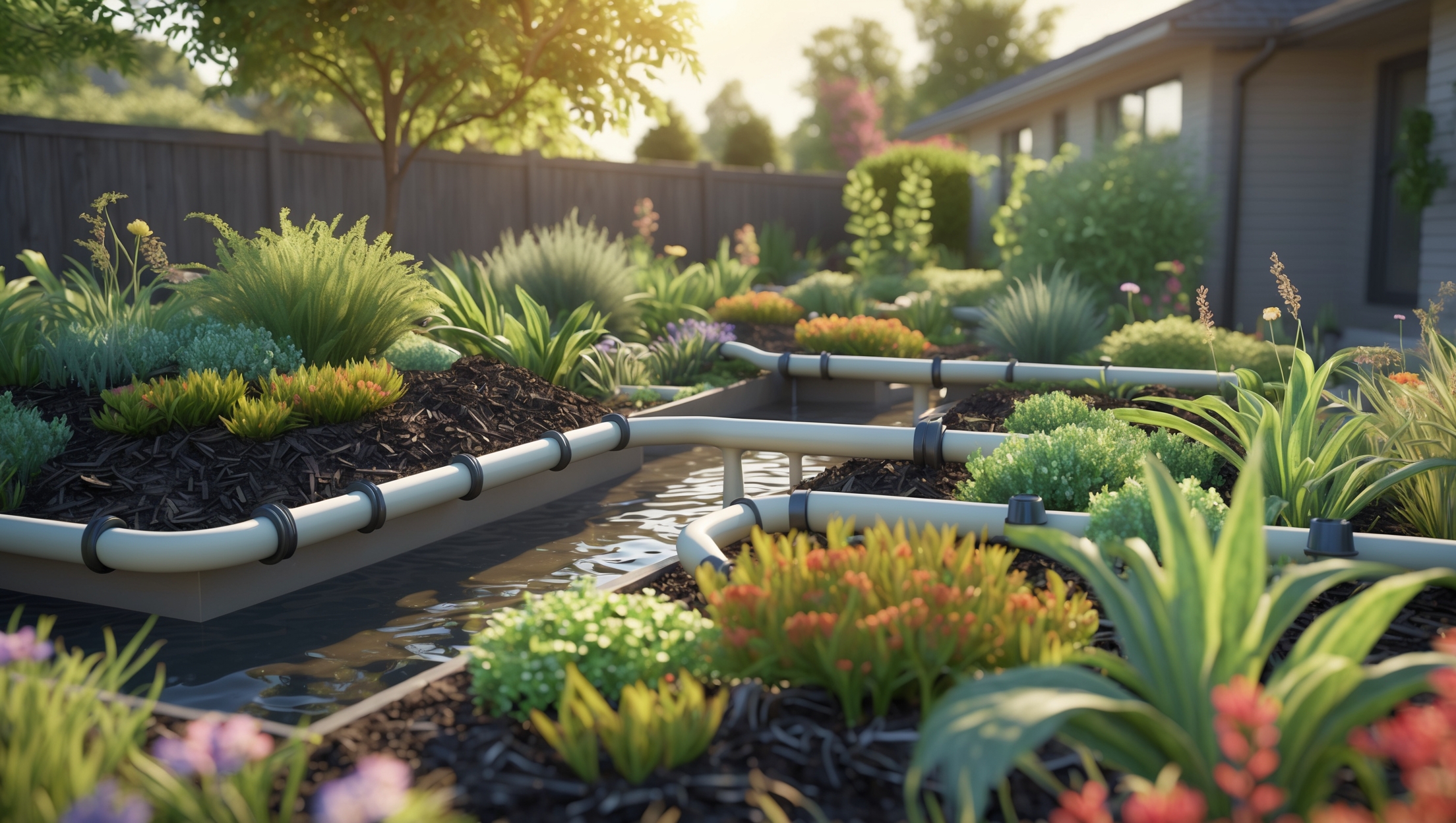
- Run Pipe to the Garden: Route flexible tubing or PVC pipe from the laundry room to your chosen irrigation sites, ensuring a gentle downhill slope for gravity flow.
- Build Mulch Basins: Dig shallow basins around your target plants, fill with mulch, and insert the pipe ends to distribute water beneath the surface.
- Test and Adjust: Run a wash cycle (with greywater-safe detergent) and observe the system for leaks, pooling, or uneven distribution.
Optional Upgrades
- Install simple filters to catch lint and hair before water reaches the garden.
- Add quick-connect fittings for easy seasonal disconnection or cleaning.
- Use multiple branches to irrigate several areas at once.
Frequently Asked Questions About Home Greywater Systems
Can I use greywater on my vegetable garden?
Greywater should not contact edible parts of plants that are eaten raw. It’s safe for fruit trees and ornamental plants; use subsurface irrigation if applying to root crops.
What’s the difference between greywater and blackwater?
Greywater comes from sinks, showers, and washers—excluding toilets and kitchen sinks. Blackwater includes sewage and requires more intensive treatment.
Will greywater damage my plumbing?
Not if the system is properly installed and only low-sodium, biodegradable soaps are used. Regular cleaning of filters prevents clogs.
Do I need a pump?
Most simple, gravity-fed systems don’t require a pump. If irrigating uphill or over long distances, a pump may be necessary.
Is it worth the effort?
For many homeowners, the savings on water bills, reduced environmental impact, and healthier gardens make a DIY greywater system well worth the modest effort.
Conclusion: Embracing Greywater Reuse—Knowledge Empowers Action
The myths surrounding home DIY greywater systems have discouraged countless eco-conscious homeowners from tapping into this simple, sustainable water-saving strategy. As we’ve seen, most of these concerns stem from misunderstandings or outdated information. Greywater systems, when thoughtfully designed and responsibly managed, are both safe and highly effective for irrigating landscapes, even in climates and neighborhoods where you might think otherwise. The cost is reasonable, the setup is within reach for most DIYers, and ongoing maintenance is minimal. In fact, a basic laundry-to-landscape system can be installed in a weekend for less than the cost of a fancy hose reel.
By debunking these pervasive myths, we hope to empower you to make informed, confident choices about water reuse in your home. Not only does greywater reuse reduce your reliance on increasingly scarce municipal water supplies, but it also supports healthier plants and more resilient gardens. As with any DIY project, research local codes, use common sense, and follow best practices for safety and efficiency. With the right knowledge, you can transform your home into a model of sustainable living—one load of laundry at a time. Give greywater a try, and watch your water bills shrink as your landscape flourishes. Sustainable living starts with small, practical steps, and greywater reuse is one of the smartest you can take.
The article mentions using filters to catch lint and hair from washing machines. Are there particular types or brands of filters you suggest for DIY setups, or can standard mesh screens do the job effectively?
Standard mesh screens can work for basic lint and hair filtering in DIY greywater systems, especially if you clean them regularly. For more effective filtration, you might consider using reusable washing machine lint traps or inline filters designed for laundry discharge. These are widely available at hardware stores and online, but most mesh screens or nylon stockings over the outlet hose are a good starting point for simple setups.
If I set up a basic greywater system for my garden, how much maintenance should I expect to do each month to keep it safe and running properly? Are there common issues to watch for?
With a basic greywater system, you should expect to check and clean filters every two to four weeks and inspect pipes for blockages or leaks monthly. Typical issues include clogs from lint or debris, soap buildup, and unpleasant odors. Regularly remove debris, avoid harsh chemicals, and make sure the system drains well to keep everything safe and efficient.
The article mentions avoiding kitchen sink greywater because of food waste and grease. If I have a dishwasher that mostly uses biodegradable soap, would that water still be unsafe for yard irrigation, or are there ways to make it work?
Dishwasher water usually contains grease, food particles, and higher detergent levels, even with biodegradable soap. This can harm plants and soil. Filtering systems help, but most guidelines still advise against using kitchen or dishwasher water for irrigation. Stick to laundry or bathroom greywater for yard use to be safe.
Filtering out solids from washing machine water sounds simple enough, but are there low-cost filter options that actually work, or do most systems require expensive specialized parts?
You can definitely use low-cost filter options for washing machine greywater. Many DIY systems use simple materials like nylon stockings, mesh laundry bags, or even homemade filter boxes with gravel and sand. These can effectively trap lint and larger particles without needing expensive specialized parts.
I noticed you mentioned not to use greywater from kitchen sinks because of grease and food waste. Is there any safe way to treat or filter that type of greywater for landscaping, or should it always be avoided completely?
Kitchen sink greywater is tricky because of grease, fats, and food particles, which can clog systems and attract pests. While advanced filtration and grease traps can help, these require regular maintenance and may not fully eliminate issues. For most homeowners, it’s safest to avoid using kitchen sink greywater for landscaping and stick to water from showers, baths, and laundry.
If I wanted to use a DIY greywater system mainly for my vegetable garden, what modifications or precautions should I take since the article says not to use it on edible plant leaves or root crops?
If you’re using greywater on your vegetable garden, direct it only to the soil around fruiting crops like tomatoes or peppers, not onto leaves or root vegetables. Avoid using greywater on lettuce, carrots, or anything eaten raw. Use subsurface irrigation, keep the system simple, and avoid harsh soaps or cleaners to protect both plants and soil.
For someone just starting out, what would be the most budget-friendly and legal option for setting up a simple greywater system using only bathroom sinks and the washing machine?
For beginners, a laundry-to-landscape system is often the most affordable and legal option. It diverts washing machine water directly to your garden with minimal plumbing changes. For bathroom sinks, a simple gravity-fed system with a diverter valve and PVC pipes can work, but check your local codes first, as some areas only allow laundry water reuse.
Can you clarify if using greywater from bathroom sinks with toothpaste or soap residue is safe for ornamental plants, or should certain products be avoided entirely?
Greywater from bathroom sinks usually contains soap and toothpaste residues, which are generally safe for most ornamental plants if used in moderation. However, it’s best to avoid products with antibacterial agents, bleach, or high levels of sodium and boron, as these can harm plants over time. Choosing biodegradable, plant-friendly soaps and toothpaste will help keep your ornamental plants healthy.
If greywater needs to be used right away and not stored, how do you manage irrigation scheduling around laundry or shower times, especially if those don’t always line up with when your landscape needs water?
To match irrigation needs with greywater availability, many homeowners direct greywater to plants that can handle irregular watering, like ornamental shrubs. Some systems use diverter valves, so you can switch between sending greywater to the garden or the sewer, depending on timing. Planning laundry and shower times around your landscape’s needs, when possible, can also help maximize efficiency.
For someone new to DIY plumbing, how complex is it to set up a basic filter for catching lint and hair from washing machines? Is this something a beginner could realistically handle without special tools?
Setting up a basic lint and hair filter for your washing machine is quite beginner-friendly. Most filters attach directly to the drain hose and require only basic tools like a screwdriver or pliers. Instructions are usually clear, so as long as you follow them, you shouldn’t run into major difficulties.
The article notes that kitchen sinks are typically excluded from greywater systems because of food waste and grease. Are there any effective filters or approaches that would make kitchen sink water safe for greywater reuse?
While there are grease traps and advanced filtration systems designed to handle kitchen sink water, most experts still advise against reusing this water for greywater purposes. Food particles, oils, and detergents are difficult to fully remove and can clog systems or harm plants and soil. If kitchen greywater use is allowed in your area, it requires robust multi-stage filtration and regular maintenance to prevent health and environmental problems.
I’m wondering about the distinction between water from kitchen sinks versus bathroom sinks for greywater use. Is there a safe way to include kitchen sink water, or is it always too risky because of food waste and grease?
Kitchen sink water is generally considered less suitable for greywater systems due to the high levels of grease, oils, and food particles, which can clog pipes and attract pests. While advanced filtration can make kitchen water usable, most DIY setups avoid it for safety and maintenance reasons. Bathroom sink water, on the other hand, is much easier and safer to reuse.
If I want to set up a simple greywater system just for my garden, what’s the most budget-friendly way to filter out solids like lint and hair without installing a full filtration unit?
For a budget-friendly solution, you can use a simple mesh strainer or nylon stocking attached to the end of your greywater outflow pipe. This will catch larger solids like lint and hair before the water reaches your garden. Remember to check and clean or replace the filter regularly to prevent clogs.
The article mentions avoiding kitchen sink water due to grease and food waste. How strict should I be about separating bathroom sink water if I sometimes rinse cosmetic products or shave there?
It’s best to be cautious with bathroom sink water if you’re rinsing off cosmetic products, as some ingredients can harm plants or soil. Occasional shaving shouldn’t be a major issue, but try to limit products containing harsh chemicals, oils, or microbeads from entering your greywater system. When in doubt, use only water from activities like handwashing with mild soap.
Curious about the maintenance side—how often should filters in a basic DIY greywater system be cleaned or replaced to keep things safe and efficient? Is this a big time commitment for a small home setup?
For a basic DIY greywater system in a small home, filters should typically be checked and cleaned every 1 to 2 weeks, depending on use. Full replacement is usually only needed every 6 to 12 months. Maintenance isn’t a huge time commitment, but regular quick checks help keep everything running safely and efficiently.
You said greywater should be used immediately and not stored due to bacteria growth. Is there a safe way to temporarily store greywater if I can’t irrigate right away, like during rainy days or if I’m away from home?
If you need to store greywater temporarily, use a sealed, opaque container and keep it cool to slow bacteria growth. Limit storage to no more than 24 hours. Adding a screen or filter at the collection point can help reduce solids and odors. Always use the stored water as soon as possible, and never use greywater that smells bad or has changed color.
Does greywater from a bathroom sink require any extra filtering compared to water from a shower or washing machine before it’s safe to use on landscaping? I want to make sure I’m not missing anything specific for each source.
Bathroom sink greywater often contains more toothpaste, soap, and personal care product residues compared to shower or laundry water. While basic filtering (like a mesh or settling tank) is usually sufficient for all sources, you might want to use a finer filter or let the water settle longer for sink water before using it in your landscaping, especially on edible plants.
What are some budget-friendly filter options for catching hair and lint from showers and washing machines before diverting the greywater to my garden?
You can use simple mesh drain screens or nylon stockings stretched over the ends of shower and washing machine drain hoses to catch hair and lint. Reusable mesh laundry bags or stainless steel sink strainers are also affordable options. Just be sure to clean or replace them regularly to prevent clogging and maintain good water flow.
What are some simple, affordable filter setups you recommend for catching lint and hair in a DIY greywater system? Are there any common household items that work well for this purpose, or do you need to buy specialized equipment?
You can use common household items like old nylon stockings, mesh laundry bags, or even a sock stretched over a drain outlet to catch lint and hair. These are easy to clean and replace. If you want something more durable, a fine mesh screen from the hardware store does the job well, but you don’t need to buy specialized filters unless you want a more permanent solution.
If greywater should be applied directly to soil and not stored, what are some practical ways to manage flow during times when the garden doesn’t need water, like during heavy rain?
To manage greywater during periods when your garden doesn’t need water, consider installing a simple diversion valve. This allows you to direct greywater to the garden when needed or divert it to the sewer or a mulch pit during heavy rain. Another option is to let it drain into a subsurface soakaway area where excess water won’t cause surface runoff or flooding.
I understand greywater should be used immediately and not stored, but what happens if some water ends up sitting in pipes or tanks overnight? Are there health risks or odors to worry about in that case?
If greywater sits in pipes or tanks overnight, it’s possible for bacteria to multiply, which can lead to unpleasant odors and increase potential health risks. While occasional short-term storage is usually not a major issue, you should try to flush out any standing water regularly and avoid storing it for more than 24 hours. This helps prevent odors and reduces the risk of harmful pathogens.
You recommend applying greywater directly to soil and not storing it due to bacteria growth. What are some practical options for homeowners who want to irrigate their gardens overnight or during certain times of day—are there timed systems that work with immediate use?
Yes, there are timed irrigation systems that can work with greywater. Homeowners can use diverter valves connected to irrigation lines, paired with automatic timers. These systems send greywater directly to the garden at preset times, ensuring immediate use and minimizing storage. Drip or subsurface irrigation methods work well with these setups.