
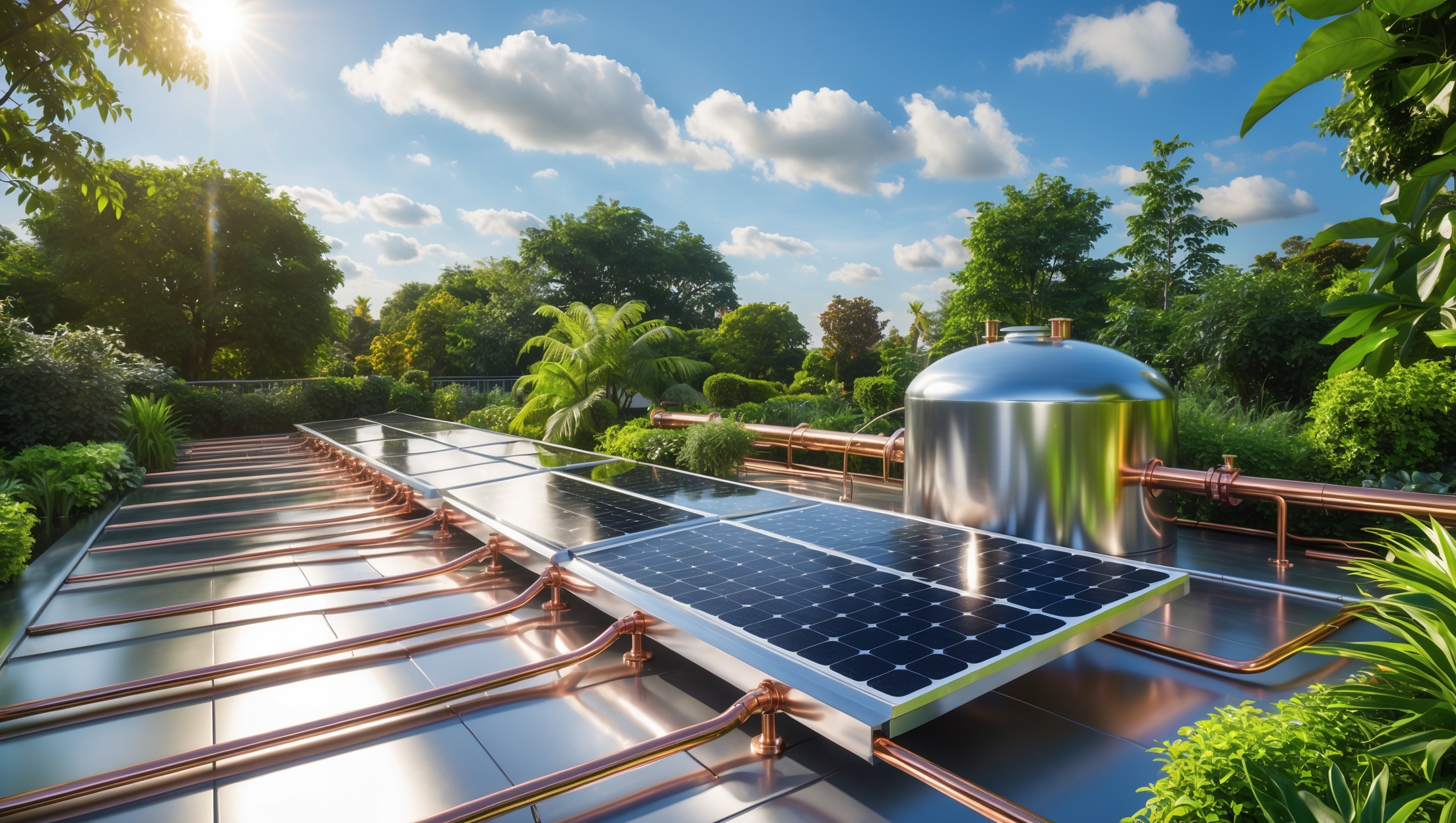
Introduction: The Importance of Solar Water Heater Maintenance
Solar water heating systems are a smart, eco-friendly investment that can dramatically reduce your household’s energy bills and environmental footprint. However, like any home system, they require regular maintenance to operate at peak efficiency and last for their intended lifespan—often 15–20 years or more. Neglecting routine upkeep can lead to decreased performance, costly repairs, and even premature system failure. Whether you own an active or passive solar water heating setup, understanding and following best practices for maintenance will protect your investment, ensure safe operation, and keep your hot water flowing year-round. In this comprehensive guide, we’ll walk you through everything you need to know about maintaining your home solar water heating system, from inspecting collectors to troubleshooting common issues, and provide expert tips for maximizing your system’s efficiency and longevity.
Understanding Your Solar Water Heating System
Types of Home Solar Water Heaters
Before diving into maintenance, it’s important to know which type of solar water heating system you have, as maintenance needs may vary:
- Active Systems: Use pumps and controllers to circulate water or heat-transfer fluid.
- Passive Systems: Rely on gravity and natural convection, with fewer moving parts.
- Direct (Open-Loop) Systems: Water is heated directly in the collectors and supplied to taps.
- Indirect (Closed-Loop) Systems: Heat-transfer fluid circulates through collectors and a heat exchanger, warming the water indirectly.
Main Components That Need Attention
- Solar Collectors: Panels or tubes that capture solar energy.
- Storage Tank: Stores heated water (or heat-transfer fluid in indirect systems).
- Pipes and Insulation: Carry water or fluid between collectors and the tank.
- Pumps and Controllers: (Active systems only) Circulate water/fluids and manage system operations.
- Valves and Expansion Tanks: Control flow and accommodate temperature changes.
- Heat Exchanger: (Indirect systems) Transfers heat from fluid to water.
Routine Maintenance Checklist
Monthly Quick Visual Inspections
- Check Collectors: Look for dirt, dust, leaves, bird droppings, or snow. Clean as needed.
- Inspect Piping and Insulation: Ensure all pipes are properly insulated and look for cracks, leaks, or signs of degradation.
- Controller and Pump Status: For active systems, verify that indicators and displays are normal and there are no error messages.
- Look for Leaks: Check around the storage tank, valves, and joints for any signs of water or fluid leakage.
Quarterly Maintenance Tasks
- Clean the Collectors: Use a soft brush and water or a non-abrasive sponge. Avoid harsh detergents and always clean in the early morning or evening to avoid cracking the glass due to thermal shock.
- Inspect Mounts and Supports: Ensure panels are firmly secured and mounting hardware shows no rust or movement.
- Test Temperature and Pressure Relief Valves: Carefully open and close to make sure they are not stuck and will release if needed. Wear gloves and stand clear to avoid hot water spray.
- Flush Air Vents: (If present) Vent any air from the system to prevent circulation issues.
Annual Deep Maintenance
- Full System Flush: Drain and flush the system (especially important for hard water areas or if scale buildup is suspected). For indirect systems, flush the heat-transfer fluid circuit per manufacturer’s instructions.
- Check Glycol/Heat Transfer Fluid: For closed-loop systems, test antifreeze fluid for pH and effectiveness. Replace if degraded or per the schedule (usually every 3–5 years).
- Inspect Electrical Components: Look for corroded or loose connections, especially on sensors, controllers, and pumps. Tighten or replace as necessary.
- Examine Storage Tank: Check for rust, scale buildup, and sediment. Drain and clean the tank if needed.
- Review System Performance: Compare recent performance data (temperature readings, hot water availability) to previous years to spot declining trends.
Detailed Maintenance Procedures
Cleaning Solar Collectors
Collector efficiency can drop by 10–25% if dirt, pollen, or debris accumulates. Here’s how to clean them safely:
- Turn off the system before cleaning.
- Use a garden hose with gentle spray to loosen debris.
- Apply a mild, eco-friendly soap solution with a soft cloth or sponge for stubborn spots.
- Rinse thoroughly and allow to air dry.
- Never use abrasive cleaners or high-pressure washers.
- Clean early in the day or evening to avoid rapid temperature changes.
Insulation Checks and Repairs
Insulation degrades over time, especially in outdoor piping. Cracked or missing insulation leads to major heat loss and reduced efficiency.
- Inspect all exposed pipes for gaps, cracks, or moisture damage.
- Replace damaged insulation with weather-resistant foam or rubber pipe insulation rated for outdoor use.
- Seal joints with UV-resistant tape or insulation covers.
Testing System Controls and Sensors
Active systems rely on sensors to operate pumps and valves. Faulty readings can lead to over- or under-heating.
- Check controller error logs or diagnostic displays for any faults.
- Test temperature sensors by comparing their readings to a handheld thermometer. Replace if discrepancies exceed 2–3°C (3–5°F).
- Verify pumps cycle on and off as expected during sunny periods.
Heat-Transfer Fluid (Glycol) Maintenance
If you have a closed-loop system with glycol antifreeze, fluid quality is critical. Degraded glycol can become acidic, corrode components, and reduce heat transfer efficiency.
- Using a glycol test kit, measure pH and freeze protection level.
- If pH is below 7.0 or freeze protection is inadequate, schedule a fluid replacement.
- Flush the old fluid, rinse with clean water, and refill with fresh solar-grade glycol as recommended by the manufacturer.
Troubleshooting Common Solar Water Heater Issues
Low Hot Water Output
Causes can include dirty collectors, poor insulation, malfunctioning pump, or sediment buildup in the tank. Address each issue with the relevant maintenance steps above.
Strange Noises
Rattling, gurgling, or knocking noises may indicate air in the system, scale buildup, or loose mounting hardware. Bleed air from the system, flush the tank, and tighten mounts as needed.
Leaks
Leaks can occur in collector manifolds, pipe joints, valves, or the storage tank. Promptly repair minor leaks with appropriate fittings or sealant. For major leaks, shut down the system and contact a professional.
Overheating
Systems can overheat during extended sunny periods with low hot water usage. Ensure that overheat protection features (such as heat dump radiators or covers) are functional and consider using timers or automated controls to modulate collector operation.
Maximizing System Efficiency and Lifespan
Monitor and Adjust Usage Habits
- Time major hot water usage (showers, laundry, dishwashing) for late afternoon or early evening when tank temperatures peak.
- Use a mixing valve to prevent scalding and optimize usable hot water supply.
Upgrade Components When Needed
- Consider replacing aging pumps, controllers, or sensors with more efficient, modern versions as technology advances.
- Upgrade insulation or add a secondary tank if your hot water needs have increased.
Plan for Professional Inspections
- Schedule a thorough professional inspection every 3–5 years, or sooner if you notice declining performance or persistent issues.
- A certified technician can check for hidden problems, pressure-test the system, and recommend preventative upgrades.
Safety Tips for Solar Water Heater Maintenance
- Always turn off electrical components and pumps before performing maintenance tasks.
- Use gloves and eye protection when handling hot water or heat-transfer fluids.
- Never open pressurized components or tanks when hot.
- If you suspect a major leak or electrical fault, shut down the system and consult a qualified technician.
Record Keeping: Why Documentation Matters
Maintain a logbook tracking all inspections, maintenance actions, repairs, and performance data. This will help you:
- Spot trends indicating wear or inefficiency.
- Provide documentation for warranty claims or insurance purposes.
- Simplify troubleshooting by having a full maintenance history available.
When to Call a Professional
While most routine maintenance can be performed by a diligent homeowner, some tasks are best left to professionals:
- Major leaks or suspected tank failure
- Electrical faults or controller malfunctions
- Heat exchanger or pump replacement
- Glycol system flush and refill (if you’re not comfortable with handling chemicals)
Don’t hesitate to call a certified solar technician for complex repairs or annual inspections. Protecting your system’s warranty and ensuring safe operation is worth the investment.
Conclusion: Protecting Your Investment and the Environment
Maintaining your home solar water heating system isn’t just about maximizing your energy savings—it’s about ensuring the safety, reliability, and environmental benefits of your renewable energy investment for years to come. By following the practical, expert-backed maintenance practices outlined in this guide, you can prevent the most common issues that lead to inefficiency, breakdowns, or expensive repairs. Regular cleaning, timely component checks, and ongoing performance monitoring will keep your system running smoothly through every season. Remember, most maintenance tasks are simple and require only basic tools and attentiveness, but don’t hesitate to seek professional help for more complex issues. Document your maintenance activities, stay proactive, and your solar water heating system will reward you with decades of clean, affordable hot water. With a little effort and care, you’re not just protecting your home—you’re contributing to a more sustainable future, one sunny day at a time.
For indirect (closed-loop) solar water heating systems, how often should the heat-transfer fluid be checked or replaced, and are there specific signs of fluid degradation homeowners should look out for?
For indirect (closed-loop) systems, it’s best to check the heat-transfer fluid at least once a year. Look for changes in color, cloudy appearance, or any unusual odors as signs of degradation. Replacement is typically needed every 3 to 5 years, but always follow the manufacturer’s guidance for your specific system.
I’m a busy parent and don’t have a lot of extra budget for repairs. Are there any low-cost or DIY tips for keeping the pipes and insulation in good shape to avoid expensive issues down the road?
Absolutely, there are several low-cost steps you can take. Regularly check your pipes for leaks or damp spots and tighten any loose fittings. For insulation, inspect for cracks or wear, and patch small gaps using affordable pipe insulation sleeves or weatherproof tape, both found at hardware stores. Cleaning away dust and debris can also extend insulation life and keep your system running efficiently.
The article mentions troubleshooting common issues—what are some early signs that the storage tank or collectors might be underperforming, and what should I check first before calling in a professional?
Early signs of underperformance include water not heating as much as usual, reduced hot water supply, or visible leaks around the tank or collectors. Before calling a professional, check for obvious leaks, ensure valves are open, inspect for debris or shading on collectors, and verify the system’s pressure and temperature gauges are within normal ranges.
For someone on a tight maintenance budget, which component of the solar hot water system tends to require the most frequent attention or replacement, and are there ways to minimize those costs over time?
The system’s circulation pump and valves typically need the most frequent attention or replacement, especially in active solar water heating systems. To minimize costs, check for leaks or unusual noises regularly, clean filters as recommended, and promptly fix small issues before they cause bigger problems. Annual inspections can help catch wear early, extending the lifespan of these components.
For homeowners with indirect (closed-loop) systems, how often should the heat-transfer fluid be checked or replaced, and are there any signs of fluid degradation to look out for?
For indirect (closed-loop) systems, it’s best to check the heat-transfer fluid every 3 to 5 years. Signs of fluid degradation include cloudy appearance, unusual odor, or noticeable decrease in system efficiency. If you notice any of these, or if the fluid appears rusty or has particles, it’s time to replace it.
I noticed you mentioned both direct (open-loop) and indirect (closed-loop) systems. How can homeowners tell which type they have, and does the maintenance schedule change a lot between them?
To tell the difference, look at your system: direct (open-loop) systems send household water directly through the collectors, while indirect (closed-loop) systems use a heat-transfer fluid in a separate loop, often visible as extra pipes or a heat exchanger. Maintenance does differ—indirect systems need regular checks of the heat-transfer fluid, while direct systems require more frequent inspection for mineral buildup. Always follow the manufacturer’s schedule for your specific system.
If I have an active system with pumps and controllers, how often should those components be serviced or checked to prevent costly repairs? Is there a recommended schedule or warning signs I should pay attention to?
For active solar water heating systems, it’s wise to check pumps and controllers at least once a year. Look out for unusual noises, erratic operation, or error indicators on controllers, as these can signal issues. Annual professional servicing is recommended to catch problems early and help prevent expensive repairs.
If I have a passive direct system, are there any simple steps I can take seasonally to make sure the insulation on pipes stays effective, especially since we sometimes get temperature swings here in the Midwest?
For a passive direct system in the Midwest, check the pipe insulation each season for cracks, gaps, or moisture damage. Gently squeeze the insulation to ensure it’s still firm and not deteriorating, and replace any worn sections. Make sure joints are securely sealed, especially before winter and after big temperature changes.
How do you know if your solar collectors are losing efficiency over time? The article mentions inspecting collectors, but are there simple tests or signs to help busy families spot a problem without hiring a technician right away?
You can watch for signs like water not heating as well as it used to, or noticing higher backup energy bills. Also, check for visible dirt, shading, or cloudiness on the collector’s surface, as those reduce efficiency. Monitoring water temperature at the tap on sunny days compared to previous performance is a simple way to spot a drop without technical tools.
For someone with a passive, direct (open-loop) system, are there maintenance steps that differ significantly from those needed for an active or indirect system, especially in colder climates where freezing is a risk?
Yes, for passive, direct (open-loop) systems, freeze protection is critical since water flows directly through the collectors. In colder climates, you should drain and isolate the system before freezing temperatures or use freeze-resistant valves. Unlike indirect or active systems, you can’t rely on antifreeze fluids, so regular checks for leaks and ensuring proper drainage are extra important.
I’m curious if maintenance routines differ much between active systems with pumps and passive systems. Is there a big difference in upkeep costs or potential repair issues over the long run?
Yes, maintenance routines and long-term costs do differ between active and passive solar water heating systems. Active systems with pumps require more regular inspections of mechanical components like pumps, controllers, and sensors, which can lead to higher upkeep and repair costs over time. Passive systems have fewer moving parts, so they typically need less maintenance and tend to have lower long-term repair expenses.
You mention that neglecting maintenance can lead to costly repairs. What are some of the most common problems that could arise if I accidentally skip routine inspections for a few years?
If you skip routine inspections for a few years, common issues might include leaking pipes or collectors, mineral buildup in the system, pump failures, or corrosion in storage tanks. These problems can reduce your system’s efficiency and may lead to expensive repairs if not caught early.
Could you explain the main differences in routine maintenance between active and passive solar water heating systems? I’m trying to figure out which type might require less hands-on upkeep long term.
Active solar water heating systems use pumps and controllers, so their routine maintenance involves checking electrical components, pumps, and sensors regularly, in addition to inspecting for leaks and flushing the system. Passive systems have no moving parts and mainly need periodic inspection for leaks, insulation damage, and mineral buildup. Overall, passive systems require less hands-on upkeep over time compared to active systems.
Curious about maintenance costs over time: for an active system with pumps and controllers, are there parts that tend to wear out faster and require more frequent replacement compared to passive systems?
Active solar water heating systems do have more components that can wear out, especially pumps and electronic controllers. These parts typically require replacement every 5 to 10 years, depending on usage and quality. Passive systems, with fewer moving parts, generally need less frequent repairs and lower ongoing maintenance costs.
I’m curious about the lifespan you mentioned—15 to 20 years for these systems. What kind of regular maintenance schedule would you suggest to help a solar water heater actually last that long, especially for someone on a tight budget?
To help your solar water heater last 15 to 20 years, aim to check for leaks, clean dust or debris from collectors, and inspect insulation every 6–12 months. Annually, flush the system to prevent scaling, and check the pump and valves. Most tasks are DIY-friendly, keeping costs low.
For a closed-loop system, how often should I check or replace the heat-transfer fluid, and what signs should I look for that might indicate a problem before it gets expensive?
For a closed-loop solar water heating system, you should check the heat-transfer fluid once a year and typically replace it every 3 to 5 years. Watch for signs like cloudy or discolored fluid, any drop in system efficiency, unusual noises, or visible leaks, as these can indicate issues that need attention before they become costly.
For indirect (closed-loop) systems, how often should the heat-transfer fluid be checked or replaced, and are there signs to watch for that might indicate a problem with the fluid itself?
For indirect (closed-loop) solar water heating systems, check the heat-transfer fluid every 1 to 3 years, or as recommended by your installer. Watch for signs like cloudy, discolored, or sludgy fluid, or a noticeable drop in system performance, as these may indicate the fluid needs replacement or there is a leak.
For small businesses considering switching from a conventional water heater to an active solar water heating setup, what are some additional maintenance steps we should plan for compared to passive systems?
For active solar water heating systems, you’ll need to maintain pumps, controllers, and sometimes sensors or expansion tanks, in addition to standard cleaning and inspection. Plan for regular checks on pump operation, electrical connections, and controller settings, as well as occasional flushing of the system to prevent scaling or blockage.
If my system is a direct (open-loop) solar water heater, does the maintenance routine change compared to an indirect system, especially regarding issues like mineral buildup or freezing risk in colder climates?
Yes, maintenance for direct (open-loop) systems is a bit different. You’ll need to watch more closely for mineral buildup, since tap water flows directly through the collectors. Flushing the system regularly is important. In colder climates, direct systems are more prone to freezing, so extra protection or draining during winter is needed, unlike indirect systems that use antifreeze.
Could you explain the main maintenance differences between direct (open-loop) and indirect (closed-loop) solar water heating systems? I’m trying to figure out which one would be less demanding for our family’s busy schedule.
Direct (open-loop) systems circulate household water through the collectors, so they need more frequent checks for scale, corrosion, and freeze protection. Indirect (closed-loop) systems use a heat-transfer fluid, which reduces scaling and freezing concerns but requires periodic fluid replacement and monitoring for leaks. Indirect systems usually demand less routine attention, making them a better fit for a busy schedule.
If my storage tank is inside the house but my pipes run through an uninsulated area, what’s the best way to maintain the insulation over time, especially during cold US winters? Are there affordable materials you recommend for yearly maintenance?
To keep your pipes well-insulated, especially in colder climates, use foam pipe sleeves or fiberglass pipe wrap, which are both affordable and easy to install. Check the insulation each year for gaps, tears, or moisture, and replace worn sections promptly to maintain effectiveness through winter.
If my storage tank for an active system seems to be losing heat quickly, is this more likely related to the insulation or could it be an issue with the heat-transfer fluid? How would you go about troubleshooting this?
Rapid heat loss from your storage tank is typically due to insulation problems, as poor insulation allows heat to escape. However, if the heat-transfer fluid level is low or degraded, it can also affect heat retention. To troubleshoot, first check the tank’s insulation for gaps or damage. Then inspect the fluid level and condition, topping up or replacing it if needed. Addressing both areas should help resolve the issue.
Can you give some guidance on troubleshooting pumps and controllers in active systems? I sometimes notice reduced hot water flow and I’m not sure if it’s the pump or something else causing the issue.
If you notice reduced hot water flow, check if the pump is running by listening for noise or feeling for vibration. Ensure the controller is displaying normal operation and that its sensors are properly connected. Also, look for air locks in the piping, blockages in filters, or debris in the pump. If the pump feels hot but isn’t moving water, it may be stuck or failing. Always turn off the power before inspecting electrical components.
You mentioned both active and passive systems have different maintenance needs. Is there a specific checklist for passive systems since they have fewer moving parts, or do they require less attention overall?
Passive solar water heating systems do tend to require less attention because they lack pumps and controllers, but regular maintenance is still important. For passive systems, your checklist should include inspecting for leaks, checking insulation, cleaning collector surfaces, and occasionally flushing the system to prevent mineral buildup. These steps help ensure efficient operation and longevity.
If I have an indirect (closed-loop) system, how often should I be checking or replacing the heat-transfer fluid, and are there signs that indicate it’s time to do so?
For an indirect (closed-loop) system, it’s generally recommended to check the heat-transfer fluid every 3 to 5 years. Signs that it may need replacing include a cloudy or discolored appearance, reduced heating performance, or evidence of corrosion. If you notice any of these, it’s a good idea to have the fluid tested or replaced by a professional.
For someone with a passive solar water heating system, are there particular signs of wear or specific maintenance tasks I should watch for more closely compared to an active system?
With passive solar water heating systems, you should pay close attention to leaks or cracks in storage tanks and pipes, as gravity-based flow can be easily disrupted. Insulation around pipes and tanks may degrade faster since passive systems often have components outdoors. Also, regularly check for mineral buildup in tanks and collectors, which can reduce efficiency.
You mentioned that maintenance needs vary for active and passive systems. Are passive systems generally cheaper to maintain over the years since they have fewer moving parts, or are there hidden costs to be aware of?
Passive systems are usually cheaper to maintain over time because they have fewer components that can break, like pumps or controllers. However, you should still watch for issues like mineral buildup, leaks, and insulation deterioration, which can cause costs if not addressed promptly. Overall, hidden costs are minimal if you perform basic regular checks.
For homeowners on a budget, which maintenance tasks can realistically be handled without special tools, and which ones are best left to a professional to avoid damaging the system or voiding warranties?
Homeowners can typically handle tasks like visually inspecting for leaks, clearing debris from collectors, and checking insulation on exposed pipes—these don’t require special tools. However, anything involving electrical components, pressurized pipes, or the heat transfer fluid should be left to professionals, as mistakes can damage the system or impact your warranty.
Can you share any recommended DIY tips for inspecting or maintaining the collector panels—like what specific issues to look for—before calling out a professional? I want to catch things early if possible.
For DIY maintenance of your solar collector panels, regularly check for dirt, leaves, or debris blocking sunlight and clean them with water and a soft cloth. Inspect the glass for cracks or cloudiness, look for loose or damaged seals, and check for leaks or corrosion around pipes and fittings. Also, ensure the mounting hardware is secure. If you notice significant damage or a drop in performance, it’s best to consult a professional.
How often should I be checking the condition of the pipes and insulation in an indirect (closed-loop) system, and are there early warning signs of heat-transfer fluid issues I should watch for?
For an indirect (closed-loop) solar water heating system, it’s a good idea to check the pipes and insulation at least once a year. Look for cracks, dampness, or signs of wear on the insulation. For heat-transfer fluid, early warning signs include cloudy or discolored fluid, noticeable odors, and a drop in system efficiency. Regularly monitor for leaks and unusual noises, which can also signal fluid problems.
For homeowners with indirect (closed-loop) systems, how often should the heat-transfer fluid be checked or replaced, and are there any signs that indicate it needs maintenance sooner?
For indirect (closed-loop) systems, the heat-transfer fluid should typically be checked every 1 to 2 years and replaced every 3 to 5 years, depending on the manufacturer’s guidance. Signs that it may need attention sooner include unusual noises, decreased system performance, or visible leaks. If the fluid appears cloudy or discolored, or if there is a noticeable drop in heating efficiency, it’s a good idea to have it inspected by a professional.
For someone on a tight student budget, what are the most cost-effective maintenance steps I should prioritize each year to keep my system efficient without spending too much?
To keep costs low, focus on basic maintenance tasks you can do yourself. Check your system for leaks, make sure collector surfaces are clean and free from debris, and inspect insulation for any visible damage. Flushing the system once a year can also help prevent buildup. These steps will help maintain efficiency without much expense.
If a pump or controller fails in an active solar water heating system, what are the typical warning signs, and is it safe to run the rest of the system until repairs can be made? Any advice for troubleshooting before calling a professional would be appreciated.
Warning signs of a pump or controller failure often include unusual noises from the pump, lack of hot water, or error messages on the controller display. It’s not recommended to run the system if either component fails, as it can cause overheating or damage. For troubleshooting, check for tripped breakers, loose wiring, or blocked pipes before calling a professional.
You mention that neglecting upkeep can cause costly repairs or even system failure. Can you give examples of what parts typically fail first if you skip regular maintenance, and how often should I really be checking each part?
If regular maintenance is skipped, common parts that can fail first include pumps, valves, and sensors, as well as the collector glazing and insulation. Leaks in pipes or storage tanks may also develop. It’s best to inspect the system every six months, paying close attention to plumbing connections, fluid levels, and all moving parts to catch issues early.
Could you elaborate on what specific signs indicate decreased performance or potential failure in solar water heating systems? Are there early warning symptoms homeowners should watch for, especially with active versus passive systems?
Signs of decreased performance in solar water heating systems include water not reaching expected temperatures, longer heating times, or a drop in hot water supply. For active systems, watch for noisy pumps, unusual cycling, or leaking valves. In passive systems, look for leaks, corrosion, or poor water flow. Both types may show increased energy bills or visible scale buildup. Early attention to these symptoms can help prevent more serious failures.