
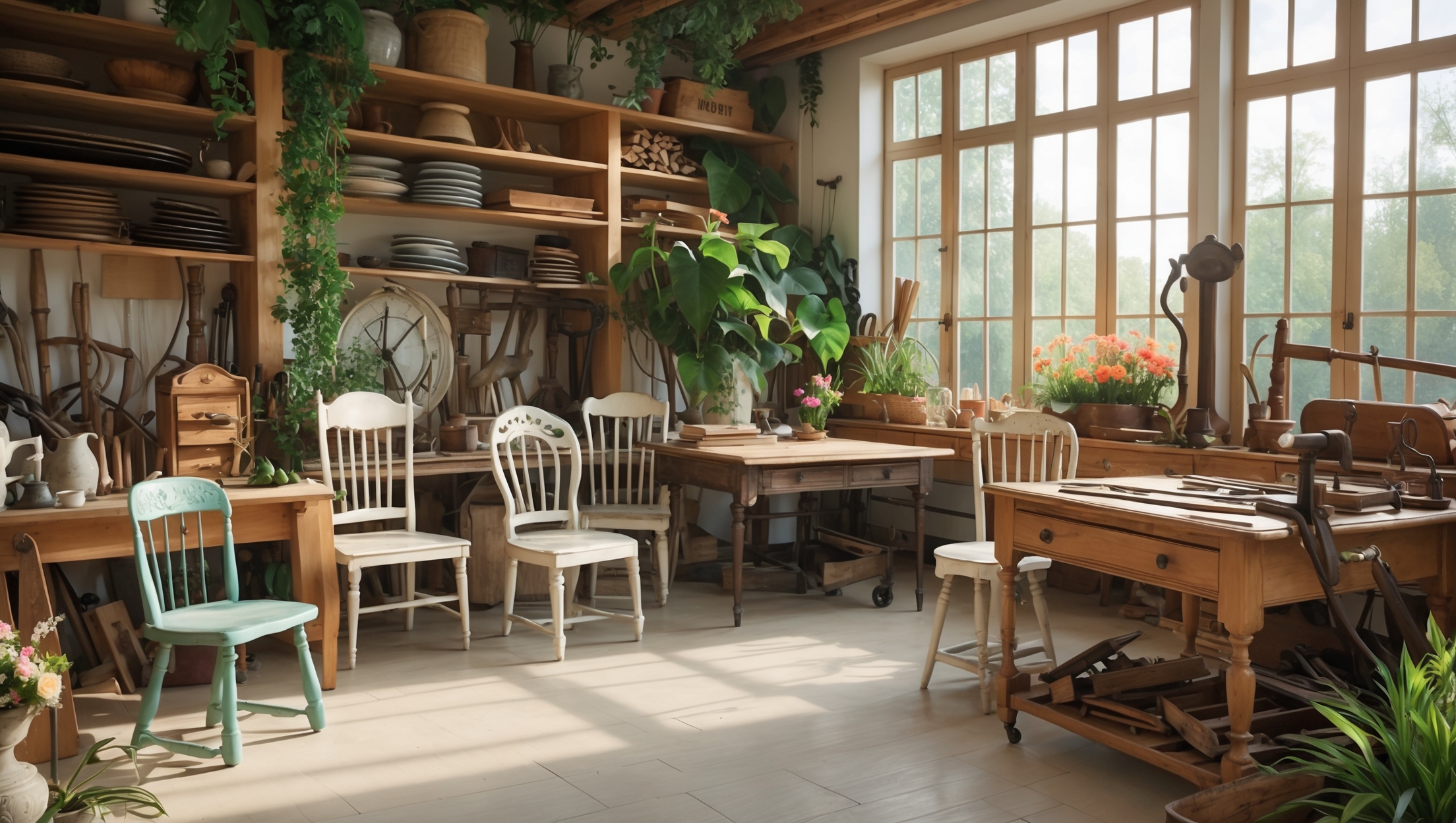
Introduction: The Challenge and Opportunity of Marketing Home-Based Upcycled Furniture Studios
Upcycling furniture at home isn’t just a creative hobby—it’s a sustainable business opportunity. But as the market for eco-friendly, one-of-a-kind furniture pieces grows, so does competition. Home-based upcycled furniture studios face the unique challenge of standing out while operating on limited resources, often without a physical storefront. To succeed, you need more than just a knack for rescuing discarded chairs or giving new life to old dressers; you need a robust, practical marketing strategy tailored to both your creative strengths and the realities of running a business from home.
This guide dives deep into actionable, proven marketing techniques designed for home-based upcycled furniture studios. We’ll cover everything from developing a compelling brand identity and leveraging the power of social media, to forming local partnerships and optimizing your online presence. By the end, you’ll have a toolkit of strategies to attract the right customers, build loyalty, and grow your business sustainably—without feeling overwhelmed or losing your creative spark.
Building a Unique Brand Identity
Defining Your Studio’s Personality
Your brand is more than a logo or color palette—it’s the story you tell and the promise you make to customers. For upcycled furniture studios, authenticity is key. Start by identifying what makes your approach to furniture rescue unique. Is it your commitment to using only salvaged materials? Your bold use of color? Your focus on mid-century pieces?
- Craft a Mission Statement: Write a concise statement that defines your purpose and values. For example: “Transforming the forgotten into functional art for eco-conscious homes.” Use this across your website and marketing materials.
- Develop a Visual Style: Choose signature colors, fonts, and a photography style that reflect your work’s character. Consistency builds recognition, even if you use different sales platforms.
- Create a Memorable Name: If you haven’t already, pick a studio name that’s creative, easy to remember, and available as a web domain and social handles.
Telling Your Story
Potential customers are drawn to the story behind your pieces. Share your journey, what inspires your designs, and why sustainability matters to you. Use your story in your About section, email newsletters, and social posts to foster emotional connections.
Optimizing Your Online Presence
Building a Compelling Website
Even if you sell via marketplaces, your own website is your home base. It should reflect your brand, showcase your portfolio, and make it easy for customers to contact or purchase from you.
- Portfolio Gallery: Feature high-quality images of your best pieces, before-and-after shots, and detailed captions explaining the upcycling process.
- Clear Navigation: Organize your site so visitors can easily find available pieces, learn about custom work, or read your story.
- Contact & Inquiry Forms: Include easy ways for customers to request quotes or ask about commissions.
- Local SEO: Use location-based keywords (e.g., “upcycled furniture in Portland”) to attract nearby buyers and rank in local search results.
Leveraging Marketplaces and Online Stores
Expand your reach with platforms like Etsy, eBay, or Facebook Marketplace. Each has its audience and quirks:
- Etsy: Best for unique, handcrafted items. Optimize listings with clear photos, detailed descriptions, and keywords (“reclaimed wood table”).
- eBay: Good for vintage or collectible pieces. Use auction-style or fixed-price listings.
- Facebook Marketplace: Excellent for local buyers. Respond quickly to inquiries and update availability.
Always direct traffic back to your main site for commissions or to join your email list.
Social Media: Showcasing and Storytelling
Choosing the Right Platforms
Visual platforms are ideal for upcycled furniture. Focus your efforts where your audience spends time:
- Instagram: For image and video storytelling. Use Stories, Reels, and regular posts to share process videos, finished items, and behind-the-scenes glimpses.
- Pinterest: Great for driving website traffic. Pin high-quality photos with descriptive, keyword-rich captions. Link back to your shop or blog.
- Facebook: Useful for local groups and Marketplace listings. Join neighborhood buy/sell groups, post regularly, and engage with comments.
Content Ideas That Engage
- Before-and-After Transformations: Show the original piece and your finished work.
- Time-Lapse Videos: Capture the upcycling process in quick, shareable clips.
- Material Sourcing Adventures: Document trips to salvage yards or flea markets.
- Customer Stories: Share photos of your pieces in clients’ homes (with permission).
- Tips and Tutorials: Offer DIY advice for simple upcycling projects to demonstrate expertise.
Use relevant hashtags (e.g., #upcycledfurniture, #furnituremakeover, #sustainableliving) to reach broader audiences. Always reply to comments and messages to nurture community.
Local Marketing: Connecting with Your Community
Pop-Up Events and Markets
Participating in local craft fairs, vintage markets, or pop-up events puts your work in front of buyers who appreciate handmade and sustainable goods. Tips for success:
- Bring a Range of Items: Offer both statement pieces and smaller, affordable accessories (e.g., picture frames, plant stands).
- Display Smartly: Create an inviting, on-brand booth with clear signage and business cards.
- Collect Email Addresses: Run a giveaway or offer a discount in exchange for newsletter sign-ups.
Partnering with Local Businesses
Collaborate with shops, cafés, or co-working spaces to display your pieces on consignment or as part of their décor. Benefits include regular exposure and potential sales, especially if you rotate inventory and cross-promote on social media.
Working with Local Media
Reach out to local newspapers, magazines, or bloggers with a short, compelling press release about your studio’s story, upcoming events, or unique projects. Offer to provide high-quality images. Local media coverage can drive both traffic and credibility.
Email Marketing: Building a Loyal Customer Base
Starting and Growing Your List
Email marketing is a powerful tool for home-based studios. Start by adding a simple sign-up form to your website and collect emails at events. Offer incentives like a first-purchase discount or exclusive styling tips to encourage sign-ups.
Content Ideas for Newsletters
- Studio Updates: Announce new arrivals, restocks, or special events.
- Behind-the-Scenes Stories: Share the creative process, challenges, and successes.
- Exclusive Discounts: Reward subscribers with periodic sales or early access to new pieces.
- Upcycling Tips: Position yourself as a thought leader in sustainable design.
Send newsletters consistently (monthly or bi-weekly is typical). Use a friendly, personal tone and always include captivating images.
Customer Experience: Turning Buyers into Ambassadors
Personal Touches that Matter
Standout customer experiences lead to word-of-mouth referrals and repeat business. Ways to delight your customers:
- Handwritten Thank-You Notes: Personalize each purchase with a note about the piece’s story or care instructions.
- Thoughtful Packaging: Use eco-friendly, attractive packaging. Include a small freebie (like a coaster made from scrap wood).
- Post-Purchase Follow-Up: Email or message customers a week after delivery to ensure satisfaction and request a review or photo.
Encouraging Reviews and Referrals
Social proof is invaluable, especially for home-based businesses. Make it easy for customers to leave reviews on your website, social media, or marketplaces. Offer referral discounts to customers who send new buyers your way.
Measuring and Adjusting Your Marketing Efforts
Tracking What Works
Effective marketing requires ongoing measurement and adjustment. Use these tools and methods:
- Website Analytics: Use Google Analytics or a similar platform to track traffic, most-viewed products, and conversion rates.
- Social Media Insights: Review engagement metrics to see which posts, times, and hashtags drive the best results.
- Email Performance: Monitor open rates, click-throughs, and unsubscribes to refine your newsletter content.
- Sales Tracking: Keep records of which marketing channels (events, social, referrals) lead to actual purchases.
Set aside time monthly to review your metrics, identify trends, and adjust your strategy. Don’t be afraid to experiment with new content, partnerships, or platforms.
Budgeting for Marketing: Maximizing Impact on a Shoestring
Free and Low-Cost Tactics
Many effective marketing strategies for home-based upcycled furniture studios require little or no financial investment:
- Organic Social Media: Consistently posting and engaging with your audience is free and builds authentic connections.
- Local Collaborations: Partnerships with other small businesses often cost nothing but your time.
- DIY Photography: Use natural light and your smartphone to capture professional-looking images without hiring a photographer.
- Word-of-Mouth: Encourage referrals by delighting customers and offering small incentives (discounts, freebies).
When to Invest
Consider allocating a small budget for:
- Promoted Social Posts: Boosting key posts on Instagram or Facebook to reach local buyers.
- Professional Branding: Hiring a designer for your logo or brand kit if you struggle with DIY design.
- Website Upgrades: Investing in a custom domain, faster hosting, or an e-commerce plugin.
Start small, track results, and scale up what works.
Legal and Ethical Marketing Considerations
Transparency and Honesty
Always accurately represent your products. Disclose any repairs, modifications, or flaws, especially when selling vintage or rescued furniture. Use original photos—never mislead with stock images.
Respecting Copyright and Privacy
Only use images you own or have permission to use. If sharing customer photos, obtain written consent. For email marketing, comply with anti-spam laws (like including an unsubscribe link in your newsletters).
Conclusion: Growing Your Studio with Confidence
Building a thriving home-based upcycled furniture studio is as much about creative vision as it is about strategic marketing. By developing a distinct, authentic brand and leveraging both online and local marketing channels, you can reach the right audience—people who value sustainability, craftsmanship, and originality. Remember, success doesn’t come from a single viral post or one-time event; it’s the result of consistent, genuine engagement and a willingness to experiment, learn, and adapt.
Prioritize building relationships—with your customers, fellow makers, and local community. Treat every interaction, online or in-person, as an opportunity to reinforce your studio’s values and story. Over time, this approach will not only drive sales but also foster loyalty and advocacy, turning buyers into enthusiastic ambassadors for your work. Stay curious, keep refining your methods, and celebrate each milestone—no matter how small. Your passion for upcycling can inspire others, reduce waste, and fill homes with meaningful, beautiful furniture. With the strategies outlined here, you have a roadmap for marketing that’s as creative and resilient as your craft.
When developing a brand identity for my upcycled furniture studio at home, how do I balance staying authentic with trying to appeal to a wider customer base online? Do you have tips for maintaining consistency as I expand my offerings?
Focus on what makes your studio unique—your story, values, and creative process—and let that shine through in your branding. As you aim to reach more customers, adapt your messaging to highlight benefits they care about, but don’t dilute your core identity. Use a consistent color palette, logo, and tone of voice across all platforms and new product lines to maintain brand coherence as your business grows.
I noticed you mentioned building a consistent visual style for branding. What are some affordable ways to create professional-looking photos and materials if you don’t have a big budget for marketing?
You can use natural daylight by photographing your furniture near windows to achieve bright, clear shots. Free or low-cost editing apps like Canva or Snapseed can help enhance your images and add branded elements. Consistently using the same background or props also helps create a cohesive look without the need for expensive equipment.
Can you give more examples of forming local partnerships for someone like me who’s just starting out and doesn’t have a storefront? What kinds of local businesses tend to be open to collaborations with home-based upcycling studios?
Absolutely. Local coffee shops, independent boutiques, art galleries, and home decor stores are often open to collaborations, even with home-based studios. You could propose displaying your pieces on consignment, co-hosting a small pop-up event, or offering custom furniture for their spaces. Local realtors and interior designers may also welcome a partnership if you can provide unique pieces for staging homes or decorating clients’ spaces.
When it comes to creating a consistent visual style for my studio, do you have recommendations on affordable tools or software for developing brand visuals, especially for someone just starting out at home?
For affordable design tools, Canva is very beginner-friendly and offers free templates to help you create logos, color palettes, and social media graphics. Adobe Express is another budget-friendly option with useful branding features. Both are cloud-based, so you don’t need a powerful computer, making them ideal for home studios just starting out.
You mention forming local partnerships as a marketing strategy. What kinds of local businesses or organizations have been most effective for upcycled furniture studios to collaborate with?
Upcycled furniture studios often find success partnering with local home decor stores, interior designers, real estate agents, and artisan markets. Community organizations like environmental groups or craft fairs can also be great collaborators, as they attract people interested in sustainable and creative home solutions.
When you talk about building loyalty for a home-based upcycled furniture studio, are there specific methods that work well without a physical store for people who mostly sell online or at local markets?
Absolutely, building loyalty is very possible without a physical store. You can create a strong brand presence on social media, offer behind-the-scenes content, and engage directly with your audience. Personalized follow-ups after purchases, loyalty discounts, and hosting virtual workshops or Q&A sessions can also help build lasting relationships with online and local market customers.
Can you explain more about forming local partnerships? Are there specific types of businesses or organizations that tend to be the best fit for collaborations with home-based upcycling studios?
Forming local partnerships can be very effective for home-based upcycling studios. Great fits often include interior designers, real estate agents, boutique home decor stores, local art galleries, and community centers. Collaborating with thrift shops or environmental groups can also help, since their audiences already care about sustainability and unique furniture.
I noticed you talk about optimizing an online presence. If I have a very limited budget, what are the top two online marketing actions you’d recommend focusing on first for someone running this as a side business?
Since you’re on a tight budget, start by creating a dedicated Instagram or Facebook page to showcase your pieces, as these platforms are free and visual. Next, make sure your Google Business Profile is set up so local customers can find you easily. Focus your efforts on posting regularly and engaging with potential buyers in your area.
The article mentions developing a compelling brand identity and mission statement. If my visual style changes as I experiment creatively, how important is it to stay consistent versus evolving over time?
It’s natural for your visual style to evolve as your creativity grows. Staying consistent helps build recognition, but it’s also important that your brand feels authentic and reflects your current direction. Consider keeping core elements, like your mission and overall tone, steady while allowing some room for visual updates as your style matures.
I noticed local partnerships are mentioned as a strategy in this guide. Could you give examples of what kinds of local businesses or organizations usually work well for collaborations with upcycled furniture studios?
Upcycled furniture studios often collaborate successfully with local interior designers, home decor shops, real estate agents, and eco-friendly boutiques. Community centers, art galleries, and renovation contractors are good options too. These partnerships can help showcase your pieces, reach new customers, and even co-host events or workshops.
If I’m just starting out, which of the marketing strategies mentioned should I prioritize to get my first few customers without getting overwhelmed or spending too much?
Start by focusing on social media, especially platforms like Instagram and Facebook, where you can showcase your work for free. Share photos of your pieces and behind-the-scenes content. Also, try word-of-mouth marketing—tell friends and family, and ask them to spread the word. These approaches are cost-effective and manageable when you’re just getting started.
How much time do you realistically need to set up a consistent photography style and website presence as a busy parent running the studio part-time?
Setting up a consistent photography style and website presence can take about 2 to 4 weeks if you dedicate a few hours each week. Start by creating a basic photo setup with good lighting, then batch-shoot several pieces. For the website, use simple templates and update gradually. Small, regular sessions make it manageable alongside parenting and part-time studio work.
I’m curious how other home-based studios have successfully formed local partnerships, as you mention. Are there specific types of businesses or organizations that tend to be most receptive to collaborating with upcycled furniture makers?
Local home décor shops, interior designers, real estate agents, and coffee shops are often very open to partnering with upcycled furniture studios. Many studios also find success collaborating with community centers, art collectives, or local event organizers who appreciate sustainable and creative initiatives. These groups are typically receptive because your unique furniture can add value to their spaces or events.
I love the idea of building a brand identity, but as a parent running this from home, I barely have time for social media and marketing. Are there specific time-saving marketing tools or tips you recommend for someone with a limited schedule?
Absolutely, managing marketing with limited time is a common challenge. Try scheduling posts in advance using tools like Buffer or Later, which let you plan a week at once. Templates for graphics (using Canva) can also save time. Focus on one or two social platforms that best suit your audience rather than spreading yourself thin. Even just 30 minutes a week can make a difference if you batch your tasks.
You mention defining a mission statement as a key step. How important is it to display this mission statement on product tags or packaging, and do customers actually pay attention to that detail when buying upcycled furniture online or at pop-ups?
Displaying your mission statement on product tags or packaging can make a meaningful impact, especially with upcycled furniture customers who value sustainability and story. While not everyone will stop to read it, many buyers appreciate knowing the values behind your work—it helps build trust and sets you apart. At pop-ups, it can start conversations and online, it can reinforce your brand’s purpose.
You mention forming local partnerships for marketing, but what kinds of businesses or organizations have you seen upcycled furniture studios successfully collaborate with? Are there any specific approaches that work better for those of us without a storefront?
Upcycled furniture studios often collaborate successfully with local interior designers, antique shops, home decor boutiques, and community centers. Partnering with small cafes or art galleries for pop-up displays also works well, especially without a storefront. Hosting joint workshops or participating in local markets can increase your reach and visibility.
When you talk about developing a consistent visual style for branding, what would you recommend for someone on a tight budget? Are there free or low-cost tools that work well for upcycled furniture studios?
Absolutely, you can build a strong visual style without spending much. Free tools like Canva and Adobe Express offer templates for logos, social posts, and branding materials. Stick to a simple color palette and consistent fonts, and use natural light to photograph your furniture. This creates a cohesive look that fits your budget.
If I want to collaborate with local businesses but don’t have a physical storefront, what are some practical steps to start forming those partnerships and actually get my furniture in front of new customers?
You can reach out to local shops, cafes, or galleries to offer displaying your pieces on a consignment basis or as temporary decor. Suggest pop-up events or workshops at their venues, and highlight the mutual benefits of attracting new customers. Bring photos of your best work and have clear terms ready. Networking at community events also helps build relationships with potential partners.
I’m curious about how to actually develop a consistent visual style for my upcycled furniture studio when each piece I make tends to look really different. Do you have tips for tying together a cohesive brand image when the products are so varied?
To create a consistent visual style, focus on using a signature color palette, logo placement, or photography style across all your product images and materials. You could also develop a unique storytelling approach or naming system for your pieces that ties them together, even if each item is visually distinct.
After establishing a brand identity and improving my online presence, what are the best first steps to start attracting my first loyal customers without feeling overwhelmed by marketing tasks?
Start by focusing on one or two simple marketing activities, like sharing before-and-after photos of your furniture on social media and reaching out to local community groups online. Offer a small launch promotion to friends and neighbors, and ask for referrals or reviews from your first customers. This lets you build momentum gradually without getting overwhelmed.
When you talk about forming local partnerships as a home-based studio, do you have tips for reaching out to stores or collaborators if I don’t have a physical storefront to invite them to? I’m a bit nervous about making those first connections.
You don’t need a storefront to form strong partnerships. Start by sending a friendly email or social media message introducing yourself, your work, and how a collaboration could benefit both parties. Offer to meet at their shop, at a café, or even virtually. Bringing along a portfolio or photos of your pieces can help make a great impression.
How long does it typically take to see real results from these marketing strategies for a home-based upcycled furniture studio, especially if starting from scratch with branding and online presence?
For a home-based upcycled furniture studio starting from scratch, you can expect to see noticeable results from these marketing strategies within 3 to 6 months. Building your brand and online presence takes time, especially as you develop content, grow your audience, and establish trust. Consistency and regular engagement are key factors in speeding up progress.
Could you elaborate on strategies for forming local partnerships when you don’t have a physical storefront? I’m wondering what types of businesses or organizations are most receptive to collaborating with home-based upcyclers.
Without a storefront, you can partner with local cafes, boutiques, or craft stores open to displaying your pieces on consignment. Community centers, event organizers, or home decor shops may also welcome collaborations, such as workshops or pop-up displays. Building relationships at local markets or joining neighborhood associations helps, too.
The article mentions forming local partnerships as part of the marketing toolkit. What are some specific examples of local businesses or organizations that have worked well for upcycled furniture studios, especially without a physical storefront?
Upcycled furniture studios without a storefront often see great results partnering with local coffee shops, boutique stores, interior designers, real estate agents, and home decor showrooms. Community art spaces and farmers’ markets are also excellent for pop-up displays or workshops, helping reach new customers in a collaborative environment.
You mentioned forming local partnerships as part of a marketing strategy. Could you give an example of what kinds of local businesses or organizations would be good for a home-based upcycled furniture studio to collaborate with?
A home-based upcycled furniture studio could collaborate with local interior designers, real estate agents staging homes, boutique home decor shops, or community art centers. These partners can showcase your pieces or refer clients. You might also consider teaming up with eco-friendly stores or hosting workshops at local maker spaces.
When building local partnerships as suggested, what types of local businesses or organizations are most receptive to collaborating with upcycled furniture studios?
Local businesses that often welcome collaboration with upcycled furniture studios include home decor stores, interior designers, eco-friendly boutiques, coffee shops, and real estate agencies. Community organizations like art collectives, sustainability groups, and local markets are also usually receptive, as they value creativity and environmental initiatives.
How do I balance showcasing the uniqueness of each piece with maintaining a consistent brand identity, especially if my style evolves over time or I work with a variety of furniture styles?
You can balance uniqueness and brand identity by using consistent elements like a signature color palette, logo placement, or photography style across all your pieces. Even as your style evolves or you work with diverse furniture, these unifying touches help your brand stay recognizable while allowing each item’s individuality to shine.
I’m a solo upcycled furniture studio working from home without a showroom. You mention developing a visual style for branding—do you have tips for doing this on a tight budget, especially when it comes to photography?
You can develop a strong visual style on a budget by using natural light for photos—shoot near windows during the day. Use your phone’s camera with a clean, uncluttered background for consistency. Try free editing apps to adjust brightness and crop images. Stick with a few core colors and filters, so your photos have a recognizable look.
You mention developing a compelling brand identity and a visual style for home-based upcycled furniture studios, but what are some low-cost or DIY methods to create professional-looking branding materials without hiring a designer?
You can create professional branding materials using free tools like Canva or Adobe Express, which offer templates for logos, business cards, and social media posts. For a unique touch, photograph your own furniture pieces to use in your visuals. Choose a consistent color palette and font from free resources online, and print basic materials at home or through affordable local print shops.
Could you give some specific examples of what a strong mission statement might look like for different upcycled furniture styles, like minimalist versus vintage-inspired studios?
For a minimalist upcycled furniture studio, a strong mission statement could be: ‘Transforming discarded materials into timeless, functional pieces that bring simplicity and sustainability into modern homes.’ For a vintage-inspired studio, you might use: ‘Reviving the charm of bygone eras by upcycling forgotten furniture into unique, nostalgic treasures for today’s living spaces.’ Each statement should highlight your studio’s core values and design direction.
I like the idea of forming local partnerships, but what are some examples of businesses or organizations that have worked well for other home-based upcycled studios? I’m not sure where to start if I don’t have a storefront.
You can partner with local cafes, boutiques, art galleries, or home decor stores that might display or sell your upcycled pieces. Community centers, interior designers, or real estate agents could also refer clients or host small shows. Farmers’ markets and pop-up events are worth exploring, too, even if you work from home.
When building a brand identity, is it more important to highlight your unique design style or your commitment to eco-friendly materials if you can’t emphasize both equally in your marketing?
If you can’t give equal emphasis to both, choose the aspect that sets you apart most in your local market. If your design style is truly distinctive and draws people in, lead with that. If customers in your area care deeply about sustainability, highlight your eco-friendly materials. Make sure whichever you pick is authentic to your studio and resonates with your ideal customers.
When building a brand identity for an upcycled furniture business, how important is it to hire a professional for things like logo design and photography if you’re operating on a tight budget?
If you’re on a tight budget, it’s not essential to hire professionals right away. You can create a simple, memorable logo using free online tools and take well-lit photos with a smartphone. As your business grows, consider investing in professional help when you can, but starting out, your passion and consistency in branding can be just as effective.
I like your advice about developing a visual style, but I’m not sure where to start with photography if I’m working out of a small home studio with limited natural light. Do you have tips or low-budget solutions for getting consistent, quality photos in this setting?
You can achieve consistent, quality photos even in a small, low-light space by using inexpensive LED ring lights or clamp lights with daylight bulbs to mimic natural light. Create a simple backdrop with a white sheet or foam board to keep your style consistent, and always photograph at the same time of day for even lighting. A smartphone camera and a free editing app can help polish your images further.
Are there examples of upcycled furniture studios that have optimized their online presence successfully without a big budget for ads or professional web design?
Yes, several small upcycled furniture studios have grown their online presence organically by using social media, sharing behind-the-scenes content, and collaborating with local influencers. Many use free website builders and focus on high-quality photos and storytelling rather than expensive ads or professional design services.
I’m trying to nail down my studio’s brand identity but feel overwhelmed by all the visual choices. How do you decide which colors and photography styles will really connect with eco-conscious customers who care about upcycled products?
To resonate with eco-conscious customers, choose earthy or natural color palettes—think greens, browns, and neutral tones—which signal sustainability. For photography, use natural lighting and real-life settings to highlight recycled materials and craftsmanship. Show before-and-after shots or close-ups of reclaimed details to emphasize the upcycled story and authenticity.
I like the advice about crafting a mission statement that highlights my unique approach. How often should I revisit or update my mission statement as my studio grows or as my design style evolves?
It’s a good idea to review your mission statement at least once a year or whenever you make significant changes to your design style or business direction. This helps ensure it still reflects your unique approach and goals as your studio evolves.
For someone starting out with very limited resources and no storefront, what’s the best way to reach local customers while still building an online presence? Is one strategy more effective than the other when it comes to upcycled furniture?
Focusing on building an online presence is often most effective when starting out with limited resources, especially for upcycled furniture. Use social media to showcase your work, join local online groups, and post in community marketplaces. At the same time, connect with nearby events or collaborate with local businesses for pop-up displays to reach local customers directly. Balancing both approaches is ideal, but online marketing usually gives you the broadest exposure at the lowest cost.
How do you keep your brand identity consistent across different social media platforms when you’re photographing one-of-a-kind upcycled pieces that can look totally different from each other?
To keep your brand identity consistent even with unique pieces, use the same color palette, lighting style, and backgrounds in your photos. Stick to a signature editing style, watermark, or logo placement. Consistent captions and tone of voice also help unify your brand across platforms.
You talk about crafting a mission statement to set your studio apart. How much does this really impact customers’ decision to buy, and do you have examples of statements that resonated with your clients or helped your business grow?
A clear mission statement can make a noticeable difference, especially for customers who value sustainability and unique craftsmanship. Statements like ‘Transforming discarded wood into artful, eco-friendly furniture’ have attracted buyers who care about the environment. Clients often mention they chose us because our mission aligns with their values, so it really can influence purchasing decisions.
You mentioned developing a visual style, including picking signature colors and photography. How do you recommend choosing these elements if you’re not a designer, and what tools can help with consistency for a home-based upcycled furniture business?
Choosing a visual style without a design background is easier with online tools. Try using Canva or Adobe Express, which offer templates and color palettes to guide you. For consistency, stick to 2-3 colors you like or that match your furniture pieces, and use the same filters or backgrounds for your photos. Creating a simple brand guide with your chosen colors, fonts, and photography style can also help keep your look unified.
I’m curious how much time and budget a solo upcycled furniture business should realistically set aside for building a cohesive brand identity, especially if design skills are limited. Are there low-cost tools or shortcuts you recommend?
Building a cohesive brand identity can be managed on a small budget and with limited design skills. Set aside a few hours each week over a month for basics like choosing a color scheme, logo, and fonts. Free or low-cost tools like Canva and Looka can help you create professional visuals easily. Focus on consistency across your social media and product photos to strengthen your brand without needing to hire a designer.
When developing a visual style for my upcycled furniture studio, how important is it to invest in professional photography versus doing it myself, especially if I have a limited marketing budget?
Professional photography can make your pieces look more appealing and trustworthy, but with a limited budget, you can still achieve good results on your own. Focus on good lighting, uncluttered backgrounds, and clear images. As your business grows, you can invest in professional photos for key products or campaigns.
When forming local partnerships as mentioned in your guide, do you have suggestions for approaching other small businesses or community organizations if you’re just getting started and don’t have an established portfolio yet?
When you’re just starting out, focus on building relationships first. Reach out personally to other local businesses or community groups, introduce yourself, and share your story and passion for upcycling. Offer to collaborate on small projects or local events, or suggest cross-promotion on social media. Even without a portfolio, your enthusiasm and willingness to support their goals can help you make valuable connections.
You mentioned forming local partnerships as part of a marketing strategy. What are some examples of partnerships that have worked well for other home-based upcycled furniture studios, especially when you don’t have a physical storefront?
Many home-based upcycled furniture studios have partnered with local interior designers, home decor shops, or cafes to showcase their pieces in real rooms or displays. Some collaborate with real estate agents to stage homes, while others team up with community craft fairs or pop-up events to reach customers directly. These partnerships help studios gain visibility without needing a storefront.
I’m working from home with limited space and a pretty tight budget. When it comes to building a brand identity, how can I keep things visually consistent if I can’t hire a designer or get professional photos of my upcycled furniture?
You can achieve visual consistency by picking two or three brand colors and one or two easy-to-read fonts, then using them across all your materials. For photos, use natural light and simple backgrounds like a plain wall or sheet. Free design tools like Canva can help you create cohesive graphics without needing professional help.
When defining a studio’s brand identity, how do you recommend balancing authenticity with current design trends? I want my style to stand out, but I also want it to appeal to people searching for upcycled furniture online.
To balance authenticity with current trends, start by identifying what makes your studio unique—whether that’s your materials, techniques, or story. Incorporate trendy colors or finishes in a way that complements your personal style, rather than copying trends outright. This ensures your brand remains true to you while still feeling relevant to customers searching for upcycled furniture.
Can you share more about how to actually form local partnerships if you don’t have a physical storefront? I feel a bit lost on what kinds of businesses or organizations to approach.
You don’t need a storefront to form partnerships. Reach out to local home decor shops, coffee shops, and community centers to offer pop-up displays of your work. You can also approach real estate agents, interior designers, or eco-friendly organizations who may want to showcase your upcycled furniture in their projects or events. Start by introducing yourself online or at local gatherings, and propose a collaboration that benefits both sides.
You mention optimizing online presence for home-based studios—do you recommend any specific low-cost tools or platforms for beginners who want to build a brand but don’t have much experience with digital marketing?
For beginners on a budget, Canva is excellent for designing social media posts and branding materials. Wix and WordPress offer affordable, user-friendly website builders. To manage social media, tools like Buffer or Later can help schedule posts easily. These platforms keep things simple while helping you build a professional online presence.
Do you have any tips for optimizing an online presence that won’t take hours every week? I struggle to keep up with social media and still want to make my brand stand out effectively.
To save time while keeping your brand visible, consider scheduling a week or month’s worth of social posts in advance with a free tool. Repost customer photos or reviews to add content easily. Also, update your website with clear photos, contact info, and a short story about your upcycling process to make your site memorable without frequent changes.
I love the idea of developing a mission statement for my studio. How detailed should I get with it, and do you have tips on making sure it really connects with potential customers, not just sounding nice on paper?
Aim for a mission statement that’s clear, concise, and authentic—just a couple of sentences is usually enough. Focus on what makes your studio unique and why upcycling matters to you. To make it connect with customers, use language that reflects your values and think about what inspires your audience. After drafting, share it with friends or loyal customers and ask if it resonates with them.