
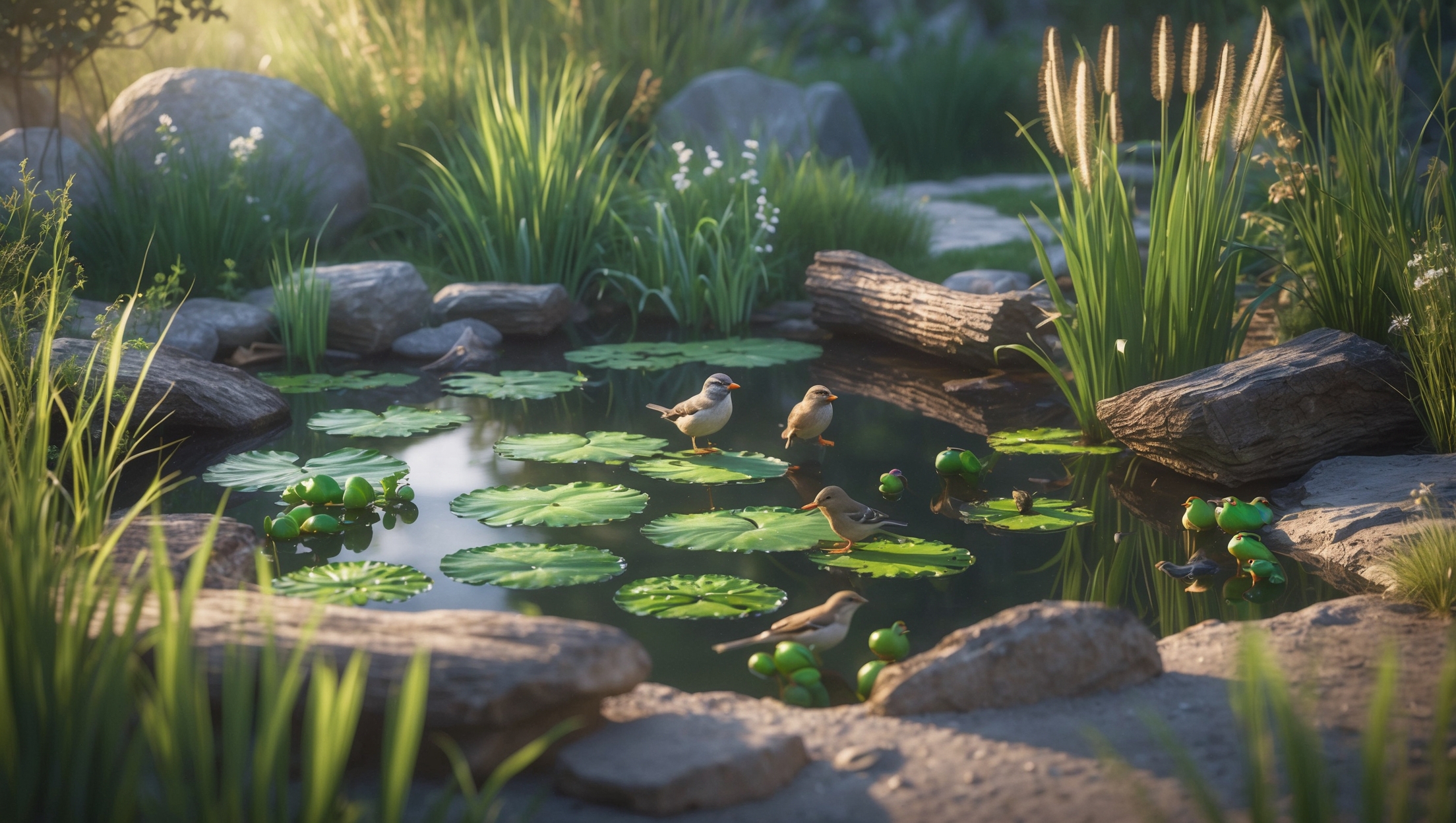
Introduction: Why Build a Backyard Wildlife Pond?
Adding a wildlife pond to your backyard is one of the most rewarding landscaping projects a homeowner can undertake. Unlike ornamental fish ponds or water features focused solely on aesthetics, wildlife ponds are designed to attract, support, and sustain local flora and fauna. Birds, frogs, dragonflies, beneficial insects, and even small mammals will benefit from the new habitat, making your garden a living, breathing ecosystem. However, many homeowners are hesitant to take the plunge, fearing high costs or complicated installation. The truth is, with careful planning and budgeting, a backyard wildlife pond can be an affordable project that pays dividends—both for you and for local biodiversity. In this comprehensive guide, we’ll break down every cost involved, from digging the hole to planting native species, and provide actionable budget-saving strategies to help you create a thriving pond without overspending.
Planning Your Wildlife Pond: Size, Style, and Scope
Determining the Ideal Size and Shape
The first step in cost planning is deciding how big your pond should be. Wildlife ponds don’t need to be large to be effective; even a small 6-by-8-foot pond can become a haven for amphibians and insects. Key considerations include available backyard space, sunlight exposure, and proximity to existing landscaping. Irregular, naturalistic shapes are typically best for wildlife, providing shallow gradients for easy access.
- Mini pond (3’–5′ diameter): Ideal for small yards or patio spaces.
- Medium pond (6’–10′ diameter): Suitable for most suburban backyards.
- Large pond (11’+ diameter): Greater biodiversity potential, but higher costs.
Natural vs. Lined Ponds
Most backyard wildlife ponds use a liner to retain water. Options include flexible rubber liners, preformed rigid liners, or clay (if your soil is suitable). Each has different cost implications, which we’ll cover in the materials section.
Cost Breakdown: What to Expect
1. Site Preparation and Excavation
- DIY manual digging: $0–$100 (tools rental or purchase)
- Professional excavation: $300–$1,000 (depends on size and access)
If you’re physically able and the soil isn’t too rocky, manual digging keeps costs low. For larger ponds or difficult sites, hiring a mini-excavator or professional may be worth the investment.
2. Pond Liner and Underlay
- Flexible EPDM liner (most popular): $0.80–$2.00 per sq. ft.
- Preformed plastic liner: $60–$400 (limited shapes/sizes)
- Underlay (protective fabric): $0.25–$0.50 per sq. ft.
For a 6×8 ft pond (with 18″ depth and overlap), expect to spend $120–$250 on liner and underlay. Don’t skip the underlay—it prevents punctures and extends the liner’s life.
3. Edging and Margins
- Natural stone: $0.20–$0.50/lb (total $60–$200 for a medium pond)
- Logs, reclaimed wood, or turf: Often free or minimal cost if sourced locally
Edging not only finishes the look but provides hiding spots for wildlife. Collecting materials from your property or a local reclamation yard can save money.
4. Water Source and Fill
- Tap water: $5–$15 for initial fill (depending on size and local rates)
- Rainwater harvesting: Free, but may require a barrel or diverter ($30–$120)
Rainwater is best for wildlife ponds, but tap water is usually safe if left to stand for 24–48 hours before introducing plants and animals.
5. Plants and Habitat Features
- Aquatic plants (marginals, oxygenators, floaters): $5–$15 per plant
- Native wildflowers & grasses (for margins): $15–$50 per flat
- Logs, rocks, brush piles: $0 (often sourced on-site)
Plan on 10–20 plants for a medium pond, mixing submerged, floating, and marginal species for best results. Choose native varieties whenever possible—they’re better for local wildlife and lower maintenance.
6. Optional Equipment
- Pond pump (for circulation, not filtration): $30–$140
- Solar aerator (optional, increases oxygen): $45–$120
While not essential for wildlife ponds (which thrive without filters or waterfalls), a small pump or aerator can help keep water healthy, especially in hot climates.
7. Labor and Miscellaneous
- Labor (if hiring out): $200–$800
- Miscellaneous (shovels, buckets, gloves, wheelbarrow): $50–$150 (if not already owned)
Total Estimated Costs
- DIY Mini Pond: $100–$350
- DIY Medium Pond: $350–$900
- Professionally Installed Medium Pond: $1,200–$3,000+
These ranges reflect typical choices and local price variations. Remember, wildlife ponds are often simpler (and cheaper) than ornamental koi or fish ponds.
Smart Budgeting: Tips to Save Without Sacrificing Quality
Source Materials Locally
Reclaiming rocks, logs, and plants from your property or local plant swaps can dramatically reduce costs. Always check regulations before harvesting wild plants.
DIY Where Possible
Manual digging, liner installation, and planting are all tasks most homeowners can manage with basic instruction. Save on labor by inviting friends or family to help.
Start Small, Expand Later
Begin with a modest pond and add on over time as your budget permits. Many wildlife ponds are created in stages, with new plants or habitat features added each year.
Choose Native Plants
Native aquatic and marginal plants are more resilient, require less maintenance, and are often cheaper than exotic imports.
Skip Unnecessary Equipment
Wildlife ponds don’t need elaborate pumps, filters, or lighting. Focus spending on quality liner and plants for the healthiest habitat.
Utilize Rainwater
A basic rain barrel system is a one-time expense that pays off in healthier, wildlife-friendly water.
Budget-Friendly Wildlife Pond Case Study
The Smith Family’s $400 Backyard Pond
In 2023, the Smiths wanted to boost pollinators and frogs in their suburban yard. With a $400 budget, they:
- Manually dug a 7×5 ft pond (free labor)
- Purchased a quality EPDM liner and underlay for $140
- Used rocks and logs from their property for edging
- Bought 10 native aquatic plants from a local nursery ($70)
- Added a $40 solar aerator for summer
- Seeded the margins with wildflower mix ($30)
- Used harvested rainwater for the initial fill
Within a month, frogs were breeding and dragonflies visited daily. Maintenance is minimal, and the project came in under budget.
Hidden and Ongoing Costs
Water Top-Ups
Evaporation may require occasional topping up, especially during hot, dry spells. Using rainwater minimizes cost and environmental impact.
Seasonal Plant Replacement
Some aquatic plants may need to be replaced every few years, especially if winter is harsh. Budget $20–$50 annually for this.
Algae Management
Balanced planting and no overfeeding will keep algae in check. If needed, non-chemical solutions (like barley straw) cost $10–$20 per season.
Wildlife Care
Wildlife ponds require little direct care, but you may want to budget for occasional repairs (e.g., patching a liner or replacing edging stones).
Budgeting Tools and Resources
- Pond volume calculators: Available free online to help determine liner size and water requirements
- Native plant databases: Local extension offices and wildlife organizations offer lists and guides
- Community plant swaps: Great way to find affordable native plants
- DIY tutorial videos: YouTube and garden blogs provide step-by-step guidance
Frequently Asked Questions About Pond Costs
Can I build a wildlife pond for under $200?
Yes, especially if you opt for a mini pond using a preformed liner, source plants locally, and do all the labor yourself. Starting small keeps costs manageable.
Is a liner really necessary?
In most areas, yes. Unless your soil is heavy clay and can hold water naturally, a quality liner is essential to retain water year-round.
Do I need a filter or pump?
No. Unlike fish ponds, wildlife ponds thrive with still or gently circulating water. Plants and healthy microbe populations will keep water clear and oxygenated.
How soon will wildlife arrive?
In many areas, frogs, insects, and birds find new ponds within weeks—sometimes days—of completion. Planting native species accelerates the process.
Conclusion: Invest in Wildlife, Reap the Rewards
Building a backyard wildlife pond is an investment in both your property and the planet. By understanding the real costs and budgeting wisely, you can create a beautiful, functional ecosystem that enriches your daily life and supports local wildlife. Whether your budget is $200 or $2,000, strategic planning and a focus on native plants, reclaimed materials, and DIY effort will stretch your dollars further. The joy of watching frogs bask on lily pads, dragonflies dart across the water, and birds stop by for a drink is priceless. Even better, wildlife ponds are relatively low maintenance and can be expanded or enhanced as time and funds allow.
Remember, the most important “feature” of your wildlife pond is the habitat it creates. Prioritize ecological health over expensive gadgets or elaborate landscaping. By following the detailed cost breakdowns and smart budgeting strategies in this guide, you’ll be well-equipped to build a pond that fits your space, your financial goals, and the needs of your local wildlife. Start planning today, and you’ll soon enjoy the sights and sounds of nature right outside your back door—a true oasis for both you and the creatures that share your world.
For those of us with limited sunlight in our backyards, do you have recommendations for native aquatic plants that thrive in partial shade but still attract a good variety of wildlife?
Absolutely! For shaded or partially shaded backyard ponds, consider native plants like marsh marigold, pickerelweed, and arrow arum. These species do well without full sun and can attract frogs, dragonflies, and pollinators. Adding some water-loving ferns or sedges around the edges can also boost wildlife interest in lower-light spots.
If I’m planning to start with a small 6-by-8-foot wildlife pond, is it possible to expand it later without completely rebuilding, or is it better to plan for a bigger size up front?
Expanding a small pond later is possible, but it can be tricky. You may need to dig around the existing pond, get a larger liner, and carefully blend the new section with the old one. It usually involves extra work and costs, so if you think you might want a bigger pond in the future, planning for a larger size now is often simpler and more cost-effective.
If my backyard soil might work for a clay-lined pond, could you outline any ongoing maintenance or issues I should expect compared to using a manufactured liner?
With a clay-lined pond, you may need to periodically check for leaks and patch any cracks that form over time, especially after dry spells. Clay can shrink or shift, so maintaining consistent moisture is important. You might also need to control invasive plant roots and burrowing animals, as they can disturb the liner. Compared to manufactured liners, clay requires a bit more ongoing attention but can be a natural and effective option if cared for properly.
Once I’ve decided on the pond size and chosen a liner, what are the next steps I should budget for, especially when it comes to planting native species or adding features to attract more wildlife?
After choosing your pond size and liner, budget for essentials like a pump and filtration system, edging materials (rocks or pavers), and quality topsoil for planting. For wildlife, plan for native aquatic and marginal plants, logs or stones for basking, and possibly a shallow shoreline for easy animal access. Consider costs for mulch, compost, and wildlife-friendly features like bird baths or small islands.
When budgeting for a medium-sized wildlife pond in a typical suburban backyard, are there any often-overlooked costs—like permits or soil removal fees—that homeowners should prepare for?
Yes, there are some commonly overlooked costs when budgeting for a backyard pond. Permit fees may apply depending on local regulations, and soil removal or disposal can add up if you need to haul away excess dirt. Also consider costs for electrical work if you plan to install pumps or lighting, and potential landscaping repairs after construction.
If I only have a small suburban backyard, would a mini pond still offer noticeable benefits for local wildlife, or would I need to invest in a larger size to really make an impact?
A mini pond can absolutely provide valuable benefits for local wildlife, even in a small suburban backyard. Birds, insects like dragonflies, frogs, and pollinators can all be attracted to a small water feature. You don’t need a large pond to make a positive impact—just ensure you include shallow edges, native plants, and avoid chemicals to maximize its appeal for wildlife.
Could you clarify if the initial cost breakdown in your guide includes permitting fees or other local compliance costs some homeowners might face when planning a backyard wildlife pond?
The initial cost breakdown in the guide focuses on materials, labor, and basic installation expenses, but it does not include permitting fees or compliance costs. These can vary by location, so it’s a good idea to check with your local authorities to find out if such fees apply to your project.
You talk about the option of using flexible rubber liners, preformed liners, or clay for pond construction. For someone on a tight budget but dealing with rocky soil, which liner type usually offers the best balance between upfront cost and longevity?
For rocky soil and a tight budget, a flexible rubber liner (like EPDM) is usually your best choice. It’s more affordable than preformed liners, adapts well to uneven ground, and is durable if you use an underlay to protect it from rocks. Clay is cheaper but tricky with rocks and harder to maintain.
After digging the pond, is there a checklist of things I need to do to make sure it actually attracts wildlife, not just end up as a stagnant mosquito pool?
Once your pond is dug, add native aquatic plants, create varied depths for habitat, and include rocks or logs at the edges for shelter. Regularly top up with rainwater, avoid chemicals, and introduce floating plants to minimize algae and mosquitoes. You can also add a gentle water feature to keep water moving.
Could you give more details on how the cost and effort differ between using a rubber liner, a preformed liner, or trying a natural clay pond? I want to make sure I’m picking an option that won’t be too overwhelming or expensive for our family.
A rubber liner is flexible, relatively easy to install, and mid-range in price, making it popular for custom shapes. Preformed liners are less flexible in shape but quicker to set up and often slightly cheaper for small ponds. Natural clay ponds are the least expensive in materials but require the most effort—digging, compacting, and ongoing maintenance—so they can be more labor-intensive overall. Consider your desired shape, budget, and how much work your family is comfortable taking on.
Can you share more insight on the pros and cons of using a flexible rubber liner versus a preformed rigid liner, especially in climates with freezing winters? I’m debating which would last longer for my backyard.
Flexible rubber liners adapt well to ground movement and are less likely to crack during freeze-thaw cycles, making them a good choice for cold climates. Preformed rigid liners are easier and quicker to install but can become brittle and crack if the ground shifts or freezes deeply. For long-term durability in freezing winters, a flexible rubber liner generally offers better longevity.
Can you share more about the costs and pros/cons of using a flexible rubber liner versus a preformed rigid liner? We want to budget carefully but also want something that lasts.
A flexible rubber liner usually costs less upfront and lets you customize the pond’s shape and size, but it requires careful installation to avoid punctures. Preformed rigid liners are more expensive, offer set shapes, and are quicker to install. They’re usually more durable long-term but limit your design options. For tight budgets and creative layouts, a flexible liner is great. If you prefer durability and easy setup, go with a rigid liner.
I have a pretty small backyard, so the mini pond option caught my eye. Do you have any estimates on the total costs for just a 3- to 5-foot pond, including materials and plants?
For a 3- to 5-foot mini pond, the total cost is usually between $150 and $400. This estimate covers materials like a pond liner, small pump, edging stones, and some native aquatic plants. Costs can vary depending on plant choices and whether you buy a preformed liner or flexible one.
I’m wondering, for a medium-sized wildlife pond (around 6 to 10 feet across), what is a realistic all-in starting budget if I want to use a flexible liner and mostly native plants?
For a medium-sized pond using a flexible liner and native plants, a realistic starting budget is typically between $500 and $1,200. This covers the liner, underlayment, a basic pump (if needed), edging materials, and a selection of native plants. Costs can vary depending on materials and plant choices, but this range gives you a good foundation for planning.
For a medium-sized backyard, would you recommend a flexible rubber liner or a preformed rigid liner in terms of both cost and durability? I am trying to figure out which is the better investment for attracting local wildlife.
For a medium-sized wildlife pond, a flexible rubber liner is usually the better investment. It costs less per square foot for larger projects, allows you to create natural shapes with gradual edges (better for wildlife access), and is highly durable if installed properly. Preformed liners can be convenient but are often more expensive and limited in shape and depth.
Can you explain how much ongoing maintenance a wildlife pond actually needs compared to a traditional fish pond? I’m wondering if the time commitment could be an issue for a busy family.
A wildlife pond generally needs less ongoing maintenance than a traditional fish pond. Without fish, there’s less waste, so you won’t need a filter or frequent water changes. Maintenance mainly involves removing excess plant growth, clearing debris, and occasionally topping up water—tasks that can be done monthly or seasonally, making it manageable for a busy family.
You mentioned that even a small 6-by-8-foot pond can make a difference for wildlife. What kind of budget range should I expect if I go for the mini pond option you described?
For a small 6-by-8-foot wildlife pond, expect to budget between $200 and $600, depending on your material choices. Basic costs include pond liner, underlayment, a small pump if you want moving water, and some native plants. Doing the labor yourself and repurposing rocks or containers can help keep costs at the lower end.
If I only have a small patio space, would a mini pond still attract frogs and birds, or am I limited to just insects and maybe a few plants?
Even a mini pond on a small patio can attract frogs and birds, though results may vary depending on your location and surrounding environment. Birds often visit any open water source, and frogs might come if there’s suitable nearby habitat. You’ll definitely see insects and enjoy aquatic plants, but adding rocks and some shelter can increase the chances of attracting more wildlife.
For someone with a smaller yard, would a mini pond actually have a noticeable effect on attracting wildlife, or is it better to invest in a medium size if possible?
Even a mini pond can make a real difference for local wildlife, especially in smaller yards. Birds, insects, and amphibians are often attracted to any reliable water source. If you have space for a medium pond, it can support a wider range and greater number of creatures, but a well-placed mini pond will still encourage visits from wildlife and offer valuable habitat.
For a medium-sized pond in a suburban backyard, what would you estimate is the biggest cost factor—digging the hole, buying the liner, or the plants? I’m trying to get a realistic sense of what might stretch my budget the most.
For a medium-sized suburban pond, the liner is usually the largest single expense, especially if you choose high-quality materials to prevent leaks. Digging can add up if you hire professionals, but DIY digging keeps costs lower. Plants are important for the ecosystem but are generally less expensive per item than the liner or excavation. So, expect the liner to stretch your budget the most.
If I wanted to keep my project under $500, what are the main areas I could cut costs without sacrificing biodiversity? For example, are there native plants or materials that tend to be more budget-friendly?
To keep your wildlife pond project under $500, focus on using locally available, native plants, which are often less expensive and better for biodiversity. Reuse materials like rocks or logs from your own yard, and consider a smaller pond liner to reduce costs. Avoid extras like pumps or decorative edging, as they’re not essential for wildlife.
Do you have any tips for keeping the project budget under control when adding native plants or landscaping around a new backyard pond? I want to attract wildlife but not overspend on plants.
Consider starting with smaller plants or plugs rather than mature ones, as they’re more affordable and establish well over time. You can also swap or collect seeds from local gardening groups. Focus on a few key species that offer the most benefit for wildlife, and let them spread naturally. Mulch around new plants to reduce weeds and water needs, which also helps save money.
You mentioned flexible rubber liners and preformed rigid liners. Are there pros and cons to each when it comes to durability and long-term cost for a backyard wildlife pond?
Flexible rubber liners are usually more adaptable to different shapes and sizes, allowing you to design a custom pond. They tend to last a long time if installed properly, but can be punctured by sharp rocks or roots. Preformed rigid liners are very durable and puncture-resistant, but you’re limited to the shapes and sizes available. In terms of long-term cost, flexible liners may require patching if damaged, while rigid liners might need replacement if they crack, especially in areas with freezing winters.
I’m trying to figure out which liner option would be most cost-effective long term. Can you give a ballpark estimate for flexible rubber versus preformed liners, including expected lifespan and maintenance?
Flexible rubber liners, such as EPDM, usually cost more upfront ($1–$2 per square foot), but they last 20+ years with minimal maintenance if installed well. Preformed liners are cheaper initially ($80–$250), but tend to have a shorter lifespan (10–15 years), and are more prone to cracking in extreme temperatures. Over the long term, flexible rubber often proves more cost-effective due to durability and fewer repairs.
You mention the importance of shallow gradients and naturalistic shapes for wildlife. Are there any tips or common mistakes people make during the digging phase that could affect how well the pond supports local animals?
Absolutely, a common mistake is making pond sides too steep, which prevents animals from accessing the water or escaping if they fall in. Aim for gently sloped edges and varied depths, including a shallow beach area for easy entry. Avoid creating uniform, perfectly round shapes—irregular outlines and shelves offer more habitat for wildlife and plants. Remove sharp debris and ensure transitions are smooth to prevent injuries to visiting animals.
For someone with a smaller yard, would you recommend sticking to a mini pond, or is it worth stretching the budget for a medium one to attract a wider range of wildlife species?
A mini pond can still attract a surprising amount of wildlife, especially if you include features like plants and rocks. However, a medium pond does support a greater variety of species due to its larger surface area and depth. If your budget and space allow, and you’re keen on maximizing biodiversity, stretching for a medium pond could be worthwhile. Otherwise, a well-designed mini pond is still a great choice for small yards.
I’m a little nervous about attracting mosquitoes to my yard with a wildlife pond. Does the article cover strategies or extra costs involved in keeping mosquitoes under control in this kind of pond setup?
Yes, the article does address concerns about mosquitoes. It suggests adding moving water features like fountains or pumps, which discourage mosquito breeding. The article also mentions using native fish or encouraging frogs, both of which eat mosquito larvae. These options may add a small extra cost for equipment or initial stocking, which is factored into the budget breakdown.
How much extra work or cost should I expect if my backyard doesn’t get a lot of sunlight? The article mentions sunlight exposure as a key factor, but I’m not sure how that impacts both the initial budget and ongoing maintenance.
If your backyard gets limited sunlight, you may need to budget extra for shade-tolerant plants, as they can be pricier or harder to source. Pumps and aeration might also be needed to keep water clear since sunlight helps beneficial bacteria thrive. Maintenance could increase, too, as you might face more algae and debris buildup with less natural balance. Expect moderate extra costs and a bit more upkeep compared to a sunny pond.
I’m curious about the ongoing maintenance costs after installing a backyard wildlife pond. Do you have any rough estimates or tips on how to keep those expenses low over time?
Ongoing maintenance for a backyard wildlife pond usually includes electricity for a pump (if used), occasional water treatments, cleaning tools, and replacing plants or filter media. Most homeowners spend between $10 and $30 per month. To keep costs low, choose native plants, use a solar-powered pump, and avoid overstocking with fish, since fewer fish means less waste and less cleaning.
I noticed you said flexible rubber liners and preformed rigid liners have different cost implications. For someone on a tight budget, is one type generally more affordable in the long run, including maintenance?
For a tight budget, flexible rubber liners are usually more affordable upfront and for larger ponds. They also let you customize the shape and size. In the long run, maintenance costs are similar, but flexible liners can be patched if damaged, while rigid liners may need full replacement if they crack. Overall, flexible liners tend to be more budget-friendly.
The article mentions using either flexible rubber or rigid liners for water retention. Are there significant differences in long-term maintenance or durability between those two options?
Flexible rubber liners generally adapt better to ground movement and are less likely to crack over time, making them durable with proper installation. Rigid liners are easier to install but can become brittle and crack, especially in freeze-thaw climates. Maintenance is similar, but repairing flexible liners is often easier if punctured.
If we start with just digging and lining the pond this spring, how much of the planting and landscaping can be spread out over time without hurting the wildlife value or the pond’s health?
You can absolutely spread out planting and landscaping over time. The key is to include some aquatic plants early to help balance the water, provide habitat, and limit algae. Marginal and surrounding plantings can be added gradually as your budget allows, without compromising the pond’s health or its appeal to wildlife.
I run a small landscaping business—could you clarify what the typical ongoing maintenance costs are for a wildlife pond versus an ornamental fish pond? That would help me advise customers concerned about budgeting after installation.
Wildlife ponds generally cost less to maintain than ornamental fish ponds. Wildlife ponds need only occasional plant trimming and debris removal, with minimal equipment expenses. Ornamental fish ponds require regular water quality checks, filtration system maintenance, fish feeding, and sometimes treatments for fish health, leading to higher ongoing costs. This distinction can be important when advising customers about future expenses.
After budgeting for materials and plants, what unexpected expenses did you run into while building your own wildlife pond? I’m a bit worried about going over budget and would appreciate tips on avoiding common cost overruns, especially with tools or mistakes during installation.
Some unexpected expenses included renting a soil compactor and buying extra liner after I underestimated the size. I also had to replace a broken spade and buy more gravel for edging. To stay on budget, double-check your measurements, borrow or rent tools if possible, and keep a small contingency fund for surprises.
If my backyard soil is mostly clay, is it really possible to skip the pond liner entirely, and what prep work would be required? I want to keep my costs down as much as possible.
If your soil is mostly clay, you might be able to skip a pond liner, since clay can hold water fairly well. To improve water retention, compact the clay thoroughly and remove any rocks or roots. You may still need to patch any cracks or add a thin layer of bentonite clay for best results. Monitor the pond after filling to ensure it holds water before adding plants or wildlife.
How much ongoing maintenance or unexpected costs should I realistically expect after the initial pond setup? Does the cost breakdown cover things like replacing liners or managing invasive plants down the road?
After your initial setup, ongoing maintenance costs can include water treatments, pump or filter replacements, and occasional repairs. Unexpected costs might arise from issues like torn liners or invasive plant control, which aren’t always included in initial budgets. It’s wise to set aside a small annual fund for these potential expenses, as liners may need replacement every 10–15 years and plant management can vary seasonally.
How much ongoing maintenance does a medium-sized wildlife pond usually require, both in terms of time and annual costs? I want to make sure I’m budgeting for upkeep after installation, not just the initial build.
A medium-sized wildlife pond typically requires 1–2 hours of maintenance per month, such as removing debris, trimming plants, and checking water quality. Annual costs usually range from $100 to $300, covering items like pump maintenance, water treatments, occasional plant replacement, and equipment repairs. Budgeting for these ongoing needs will help keep your pond healthy and enjoyable.
If I want to start with a smaller 3-to-5-foot mini pond, is it easy to expand it later for greater biodiversity potential, or would that require starting over and incur much higher costs?
Expanding a mini pond later is definitely possible, but it will involve extra effort. You’ll need to carefully dig out additional space, extend the pond liner, and potentially upgrade the pump or filtration system. While you won’t have to start over completely, expanding is more costly than building bigger from the start.
When planning for a medium-sized wildlife pond, how much should I realistically budget for ongoing maintenance each year—not just the initial build? I’m trying to avoid unexpected expenses after installation.
For a medium-sized wildlife pond, you should expect to budget around $150 to $400 per year for ongoing maintenance. This covers cleaning, water treatments, occasional equipment replacement, and plant care. If you hire professional help, costs may be higher. Setting aside a little extra can help handle unexpected repairs or seasonal needs.
I’m trying to figure out if a rubber liner or a preformed rigid liner would be better for a 6-by-8-foot pond like the one you mentioned. Are there maintenance or installation cost differences I should consider?
For a 6-by-8-foot pond, a rubber liner usually costs less upfront and offers more flexibility in shaping the pond, but it can require more careful installation to avoid leaks or punctures. Preformed rigid liners are easier to install and more durable against sharp objects, though they can be pricier and limit your pond’s shape. Maintenance for both is similar, but repairs on rubber liners may be simpler. Consider your desired shape and installation experience when choosing.
If my backyard has clay-heavy soil, do I really need to invest in a liner or could I make a natural pond just by digging? I’m trying to figure out if that’s a realistic way to save money.
Clay-heavy soil does help retain water better than sandy or loamy soils, so it is sometimes possible to create a wildlife pond without a liner. However, most backyard ponds still slowly lose water even in clay, and getting a truly watertight basin can be tricky. If you want to avoid a liner, you’ll need to thoroughly compact the clay and test for leaks. Be prepared for some trial and error, and you may need to top up the pond occasionally.
For someone with a smaller yard considering a mini pond, are there any hidden costs or recommendations for scaling down while still supporting local wildlife effectively, especially with native plant choices?
Scaling down to a mini pond can save on materials and excavation, but hidden costs may include a good pond liner, small pump, and occasional water treatments. Focus on using native aquatic and marginal plants, as they support local wildlife and usually require less maintenance. Even a small pond attracts insects, birds, and amphibians, so providing shallow edges and some rocks or logs can help wildlife access safely.
If I only have space for a small 3- to 5-foot pond like you mentioned, is there a realistic ballpark for total cost, including basic liners and native plants? Trying to gauge if this can fit our tight family budget.
For a small 3- to 5-foot pond, the total cost is usually between $150 and $400. This covers a basic pond liner, a small pump, and a selection of native plants. Costs can be kept on the lower end with DIY installation and using local rocks or repurposed materials for edging.
If I’m planning to build the pond myself, about how much time should I budget for each phase, from digging to planting native species? I want to make sure I can fit this project into my busy schedule.
For a small to medium backyard pond, digging usually takes 1-2 days, depending on soil and size. Liner and pump installation can be done in a day. Filling the pond and testing equipment takes a few hours. Adding rocks, edging, and planting native species may take another 1-2 days. In total, plan for 3-5 full days, or several weekends if you spread out the work.
If I want to keep the initial investment really low, which part of the pond—digging, lining, or planting—do you think offers the most room for saving money without sacrificing the pond’s ability to support wildlife?
Digging offers the most flexibility for saving money, especially if you do it yourself instead of hiring help. The liner, however, is crucial for water retention and shouldn’t be compromised. For planting, you can gather native plants from your area or swap with neighbors to reduce costs without affecting the pond’s appeal to wildlife.
When budgeting for a small wildlife pond like the 6-by-8-foot size you mentioned, what ongoing maintenance costs should I expect over the first year? I want to make sure I’m considering more than just the initial build.
For a 6-by-8-foot wildlife pond, ongoing maintenance costs in the first year typically include water treatments (like dechlorinator or beneficial bacteria), occasional replacement plants, fish or amphibian food if you stock them, and electricity for a small pump or filter. You might also need to budget for seasonal cleaning supplies and some repairs or top-ups for pond liner and edging materials.
How long does the average wildlife pond project take from planning to completion, especially for someone who’s never installed one before and wants to avoid costly mistakes?
For a beginner, expect the full process—from planning and design through digging, lining, planting, and filling—to take about two to four weeks if you work on it regularly. Taking your time with research and careful planning helps avoid mistakes and unexpected costs.
How much more expensive would it be to use a flexible rubber liner compared to a preformed rigid liner for a medium-sized pond? I’m trying to figure out which material makes the most sense.
A flexible rubber liner usually costs more upfront than a preformed rigid liner for a medium-sized pond, sometimes by $100–$300 depending on size and thickness. However, rubber liners offer more flexibility in shape and are easier to repair. Rigid liners can be less expensive but are limited in design options and may be harder to install if your ground isn’t perfectly level.
If I want to start with a basic, medium-sized wildlife pond and maybe expand it in the future, is that realistic, or will it end up being more expensive and complicated than just building a larger pond from the start?
Starting with a medium-sized pond and expanding later is definitely possible, but you should know it can be more costly and complex in the long run. Expansion usually means extra digging, redoing the liner, and possibly disturbing established plants or wildlife. If you already think you’ll want a larger pond, it’s usually more economical and less disruptive to build bigger from the beginning.
When you mention choosing between flexible rubber liners, preformed rigid liners, or even clay for the pond, how do the costs and maintenance needs compare over time? Is one option more eco-friendly for wildlife?
Flexible rubber liners usually have a moderate upfront cost, are easy to shape, and require occasional patching over time. Preformed rigid liners cost more initially, last longer, and are less prone to punctures. Clay is eco-friendly and blends well with natural habitats but demands skill to install and regular upkeep to prevent leaks. For wildlife, clay is the most natural, but flexible liners are also widely used and safe when installed carefully.
If my backyard has heavy clay soil, is it possible to skip the liner entirely, and if so, how would that affect both the budget and ongoing pond maintenance compared to the lined options mentioned?
If your backyard has heavy clay soil, you might be able to skip the liner since clay can retain water reasonably well. This would reduce your upfront costs by eliminating the expense of a liner. However, clay ponds may require more maintenance to prevent leaks and deal with murky water. You might also need to compact the soil thoroughly and monitor water levels more frequently than with a lined pond.
I have a smaller backyard and am considering a mini pond as you mentioned. Are there any hidden costs or extra challenges with installing and maintaining a wildlife pond that size compared to a medium one?
With a mini pond, costs are generally lower, but there can be hidden expenses like ensuring proper edging to prevent leaks, buying a small but suitable pump, and maintaining water quality since smaller volumes can fluctuate quickly. You may also need to clean debris more frequently, as small ponds can get dirty faster.
You mention even small ponds can help local wildlife. How long does it typically take after installation for birds and amphibians to start using a new backyard pond?
Birds often discover and visit a new pond within just a few days to a week, especially if there is fresh water and some nearby cover. Amphibians like frogs and toads may take a bit longer, usually a few weeks to a couple of months, as they gradually find the pond and if it’s suitable for breeding. Adding native plants and keeping the area quiet can help attract them sooner.
If my backyard has heavy clay soil, is it realistic to skip the liner and rely on the natural soil to keep the pond full, or would that just lead to maintenance headaches later on?
Relying solely on heavy clay soil might seem appealing, but it often leads to slow leaks and more maintenance over time. Even with dense clay, natural soil rarely stays perfectly watertight. Installing a pond liner is still the best way to ensure your pond holds water reliably and reduces future headaches.
How do you figure out whether a flexible rubber liner or a preformed rigid liner is better for a medium-sized suburban backyard pond? Are there any major differences in maintenance or lifespan between the two?
A flexible rubber liner gives you more freedom in shaping your pond and is great for customizing size and features. Preformed rigid liners are easier to install and often more durable against punctures, but limit your design. Both types can last 10–20 years if installed well, but flexible liners might need patching if damaged. Maintenance is similar overall, though cleaning can be simpler with a smooth preformed liner.
After picking a pond size and lining option, what’s the next step in the planning process to keep things on budget? Should I prioritize sourcing native plants or focus first on excavation and liner installation?
Once you’ve chosen your pond size and liner, the next step should be excavation and installing the liner. This will define the exact space and depth for planting, helping you avoid purchasing too many or too few plants. After installation, you can then focus on sourcing native plants that fit your finalized pond layout and budget.
Could you provide a rough estimate of the ongoing maintenance costs for a small pond versus a larger one? I’m especially curious about native plant care and keeping the water clean for wildlife.
For a small pond, ongoing maintenance might cost $10–$20 per month, mainly for occasional replacement plants and basic water treatments. Larger ponds may run $30–$60 monthly, as you’ll need more plants, potentially larger filtration systems, and more regular debris removal. Using native plants helps lower costs, since they typically need less care and fewer additives to thrive.
How much of the cost difference comes down to the type of pond liner you choose? I’m trying to decide between a flexible liner and a preformed one for a medium-sized pond.
The type of pond liner is a major factor in overall cost. Flexible liners are usually less expensive upfront than preformed liners, especially for medium-sized ponds. However, preformed liners can save on installation labor and might last longer. Expect the liner choice alone to account for 20–40% of your initial pond budget.
If I want to maximize wildlife benefits but have a limited budget, which parts of the installation would you recommend spending the most on, and where can I safely try to save or DIY?
To maximize wildlife benefits on a budget, invest most in native aquatic plants and a reliable pond liner, as these are vital for habitat and water retention. You can save by digging the pond yourself, sourcing rocks or logs locally, and using inexpensive or upcycled edging materials.
You mention native plantings helping both wildlife and the budget. Are there specific native species you’d recommend that are particularly low-maintenance for a first-timer adding a 6-by-8-foot pond?
For a 6-by-8-foot pond, some easy-care native plants include blue flag iris, pickerelweed, and swamp milkweed. These thrive in wet conditions, support pollinators, and usually require minimal upkeep once established. Adding a few native sedges or rushes along the edge can also help stabilize soil and provide habitat.
Can you give a ballpark range on what the total cost difference might be between using a flexible rubber liner and a preformed rigid liner for a medium-sized pond like the 6-by-8-foot one you mentioned?
For a 6-by-8-foot pond, a flexible rubber liner typically costs between $100 and $250, while a preformed rigid liner for the same size can range from $200 to $400. Factoring in other materials and installation, you might see a total cost difference of about $100 to $200, with flexible liners usually being the less expensive option.
When planning for a pond in an area with lots of tree roots, are there extra expenses or complications I should consider before digging? I want to avoid surprises during installation.
Yes, tree roots can add both complications and extra costs to pond installation. You may need specialized equipment to cut through roots or hand-digging, which takes more time and labor. Protecting existing trees or rerouting the pond to avoid major roots might also be necessary. In some cases, using a root barrier or consulting an arborist could help prevent future damage to trees and the pond liner. Budget a bit extra for these potential challenges.
For homeowners in areas with heavy clay soil, is it usually viable to skip a synthetic liner altogether, and how does this affect long-term maintenance costs?
If you have heavy clay soil, you might be able to skip a synthetic liner because clay can hold water well when properly compacted. However, there may still be some seepage over time, so the pond could require more frequent topping up. Long-term maintenance costs might be higher due to water loss and potential algae growth from fluctuating water levels, compared to a lined pond that better retains water and requires less routine intervention.
Is it realistic to build a functional mini wildlife pond (like 3 to 5 feet in diameter) over a couple of weekends, or does the installation usually stretch out longer than that for busy families?
Building a mini wildlife pond about 3 to 5 feet in diameter is definitely realistic to complete over a couple of weekends, especially if you plan ahead and gather all your materials in advance. Most of the tasks, like digging, placing the liner, filling with water, and adding plants, can be split up over a few days. For busy families, spreading the work across two weekends usually gives plenty of time for a functional and attractive result.
If I have limited backyard space and am considering the mini pond size you mentioned, what are some specific ways to keep the project affordable without sacrificing habitat quality for local wildlife?
For a mini pond, consider using a preformed pond liner or a sturdy tub instead of custom liners to save money. Choose native aquatic plants—they’re often less expensive and thrive with little maintenance. Gather rocks and logs locally to create natural edges and shelter. Instead of a costly pump, you can manually refresh water as needed to maintain good conditions.
When you mention that wildlife ponds need irregular, naturalistic shapes for better access, how complicated is it to dig those shapes by hand? I have limited landscaping experience and want to avoid hiring equipment if possible.
Digging an irregular, naturalistic pond by hand is definitely doable, especially for smaller ponds, but it does take more effort than a simple round or rectangular shape. The key is to plan your outline carefully using a hose or rope as a guide, then take your time shaping the edges and shelves. Work in manageable sections, and use basic tools like a spade, shovel, and wheelbarrow. Patience and careful planning will make the process much easier, even with limited experience.
If my backyard only gets partial sunlight, will that impact the range of wildlife my pond can support, or will it mainly affect plant choices and costs?
Partial sunlight will affect both plant choices and the range of wildlife your pond can support. Some aquatic plants and sun-loving animals, like certain dragonflies or frogs, may be less common. Shade-tolerant plants will thrive, but your plant selection may be more limited, which could influence both the cost and the types of wildlife attracted.
You mentioned different liner options for wildlife ponds, like flexible rubber, rigid preformed, and even clay. Could you give more detail on the cost differences and pros and cons of each type for a medium-sized backyard pond?
Flexible rubber liners, like EPDM, usually cost $1.50 to $3 per square foot and are easy to shape but need care to avoid punctures. Rigid preformed liners range from $100 to $400 for medium sizes, are durable, but limit your pond shape. Clay is the most natural and can be cost-effective if you DIY, but it’s labor-intensive and needs proper installation to prevent leaks. Each type has its merits depending on your budget, desired look, and DIY skills.
Could you talk more about how the cost changes depending on whether you use a flexible rubber liner versus a preformed rigid liner? I’m not sure which would be more budget-friendly for a medium-sized suburban pond.
Flexible rubber liners are typically more budget-friendly for medium-sized ponds. They allow greater design flexibility and are often less expensive per square foot than preformed rigid liners. Preformed liners can be easier to install but tend to cost more upfront, especially as size increases. With a flexible liner, you can better control the overall budget by choosing the exact shape and depth you want.
If I want to keep the project as budget-friendly as possible, which step in the process tends to offer the best savings—digging the pond myself, choosing certain plants, or picking a specific liner type?
Digging the pond yourself usually offers the biggest savings, since labor costs are a major part of the budget. You can also save by choosing native or locally sourced plants, but DIY digging generally has the most impact on keeping costs low.
You mention planting native species as part of the cost breakdown—approximately how much should I budget for those plants, and are there specific types that help attract more wildlife for a medium-sized pond?
For a medium-sized pond, budgeting $50 to $150 for native plants is a good estimate, depending on the number and maturity of plants chosen. Focus on a mix of aquatic plants like pickerelweed, arrowhead, and water lilies, as well as marginal plants such as blue flag iris and swamp milkweed. These varieties are not only cost-effective but excellent for attracting frogs, dragonflies, and birds to your pond.
You mentioned flexible rubber liners, preformed rigid liners, and even clay if the soil is right. How do the installation costs and lifespans really compare between those methods, and are there long-term maintenance differences to consider?
Flexible rubber liners are generally more affordable upfront and easier to install for custom shapes, lasting 20 years or more with proper care. Preformed rigid liners cost a bit more and have a similar or slightly shorter lifespan but can be simpler to clean. Clay ponds have high initial costs due to labor and expertise, but if installed correctly, can last decades. However, clay requires regular checks for leaks and topping up water in dry seasons, while liners mostly need periodic cleaning and inspection for punctures.
For someone with very limited backyard space, are there any tips for maximizing biodiversity in a mini pond, especially when it comes to choosing native plants or attracting certain types of wildlife?
Even with a small pond, you can boost biodiversity by using a mix of native aquatic and marginal plants, like rushes, water forget-me-not, or marsh marigold. Add stones or logs at the edges for shelter. Avoid fish, which can eat insect larvae. A shallow sloped edge helps frogs and insects get in and out easily, making your pond inviting for more wildlife.
For a small backyard, would you recommend going with a mini pond or is it worth stretching the budget for a medium size? I’m curious how much more upkeep and cost difference there typically is between those two options.
For a small backyard, a mini pond is usually easier to maintain and more affordable both to build and keep up. Medium ponds offer more space for wildlife but cost more in materials, water, and maintenance time. Upkeep is also a bit higher with larger ponds, as you’ll need to manage more debris, water treatments, and possibly filtration. If budget and time are tight, a mini pond is often the better choice.
If my backyard soil is heavy clay, would it be possible to skip the liner altogether, and how would that affect both the upfront cost and long-term maintenance of the pond?
If your backyard has heavy clay soil, you might be able to skip the liner since clay can retain water well. This would lower your upfront cost, as liners are a significant expense. However, even with clay, some seepage can occur, so you may need to top up water more often and monitor for leaks. Long-term maintenance could involve occasional repairs if cracks form, but overall, your maintenance costs might stay similar or be a bit higher due to water loss.
You mentioned that wildlife ponds can attract different animals like frogs and dragonflies. Are there any specific native plants you recommend including to support these species, and are native plants generally more cost-effective than ornamental options?
Including native plants like water lilies, pickerelweed, and marsh marigold can provide shelter and breeding areas for frogs and dragonflies. Native grasses and sedges around the pond’s edge are also helpful. Native plants are often more cost-effective since they’re adapted to local conditions, need less maintenance, and are typically less prone to pests and diseases than ornamental varieties.
Could you clarify if the cost breakdown includes ongoing maintenance expenses, like topping up water in drought or managing invasive plants, or is it just for the initial build?
The cost breakdown in the article focuses on the initial build of the backyard wildlife pond, such as excavation, materials, and installation. Ongoing maintenance expenses like topping up water during droughts or managing invasive plants are not included and should be budgeted separately.
For a medium-sized wildlife pond around 6 to 10 feet across, how much should I realistically set aside for ongoing maintenance each year, like topping up water or controlling algae?
For a medium-sized pond of 6 to 10 feet across, plan to budget around $100 to $300 per year for ongoing maintenance. This covers water top-ups, algae control treatments, small equipment replacements, and occasional plant care. Costs can vary depending on your local water rates and the specific products you choose.
I noticed you mentioned both flexible rubber liners and preformed rigid liners—do you have any advice on how the long-term maintenance costs or durability compare for these two options?
Flexible rubber liners usually offer better durability over time, as they resist cracking and adapt to ground movement, though they can be punctured if not installed carefully. Preformed rigid liners are easier to install and less likely to puncture but can become brittle and crack with age or temperature changes. For long-term maintenance, flexible liners may need occasional patching, while rigid liners might eventually require full replacement if cracks develop.
You mentioned clay could be used for lining if my soil is right. How do I determine if my backyard soil is suitable for a natural clay-lined pond instead of buying a synthetic liner?
To check if your soil is suitable for a natural clay-lined pond, dig a small test hole about 30 cm deep and fill it with water. If the water stays for several hours without much seepage, your soil has enough clay. If it drains quickly, you’ll likely need a synthetic liner.
For someone on a tight budget, are there specific cost-saving strategies you would recommend when deciding between a flexible rubber liner versus a preformed rigid liner?
If you’re on a tight budget, a flexible rubber liner is usually more cost-effective than a preformed rigid liner, especially for larger or irregularly shaped ponds. You can also save by choosing a thinner but good-quality liner and preparing the hole carefully to avoid punctures. With preformed liners, the upfront cost is higher, and shape options are limited, which can increase your expenses if your planned pond doesn’t match standard sizes.
Once the pond is built, how soon can you expect wildlife like frogs and dragonflies to start appearing, and are there steps to speed up that process without increasing costs significantly?
Wildlife such as frogs and dragonflies often start to visit within a few weeks to a couple of months after your pond is completed, especially in spring and summer. To encourage quicker visits without extra cost, make sure your pond has a variety of native plants, shallow entry points, and avoid using chemicals. These small actions create a safe and attractive environment for local wildlife.
For a medium-sized wildlife pond around 6-by-10 feet, how much ongoing maintenance should I expect, both in terms of time and additional expenses after the initial setup?
For a 6-by-10 foot wildlife pond, expect to spend a couple of hours each month on maintenance, such as removing debris, trimming plants, and checking water quality. Ongoing costs are typically modest—mainly for occasional water treatments, replacement plants, or topping up water, usually totaling $50–$100 per year unless you add features like pumps or lighting.
After building the pond and planting native species as you suggested, about how much time and money should I expect to spend each year on basic upkeep to keep the habitat thriving?
Once your pond is established with native plants, annual upkeep is usually minimal. Expect to spend about 10–20 hours a year on tasks like cleaning debris, trimming plants, and checking water quality. Yearly costs typically range from $50 to $150 for things like water testing supplies, mulch, and occasional plant replacements.
If we’re considering a medium pond like the 6-by-8-foot size you mention, what’s the ballpark cost for materials and installation? Trying to figure out if this is realistic for our budget this summer.
For a 6-by-8-foot pond, material costs typically range from $700 to $1,500 depending on liner quality, pump size, rocks, and plants. If you hire professionals for installation, labor could add $1,000 to $2,500. Doing it yourself can keep the total closer to $1,000 to $1,800.
When deciding between a flexible liner and a preformed rigid liner, which one is generally easier for a first-timer to install, and does one usually cost less in the long run?
A preformed rigid liner is usually easier for first-timers to install because it keeps its shape, making the digging and placement simpler. However, flexible liners are often less expensive, especially for larger ponds, and can be more cost-effective in the long run. Flexible liners also offer more design flexibility if you want a custom shape.
If my yard doesn’t get much sunlight, would a smaller (3-5 foot) pond still be effective for attracting local species, or should I try to modify the location or size to maximize biodiversity?
A smaller pond in a shadier area can still attract local wildlife, especially amphibians and insects that prefer cooler, shaded spots. However, some sun exposure helps support a greater variety of plants and aquatic life. If possible, consider placing the pond where it gets at least a few hours of sunlight a day, even if the pond remains small.
If I’m planning for a small 6-by-8-foot wildlife pond, can you give a ballpark estimate of what the total project might cost including digging, liner, and native plants? I’m trying to figure out what’s realistic for my budget.
For a 6-by-8-foot wildlife pond, a realistic ballpark cost would be around $400 to $800. This includes renting equipment or paying for digging (about $100–$200 if DIY or more if hiring out), a quality pond liner ($100–$200), edging materials, and a selection of native plants ($100–$200). Additional costs could include water treatments or decorative stones, but keeping it simple should keep you in this range.
Could you explain how the costs differ between using a flexible rubber liner, a preformed rigid liner, and clay for sealing the pond? I’m trying to figure out which option would work best for a medium-sized backyard pond on a student budget.
A flexible rubber liner is usually the most budget-friendly for medium ponds, offering flexibility in shape and size and is relatively easy to install. Preformed rigid liners are more expensive per square foot and limit your design but are durable and quick to set up. Natural clay sealing tends to be the most costly and labor-intensive, often requiring professional help. For a student budget, a flexible liner is typically the best balance of cost and practicality.
Could you give a rough estimate of total costs for each pond size mentioned, including basic materials and plants? I’m trying to figure out if a medium or mini pond makes more sense for my budget.
For a mini pond (about 2–3 feet wide), expect to spend around $100–$250 on basic materials and a small selection of plants. A medium pond (about 6–8 feet wide) usually ranges from $400–$900, depending on liner quality, edging, and a greater variety of plants. These figures cover essentials like liner, pump, rocks, and plants but don’t include optional extras like fish or decorative features.
If I only have space for a mini pond around 4 feet in diameter, what kind of wildlife could I realistically expect to attract? Is it still worthwhile to add features like shallow gradients in such a small pond?
With a mini pond about 4 feet in diameter, you can still attract a variety of wildlife, such as frogs, dragonflies, birds, and beneficial insects. Adding shallow gradients is definitely worthwhile, even in a small pond, as it helps creatures enter and exit the water safely and supports plant diversity. You’ll create a valuable little habitat!
If my backyard is on the smaller side, would a mini pond still attract a good variety of wildlife, or would I be limited in terms of biodiversity potential?
A mini pond can still attract a surprising variety of wildlife, even in a smaller backyard. While it might not support as many species as a larger pond, you’ll likely see insects like dragonflies, frogs, birds, and maybe even small mammals visiting for water. Adding a mix of native plants and varied pond depths can help increase biodiversity.
After installing and planting the pond, are there ongoing upkeep costs that tend to get overlooked in the initial planning stage? For example, do native plants or water quality treatments add to the annual budget?
Yes, some ongoing costs can be easy to miss when planning. Native plants are generally low-maintenance, but you may occasionally need to replace a few or add mulch. Water quality treatments, like beneficial bacteria or dechlorinators, can add modest annual expenses. You might also encounter costs for replacing pumps and maintaining pond liners over time.
For a medium-sized pond like the 6-by-8-foot one you mention, can you give a ballpark estimate of the total cost from start to finish, including the native plants? Just trying to see if I need to adjust my backyard budget.
For a 6-by-8-foot pond, you can expect the total cost to range from about $800 to $1,500. This estimate includes the liner, pump, edging materials, substrate, and a good selection of native aquatic plants. The final amount may vary depending on the quality of materials and specific plant choices.
If my backyard is shaded for most of the day, would a small or medium wildlife pond still attract a good variety of species, or does sunlight exposure play a big role in biodiversity?
Sunlight does help some plants and animals thrive, but a shaded pond can still attract a nice variety of wildlife. You may see more shade-tolerant plants, insects, and amphibians. Just choose native plants that do well in lower light, and you should still enjoy visits from frogs, birds, and insects.
Could you elaborate on the kinds of costs or challenges that come up when using a clay-based pond compared to a liner, especially in areas like the Midwest where freeze/thaw cycles are common?
A clay-based pond can be more challenging in the Midwest because freeze/thaw cycles may cause the clay to crack, leading to leaks. Repairing these is labor-intensive and can require reworking sections of the pond. Clay also needs careful compaction and ongoing maintenance, while a liner generally provides a more predictable and lower-maintenance seal but may cost more upfront. Climate and soil type are big factors to consider when choosing between the two.
If I want to start with a mini pond but eventually expand it to a medium size, is it more budget-friendly to plan for that future expansion now or wait and add on later?
It’s usually more budget-friendly to plan for future expansion right from the start. Preparing the site, choosing a flexible liner, and installing plumbing with expansion in mind can save time and money later, since retrofitting or redoing work often costs more than building in those possibilities early.
I’m interested in setting up a mini wildlife pond on my patio. What are some realistic ways to keep installation costs low when dealing with limited space, but still maximize habitat value for local species?
To keep costs low for a small patio pond, you can use repurposed containers like old tubs or barrels, which eliminate the need for expensive liners. Focus on adding native aquatic plants and a few stones or logs for habitat diversity. Avoid pumps or elaborate features; still water can support plenty of wildlife. Place the pond where it gets some shade and top it off with rainwater if possible. This approach creates valuable habitat without a big investment.
You talk about different liner options like flexible rubber, rigid forms, and even using clay. Can you give a rough estimate on the price differences and whether some liners make a big difference for attracting more wildlife?
Flexible rubber liners usually cost between $0.75 and $2 per square foot, rigid pre-formed liners start around $100 for small sizes, and using clay is cheapest if you have suitable soil but may require expert installation. Wildlife is most attracted to natural-looking ponds, so rubber liners or clay let you create gradual slopes and varied depths, which are better for attracting frogs, birds, and insects compared to rigid forms.
I noticed you mentioned using either flexible rubber liners or preformed liners for the pond. In your experience, is there a noticeable difference in durability or maintenance costs between those two options over a few years?
Flexible rubber liners, like EPDM, generally have a longer lifespan and are less likely to crack over time compared to preformed liners, especially in areas with temperature changes. Preformed liners are easier to install but can become brittle and may need replacement sooner. In terms of maintenance, both require similar care, but flexible liners can make repairs or adjustments easier if you ever need to patch a leak.
Could you share more detail about the pros and cons of using a clay-lined pond versus a flexible rubber liner, especially when it comes to maintenance and long-term costs in different climates?
A clay-lined pond offers a natural look and can support healthy plant growth, but it’s labor-intensive to install and may crack or leak in dry or freeze-thaw climates, requiring periodic repairs. Flexible rubber liners are easier to install, work well in most climates, and generally require less maintenance. However, they can be prone to punctures and may need replacement after 15-20 years, which adds to long-term costs. In wet or mild climates, clay can be more durable; in variable climates, rubber liners are usually more reliable.
If I only have space for a mini pond, will it still attract a good variety of wildlife, or should I plan for extra features or plants to make it more effective?
A mini pond can definitely attract a surprising variety of wildlife, especially insects, birds, and amphibians. To boost its effectiveness, add native aquatic plants, provide some shallow edges for easy access, and include rocks or logs for perching. These features will make your mini pond more inviting and beneficial for local wildlife.
After digging and installing the pond liner, what are the most important native plants to include first if I want to attract frogs and insects without overspending?
To attract frogs and insects on a budget, start with native marginal plants like pickerelweed, arrowhead, and rushes around the pond edges. Add floating plants such as duckweed or water lettuce, and a few submerged oxygenators like hornwort. These plants create shelter, breeding spots, and draw in plenty of insects for frogs to eat.
For homeowners trying to decide between a flexible rubber liner and a rigid preformed liner, are there significant differences in lifespan or repair costs that should factor into the initial budget?
Flexible rubber liners generally last 20 years or more if installed well, while rigid preformed liners can last just as long but may crack if the ground shifts. Repairing rubber liners is usually cheaper and easier—patch kits work well. Rigid liners are harder to repair if damaged, sometimes needing full replacement, which can be costly. Consider these factors when budgeting.
When choosing between a flexible rubber liner and a preformed rigid liner for a medium-sized pond, how much of a price difference should I expect, and does one option usually last longer than the other?
For a medium-sized pond, flexible rubber liners are generally less expensive upfront than preformed rigid liners, sometimes by several hundred dollars depending on the size and brand. Rubber liners also offer more design flexibility and, when properly installed, can last 20 years or more. Preformed liners often have a similar or slightly shorter lifespan but can be easier to install for certain shapes. Ultimately, rubber liners tend to be both more cost-effective and longer-lasting for most backyard ponds.
Could you give a rough estimate of how much native plant species typically add to the total budget when setting up a small 6-by-8-foot wildlife pond?
For a small 6-by-8-foot wildlife pond, native plant species usually add between $50 and $200 to the budget. The cost depends on the quantity and types of plants chosen, with aquatic and marginal plants often priced at $5–$15 each. Purchasing a mix of 8–15 plants is common for this pond size.
For backyards with a lot of tree cover, do you recommend a flexible liner or a preformed rigid liner in terms of both cost and durability? I’m trying to figure out the best fit for my setting.
For heavily shaded backyards with lots of tree cover, a flexible liner is usually a better choice. It allows you to shape the pond around roots and obstacles, and it’s generally more affordable than large preformed liners. Flexible liners also tend to be easier to repair if roots penetrate them. Just be sure to use a thick, puncture-resistant liner and add an underlayment for extra protection.
For a medium-sized wildlife pond around 8 feet in diameter, what are some realistic ballpark figures I should expect for total costs if I want to stick to mostly native plants and do most of the labor myself?
For an 8-foot diameter wildlife pond, doing most of the labor yourself and choosing native plants, you can usually expect to spend between $400 and $900 total. This includes liner and underlayment ($150–$300), pump (optional, $50–$120), rocks and gravel ($100–$200), and native plants ($50–$150). Costs may vary based on local material prices and whether you need to rent any tools.
You mention choosing between flexible rubber liners, preformed rigid liners, or even clay. Is there an option that’s more beginner-friendly if I’ve never installed a pond before and want to keep the budget in check?
Preformed rigid liners are typically the most beginner-friendly option. They come in fixed shapes and sizes, making installation straightforward—just dig a hole to fit, set the liner, and fill it. They also reduce the risk of leaks, which helps stay within budget by avoiding costly mistakes.
How much maintenance does a small 6-by-8-foot wildlife pond typically require throughout the year? I want to make sure I’m budgeting not just for the build but also for ongoing care.
A small 6-by-8-foot wildlife pond typically needs light to moderate maintenance. Expect to spend a couple of hours per month on tasks like removing debris, cleaning filters, and managing plant growth. In autumn, leaf nets help reduce cleanup, and in spring, a deeper clean might be needed. Occasional costs include water treatments and replacing plants or equipment, so budgeting a small annual amount for these is wise.
If my backyard space is limited and I go with the mini pond size, will I still be able to attract a good variety of local wildlife, or are the benefits much less than with medium or larger ponds?
Even with a mini pond, you can attract a surprising variety of local wildlife, such as birds, frogs, insects, and pollinators. While a larger pond offers more habitat diversity, a small pond still provides valuable water and shelter, especially if you include native plants and keep the water clean.
Could you clarify whether the cost estimates in your breakdown include ongoing maintenance like topping up water or replacing plants, or are they just for initial construction and setup?
The cost estimates in the breakdown are focused on the initial construction and setup, such as excavation, liner, edging, and initial planting. Ongoing maintenance costs like topping up water or replacing plants are not included, so you may want to budget extra for those recurring expenses.
If I go with a medium-sized pond, how much should I budget for ongoing maintenance costs like topping up water or plant care each year? Is it a lot more expensive than a mini pond in the long run?
For a medium-sized backyard wildlife pond, expect to budget around $100–$200 per year for ongoing maintenance like topping up water, plant care, and occasional filter cleaning. This is moderately more than a mini pond, which usually costs $30–$80 yearly. The higher cost is mainly due to greater water volume and more plants to maintain, but the difference is manageable if you plan ahead.
I’m curious about how much ongoing maintenance usually costs for a backyard wildlife pond after the initial setup. Are there any budget-friendly tips to keep costs down year after year, especially for things like water quality or plant replacements?
Ongoing maintenance for a backyard wildlife pond usually ranges from $50 to $200 a year, depending on size and plants. To save money, use native plants that need less replacement, add floating plants to help control algae naturally, and clean debris regularly yourself rather than hiring help. Rainwater collection for refilling can also reduce water costs.
For a medium-sized wildlife pond around 6 to 10 feet in diameter, do you have any estimates on the total cost if I use a flexible rubber liner versus a preformed liner, including any differences in lifespan or maintenance?
For a pond 6 to 10 feet in diameter, using a flexible rubber liner usually costs around $200 to $500 for materials, while a preformed liner in that size range generally costs $300 to $700. Rubber liners typically last 20+ years with proper care, while preformed liners can last 15–20 years but may be more prone to cracking if the ground shifts. Maintenance is similar, though flexible liners allow for easier repairs.
If I’m planning a mini pond in my small backyard, what are some practical strategies to keep costs low without sacrificing the benefits to local wildlife that you mentioned?
You can keep costs low by using repurposed containers like an old bathtub or large storage tub instead of buying a preformed pond liner. Choose native aquatic plants, which support local wildlife and are often less expensive. Collect rainwater to fill the pond and add rocks or logs from your yard for natural habitat features. Just ensure some sloped sides or steps for easy wildlife access.
When planning the size of a backyard wildlife pond, how do you balance providing enough habitat for animals with keeping the cost reasonable? Is there a minimum depth I should aim for amphibians to thrive?
A good balance is to design the largest pond your space and budget allow, as larger ponds support more wildlife and are easier to maintain. For amphibians, aim for a minimum depth of 18 to 24 inches in part of the pond. This depth offers shelter in hot or cold weather while keeping construction and liner costs manageable.
Once the pond is built and planted, what should I expect for ongoing annual maintenance costs to keep it healthy and attractive for wildlife?
After your pond is established, you can expect annual maintenance costs to range from $100 to $300. This covers water treatments, replacing plants, supplemental fish or amphibian food, and occasional equipment upkeep like pumps or filters. Costs can vary depending on pond size and how much maintenance you choose to do yourself.
If I only have a small yard, is the mini pond enough to actually attract frogs and birds, or would I need to go a bit larger to make a difference for local wildlife?
A mini pond can definitely attract frogs and birds, especially if you include native plants and keep the water clean. Even a small water source can support local wildlife, but making it a bit larger will give you more biodiversity and help more species feel comfortable visiting.
If I start with a mini pond to keep costs down, how difficult is it to expand it later to a medium size, and are there added costs to doing it this way versus starting bigger?
Expanding from a mini pond to a medium size later is possible, but it usually involves extra work and costs. You’ll need to dig out more area, buy a larger liner, and possibly relocate plants, rocks, and features. Starting small means some materials may need replacing, so the overall cost can be a bit higher than building a medium pond from the beginning.
You mentioned strategies to save on costs—do you have any tips for sourcing native plants affordably, especially for someone with a larger pond in a suburban neighborhood?
For a larger pond, consider local plant swaps, neighborhood gardening groups, or community plant sales, where native species are often available at low cost or free. Nurseries sometimes offer bulk discounts, and you might even find native plants growing wild—with permission, you can transplant them. Also, starting from seed is much cheaper than buying mature plants.
You mention using native plants to help local biodiversity, but are there any budget-friendly ways to source these plants or recommended species that provide the most benefit for wildlife?
You can often find native plants at local plant swaps, community garden events, or through regional conservation groups, which can be much cheaper than nurseries. Some of the most beneficial species for wildlife include milkweed, cardinal flower, blue flag iris, and native sedges. These attract pollinators and provide food and shelter for a variety of pond visitors.
For a medium-sized wildlife pond like you mentioned (around 6 to 10 feet in diameter), how much does the total cost typically differ between using a preformed rigid liner versus a flexible rubber liner? Are there pros and cons to either choice for wildlife habitats?
For a medium-sized pond, a preformed rigid liner usually costs more upfront—often $200 to $500—while a flexible rubber liner can be $100 to $300, depending on thickness. Preformed liners are easier to install but less flexible for shaping, and sometimes shallower. Flexible liners let you create gentle, varied slopes and planting shelves, which are better for wildlife, but they require more care during installation to avoid punctures. Overall, flexible liners generally offer more wildlife-friendly design options.
How much extra should I budget if I decide to use a flexible rubber liner versus a preformed rigid liner? Does one tend to last longer or require more maintenance over time?
A flexible rubber liner typically costs a bit more upfront—expect to budget an extra $1 to $3 per square foot compared to a preformed rigid liner. Rubber liners usually last longer (20+ years if installed well) and can be patched if small leaks develop, while rigid liners are quicker to install but may crack over time and are harder to repair. Flexible liners generally require less maintenance in the long run.
If my backyard only gets partial sunlight throughout the day, will that affect the types of native plants I can use around the wildlife pond, or should I expect to budget differently for shade-tolerant species?
Partial sunlight will influence your plant choices, as you’ll need to select native species that thrive in shade or partial shade. Shade-tolerant plants might have similar prices to sun-loving ones, so your budget shouldn’t change much, but it’s worth checking availability at local nurseries when planning your purchases.
You mention that irregular, naturalistic shapes are best for wildlife access, but does that affect the overall material cost compared to a simple round or rectangular pond?
Irregular, naturalistic shapes can slightly increase material costs compared to round or rectangular ponds. The varied contours usually mean you’ll need a bit more pond liner and edging material to accommodate the curves, and installation may take longer. However, the difference is usually modest and is often worth it for the improved habitat and visual appeal.
Do you have any tips for figuring out whether my soil is suitable for a clay-lined wildlife pond, or should I just budget for a flexible liner right away?
To test if your soil is suitable for a clay-lined pond, dig a small hole and fill it with water. If it drains quickly within a few hours, your soil is likely too sandy or porous, and a flexible liner might be necessary. Heavy, sticky soil that holds water well is ideal for clay-lining. Budget for a liner if you’re unsure, as it guarantees water retention.
For someone with limited backyard space, how do you recommend creating the shallow, sloped gradients needed for wildlife access, especially when working with a preformed liner instead of digging a natural shape?
With a preformed liner in a small yard, you can still help wildlife access the pond by building up soil or rocks around one edge of the liner to create a gradual slope leading to the water’s edge. Use pebbles, sand, or flat stones to form a ramp or shallow beach, making it easier for animals to enter and exit safely.
For a medium-sized pond (around 8 feet across), how much of the total budget typically goes to the liner compared to digging and planting? Is there a big price difference between the flexible rubber and rigid liners?
For a pond about 8 feet across, the liner can take up 20–40% of your total budget. Flexible rubber liners are often pricier upfront than rigid preformed liners, but they offer more flexibility in shape and are easier to fit. Digging is often the least expensive if done by hand, while planting costs can vary widely based on your plant choices. Overall, expect a noticeable price difference, with flexible liners generally costing more than rigid ones.
For a small business with limited space, do you recommend going with the mini pond size mentioned, or is it worth investing a bit more for the medium if we want to support more wildlife?
If you want to support a wider variety of wildlife and have room for it, the medium pond is a better investment. It can attract more species and provide a healthier habitat. However, if your space is truly limited, the mini pond is still valuable for birds and pollinators. Consider your available area and maintenance capacity before deciding.
You mention that even small ponds can attract a lot of local wildlife. How long does it usually take after installation for birds, frogs, or insects to start showing up?
Wildlife often starts visiting soon after a pond is installed. Birds and insects may appear within days, especially if there’s fresh water available. Frogs and other amphibians might take a few weeks to a couple of months, depending on your local habitat and how accessible the pond is.
For someone with limited backyard sunlight and space, would a mini pond (3’–5′ diameter) still attract a diverse range of wildlife, or would the benefits be noticeably less compared to medium-sized ponds?
A mini pond of 3 to 5 feet in diameter can still attract a variety of wildlife such as birds, frogs, dragonflies, and beneficial insects, even in shadier spaces. While a smaller, shaded pond may not support as many species as a larger, sunlit one, you can boost its appeal by adding rocks, native aquatic plants, and shallow areas for easy access. The benefits are still significant, though diversity might be a bit lower compared to medium-sized ponds with more sunlight.
I’m a total beginner, so could you break down which parts of the pond project I could realistically DIY to save money, and which steps I should probably leave to professionals?
As a beginner, you can definitely handle planning the pond shape, digging, positioning liners, adding rocks, and planting around the edges yourself. These steps mostly require basic tools and patience. Steps best left to professionals include electrical work for pumps or lighting and installing heavy features like large waterfalls, as these can involve safety risks or technical skills.
Once the pond is installed, how much time and annual budget should I realistically set aside for maintaining native plants and keeping the water clean?
For a backyard wildlife pond with native plants, expect to spend about 1–2 hours per week on basic upkeep like removing debris and checking water quality. Annual maintenance costs typically range from $100 to $300, covering water treatments, occasional plant replacements, and basic equipment upkeep. Setting aside some time each spring for a more thorough clean will also help keep your pond healthy.
For small backyard spaces, would a preformed rigid liner generally be the most budget-friendly option compared to a flexible liner or even trying to go liner-free? I’m trying to balance upfront costs with long-term maintenance.
For smaller backyards, preformed rigid liners often have a higher upfront cost than flexible liners, but they can be easier to install and require less long-term maintenance, which may save money over time. Going liner-free usually isn’t advisable, as it can lead to leaks and higher maintenance costs.
Could you explain more about how to choose between a flexible rubber liner and a rigid preformed liner, especially when it comes to cost and durability for a medium-sized wildlife pond?
For a medium-sized wildlife pond, flexible rubber liners usually cost less per square foot and are great for customizing the pond’s shape and depth. They’re durable if installed correctly. Rigid preformed liners are easier to install but are typically more expensive for the same pond size and limit your design. In terms of durability, both last many years, but rubber liners may need extra protection from sharp rocks or roots.
After choosing the right size and shape for my yard, what are the first essential steps to get started, and are there any upfront expenses people often overlook in their initial planning?
Once you’ve picked your pond size and shape, the first essential steps are marking the area, clearing and leveling the ground, and planning for electrical access if needed for pumps or lighting. People often overlook costs for proper excavation tools, soil disposal, and high-quality pond liners. Don’t forget extras like edging materials and water testing kits, which are important for long-term success.
After installing the pond and adding plants, what kinds of ongoing maintenance costs should be factored into a yearly budget to keep the habitat healthy for local wildlife?
Ongoing maintenance costs for a backyard wildlife pond typically include water treatments (like dechlorinator or beneficial bacteria), replacing or cleaning filters and pumps, periodic top-ups of plants, fish or wildlife food, and occasional equipment repairs. You might also want to budget for leaf netting in autumn and water testing kits. These costs can vary, but setting aside a few hundred dollars per year is usually sufficient.
The article mentions different liner options like rubber, preformed, and clay—can you give a ballpark cost comparison for a medium-sized pond, and are some types easier for a novice to install?
For a medium-sized pond, rubber liners typically cost $200–$500, preformed liners range from $250–$600, and clay is usually $300–$700 depending on your location and sourcing. Preformed liners are generally the easiest for beginners since they’re ready-made and require less shaping and sealing than rubber or clay.
Could you clarify whether using a preformed rigid liner is more cost-effective in the long run than a flexible rubber liner, especially for a medium-sized pond?
For a medium-sized pond, flexible rubber liners usually offer better long-term value than preformed rigid liners. While rigid liners can be cheaper upfront for small ponds, they’re often limited in shape and size and can crack over time. Flexible rubber liners are more durable, easier to repair, and adapt well to different pond designs, so their longevity often offsets the higher initial cost.
Once I’ve decided on the pond size and shape, what are the main upfront costs I should prepare for before starting any digging? Are there any hidden expenses busy parents often overlook with wildlife pond projects?
Once you’ve chosen your pond’s size and shape, the main upfront costs typically include pond liner or preformed shell, underlayment, a pump and filter, edging materials like stones, and digging tools. Busy parents sometimes overlook costs like soil disposal, water testing kits, or extra plants for wildlife cover, as well as child safety fencing if needed.
When choosing between a rubber liner and a preformed rigid liner for a backyard wildlife pond, are there any long-term maintenance or durability issues to budget for that might not be obvious up front?
Rubber liners usually last longer and are less likely to crack, but they can be punctured by sharp objects or roots and may need patching over time. Preformed rigid liners resist punctures but can become brittle and crack with age or if the ground shifts. For both, plan for occasional repairs and possible liner replacement after many years, which may not be obvious initially.
If I only have a small backyard, would a mini pond (about 3 to 5 feet across) really attract frogs and dragonflies, or do you need to go bigger for those to show up?
A mini pond that’s 3 to 5 feet across can definitely attract frogs and dragonflies, especially if you include native plants and keep the water clean. Even small ponds provide valuable habitat, and both frogs and dragonflies are often quick to visit when conditions are right.
You mention using either flexible rubber liners, preformed rigid liners, or clay for pond construction. Could you elaborate on the pros and cons of each, especially in terms of long-term maintenance and cost?
Flexible rubber liners are affordable and fit any shape, but they can puncture and may need replacing after 10–20 years. Preformed rigid liners are sturdier, have set shapes, and are often easier to install, but they’re usually more expensive and less flexible for custom designs. Clay is natural and durable if installed properly but requires expert work and regular maintenance to prevent leaks, which can increase long-term costs.
For someone with only a small patio space considering the mini pond size, what are some effective budget-saving strategies on materials and planting that still ensure the pond will attract wildlife?
For a small patio mini pond, use a sturdy, repurposed container like a half barrel or old tub instead of buying a new pond liner. Choose native aquatic plants from local garden centers or friends’ gardens. Add a few rocks, logs, and floating plants to provide shelter for wildlife. Tap water can be dechlorinated and rainwater collected for filling, keeping costs low and conditions wildlife-friendly.
For a beginner on a limited budget, is it easier to install a flexible liner or a preformed rigid liner? I’m worried about making mistakes that could end up costing more, so any tips on what’s most DIY-friendly would be really helpful.
For beginners with a tight budget, a flexible liner is usually more cost-effective and easier to transport. However, preformed rigid liners are often more forgiving of mistakes since they hold their shape, making installation more straightforward for first-timers. If you choose a flexible liner, take extra care to shape and secure it well to avoid leaks. If you value simplicity and fewer installation errors, a small preformed liner might be the most DIY-friendly option.
Is there a recommended minimum investment for native plants that will actually attract wildlife, or can I start small and gradually add more over time without hurting the biodiversity benefits?
You can absolutely start small when it comes to planting native species for your wildlife pond. Even a few well-chosen native plants can attract beneficial insects and birds right away. Over time, gradually adding more will only improve your pond’s biodiversity, so there’s no need for a large initial investment.
When considering flexible rubber liners versus preformed rigid liners, are there major differences in expected lifespan or repair needs that should factor into the budget planning?
Flexible rubber liners, like EPDM, typically last 20 years or more if installed properly and are relatively easy to patch if punctured. Preformed rigid liners can last just as long or longer but are prone to cracking if the ground shifts and can be harder to repair. For budget planning, flexible liners might need minor repairs over time, while preformed liners could require full replacement if seriously damaged.
When you mention different liner types like flexible rubber and preformed rigid liners, how do their installation processes compare? I’m wondering if one option tends to be easier or faster for a DIYer new to pond building.
Flexible rubber liners usually require more careful shaping and fitting to your pond hole, but they offer more flexibility for custom designs. Preformed rigid liners are easier and quicker to install since you just dig a hole to fit the liner shape, but you’re limited to their fixed sizes and contours. For first-time DIYers, preformed liners often feel simpler and less intimidating.
You mention different liner options, like flexible rubber and preformed rigid liners. How do these compare in terms of both cost and long-term maintenance if I’m trying to stick to a tight budget?
Flexible rubber liners are usually more affordable upfront, especially for larger or custom-shaped ponds, and allow for greater design flexibility. They require careful installation to avoid punctures but are easy to patch if needed. Preformed rigid liners tend to cost more per gallon of water, limit your pond shape, and can be harder to repair if cracked. For a tight budget, a quality flexible liner is often the better choice for both cost and long-term maintenance.
If my backyard soil isn’t suitable for a natural clay pond, how do the costs and long-term maintenance compare between flexible rubber liners and preformed rigid liners for a medium-sized wildlife pond?
Flexible rubber liners generally cost less upfront for medium-sized ponds and offer more design flexibility. However, installation requires care to avoid punctures. Preformed rigid liners are more expensive initially but are very durable and simpler to install. Over time, both types need occasional cleaning and inspection, but rubber liners may need patching if damaged, while rigid liners can crack in extreme conditions. Maintenance costs are usually comparable, but repairs for rigid liners may be trickier.
I am considering a pond for my small yard, so I’m interested in whether a mini pond (3–5 feet) still attracts a good variety of wildlife, or do I need to go bigger for real results?
A mini pond of 3–5 feet can definitely attract a surprising variety of wildlife, including frogs, birds, dragonflies, and beneficial insects. While larger ponds may host a wider range of species, even small ponds can become lively habitats if you add native plants and keep the water healthy.
When it comes to choosing between a flexible rubber liner and a preformed rigid liner, how do the maintenance and long-term durability compare, especially for a pond that’s around 6 by 8 feet?
For a 6 by 8 foot pond, a flexible rubber liner tends to offer more durability and is easier to repair if leaks occur, plus it adapts well to irregular shapes. Preformed rigid liners can crack over time, especially if the ground shifts, and repairs are usually trickier. Maintenance for both is similar, but flexible liners generally have a longer lifespan with proper installation and care.
I noticed the article mentions different types of liners for ponds. How do the costs and lifespans of flexible rubber liners compare to preformed rigid liners in a typical backyard setting?
Flexible rubber liners usually cost less upfront than preformed rigid liners and offer more flexibility in shaping your pond. Rubber liners, like EPDM, generally last 20-30 years if installed properly. Preformed rigid liners can be more expensive and are limited in shape, but they’re durable and often last 10-20 years. Your choice depends on your budget, desired shape, and how much work you want to put into installation.
After budgeting for installation and native plants, are there any unexpected ongoing expenses to watch out for, especially when it comes to keeping the pond water healthy and attractive to local species?
Yes, besides initial setup and plants, factor in ongoing costs like water treatments to control algae, replacement of damaged pond liners, seasonal cleaning supplies, and possibly electricity for pumps or aerators. You might also need to occasionally replenish native plants or add beneficial bacteria to maintain water quality for wildlife.
I noticed you listed flexible rubber liners and preformed rigid liners as options. Can you give more details on how the costs and lifespan compare between these two for a small backyard pond?
Flexible rubber liners usually cost a bit less upfront, especially for irregular shapes, and typically last 20–30 years with proper care. Preformed rigid liners often cost more per square foot and come in set shapes, but they’re very durable, lasting 10–20 years. Flexible liners offer more design freedom, while rigid liners are simpler to install.
Could you clarify if there are significant long-term maintenance costs that differ depending on whether you use a flexible rubber liner versus a preformed rigid liner for a wildlife pond?
Yes, long-term maintenance costs can differ between flexible rubber liners and preformed rigid liners. Flexible liners may require patching for punctures over time, especially if you have sharp rocks or roots nearby. Rigid liners are less prone to punctures but can crack if the ground shifts or freezes. Both types need routine cleaning and water quality checks, but flexible liners might need slightly more attention for repairs, while rigid liners could be costlier to replace if damaged.
Are there any tips for keeping the initial cost of installing a wildlife pond down without sacrificing habitat quality, especially when choosing native plants and liner materials?
You can reduce costs by sourcing native plants from local plant swaps or nurseries rather than specialty stores, and by starting with smaller specimens that will grow over time. For liners, look for durable but affordable EPDM rubber or consider repurposing old pond liners if they’re in good condition. Shape the pond naturally to minimize liner waste and include rocks or logs from your property to enhance habitat without extra expense.
For yards with clay-rich soil, would using a natural clay pond base be significantly cheaper in the long run compared to flexible liners, or are there hidden costs to be aware of?
Using a natural clay pond base can seem more affordable upfront, especially if you already have clay-rich soil. However, there are hidden costs to consider, such as extra labor for proper compaction, potential need for soil amendments, and ongoing maintenance to prevent leaks. Flexible liners may have a higher initial cost but often require less maintenance and are easier to install, making them more cost-effective over time for some homeowners.
If I’m considering a small patio pond (around 3 to 5 feet in diameter), are there specific liner types that are more budget-friendly and easier to install for that size, especially if my soil isn’t ideal for a natural/clay pond?
For a small patio pond of 3 to 5 feet, flexible PVC liners are usually the most budget-friendly and easy to install, especially if your soil isn’t suitable for a natural or clay pond. Preformed rigid plastic liners are another good option—they’re simple to set up and work well on less-than-ideal soil, but may cost a bit more than flexible liners.
For someone planning a medium-sized wildlife pond around 6 to 10 feet in diameter, what would be a realistic all-in budget if you want to use mostly native plants but keep costs down?
For a medium-sized wildlife pond (6 to 10 feet), using mostly native plants and aiming to keep costs down, you should budget around $600 to $1,500. This includes liner, pump (if needed), basic tools, substrate, and a starter selection of native plants. Sourcing plants locally or from swaps can reduce costs further.
Once the pond is installed and planted, what should I budget annually for maintenance and upkeep to keep it beneficial for local wildlife?
After your pond is installed and planted, plan to budget around $100–$300 per year for maintenance. This covers things like replacing plants, topping up gravel, maintaining pumps or filters, and buying fish food if needed. Natural ponds for wildlife often need less intensive care, but you’ll still want to set aside funds for occasional cleaning, equipment checks, and managing invasive species or algae.
I’m a beginner and trying to figure out if building a mini pond (3-5 feet) would still attract frogs and dragonflies, or should I go a bit bigger? Does size make a big difference for wildlife?
A mini pond that’s 3–5 feet across can definitely attract frogs and dragonflies. While larger ponds may support more wildlife, even small ponds provide valuable habitat. The key is to include a shallow area, native plants, and avoid chemicals to make it inviting for local species.
You mentioned clay as a possible liner option if the soil is suitable. How can I tell if my backyard soil can actually hold water without a synthetic liner, and is it much cheaper to go that route?
To check if your soil can hold water, dig a small test hole about 18 inches deep, fill it with water, and see how much drains away over 24 hours. If most of the water remains, your soil has good clay content and can hold water well. Using natural clay is usually cheaper than buying a synthetic liner, but it does depend on your soil type and the effort needed to compact the clay properly.
If my backyard only gets partial sun, will that affect the types of native plants and wildlife I can successfully support, or should I consider changing the pond location?
Partial sun will influence which native plants and wildlife thrive in your pond, but many shade-tolerant species can do well in these conditions. Look for aquatic plants and native flowers adapted to lower light. You can still create a vibrant pond without moving it, just be mindful of your plant and animal choices.
Once the pond is installed, what are some ongoing maintenance expenses people overlook, especially in terms of supporting local wildlife year-round?
Some commonly overlooked maintenance costs include buying native plants to replace any that don’t survive, supplemental bird seed or fish food during winter, and occasional water testing kits to monitor quality. You may also need to budget for de-icers, replacement filters, or repairs to pumps and liners to keep the pond safe for wildlife all year.
You mentioned different liner options like rubber, preformed, and even clay if soil is right. How do their costs and durability compare in practice for someone new to pond building?
Rubber liners (like EPDM) are mid-priced, flexible, and last 20 years or more with proper care. Preformed liners usually cost more per square foot but are quick to install and durable, though limited in shape and size. Clay is cheapest if you have suitable soil and know-how, but it’s less beginner-friendly and can leak if not done right. For someone new, rubber liners offer the best balance of price, ease, and long-term durability.
If my backyard has heavy clay soil, would I be able to skip buying a pond liner completely, or are there still situations where a liner is needed for proper water retention?
Heavy clay soil can naturally hold water better than sandy or loamy soils, so in some cases, you might be able to skip a pond liner. However, even clay can develop leaks or cracks over time, especially with movement or drying. For long-term water retention and to prevent seepage, using a liner is still recommended in most backyard ponds.
If I have a smaller yard and can only fit a 3- to 5-foot diameter pond, would I still see an increase in wildlife, or is it not worth the investment compared to a medium or large pond?
Even a small pond of 3 to 5 feet in diameter can attract more wildlife than you might expect. Birds, insects, frogs, and pollinators are often drawn to any accessible water source, regardless of size. While a larger pond supports more diversity, your smaller pond will still provide valuable habitat and add interest to your yard.
I noticed you mention different pond sizes and shapes for attracting wildlife. Are there any specific features, like shelves or depth zones, that should be included during planning to maximize biodiversity, and do these features add much to the budget?
Including shelves and varied depth zones in your pond design is a great way to attract more wildlife because different species prefer different water depths and edge types. Shelves allow for planting marginal plants and provide gentle access for animals. While adding shelves or depth variation may slightly increase your budget for excavation and materials, the biodiversity benefits are usually well worth the modest extra cost.
You mention using clay as an alternative to liners if the soil is suitable. How can I tell if my backyard soil would work for a natural clay pond, and is there extra work involved in prepping it?
To check if your soil is suitable for a natural clay pond, take a handful when wet and squeeze it—if it holds its shape and feels sticky, it likely has enough clay content. Ideally, your soil should contain at least 20–30% clay. If not, you may need to import clay or blend your soil. Prepping usually involves compacting the clay layer thoroughly to make it watertight and shaping the pond base carefully to prevent leaks.
How long should I realistically plan for the whole wildlife pond project, from digging to planting and filling, if I’m doing everything myself as a beginner?
If you’re tackling the whole wildlife pond project as a beginner, it’s reasonable to plan for about two to four weekends. Digging might take most of the first weekend, while installing the liner, filling the pond, arranging rocks, and planting can be spread out over the following days. Take your time to get each step right, and factor in extra time for any unexpected hiccups.
If I wanted to keep my budget pretty tight but still help local pollinators and amphibians, which part of the pond project is the best place to save money, and where should I absolutely not cut corners?
To keep costs down, you can save money by choosing a simple pond shape and using reclaimed rocks or local plants instead of expensive landscaping. However, don’t cut corners on the pond liner and ensuring proper water depth—these are crucial for preventing leaks and providing a safe habitat for wildlife like amphibians and pollinators.
Once you have the pond dug and lined, how long does it typically take for local wildlife like frogs or dragonflies to start showing up and making use of the new habitat?
After you finish digging and lining the pond, you might see dragonflies visiting within just a few days, especially in warm weather. Frogs can take a few weeks to a few months to arrive, depending on your location and how close your pond is to existing water sources. Adding native plants around the pond can help attract wildlife more quickly.
I’m curious about ongoing costs after the initial pond setup. Besides the upfront materials and digging, do I need to budget for regular maintenance or repairs if I choose a flexible rubber liner?
Yes, you should plan for some ongoing costs even after the initial setup. With a flexible rubber liner, expect occasional expenses for things like cleaning, topping up water lost to evaporation, treating algae or pests if needed, and replacing pumps or filters over time. Repairs to the liner itself are rare if installed properly but budgeting a small annual amount for possible patch kits or minor fixes is wise.
When estimating the budget for a medium-sized wildlife pond, are there any hidden or surprise costs that tend to come up during installation that I should plan for as a beginner?
Some often-overlooked costs for a medium-sized wildlife pond include unexpected ground preparation issues, extra liner material if the shape changes, additional edging materials, and last-minute plant or rock purchases. You might also need tools you hadn’t considered or face minor plumbing adjustments for pumps or overflows.
When it comes to flexible rubber liners versus preformed rigid liners for a medium-sized wildlife pond, is there a big difference in overall cost and difficulty of installation for someone with no experience?
Flexible rubber liners are usually less expensive than preformed rigid liners, especially for medium-sized ponds. They’re also easier to transport and can fit irregular shapes, but they do require more effort to install smoothly. Preformed liners are more costly but may be simpler to install for beginners, though digging the exact shape can be tricky. If you have no experience, expect a learning curve with either option, but the overall cost will likely be lower with a rubber liner.
Once the pond is built and planted, how soon can we realistically expect local wildlife like frogs or dragonflies to start appearing, and are there ways to speed up the process?
Wildlife such as frogs and dragonflies may start visiting your pond within a few weeks to a few months, depending on your local area and the surrounding habitat. To encourage them sooner, use native plants, avoid chemicals, and provide some rocks or logs at the pond’s edge for shelter. Patience is key, but creating a natural, safe environment will help attract wildlife faster.
If my backyard soil seems suitable for a natural clay pond, are there hidden expenses or challenges compared to just using a rubber liner?
If your soil has enough clay to retain water, you can save money on a liner, but there are still some potential challenges. You’ll likely need to compact the clay well, which may involve renting equipment or hiring help. Clay ponds can be more prone to leaks if the clay isn’t thick or pure enough, so repairs might be needed. Also, clay ponds may require more ongoing maintenance to prevent erosion and keep the shape intact compared to a rubber liner pond.
Do you have recommendations for the best liner type when prioritizing both wildlife safety and long-term durability? The article mentions rubber, rigid, and clay options, so I’m wondering how to choose between them for a typical suburban backyard.
For a typical suburban backyard, a high-quality EPDM rubber liner is often the best choice. It’s safe for wildlife, long-lasting, and flexible enough to fit most pond shapes. Rigid liners are durable but less adaptable, while clay can be tricky to install and maintain. Rubber liners strike a good balance between safety, durability, and ease of use.
If I want to start with a small 3-5 foot diameter pond and later expand it, is it possible to do that without wasting materials or causing much disruption to the backyard?
Starting with a small 3-5 foot pond and expanding later is possible, but planning ahead helps minimize waste and disruption. Use a flexible liner sized to allow future expansion, and avoid permanent edging materials at first. When you’re ready to expand, you can adjust the liner and reshape the pond, reusing rocks and plants as needed.
If I start with a mini pond in a small yard, how hard is it to expand or reshape it later on if I want to attract more wildlife without having to redo the whole liner?
Expanding or reshaping a mini pond can be tricky if you’re using a one-piece liner, as most liners need to be replaced or carefully overlapped when enlarging. For small increases, you might be able to add a second liner extension, but for major changes, replacing the liner is usually best. Planning for possible expansion from the start can save you time and effort later.
I see you recommend irregular, naturalistic shapes for ponds to attract more wildlife. Does the shape or depth make a significant impact on construction cost, or is it mainly the size that affects budgeting?
The overall size of the pond has the biggest impact on cost, since it affects how much material, liner, and labor you need. However, more irregular shapes can increase complexity and labor time slightly, especially with edging or fitting the liner. Depth can also matter—a deeper pond often requires stronger materials and more excavation, which could raise costs compared to a shallow one of the same surface area.
If I only have space for a mini pond, will it actually help local wildlife, or is the impact pretty limited compared to a medium or large pond?
Even a mini pond can make a positive difference for local wildlife. Small ponds offer drinking water, habitat for insects, and resting spots for birds. While a larger pond supports more species and complex ecosystems, your mini pond still provides benefits and can attract frogs, dragonflies, and pollinators.
When planning a wildlife pond with an irregular, naturalistic shape, are there specific challenges during installation or budgeting I should be aware of compared to building a simple round or rectangular pond?
Yes, irregularly shaped wildlife ponds can be more challenging to install and budget for than simple shapes. You may need more flexible liner material to fit the contours, which can increase costs. Edging and excavation are also trickier and may take more time or labor. Be sure to factor in extra liner, edging materials, and possibly higher installation costs when planning your budget.
If we only have a small section of our yard available, would a mini pond still attract a decent variety of local wildlife, or is there a significant benefit to going a bit larger, like the 6-by-8-foot example you mentioned?
A mini pond can definitely attract local wildlife, especially insects, birds, and amphibians. While a larger pond like the 6-by-8-foot example supports a wider range and greater number of species, even a small pond creates a valuable habitat. Adding native plants and some stones or logs can further boost your pond’s appeal to local wildlife.
If my yard is on the smaller side and I’m thinking about a mini pond, what’s a realistic budget range I should expect for all the basic materials and setup, especially if I use a flexible liner?
For a small backyard mini pond using a flexible liner, you can usually expect to spend between $150 and $400 for essential materials like the liner, underlayment, pump, edging stones, and basic plants. The exact cost depends on the size and your choice of features, but this range covers most simple setups.
You talked about budget-saving strategies for building a pond. What are some common unexpected expenses that tend to come up during the construction or maintenance phases, and how can you plan for them in advance?
Unexpected expenses often include extra liner material if your measurements are off, dealing with poor soil conditions, renting equipment, or buying more plants and rocks than planned. For maintenance, costs can arise from water treatments or pump repairs. To prepare, set aside a 10-15% contingency in your budget and research local prices for materials and services so you’re not caught off guard.
I’m interested in going with a flexible rubber liner, but how does that compare cost-wise and durability-wise to a preformed liner for a backyard in the Midwest?
A flexible rubber liner usually costs less upfront than a preformed liner, especially for larger or custom-shaped ponds. In terms of durability, high-quality rubber liners (like EPDM) are very sturdy and handle the Midwest freeze-thaw cycles well. Preformed liners are more rigid and less prone to punctures but can crack over time with ground movement. For flexibility and long-term durability, a rubber liner is often preferred for Midwest climates.
Could you elaborate on how to determine if your soil is suitable for a clay-based pond without a liner, and whether this option tends to save money compared to the other liner choices?
To see if your soil is suitable for a clay-based pond, dig a small test hole and fill it with water; if it holds water for several days with minimal seepage, your soil likely has enough clay. Clay-based ponds can be less expensive since you avoid liner costs, but expenses may rise if you need to import clay or hire heavy equipment for compaction.
For a medium-sized pond like the 6-by-8-foot example you mentioned, what would you estimate as the average total upfront cost if I do most of the work myself but buy a good-quality flexible liner?
For a 6-by-8-foot pond where you handle the labor and invest in a quality flexible liner, you can typically expect to spend between $500 and $1,000 upfront. This estimate includes the liner, underlayment, pump, basic plumbing, and some edging materials, but not extensive landscaping or decorative features.
When it comes to choosing between flexible rubber liners and preformed rigid liners, are there any longevity or maintenance considerations that should factor into my budgeting decision?
Yes, longevity and maintenance are important factors. Flexible rubber liners usually last longer—often 20 years or more if installed correctly—while preformed rigid liners can become brittle over time, especially in extreme temperatures. Rubber liners also make repairs easier if leaks develop, but they may require more care during installation to avoid punctures. Consider these differences when planning your budget.
I noticed you mention that even small 6-by-8-foot ponds can support local species. Are there any design adjustments or material savings specific to mini ponds that homeowners should be aware of if working with limited space and budget?
For mini ponds, you can use a pre-formed pond liner instead of flexible liners, which often saves money and effort. Opt for native, compact aquatic plants and minimal rocks to reduce material costs. Keep the design simple—fewer features mean less expense, but even small ponds will still attract wildlife if you include shallow edges for easy animal access.
When planning the budget for a backyard wildlife pond, are there any hidden costs that tend to surprise homeowners, like recurring expenses or problems that pop up after installation?
Homeowners are sometimes caught off guard by ongoing expenses like water treatments, electricity for pumps or filters, and replacing liners or plants as they wear out. Maintenance costs, such as cleaning debris and managing algae, can also add up over time. It’s wise to factor in these recurring and unexpected costs when creating your pond budget.
The article mentions using either flexible rubber liners, preformed liners, or even clay for pond construction. Are there significant differences in durability or maintenance requirements between these options that would affect my long-term budget?
Yes, there are important differences. Flexible rubber liners are very durable, resist punctures, and require minimal maintenance, making them a long-term, cost-effective choice. Preformed liners are sturdy but can crack if the ground shifts, potentially leading to higher replacement costs. Clay ponds look natural but need regular upkeep to prevent leaks and can be more expensive to maintain. Considering durability and maintenance, rubber liners often have the lowest long-term costs.
Could you share an estimate for how much time a DIY wildlife pond project might take, from digging to planting, for a backyard that’s around 6-by-8 feet? I want to plan for weekends vs. hiring help.
For a 6-by-8-foot DIY wildlife pond, most people spend about two to three full weekends on the project. Digging and shaping the pond usually takes a day or two, while installing the liner, filling with water, adding edging, and planting typically takes another weekend. Allow extra time if the ground is tough or you need to source materials.
If my backyard has mostly clay soil, would I be able to skip the pond liner altogether, and how would that impact the overall cost and maintenance compared to using a liner?
Clay soil does hold water better than sandy soils, so it’s possible to build a pond without a liner if the clay is dense enough. However, it can be tricky—small cracks or imperfections may still cause leaks over time. Skipping a liner can reduce your upfront costs, but you may face higher maintenance if the pond loses water and needs repairs. A liner offers more long-term reliability and usually less ongoing maintenance.
For someone with a small yard, is there a significant benefit to choosing a mini pond over a medium one in terms of both biodiversity and ongoing maintenance costs? I’m weighing the tradeoffs before starting.
Choosing a mini pond for a small yard does offer advantages: it’s generally cheaper to build and easier to maintain, with lower water use and fewer upkeep tasks. However, a medium pond can support more biodiversity, attracting a wider variety of plants and wildlife. If space and budget allow, a medium pond adds more ecological value, but a mini pond is still a worthwhile and manageable option.
Can you give an idea of how much more expensive a medium pond (around 6–10 feet in diameter) would be compared to a mini one? I’m trying to decide if the extra biodiversity is worth the added cost.
A medium pond (6–10 feet in diameter) often costs 2 to 3 times more than a mini pond, mainly due to increased liner size, excavation, and more plants or filtration. For example, if a mini pond costs $150–$300, a medium one might range from $400–$900. The extra space does support more wildlife, but expect a bigger initial investment and potentially higher ongoing maintenance.
When choosing between flexible rubber liners and preformed rigid liners for a medium-sized pond, are there any big differences in long-term maintenance costs or issues with leaks I should consider?
Flexible rubber liners generally allow for more customization and fewer visible seams, but they can be more prone to punctures if not installed or protected properly, which might lead to patching costs over time. Preformed rigid liners are tougher and less likely to develop leaks, but if they do crack, repair can be more complicated and expensive. In the long run, both types require regular inspection, but flexible liners may need more attention to avoid root or rock damage.
You mention that even a small 6-by-8-foot pond can attract a variety of wildlife. For someone with a very limited budget, what are the absolute essentials for the initial build to ensure the pond still supports local fauna effectively?
For a basic wildlife-friendly pond on a tight budget, focus on digging the hole, using a durable but inexpensive pond liner (like heavy-duty plastic or repurposed materials), adding some rocks and logs for shelter, and including native aquatic plants. Avoid pumps or filters at first—nature will help balance the ecosystem if you keep the pond chemical-free and provide some shallow areas for easy animal access.
If my backyard has poor sunlight exposure in some areas, would that significantly affect which native plants or animals would thrive in the pond, and how should I factor that into my initial planning and budget?
Yes, limited sunlight will influence which native plants and animals will thrive in your pond. Shade-tolerant plants like ferns or certain sedges are better suited to low-light areas, while most flowering pond plants need more sun. Fewer sun-loving plants may mean less color but lower algae growth. In terms of animals, frogs and some insects do well in partial shade. When budgeting, plan for more shade-loving plants and consider additional costs for choosing specialized species or creating sun pockets if desired.
If my backyard has mostly clay soil, could I skip buying a liner altogether, or are there potential problems I might face with water retention or upkeep over time?
While clay soil does help with water retention, it’s rarely completely watertight. Over time, water can slowly seep away, especially if there are cracks or roots. For a backyard wildlife pond, using a liner is recommended to avoid leaks and reduce long-term maintenance issues.
For someone trying to keep costs as low as possible, which size and type of liner would you say offers the best balance between budget-friendliness and attracting a variety of wildlife?
For a budget-friendly pond that still attracts a good variety of wildlife, a pre-cut PVC liner around 8×10 feet works well. PVC liners are generally less expensive than EPDM but remain durable enough for small to medium ponds. This size gives enough space for plants and animals without driving up costs.
If I want to add a wildlife pond to a small commercial property instead of a private backyard, are there any additional considerations or permits I should budget for that differ from residential setups?
For a small commercial property, you may need extra permits related to water management, safety, and accessibility that aren’t required for residential ponds. Local zoning laws or health department regulations could also apply. It’s wise to consult your city or county planning office early in the process to learn about any specific requirements or inspections.
You said small ponds can still attract a lot of wildlife, but is there a minimum depth or size I should stick to if I want to make sure frogs or dragonflies will actually use it?
Frogs and dragonflies are attracted to even small ponds, but a minimum depth of about 18 to 24 inches helps keep the water cool and safe for them. A surface area of at least 4×6 feet is ideal, but even smaller ponds can work if they have gentle slopes and some shallow edges.
For a busy parent without a lot of free weekends, how much time should I realistically set aside for the initial construction and planting phase? Does hiring help make a big impact on the overall budget?
For a busy parent, the initial construction and planting of a backyard wildlife pond could take anywhere from 2 to 4 full weekends if done solo. Hiring professional help can speed up the process significantly, possibly finishing in a few days, but it will increase your overall costs—sometimes by 30–50% depending on the scope and local rates. If time is tight, budgeting for some hired assistance could make the project much more manageable.
If my backyard soil is mostly clay, is it realistic to skip a liner altogether, and would that help reduce the overall budget without causing issues with water retention?
If your backyard soil is heavy clay, it’s possible to skip a pond liner because clay tends to hold water well. However, natural clay ponds can still develop leaks from cracks or improper compaction. For best results, compact the clay thoroughly during construction. Skipping the liner can reduce costs, but be prepared to monitor water levels and address any seepage if it occurs.
Can you explain more about how to tell if my soil is suitable for a clay pond instead of having to buy a liner? I’m trying to figure out if that might help with costs.
To see if your soil will hold water for a clay pond, try a simple test: dig a small hole and fill it with water. If the water drains quickly, your soil is too sandy or porous for a clay pond. If it stays full for at least 24 hours, your soil likely has enough clay content to hold water, which could let you skip the liner and save on costs.
For a business with limited outdoor space, would a mini pond (3 to 5 feet) still attract a noticeable amount of wildlife, or is it worth investing in a medium size for more biodiversity?
A mini pond of 3 to 5 feet can still attract a range of wildlife like birds, insects, frogs, and beneficial aquatic life, especially if you add native plants and keep the water clean. While a larger pond might support more species, even a small pond makes a positive difference and is worthwhile for limited spaces.
I like the idea of attracting frogs and dragonflies, but I have a pretty small yard. For a mini pond around 4 feet across, what kind of liner would be the most cost-effective and easiest for a beginner to install?
For a small pond about 4 feet across, a pre-formed plastic pond liner is usually the easiest and most beginner-friendly option. It’s simple to install—just dig a hole to fit the shape. If you prefer a flexible liner, 20 mil PVC or EPDM rubber sheets are affordable and can be cut to size. Both options are effective, but pre-formed liners require less shaping work.
I noticed you mentioned planting native species as part of the expense—can you give some tips on how to save money when sourcing these plants for a new pond?
You can save money on native pond plants by checking local plant swaps, gardening clubs, or community groups where members often share extras. Nurseries specializing in native plants sometimes offer discounts for buying in bulk. Also, consider starting from seeds or small plugs, which are usually much cheaper than mature plants.
Could you elaborate on the difference in long-term maintenance costs between using a rubber liner versus a preformed rigid liner? I’m trying to figure out which option would fit best with a limited student budget.
A rubber liner usually has lower upfront costs but may require occasional patching or replacement over the years, which can add to maintenance expenses. Preformed rigid liners cost more initially, but they’re very durable and less likely to need repairs. For a tight student budget, a rubber liner is cheaper short term, but a rigid liner could save money on maintenance in the long run.