
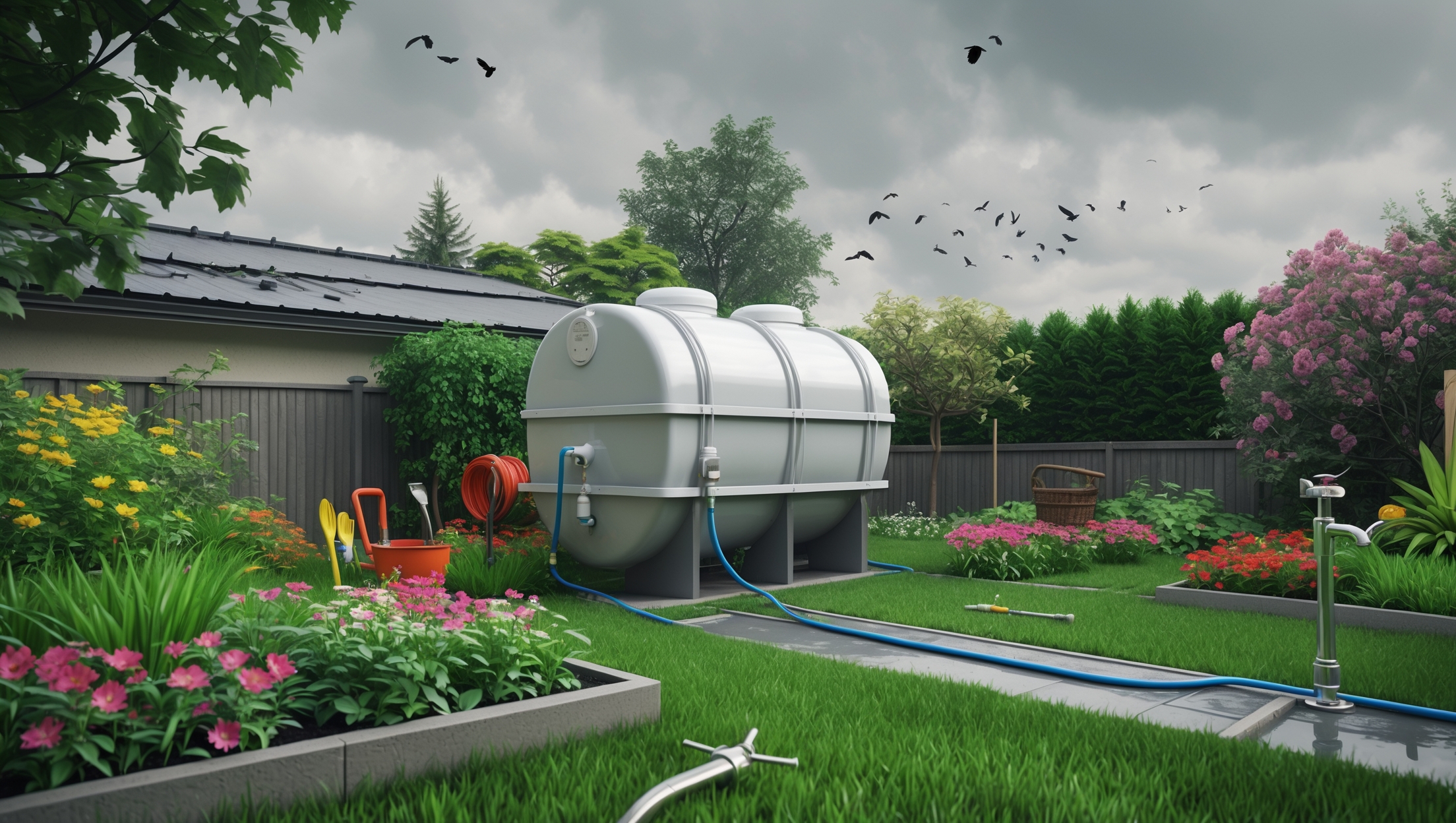
Introduction: Why Budgeting Matters for Backyard Rainwater Harvesting
Rainwater harvesting has surged in popularity as homeowners seek sustainable ways to conserve water, lower utility bills, and reduce their environmental footprint. Turning your backyard into a rainwater collection hub is not just eco-friendly—it can provide significant long-term savings and increase your home’s self-sufficiency. However, many enthusiastic DIYers and first-time system builders are caught off guard by costs they didn’t anticipate. From gutters and tanks to filtration and installation, the expenses add up quickly. A clear, realistic budget is essential to avoid overspending or cutting corners on crucial system components.
This guide breaks down the true costs of building a backyard rainwater harvesting system. We’ll detail each element—materials, labor, permits, maintenance, and unexpected extras—and provide strategies to keep your project within budget. Whether you’re harvesting rainwater for garden irrigation or full-home use, smart planning is the key to a successful, stress-free installation. Let’s dive deep into the numbers, so you can make informed choices and enjoy every drop of your investment.
Understanding Rainwater Harvesting System Components
Before diving into the numbers, it’s important to understand what a typical backyard rainwater harvesting system includes. The main components are:
- Catchment Area: Usually your roof, where rainwater is collected.
- Guttering and Downspouts: Channels water from the roof to the storage tank.
- First-Flush Diverter: Redirects the initial runoff, which may contain debris, away from the storage tank.
- Storage Tank (Cistern): Stores collected rainwater. Tanks vary in size, material, and price.
- Filtration System: Removes sediment and contaminants before (and sometimes after) storage.
- Pump and Distribution: Moves water from the tank to where it’s needed (optional for gravity systems).
- Overflow and Drainage: Safely manages excess water during heavy rain.
Each component carries its own price tag, and choices here have the biggest impact on your overall budget.
Cost Breakdown: What to Expect
1. Guttering and Downspouts
The first step is ensuring your roof has adequate guttering to direct water to your storage tank. If your home already has gutters in good condition, you may only need minor modifications. For homes without gutters or with insufficient coverage, installation is necessary.
- New Gutters & Downspouts: $5–$15 per linear foot (materials and basic installation)
- Gutter Guards/Leaf Screens: $2–$5 per linear foot (optional, but reduces maintenance)
- Downspout Diverters: $15–$50 each
Estimated cost for an average home (60 linear feet): $300–$1,200
2. First-Flush Diverter
This crucial part ensures cleaner water enters your tank by diverting the initial, debris-laden runoff. DIY kits are available, or you can buy pre-assembled units.
- DIY Diverter Materials: $30–$75
- Pre-made Diverter: $50–$150
Estimated cost: $30–$150
3. Storage Tank (Cistern)
Tanks are the biggest single expense. Your needs depend on intended use (e.g., garden watering vs. household supply), rainfall patterns, and available space.
- Small Polyethylene Tank (50–200 gallons): $100–$400
- Mid-Size Polyethylene Tank (300–1,000 gallons): $400–$1,000
- Large Polyethylene Tank (1,000–2,500 gallons): $1,000–$2,500
- Decorative Rain Barrels (40–80 gallons): $70–$250 each
- Concrete or Metal Tanks: $1,500–$5,000+ (for large capacity and longevity)
Estimated cost for a basic 500-gallon poly tank: $500–$1,000
4. Filtration System
Filtration needs depend on end use. For garden irrigation, a simple mesh filter may suffice. For potable (drinkable) water, multi-stage filters and UV systems are necessary.
- Basic Sediment Filter: $30–$100
- Carbon Filter: $50–$150
- UV Purification (for potable use): $300–$800
- Complete Potable Water System: $500–$1,500+
Estimated cost for garden use: $50–$200; for potable use: $500–$2,000
5. Pump and Distribution
If you want to use rainwater beyond gravity-fed irrigation (e.g., sprinklers, toilets), you’ll need a pump and potentially pressure tanks or drip irrigation hardware.
- Submersible Pump: $100–$400
- Pressure Tank: $150–$500
- Piping & Fittings: $50–$300
- Drip Irrigation Kit: $50–$200
Estimated cost: $200–$1,000
6. Overflow and Drainage Control
Properly handling tank overflow prevents flooding and erosion. You may need additional piping, gravel beds, or a French drain.
- PVC Overflow Piping: $20–$100
- Gravel/Drainage Materials: $50–$200
Estimated cost: $50–$300
7. Installation and Labor
If you’re a confident DIYer, you may install everything yourself. However, hiring professionals for tank setup, plumbing, or electrical connections (for pumps) is wise for larger or more complex systems.
- DIY (tools, supplies): $50–$250
- Professional Labor (per hour): $50–$150
- Average Pro Installation (simple system): $500–$1,500
- Complex System Install: $2,000–$5,000+
Estimated cost (DIY): $50–$250; (Professional): $500–$5,000+
8. Permits and Inspections
Some municipalities require permits for large tanks or systems connected to indoor plumbing. Fees vary by location.
- Permit Fees: $50–$300
- Inspection Fees: $50–$150
Estimated cost: $50–$450
9. Ongoing Maintenance
Factor in annual costs for cleaning gutters, replacing filters, and inspecting tanks and pumps.
- Filter Replacements: $20–$100/year
- Gutter Cleaning: $100–$300/year (if hired out)
- Pump Servicing: $50–$100/year
Annual maintenance: $50–$400
10. Miscellaneous and Contingency
Always budget for unexpected expenses—extra fittings, landscaping repairs, tools, or design changes.
- Contingency Fund (recommended): 10–15% of total budget
Example: For a $2,000 project, set aside $200–$300
Sample Budget Scenarios
Scenario 1: Basic Garden Irrigation System (DIY)
- Gutters & Downspouts: $400
- First-Flush Diverter: $50
- 500-gallon Poly Tank: $750
- Basic Sediment Filter: $50
- Piping/Fittings: $75
- DIY Labor/Tools: $100
- Overflow/Drainage: $75
- Permits: $0 (not required in many areas for outdoor use)
- Contingency: $150
Total Estimated Cost: $1,650
Scenario 2: Whole-Home Potable System (Professional Installation)
- Gutters & Downspouts: $800
- First-Flush Diverter: $100
- 1,500-gallon Poly Tank: $2,000
- Multi-Stage Filtration & UV: $1,500
- Pump & Pressure Tank: $800
- Piping/Fittings: $200
- Overflow/Drainage: $200
- Professional Labor: $2,500
- Permits/Inspections: $300
- Contingency: $800
Total Estimated Cost: $9,200
Tips to Control Costs and Save Money
- Start Small: Begin with a rain barrel or small tank to test your setup and expand later.
- Shop Used: Look for secondhand tanks and materials on local classifieds. Inspect for damage before buying.
- DIY Where Safe: Many parts (gutter work, basic plumbing) are DIY-friendly. Leave electrical or complex plumbing to pros.
- Bundle Purchases: Order all materials from the same supplier for discounts and reduced delivery costs.
- Compare Quotes: Get at least three bids for professional installation.
- Check Rebates: Some regions offer incentives for installing water conservation systems.
- Maintain Regularly: Prevent costly repairs by cleaning and inspecting your system every season.
Hidden Costs and Pitfalls to Avoid
- Ignoring Local Codes: Fines or forced removal can result from unpermitted systems. Always check regulations first.
- Poor Siting: Tanks placed on uneven ground may require expensive site prep or risk tipping.
- Incompatible Materials: Not all tanks and piping are safe for potable water. Avoid repurposed containers not rated for drinking water.
- Underestimating Delivery Fees: Large tanks are heavy and bulky; delivery can add $100–$500 to your costs.
- Skimping on Filtration: Inadequate filtration can lead to health risks or premature system failure.
- Forgetting Maintenance: Neglect raises costs over time. Budget for routine filter changes and tank inspections.
Budget Planning Worksheet
Use this worksheet as a template for your own project:
- Gutters & Downspouts: $__________
- First-Flush Diverter: $__________
- Storage Tank: $__________
- Filtration System: $__________
- Pump/Distribution: $__________
- Overflow/Drainage: $__________
- Labor/Installation: $__________
- Permits/Inspections: $__________
- Maintenance (annual): $__________
- Contingency (10–15%): $__________
- Total Projected Cost: $__________
Adjust each item for your own backyard, climate, and goals. Save receipts, track expenses, and update your budget as you go.
Conclusion: Planning for Success and Long-Term Value
Investing in a backyard rainwater harvesting system is both an environmentally conscious choice and a smart financial move—when approached with careful planning. By understanding the full range of costs, from gutters to filtration to ongoing maintenance, you’ll be better prepared to avoid unpleasant surprises and unnecessary overspending. Every backyard, climate, and household water need is different, so tailor your system and budget to your specific situation.
Remember, the cheapest system isn’t always the best value. Prioritize quality tanks, robust filtration, and safe installation to ensure your investment serves you well for years to come. Don’t forget to factor in local regulations, delivery logistics, and the importance of regular maintenance. Start with a clear, honest budget, and update it as your project evolves.
Ultimately, a well-executed rainwater harvesting system pays dividends—not just in water savings, but in peace of mind and resilience. By applying the strategies and realistic budget tips in this guide, you’ll be ready to collect, store, and use rainwater confidently and sustainably. Happy harvesting!
When planning my budget, should I prioritize investing more in the storage tank material or in a higher-end first-flush diverter for better water quality, or does it not make a big difference in the long run?
When budgeting, it’s generally more impactful to invest in a high-quality first-flush diverter as it directly improves water quality by keeping debris and contaminants out of your storage. However, don’t overlook the importance of a durable storage tank—choose a material suited to your climate and needs, but prioritize filtration for better long-term water safety.
Could you provide more details about the typical costs associated with different types of storage tanks mentioned, like plastic versus metal or concrete? I’m trying to figure out which would be the most cost-effective for a medium-sized backyard system.
Plastic tanks are usually the most affordable, typically costing between $0.50 to $1 per gallon of capacity. Metal tanks are more durable but cost more, often around $1.50 to $2.50 per gallon. Concrete tanks tend to be the most expensive, sometimes $2 to $4 per gallon, but they last longest and can be partially buried. For a medium-sized backyard, plastic tanks are usually the most cost-effective and easiest to install.
Could you give a rough estimate of how much extra I should set aside for unexpected costs when budgeting for a backyard rainwater harvesting system? I want to avoid being caught off guard during installation.
It’s a good idea to budget an extra 10–20% of your total project cost for unexpected expenses. This buffer can cover things like unexpected site issues, extra fittings, minor repairs, or adjustments needed during installation. Setting aside this amount should help you avoid surprises.
Could you elaborate on the maintenance costs involved after the initial installation? For example, do filtration systems and first-flush diverters require regular replacement parts, and how should I factor those expenses into my yearly budget?
After installation, you’ll need to budget for periodic maintenance. Filtration systems often require replacement filters every 6 to 12 months, which can cost $20–$50 annually. First-flush diverters may need cleaning and occasional gasket replacements, costing $10–$20 per year. It’s wise to set aside $30–$70 annually for these upkeep expenses, depending on your system’s complexity and local conditions.
If I’m planning to do most of the installation myself, which parts of the rainwater harvesting system would you recommend budgeting extra for in case DIY doesn’t go as planned? Are any components trickier than they seem?
It’s smart to budget extra for components like the tank foundation, plumbing connections, and the first-flush diverter. These parts often require precise installation and can be tricky to get right without prior experience. Filters and pumps may also need professional help if issues arise, so setting aside a contingency fund for these is wise.
You mentioned that costs can add up unexpectedly. Are there certain components—like the first-flush diverter or overflow drainage—that people tend to overlook in their budgeting? Any tips for avoiding surprise expenses during installation?
Yes, components like the first-flush diverter, overflow drainage, and proper piping are often overlooked when budgeting. It’s also easy to forget costs for extra fittings, valves, or filters. To avoid surprise expenses, make a detailed list of every part needed for your system and consult installation guides or professionals before purchasing materials.
I’m trying to plan out my own backyard rainwater system and the article mentions permits as a possible cost. How do I find out if I actually need a permit in my area, and any idea how much they could add to the overall budget?
To find out if you need a permit, contact your local city or county building department—they can tell you the rules for your area. Permit costs vary widely by location, but typically range from $50 to $300. Calling your local office will give you the most accurate info for planning your budget.
Have you found that the cost of permits for backyard rainwater harvesting systems can vary a lot depending on the city or county? I’m trying to get an accurate budget but local requirements seem kind of unpredictable.
Permit costs for backyard rainwater harvesting systems can differ significantly from one city or county to another. Some areas charge minimal fees, while others require more expensive permits or specific inspections. It’s a good idea to contact your local building or environmental office directly—they can give you the most accurate and current information for your specific location.
You mention unexpected extras as a budget factor—what are some common unexpected expenses people run into with backyard rainwater systems, and are there any tips for minimizing those surprises?
Some common unexpected expenses include extra fittings or connectors, additional filtration needs, repairs for improper installation, and costs associated with permits or inspections. To minimize surprises, thoroughly assess your site, check local regulations beforehand, and add a contingency of about 10-15% to your budget for unforeseen costs.
How much do materials like storage tanks typically differ in cost depending on the material and capacity? I’m debating between a plastic versus metal tank but want to make sure I’m not overlooking other long-term expenses.
Storage tank costs vary widely based on both capacity and material. Plastic tanks are usually less expensive upfront, typically ranging from $0.50 to $1 per gallon, while metal tanks can cost $1 to $2.50 per gallon or more. However, with metal tanks, consider long-term costs like corrosion protection and potential maintenance, whereas plastic tanks may degrade in sunlight over time but generally require less upkeep.
For someone mainly interested in harvesting rainwater just for garden irrigation, is a pump and advanced filtration system necessary, or can I get by with a simpler setup to save on costs?
If you’re collecting rainwater solely for garden irrigation, you can skip the pump and advanced filtration. A basic system with gutters, a storage barrel, and a simple screen filter to keep out debris is usually enough. This approach will keep costs lower while still meeting your needs.
If I want to upgrade my system later, like adding a pump after starting with gravity-fed distribution, how easy is it to retrofit these components without having to redo the other parts? Wondering if I should plan for expansion up front.
Planning for future upgrades is definitely a smart idea. If you design your system with expansion in mind, such as including easily accessible connection points and using compatible pipe sizes, adding a pump later can be quite straightforward. Otherwise, retrofitting may require some adjustments to your plumbing or storage tank setup. Considering your future needs up front can save both time and money.
After installation, how much should I expect to spend yearly on maintenance and replacing parts like filters or pumps? I’m hoping to plan out the ongoing costs so there are no surprises.
For most backyard rainwater harvesting systems, you can expect to spend around $50 to $150 per year on maintenance and replacement parts. This typically covers cleaning or replacing filters, occasional pump servicing, and checking seals and gutters. If your system uses more advanced filtration or automated pumps, the annual cost could be at the higher end of that range.
For a basic setup just for garden irrigation, which components are truly essential, and can any be skipped to stay within a limited budget?
For a basic rainwater harvesting system for garden irrigation, the essentials are a collection surface (like your roof), gutters and downspouts, a storage tank or barrel, and a basic filter or screen to keep out debris. You can skip pumps, complex filtration, and first-flush diverters if you’re only watering plants and your budget is tight.
I’m a bit confused about the filtration options. Are there recommendations for cost-effective filtration systems that still meet basic safety for watering a vegetable garden, or does the article suggest going for more advanced filters even for outdoor use?
For watering a vegetable garden, the article suggests that a basic mesh pre-filter or simple sediment filter is usually sufficient and cost-effective. Advanced filtration like UV or carbon filters is typically recommended only if you plan to use the water for household use or drinking. For garden use, basic filters will help remove debris and keep your system running smoothly without unnecessary expense.
Could you provide a ballpark estimate for average installation costs if I want to set up a rainwater harvesting system just for garden irrigation, including both materials and labor? I’m trying to decide how realistic this is for my backyard budget.
For a basic rainwater harvesting system designed just for garden irrigation, you can expect total installation costs (materials and labor) to fall in the $500 to $2,000 range. The final amount depends on tank size, filtration needs, and labor rates in your area. Simple DIY setups could be less, while more complex or professionally installed systems may be at the higher end.
For those interested in using harvested rainwater for full-home use rather than just irrigation, are there additional filtration or permit requirements that would significantly impact the budget?
Yes, using harvested rainwater for full-home use typically requires advanced filtration systems like sediment filters, UV sterilizers, and possibly reverse osmosis. These add to the initial setup costs. Additionally, many local authorities require permits and compliance with health codes, which can further increase the budget. It’s important to check your city or county regulations before starting.
Could you explain more about the permit requirements? I’m in a city with strict codes and I’m not sure if that could end up being a major unexpected expense for a backyard rainwater harvesting system.
Permit requirements for backyard rainwater harvesting systems can vary widely depending on your city’s regulations. In some places, permits are required for tanks above a certain size or if the system is connected to household plumbing. Fees may include application, inspection, and impact charges, which can add up. It’s a good idea to contact your local building department early in your planning to find out what’s needed and budget accordingly, so there aren’t any surprises.
If we’re mostly planning to use the system for garden irrigation, do we really need a filtration system, or is it one of those components people often overspend on?
For garden irrigation, you usually don’t need an elaborate filtration system. Basic screening to keep out leaves and debris is often enough unless you’re using drip irrigation, which can clog easily. Many people do overspend on filtration, so focus on simple pre-filters and screens unless your setup requires cleaner water.
Does your cost breakdown include permit fees for different cities, or do those vary too much? I’m in a suburb and trying to figure out what kind of extra expenses I should expect before starting.
The cost breakdown in the article does not include permit fees, since these can vary quite a bit depending on your city or suburb. It’s a good idea to check with your local building department to find out if permits are needed and what the fees might be in your area. This will help you get a more accurate estimate for your total project cost.
When choosing a storage tank, how much does the price really differ between plastic and metal options, and is one more cost-effective in the long run for backyard use?
Plastic tanks usually cost less upfront, often ranging from $0.50 to $1.50 per gallon, while metal tanks can be $2 to $4 per gallon or more. For backyard use, plastic is often more cost-effective long term as it’s resistant to rust and requires less maintenance, though metal can last longer if properly maintained.
In your breakdown of costs, how much should I realistically set aside for permits and any unexpected extras? I want to make sure I do not underestimate the less obvious expenses when planning my backyard system.
It’s smart to plan for these costs. Permit fees can range from $50 to $500, depending on your location and the size of the system. For unexpected extras like minor repairs, fittings, or upgraded components, setting aside an extra 10–20% of your total project budget is a safe cushion.
The article mentions different options for tanks, like varying materials and sizes. What would you recommend for someone on a tight budget but still wanting a durable setup for a small backyard?
For a tight budget and a small backyard, a polyethylene (plastic) tank is a great choice. They’re affordable, lightweight, and resistant to rust and corrosion. Look for smaller capacities, around 200–500 gallons, which keep costs low and are usually enough for garden use. Make sure to place the tank on a level, stable base to extend its lifespan.
When calculating the overall budget, how much should I set aside for unexpected extras or hidden costs during installation? Do you have any examples of what these surprise expenses might typically be?
It’s wise to set aside about 10–20% of your total budget for unexpected extras during installation. Common surprise costs can include extra piping, unforeseen ground conditions, permits, or hiring help for tricky excavation. Sometimes, you might also need additional fittings or upgrades if your original system components don’t match your site’s conditions.
How do material choices for storage tanks, like plastic versus metal, affect both upfront costs and long-term durability? I’m debating which type would make the most sense for a backyard setup in the Midwest.
Plastic tanks usually have a lower upfront cost and are lightweight, making installation easier. They resist rust and corrosion, which can be a plus in varying Midwest climates. Metal tanks, while more expensive initially, can last longer if well-maintained but are prone to rust unless they’re galvanized or coated. For a Midwest backyard, plastic is often more cost-effective and low-maintenance, but metal can be a good investment if longevity and aesthetics are priorities.
Does the budget breakdown include ongoing maintenance costs for things like filters and pumps, or is it mostly focused on the upfront installation expenses?
The budget breakdown in the article primarily covers the upfront installation expenses, such as tanks, gutters, and basic setup. Ongoing maintenance costs for filters, pumps, and regular cleaning are mentioned, but they’re not detailed in the breakdown. It’s a good idea to budget separately for periodic maintenance to keep your system running efficiently.
If I only want to use harvested rainwater for garden irrigation instead of my whole house, does that significantly lower the cost or change which components I need?
Yes, using harvested rainwater just for garden irrigation does lower your costs and simplifies the system. You can skip filtration and treatment units meant for potable use, and you usually only need basic components: a catchment area, gutters, a storage tank, and a simple pump or gravity-fed hose. This makes the setup more affordable and easier to maintain.
When it comes to choosing a storage tank for rainwater, are there significant cost or maintenance differences between plastic and metal options, especially for a backyard setup mainly used for garden irrigation?
Plastic tanks are usually less expensive upfront and require less maintenance compared to metal tanks, making them popular for backyard garden irrigation. Metal tanks can last longer but may cost more and require rust protection. For most home gardens, plastic tanks offer a good balance of affordability and durability.
For someone doing this for the first time, how do you estimate the right size for a storage tank without overspending? I want to avoid buying something too big or too small for my backyard and roof size.
To estimate the right tank size, start by calculating your roof’s catchment area and average rainfall. Multiply these to see how much water you can potentially collect. Next, consider your typical water use for gardening or other needs. Choose a tank that fits your collection potential and usage, but also fits your backyard space and budget. This way, you avoid purchasing an oversized or undersized tank.
For a first-time DIYer, what kind of unexpected extras have you found tend to catch people off guard when budgeting for a rainwater harvesting system? Are there any examples you recommend planning for in advance?
Some unexpected extras include fittings and connectors that don’t come with your main tank, extra piping if your layout changes, and costs for proper filtration to keep debris out. It’s also common to underestimate the expense of a stable tank base, overflow management, and tools you might not own. Planning for these in advance helps avoid last-minute store trips and going over budget.
If my main goal is garden irrigation, would I need the same filtration setup as someone using rainwater for full-home use, or can I trim costs by simplifying that part of the system?
For garden irrigation, you can definitely use a simpler filtration setup compared to a system intended for full-home use. Basic filters that remove debris and large particles are usually enough for plants, so you can trim costs by skipping advanced filtration and disinfection steps needed for potable water.
I’m curious about the filtration options you recommend for rainwater harvesting. Are there budget-friendly filters that still do a good job, or is it worth investing in higher-end filtration even for simple garden irrigation?
For simple garden irrigation, budget-friendly filters like mesh pre-filters or first-flush diverters work well to keep out debris and larger particles. If you’re only watering plants, high-end filtration isn’t usually necessary. However, if you plan to use rainwater indoors or for washing, investing in finer filters or UV treatment is a good idea.
You mention that storage tanks can vary a lot in size and material. Could you provide some ballpark figures or price ranges for different tank options, and how those choices might impact the overall budget?
Sure! Plastic tanks (200–1,000 gallons) typically cost $150–$900, while metal tanks range from $500 to $2,500 for similar sizes. Concrete tanks, often used for larger capacities, might run from $1,000 up to $5,000 or more. Choosing a material impacts not just price but also lifespan and maintenance—plastic is affordable and low-maintenance, metal is durable but pricier, and concrete is best for long-term, large-scale storage. The tank is usually the biggest single expense in your rainwater system budget.