
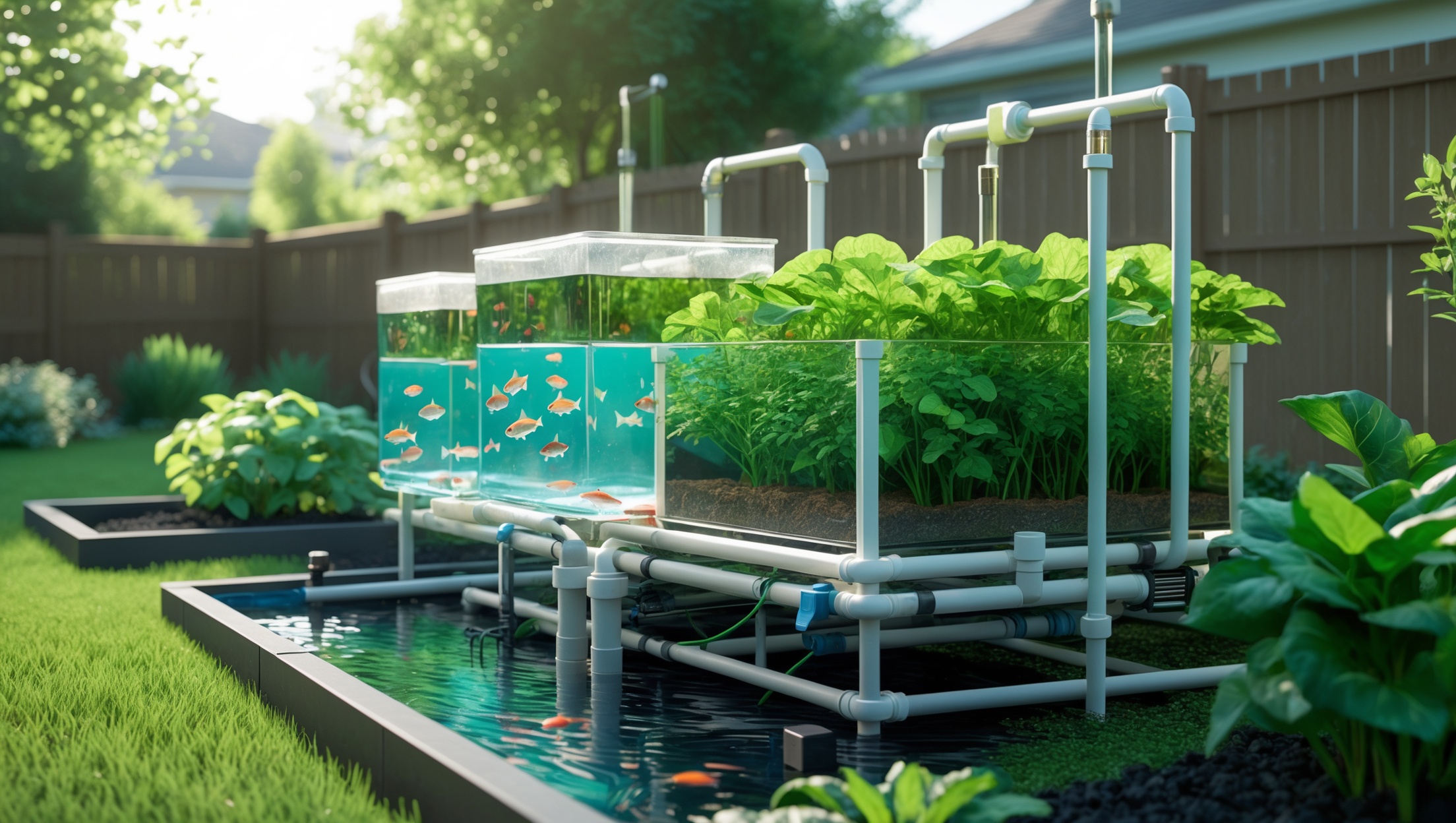
Backyard aquaponics is an exciting, sustainable way to grow fresh vegetables and raise fish at home. As more homeowners embrace the fusion of aquaculture (raising fish) and hydroponics (growing plants without soil), the promise of a closed-loop, eco-friendly food source is becoming a practical reality. However, as straightforward as it may seem, setting up a backyard aquaponics system comes with its own set of challenges—especially for beginners. Many first-timers dive in with enthusiasm but soon face setbacks due to common mistakes that could easily be avoided with the right knowledge. From choosing the wrong fish species to mismanaging water quality, a series of missteps can lead to lost time, wasted money, and disappointment.
This post will guide you through the most prevalent beginner mistakes in backyard aquaponics. By understanding these pitfalls and learning how to sidestep them, you’ll be better equipped to create a thriving, low-maintenance system that delivers bountiful harvests and happy fish. We’ll cover the nitty-gritty details, from initial planning to daily operation, so you can start your aquaponics journey with clarity and confidence.
Understanding the Basics: What is Aquaponics?
How Aquaponics Works
At its core, aquaponics combines fish farming (aquaculture) with soilless plant cultivation (hydroponics) in a mutually beneficial cycle. Fish produce waste rich in ammonia, which beneficial bacteria convert into nitrites and then nitrates. Plants absorb these nitrates as nutrients, effectively cleaning the water for the fish. This closed-loop system dramatically reduces water usage and eliminates the need for chemical fertilizers.
Key Components of a Backyard System
- Fish Tank: Where the fish live and generate waste.
- Grow Beds: Contain plants and the growing medium (e.g., expanded clay, gravel).
- Water Pump: Circulates water between the fish tank and grow beds.
- Biofilter: Houses the bacteria that convert ammonia to nitrates.
- Plumbing and Aeration: Pipes, valves, and air pumps to ensure water movement and oxygenation.
Beginner Mistake #1: Skipping the Planning Phase
Why Planning Matters
Impulse builds are common, but aquaponics success starts with careful planning. Failing to assess available space, sunlight exposure, climate, and your family’s needs can result in a system that’s too large, too small, or poorly situated.
How to Plan Effectively
- Site Selection: Choose a spot with at least 6 hours of sunlight daily and easy access to water and electricity.
- System Sizing: Start small—50 to 100 gallons for fish tanks is manageable for beginners.
- Climate Considerations: Research which fish and plant species thrive in your region’s temperature range.
Beginner Mistake #2: Starting with the Wrong Fish or Plants
Fish Species to Avoid for Beginners
Not all fish are suitable for backyard aquaponics. Some, like trout or koi, require precise water conditions and advanced care. Beginners often struggle to keep them alive.
- Recommended: Tilapia, goldfish, or catfish—these are hardy and adapt well to variable conditions.
- To Avoid: Sensitive species or those illegal in your area. Always check local regulations.
Plant Choices Matter
Leafy greens (lettuce, spinach, kale), herbs (basil, parsley), and fast-growing vegetables (radishes, Swiss chard) are ideal for new systems. Tomatoes, peppers, and fruiting crops require more nutrients and mature systems to thrive.
Beginner Mistake #3: Overloading the System with Fish
Understanding Stocking Density
Beginners eager for rapid results often add too many fish at once. This overwhelms the biofilter, leads to ammonia spikes, and threatens fish health.
- Guideline: Start with 1 inch of fish per gallon of water (for small species). Increase gradually as the biofilter matures.
- Monitor: Use test kits to check ammonia, nitrite, and nitrate levels weekly.
Beginner Mistake #4: Neglecting the Cycling Process
What is Cycling?
Cycling is the process of establishing beneficial bacteria in your system to convert toxic ammonia (from fish waste) into plant-friendly nitrates. Skipping or rushing this step is a primary cause of fish deaths in new systems.
How to Cycle Properly
- Set up the system and run it for 3-6 weeks before adding fish.
- Add a source of ammonia (fish food or pure ammonia) to “feed” the bacteria.
- Test water daily to track ammonia, nitrite, and nitrate levels.
- Add fish only when ammonia and nitrite are consistently near zero.
Beginner Mistake #5: Poor Water Quality Management
Critical Water Parameters
- pH: Should stay between 6.8 and 7.2.
- Temperature: Match to your fish and plant needs (e.g., 70-78°F for tilapia).
- Ammonia/Nitrite/Nitrate: Keep ammonia and nitrite near zero; nitrate below 100 ppm.
- Dissolved Oxygen: Use air stones or water splashing to keep oxygen levels high.
Common Pitfalls
- Neglecting regular testing.
- Ignoring pH drift caused by new media or plant uptake.
- Letting water evaporate without topping up with dechlorinated water.
Pro Tips for Water Management
- Invest in a reliable water test kit and keep records.
- Check water temperature and pH at least twice a week.
- Use rainwater or dechlorinate tap water before adding to your system.
Beginner Mistake #6: Underestimating the Importance of Filtration
Types of Filtration
- Mechanical Filtration: Removes solid waste and uneaten food before it breaks down.
- Biological Filtration: Provides surface area for beneficial bacteria.
Common Errors
- Skipping mechanical filters, leading to clogged grow beds.
- Under-sizing biological filters, resulting in poor ammonia conversion.
How to Get Filtration Right
- Add a swirl or radial flow filter before water enters grow beds.
- Use grow media with a high surface area for bacteria.
- Clean filters regularly but never use chlorinated water, as it kills bacteria.
Beginner Mistake #7: Inadequate System Monitoring and Maintenance
Setting a Maintenance Routine
While aquaponics can be low-maintenance, it isn’t “set and forget.” Regular monitoring prevents small issues from becoming disasters.
- Check fish health, water clarity, pump operation, and plant condition daily.
- Test water parameters weekly.
- Clean filters and remove plant debris as needed.
Ignoring Warning Signs
- Yellowing leaves often indicate nutrient imbalance or pH issues.
- Fish gasping at the surface may signal low oxygen or toxins.
- Unusual odors can mean decaying matter or poor filtration.
Beginner Mistake #8: Overfeeding Fish
Why Overfeeding is Harmful
Excess food decays, producing ammonia and promoting harmful bacteria. Overfeeding is a leading cause of water quality problems and fish deaths in new systems.
How to Feed Correctly
- Feed small amounts once or twice daily; only what fish can consume in 2-3 minutes.
- Remove uneaten food promptly.
- Adjust feed rates as fish grow and water temperatures change.
Beginner Mistake #9: Underestimating Power and Backup Needs
Why Power Reliability Matters
Aquaponics depends on continuous water circulation and aeration. Power outages can quickly threaten fish and plants, especially in hot weather or densely stocked tanks.
Backup Solutions
- Install a battery backup or generator for pumps and aerators.
- Consider solar power as a sustainable option.
- Have a manual backup plan (e.g., battery air pumps, hand siphons) for emergencies.
Beginner Mistake #10: Scaling Up Too Soon
The Risks of Expanding Early
Once the system is running smoothly, it’s tempting to add more fish, grow beds, or new crops. However, scaling up before mastering the basics increases complexity and risk of failure.
Best Practices for Expansion
- Wait at least a full season before expanding.
- Document your routine and results to spot trends and troubleshoot issues.
- Upgrade components (e.g., pumps, filters) to match the increased load.
Bonus Tips: Setting Yourself Up for Success
- Join online aquaponics communities for peer support and advice.
- Keep a logbook of water tests, fish feed, plant growth, and any issues.
- Regularly research new techniques and stay updated on best practices.
- Start with easy crops and fish; graduate to more advanced species as you gain experience.
Conclusion: Learning from Mistakes for a Healthier, Happier Aquaponics Journey
Embarking on a backyard aquaponics adventure is both rewarding and educational. Mistakes are an inevitable part of learning, but with the right preparation and a commitment to best practices, many common pitfalls can be avoided. By understanding the importance of planning, choosing beginner-friendly fish and plants, managing water quality, and respecting the biological processes that underpin your system, you set the stage for a robust and sustainable food ecosystem in your own backyard.
Remember, patience and consistency are essential. Take the time to cycle your system, monitor your parameters, and make gradual adjustments as you learn what works best in your unique environment. Don’t be discouraged by setbacks—view them as valuable lessons that will strengthen your knowledge and skills. Lean on the wider aquaponics community, stay curious, and always prioritize the health of your fish and plants above rapid expansion or flashy upgrades.
With attention to detail and a willingness to learn from mistakes, even beginners can achieve a thriving backyard aquaponics system. Enjoy the satisfaction of homegrown vegetables, healthy fish, and the pride of cultivating a sustainable, living ecosystem right outside your door.