
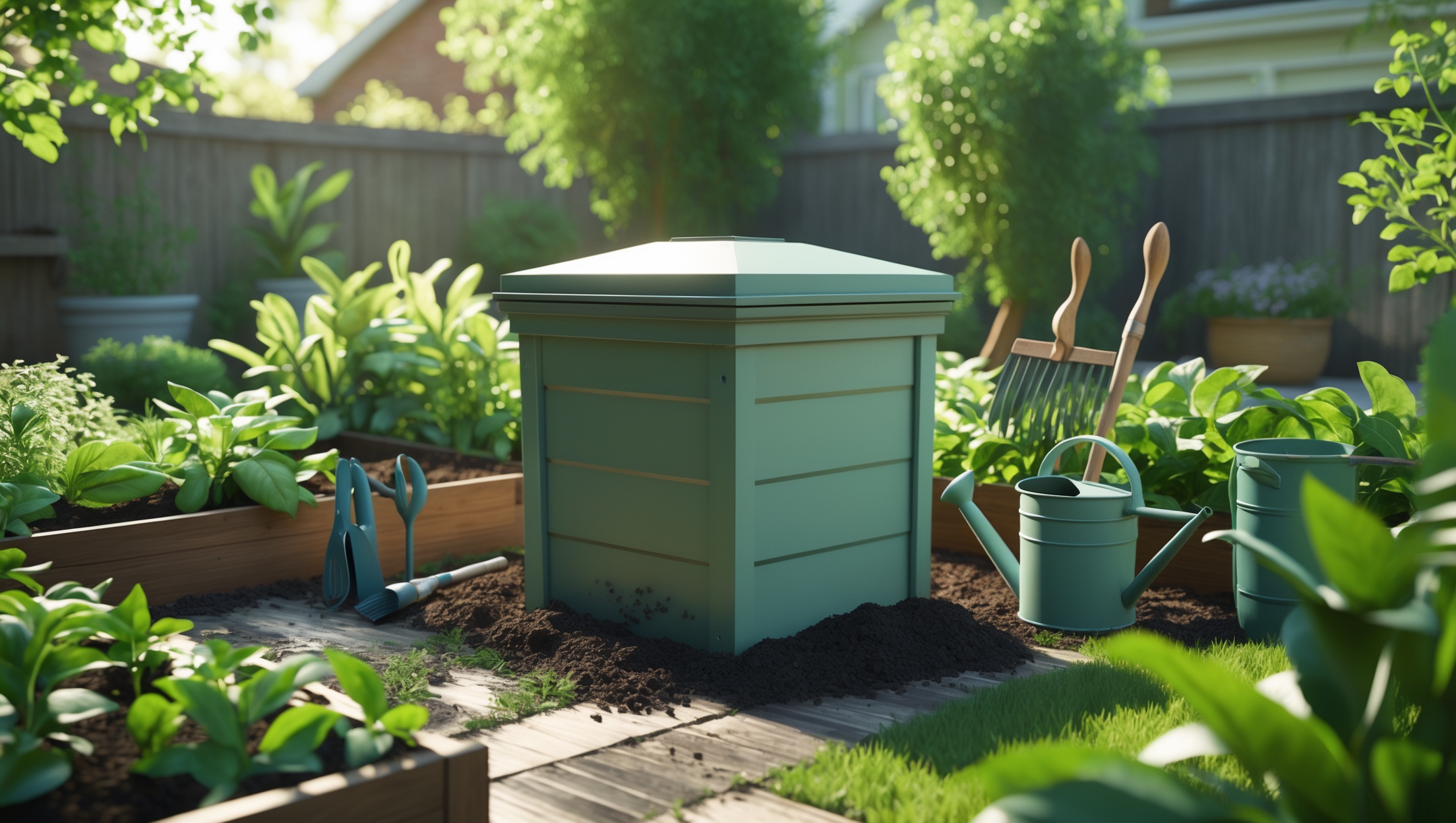
Introduction: Why Compliance Matters for Backyard Composting
Composting at home is one of the most effective ways to reduce household waste and enrich your garden soil. However, many homeowners are surprised to learn that backyard composting isn’t always as simple as building a pile or buying a bin. Across the country, local ordinances, homeowners’ association (HOA) rules, and even state regulations can impact what you’re allowed to compost, how you’re allowed to do it, and whether you need a permit to get started. Ignoring these requirements can lead to fines, neighbor disputes, and even orders to dismantle your compost system. This comprehensive guide will help you navigate the often-overlooked compliance and permit landscape for backyard composting. Whether you’re planning a simple pile or a more elaborate multi-bin setup, you’ll learn how to ensure your project is legal, neighbor-friendly, and set up for long-term success. Read on for a step-by-step approach to understanding local rules, applying for permits if necessary, and troubleshooting common compliance issues before they become costly headaches.
Understanding the Regulatory Landscape
Why Composting Is Regulated
Composting, while environmentally beneficial, can create issues if not done properly. The most common concerns are odors, pests (like rodents and flies), runoff, and aesthetics. Municipalities and HOAs regulate composting to protect community health and maintain neighborhood standards. Regulations can cover bin design, permitted materials, placement, and more.
Key Regulatory Bodies
- City or County Government: Often sets basic rules for composting within residential zones.
- State Environmental Agencies: May have guidelines, especially in areas with waterway protections or wildlife concerns.
- Homeowners’ Associations: If you live in an HOA community, their rules may be stricter than municipal codes.
Step 1: Researching Local Composting Laws
Where to Start
Begin by checking your city or county’s website for waste management or environmental health sections. Look for terms like “composting ordinance,” “yard waste,” or “solid waste regulations.” If you’re in an HOA, review the community’s CC&Rs (Covenants, Conditions, and Restrictions) and reach out to the board for clarification.
Typical Municipal Restrictions
- Bin Size or Volume Limits: Many cities restrict home composting bins to a certain cubic footage (commonly between 3x3x3 feet and 5x5x5 feet).
- Permitted Materials: Most regulations prohibit composting of meat, dairy, oils, and pet waste due to odor and pest risks.
- Setback Requirements: Bins may need to be placed a minimum distance from property lines, structures, or water features (often 3–10 feet).
- Odor and Pest Control: Rules often specify that compost must not produce offensive odors or attract vermin.
Documenting the Rules
Print or save copies of all relevant regulations. Highlight key passages. If the language is unclear, contact your local solid waste department or environmental health officer for clarification—get answers in writing if possible, especially for gray areas.
Step 2: Assessing Permit Requirements
When Is a Permit Needed?
- Simple Backyard Bins: Most small, personal-use bins do not require a permit in the majority of municipalities, provided they follow size and material rules.
- Large or Shared Compost Systems: Systems intended for multiple households, or those exceeding size limits, may trigger permit requirements.
- Special Circumstances: Composting near protected waterways, or in areas with wildlife sensitivity, may require environmental review or state-level permissions.
How to Apply for a Permit (If Required)
- Contact your city or county permitting office. Ask for a “home composting permit” application, if available.
- Be prepared to submit a site plan showing bin location, setback distances, and drainage.
- Describe your system: bin type, materials, and management plan (how you’ll control odors and pests).
- Pay any applicable application fees (typically $25–$100, if required).
- Allow time for a site inspection if your municipality requires it.
Step 3: Navigating HOA and Neighborhood Rules
Common HOA Restrictions
- No compost bins visible from the street or neighboring properties.
- Specific approved designs (e.g., enclosed bins only, no open piles).
- Restrictions on what can be composted (yard waste only, no food scraps).
- Required written approval before installation.
Securing Approval
Submit a written request to your HOA board with a detailed description and photographs of the proposed bin. Include a site map and a summary of odor/pest control measures. Address any concerns proactively, and be prepared to modify your plans to meet HOA feedback.
Step 4: Designing a Compliant Compost System
Choosing the Right Bin
- Enclosed Bins: These are preferred by most municipalities and HOAs for odor and pest control. Look for sturdy, rodent-proof designs with secure lids.
- Compost Tumblers: Compact and contained, tumblers are rarely challenged by regulators.
- Multi-Bin Systems: If allowed, these are great for larger gardens but must be well managed to avoid complaints.
Placement Tips
Choose a level, well-drained spot that meets all setback requirements. Avoid placing bins near doors, windows, or neighbor’s living spaces. If visibility is an issue, consider screening with shrubs or fencing (check if these additions need approval).
Materials to Avoid
- Meat, fish, dairy, oil, and grease
- Pet waste (unless using a specialized system)
- Diseased plants or invasive weeds
- Glossy paper or synthetic materials
Step 5: Maintaining Compliance Over Time
Managing Odor and Pests
- Cover all food scraps with a thick layer of browns (e.g., leaves, shredded paper).
- Keep the pile moist but not soggy—odors often come from excess moisture and poor aeration.
- Turn the pile regularly to maintain airflow.
- Use rodent-resistant bins if rats or mice are a concern locally.
Monitoring Your System
- Check your bin weekly for odors, pests, and leaks.
- Address complaints promptly: communicate with neighbors and your HOA if issues arise.
- Keep a compost log if required by your permit or HOA—for example, noting turning dates and input materials.
Staying Up-to-Date
Regulations can change as cities update their waste management codes. Sign up for city newsletters or follow local government social media for updates. If you move, always check the rules in your new location before setting up a compost system.
Step 6: Troubleshooting Common Compliance Issues
Neighbor Complaints
If you receive a complaint, stay calm and cooperative. Investigate the issue—often it’s a matter of odor, unsightly piles, or pests. Invite your neighbor to see your system and explain your odor/pest management. Making small adjustments (adding more browns, further screening the bin) can go a long way toward resolution.
Receiving a Notice from the City or HOA
Take any official notice seriously. Respond by the deadline, and document your communication. Bring your system into compliance as needed (e.g., relocate the bin, change materials, or switch to an enclosed design). If you believe the notice is in error, you may have the right to appeal—review the official process for your area.
Appealing a Decision
Prepare a clear, respectful appeal letter with supporting documentation (photos, regulations printouts, evidence of odor/pest control). Attend any required hearings and be ready to compromise if necessary. In many cases, reasonable modifications can satisfy officials and neighbors alike.
Case Studies: Real-World Compliance Challenges
Urban Backyards
In a dense neighborhood in Portland, Oregon, a homeowner’s open compost pile generated neighbor complaints about odors. After receiving a city warning, the homeowner switched to an enclosed tumbler, added regular turning and more carbon-rich material, and the complaints stopped. The city closed the file after a follow-up inspection.
HOA Communities
In a Southern California gated community, a gardener wanted to compost both yard and food waste. The HOA only allowed yard waste and required bins to be hidden from view. The resident submitted a detailed proposal with photos of a rodent-proof, enclosed bin screened by shrubs. Approval was granted on the condition that only yard waste was composted, and the bin was inspected annually.
Rural Properties
On a rural New Jersey property near a stream, the homeowner wanted to build a large multi-bin compost system. State environmental rules required a setback from the waterway and a runoff management plan. After submitting a site plan and erosion control measures, the permit was approved, allowing the project to proceed legally and sustainably.
Pro Tips for Smooth Backyard Composting Compliance
- Always choose an enclosed, rodent-proof bin if you’re unsure about local rules.
- Keep your compost system clean and well-managed to avoid triggering complaints.
- Open communication with neighbors and HOAs can prevent most disputes.
- Document everything: permits, communications, and maintenance logs.
- Stay informed—regulations evolve, and proactive compliance is easier than scrambling after a violation notice.
Conclusion: Compost with Confidence—The Payoff of Legal, Compliant Systems
Setting up a backyard composting system is more than a green gesture—it’s a responsibility that comes with legal and community considerations. By taking the time to understand local regulations, securing any necessary permits, and designing a system that respects both the law and your neighbors, you can enjoy all the benefits of home composting without fear of fines or disputes. The process may seem intimidating at first, but most municipalities offer clear guidelines, and many are eager to support residents in waste reduction efforts. If you follow the steps outlined above—researching rules, seeking approvals, maintaining your system, and communicating openly—you’ll not only avoid compliance trouble but also set a positive example in your community. Composting legally means your project can thrive for years, enriching your garden and reducing your landfill impact, while fostering goodwill with neighbors and local officials alike. Take pride in your sustainable practices, and compost with confidence—knowing you’ve covered all the bases for a truly responsible and rewarding backyard project.