
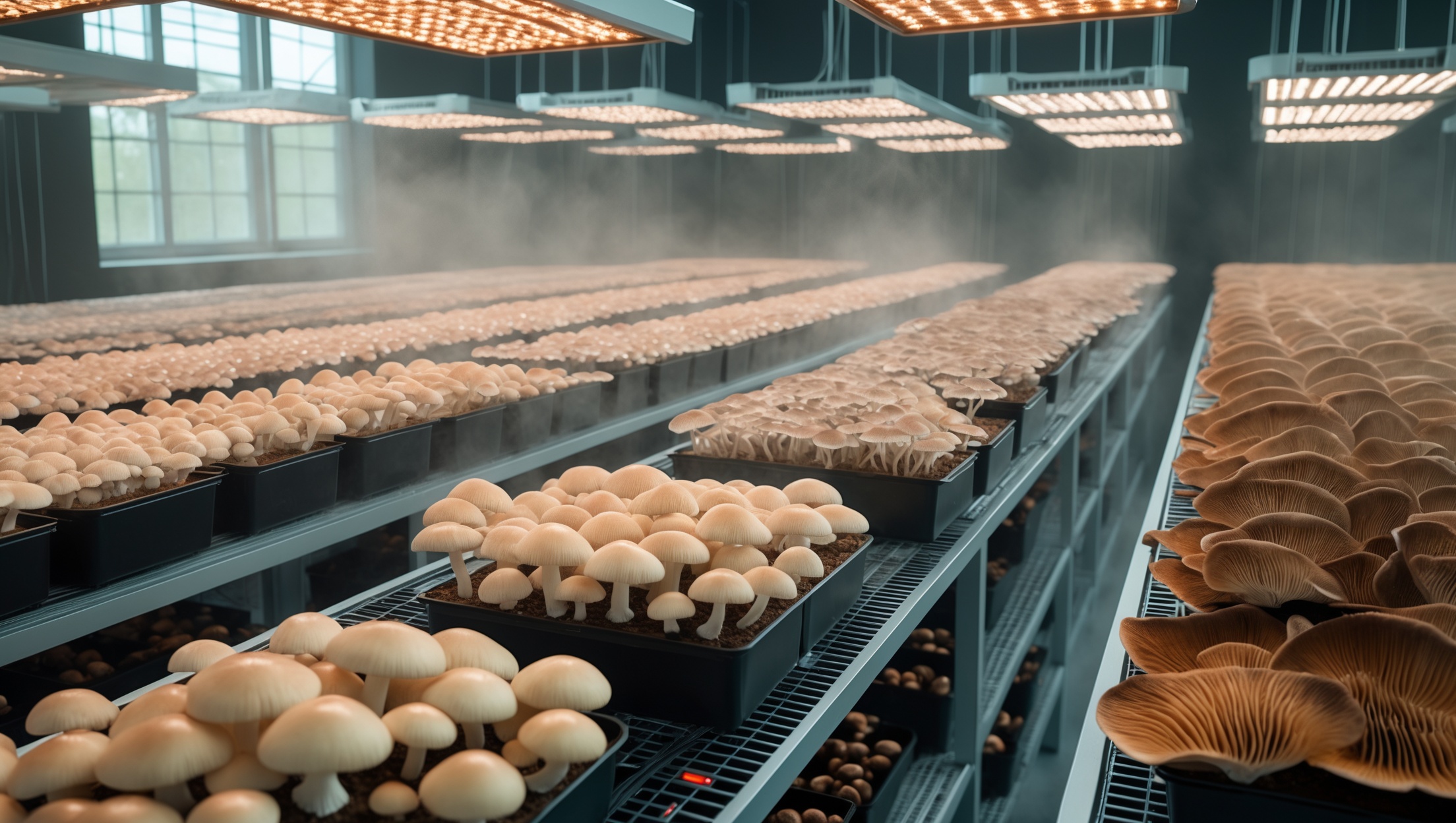
Introduction: Why a Home Mushroom Growing Room is Worth the Effort
Growing gourmet mushrooms at home is more than just a fascinating hobby—it’s an opportunity to produce fresh, nutrient-rich food year-round, right from your own space. Whether you’re drawn to the earthy flavor of shiitake, the delicate texture of oyster mushrooms, or the culinary versatility of lion’s mane, cultivating these fungi indoors allows you to bypass seasonal limitations and supermarket prices. However, achieving consistent, high-quality harvests requires more than a few bags of substrate and some spores. A productive home mushroom growing room demands careful planning and the right combination of tools and equipment. This comprehensive guide will walk you through every essential item, from environmental controls to harvesting tools, ensuring your setup is both efficient and safe. If you’re ready to transform a spare room, basement, or closet into a thriving mini-farm, read on for practical tips and expert recommendations tailored for home cultivators.
Choosing the Right Space for Your Mushroom Growing Room
Key Considerations
- Humidity Control: Mushrooms require high humidity (70-95% depending on species).
- Temperature Stability: Most varieties thrive between 55-75°F (13-24°C).
- Cleanliness: Fungi are susceptible to contamination; easy-to-clean surfaces are ideal.
- Light: Indirect or artificial light is often preferred over direct sunlight.
- Size: Even a small walk-in closet or portion of a basement can work with the right organization.
Recommended Spaces
- Spare bedrooms (with sealed floors and washable walls)
- Basements (if moisture and mold are controlled)
- Large closets or pantries
- Enclosed porches (if temperature is consistent year-round)
Essential Tools & Equipment: The Core Components
1. Shelving and Racks
Purpose: Maximize your growing area and keep cultures off the floor for improved airflow and cleanliness.
- Material: Stainless steel or heavy-duty plastic racks are best for easy disinfecting and rust resistance.
- Adjustable Shelves: Allow flexibility for different container sizes and species.
- Open Design: Promotes airflow and reduces mold risk.
2. Mushroom Growing Containers
Bags, Buckets, and Trays: The growing vessel depends on the species and scale.
- Polypropylene Grow Bags: Best for sawdust/wood-loving mushrooms like shiitake and lion’s mane.
- 5-Gallon Buckets: Ideal for oyster mushrooms; stackable and reusable.
- Plastic Trays: Useful for smaller species or micro-farming setups.
3. Humidity Control Equipment
Maintaining high humidity is critical for mushroom development.
- Ultrasonic Humidifiers: Efficiently atomize water to create a fine mist in small to medium rooms.
- Commercial Misting Systems: Suitable for larger setups; programmable for scheduled spraying.
- Hygrometers: Digital hygrometers with memory tracking to monitor and log humidity levels accurately.
- Water Reservoirs: Gravity-fed or pump-assisted, depending on humidifier system.
4. Temperature Control Devices
- Space Heaters with Thermostats: Essential for cold climates or unheated rooms.
- Portable Air Conditioners: Useful for keeping summer temperatures in check.
- Thermometers: Digital indoor/outdoor models for precise monitoring.
5. Airflow and Ventilation Systems
- Oscillating Fans: Promote gentle air circulation to prevent stagnant pockets and mold.
- HEPA Air Purifiers: Trap airborne contaminants—especially important during spawn run and fruiting.
- Inline Duct Fans: For larger or sealed rooms, these can exhaust stale air and introduce fresh air as needed.
6. Lighting Solutions
- LED Grow Lights: Full-spectrum or daylight white (5000-6500K) to simulate natural light cycles. Most mushrooms need 8-12 hours per day.
- Timers: Automate your lighting schedule for consistency.
7. Environmental Monitoring & Automation
- Wi-Fi Enabled Sensors: Track temperature and humidity from your smartphone.
- Smart Plugs: Schedule humidifiers, fans, and lights for efficient energy use.
- Data Loggers: Record environmental trends for troubleshooting and optimization.
Sanitation and Contamination Prevention Tools
1. Disinfectant Sprayers
Handheld pump or electric sprayers make it easy to sanitize shelves, tools, and surfaces between cycles.
2. Surface Cleaners and Alcohol Solutions
- 70% isopropyl alcohol for wiping down tools and surfaces before handling spawn or substrates.
- Hydrogen peroxide solutions for daily maintenance and spot cleaning.
3. Personal Protective Equipment (PPE)
- Nitrile or latex gloves (disposable or reusable)
- Face masks (surgical or N95) to avoid introducing spores or contaminants
- Hair covers and aprons for extra protection
4. Sterilization Equipment
- Pressure Cooker or Autoclave: For sterilizing grain spawn, tools, and substrates—an absolute must for reliable results.
- Steamers: Useful for pasteurizing bulk substrates like straw or sawdust for species that don’t require full sterilization.
Harvesting, Processing, and Storage Essentials
1. Harvesting Tools
- Stainless steel knives or shears for clean cuts
- Harvest baskets or trays (mesh preferred for airflow)
- Disposable towels for blotting excess moisture off mushrooms at harvest
2. Processing Equipment
- Food-grade drying racks or dehydrators for preserving surplus
- Large bowls or tubs for washing and sorting
- Paper bags or breathable storage containers for short-term fridge storage
3. Weighing and Packaging
- Digital kitchen scale for portioning and tracking yields
- Vacuum sealer for long-term storage or gifting
Optional Upgrades for Advanced Growers
- Laminar Flow Hood: For sterile inoculation and spawn work—especially if producing your own cultures.
- Automated Environmental Controllers: Integrate sensors with smart relays to automate humidity, temperature, and lighting.
- CO2 Monitors: Track and exhaust excess carbon dioxide during fruiting. High CO2 leads to leggy or misshapen mushrooms.
- Commercial-Scale Misting and Fogging Systems: For growers expanding beyond hobby scale.
Budgeting: Estimating Costs for Your Setup
Starter Budget (Small-Scale, Closet or Spare Room)
- Shelving: $80–$150
- Grow bags/trays: $40–$80
- Humidifier: $50–$120
- LED lights: $40–$100
- Fans: $30–$60
- Thermometer/hygrometer: $20–$40
- Sanitation supplies: $30–$50
- Total: $290–$600
Upgraded Budget (Basement or Dedicated Room)
- Stainless steel shelving: $180–$350
- Commercial humidifier: $150–$350
- Smart sensors/controllers: $80–$200
- HEPA air purifier: $120–$300
- Pressure cooker/autoclave: $100–$300
- Laminar flow hood: $250–$800 (optional but recommended for serious growers)
- Total: $880–$2,000+
Costs can be offset by using repurposed equipment or starting small and scaling up as your experience and yields grow.
Safety and Maintenance: Keeping Your Grow Room in Top Shape
Routine Cleaning Checklist
- Wipe down all surfaces with disinfectant weekly
- Deep-clean shelving and containers between grow cycles
- Routinely check for mold or unusual odors
- Change air purifier filters according to manufacturer instructions
- Inspect and maintain humidifiers to prevent bacterial growth
Electrical Safety
- Use GFCI outlets, especially in humid environments
- Never overload power strips
- Elevate electrical cords and devices off the floor to avoid water contact
Personal Safety
- Wear gloves and a mask during substrate preparation and harvest
- Ventilate the space during cleaning or if using strong disinfectants
Troubleshooting: Common Equipment Issues and Solutions
Humidity Too Low
- Check humidifier output and refill reservoirs as needed
- Seal drafts around doors or windows
- Add a secondary humidifier during dry months
Temperature Fluctuations
- Move sensitive species to interior rooms for more stability
- Install programmable thermostats for heaters or AC units
Mold or Contamination Outbreaks
- Increase air circulation without causing direct drafts
- Sanitize all surfaces and replace contaminated substrates immediately
- Use HEPA filters and monitor for sources of excess moisture
Conclusion: Investing in the Right Tools for Mushroom Growing Success
Building a home mushroom growing room is a rewarding pursuit that delivers fresh, flavorful fungi for your kitchen all year long. The key to consistent, healthy harvests lies in the quality and suitability of your tools and equipment. By thoughtfully selecting the right racks, containers, and environmental controls, you create a space where mushrooms thrive and contamination risks are minimized. Don’t overlook the importance of sanitation supplies and personal protective gear—these are your first line of defense against failed batches and wasted effort. As your skills progress, investing in automation and advanced monitoring will free up your time and improve your yields. Above all, remember that the best setups are those adapted to your space, goals, and budget. Start with the essentials, add upgrades as you grow, and enjoy the satisfaction of harvesting superb mushrooms in your own home. With the right foundation and a commitment to clean, consistent practices, your home mushroom growing room can become a year-round source of culinary delight and personal pride.
I noticed you mentioned shelving made from stainless steel or heavy-duty plastic. Are there any significant pros and cons to each material when it comes to cleanliness and durability for mushroom cultivation?
Stainless steel shelving is more durable and very easy to clean and disinfect, making it ideal for preventing contamination. It resists rust and mold but tends to be more expensive. Heavy-duty plastic shelves are lighter, often cheaper, and resistant to corrosion, but can be harder to sanitize thoroughly and may warp over time under heavy loads or high humidity.
For someone setting up a growing room in a basement where moisture can be a problem, what specific steps or products do you recommend for controlling humidity without encouraging mold growth on the walls?
To control humidity in a basement growing room, use a quality dehumidifier with an adjustable humidistat to maintain ideal levels. Consider placing water-resistant wall panels or applying mold-resistant paint to prevent mold growth. Make sure the space has good air circulation with oscillating fans and ventilate with filtered air. Regularly monitor both humidity and any signs of mold on surfaces.
I’m considering setting up a growing room in my basement, but I’m worried about existing moisture and potential mold issues. Can you recommend specific steps or products to control humidity without encouraging mold growth in that kind of space?
Basement moisture control is important for mushroom cultivation. Use a dehumidifier to keep overall humidity in check, and install a hygrometer to monitor levels. Choose an exhaust fan with a HEPA filter for good air exchange. Consider using mold-resistant paint or sealant on the walls and keep your growing area clean to reduce mold risks.
How much should I expect to budget for the essential equipment mentioned in the guide if I’m just starting out? Do you have any tips for finding affordable but safe racks and environmental controls?
For beginners, setting up a basic mushroom growing room can range from $300 to $800, depending on the room size and local prices. For affordable yet safe racks, consider stainless steel wire shelving from restaurant supply stores or used racks in good condition. For environmental controls, look for secondhand humidifiers, thermostats, and fans online, but always check safety certifications and test them before use.
For someone wanting to use a closet as a growing room, what are some affordable and effective ways to maintain the right humidity and temperature without expensive equipment?
To keep humidity up in a closet grow room, you can use a simple spray bottle for misting or place trays of water inside. For temperature, a small space heater or heating mat works well if it’s too cold, or a fan for air circulation if it’s too warm. Monitor conditions with an inexpensive thermometer and hygrometer.
For someone starting out with limited space, like just a closet, what are some affordable options for controlling humidity and temperature without investing in expensive equipment right away?
If you’re using a closet, start with a simple spray bottle to mist your mushrooms and maintain humidity. For temperature, a small space heater or a fan can help regulate conditions. You can also use a basic digital thermometer and hygrometer to monitor the environment. These options are affordable and work well for beginners with limited space.