
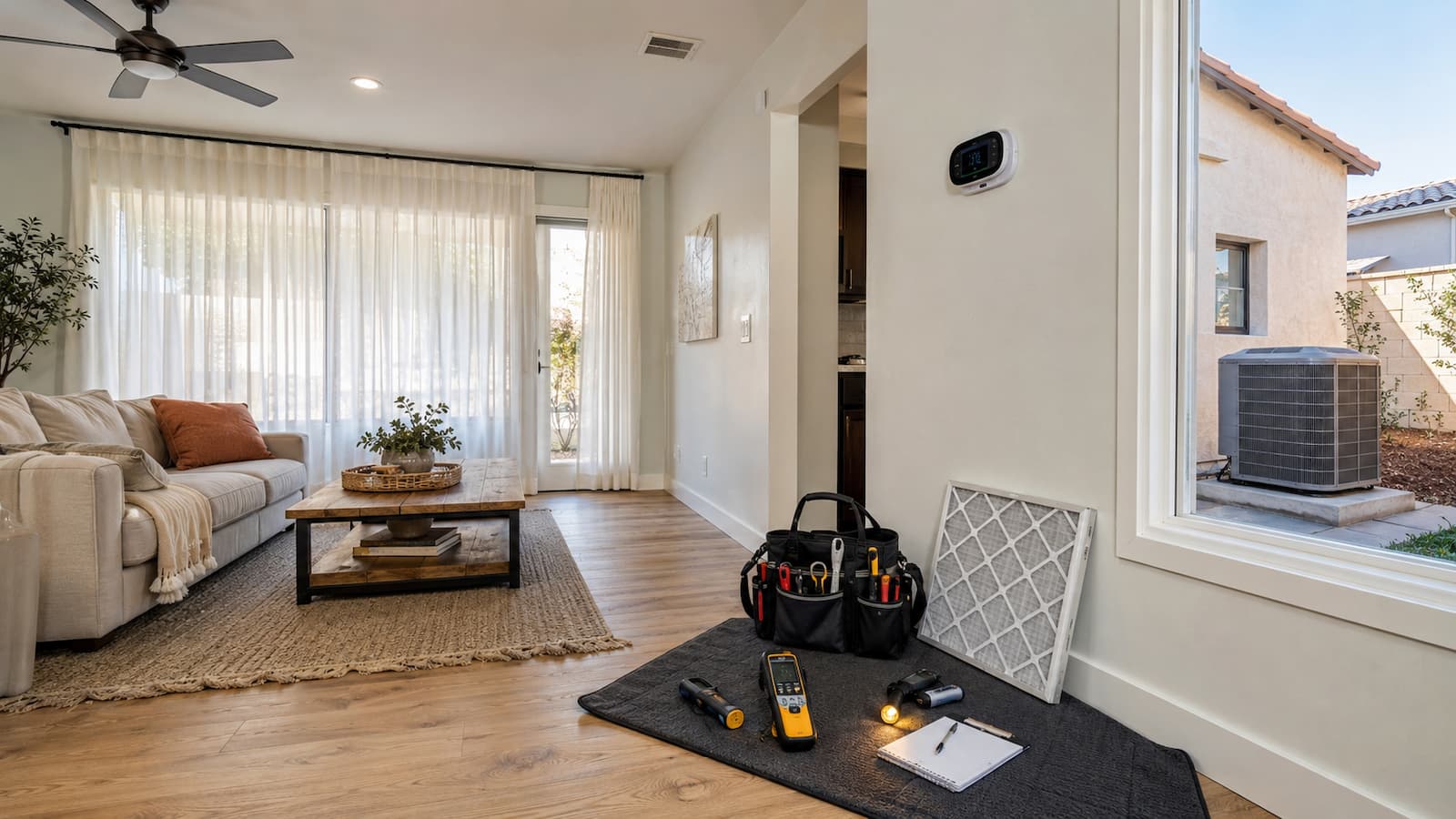
Hot weather has a way of revealing every weak point in a home. A room that felt “a little warm” in May can turn unbearable by July. An air conditioner that seemed fine during mild spring afternoons may suddenly run all day, shut off too often, blow unevenly, or make the electric bill look like a printing error. For many homeowners, the biggest mistake is waiting until the first serious heatwave to think about cooling comfort.
A smarter approach is to treat home cooling as a system, not just a machine. Your air conditioner, ductwork, insulation, thermostat, vents, windows, electrical capacity, and even daily habits all work together. When one part is neglected, the whole home can feel less comfortable and cost more to cool. That is why it helps to understand what actually affects cooling performance before deciding whether you need a repair, maintenance visit, or full system replacement.
If your system is older, struggling, or already showing warning signs, working with a licensed HVAC contractor can help you avoid guesswork. A qualified technician can look beyond the obvious symptoms and evaluate airflow, refrigerant performance, equipment sizing, duct conditions, thermostat behavior, and installation quality. That matters because two homes with the same air conditioner can have completely different comfort levels if one system is properly designed and the other is fighting leaks, restrictions, or poor placement.
Before you spend money on a major upgrade, it is worth learning what separates a quick fix from a long-term solution. Some problems can be solved with cleaning, calibration, minor repairs, or duct adjustments. Others point to deeper issues, such as an undersized unit, failing compressor, aging blower motor, poor return airflow, or a system that was never installed correctly in the first place.
The goal is not always to buy the newest equipment immediately. The goal is to make the right decision for your home, budget, and long-term comfort. Sometimes that means repairing a well-maintained system that still has useful life left. Sometimes it means replacing an inefficient unit before it fails during peak demand. And sometimes the best improvement starts with the parts of the home people rarely think about, such as attic insulation or duct sealing.
For homeowners planning a larger upgrade, professional HVAC installation can be especially important because local homes may vary widely in age, layout, insulation quality, roof exposure, and cooling load. A proper installation is not just about placing a new unit and connecting it. It involves sizing the system correctly, confirming airflow, checking duct compatibility, setting up drainage, verifying electrical requirements, and testing real performance after the equipment is running.
Why Cooling Problems Often Start Before the Air Conditioner
When a home feels too warm, the air conditioner usually gets blamed first. Sometimes that is fair. Older equipment can lose efficiency, parts wear out, coils get dirty, and refrigerant problems can reduce cooling power. But many comfort issues begin elsewhere.
Poor insulation allows heat to enter quickly, especially through the attic. Leaky ducts can send cooled air into crawl spaces, attics, garages, or wall cavities instead of living areas. Blocked or poorly designed vents can make one room feel like a refrigerator while another feels like a greenhouse. A thermostat placed in direct sunlight or near a heat-producing appliance may read the wrong temperature and cycle the system incorrectly.
This is why a good cooling assessment should include more than the outdoor condenser. A technician should consider the entire airflow path: return air, filter condition, blower operation, ductwork, supply vents, and room-to-room balance. Homeowners can also do a few simple checks themselves. Look for rooms that are consistently hotter than others. Notice whether airflow feels weak at certain vents. Check whether doors slam shut or become difficult to open when the system runs, which can indicate pressure imbalance. Pay attention to whether the system cools well in the morning but falls behind in the afternoon.
These clues can help identify whether the problem is equipment capacity, airflow restriction, heat gain, or a combination of several issues.
The Real Cost of Delaying HVAC Maintenance
Many homeowners postpone maintenance because the system still turns on. Unfortunately, “still running” does not mean “running well.” A neglected air conditioner may quietly lose efficiency for months or years before it fails. Dirty coils make it harder to transfer heat. Clogged filters reduce airflow. Loose electrical connections can create reliability risks. Drain line blockages can cause water damage. Small refrigerant leaks can become expensive repairs if ignored.
Delaying maintenance can also shorten the life of the system. Air conditioners are designed to work within certain airflow and pressure ranges. When the system has to work harder because of dirt, restrictions, or worn components, stress increases. The unit may cycle more often, run longer, and consume more energy while delivering less comfort.
The best time to schedule maintenance is before extreme weather arrives. During a heatwave, HVAC companies are often dealing with emergency breakdowns, parts delays, and packed schedules. Preventive service gives you a better chance to fix small issues before they become urgent. It also gives you time to compare options calmly if your system is nearing the end of its service life.
Repair or Replace? How to Think Through the Decision
One of the hardest questions for homeowners is whether to repair an existing system or invest in replacement. There is no universal answer, but there are practical factors to consider.
Age matters, but it should not be the only factor. A 10-year-old system that has been maintained well may still be worth repairing. A poorly installed or heavily neglected system could be a problem much earlier. Repair cost also matters. If the repair is minor and the unit otherwise performs well, fixing it may be reasonable. If the repair is expensive and the system has a history of recurring problems, replacement may be the better long-term choice.
Comfort is another major factor. If your current system cannot cool the home evenly, runs constantly, or leaves indoor humidity uncomfortable, repair alone may not solve the issue. Energy bills can also reveal inefficiency. A sudden increase may point to a repair issue, while years of high bills may suggest a system mismatch, poor ductwork, or outdated equipment.
Homeowners should also consider how long they plan to stay in the home. If you expect to live there for many years, a properly designed replacement can improve comfort, reduce operating costs, and add confidence during hot seasons. If you are planning to sell soon, a functioning and documented HVAC system can still be valuable, but the investment decision may look different.
Why Correct System Sizing Is So Important
Bigger is not automatically better in HVAC. An oversized air conditioner may cool the air quickly but fail to run long enough to manage humidity properly. It can short-cycle, creating more wear and less consistent comfort. An undersized system may run constantly and still fail to reach the thermostat setting during hot afternoons.
Correct sizing depends on several factors: square footage, insulation levels, window orientation, ceiling height, duct design, air leakage, shade, climate, and the home’s layout. A simple “same size as before” replacement is not always the right answer, especially if the old system was incorrectly selected or if the home has changed over time.
This is where professional load evaluation matters. A careful installer should look at the home, not just the model number on the old unit. Proper sizing can improve comfort, efficiency, equipment lifespan, and noise levels. It can also prevent the frustration of paying for a new system that still does not solve the original comfort problem.
Ductwork: The Hidden Part of Cooling Performance
Ductwork is often out of sight, but it has a huge impact on comfort. Even a high-efficiency air conditioner can disappoint if the ducts are leaking, undersized, damaged, poorly insulated, or badly balanced. In some homes, a large portion of cooled air never reaches the rooms where it is needed.
Common duct problems include disconnected sections, crushed flex duct, leaky joints, insufficient return air, poorly placed registers, and unsealed attic runs. These issues can create hot rooms, weak airflow, dust problems, noisy operation, and unnecessary energy waste.
If you are replacing an HVAC system, it is wise to evaluate the ducts at the same time. Installing new equipment on failing ductwork is like putting a new engine in a car with flat tires. It may run, but it will not perform as intended.
Thermostats and Controls: Small Device, Big Impact
Modern thermostats can help improve comfort and energy management, but only when they are installed and configured correctly. A smart thermostat cannot fix bad airflow or failing equipment, yet it can help homeowners use the system more efficiently.
Programmable schedules can reduce unnecessary cooling when nobody is home. Remote access can be useful during travel or unexpected schedule changes. Some thermostats provide energy reports or maintenance reminders. However, placement matters. A thermostat installed near a sunny window, kitchen, exterior door, or supply vent may cause inaccurate readings.
Homeowners should also avoid extreme thermostat swings. Setting the temperature much lower than desired does not cool the home faster in most standard systems. It usually just makes the system run longer. A consistent, reasonable setting often performs better and reduces stress on the equipment.
Simple Steps Homeowners Can Take Before Peak Heat
You do not need to be an HVAC expert to make your home easier to cool. Start by replacing or cleaning the air filter regularly. Make sure supply and return vents are not blocked by furniture, curtains, rugs, or storage boxes. Keep the outdoor unit clear of leaves, dirt, weeds, and debris. Give it enough space to breathe.
Use blinds, shades, or curtains during the hottest part of the day, especially on sun-facing windows. Check weatherstripping around doors and windows. Avoid running heat-producing appliances during peak afternoon hours when possible. Ceiling fans can help people feel cooler, but remember to turn them off when rooms are empty because fans cool people, not spaces.
Also listen to your system. New noises, unusual smells, weak airflow, repeated cycling, water near the indoor unit, or sudden performance changes are worth investigating. Small observations can prevent large repairs.
Planning Ahead Is the Real Comfort Strategy
The best HVAC decisions are usually made before an emergency. When homeowners wait until a system fails completely, they often have fewer options, less time to compare equipment, and more pressure to accept the fastest available solution. Planning ahead allows you to schedule inspections, understand your system’s condition, budget realistically, and choose improvements that make sense.
A comfortable home is not created by equipment alone. It comes from good design, proper installation, clean airflow, sealed ducts, sensible controls, and regular maintenance. Whether you are trying to extend the life of your current system or preparing for a future replacement, the smartest step is to look at the whole cooling picture.
Heatwaves may be unavoidable, but avoidable discomfort is a different story. With the right planning, your home can stay cooler, your system can work less aggressively, and your decisions can feel less rushed. That is the kind of comfort that lasts beyond one hot afternoon.
If my air conditioner is running almost constantly but my home still feels unevenly cool, is it more likely a sizing issue, something wrong with airflow, or could it just need a tune-up? How do I know which step to take first?
If your AC runs constantly and your home feels unevenly cool, airflow issues like blocked vents or dirty filters are a common cause, so check those first. If airflow is fine, a tune-up can catch other problems. Sizing issues are less likely unless the system has always struggled, but a professional can confirm if that’s the case.
You talk about some problems being solved with cleaning or minor repairs, while others might mean the whole system needs replacing. How do I know when it’s time to stop trying DIY fixes and invest in something bigger?
If your cooling system needs frequent repairs, struggles to keep your home comfortable, or your energy bills keep rising despite regular maintenance, it may be time to consider a replacement. Also, if the system is over 10-15 years old or uses outdated parts, investing in a new, efficient model could save money and hassle longer term.
You mention that different parts of the cooling system like ductwork and insulation can affect comfort and costs. If I suspect my insulation or ductwork isn’t great, should I upgrade those first before considering a new air conditioner?
Upgrading insulation and ductwork before investing in a new air conditioner is usually a smart move. Improving these areas helps your current system run more efficiently and may even allow you to choose a smaller, less expensive AC unit if you do end up replacing it later.
If an HVAC technician suggests that my system is undersized or was installed incorrectly, how should I balance the cost of a major replacement against potential gains in comfort and efficiency? Are there signs that definitely indicate a replacement is the best move?
If your HVAC system struggles to keep your home comfortable, runs almost nonstop, or your energy bills are unusually high, these can be strong signs that replacement is wise. Weigh the age of your system, repair costs, and ongoing discomfort against the investment in a new, properly sized unit. If repairs add up to over half the cost of a new system, or your comfort is consistently lacking, replacement often makes the most sense.
I own a small retail store in an older building, and the cooling costs are really unpredictable from month to month. Would duct adjustments or insulation improvements usually offer more cost savings upfront, or should I look into upgrading the entire HVAC system?
For an older building like your retail store, insulation improvements often provide more immediate cost savings and can stabilize cooling expenses by preventing cool air from escaping. Duct adjustments can help but may not be as impactful if your insulation is poor. Upgrading the entire HVAC system is usually a larger investment and makes the most sense if your current system is inefficient or near the end of its lifespan.
You mention that two homes with the same air conditioning equipment can feel completely different. As a business owner with a commercial space, does it work the same way for small shops, and are duct adjustments usually a cost-effective fix if cooling feels uneven?
Yes, the same principle applies to small shops—two spaces with similar AC units can feel very different due to layout, insulation, and air flow. Duct adjustments are often a cost-effective way to improve uneven cooling, but it’s wise to have a professional assess your space first to ensure that’s the best solution for your specific setup.
I have an older AC that still works most of the time. How do I decide if it is worth repairing with some maintenance, or if I should finally plan for a full replacement before the next big heatwave hits?
To decide between repairing or replacing your older AC, consider its age, repair history, and energy efficiency. If it’s over 10–15 years old, needs frequent repairs, or your energy bills are high, replacement might be more cost-effective. A technician can also assess its condition and help you weigh repair costs against the benefits of a modern, efficient system.
Regarding daily habits, are there specific actions homeowners can take during a heatwave to support their existing HVAC system and reduce strain, aside from making major equipment or insulation upgrades?
Absolutely, there are several daily habits that can help your HVAC system during a heatwave. Close curtains or blinds during the hottest parts of the day to block out sunlight, avoid using heat-producing appliances like ovens, and set your thermostat a few degrees higher to lessen the load. Also, using fans to circulate air and ensuring all vents are unobstructed can make cooling more efficient.
You mention that sometimes a minor repair or duct adjustment is all it takes instead of a full replacement. How do I know when it makes sense to try those smaller fixes first, especially if my system is about 15 years old?
If your system is cooling unevenly, making unusual noises, or struggling with airflow, a minor repair or duct adjustment might solve the problem—especially if these issues started recently. However, since your system is about 15 years old, weigh repair costs against the potential benefits of a new, more efficient unit. A professional HVAC inspection can help you decide if a small fix is worthwhile or if replacement is the better long-term option.