
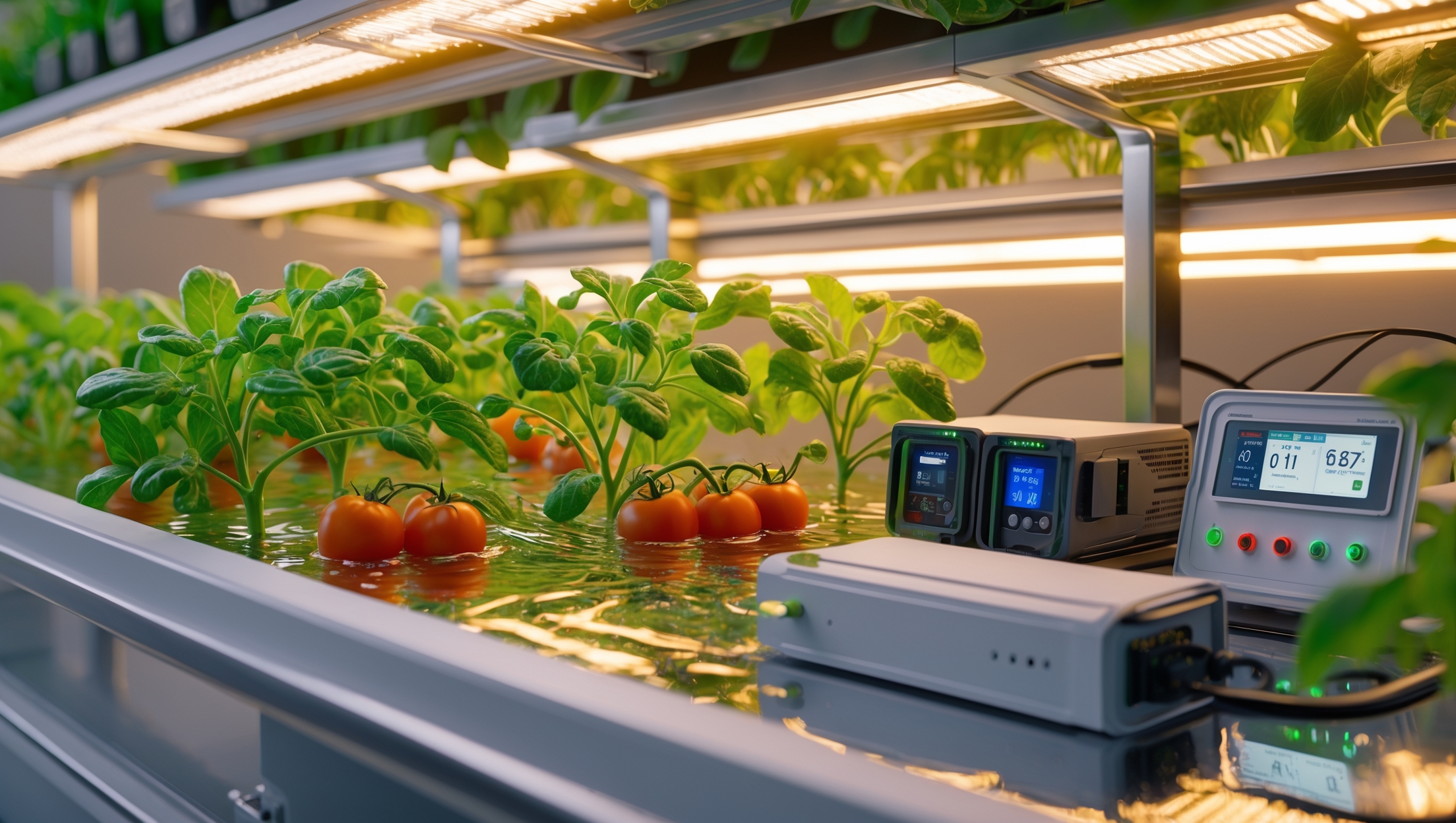
Introduction: Setting the Stage for Hydroponic Success
Hydroponic gardening has surged in popularity, offering homeowners a sustainable way to grow fresh vegetables indoors or in compact outdoor spaces. Unlike traditional soil gardening, hydroponics provides plants with nutrients directly through water, resulting in faster growth, higher yields, and the ability to garden year-round regardless of climate. However, to reap these benefits, having the right tools and equipment is absolutely crucial. Whether you’re a newcomer eager to harvest lettuce in your kitchen or an enthusiast planning to grow tomatoes in your basement, investing in proper gear will determine the health, productivity, and efficiency of your hydroponic system.
This comprehensive guide will walk you through the must-have tools and equipment for a thriving home hydroponic vegetable garden. We’ll cover system choices, monitoring technology, lighting, nutrient delivery, maintenance tools, and even smart automation options. Our focus is on practical, reliable gear that suits a variety of hydroponic methods, from deep water culture to nutrient film technique. By the end, you’ll have a clear equipment checklist tailored to your goals and space, plus detailed advice to help you avoid common gear pitfalls. Let’s dig in and set your hydroponic garden up for robust, healthy harvests!
Choosing a Hydroponic System: Foundation of Your Garden
The first and most significant equipment decision is selecting the hydroponic system that fits your space, budget, and desired crops. Each system type comes with unique gear requirements:
1. Deep Water Culture (DWC)
- Reservoir: Food-grade plastic or glass container to hold nutrient solution.
- Net pots: Mesh pots to suspend plants above the nutrient solution.
- Air pump and air stones: Essential for oxygenating the water and preventing root rot.
2. Nutrient Film Technique (NFT)
- Channels or tubes: Sloped troughs for a thin film of nutrient solution to flow beneath roots.
- Submersible water pump: Circulates nutrient solution through the system.
- Reservoir and return system: Collects and recycles solution.
3. Ebb and Flow (Flood and Drain)
- Grow tray: Holds the plants and growing medium.
- Reservoir: Stores the nutrient solution below the tray.
- Water pump with timer: Periodically floods the tray, then drains.
- Overflow and drain fittings: Prevents spills and ensures proper drainage.
4. Wick and Drip Systems
- Wicking material or drip emitters: Delivers nutrients to plant roots.
- Reservoir: Holds the solution.
- Grow trays or pots: Supports plants and medium.
When selecting your system, consider the available space (countertop, closet, basement), your desired crop types (leafy greens, fruiting plants, herbs), and your willingness to invest time in setup and maintenance. Kits are available for beginners, but DIY options allow for more customization.
Grow Lights: Mimicking the Sun Indoors
Light is the engine of plant growth. If your hydroponic garden is indoors or in a low-light environment, supplemental lighting is non-negotiable. The right choice depends on your crop type and space:
- LED Grow Lights: Energy-efficient, low heat output, and customizable spectrum. Look for full-spectrum LEDs for all growth stages.
- Fluorescent Lights (T5/T8): Affordable, suitable for leafy greens and seedlings.
- High-Intensity Discharge (HID): Metal halide and high-pressure sodium lights provide powerful illumination for larger, fruiting crops, but require ventilation due to heat output.
Key accessories include adjustable hanging kits to set the optimal height, light timers for consistent photoperiods, and reflectors or tent enclosures to maximize light efficiency.
Nutrient Solution: Mixing and Delivery Tools
Hydroponic plants rely entirely on a balanced nutrient solution. Precision matters, so these tools are invaluable:
- Measuring cups and spoons: For accurate nutrient mixing.
- Nutrient scales: Digital scales ensure precise measurement of powdered nutrients.
- Mixing buckets: Use food-safe containers for blending and storing solution.
- Dedicated stir sticks: Prevent cross-contamination.
- Storage bottles: For concentrated nutrient stock solutions.
- Automatic dosing pumps (optional): Automate nutrient and pH adjustments for large or advanced setups.
Always label all containers clearly, and store nutrients in a cool, dark place to preserve potency.
Monitoring and Control Equipment
Accurate monitoring is the backbone of healthy hydroponics. Invest in quality meters and controllers:
- pH Meter: Essential for keeping nutrient solution within the ideal range (typically 5.5–6.5 for vegetables).
- EC/TDS Meter: Measures electrical conductivity or total dissolved solids, indicating nutrient strength.
- Digital Thermometer: Monitors ambient and solution temperatures (65–75°F is ideal for most crops).
- Hygrometer: Tracks humidity, important for indoor gardens.
- Water Level Indicators: Prevents reservoirs from running dry.
- Smart Controllers (optional): Wi-Fi-enabled systems can automate lighting, pump cycles, and environmental monitoring, with smartphone alerts for critical issues.
Calibrate your meters regularly using manufacturer-provided solutions. Consider backup meters in case of failure.
Plant Supports and Growing Media
Hydroponic plants need stable support, especially as they mature:
- Net Pots: Allow roots to grow freely while supporting stems.
- Grow Media: Options include expanded clay pellets, rockwool, coco coir, perlite, or vermiculite. Select based on your system’s needs and crop type.
- Plant Stakes and Trellises: Crucial for vining or fruiting crops like tomatoes, cucumbers, and peppers.
- Trellis Netting: Guides vertical growth and prevents overcrowding.
Clean and sterilize all supports between cycles to prevent disease.
Water Quality and Filtration Tools
Water is the medium for both hydration and nutrient delivery. Ensure its purity with these tools:
- Reverse Osmosis (RO) Filter: Removes impurities and minerals that could skew nutrient balance.
- Pre-filters: Sediment or carbon filters extend the life of your RO system.
- Water Test Kits: Periodically check for chlorine, hardness, or contaminants.
- Dechlorinator Drops: Neutralize tap water safely if not using an RO filter.
Regularly test and maintain your filtration system for optimal plant health.
Maintenance and Cleaning Tools
Cleanliness is critical in hydroponics to prevent algae, pathogens, and mineral build-up:
- Scrub Brushes: For cleaning reservoirs, tubing, and trays.
- Pipe Cleaners: Reach into narrow tubes and pumps.
- Sanitizing Solutions: Food-safe hydrogen peroxide or specialized hydroponic cleaners.
- Replacement Tubing and Fittings: Flexible tubing can become clogged or brittle over time.
- Spare Pumps and Air Stones: Fast replacement minimizes downtime.
- Latex or nitrile gloves: Protects plants (and your skin) during maintenance.
Schedule regular full-system cleanings every 4–6 weeks or between crop cycles.
Environmental Control Extras
For optimal growth, manage your garden’s microclimate with:
- Clip-On Fans: Circulate air, strengthen stems, and prevent mold.
- Dehumidifiers: Useful in humid climates to prevent fungal diseases.
- Heaters: Maintain temperatures during cold months (ensure safe placement).
- Grow Tents or Enclosures: Control environment and maximize light efficiency; great for apartment growers.
- Blackout Curtains: Prevents light pollution during dark cycles for fruiting plants.
Automation and Smart Tech Add-Ons
Hydroponic gardening can be labor-intensive, but automation reduces daily workload and increases consistency:
- Programmable Timers: Automate lighting and pump cycles.
- Wi-Fi Cameras: Monitor plants remotely; ideal for frequent travelers.
- Automated Dosing Pumps: Precise, hands-free nutrient and pH adjustment.
- Integrated Environmental Controllers: All-in-one hubs that control lights, fans, pumps, and monitor sensors.
Start simple and scale up automation as you gain experience and confidence.
Personal Protective Equipment (PPE) and Safety Gear
Hydroponic setups involve water, electricity, and concentrated chemicals. Protect yourself with:
- Latex/Nitrile Gloves: For handling nutrients and cleaning solutions.
- Safety Glasses: Prevents splashes during mixing or system cleaning.
- Apron or Protective Clothing: Shields from spills and stains.
- Surge Protectors and GFCI Outlets: Essential for safe electrical operation near water.
Install smoke and water leak detectors in indoor grow rooms as an added precaution.
Creating Your Home Hydroponic Toolkit: Recommended Checklist
Every gardener’s toolkit is unique, but here is a sample checklist to guide your home hydroponic setup:
- Hydroponic system (DWC, NFT, Ebb & Flow, etc.)
- Reservoir(s) and grow trays/tubes
- Net pots and grow media
- Water and air pumps (plus backup)
- LED or fluorescent grow lights with adjustable hangers
- Timers (lighting and pumps)
- pH meter, EC/TDS meter, thermometer, hygrometer
- Nutrient mixing tools (measuring cups, scale, buckets)
- Plant supports (stakes, trellises, netting)
- Water filtration (RO system, dechlorinator)
- Cleaning tools (brushes, sanitizers, gloves)
- Environmental controls (fans, heaters, dehumidifiers)
- Safety gear (GFCI, surge protectors, PPE)
- Optional: Automation (controllers, dosing pumps, cameras)
Label and organize your tools for efficiency, and keep a backup supply of critical parts.
Advanced Tips: Getting More from Your Gear
1. Invest in Quality Meters
Cheap pH or EC meters are notorious for drifting or failing. Spend a little extra on reputable brands and calibrate monthly for reliable readings.
2. Modular Systems for Expansion
If you plan to scale up, choose a modular system. Many NFT or DWC kits allow you to add more channels or buckets without replacing the entire setup.
3. Use Multi-Outlet Timers
Manage pumps and lights from a single control point, reducing cord clutter and simplifying troubleshooting.
4. Track Your Data
Use notebooks or digital apps to log pH, EC, temperature, and growth rates. Patterns will help you optimize harvests and detect issues early.
5. Don’t Skimp on Backup Parts
Pumps and air stones can fail without warning. Having spares on hand prevents crop loss.
Conclusion: Equip Yourself for Hydroponic Success
Home hydroponic vegetable gardening opens up a world of fresh, healthy produce right at your fingertips, but its success hinges on equipping yourself with the right tools and equipment. By carefully selecting and maintaining your hydroponic system, lighting, nutrient delivery tools, monitoring meters, and cleaning supplies, you create the foundation for healthy, resilient plants and bountiful harvests. Remember, quality gear pays for itself through reliability and fewer headaches in the long run.
Don’t be intimidated by the initial checklist. Start with the essentials, and as your knowledge grows, scale up with automation or advanced tools that match your gardening ambitions. Prioritize safety, organization, and regular maintenance, and keep learning from each crop cycle. With the right toolkit and a spirit of experimentation, your home hydroponic garden can produce crisp lettuce, juicy tomatoes, and vibrant herbs year-round—regardless of season or space constraints.
Ready to get growing? Gather your gear, set up your system, and enjoy the satisfaction of harvesting your own fresh vegetables anytime. Happy hydroponic gardening!
I’m a beginner and looking at starting with deep water culture in my apartment. Are there specific brands or tank materials you recommend for the reservoir to avoid chemical leaching over time?
For deep water culture reservoirs, food-grade plastic (like HDPE or polypropylene) is safest to avoid chemical leaching. Many growers use black storage totes or buckets labeled as food-safe. Brands such as Rubbermaid Commercial or Botanicare are popular choices. Avoid using repurposed containers unless they’re certified food-safe. Glass and stainless steel also work but are heavier and pricier.
How much should I expect to spend on the ‘must-have’ equipment for a basic hydroponic setup for lettuce in a small apartment, including monitoring and lighting? Trying to figure out if it’s more cost-effective than just buying salad greens at the store.
For a basic hydroponic setup to grow lettuce in a small apartment, expect to spend around $150 to $300. This includes a compact hydroponic system, LED grow lights, a simple pump, nutrients, pH kit, and a basic water quality monitor. While the upfront cost is higher than buying store-bought greens, you’ll get fresh lettuce and may save money over time if you grow regularly.
Can you elaborate on the types of monitoring technology you suggest for maintaining healthy nutrient levels? Is there a simple setup that avoids a lot of technical hassle for beginners?
For beginners, a simple digital TDS (Total Dissolved Solids) meter is great for monitoring nutrient levels with minimal hassle. Pairing this with a basic pH meter helps ensure your plants get the right balance. Many starter kits now offer both devices, making setup quick and easy without complex calibration or maintenance.
I’m wondering how much ongoing maintenance is required for the different hydroponic setups you mentioned. For a busy household, are certain systems more hands-off or easier to keep running smoothly over time?
For busy households, deep water culture (DWC) and wick systems are generally the most hands-off. They require less frequent monitoring compared to drip or NFT systems, which need more regular checks and adjustments. DWC, in particular, only needs periodic topping up of water and nutrients, making it easier to maintain over time.
The article mentions smart automation options for monitoring and maintenance. Are there any budget-friendly automation tools you recommend for someone who’s just starting out?
Yes, there are some affordable automation tools to help beginners. Consider using basic plug-in timers for lights and pumps, which are easy to set up and inexpensive. Simple Wi-Fi-enabled sensors for temperature and humidity can also be found at low cost. These tools can help automate your hydroponic setup without a big investment.
I’m interested in growing tomatoes in my basement, but my budget is limited. Which gear from your checklist would you prioritize as absolutely essential for getting started with hydroponics?
For starting tomatoes on a budget, focus on the essentials: a basic hydroponic system (like a simple deep water culture kit), a reliable grow light suitable for fruiting plants, quality nutrient solution, and a pH testing kit. Containers and growing media are also necessary, but you can often repurpose household items to save money.
Could you elaborate on how to decide between deep water culture and nutrient film technique if your main goal is to maximize yield in a small basement garden?
To maximize yield in a small basement garden, consider your plant choices and available space. Deep water culture (DWC) is simpler to set up and works well for larger fruiting plants like tomatoes. Nutrient film technique (NFT) is more space-efficient and better for leafy greens. If you want to grow many smaller plants, NFT is likely better for yield per square foot. For fewer, bigger plants, DWC may be preferable.
The guide mentions smart automation options, but I’m not sure where to start. Are there any budget-friendly automation tools that pair well with a basic NFT setup for small spaces, or is manual maintenance usually more practical for beginners?
For a basic NFT system in a small space, simple timers for pumps and affordable WiFi outlet switches are great starter automation tools. They help with watering schedules and reduce daily manual tasks. Manual maintenance is practical for absolute beginners, but these budget-friendly devices can make things easier without a big investment.
For a beginner setting up a deep water culture hydroponics system in a small apartment, is it better to choose a glass or food-grade plastic reservoir? Are there pros and cons in terms of maintenance or plant health?
For a small apartment DWC system, food-grade plastic reservoirs are generally better. They’re lighter, less prone to breaking, and easier to move or clean than glass. Food-grade plastic also resists algae growth if opaque, and is safe for plant health. Glass can be heavy, costly, and risks breaking, but is non-reactive and easy to sterilize. Most beginners find food-grade plastic more practical for maintenance and safety.
Could you clarify which monitoring technology is most crucial for beginners to avoid common gear pitfalls? I’m worried about buying unnecessary gadgets versus what’s really needed for starting out.
For beginners, a reliable pH and EC (electrical conductivity) meter is the most crucial monitoring tool. These help you track water quality and nutrient levels, which are key to healthy plants. Other gadgets like automated controllers or advanced sensors can be useful later, but aren’t necessary when starting out.