
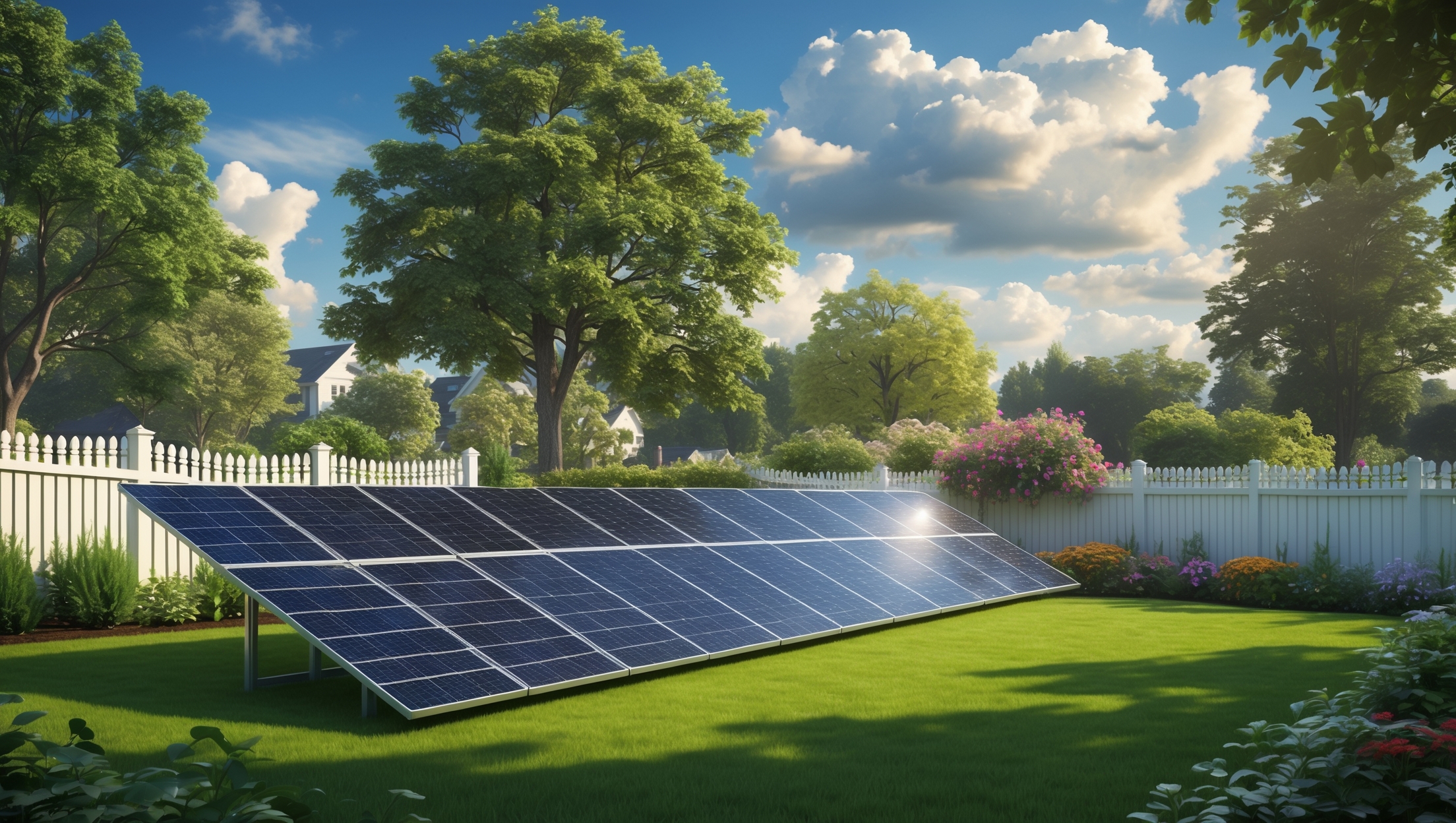
Introduction: Why Backyard Solar Needs Careful Compliance
Solar power is no longer just for rooftops. Backyard solar panel installations are increasingly popular among homeowners seeking clean energy, lower utility bills, and energy independence. However, the path to a successful backyard solar project is paved with more than just technical know-how and enthusiasm. Navigating the maze of compliance obligations and securing the necessary permits can be daunting, especially as rules vary greatly between municipalities and even neighborhoods. Overlooking a single step can result in fines, project delays, or expensive rework—turning a green dream into a bureaucratic nightmare.
This comprehensive guide arms you with the knowledge to tackle compliance and permitting for backyard solar panel installations. We’ll clarify the types of permits usually required, explain how to research and meet local code requirements, and highlight practical steps to streamline the approval process. Whether you’re installing a small ground-mounted array or a larger solar farm for your home, understanding these essential steps will help ensure your project runs smoothly, legally, and safely. Let’s empower your solar journey—by doing it right from the start.
The Regulatory Landscape: Who Governs Backyard Solar?
Federal, State, and Local Jurisdictions
Solar energy regulations are layered. Federal incentives such as tax credits encourage solar adoption, but actual authority over installation standards lies with state and local agencies. Here’s how the layers typically break down:
- Federal: Offers tax incentives, sets some safety and connection standards (especially for grid-tied systems).
- State: Governs utility interconnection, renewable energy credits, and sometimes building codes.
- Local (City/County): Issues building permits, enforces zoning laws, and oversees code compliance.
Always start your research at the local level, as city and county rules will have the most direct impact on your project.
Homeowners Associations (HOAs)
If you live in a community governed by a Homeowners Association, check your HOA’s bylaws before proceeding. Some HOAs restrict the size, placement, or visibility of solar arrays. While many states have laws limiting HOAs from outright banning solar, they can still enforce reasonable aesthetic standards. Obtain written approval to avoid future conflicts.
Essential Permits for Backyard Solar Installations
Building Permits
Most jurisdictions require a building permit for ground-mounted solar arrays. The application will typically ask for:
- Site plan illustrating panel placement and property boundaries
- Structural details for mounts and foundations
- Equipment specifications and installation manuals
- Estimated system output and wiring diagrams
Expect plan review by the building department to ensure compliance with safety, wind, and snow load requirements. Some areas have expedited ‘over-the-counter’ permits for small systems, but larger or custom arrays may face more scrutiny.
Electrical Permits
If your system connects to your home’s electrical supply or the utility grid, an electrical permit is almost always mandatory. Licensed electricians may be required for certain wiring tasks. Inspectors will check:
- Proper wire sizing and protection
- Grounding and bonding of metal parts
- Correct labeling of disconnects and breakers
- Safe inverter and battery installation, if applicable
Planning and Zoning Approvals
Even if you clear building and electrical permit hurdles, zoning regulations may restrict where or how you can install a solar array. Key issues include:
- Setbacks: Minimum distances from property lines, fences, or other structures
- Height restrictions: Maximum allowable panel or frame height
- Lot coverage: Limits on how much of your land can be occupied by accessory structures
- Visibility: Rules about screening arrays from public view or neighbors
Some municipalities have designated ‘solar access’ ordinances to protect your right to sunlight. However, others may require special use permits or public hearings for larger arrays. Always check with your planning department early.
Environmental and Historic Review
Special permits may be needed if your property is in a floodplain, wildlife corridor, or historic district. Environmental reviews may assess stormwater runoff, soil disturbance, or impact on protected species. Historic preservation boards may limit alterations visible from the street. Factor extra approval time for these reviews.
Step-by-Step Permit Process
1. Pre-Application Research
Begin by contacting your local building department and utility provider. Request information on:
- Required permit applications and fees
- Submission checklists and sample site plans
- Any special requirements for ground-mounted systems
- Utility interconnection steps and documentation
- Contact info for zoning or planning officials
Document everything. Print or save copies of code sections, forms, and correspondence for reference.
2. Prepare Plans and Documentation
Most permit applications require:
- Scaled site plan showing array location, setbacks, and orientation
- Mounting system specifications
- Electrical one-line diagram (for grid-tied systems)
- Manufacturer datasheets for panels and inverters
- Structural calculations (for large or custom mounts)
If you’re working with a solar installer, they should provide these documents. For DIY projects, consider consulting a professional engineer to review your plans.
3. Submit Applications and Pay Fees
Submit all required documents to the building department. Fees can range from $100 to over $1,000, depending on project size and location. Some areas offer online portals for faster processing.
4. Respond to Plan Review Comments
Permit reviewers may request clarifications or corrections. Address these promptly to avoid delays. Resubmit revised plans as needed. Keep communication polite and professional—building officials are valuable allies in your project’s success.
5. Obtain Permit Approval
Once approved, you’ll receive permit documents to post onsite. Only begin construction after receiving all permits in writing. Unauthorized work can result in stop-work orders and fines.
6. Schedule Inspections
Most projects require at least two inspections:
- Rough inspection: Before panels or wiring are concealed
- Final inspection: After installation is complete
Be present for inspections or have your installer onsite to answer questions. Address any punch-list items noted by inspectors before final sign-off.
7. Utility Interconnection and Final Approvals
If your system feeds power back to the grid, your utility must inspect and approve the installation before activation. Submit interconnection paperwork early, as utility review can add weeks to the timeline. Only operate the system after receiving written Permission to Operate (PTO).
Common Compliance Pitfalls and How to Avoid Them
Ignoring Setback and Height Restrictions
Many homeowners assume a backyard array can go anywhere on their property. In reality, most cities require arrays to be set back a minimum distance from property lines—often 5 to 15 feet. Likewise, exceeding maximum height limits (typically 8-12 feet) can trigger rejection. Always measure carefully and include these dimensions in your site plan.
Skipping HOA Approval
Even if your local government issues a permit, your HOA can force removal of unapproved installations. Get written HOA signoff before applying for city permits.
Underestimating Permit Timelines
Permit reviews can take from a few days to several months, especially if your project is unusual or requires a public hearing. Build extra time into your project schedule and avoid scheduling contractors until permits are in hand.
DIY Electrical Work Without a License
While some jurisdictions allow homeowners to perform their own wiring, most require licensed electricians for solar installations—especially if batteries or grid interconnection are involved. Don’t risk insurance coverage or safety by cutting corners.
Failing to Notify the Utility
Operating a grid-tied system without utility approval can result in fines or disconnection. Submit all interconnection paperwork promptly and follow your utility’s process to the letter.
Tips for a Smoother Permitting Experience
- Engage with building officials early: Bring draft plans to a pre-application meeting for feedback.
- Use clear, professional drawings: Well-prepared documents speed up review.
- Bundle applications: Submit all permits (building, electrical, zoning) together if possible to avoid conflicting requirements.
- Track your application: Politely follow up if you haven’t heard back within posted timelines.
- Hire experienced professionals: Local solar installers often have established relationships with permitting offices and can help navigate tricky requirements.
Costs and Budgeting for Permits and Compliance
Typical Cost Breakdown
- Building Permit Fees: $100–$1,000+
- Electrical Permit Fees: $50–$500
- Zoning Review/Special Use Permit: $0–$2,000 (if required)
- HOA Review: Sometimes free, but may require an application fee
- Engineering/Plan Preparation: $200–$1,500 (if not included by installer)
Always request a full fee schedule from your local agency to avoid surprises. Factor in any additional costs for site surveys, soil tests (for large systems), or environmental reviews.
How to Save Money
- Opt for pre-approved designs or kits, which may qualify for expedited permitting
- Combine your permit applications to minimize administrative fees
- Work with local solar co-ops or bulk-buying groups, which may offer discounted engineering and permitting services
Resources for Homeowners
- Database of State Incentives for Renewables & Efficiency (DSIRE)
- U.S. Department of Energy Solar Energy Resources
- Solar United Neighbors
- Contact your city/county building department’s website for local forms and checklists
Conclusion: Power Your Home, The Right Way
Investing in backyard solar is a rewarding step toward energy independence and environmental stewardship. However, navigating the compliance and permitting process is critical to ensuring your project’s legality, safety, and long-term success. By understanding the roles of local agencies, preparing thorough application materials, and respecting zoning and HOA requirements, you can avoid costly setbacks and legal headaches. Remember that every jurisdiction has its own unique regulations; there’s no substitute for diligent, early research and clear communication with local officials.
Take the time to plan your project according to all necessary codes. Engage professionals where your expertise ends, and document every step for your records. With the right approach, your backyard solar installation will not only deliver renewable energy but also peace of mind—knowing that your sustainable investment is built on a solid foundation of compliance. Let your solar journey be both bright and by the book, setting an example for your neighborhood and contributing to a greener future for all.
I see the article recommends starting research at the local level for permits. What’s the best way to find out exactly which city or county department to contact about backyard solar requirements, especially if rules differ by neighborhood?
To find the right department, check your city or county government website and look for departments like Planning, Building, or Zoning. If your neighborhood has a homeowners association, contact them too, since HOA rules may apply. You can also call your city hall or county offices and ask specifically about solar panel permits for your address.
You mentioned local zoning laws play a big role in backyard solar installations. Are there common restrictions on how tall or close to property lines ground-mounted panels can be in most neighborhoods?
Yes, many neighborhoods have zoning rules that limit the height of ground-mounted solar panels—often around 10 to 15 feet. Setback requirements are also common, meaning panels must be a certain distance from property lines, sometimes 5 to 20 feet. It’s best to check with your local planning office for specifics in your area.
I understand that local rules are the most important, but what are some common zoning restrictions that might prevent a homeowner from installing a backyard solar array?
Some common zoning restrictions include limits on the height or size of solar arrays, setback requirements to keep panels a certain distance from property lines, and neighborhood covenants that prohibit visible changes. In some areas, solar panels might not be allowed in front yards or may face restrictions due to shading concerns or historical preservation rules.
If my county’s zoning rules are pretty restrictive, what’s the best way to figure out early on whether my solar project might run into issues or delays before I invest too much time and money?
To avoid surprises, contact your county’s zoning office early and ask about specific requirements or restrictions for solar panels. You can also review your county’s zoning code online and consider consulting a local solar installer who’s familiar with the area’s permitting process. This will help you spot any potential roadblocks before moving forward.
You mention that missing a single step in permitting could lead to delays or fines. Can you walk through a typical approval timeline and any common bottlenecks I should prepare for?
A typical approval timeline starts with submitting detailed plans to your local permitting office, which usually takes 2–6 weeks for review. Common bottlenecks include incomplete applications, waiting for HOA approval, and scheduling inspections. Utility company approval for grid connection can also add time. Preparing all required documents in advance and checking local requirements can help avoid delays.
The article talks about possible fines and delays if a step is overlooked. Could you clarify what the most common permit or compliance step homeowners accidentally miss with backyard solar setups?
One of the most commonly missed steps is obtaining the necessary electrical permit before installation. Homeowners sometimes assume their installer handles all permits, but local authorities usually require the homeowner or installer to file paperwork and schedule inspections to ensure the system meets safety and code standards.
Could you clarify how zoning laws might affect backyard solar installations in residential neighborhoods, especially if my area has strict landscaping or structure height restrictions?
Zoning laws can significantly influence where and how you install solar panels. If your area has strict landscaping or height restrictions, you may be limited in the size, placement, or height of your solar array. Some neighborhoods require panels to be below a certain height or behind sight lines. It’s best to review your local zoning codes and consult your municipality or homeowners association to ensure your plans comply before beginning installation.
If I’m planning a small ground-mounted solar array in my backyard, how do I figure out whether my specific neighborhood or HOA has extra permit requirements beyond what the city or county asks for?
To find out if your neighborhood or HOA has extra permit requirements, review your HOA’s governing documents, such as covenants or architectural guidelines. It can also help to contact your HOA board or management directly to ask about any specific rules for solar installations. This ensures you meet both local government and community requirements.
How different are state versus local rules when it comes to backyard solar? I’m in a rural area, so I’m wondering if my local requirements might be simpler than what folks in cities deal with.
State rules usually set basic standards for solar installations, but local requirements can differ a lot. In rural areas, you might find fewer zoning restrictions and a simpler permitting process compared to cities. However, always check with your local building department—some rural areas still have unique guidelines or paperwork you’ll need to follow.
If I install a small ground-mounted solar array, would the permitting process be any different compared to putting panels on my roof? Are there extra steps because it’s in the backyard?
Yes, the permitting process for a ground-mounted solar array can be different from a rooftop system. Ground mounts often require additional review for things like zoning, setbacks from property lines, and possibly a separate structural or site plan. You’ll likely need to check with your local building department for specific requirements and any extra inspections or approvals needed.
For someone planning a larger ground-mounted solar array in their yard, what extra steps or permits should be expected compared to installing a smaller rooftop system? Is there a point where a project size triggers more complex approval requirements?
Larger ground-mounted solar arrays usually require more extensive permits than small rooftop systems. You can expect additional steps like site plans, zoning approval, and possibly environmental reviews. Many localities set size thresholds—often around 10 kilowatts or specific square footage—where projects must undergo more detailed inspections or public hearings. Always check with your local building department for the specific requirements in your area.
I’m interested in installing a small ground-mounted system, but I’m unsure how state utility interconnection rules might affect my plans compared to these local permitting requirements. Do I need to coordinate with my utility company before applying for permits?
Yes, you should coordinate with your utility company before applying for permits. Utility interconnection rules are separate from local permits and may require an application, site review, or technical requirements. Starting with your utility ensures your system will meet both state and utility standards, avoiding delays or costly changes later.
If local city and county regulations have the most impact, how can I find out whether my specific neighborhood has any extra restrictions on ground-mounted backyard solar arrays? Are HOAs typically involved in the approval process too?
To check for neighborhood-specific restrictions, contact your homeowners association (HOA) if you have one, as HOAs often set additional rules regarding solar arrays, especially ground-mounted systems. You should also speak with your city or county permitting office. Some neighborhoods have covenants or deed restrictions, so reviewing your property documents may help as well.
Could you clarify what kinds of local zoning rules are most likely to affect backyard ground-mounted solar arrays? I’ve heard some neighborhoods have restrictions on panel height or placement, but it’s tough to figure out where to start.
Local zoning rules for ground-mounted solar arrays often address panel height limits, minimum distances from property lines (setbacks), and overall system size or coverage area. Some areas may also restrict placement to the backyard or require screening from view. Your city or county planning office can guide you to the specific rules for your neighborhood.
You mentioned that overlooking a compliance step can cause delays or fines. What are some common mistakes homeowners make during the permitting process, and how can I avoid them when planning my ground-mounted solar installation?
Some common mistakes include submitting incomplete permit applications, not checking local zoning laws, missing utility approval, or ignoring homeowner association rules. To avoid these issues, thoroughly research your city or county requirements, gather all needed documents, double-check application forms, and consult with your installer or local officials before starting your ground-mounted solar project.
If I want to install a larger ground-mounted solar array in my backyard, is the permitting process usually more complicated than for a smaller system? Are there common extra steps or inspections I should expect?
Yes, installing a larger ground-mounted solar array typically involves a more complex permitting process compared to smaller systems. You may need additional site plans, structural assessments, and possibly zoning approvals. Inspections could include verifying proper setbacks, foundation stability, and electrical safety. It’s also common for local authorities to require more detailed documentation for larger installations.
Does the permitting process for a larger ground-mounted array take significantly longer or cost more than for a small setup? I want to plan my timeline and budget realistically before moving forward.
Yes, permitting for a larger ground-mounted solar array usually takes longer and can cost more than for a smaller system. Larger arrays often require more detailed site plans, engineering reviews, and possibly environmental assessments. Permit fees may also be higher. It’s wise to check with your local permitting office to get specific timelines and costs for your project size.
I’m considering a larger solar setup in my backyard. How much additional time should I budget for the permitting process compared to a basic roof install, especially if my area has strict county codes?
For a larger backyard solar setup, permitting can take noticeably longer than a standard roof installation, especially with strict county codes. Instead of a few weeks, you may need to allow 2 to 3 months or more for reviews, site assessments, and possible zoning hearings. Check with your local permitting office for precise timelines in your area.
You mention building permits and zoning laws at the local level—are there typical zoning restrictions that might stop me from installing a larger ground-mounted array in my backyard? Can homeowners in residential neighborhoods usually get approval for these?
Zoning restrictions for ground-mounted solar arrays can vary a lot by municipality. Common limits include setback distances from property lines, maximum system height, and lot coverage percentage. Many residential areas do allow ground-mounted arrays, but size and placement may be restricted. It’s often possible to get approval if your system meets local requirements, but you should check with your planning department before moving forward.
For a DIY installation on a small ground-mounted system, are there usually faster approval processes compared to rooftop setups, or does everything still go through the same local permitting steps?
Ground-mounted and rooftop solar installations typically both require going through your local permitting process, and the timelines are usually similar. Some areas might have minor differences in requirements, but in most cases, all systems must follow the same approval steps and inspections to ensure safety and code compliance.
I’m in the early planning stages for a small ground-mounted solar array. The article says local rules matter most—do neighborhood homeowner associations have their own separate requirements I should check, or is city/county permitting usually enough?
Neighborhood homeowner associations (HOAs) often have their own rules about solar installations in addition to city or county permitting requirements. It’s important to review your HOA’s guidelines, since they can set restrictions on placement, appearance, or approval processes beyond what local government requires.
You mention that rules can differ even between neighborhoods. How can homeowners best find out if their HOA or local zoning board has unique restrictions beyond city or county permits for backyard solar panels?
Homeowners should start by contacting their homeowner association (HOA) directly to ask about any specific solar panel restrictions in their neighborhood. Additionally, reaching out to the local zoning board or visiting their official website can provide information about supplemental rules or guidelines that go beyond city or county permits.
If I want to start with a small ground-mounted solar setup in my backyard and maybe expand later, do I have to go through the full permitting process every time I add more panels?
If you expand your ground-mounted solar system later by adding more panels, you’ll likely need to update or reapply for permits to reflect the changes. Most local authorities require permits for system modifications to ensure safety and code compliance. It’s a good idea to check with your permitting office before each addition.
The article mentions that missing a compliance step can lead to fines or delays—do you have any advice on the most common mistakes homeowners make when dealing with local approval for backyard solar installs?
A common mistake is not submitting all required documents to the local permitting office, like site plans or electrical diagrams. Homeowners sometimes overlook HOA rules or skip the utility notification step. Double-check local requirements, and consider consulting with your installer to avoid missing key approvals.
If local city and county rules can differ so much, what’s the best first step to figure out exactly which permits I need before I even start planning my backyard solar project?
The best first step is to contact your local city or county building department directly. Ask them about specific solar panel installation requirements and required permits for your address, since they will have the most accurate and up-to-date information for your area.
The article mentions that state rules sometimes govern building codes for solar panels. How do I know if state or local codes take priority if they seem to conflict, and who should I contact to clarify?
When state and local building codes conflict, states usually have the final say, but some states let local codes be stricter. To be sure, contact your city or county building department first. You can also check with your state’s energy or solar permitting office for clarification.
I’m confused about how zoning laws interact with solar projects. Are there common zoning restrictions that could prevent me from putting solar panels in my backyard even if I meet building codes?
Yes, zoning laws can sometimes restrict solar panel installations separately from building codes. Common zoning issues include limits on structure height, required setbacks from property lines, and restrictions in historic districts or on aesthetic grounds. It’s a good idea to check with your local zoning office to confirm any specific rules that apply to your property before starting your solar project.
If my neighborhood has stricter solar panel rules than the city does, which regulations take priority when I’m applying for backyard solar permits?
When applying for backyard solar permits, you must follow the stricter rules set by your neighborhood, such as HOA guidelines or community covenants, even if they go beyond city requirements. Both sets of regulations usually apply, but the more restrictive one takes precedence.
If zoning laws in my area are unclear about backyard solar arrays, what’s the best way to determine which local or county agency should provide clarification or final approval?
Start by contacting your local building or planning department, as they usually oversee residential permits and zoning. If they can’t provide a clear answer, ask them to direct you to the appropriate county office or zoning authority. Keeping records of your communications can also help in case you need to escalate the issue.
I noticed the article touches on project delays due to missed steps in compliance. What are the most common pitfalls or overlooked requirements homeowners face during the permitting process, and how can they proactively avoid rework or added costs?
Homeowners often overlook utility company approvals, detailed site plans, or specific local codes during permitting. Missing these can lead to costly delays or rework. To avoid issues, carefully review local requirements, work with qualified installers, and submit all necessary documents upfront. Checking with your local permitting office before starting helps catch any unique rules or forms you might miss.
I see the article mentions that missing a single compliance step can lead to fines or delays. If someone already started installing without a permit by mistake, what should their immediate next steps be to avoid bigger problems?
If installation has begun without a permit, it’s important to stop work immediately and contact your local building department. Explain the situation honestly and ask how to apply for the required permits retroactively. Addressing things promptly can help minimize fines or complications.
You mentioned that overlooking a step can lead to project delays or rework. Could you clarify what the most commonly missed permit or code requirement is for small ground-mounted solar setups?
For small ground-mounted solar setups, the most commonly missed requirement is usually getting the correct zoning or setback permits from the local planning department. Many homeowners focus on electrical permits but overlook local zoning rules that dictate how far panels must be from property lines, structures, or easements. Double-checking with your city or county early on can help you avoid these common delays.
Could you clarify what’s usually the trickiest part when applying for permits for a backyard ground-mounted solar array? Are there often delays from the local city or county officials compared to rooftop solar projects?
The trickiest part of permitting for ground-mounted solar arrays is often meeting local zoning and setback requirements, which can be stricter than for rooftop systems. Delays can happen more often because ground-mounted systems might require extra review for land use or environmental impact, so city or county officials may take longer to process these permits compared to rooftop solar.
How do I find out which specific permits my city or county requires for a small backyard solar setup? The article mentions local rules having the biggest impact, but I’m not sure where to start or who to contact.
To find out which permits you need, start by contacting your city or county building or planning department. They can explain the exact requirements for solar installations in your area. You might also find helpful information on your local government’s official website under sections for building permits or renewable energy. If you’re hiring a certified solar installer, they usually handle the permitting process and can guide you through what’s needed.
You mention building permits and zoning laws at the local level—can you clarify what specific documents or approvals I should ask for when starting a small ground-mounted array in my backyard?
For a small ground-mounted array, you should typically request a building permit and check if a separate electrical permit is required. Ask your local planning or zoning department about zoning approvals and setback requirements, as some areas need specific site plans or property surveys. Confirm if your homeowners association has its own approval process as well.
You mentioned fines or rework if steps are missed. What are some common compliance mistakes homeowners make with backyard solar, and how can I avoid them right from the beginning?
Common mistakes include skipping permit applications, not following local building or electrical codes, installing panels in restricted zones, and ignoring homeowners association rules. To avoid issues, always check local requirements, consult your utility company, submit all necessary applications before installation, and consider hiring a certified installer who understands your region’s regulations.
Could you provide some guidance on how long the permitting and compliance steps usually take, and if there are ways to avoid common delays when working with city or county offices?
Permitting and compliance for backyard solar panels typically take anywhere from a few weeks to a couple of months, depending on your city or county’s workload and requirements. To avoid delays, make sure all your paperwork is complete, double-check that your plans meet local codes, and respond quickly to any feedback from officials. Working with an experienced, local installer can also help streamline the process.
I understand there are federal tax credits for solar, but do state rules ever conflict with what the local city or county requires for backyard solar installations? If so, which one takes priority during the permitting process?
State and local rules can sometimes differ, but usually, your local city or county permitting requirements take priority because they issue the actual permits. Even if the state has broader guidelines or incentives, you need to meet your local authority’s building codes and zoning rules for approval.
If building codes and zoning laws differ so much between neighborhoods, what is the best way to figure out if my backyard is even eligible for a ground-mounted solar array before I start the permit process?
To find out if your backyard qualifies for a ground-mounted solar array, contact your local building or planning department directly. They can explain specific zoning laws, setback requirements, and restrictions for your exact property. You might also check local government websites for guidelines and maps, but speaking to an official is the most reliable first step.
You mention that local city and county rules are the most important for backyard solar installations. Can you provide any tips or resources for efficiently finding out exactly which permits or codes apply in a specific neighborhood?
Start by contacting your local building or planning department—they handle permits and can clarify all requirements for your address. Checking their official website often provides guidelines and checklists. Also, ask your solar installer, as experienced companies usually know the local rules and can help streamline the process.
The article mentions that skipping a compliance step can lead to fines or delays. What are some practical tips for making sure I don’t miss anything important during the permitting process?
To avoid missing any important steps, start by contacting your local building department to get a checklist of required permits and inspections. Keep detailed records of all paperwork and approvals. Double-check submission deadlines and required documents, and consider working with your solar installer—they often handle permitting and ensure compliance.
You talk about how missing a compliance step can cause delays or fines. What are some common mistakes homeowners make when it comes to permits for backyard solar, and how can these be avoided?
Common mistakes include starting installation before permits are approved, submitting incomplete paperwork, or misunderstanding local zoning rules. To avoid issues, double-check permit requirements with your local authority, provide all necessary documents, and wait for official approval before any work begins. Consulting a reputable installer can also help ensure compliance.
If my city and county rules are different when it comes to backyard solar permits, which ones should I follow to avoid any compliance issues or fines?
You should comply with both city and county rules, but when there is a conflict, the stricter regulation usually takes precedence. It’s best to check with your local permitting office to clarify which codes apply and ensure you meet all requirements for both jurisdictions.
The article suggests starting research at the local level—are there any online databases or specific offices I should contact first to find my city or county’s exact solar permit rules?
To find your city or county’s specific solar permit rules, begin by checking your local building department or planning office—most have websites with permit requirements listed. Many areas also use government portals where you can search for solar permitting information by address. If you’re unsure, calling your city hall or county administration office can quickly point you in the right direction.
Since regulations can differ so much across municipalities, do you have advice on the most efficient way to research both zoning requirements and utility interconnection policies before starting the application process for backyard solar?
To efficiently research zoning requirements and utility interconnection policies, start by contacting your local building or planning department for zoning details. Then reach out to your local utility provider for interconnection rules. Many municipalities also post relevant documents on their official websites, so checking those can save time.
The article mentions federal tax incentives but says local rules are most important. Could you clarify if state-level building codes ever conflict with city permits, and what homeowners should do if they receive conflicting guidance?
State building codes set minimum safety and construction standards, while city permits may include additional or stricter rules. If you receive conflicting guidance, contact both your local permitting office and your state’s code authority for clarification. Always follow the stricter requirement, as this typically ensures compliance with both sets of regulations.
If I live in a neighborhood with a homeowners association, does that add another set of rules on top of city and county permits for backyard solar panels? How should I approach getting approval in that situation?
Yes, a homeowners association (HOA) often has its own guidelines or approval process for solar panel installations, in addition to city and county permits. Review your HOA’s covenants or guidelines first, then submit your plans for HOA approval before applying for municipal permits. Communicate openly with the HOA board and provide details about your proposed installation to help the process go smoothly.
I’m curious how the permitting process usually differs between a small backyard ground-mounted array and a larger home solar farm. Are there extra steps or regulations that apply once you pass a certain system size?
Yes, the permitting process often becomes more detailed as system size increases. For small backyard ground-mounted arrays, you’ll typically face basic electrical and zoning reviews. For larger home solar farms, you may encounter extra steps like environmental impact assessments, utility interconnection agreements, and possibly fire safety measures. Local regulations often define thresholds—such as system capacity—where these additional requirements kick in, so checking with your permitting office is important.
You mention that local rules can differ even between neighborhoods. How can I find out if my HOA has any additional restrictions on backyard solar panels beyond what my city requires?
To find out if your HOA has extra restrictions, check your HOA’s official documents like the covenants, conditions, and restrictions (CC&Rs) or community handbook. You can also contact your HOA board or property manager directly to ask about any rules specific to solar panel installations.
I’m interested in installing a larger ground-mounted array, as referenced in your guide. Are there typically different compliance steps or stricter permit requirements for larger backyard systems compared to smaller setups?
Yes, larger ground-mounted solar arrays often have additional compliance steps and stricter permit requirements. These can include more detailed site plans, structural engineering approval, and specific setbacks or height limits. You may also face extra inspections or utility coordination. It’s best to check with your local permitting office for exact requirements.
For someone hoping to install a small ground-mounted array, how long does the typical permit approval process take, and are there steps to speed it up so the project doesn’t get delayed?
Permit approval times for small ground-mounted solar arrays depend on your local jurisdiction, but it typically takes anywhere from a few days to several weeks. To help speed things up, prepare all required documents in advance, such as site plans and equipment specifications, and double-check your application for completeness before submitting. Reaching out to your local permitting office early can also clarify requirements and avoid surprises.
Does the permitting process for backyard solar differ significantly if my neighborhood is governed by an HOA, and are there any extra steps I should expect beyond standard city permits?
If your neighborhood is governed by an HOA, you’ll likely need to submit your solar panel plans for HOA approval in addition to getting city permits. HOAs may have rules about panel placement, appearance, or visibility from the street. Be prepared for possible extra paperwork or to attend an HOA meeting to discuss your project.
Does the permitting process differ significantly if I want to install a small ground-mounted solar array versus a larger one in my backyard? Are there size or capacity thresholds that trigger more complex compliance steps?
Yes, the permitting process can differ based on the size and capacity of your ground-mounted solar array. Smaller systems often face simpler requirements, while larger arrays may trigger additional reviews, such as zoning approvals, structural assessments, or environmental checks. Local rules usually set specific kilowatt or square footage thresholds, so it’s important to check with your local building and planning departments for exact criteria.
The article talks about differences between state and local oversight. If my state and city have conflicting rules about solar installations, which authority do I follow?
If your state and city have conflicting rules, you generally need to meet both sets of requirements. However, local rules might be stricter or have additional steps. It’s safest to check with your city’s permitting office to ensure full compliance and avoid any issues with your installation.
It sounds like permits can get complicated if you want a larger ground-mounted solar setup. Do the permitting steps differ a lot for a small personal array versus something that might qualify as a mini solar farm?
Yes, the permitting process does differ significantly between a small personal solar array and a larger system that could qualify as a mini solar farm. Smaller setups usually have simpler requirements, while larger arrays often need more detailed site plans, impact studies, and possibly zoning changes or utility approval. Always check with your local permitting office to understand the specific rules for your project size.
You mention that local rules have the greatest impact. How do I find out if my county or municipality has unique restrictions on ground-mounted solar arrays compared to roof installations?
To learn about any specific rules in your area, contact your local building or planning department. They can tell you if there are unique requirements or restrictions for ground-mounted solar arrays versus roof installations. You might also find helpful details on your county or city’s official website.
Could you clarify how the permitting process might differ if I want to install a larger solar farm versus just a small backyard system for personal use? I want to make sure I budget for any extra steps or fees.
If you plan to install a larger solar farm rather than a small backyard system, the permitting process is usually more complex. Larger systems may require additional permits, environmental reviews, utility coordination, and public notifications. Fees can also be significantly higher. It’s wise to check with your local permitting office so you can plan for these extra requirements and costs.
You mentioned that local codes have the biggest impact, but how do I find out exactly what my local zoning rules say about ground-mounted arrays in my backyard? Is there a specific office or website I should contact?
To learn about your local zoning rules for ground-mounted solar arrays, contact your city or county planning or zoning office. They can provide the exact regulations and sometimes have them available on their official website. If you’re not sure which office to reach, your local building department can point you in the right direction.
The article mentions that state rules sometimes affect building codes for solar panels. Are there any common differences between state and local requirements that I should watch out for during the planning process?
Yes, there are often differences between state and local requirements. States may set broad standards, but local governments can have stricter building codes, zoning rules, or aesthetic guidelines. It’s a good idea to check both your state’s solar regulations and your city or county’s permitting process to ensure your installation meets all necessary criteria.
For a small ground-mounted solar array, how can I find out exactly which building and electrical codes I need to comply with at the local level? Is this information usually listed online or do I need to call city offices directly?
To find out which building and electrical codes apply to your area, start by checking your city or county’s official website—many post local ordinances and permit requirements online. However, for complete accuracy and any recent updates, it’s wise to call your city’s building or permitting office directly and ask which codes and standards apply to small ground-mounted solar arrays.
I’m curious how long the permitting process generally takes from start to finish for backyard solar. Are there any tips to avoid delays or common mistakes that lead to rework or fines?
The permitting process for backyard solar typically takes anywhere from a few weeks to a couple of months, depending on your local regulations and workload at the permitting office. To avoid delays, make sure your application is complete, all documents are accurate, and your proposed installation meets local codes. Common mistakes include missing paperwork, incorrect site plans, or unlicensed contractors—double-check these to save time and avoid potential fines.
Could you clarify what the typical timeline looks like for getting all the necessary permits at the city or county level for a backyard solar installation? Are there any common holdups homeowners should watch out for?
The permit approval process for backyard solar panels usually takes anywhere from two to six weeks, depending on your local city or county. Delays often happen if application forms are incomplete, required documents (like detailed site plans) are missing, or there are questions about electrical safety. It’s a good idea to check with your local permitting office early and make sure your installer is familiar with local requirements to avoid common holdups.
If I want to install a ground-mounted array just for my home, are the permitting steps different compared to putting panels on my roof, especially when it comes to local and county approvals?
Yes, permitting steps can differ for ground-mounted arrays compared to roof-mounted systems. Ground-mounted installations often require additional site assessments, zoning checks, and possibly more involved inspections to ensure safety and setback compliance. Local and county approvals may have specific requirements for land use or appearance, so it’s best to check with both your city and county permitting offices.
You mentioned that federal, state, and local regulations all play a role for backyard solar panels. Could you give an example of a situation where state and local rules might actually conflict, and how a homeowner is supposed to handle that?
Sometimes a state may have relaxed rules for solar installations, but your local city or HOA could impose stricter guidelines—like limiting panel placement for aesthetic reasons. In these cases, homeowners should follow the stricter local requirement and can consult both authorities or seek legal advice if there’s confusion or a direct conflict.
If I’m only setting up a small ground-mounted array in my backyard, do I still need to go through the full permitting process, or are there any simplified options for smaller installations?
For small ground-mounted solar arrays, permitting requirements can sometimes be simplified, but this varies by local regulations. Many areas have expedited or simplified permits for small-scale residential systems, especially if the system size falls below a certain threshold. It’s best to check with your city or county permitting office to see if your project qualifies for a streamlined process.
If city and county rules can be so different, is there a way to find out early on if my neighborhood has unique zoning restrictions that could slow down the approval process?
To find out about unique zoning restrictions in your neighborhood, contact your city or county planning department early in your project. You can also review your local zoning map or homeowner association guidelines if you have one. This helps you identify any special requirements or limitations before you begin the solar permit process.
You mentioned permits for both small arrays and larger backyard solar farms. Are the compliance steps and costs significantly different depending on the size of the installation?
Yes, the compliance steps and costs do vary quite a bit with system size. Small residential arrays usually require simpler permits and inspections, which tend to be less expensive and faster to obtain. Larger backyard solar farms often face stricter zoning reviews, more detailed engineering plans, and higher fees. Always check with your local permitting office to understand the specific requirements for your project size.
Can you clarify whether the local zoning laws usually restrict the size or height of backyard solar arrays, and if so, how flexible are cities in granting exceptions or variances?
Local zoning laws often set limits on the size and height of backyard solar arrays to maintain neighborhood aesthetics and safety. The specifics vary by city. Many municipalities do allow homeowners to apply for variances or exceptions, but approval depends on factors like impact on neighbors and community guidelines. It’s best to check with your local planning office to understand your options and the process for requesting a variance.
If I’m just planning a small backyard solar panel installation for personal use, do I still need to worry about state-level regulations, or is it all handled by my city building department?
Even for small, personal solar panel installations, you may need to consider both local and state-level requirements. While your city building department usually handles most permitting, some states have specific regulations or incentives that apply. It’s important to check with both your local authorities and your state energy office to make sure you’re fully compliant.
If my neighborhood has a homeowners association, do I need to get approval from them on top of the city permits before installing backyard solar panels, or are local government permits usually enough?
If your neighborhood has a homeowners association (HOA), you typically need to get approval from them in addition to obtaining local government permits. HOAs often have their own guidelines about solar panel installations, so it’s important to check with them before starting your project.
If my local city and county have conflicting rules about backyard solar panel permits, which one do I have to follow, or how do I resolve that situation?
When city and county rules conflict, you usually need to follow the stricter requirement or check which authority has jurisdiction over building permits in your area. It’s a good idea to contact both your city and county permitting offices to clarify which rules apply specifically to your property.
The article mentions that building codes and zoning laws are enforced locally. How can I find out whether my backyard is actually zoned for a ground-mounted solar array before I start the permitting process?
To find out if your backyard is zoned for a ground-mounted solar array, contact your local planning or zoning office. They can review your property’s zoning designation and provide details about any restrictions or requirements. You may also be able to check your city or county’s official website for zoning maps and ordinances.
If state and local codes differ on something like building setbacks or electrical requirements for solar panels, which one takes priority? I want to avoid fines or having to redo part of my installation.
When state and local codes conflict, the stricter requirement usually takes priority. Local authorities might have more specific rules that go beyond state minimums. Always check with your local permitting office to confirm which code applies before starting your installation—this helps you avoid fines or costly changes later.
If my city and county have different permitting requirements for backyard solar, how should I prioritize which rules to follow or resolve conflicting guidelines?
When city and county permitting requirements differ, you should comply with the stricter or more specific rule in each area to ensure you meet all legal obligations. If there’s direct conflict, contact both your city and county permitting offices for clarification—they can guide you on how their rules interact or which takes precedence in your jurisdiction.
The article mentions that local rules are very important, but how can homeowners find out exactly which permits and codes apply in their specific neighborhood?
To find out which permits and codes apply, homeowners should contact their city or county building department. It’s also helpful to check with the local zoning office and homeowners’ association if applicable. These sources can provide the most accurate and up-to-date requirements for your specific address.
The article mentions fines or expensive rework if compliance steps are missed. What are some of the most common mistakes homeowners make with permits or codes during backyard solar installations?
Some common mistakes include starting installation before obtaining the proper permits, not following local setback or height requirements, using unlicensed contractors, and failing to schedule required inspections. Homeowners sometimes overlook electrical codes or utility company interconnection rules, which can lead to expensive corrections or fines.
If I start a backyard solar project and accidentally miss a compliance step, like a permit or code requirement, what are the usual consequences? Do I have a chance to fix it, or would I face fines right away?
If you miss a compliance step, such as a permit or code requirement, most areas will give you a chance to correct the issue, though you may have to pause work. You could face fines or be required to remove or redo the installation if not fixed, but immediate severe penalties are uncommon if you address the problem promptly.
Could you clarify what the typical timeline looks like for securing all the necessary permits for a backyard solar installation? I’m trying to budget both time and money for my project.
Securing permits for a backyard solar installation usually takes anywhere from two to six weeks, depending on your local regulations and the responsiveness of your permitting office. Delays can occur if additional inspections or paperwork are needed, so it’s wise to factor in some extra time in your project timeline.
Could you clarify whether the permitting process for backyard solar differs significantly between ground-mounted arrays and rooftop installations, particularly at the local level? I’m interested in knowing if there are unique compliance steps for backyard systems.
Yes, the permitting process can differ between ground-mounted and rooftop solar systems. Ground-mounted arrays often require additional local review for land use, setback distances, and sometimes zoning approval, since they impact the property differently than rooftop setups. You may need to provide site plans or undergo extra inspections to show compliance with local codes and ordinances. Always check with your local permitting office for any unique requirements specific to backyard installations.
If my local city and county have different requirements for backyard solar permits, which one do I need to prioritize? Has anyone run into conflicts between these local rules before?
When city and county solar permitting requirements differ, you’ll usually need to meet both sets of rules, but your city’s regulations often take priority if your property is within city limits. Conflicts can happen, so it’s a good idea to check directly with both authorities or your installer to clarify which codes apply in your specific case.
You mentioned that local city or county rules have the most direct impact on backyard solar installations. Can you clarify if homeowners should expect to get separate permits for electrical work in addition to the main building permit, or are these usually combined into a single approval process?
Homeowners often need separate permits for backyard solar installations. Typically, there’s a building permit for the structural aspects and a separate electrical permit for wiring and system connections. Some localities may combine these into a single permit process, but it’s common for cities or counties to require both. Always check with your local permitting office to confirm their specific process.
If my city and my homeowners association both have different rules about backyard solar panels, which one takes priority and could conflicting requirements delay my permit approval?
When both your city and homeowners association (HOA) have rules about solar panels, you need to follow both sets of regulations. The city enforces local laws and building codes, while the HOA enforces its own community guidelines. Conflicting requirements can definitely delay your permit approval, as you’ll need to satisfy both authorities before moving forward. It’s a good idea to contact both your city’s permitting office and your HOA early in the process to clarify their requirements and resolve any conflicts.
Could you clarify if there are usually significant differences in permit processes between small ground-mounted arrays and larger solar installations in a residential backyard? I want to understand if the scale affects compliance steps.
Yes, the scale of your solar installation does affect the permit process and compliance steps. Smaller ground-mounted arrays often have simpler, faster permitting, while larger installations may require additional reviews, structural assessments, or inspections. Your local authority may also set different fees or safety requirements based on the system size.
Could you explain what happens if I accidentally miss a permit or code requirement during installation? Is it possible to resolve this after the fact without major delays or fines?
If you miss a permit or code requirement during your solar panel installation, you may be asked to pause work or even remove panels until you comply. Most local authorities allow you to apply for permits retroactively, but you could face additional inspection fees or fines. Promptly contacting your local building department to explain the situation often helps resolve it with minimal delays.
How much time should I expect the entire permitting and approval process to take for a typical ground-mounted backyard solar setup? I want to plan my project timeline realistically.
For a typical ground-mounted backyard solar project, the permitting and approval process usually takes between 2 to 8 weeks. The timeline can vary depending on your local jurisdiction, the complexity of your setup, and how quickly you can submit the required documents. Contact your local permitting office for the most accurate estimate.
The article mentions fines and expensive rework if I miss a compliance step. Could you explain what specific steps are most commonly overlooked by homeowners when installing backyard solar, and how to avoid them?
Homeowners often overlook getting the right permits before starting installation, meeting local electrical codes, and arranging inspections during and after the work. To avoid issues, always check with your city or county for permit requirements, use a licensed installer familiar with local regulations, and schedule all required inspections before activating your system.
How long does it usually take to get all the necessary permits for a backyard solar project? Are there steps I can take to speed up the approval process mentioned in the article?
Permit approval times for backyard solar projects can range from a few weeks to a couple of months, depending on your local authority. To help speed things up, have all required documents ready, work with an experienced installer, and check if your area offers online permitting or expedited review processes as suggested in the article.
The article mentions utility interconnection rules at the state level. Do you know if there are often extra requirements from utility companies beyond what the city or county asks for?
Yes, many utility companies do have extra requirements beyond city or county permits. These can include specific application forms, proof of system specifications, inspections, or installation by approved contractors. It’s best to check directly with your utility to make sure you meet all of their interconnection criteria.
Could you provide more detail on what kind of delays or fines homeowners might face if they miss a step in the permitting process for a ground-mounted system?
Missing a step in the permitting process for a ground-mounted solar system can lead to several issues. Delays often occur because inspections may be rescheduled or denied, extending project timelines by weeks or even months. Fines vary by location but can range from a few hundred to several thousand dollars, especially if unpermitted work is discovered. Some municipalities may even require parts of the installation to be removed and redone, adding extra costs and time.
If city and county rules can be so different even within the same state, what is the best way to find out which specific permits I need for my neighborhood before I start a backyard solar project?
The best way to find the exact permits you need is to contact your local city or county building department directly. They can tell you what regulations apply to your neighborhood and provide the necessary forms or checklists. If you’re hiring a solar installer, they often help with permits too.
I’m trying to estimate the total time it usually takes to get all the necessary permits for a small ground-mounted backyard solar setup. Any advice on how long I should expect the approval process to take?
For a small ground-mounted solar setup, the permit approval process typically takes anywhere from 2 to 8 weeks. The timeline depends on your local permitting office, their workload, and whether your application is complete. It’s a good idea to check with your local authorities for current processing times and make sure to submit all required documents to avoid delays.
You mention that not getting the right permits could lead to project delays or fines—how long does the permitting process usually take for a standard backyard solar array?
The permitting process for a standard backyard solar array usually takes anywhere from a few days to several weeks. The exact timeframe depends on your local jurisdiction, how busy your permitting office is, and whether your application is complete. It’s a good idea to check with your local building department for their typical processing times.
You mention that overlooking a compliance step could lead to fines or expensive rework. What are some of the most commonly missed requirements during the permitting process that homeowners should double-check before starting installation?
Some commonly missed requirements include submitting accurate site plans, meeting local setback rules, ensuring your electrical system can handle the new solar load, and getting approval from your utility company. Double-check that all necessary inspections are scheduled and that any historic or HOA restrictions are addressed before starting installation.
I’m interested in installing a ground-mounted solar array, but I’m not sure how zoning laws might affect where I can put it in my backyard. Are there common restrictions on placement or size I should be aware of ahead of time?
Zoning laws often set rules on where you can place ground-mounted solar arrays, such as minimum distances from property lines, height limits, and total area allowed. Some areas require arrays to be in the backyard only, or hidden from street view. It’s a good idea to check with your local zoning office about specific restrictions before you plan your installation.
The article mentions federal, state, and local rules. If my state offers different utility interconnection standards than my city, which regulations take priority when it comes to backyard solar installations?
When it comes to backyard solar installations, you typically need to meet the requirements of all applicable regulations—federal, state, and local. If your city has stricter interconnection standards than your state, you’ll need to follow the city’s rules, as local regulations often take precedence where they are more restrictive. Always check with your local permitting office to be sure.
When checking local zoning laws for a backyard solar installation, what specific restrictions should I look out for that might not apply to rooftop systems?
When reviewing local zoning laws for backyard solar installations, pay special attention to regulations about setback distances from property lines, maximum structure height, and coverage limits for ground-mounted systems. Some areas also have rules about visibility, fencing, and placement relative to easements, which usually don’t apply to rooftop setups.
The article mentions that state regulations sometimes cover building codes in addition to utility interconnection. How do I know whether I need to follow state building codes or just local ones for a backyard solar setup?
To determine which building codes apply, check with your local building department first. They can tell you if state codes override local ones or if you must follow both. Sometimes local rules add to state requirements. It’s important to confirm before starting your solar project.
I’m a bit confused about grid-tied systems and federal safety standards. If I’m planning a small, off-grid solar setup in my backyard just to run garden lights, do I still need to worry about federal or local compliance?
If your solar setup is fully off-grid and not connected to your utility’s electrical grid, federal grid-tied safety standards generally do not apply. However, you may still need to check with your local authorities for any local codes or permit requirements, even for small systems. It’s always best to verify local rules before installation.
You discuss the need for different permits at various governmental levels for backyard solar. Approximately how long does the full permitting process typically take, from initial application to final approval, for a ground-mounted system?
The full permitting process for a ground-mounted solar system generally takes anywhere from 4 to 12 weeks. This timeline depends on your local jurisdiction, the complexity of your project, and how quickly you can provide any required documents or respond to requests from permitting offices.
How do you figure out if your local zoning laws actually allow for ground-mounted solar panels in your backyard, especially if your neighborhood has a homeowners association?
To check if ground-mounted solar panels are allowed, start by contacting your city or county planning department for zoning details specific to your property. Then, review your homeowners association bylaws or contact the HOA board directly, since they may have their own restrictions or approval process for solar installations.
If local city or county rules conflict with state regulations on backyard solar, which guidelines should a homeowner follow to avoid fines or project delays?
When local and state rules differ, you generally need to follow whichever regulation is stricter, as local authorities often have the power to enforce additional requirements on top of state law. Check with both your city or county permitting office and your state energy commission to ensure full compliance before starting your project.
You mentioned that rules can even vary between neighborhoods. Are there specific types of neighborhood associations or HOAs that have a reputation for being more restrictive when it comes to backyard solar installations?
Yes, some homeowners associations (HOAs), especially in planned communities or upscale neighborhoods, are known for having stricter rules about solar panels. Gated communities, historic districts, and neighborhoods with strong architectural guidelines often have more restrictions on panel placement, visibility, or even outright bans. Always check your specific HOA’s covenants before making plans.
The article mentions that skipping a permit step can result in fines or delays. Is there a recommended way to check if my neighborhood has any special restrictions beyond city or county rules before I start the paperwork?
A good way to check for neighborhood-specific restrictions is to contact your homeowners association (HOA) if you have one, as many HOAs have their own rules. You can also review your property deed or neighborhood covenants. Reaching out to neighbors who have installed solar panels can provide helpful insights as well.
How long does the typical approval process take once you submit a solar permit application, and are there any common delays that homeowners should anticipate in suburban neighborhoods?
The approval process for a solar permit usually takes between two to six weeks, depending on your local permitting office. Common delays in suburban neighborhoods often include incomplete paperwork, homeowner association (HOA) reviews, and requests for additional documentation. Double-checking your application and consulting your HOA, if applicable, can help avoid setbacks.
If my city and county rules for backyard solar are different, which one should I follow to avoid getting into trouble when applying for permits?
When city and county rules differ, you generally need to comply with the stricter or more specific requirement. Usually, you must satisfy both sets of regulations, since both authorities can enforce their codes. It’s a good idea to contact your local permitting office for guidance before you apply.
If we live in a neighborhood with a strict HOA, does their approval come before or after we deal with city and county permits for a ground-mounted solar array in our backyard?
In most cases, approval from your HOA should come before you apply for city and county permits. Many permitting offices will require evidence of HOA approval before processing your application. It’s a good idea to check both your HOA rules and your local permitting office’s requirements to be sure.
You mention fines and project delays if a step is missed—what are some of the most common mistakes homeowners make when trying to get backyard solar permits, and are there any ways to avoid them early on?
Some common mistakes include submitting incomplete permit applications, failing to check local zoning rules, or not getting approval from homeowners’ associations. These can lead to costly fines or delays. To avoid issues, double-check all paperwork, research your area’s requirements, and communicate with relevant authorities or associations before starting your project.
When researching local permits for backyard solar, what’s the best way to figure out whether my neighborhood has stricter zoning rules than the rest of the city? Is there a department I should contact first?
To determine if your neighborhood has stricter zoning rules, start by contacting your local city or municipal planning department. They can tell you if your area has additional homeowners’ association (HOA) regulations or unique zoning overlays. It’s helpful to ask for both citywide solar permit requirements and any neighborhood-specific guidelines.
The article mentions that missing a single compliance step can lead to fines or delays. Could you give some examples of the most commonly overlooked requirements that trip homeowners up during the permitting process?
Some commonly overlooked requirements include not getting approval from your local homeowners’ association, failing to submit proper electrical diagrams, or neglecting to schedule final inspections. Homeowners also sometimes skip utility company notifications, which can delay connection to the grid or result in fees.
Could you clarify whether backyard solar panel installations typically require separate permits for electrical work in addition to the main building permit, or is that usually combined into the same application at the local level?
In most areas, backyard solar panel installations require both a building permit and a separate electrical permit. Some local authorities do offer a combined application process, but it’s common for these permits to be handled individually. It’s best to check with your local permitting office to confirm their specific requirements.
If you discover during your research that your neighborhood has stricter code requirements than your city or county, which set of rules takes precedence for backyard solar installations, and what’s the best way to confirm this before starting the permitting process?
In most cases, the stricter neighborhood rules—such as those set by your homeowners association (HOA)—will take precedence over city or county codes for backyard solar installations. The best way to confirm this is to review your HOA’s governing documents and speak directly with your HOA board or management, as well as check with your local permitting office to ensure all requirements are met before you begin.
You mention fines and project delays if steps get missed—are there any common compliance mistakes first-timers like me should watch out for, especially at the local level?
Yes, common mistakes include not checking with your local building department before starting, missing required permits, and overlooking local zoning or HOA rules. Many homeowners also skip electrical inspections, which can lead to delays or even fines. Always confirm requirements with local authorities before any installation.
If I want to set up a small ground-mounted solar array in my backyard, is the permitting process typically faster or less complicated compared to rooftop installations, or should I expect about the same timeline and requirements?
The permitting process for ground-mounted solar arrays can actually be more involved than for rooftop installations. Ground systems may face extra requirements, such as zoning checks, setback rules, and sometimes inspections related to land use. The timeline is often similar or sometimes longer, depending on your local regulations.
You mentioned that local rules have the biggest impact on backyard solar projects. Does this mean homeowners in HOAs face stricter compliance than those who don’t, and are there any extra steps they should be aware of?
Yes, homeowners in HOAs often face stricter compliance because, in addition to city or county permits, they must follow HOA rules regarding solar installations. This can mean extra steps, like submitting plans to the HOA for approval before beginning the project. Always check your HOA’s requirements early to avoid delays.
The article mentions that local codes are especially important when planning backyard solar. What are some examples of permit requirements or compliance steps that tend to surprise homeowners during this process?
Some homeowners are surprised by requirements like needing structural engineering reports to ensure their roof or backyard structure can handle the panels. Others don’t expect to submit detailed electrical diagrams or get inspections at multiple stages—before and after installation. Sometimes, local fire codes also require certain setbacks from property lines or roof edges, which can affect your layout.
Could you elaborate on how the permitting process might differ between installing a small ground-mounted solar setup versus a larger backyard array? I’m curious about whether there are tiered levels of review or fees based on system size.
Permitting for solar installations often varies by system size and type. Small ground-mounted setups usually face simpler reviews, lower fees, and less stringent requirements, while larger arrays may require more detailed electrical plans, structural assessments, and higher permit fees. Many areas have tiered levels—smaller systems qualify for streamlined or expedited processes, while larger ones undergo closer scrutiny to ensure safety and code compliance. It’s always best to check with your local permitting office for their specific thresholds and requirements.
You mention the importance of starting research at the local level because city and county rules have the most immediate impact. Do you have any tips for efficiently finding out which specific permits or approvals are needed in a particular neighborhood?
To efficiently find out which permits or approvals are needed, contact your city or county building department directly, either by phone or through their official website, as they often have guides or checklists for solar installations. Also, ask your solar installer—reputable companies are usually familiar with local permitting requirements.
I noticed you mentioned zoning laws and different rules by neighborhood. How can I find out if my specific HOA has restrictions on backyard solar panels before I invest in the permitting process?
To find out if your HOA has restrictions on backyard solar panels, review your HOA’s covenants, conditions, and restrictions (CC&Rs) or bylaws, which are usually provided to homeowners. You can also contact your HOA board or management company directly to ask about any relevant rules before starting the permitting process.
Could you explain how to find my specific city or county’s rules for backyard solar panels, and what’s the best way to make sure I’m meeting all the local code requirements before I get started?
To find your city or county’s rules, contact your local building or permitting office—they can provide the latest requirements for solar panel installations. You can also check their official website for permit guides and code information. Before starting, submit your installation plans for review and have inspections done as required to ensure full compliance.
The article talks about fines and expensive rework if steps are missed during permitting. Can you share some common compliance mistakes homeowners make when installing backyard solar, and how to avoid them from the start?
Some common compliance mistakes include skipping the permit application, installing panels that don’t meet local building or electrical codes, and not getting final inspections. To avoid these issues, always check your local permitting requirements before starting, use licensed installers familiar with your area, and schedule inspections as each step is completed. This helps prevent costly fines or having to redo parts of the installation.
If I want to install a larger ground-mounted solar array instead of just a small setup, does the permitting process take significantly longer or require more approvals, and should I budget extra time and money for that?
Yes, installing a larger ground-mounted solar array usually means a more involved permitting process. You may need extra approvals, such as zoning or environmental reviews, and inspections could be more thorough. It’s wise to budget extra time and money, as fees and timelines often increase with system size.
The article highlights state-level regulations on utility interconnection. Could you clarify what homeowners need to check with their utility provider before installing a backyard solar array to avoid delays or complications?
Before installing a backyard solar array, homeowners should confirm their utility’s interconnection requirements, including application procedures, technical standards, required inspections, grid compatibility, and any fees. It’s also important to check if your utility requires approval before system activation and whether they offer net metering or specific incentive programs.
For someone who works full-time, how long does the average approval process take from permit application to breaking ground, and are there ways to speed things up if my area is known for slow permit turnarounds?
The approval process for solar panel permits can take anywhere from a couple of weeks to several months, depending on local government efficiency. If your area is slow, consider hiring a solar installer experienced with your local permitting office, double-check your application for completeness, and check if electronic submissions are accepted to help streamline the process.
The article says project delays can happen if a single permit step is missed. Is there a checklist or sequence you recommend to make sure I don’t accidentally skip any part of the local compliance process?
To avoid missing any steps, start by checking your local building department’s requirements and gather all necessary documents like site plans and equipment specs. Next, submit your permit application, get approval, schedule inspections during installation, and obtain final permission to operate. Keeping a detailed list of these stages can really help you stay on track.
You mentioned that local city or county rules have the most direct impact on backyard solar projects. What’s the best way to find out exactly which permits and inspections my town requires before I start the installation?
The most reliable way is to contact your local building or planning department directly. They can provide a list of specific permits and inspections needed for solar panel installations. You might also check your town’s official website, which often posts permit guides and application forms tailored to your area.
If I want to install a small solar setup for personal use, what’s the typical timeline for getting all the necessary permits approved at the local level? Are delays common due to overlapping regulations?
The permitting timeline for a small residential solar setup usually ranges from a couple of weeks to a couple of months, depending on your local government’s workload and procedures. Delays can occur, especially if multiple departments need to review your application or if local building, electrical, and zoning codes overlap. Contacting your local permitting office early and ensuring your paperwork is complete can help speed things up.
You mentioned that state regulations sometimes cover building codes, while local authorities handle permitting. In cases where state and local rules conflict, which typically takes precedence for a homeowner installing a ground-mounted solar array?
When state and local rules conflict regarding solar installations, state regulations usually take precedence, especially if they set minimum standards. However, local authorities often enforce stricter codes or specific permitting processes. It’s important to follow whichever requirement is stricter and consult your local permitting office to ensure compliance.
If local and state rules about backyard solar permits conflict, which one takes precedence when it comes to zoning or safety requirements? I want to make sure I don’t overlook the wrong regulations for my town.
When local and state rules conflict, the stricter regulation usually prevails—especially regarding safety. However, states often set minimum standards, and local governments can add stricter zoning or code requirements. To be safe, check both sets of rules and contact your local permitting office to clarify which applies in your area.
I’m a small business owner thinking about installing a ground-mounted solar array behind my shop—does the permitting process differ much between residential and small commercial properties at the local level?
Yes, the permitting process can differ between residential and small commercial properties. Commercial installations often require additional documentation, such as site plans, electrical schematics, and sometimes environmental impact assessments. Local zoning codes may also have different requirements regarding setbacks, fencing, and system size, so it’s best to check with your local permitting office for specifics related to small businesses.
The article mentions that missing a compliance step could cause delays or even fines. Can you give some examples of the most commonly overlooked permitting steps for backyard solar, especially for ground-mounted arrays?
Commonly overlooked permitting steps for backyard, ground-mounted solar arrays include not obtaining zoning approval, missing required site surveys (like soil tests or setback requirements), and failing to submit electrical diagrams to your local authority. Another frequent oversight is forgetting to check with your homeowners association for additional rules or approvals.
You mentioned expensive rework if a compliance step gets missed. Are there any common mistakes homeowners make during the permitting process that delay projects or lead to fines?
Yes, homeowners often run into delays or fines by starting installation before permits are approved, submitting incomplete paperwork, or not following local code requirements. Double-check application forms, wait for official approval, and work with experienced installers to avoid these common mistakes.
If local regulations can be that different even between neighborhoods, what is the best way to figure out exactly what permits I need before starting my backyard solar project?
The best way to determine the exact permits you need is to contact your local building or planning department directly. They can tell you about neighborhood-specific zoning rules, permit requirements, and any homeowners association guidelines that might apply to your solar installation.
I’m trying to figure out the first step for researching my city’s requirements. Is there a particular local department I should contact first when it comes to getting permits for a backyard solar installation?
Start by contacting your city’s building or permitting department, as they typically handle permits for solar installations. You can usually find their contact information on your city’s official website. They’ll guide you on specific requirements and the application process for your area.
Can you clarify if the permit requirements change if I want to install battery storage along with my backyard solar panels, or is it considered part of the same approval process?
Adding battery storage to your solar panel system often involves separate permit requirements. While some areas may allow you to include both under a single approval, many local authorities treat battery storage as an additional installation. It’s important to check with your local permitting office to see if a distinct permit or extra inspections are needed for battery storage.
The article mentions that building permits and local code compliance are crucial. What are some of the most common mistakes homeowners make during this process that end up causing delays or fines?
Some common mistakes include starting installation before securing all necessary permits, not checking for specific local code requirements, failing to submit proper documentation, and ignoring HOA or neighborhood rules. These oversights can lead to project delays, unexpected costs, or even fines.
If my neighborhood has an HOA, does that add another layer of approval on top of the city and state regulations for a ground-mounted solar array?
Yes, if your neighborhood has a homeowners association (HOA), you will likely need to get approval from them in addition to meeting city and state requirements. HOAs often have their own rules about the appearance and placement of ground-mounted solar arrays, so it’s important to check with them before starting your project.
When dealing with both state utility interconnection rules and local building permits, which should be prioritized first, and is there typically overlap in what these agencies review for a backyard solar installation?
It’s generally best to start with your local building permits, since most projects need local approval before moving forward. There can be overlap—both agencies might review safety standards and system specs—but utilities focus on grid connection, while local building departments check code compliance. Coordinating both early can help prevent delays.
If I skip a step in the permitting process by accident, do most places give you a chance to fix the issue, or can it actually stop your whole project? What are the usual consequences?
If you accidentally skip a step in the permitting process, most local authorities will typically allow you to correct the mistake, though it may cause delays or require additional inspections. However, serious or repeated violations can halt your project or result in fines, so it’s best to address any issues as soon as possible.
You explained the layered regulatory responsibilities for backyard solar installations. If a homeowner’s permit is denied at the local level due to zoning codes, are there typically any appeal processes or alternative solutions you recommend pursuing?
If a permit is denied due to local zoning codes, most municipalities do offer an appeal process, often through a zoning board or similar entity. You can request a hearing or variance, where you present your case for reconsideration. Alternatively, modifying your installation plans to better align with zoning requirements or seeking guidance from a local solar installer may help address concerns and improve your chances of approval.
What is a reasonable timeline to expect for getting all the necessary permits approved for a backyard solar installation? I’m trying to plan out the construction phase and don’t want unexpected delays.
Permit approval timelines for backyard solar installations can vary widely depending on your local jurisdiction, but it’s reasonable to expect anywhere from two to six weeks for most residential projects. Some areas process permits in just a few days, while others may take longer if additional reviews or inspections are required. It’s a good idea to check with your local permitting office for the most accurate estimate and to factor in a little extra time in case of unexpected delays.
If local codes can differ not just by city but even by neighborhood, how do I find out exactly which permits and approvals I need before starting a backyard solar project?
To find the exact permits and approvals you need, start by contacting your city or county building department. Ask if your neighborhood has any special regulations or homeowners association rules. They can guide you through the specific requirements for your area before you begin your solar project.
If my backyard is in a neighborhood with an HOA, does their approval process come before or after getting permits from the city or county? I’m trying to figure out the right order so I avoid any delays.
For most backyard solar projects, it’s best to get your HOA’s approval before applying for city or county permits. Many permitting offices will ask for proof of HOA approval as part of your application, so getting the HOA’s go-ahead first can help prevent any delays.
I’m interested in a small ground-mounted solar setup in my backyard, but my property is close to the lot line. How do zoning laws typically affect where I can place the panels, and is there a standard setback I should plan for?
Zoning laws usually require ground-mounted solar panels to meet specific setback distances from property lines, which can range from 5 to 15 feet or more, depending on your local regulations. You should check with your city or county zoning office for the exact setback requirements in your area before installing your panels.
The article mentions both small ground-mounted arrays and larger solar setups. Do the permitting requirements or compliance steps differ depending on the size of the system, or is the process generally the same regardless of scale?
Permitting and compliance steps can differ based on the size and type of your solar installation. Smaller ground-mounted systems might have fewer requirements or a simpler process, while larger solar setups usually face more rigorous reviews, possibly including additional inspections or zoning checks. It’s important to check with your local permitting office for specific rules related to the scale of your project.
If my property is located near a utility easement or within a homeowners association, does that change the type of permits or compliance steps I need to follow when installing backyard solar panels?
Yes, being near a utility easement or within a homeowners association can affect your permitting and compliance steps. Utility easements may restrict where you can install panels, and HOAs often have their own approval processes and rules. Be sure to check with both your local permitting office and your HOA before starting your project.
I’m curious about the approval timeline. Based on your experience or research, how long does it typically take to secure all the necessary permits for a ground-mounted solar array, and are there common delays homeowners should anticipate?
Securing permits for a ground-mounted solar array usually takes anywhere from two to eight weeks, depending on your local jurisdiction and utility. Common delays include incomplete paperwork, backlog at the permitting office, or special zoning reviews. You can help speed things up by ensuring all applications and plans are detailed and accurate before submission.
You mentioned that local rules have the most direct impact, but are there resources or strategies to quickly find out which specific permits and codes apply to backyard solar in my neighborhood?
To quickly identify the permits and codes for your backyard solar project, contact your city or county building department—they typically provide details on required permits and local codes. Some municipalities also offer online permit portals or FAQs. Additionally, reputable solar installers often help homeowners navigate local requirements.
With all the different permit types and code requirements described, is there a typical timeline homeowners should expect from start to finish for backyard solar approval? Are there any steps that commonly cause delays?
Homeowners can usually expect the solar permitting and approval process to take anywhere from a few weeks to a couple of months, depending on local regulations. Delays often occur during plan review if documents are incomplete, or if inspections reveal code issues that need fixing. Checking permit requirements in advance and working with experienced installers can help avoid common holdups.
You mention that local rules are the most important for backyard solar. How do I find out if my neighborhood’s HOA has additional restrictions beyond what the city requires?
To check if your HOA has additional solar panel restrictions, review your HOA’s covenants, conditions, and restrictions (CC&Rs) or reach out directly to your HOA board or management company. They can explain any rules specific to your neighborhood that go beyond city regulations.
If my city and county have different rules about backyard solar permits, which one should I follow, or do I need to get approval from both before installing panels?
You should check with both your city and county, as you may need to satisfy the requirements of each. Often, the stricter rules take precedence, and you may need permits or approvals from both authorities before beginning your solar panel installation.
The article talks about potentially turning a project into a ‘bureaucratic nightmare.’ Are there any practical tips to avoid common delays when applying for permits, especially for smaller ground-mounted installations?
To avoid delays when applying for permits for small ground-mounted solar installations, prepare detailed site plans and system specs before submitting your application. Check your local requirements in advance, and reach out early to your permitting office for specific forms and guidelines. Sometimes, hiring an installer familiar with local rules can also speed up the process.
I understand there are federal tax credits and some state-level incentives, but do these ever get held up if you haven’t finalized your local permitting? Is it better to wait for all approvals before buying equipment to avoid compliance issues?
Federal tax credits usually require your solar installation to be completed and operational, which means you need to have passed all local inspections and approvals. Some state incentives also depend on final permits. It’s safer to wait for all permits before purchasing equipment so you don’t risk noncompliance or missing out on incentives.
If I miss a compliance step like a particular permit or inspection in my backyard solar installation, what are the typical consequences? Would I just get fined, or could I be forced to remove the entire system and start over?
Missing a required permit or inspection can have serious consequences. You may face fines, but in some cases, local authorities might order you to halt work until compliance is met or even require you to remove non-compliant parts of your system and redo them properly. It’s best to follow all steps to avoid costly setbacks.
After figuring out my local zoning and getting the building permit, are there any state-level steps I should be aware of, like utility interconnection agreements or renewable energy credits, before actually installing the panels?
Yes, before installing your panels, check with your state and utility company about interconnection agreements—these are often required to connect your solar system to the grid. Also, research any state programs for renewable energy credits or incentives, as applying early can help you benefit financially once your system is operating.
If I’m aiming for a small ground-mounted solar array in my backyard, do the same permit and compliance steps apply as they would for a larger system, or are there simplified options for smaller projects?
For small ground-mounted solar arrays, permit and compliance requirements can sometimes be less strict, but this depends on your local regulations. Some areas offer streamlined or simplified permits for smaller projects. However, you should always check with your local permitting office to confirm exactly what applies to your specific installation.
Do permit requirements change if you’re installing a smaller off-grid backyard solar setup versus connecting to the utility, and is the process simpler for one over the other?
Permit requirements often differ between off-grid systems and those connected to the utility. Off-grid setups may have fewer requirements, but you still need permits in most areas. Connecting to the utility usually involves more steps, including inspections and utility approval. Generally, the process is simpler for smaller, off-grid installations, but always check your local regulations first.
The article mentions that rules can vary not only by city but even by neighborhood. How can I find out if my HOA has additional restrictions on backyard solar panels beyond city/county permits?
To find out if your HOA has extra rules about backyard solar panels, review your HOA’s governing documents, like the CC&Rs (Covenants, Conditions, and Restrictions). You can also contact your HOA board or property manager directly to ask about specific solar panel guidelines for your neighborhood.
Could you explain more about the typical timeline for getting all the necessary permits for a backyard solar project? I want to plan ahead, but I’m not clear how long the approval process usually takes.
The permitting timeline for backyard solar projects can vary by location, but generally it takes between 2 to 8 weeks. This includes submitting your application, waiting for local authority review, and addressing any requests for more information. Starting early and checking with your local permitting office can help you plan more accurately.
I understand there are federal tax incentives, but do state or local permits ever affect eligibility for those incentives, or can these steps be done in any order as long as they’re all completed?
State or local permits themselves usually don’t affect your eligibility for federal tax incentives, but you must have all required permits and approvals in place before your solar system is considered legally installed and operational. To claim federal incentives, follow local permitting rules and complete inspections first, then ensure your system is up and running before filing for credits.
The article mentions city and county zoning laws—have you seen certain neighborhoods run into trouble with HOA rules on backyard solar, even after getting municipal permits?
Yes, even after securing municipal permits, some homeowners have faced challenges with HOA rules regarding backyard solar installations. HOAs can have their own guidelines about system appearance, placement, or visibility from the street. It’s important to review your HOA’s covenants and get written approval if required before starting your project to avoid potential conflicts.
Could you elaborate on how zoning laws might affect the placement of a ground-mounted backyard solar array compared to rooftop systems? I am particularly interested in what common restrictions homeowners run into at the local level.
Zoning laws often have more restrictions on ground-mounted solar arrays than on rooftop systems. Common issues include setback requirements (how far arrays must be from property lines), height limits, and maximum coverage of yard area. Some areas restrict ground-mounted systems in front yards or require screening to reduce visibility. Rooftop installations usually face fewer placement restrictions but may still be subject to height or aesthetic guidelines.
You mentioned project delays if even one compliance step is overlooked—about how long does the approval and permitting process usually take for a small backyard solar array?
For a small backyard solar array, the approval and permitting process typically takes anywhere from two to six weeks, depending on your local regulations and how quickly you submit the required documents. Delays can happen if paperwork is incomplete or if inspections are required, so staying organized can help speed things up.
Can you explain how the process of getting local permits for a backyard solar installation might differ from rooftop solar, especially when it comes to meeting zoning or setback requirements?
When installing solar panels in your backyard, permit processes often involve more scrutiny compared to rooftop systems. You’ll likely face zoning reviews to ensure the panels meet minimum setback distances from property lines and don’t exceed height limits. Backyard installations may also require site inspections or neighbor notifications, which aren’t typically needed for rooftop systems.
I’m interested in starting a small backyard solar project, but I’m concerned about possible permit and compliance costs. Do these fees tend to be significant, and are there ways to anticipate or minimize them during planning?
Permit and compliance fees for backyard solar projects can vary widely depending on your location and the size of your system. In some areas, the fees are modest, while in others, they can add a few hundred dollars or more to your costs. To anticipate expenses, contact your local building department early and ask for a detailed estimate. You can sometimes minimize costs by choosing a pre-approved system design or working with an installer experienced in your area’s requirements.
If I get stuck waiting on permit approvals from my local city office, are there proactive steps I can take to speed things up or avoid common delays during the compliance process?
You can help speed up your permit approval by making sure your application is complete and accurate before submitting it. Double-check all required documents and drawings, and respond promptly to any requests for more information from the city office. It can also help to contact your permit office directly to ask about typical timelines or any missing details, and to work with a solar installer who is experienced with your local compliance process.
You mentioned fines and delays from missing a step in the permitting process. What are the most common parts homeowners overlook, and is there a checklist to help avoid expensive mistakes?
Homeowners often overlook submitting all required documents, obtaining HOA approvals, and scheduling inspections at the right stages. Electrical and structural reviews are also sometimes missed. To avoid mistakes, make a checklist: gather site plans, utility approvals, permit applications, HOA consent, schedule inspections, and confirm final sign-off before activating your system.
If the city and county have different requirements for backyard solar permits, which set of rules should I follow, or do I have to get approval from both?
You need to comply with both city and county regulations if they each have requirements for backyard solar permits. Typically, you’ll need approval from both authorities before starting your installation. It’s important to check with each office to ensure you meet all local and county rules.
The article mentions that state regulations can impact utility interconnection and renewable energy credits. Could you explain how I should coordinate with both my utility company and local authorities to make sure I’m fully compliant?
To stay fully compliant, notify your utility company early about your plans, as they may have specific interconnection applications and inspection requirements. At the same time, check with your local building or planning department for necessary permits and inspections. Coordination between both parties usually ensures your system meets safety, electrical codes, and eligibility for credits.
If my city and county have different rules for backyard solar, which one takes priority when it comes to getting permits? I’m worried about accidentally missing a step and facing delays.
When city and county rules differ, you typically need to comply with both sets of regulations. Start by contacting your city’s permitting office to confirm local requirements—they often coordinate with the county. Following both city and county procedures helps avoid delays and ensures your installation is fully approved.
You mentioned that local city or county rules have the biggest impact on backyard solar projects. For homeowners in HOAs, are there additional restrictions or separate permits compared to standard municipal requirements?
Yes, homeowners in HOAs may face additional restrictions beyond city or county rules. HOAs can set their own guidelines on panel placement, appearance, and sometimes require separate approvals or permits. It’s important to review your HOA’s rules and get their approval in addition to meeting all municipal permit requirements.
When researching local permit requirements for a backyard solar project, what is usually the best starting point—my city’s building department or the county office? The article says local rules matter most, but I’m unsure which office oversees my neighborhood.
You’ll usually want to start with your city’s building department if you live within city limits, since they typically handle permits for residential projects. If your property is outside any city boundaries, the county office is the right place. When in doubt, a quick call to either office can clarify who has jurisdiction over your neighborhood.
I’m curious about projects in areas with stricter zoning laws. Are there any practical tips for streamlining approvals when local requirements seem especially complicated or ambiguous?
When dealing with strict or unclear zoning laws, start by visiting your local planning office to clarify requirements—sometimes a pre-application meeting helps a lot. Consider hiring a local solar installer familiar with your area’s regulations, as they often know how to prepare applications that anticipate common concerns and avoid delays. Keeping thorough documentation and open communication with permitting officials can also streamline the approval process.
If city and county rules are the most important for backyard solar compliance, what’s the best way to actually find out which permits and codes apply in my neighborhood? Are there online tools or should I contact local offices directly?
To find out the exact permits and codes for your neighborhood, start by visiting your city or county government website—many offer online search tools or PDF guides for solar permits. If the information isn’t clear, calling your city’s building department or permit office directly is the fastest way to get specific requirements for your property.
When it comes to local permitting for backyard solar, are there specific differences in requirements between ground-mounted arrays and rooftop installations that homeowners should prepare for?
Yes, there are usually specific differences in permitting requirements between ground-mounted and rooftop solar installations. Ground-mounted arrays often require additional site assessments, setback considerations, and possibly zoning approval, since they can impact land use and property aesthetics more directly. Rooftop installations typically focus on roof integrity and fire safety. It’s important to check with your local permitting office for precise guidelines that apply to your property.
Does the permitting process for backyard solar typically take longer if I’m installing a larger ground-mounted array versus a small one? The article mentions both, but I’m wondering how project size affects timelines and paperwork.
Yes, installing a larger ground-mounted solar array usually means a more involved permitting process. Larger projects often require additional documentation, such as detailed site plans and engineering reviews, and may trigger extra inspections. These factors can extend both paperwork and approval timelines compared to smaller installations.
Curious about state versus local authority—if my state has progressive solar incentives but my city is strict, which rules do I ultimately have to follow for backyard solar panels?
When installing backyard solar panels, you must comply with both state and local regulations. Even if your state encourages solar energy, your city or county can enforce stricter requirements or permitting processes. Ultimately, you need to meet your local authority’s rules to get approval for your installation.
You mentioned building permits and zoning laws can differ even between neighborhoods. How can I find out if my HOA or neighborhood association has additional rules for backyard solar panels beyond what the city requires?
To find out if your HOA or neighborhood association has extra rules for solar panels, check your community’s covenants, conditions, and restrictions (CC&Rs) or reach out directly to your HOA board or property manager. They can confirm any guidelines or approval processes that go beyond city requirements.
For a small ground-mounted solar array, is the permitting process usually any different than for rooftop systems? Since the article mentions zoning and building codes, I’m curious if there are unique challenges for backyard vs. roof installations.
Yes, permitting for ground-mounted solar arrays can differ from rooftop systems. Ground mounts may face stricter zoning requirements, setbacks from property lines, and height restrictions. Some areas need additional permits for land use or environmental impact. It’s a good idea to check with your local permitting office to understand the specific rules for backyard installations.
If local codes are the most important, what is the best way to actually find my city or county’s requirements before I start buying any solar equipment? Would talking to the building department be the first step, or should I look online?
Contacting your city or county building department directly is the most reliable way to get accurate, up-to-date requirements for solar installations. You can also check their official website, as many departments post guidelines and permit applications online. If you’re unsure, start by calling or visiting in person.
The article mentions that city and county rules have the most direct impact, but how do I actually figure out which permits my specific backyard project will need? Is there a checklist or a department I should contact first?
To find out exactly which permits your backyard solar project needs, start by contacting your local city or county building department. They can provide a checklist or guide for solar installations in your area. It’s helpful to describe your project details when you call or visit, so they can give you accurate information.
I’m considering a ground-mounted solar panel setup in my backyard and am concerned about possible delays. Are there any steps I can take to speed up the permitting process or avoid common setbacks?
You can help speed up the permitting process by thoroughly researching your local regulations before applying, preparing all required documents in advance, and ensuring your plans comply with zoning, setback, and utility requirements. Hiring a reputable installer familiar with your area’s permitting process can also help avoid common errors and delays.
The article mentions that skipping a step in the permitting process could lead to fines or project delays. What are the most common compliance mistakes homeowners make when starting a backyard solar installation?
Homeowners often overlook getting the right building or electrical permits, or they might install panels that don’t meet local codes. Not checking with their HOA or utility company beforehand is also common. These oversights can cause delays, extra costs, or even require removing and redoing installation work.
Could you clarify how zoning laws might affect installing a small ground-mounted solar array versus a larger backyard setup? Are there common restrictions on system size or placement that homeowners run into?
Zoning laws often set limits on the size, height, and placement of solar arrays. Small ground-mounted systems usually face fewer restrictions, but larger setups may require extra permits, setbacks from property lines, or may not be allowed in certain zones. Common restrictions include maximum system height, distance from fences or neighboring properties, and total system capacity. Always check with your local zoning office for the specific rules in your area.
The article mentions both small backyard arrays and larger solar setups—do permitting and code compliance steps differ significantly between them, or is the process mostly the same regardless of project size?
Permitting and code compliance steps can differ based on the size of your solar installation. Smaller backyard arrays often have simpler, faster approval processes with fewer documentation requirements. Larger systems may involve more detailed reviews, structural assessments, and possibly utility company coordination. Always check with your local permitting office for specific requirements.
The article mentions both city building permits and state utility interconnection rules. Do these processes usually happen at the same time, or do I need to get local approval before dealing with the state part?
Typically, you’ll need to get your city or county building permit approved first before moving on to state utility interconnection approval. Most utilities require proof of local permit before they’ll process your interconnection application, so it’s usually a step-by-step process rather than simultaneous.
If my state offers renewable energy credits, do I need to coordinate applying for those at the same time I get local permits, or is that a separate process after installation? The article mentioned state and local roles, but I’m a bit confused about the timing.
You usually apply for renewable energy credits after your solar panel system is installed and passes local inspection. The permitting process comes first, and once your system is approved and operational, you can then submit your application for credits through your state’s designated program.
The article mentions that overlooking a single compliance step can lead to fines or delays. Do municipalities ever allow homeowners to submit corrections after a permit is already issued, or do they usually require starting the process from scratch if something is missed?
Many municipalities do allow homeowners to submit corrections or amendments to an existing permit if something minor was missed, such as adding a document or clarifying information. However, for major changes or significant compliance issues, they may require you to start the permit process over. It’s always best to contact your local permitting office as procedures can vary.
When streamlining the approval process, are there any common mistakes homeowners make with permits for ground-mounted solar arrays specifically, or tips to speed things up based on your experience?
For ground-mounted solar arrays, a common mistake is submitting incomplete site plans or omitting property setback details, which can delay approvals. Double-check your measurements, show all utilities on your plans, and confirm with your local zoning office if extra inspections are needed. Being thorough with documentation and communicating early with permitting officials usually helps avoid delays.
If my city has strict zoning laws, are there usually any exemptions or special considerations for backyard solar installations compared to rooftop panels? I want to understand if backyard systems face more obstacles in residential neighborhoods.
Backyard solar installations often face stricter zoning and permitting requirements than rooftop panels because they can impact property aesthetics, setbacks, and local ordinances. While some cities offer exemptions or special considerations, such as for small systems or those not easily visible from the street, many require more review for ground-mounted setups. It’s a good idea to check with your local zoning office to learn about specific rules or possible waivers for backyard systems in your area.
Does the article cover anything about typical timelines for getting all the required permits approved? I’m trying to estimate how long it might take from application to installation, especially given local bureaucracy.
The article does discuss the permitting process but does not provide specific timelines for getting permits approved. It highlights that the approval period can vary by location and local authorities, so it’s best to check directly with your city or county permitting office for a more accurate estimate based on your area.