
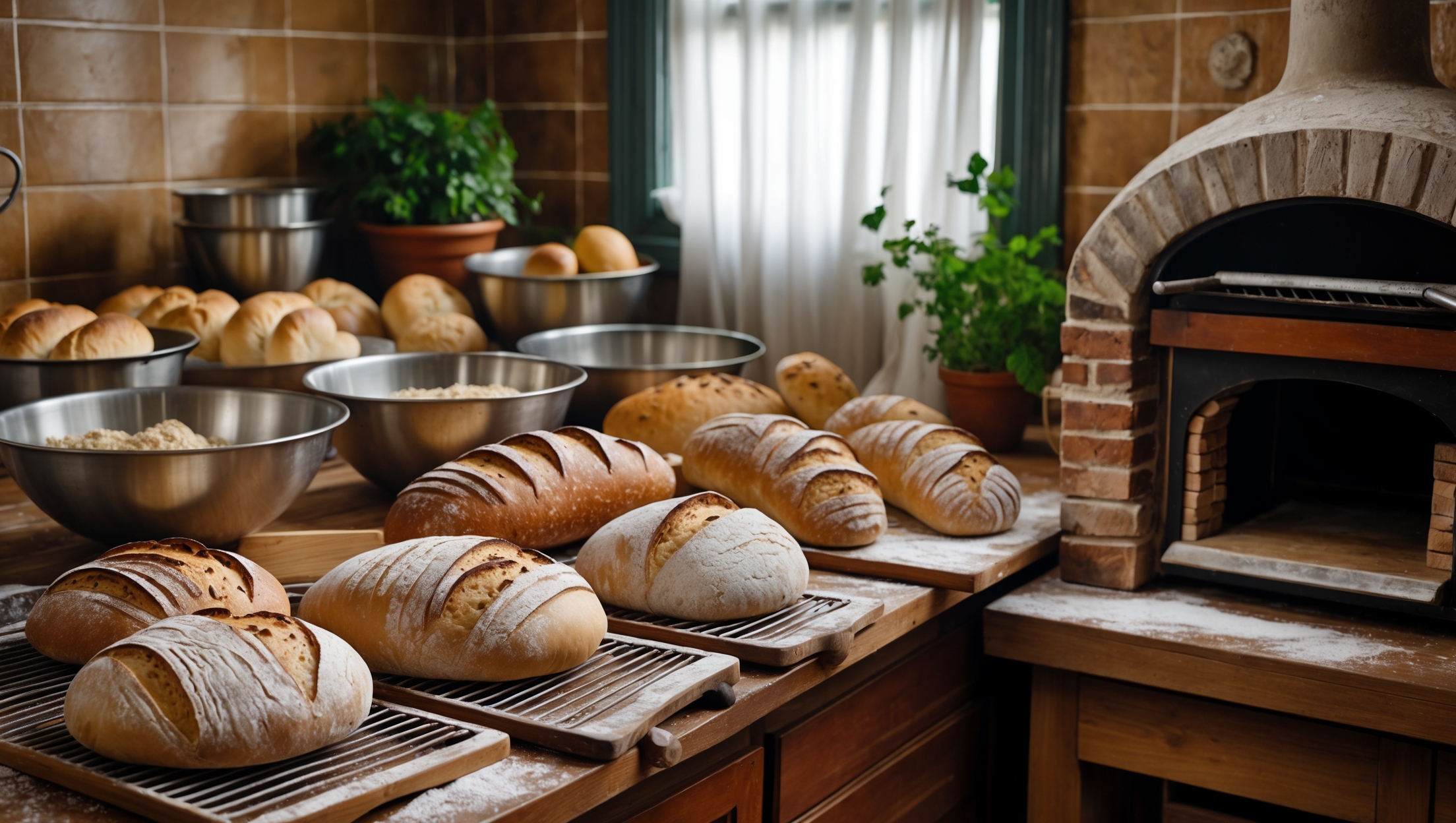
Introduction
Home-based microbakeries have seen an incredible surge in popularity, especially among passionate sourdough enthusiasts. The allure of turning a beloved hobby into a source of income is undeniable—but before your kitchen becomes the next neighborhood hotspot for artisanal bread, it’s crucial to understand the compliance and permit landscape. Unlike casual baking for family and friends, operating a microbakery from home means entering a regulated space with health codes, zoning laws, and food safety standards. Navigating these requirements can feel daunting, but with the right information, you can set your business up for success—and protect yourself, your customers, and your reputation in the process.
This comprehensive guide unpacks what you need to know about compliance and permitting for at-home sourdough microbakeries. We’ll cover how to research local regulations, apply for the correct permits, meet food safety standards, manage labeling and packaging rules, and avoid common pitfalls that trip up new home bakers. Whether you’re baking a few loaves a week or planning to scale up, this post will give you the clarity and confidence to operate legally and safely from day one.
Understanding the Regulatory Landscape
What is a Home Microbakery?
A microbakery is a small-scale baking operation, often run from a home kitchen, producing limited batches of bread—typically sourdough or other artisanal loaves—for local sale. Unlike traditional bakeries, microbakeries work with smaller volumes, direct-to-consumer sales, and often focus on niche products. This unique setup means that regulations may differ significantly from commercial bakeries or home-based businesses like cake decorating or candy making.
Why Compliance and Permits Matter
Food safety is the backbone of any food business. Compliance ensures that your products are safe to eat, your business is protected from legal risk, and customers can trust what you offer. Skipping permits or ignoring regulations can lead to hefty fines, forced shutdowns, or even legal action. Being proactive about compliance demonstrates professionalism and builds credibility with your community.
Key Regulations Affecting Home Sourdough Microbakeries
1. Cottage Food Laws
Most home microbakeries operate under state or regional cottage food laws. These laws allow individuals to prepare and sell certain low-risk foods, such as bread, from their home kitchens. However, every jurisdiction sets its own list of approved foods, sales limits, and requirements. Key points include:
- Approved Foods: Sourdough and most yeast breads are generally allowed, but breads containing meat, cheese, or perishable fillings may not be.
- Sales Channels: Some regions only allow direct-to-consumer sales (e.g. farmer’s markets, online orders with local pickup), while others permit wholesale or retail sales.
- Annual Revenue Caps: Cottage food businesses often have sales limits, ranging from a few thousand to tens of thousands of dollars per year.
2. Zoning and Home Occupation Permits
Before you sell your first loaf, check the zoning laws for your address. Many municipalities require a home occupation permit for any business run from a residential property. Zoning ordinances may restrict:
- Signage on your property
- Number of deliveries or customer pickups per day
- Use of commercial equipment
- Employees working on-site
Contact your local city or county planning office to verify what’s allowed and obtain the necessary permits.
3. Business Licenses and Tax Registration
Even as a microbusiness, you may need a general business license. In addition, many states require registration for sales tax collection, even for food items. Some localities mandate a separate food handler’s permit or food safety certification. Be sure to:
- Register your business name (DBA) if operating under anything besides your legal name
- Obtain an EIN (Employer Identification Number) for tax purposes if you plan to hire employees
- Understand your state’s food sales tax rules—some breads are taxable, others are not
How to Research Your Local Requirements
Step 1: Identify Your Jurisdiction
Regulations are typically set at the state, county, and city levels. Start by identifying:
- Your state’s cottage food laws (search for ‘[Your State] cottage food law’)
- Local county health department requirements
- City zoning and business licensing offices
Step 2: Review Approved Foods and Processes
Read your jurisdiction’s list of allowed foods; some states require you to submit recipes for review or ban certain bread types, such as those containing dairy or eggs. If you plan to sell jams, spreads, or other add-ons, check if these are allowed under cottage food guidelines.
Step 3: Contact Authorities Directly
Don’t rely on online forums or hearsay—regulations change, and enforcement varies. Call or email your local health department or cottage food coordinator. Ask:
- What permits do I need to bake and sell sourdough from home?
- Is home kitchen inspection required?
- Are there restrictions on local vs. online sales?
Obtaining Key Permits and Licenses
Home Kitchen Inspection
Some regions require a one-time or annual inspection of your home kitchen to verify cleanliness and proper food handling. Prepare by ensuring:
- All surfaces are clean and sanitized
- Separate storage for ingredients and finished products
- Pest control measures are in place
- Proper handwashing facilities are available
If your area does not require inspection, you’re still responsible for maintaining safe food practices.
Food Handler’s Certificate
Many states require at least one person involved in food production to hold a current food handler’s card. Certification courses are inexpensive, offered online, and typically take 1–2 hours to complete.
Business Registration and Sales Tax
Registering your business provides legitimacy and allows you to open a business bank account. Even if not required, it can protect your personal assets. Be sure to:
- Register for any required local or state food business licenses
- Apply for sales tax permits if applicable
Food Safety and Labeling Compliance
Food Safety Standards
Even if your kitchen isn’t subject to regular inspection, you must follow safe food handling practices. This includes:
- Storing ingredients in airtight containers away from contaminants
- Frequent handwashing and use of gloves when appropriate
- Keeping pets and children out of the kitchen during baking hours
- Regular cleaning of all baking tools and surfaces
Labeling Requirements
Every loaf you sell must be properly labeled according to local and state guidelines. Typical requirements include:
- Business name and address
- Product name (e.g. “Country Sourdough”)
- Complete list of ingredients in descending order by weight
- Allergen declarations (e.g. wheat, sesame, nuts)
- Net weight (in ounces or grams)
- Statement such as “Made in a home kitchen not inspected by the [health department]” as required
Some states require font size minimums or specific wording. Double-check your local laws!
Packaging and Distribution Rules
Safe Packaging Practices
Choose food-grade, sanitary packaging to protect your bread during delivery or pickup. Options include:
- Kraft paper bread bags
- Compostable cellophane or plastic bread sleeves
- Reusable cloth bags (if allowed)
Label each package individually, and seal loaves to minimize contamination during transit.
Delivery and Pickup Restrictions
Many cottage food laws restrict how you can distribute products. Common rules include:
- No shipping across state lines
- Direct delivery, local farmer’s markets, or curbside pickup only
- Limits on daily pickup traffic at your home
If you plan to sell at events or partner with local shops, verify if extra permits or insurance are needed.
Common Compliance Pitfalls and How to Avoid Them
1. Expanding Beyond Your Permit
As your microbakery grows, it’s tempting to add products or sell in new venues. Only offer items and sales channels explicitly covered by your permit. For example, adding filled pastries or shipping nationwide may push you out of cottage food territory and into commercial regulation.
2. Inadequate Record-Keeping
Maintain detailed records of sales, ingredient sources, and batch production. This is vital for tax reporting and, in the rare case of a food safety concern, for tracing products quickly.
3. Ignoring Zoning or HOA Rules
Homeowners associations or local zoning officials can shut down your business if you violate neighborhood rules, such as prohibitions on signs, commercial traffic, or home-based enterprises. Always seek written approval if needed.
4. Skipping Insurance
While not always required, food business liability insurance is highly recommended. It can protect you from costly claims if a customer gets ill or injured.
Practical Steps to Set Up Your Legal Home Sourdough Microbakery
1. Make a Regulatory Checklist
- Research and print out your state’s cottage food law summary
- List all required permits (health, business, tax, zoning)
- Identify approved foods and sales channels
- Download label templates meeting local requirements
2. Prepare Your Kitchen
- Deep clean and organize your workspace
- Set up separate ingredient storage
- Post handwashing and food safety reminders
3. Complete Necessary Training
- Take a food handler’s certification course
- Review allergen safety practices
4. Apply for Permits and Licenses
- Submit applications online or in person as required
- Schedule any required kitchen inspections
- Set up a business bank account
5. Start Small and Stay Compliant
- Begin with approved products and track sales carefully
- Monitor for regulatory updates annually
Resources for Home Bakers
- Forrager: Cottage Food Law Database
- Cottage Foods Organization
- Your state, county, and city health department websites
- Local Small Business Development Centers (SBDCs)
Conclusion
Starting an at-home sourdough microbakery is a fulfilling way to share your craft and connect with your community. But to thrive in the long term, you must approach your business with a clear understanding of permits, compliance, and food safety regulations. Though the research and paperwork can seem overwhelming, each step is designed to protect both you and your customers. By following your local cottage food laws, securing the right permits, labeling your products accurately, and keeping meticulous records, you’ll build a foundation of trust and professionalism.
Remember, compliance isn’t a one-time task. Laws and regulations evolve, and as your microbakery grows, your responsibilities may change. Stay informed by subscribing to updates from your health department, joining online cottage food communities, and periodically reviewing your business practices. Most importantly, don’t be afraid to ask questions—regulators and local small business resources are there to help you succeed.
With careful planning and a commitment to legal best practices, you can turn your sourdough passion into a thriving, compliant home business. Your customers will appreciate your dedication to quality and safety, and you’ll enjoy the peace of mind that comes from doing things the right way. Happy baking!
You mention that regulations for microbakeries can differ quite a bit from those for commercial bakeries or other home food businesses like cake decorating. Can you clarify what major differences home sourdough bakers should expect when researching local regulations?
Home sourdough microbakeries often face unique rules compared to commercial bakeries or cake decorators. For example, some areas allow baked bread but may restrict using certain fillings, require labeling for allergens, or set limits on sales locations. You’ll also find differences in kitchen inspections, insurance requirements, and types of permits needed, so it’s important to review local cottage food laws specific to bread production.
If my kitchen is in a rented apartment, are there different zoning or permitting challenges compared to owning my home when starting a microbakery?
Running a microbakery from a rented apartment can involve extra hurdles. Landlords may have restrictions on operating a business from their property, and some leases prohibit commercial activities. Zoning laws and health department regulations might also be stricter for multi-unit buildings. Always check your lease and talk to your landlord, and be sure to confirm local requirements before starting.
I’m curious about how zoning laws might affect my microbakery if I live in a residential neighborhood. Are there specific rules that usually restrict selling baked goods from home, or does it depend on the city?
Zoning laws can definitely impact your ability to run a microbakery from home, especially in residential areas. The specific rules vary by city and county—some places allow home-based food businesses with permits, while others restrict commercial activity in residential zones. It’s best to check with your local zoning office and health department to find out the requirements for your address.
You mention zoning laws—how do typical residential neighborhood restrictions impact microbakery operations, and are there ways to address concerns from neighbors or local planning boards?
Residential zoning laws often restrict home-based businesses that involve significant customer traffic, signage, or commercial deliveries. Common issues are noise, parking, and food smells. To address concerns, keep operations small-scale, minimize disruptions, communicate openly with neighbors, and consider seeking a home occupation permit or variance from your local planning board.
When it comes to labeling and packaging for home-baked sourdough, what are the most common mistakes new bakers make that can lead to compliance issues? Any tips to avoid them would be helpful.
New bakers often forget to include required details like ingredient lists, allergen warnings, their contact information, and net weight on their labels. Another common mistake is using vague or misleading product names. To avoid compliance issues, always check your local regulations, use clear, accurate labels, and double-check for all required information before selling your bread.
You mentioned managing labeling and packaging rules for selling sourdough. Could you share specific examples of what information absolutely needs to be on the label if I’m only selling within my neighborhood?
If you’re selling sourdough within your neighborhood, your labels should usually include the common name of the bread, all ingredients in order by weight, your name and home address, and a statement like ‘Made in a home kitchen.’ Some areas also require allergen information. Always check specific local requirements, but these basics are often mandatory.
Are there specific labeling and packaging rules for homemade sourdough that differ from cakes or cookies when you’re selling locally? I’m curious how detailed ingredient lists and allergen info need to be for a microbakery setup.
For homemade sourdough, labeling and packaging rules are often similar to those for cakes or cookies, especially if you’re selling locally. Most areas require clear ingredient lists and allergen statements for all baked goods, not just specific types. You usually need to identify major allergens like wheat, eggs, milk, and nuts, and list all ingredients in descending order by weight. It’s best to check your local cottage food or microbakery regulations to ensure you meet all requirements for your area.
I’d like to avoid common pitfalls as a new home baker—could you provide examples of mistakes people make when applying for permits or setting up their kitchens for regulatory inspections?
Some common pitfalls include missing required documents in your permit application, not understanding local zoning rules, or overlooking food safety guidelines like handwashing sinks and proper storage. People also sometimes forget to separate home and business kitchen areas or don’t keep clear production records, both of which are important for passing inspections.
I’m just starting to bake sourdough at home and thinking of selling a few loaves a week. How can I find out exactly which permits and health codes apply in my town before I get in over my head?
To find out which permits and health codes apply, contact your local health department or city hall—they can tell you about cottage food laws, business licenses, and any relevant inspections. Rules vary a lot, so getting information directly from your area is the safest way to stay compliant.
For someone just starting out, how long does it typically take to get all the necessary permits and comply with food safety standards before legally selling sourdough from home?
The timeline to get permits and meet food safety standards varies by location, but it usually takes anywhere from a few weeks to a couple of months. Steps include applying for cottage food permits, passing a kitchen inspection if required, and sometimes taking a food safety course. Contact your local health department for precise processing times.
If I only plan to sell a few loaves each week to neighbors, do I still need to go through the full permitting process, or are there exemptions for very small-scale home bakeries?
Even if you’re selling just a few loaves each week, most states require home-based food businesses to follow cottage food laws, which usually means registering with your local health department and following basic safety rules. Some areas offer simplified permits for very small-scale bakers, so it’s a good idea to check with your city or county for any exemptions or streamlined processes.
When it comes to labeling and packaging for sourdough loaves sold from home, are there specific requirements for listing allergens or ingredients that new bakers often overlook?
Yes, there are specific requirements for labeling when selling sourdough from home. You must list all ingredients in descending order by weight and clearly identify any major allergens, such as wheat. New bakers often overlook cross-contamination warnings or forget to include full addresses on labels, both of which may be required by your local health department.
When it comes to food safety standards for sourdough specifically, are there any unique rules beyond general guidelines that home microbakeries should know about?
For sourdough specifically, most regulations focus on general food safety like cleanliness, safe ingredient sourcing, and proper storage. There aren’t usually unique rules just for sourdough, but since it is a fermented product, some areas may expect you to track fermentation times and temperatures. Always double-check your local health department’s requirements in case they have specific expectations for fermented dough products.
I’m a bit nervous about investing in all the necessary permits and upgrades before making any sales. Is there usually a way to do a small test run or pop-up to gauge interest before going through the full compliance process?
Many areas allow small-scale food sales under cottage food laws, which often let you start with limited types of baked goods from your home kitchen without full permits. You might also consider selling at a farmers market or hosting a temporary pop-up, but check with your local health department to confirm what’s allowed before you begin.
The article mentions that microbakeries have different rules compared to commercial bakeries and other home-based food businesses like candy making. How can I find out which category my sourdough operation falls into for compliance?
To determine your category, start by checking with your local health department or food regulatory agency. They can clarify whether your operation is classified as a microbakery, cottage food business, or something else based on factors like production size, sales methods, and types of products. This will help you understand the specific rules and permits required for your situation.
If I am just planning to sell a few sourdough loaves a week to neighbors, do I still need to go through the same permit process as someone who wants to scale up? Or are there different rules for tiny operations?
There are often different regulations for very small or ‘cottage’ food operations compared to larger bakeries. Many states allow limited home-based baking with fewer requirements, though you may still need a basic permit or registration. Check your local and state guidelines to see what applies to your situation.
Can you give examples of what kinds of labeling and packaging rules apply specifically to home-based sourdough microbakeries? I’m worried about accidentally missing a required detail and getting fined.
For home-based sourdough microbakeries, typical labeling requirements include listing all ingredients in descending order by weight, identifying allergens like wheat, including your business name and address, and marking items as homemade if required by your state. Packaging needs to keep bread sanitary and tamper-resistant but often doesn’t need to be fancy. Be sure to check your local cottage food laws, as requirements can vary.
Is there a checklist or resource you’d recommend for figuring out local food safety and labeling requirements before I invest money in equipment or packaging for my microbakery?
You can usually find helpful checklists or guides through your local health department or state agricultural extension office. Many states also provide cottage food operation handbooks online, which outline specific safety and labeling requirements. Contacting your local regulatory office directly is a good first step to ensure you follow the correct guidelines before making any investments.
If I wanted to start small and only make a few sourdough loaves for neighbors each week, do I still need to meet all the same food safety and permit requirements, or are there exceptions for microbakeries at such a tiny scale?
Even if you’re baking on a very small scale for neighbors, most local health departments still require home bakers to comply with certain food safety regulations and may require a cottage food permit or license. Some areas have exemptions or simplified rules for very small operations, but you’ll need to check your specific city, county, or state regulations to be sure. It’s best to contact your local health department to find out exactly what’s needed for your situation.
If I want to scale up my production from a few loaves a week to larger batches, how might zoning laws or permit requirements change as my microbakery grows?
As your microbakery grows and you increase production, zoning laws and permit requirements may become stricter. You could be required to upgrade your kitchen, obtain additional food handling or business permits, and comply with commercial zoning regulations rather than those for home-based businesses. It’s a good idea to check with your local planning department before scaling up, so you can address any new requirements in advance.
If someone is just starting and baking only a few loaves a week, are there permit exemptions or streamlined processes available, or do all home microbakeries need to meet the same full compliance standards from the outset?
Requirements can vary by location, but many places offer cottage food laws or exemptions for small-scale home bakers. These often allow you to bake limited quantities with fewer regulations, though you may still need to register or follow basic food safety rules. Check your local health department to see if such options apply to you.
For someone just beginning to research local regulations, what is usually the first office or authority you recommend contacting to get information about required permits for a home-based microbakery?
The best place to start is usually your local city or county health department. They can tell you about food safety requirements and whether you need a cottage food license or something more specific for your area. It’s also helpful to check with your local zoning office to confirm you’re allowed to operate a microbakery from your home.
You mention that regulations can differ significantly for home microbakeries compared to commercial bakeries. Could you clarify if home bakers generally need a kitchen inspection before getting a permit, or does it vary by location?
Whether home bakers need a kitchen inspection before getting a permit really depends on local laws. In some areas, an inspection is required to ensure food safety, while in others, home bakers may be exempt or follow different standards. Always check with your local health department to confirm what applies in your location.
What are some common labeling or packaging mistakes that new microbakery owners make, and how can I make sure my bread meets those requirements without spending a lot on custom packaging?
Some common mistakes include missing ingredient lists, not stating allergens, or lacking your contact information on the label. To stay compliant without high costs, use simple labels printed at home that clearly list ingredients, allergens, net weight, and your bakery name and address. Double-check your local requirements to ensure nothing is missed.
Could you clarify how zoning laws might affect my ability to run a microbakery from my home, especially if I live in a residential neighborhood? Are there examples of restrictions I should be aware of before starting?
Zoning laws can limit home-based businesses like microbakeries in residential areas. Common restrictions include limits on customer visits, delivery traffic, signage, and noise. Some areas require special permits or outright prohibit food businesses in homes. Checking with your local zoning office before starting is important to understand specific rules in your neighborhood.
You mention labeling and packaging rules—are there specific things I need to include on labels if I’m just selling a few loaves per week at my local farmers market, or do the requirements change if I sell online?
If you’re selling at a farmers market, most states require your labels to list the product name, your name and address, ingredients in descending order by weight, and any allergens. If you sell online, these requirements usually still apply, plus some states might ask for net weight or direct contact info. Always check your local cottage food laws for exact details.
The guide talks about meeting food safety standards, but how much should I budget for the necessary equipment or kitchen upgrades to stay compliant as a small sourdough operation just starting out?
For a small sourdough microbakery, initial costs for food-safe equipment and kitchen upgrades typically range from $500 to $2,000. This covers basics like a reliable oven, stainless steel prep surfaces, food-grade containers, and possibly a hand-washing sink. Costs may vary depending on local regulations and what you already have in your home kitchen.
You mentioned labeling and packaging rules—are there specific requirements for ingredients or allergy statements if I’m only selling a handful of loaves each week to local customers?
Even if you’re selling small quantities locally, most states require clear labeling with a complete list of ingredients in descending order by weight. Allergy statements are typically mandatory for common allergens like wheat. Be sure to check your state’s cottage food laws, as requirements can vary, but clear ingredient and allergen information is generally expected.
If my HOA has restrictions on home businesses, do zoning laws typically override those, or should I get permission from my HOA first before applying for a microbakery permit?
You should get permission from your HOA first. HOA rules are private agreements and can be stricter than local zoning laws. Even if your local zoning allows a microbakery, violating HOA rules could result in fines or other issues.
I’m trying to figure out what counts as a microbakery under local regulations. Is there usually a specific sales limit or number of loaves baked that would change what permits I need?
Local definitions for a microbakery often vary, but many areas set limits based on annual sales or production volume. For example, some places might classify you as a microbakery if you stay under a certain dollar amount in yearly sales or bake below a set number of loaves per week. Exceeding these limits could require different permits or full commercial licensing. It’s best to check with your local health department for the exact thresholds in your area.
What are some of the most common mistakes new home bakers make when it comes to labeling and packaging rules? I have kids around, so I want to make sure my setup is both family-safe and compliant.
Some common mistakes include missing allergen warnings, incomplete ingredient lists, and not including your contact information on labels. Packaging errors often involve using non-food-safe materials or reusing containers that aren’t sanitized. To keep things family-safe and compliant, use new, food-grade packaging and ensure all labeling is clear, accurate, and follows your local health department guidelines.
You mentioned that zoning laws can affect running a microbakery from home. In your experience, how do most people find out if their neighborhood even allows a home bakery, and are there common workarounds if it’s not permitted?
Most people start by checking with their city or county planning department, either online or by phone, to see if home-based food businesses are allowed in their zoning district. If zoning doesn’t permit it, some look for shared commercial kitchens or use farmers market stalls as alternatives. Consulting local officials is the best first step.
If I plan to gradually increase my baking volume beyond just a few loaves a week, at what point do additional permits or inspections usually become necessary for a home-based bakery? I’m hoping to plan ahead for any changes in regulations.
As your baking volume increases, many local authorities require additional permits or inspections once you move beyond the scale intended for cottage food laws. Typically, if you’re baking more than what’s considered for personal or very small-scale sales—often exceeding a set number of sales or income per year—you may need to upgrade your food license, meet commercial kitchen standards, or have regular inspections. Be sure to check your local and state regulations to find out the specific thresholds, as they can vary.
The article mentions labeling and packaging requirements for home bakers. Are there affordable ways to meet those rules without investing a lot upfront, especially if I’m just starting to sell to neighbors and friends?
You can start simple by using blank labels and hand-writing required information such as ingredients, allergens, and your contact details. Plain packaging like paper bags or boxes is usually fine as long as it’s clean and food-safe. Many small bakers use a standard label template printed at home, which keeps costs low. Just make sure your labels clearly meet local regulations.
I’m curious about what counts as compliant packaging and labeling for selling bread directly to neighbors. Are there particular guidelines I should follow, and where can I find examples of what’s required?
Compliant packaging for home-baked bread usually means using clean, food-safe materials that protect your product. Labeling often needs to include the name of the product, your name and address, the ingredients in descending order by weight, and an allergen warning if applicable. Check with your local health department for detailed guidelines and sample labels, as requirements can vary by location.
How long does it typically take to get all the necessary permits in place for a home-based sourdough bakery? I want to plan ahead so I don’t run into delays before my first sales.
The time needed to secure permits for a home-based sourdough bakery can vary widely, usually between a few weeks to a couple of months. This depends on your local health department’s process, zoning requirements, and whether inspections are needed. It’s best to contact your local authorities early and budget extra time in case of unexpected steps or delays.
If my home is in an area zoned primarily for residential use, are there typically special zoning laws or waivers I should be aware of before starting a microbakery, or does that vary a lot by city?
Zoning rules for home-based microbakeries vary significantly by city and even neighborhood. Many residential areas have restrictions on running food businesses from home, but some cities offer special permits or waivers. Before starting, check with your local zoning department to confirm what’s allowed in your area and ask about any exceptions or application processes for home food businesses.
The article mentions zoning laws as a factor in setting up a home microbakery. Could you clarify what kinds of residential zoning restrictions are most likely to affect sourdough bakers who want to sell from their homes?
Residential zoning laws often restrict commercial activities in homes, which can impact at-home bakers. Common restrictions include limits on customer visits, signage, hours of operation, or the amount of space used for baking. Some areas prohibit any food sales from residential kitchens. It’s important to check your local zoning code or consult with your city planning office before starting.
If I want to start selling just a few sourdough loaves a week from my home kitchen, do I still need to go through the same permit process as someone running a larger home bakery? Or are the requirements different for small-scale operations?
The permit and compliance requirements usually depend on your local health department and cottage food laws, not the scale of your operation. Even if you sell just a few loaves, most areas require some form of permit or registration. It’s best to check your local regulations, as some places do have exemptions or simplified processes for very small-scale home bakers.
If I want to start by baking just a few loaves for friends and neighbors, is there a minimum production amount where permits become necessary, or do all sales require full compliance with health codes and permits from the start?
Even if you’re baking just a few loaves to sell, permits and health code compliance are usually required from the very start. Many areas don’t have a minimum production threshold—any sale to the public often triggers these rules. Check your local and state regulations for cottage food or home bakery operations to be sure.
Do home-based sourdough microbakeries usually have to upgrade their kitchens to meet food safety standards, or are there special allowances for residential kitchens under most local laws?
Many local regulations do allow some flexibility for residential kitchens operating as home-based microbakeries, often through cottage food laws. However, you may still need specific upgrades or modifications, especially for sanitation and food storage. It’s important to check your local health department’s requirements, as rules vary widely by region.
When you talk about researching local regulations, could you share how to find out whether my city even allows an at-home microbakery? I’m not sure where to start with zoning laws.
To find out if your city allows an at-home microbakery, start by contacting your local city or county planning or zoning department. Ask about home-based food businesses and whether there are restrictions in residential zones. Checking your city’s official website for zoning codes or home occupation permits is also helpful. If you’re unsure, city hall staff can usually point you in the right direction.
I’m planning to sell just a few loaves a week at my local farmers market. Do these small volumes make the compliance process any easier or more affordable for a beginner, compared to running a bigger commercial bakery?
Selling small volumes at a farmers market often qualifies you for cottage food laws or simplified regulations, which can make compliance easier and less expensive than running a full-scale commercial bakery. However, requirements can still vary by location, so it’s important to check your state and local guidelines to see what permits or food safety steps you need, even for limited sales.
You mention zoning laws for home bakeries—how can I find out if my residential neighborhood allows this kind of business, and what kind of permits should I look for first?
To check if your neighborhood allows a home bakery, contact your city or county zoning office and ask about home-based food businesses. Start by looking for a home occupation permit and a cottage food license, since these are commonly required for at-home bakeries. Your local health department can give you specific permit details for your area.
Do most states require labeling and packaging rules for every loaf sold by home microbakeries, or are there certain exemptions if you only sell directly to customers at local farmers markets or delivery?
Many states have specific labeling and packaging requirements for home microbakeries, even if you sell directly to customers at farmers markets or through direct delivery. However, some states do offer exemptions or simplified rules for direct sales. It’s important to check your state’s cottage food laws to know exactly what is required in your area.
I noticed you mentioned food safety standards and labeling requirements—are there particular packaging or labeling mistakes that new microbakers often make that could jeopardize compliance early on?
Yes, new microbakers often miss including key info like ingredient lists, allergen warnings, or their contact details on labels, which are required in many areas. Another common mistake is using packaging that isn’t food-safe or lacks tamper-evident features. Double-check local regulations to make sure your labels and packaging meet all legal standards.
If my state allows cottage food operations but my city has stricter zoning laws, which rules do I need to follow when starting a home sourdough microbakery?
You must comply with both state and local rules, but when they conflict, you need to follow the stricter requirement. If your city has tougher zoning laws than the state, those city rules will take priority for operating your home sourdough microbakery.
You mentioned labeling and packaging rules—are there specific requirements for listing ingredients or allergens for sourdough bread made in a home kitchen? I want to make sure I follow all the right steps before selling.
Yes, ingredient and allergen labeling is often required, even for home-based bakeries. You should clearly list all ingredients in descending order by weight and highlight common allergens like wheat or nuts. Some states ask for additional info, like your business address or a statement that the product was made in a home kitchen. Check your local cottage food laws to be sure you’re covering all requirements.
When researching local regulations as suggested, do you recommend starting with the city, county, or state level first for permits? It can get confusing figuring out which permits apply if you’re selling just a few sourdough loaves per week.
Start by checking with your city government since local zoning and home business rules often come into play first. If your city doesn’t have clear guidelines, your county is the next step. State regulations typically cover broader food safety and cottage food laws. This order usually helps you find the most relevant requirements without getting overwhelmed.
Could you elaborate on how local zoning laws typically affect home microbakeries? I’m wondering if there are common restrictions on operating in residential neighborhoods or limitations on customer pickups from your home.
Local zoning laws often play a big role in whether you can run a microbakery from home. Many residential zones restrict commercial activities, which can mean limits on signage, business hours, and the number of customers visiting your home. Some areas prohibit on-site sales or customer pickups altogether, while others may allow limited pickup with a permit. It’s essential to check with your city or county planning department for specifics in your area.
Could you clarify whether home microbakeries are usually required to have a separate kitchen space, or can they operate from the main residential kitchen if they follow all the compliance steps you mentioned?
Most areas allow home microbakeries to operate from the main residential kitchen as long as you meet all local compliance requirements, such as cleanliness, labeling, and food safety. However, some jurisdictions may require a separate kitchen or specific modifications. Always check your local health department’s rules to be sure.
If I want to turn my hobby into a small sourdough business but only bake a few loaves a week, do I still need to meet the same zoning and health codes as someone producing larger batches, or are there scaled requirements?
Even if you’re baking just a few loaves a week, you typically still need to follow local zoning and health codes. However, some areas have scaled requirements or cottage food laws that allow small-scale producers to operate with fewer restrictions. It’s important to check with your local authorities to see if these apply to your situation.
You mentioned labeling and packaging rules in the guide. Could you clarify what kind of information I’d need to include on my sourdough loaves if I’m just baking for my local community, not shipping out of state?
If you’re selling your sourdough locally, most states require you to include your bakery name, address, the product name, a full ingredients list (in descending order by weight), allergen information, and a note if your kitchen isn’t inspected. Check your local cottage food laws for details, as requirements can differ by state.
Do you have any tips for keeping up with food safety standards at home without spending a ton on special equipment? I want to make sure everything’s safe, but I’m worried about budget with all the compliance requirements.
You can maintain strong food safety without breaking the bank by focusing on good habits: wash hands thoroughly, sanitize surfaces with basic bleach solutions, and use separate containers for raw and finished dough. Invest in an inexpensive food thermometer to ensure safe temperatures, and keep your home bakery organized to avoid cross-contamination. Label ingredients and dates to track freshness, and consider a simple logbook for cleaning routines.
I’d love more details on the initial steps for researching local permits. Is it best to start with the county health department or should I check with my city’s zoning office first?
It’s helpful to check with your city’s zoning office first to confirm that running a microbakery from your home is permitted in your area. Once you know your business is allowed by local zoning, contact your county health department to learn about food safety permits and home kitchen requirements. Both steps are important, but zoning can be a dealbreaker, so start there.
If I want to eventually expand my sourdough microbakery into a full commercial bakery, is it better to start with a home permit or should I plan differently from the beginning?
If you plan to grow into a full commercial bakery, consider your long-term needs early on. Starting with a home permit is a good entry point for small-scale production, but commercial bakeries often require different facilities and permits. Planning for scalability—such as choosing an adaptable space or learning about commercial regulations—can make future transitions smoother.
You mentioned the importance of zoning laws for home microbakeries—do you have any tips on how to find out if my residential area is actually zoned to allow this kind of small food business before I invest in permits?
To check if your neighborhood is zoned for a home microbakery, start by visiting your city or county’s zoning department website, where zoning maps and permitted use tables are often available. You can also call or email the zoning office directly with your address to ask about home-based food businesses. It’s a good idea to request written confirmation of their response for your records.
Could you give more details on what kind of labeling and packaging rules home microbakeries usually need to follow? I’m worried about accidentally missing something important when boxing up my sourdough loaves.
For home microbakeries, labeling usually needs to include your business name, address, product name, ingredient list in descending order by weight, allergen information, and a statement that your bread was made in a home kitchen. Packaging should keep your loaves protected and clean. Local laws can vary, so check with your health department for any extra requirements or special formats.
When researching local regulations, are there certain permits that are almost always required for sourdough microbakeries operating from home, or does it really vary state by state?
The specific permits you’ll need can vary significantly by state and even by city, but most home-based sourdough microbakeries typically require a cottage food license or permit. Health department approval and a home kitchen inspection are also common requirements. Always check with your local health department to be sure, as some places have unique rules or additional steps.
I know you mentioned labeling and packaging rules—are these expensive or complicated for a very small operation baking just a few loaves a week, and is there a minimum batch size that triggers all these requirements?
Labeling and packaging requirements are generally simple and inexpensive for very small microbakeries. You typically just need to include basic info like ingredients, allergens, and your contact details. There’s no minimum batch size—rules usually apply as soon as you sell food, even if it’s just a few loaves a week.
If I only plan to bake and sell a small number of loaves each week, do the labeling and packaging rules still apply, or is there a threshold where those requirements kick in?
Even if you’re only selling a small number of loaves, labeling and packaging rules typically still apply. Most cottage food laws require each product to have labels with specific information, regardless of your sales volume. However, requirements can vary by state, so check your local regulations to be sure.
If I want to start small, say just making a few loaves each week, is there a different process or a lower-cost permit option for tiny home microbakeries, or do I need to meet the same standards as larger home producers?
For small-scale home microbakeries, many states offer a cottage food permit, which is usually simpler and less expensive than commercial permits. Requirements can vary, but you’ll generally need to follow basic food safety standards and label your products properly. Check your local regulations to see if your limited production qualifies for this option.
How long does it usually take to get the necessary permits for a home-based microbakery, and are there ways to speed up the process if I want to start selling soon?
Getting permits for a home-based microbakery usually takes anywhere from a few weeks to a couple of months, depending on your local regulations and how quickly you submit all required documents. To speed things up, contact your local health department early, make sure your kitchen meets their requirements, and have all paperwork ready before applying. Scheduling any necessary inspections as soon as possible can also help move things along.
Could you clarify if at-home sourdough microbakeries typically need to upgrade their kitchens to meet health codes, or are existing home kitchens usually sufficient for initial compliance?
Most at-home sourdough microbakeries do not need to completely renovate their kitchens, but some upgrades or adjustments may be required depending on local health department rules. Common requirements include separate storage for baking ingredients, proper sanitation practices, and sometimes additional equipment like thermometers or handwashing sinks. It’s best to check with your local health authority to see what your specific situation requires.
Are there any common food safety mistakes that home microbakeries run into when scaling up production, and how can I avoid them before applying for permits?
Home microbakeries often overlook temperature control, cross-contamination, and proper labeling when increasing production. To avoid these mistakes, review safe food handling practices, set up clear cleaning routines, and label all ingredients accurately. Document your procedures in advance—this makes permit applications smoother and shows inspectors you’re serious about food safety.
I’m curious about the labeling rules for sourdough—do I need to list every single ingredient and allergen if I’m just selling a few loaves a week out of my house?
Even if you’re selling only a small number of sourdough loaves from home, most states require you to list all ingredients in descending order by weight and clearly identify any major allergens like wheat. Check your state’s cottage food laws to be sure, but transparent labeling is generally expected to keep customers safe.
If I plan to start by baking just a handful of loaves each week, is it possible to operate under simpler permit requirements, or do I need to get everything in place from day one regardless of my production size?
For very small-scale baking, some regions allow you to start under cottage food laws, which often have simpler requirements and lower fees. However, the specific permits you need depend on your local regulations, so it’s important to check with your health department or city government before you begin.
The article mentions navigating both zoning laws and food safety standards. Could you clarify if there are usually separate permits required for each, or do most states combine these in one application for home microbakeries?
Most states require separate permits for zoning and food safety. Zoning approval generally comes from your local city or county, confirming your home can be used for a microbakery. Food safety permits are issued by your state or local health department. Some areas may bundle these into one process, but it’s safest to expect separate applications unless your local authority specifically combines them.
I’m worried about the labeling and packaging rules for selling sourdough out of my kitchen. Are there affordable resources or templates for creating compliant labels, or do I need to hire someone for that?
You don’t need to hire a professional to create compliant labels. Many state agriculture or health departments offer free sample templates and clear guidelines. There are also affordable online tools and label-making software that help you meet requirements for ingredient lists, allergen statements, and contact info. Review your local cottage food laws to be sure your labels include all necessary details.
I’m curious about zoning laws mentioned here. How can I find out if my neighborhood actually allows home-based microbakeries, and are there common restrictions on customer pickups from residential addresses?
To find out if your neighborhood allows home-based microbakeries, contact your city or county zoning office and ask about regulations for home businesses, especially food production. Many areas do permit home bakeries but may restrict things like signage, parking, or how many customers can pick up orders at your home. Always check local rules before starting.
If I want to start selling sourdough from my home kitchen but only bake a few loaves a week, do I need to follow all the same permit and food safety rules as someone baking at a larger scale?
Even if you only bake a few loaves a week, most regions require home-based food businesses to follow certain permit and food safety regulations. The rules can vary based on location, but typically, all food sold to the public must meet local health and safety standards, regardless of scale. It’s a good idea to check with your local health department to find out the specific requirements for your area.
For someone just baking a few sourdough loaves each week, is it still necessary to go through the same permitting process as someone planning to scale up production? Does the batch size affect the level of compliance required?
Even if you’re baking just a few loaves each week, most local health departments still require some form of permit or registration if you plan to sell your bread. The rules can sometimes vary by location, and some areas offer simplified processes for small-scale or cottage food producers. Batch size may influence the type of permit or inspections needed, but compliance is usually required regardless of your scale. It’s best to check your local regulations for specifics.
The article mentions labeling and packaging rules—are there specific requirements for listing sourdough ingredients or potential allergens if I’m only selling locally?
Even if you’re selling locally, most states require that all ingredients are clearly listed on your sourdough labels, in descending order by weight. You must also highlight any common allergens, like wheat or nuts, even for small-scale sales. Check your state’s cottage food laws for any extra specifics.
For someone considering scaling up from a few loaves a week to larger batches, at what point do additional permits or kitchen upgrades become necessary, and is there a clear threshold defined by most states?
Most states set specific production or sales thresholds that, once exceeded, require additional permits or a shift to a licensed commercial kitchen. These thresholds vary but often relate to annual revenue, number of units sold, or types of products offered. It’s important to check your state’s cottage food laws for the exact limits, as surpassing them will typically mean needing upgraded facilities and compliance with more rigorous health regulations.
For those of us in states where cottage food laws are strict about ingredients or require commercial equipment, how do you recommend handling sourdough starters and long fermentation times in a home setup without running into compliance issues?
If your state has strict cottage food regulations, start by checking the official list of approved ingredients and equipment. For sourdough starters, be sure all components are allowed and clearly labeled. If long fermentation times are an issue, consider fermenting in a permitted space or using refrigeration to meet safety requirements. Always document your process so you can demonstrate compliance if needed.
You mention food safety standards and labeling—are there specific requirements for sourdough that are different from other baked goods, or are the rules all the same?
The food safety and labeling requirements for sourdough are generally the same as for other baked goods, focusing on safe ingredient handling, allergen disclosure, and accurate labeling. There aren’t usually special rules unique to sourdough, but always check your local regulations in case they have additional specifics for fermented products.
If I want to upgrade from baking a few loaves a week to something more regular, what are the first steps I should take to make sure I stay compliant as my microbakery grows?
As you increase production, review your local cottage food laws to confirm if your planned output still qualifies. Next, check zoning regulations for your home, and look into any permit or license requirements that apply to higher-volume baking. Keep records of ingredients, sales, and processes, as this will help with inspections and compliance.
For someone just starting to sell a few loaves each week, how much should I budget for the initial permits and compliance steps? I want to make sure I’m not caught off guard by hidden fees.
For a small at-home sourdough operation, initial permits and compliance costs can range from $100 to $700, depending on your state and local requirements. This usually includes a cottage food permit, basic inspections, and possibly a food handler’s certificate. It’s wise to check with your local health department to confirm any extra fees or required steps.
When researching local regulations for starting a home sourdough microbakery, are there specific state or county agencies I should contact first, or does it vary a lot based on city and neighborhood zoning laws?
It usually depends on your specific location, since rules can vary widely even within the same state. Start by checking with your county or city health department and your local zoning office. They’ll clarify food safety requirements and whether home baking is allowed in your neighborhood. If you’re unsure, your state’s Department of Agriculture can also guide you to the right local agencies.
You mentioned that compliance can be different for microbakeries compared to traditional bakeries or other home food businesses like candy making. Are there any common pitfalls that microbakery owners run into when it comes to labeling or packaging in particular?
Yes, microbakery owners often overlook proper ingredient listing and allergen declarations on their packaging, which are required in many areas. Another common issue is not including the business name and address on labels. It’s important to check your local regulations to make sure your labels meet all the necessary requirements.
I’m interested in starting out by baking just a few sourdough loaves each week for local customers. Are there permit thresholds or production limits that determine when I need to register as a business or comply with additional regulations?
Yes, many areas have specific production limits for home-based food businesses, often set by Cottage Food Laws. If you stay below a certain number of sales or income level, you may have fewer regulatory requirements. However, once you surpass those thresholds—such as a certain number of loaves or annual revenue—you may need permits, inspections, or to register as a business. Check your local and state regulations for exact limits.
You mentioned zoning laws as a factor. How do I find out if my neighborhood is even zoned for starting a microbakery from my house? Is this usually a big obstacle for home bakers?
To check if your neighborhood allows a home-based microbakery, contact your local city or county zoning office. They can tell you if home food businesses are permitted in your zoning district. For some bakers, zoning can be a hurdle, especially in strictly residential areas, so it’s important to verify before starting.
Could you give some examples of common pitfalls that trip up new home bakers when it comes to packaging and labeling rules? I want to make sure I avoid easy mistakes.
Some common pitfalls include missing required allergen statements, not listing all ingredients in descending order by weight, using unapproved health claims, and forgetting to include your business name and address. Another mistake is using packaging materials that aren’t food-safe or properly sealed. Double-check your local regulations, as requirements can vary.
I’m hoping to start out baking only a few loaves a week. Is the compliance process simpler or less expensive for such a small-scale setup, or do I need to follow the same food safety and permitting steps as larger home bakeries from day one?
Even if you’re baking just a few loaves a week, most areas require all home bakeries—regardless of size—to follow the same food safety rules and permit steps. Some regions might offer simplified cottage food permits for very small operations, so check your local regulations to see if any exemptions or reduced fees apply.
When it comes to food safety standards for sourdough in a home kitchen, are there specific requirements around starter cultures or fermentation that differ from those for other baked goods?
Yes, sourdough does have some unique considerations compared to other baked goods. Health departments may require you to document your fermentation times and temperatures to prevent harmful bacteria growth. Some areas want you to use only wild or commercial starter cultures from approved sources. Always check your local cottage food laws, as they may specify rules about handling and storing fermented products like sourdough.
Are there any differences in permit requirements if I just want to bake a few loaves a week for local farmers markets versus selling online or to local stores? Not sure how the scale or sales method changes what I need to do.
Yes, there can be differences in permit requirements depending on how you sell your bread. Farmers markets often require specific vendor permits, while selling online or to stores may trigger different rules, like packaging or labeling standards. The scale of your operation can also matter—some cottage food laws only allow small-scale weekly sales. Check your local health department and state regulations to ensure you meet all requirements for your chosen sales methods.
If I plan to expand my microbakery beyond just a few loaves a week, at what stage do permit requirements usually change, and how far in advance should I start the application process to avoid gaps in compliance?
Permit requirements typically change once your production moves from occasional baking to more regular, higher-volume sales, especially if you begin selling outside your immediate community or online. It’s wise to start the permit application process at least 2–3 months before scaling up, as approval can take time and you want to stay compliant throughout your growth.
Could you explain more about what goes into labeling and packaging rules for home-baked sourdough? I’m not sure what details need to be included for compliance.
Labeling rules for home-baked sourdough usually require you to include the product name, your name and address, a full list of ingredients (from most to least by weight), any allergens, and sometimes the date it was made or a batch number. Packaging must protect your bread from contamination and be food-safe. Local regulations can vary, so it’s good to check with your local health department for exact requirements.
You mentioned that the regulations for home microbakeries can be really different compared to other home food businesses, like cake decorating. What are some of the main differences I should be aware of before moving forward?
Home sourdough microbakeries often face stricter rules due to the use of fermentation, which some health departments view as a higher food safety risk compared to cake decorating. You may need to meet specific requirements for ingredient storage, temperature controls, and labeling. Also, some local laws may require additional inspections or permits that cake decorators don’t need. Always check local and state guidelines to see exactly what applies to your situation.
I’m curious how strict the local zoning laws typically are when it comes to running a microbakery from a residential kitchen. Are there certain red flags or restrictions I should be aware of before starting out?
Local zoning laws for home-based microbakeries can vary widely, but common restrictions include limits on customer pickups, signage, parking, and noise. Some areas don’t allow any retail sales from a residence, while others require a home occupation permit. Be sure to check for restrictions on commercial equipment or employees working on site. Contacting your city or county planning department before starting is a good way to avoid surprises.
If I want to start small and only sell a few loaves each week to my neighbors, do I still need to go through the full permitting process detailed here, or are there any exemptions for very limited operations?
Even if you’re just selling a few loaves to neighbors, most local health departments require some form of permit or registration for any food sales. However, some areas offer exemptions or simplified home kitchen permits for small-scale, low-risk operations. It’s important to check with your city or county’s regulations to see if there are options that fit your situation.
I’m juggling family and afterschool activities, so I’d love to know how much time I should expect to spend researching local health codes and permits before I can even start baking for customers from home.
Researching local health codes and securing permits can take anywhere from a few days to several weeks, depending on your location. Plan to spend at least 5–10 hours for initial research and paperwork, but give yourself extra time for responses from local agencies or inspections, if required.
Could you clarify how zoning laws might impact running a microbakery from my home? I want to be sure my neighborhood allows this kind of business before I invest any money in permits or equipment.
Zoning laws can determine whether you’re allowed to operate a microbakery from your home, as some neighborhoods restrict business activities or limit customer traffic and deliveries. Before moving forward, check with your local zoning office or city planning department to confirm your address is zoned for home-based food businesses.
Could you clarify whether local zoning laws typically allow home-based sourdough microbakeries in residential neighborhoods, or are there common restrictions that aspiring bakers should be aware of when researching their area?
Local zoning laws vary widely, but many residential neighborhoods have restrictions on running food businesses from home. Common limitations include prohibiting retail sales, traffic, or certain equipment. It’s important to check with your local zoning or planning department to see if home-based microbakeries are allowed and what specific rules apply in your area.
Are there usually specific food safety standards for sourdough microbakeries that go beyond regular home kitchen rules, or is it mostly the same as any other home-based food business?
Sourdough microbakeries typically follow the same food safety standards as other home-based food businesses, but some regions may require extra steps due to the use of fermented doughs. These might include detailed labeling, specific sanitation protocols, or regular kitchen inspections. It’s important to check with your local health department for any sourdough-specific guidelines.
If I want to bake only a few loaves weekly for my neighbors, do I still need the same health permits as a larger microbakery, or are there exemptions for very small operations?
If you’re baking just a few loaves for neighbors, you may qualify for exemptions or simplified permitting, depending on your local regulations. Many areas have cottage food laws that allow small-scale home baking with limited requirements, but you should check with your city or county health department to confirm specific rules for your situation.
How long does it typically take to get all the necessary permits and approvals in place before you can sell bread from home? I’m trying to get a sense of the timeline for launching a sourdough microbakery legally.
The timeline can vary quite a bit depending on your local regulations, but generally, it takes anywhere from a few weeks to a few months. You’ll need to account for application processing, inspections, and possibly food safety training. Contact your local health department early to get an accurate estimate for your area.
You mentioned labeling and packaging rules for selling bread from home. Are there specific requirements for ingredient lists or allergen warnings when selling directly to consumers at a farmers market versus online orders?
Yes, both farmers markets and online sales typically require clear ingredient lists and allergen warnings on your bread. Common allergens like wheat, nuts, or dairy must be clearly disclosed. Even when selling directly, check your local and state laws, as some may have extra requirements for font size, placement, or language on labels.
Does applying for permits usually require a separate kitchen space, or can I use my regular home kitchen for baking sourdough as long as I meet the food safety standards outlined in the article?
Whether you can use your regular home kitchen or need a separate space depends on your local health department’s regulations. In many areas, if you meet all required food safety standards, your home kitchen is allowed. However, some regions may require a dedicated, inspected kitchen for commercial baking. It’s best to check your local guidelines to be sure.
Could you clarify what the process looks like for applying for the right permits before selling my sourdough? I am not sure if there’s a specific order I should follow or if some steps take longer than others.
To start, contact your local health department to learn about cottage food laws and required food permits for at-home baking. Next, apply for any business licenses your city or county needs. Health inspections, if required, may take some time to schedule, so start that early. Food safety training may also be needed. Complete permits in this order: health/food permit, business license, then schedule inspections. Timelines vary by location, so check with local authorities for specifics.
How much time should I expect the process of researching local regulations and applying for the necessary permits to take? I’m hoping to get started soon but want to plan around possible delays.
The timeline can vary depending on your location, but researching local regulations and applying for permits typically takes anywhere from a few weeks to a couple of months. Some areas have online resources and fast processing, while others may require in-person visits or inspections. Be prepared for possible delays if your local health department is busy or requests additional documentation.
Do you have any tips for figuring out the specific zoning laws in my neighborhood before I start baking sourdough to sell? I want to make sure I’m following the rules but the local codes seem really confusing.
A good way to start is by contacting your local city or county planning and zoning office directly—they can clarify which zoning ordinances apply to home-based food businesses. Also, check their website for zoning maps or home occupation guidelines. If things are still unclear, consider asking for a meeting or requesting written clarification before you begin.
When researching local regulations for a home-based microbakery, what’s the best place to start—should I contact my city’s health department first, or is zoning more likely to be an issue for sourdough microbakeries?
It’s best to start by checking your local zoning regulations, as some areas restrict home-based food businesses regardless of food safety rules. Once you’ve confirmed your home is zoned appropriately, contact your city’s health department to learn about specific requirements and permits for baking and selling sourdough products from home.
Once you’ve figured out your local regulations and permits, how long does it typically take to get approval so you can legally start selling your sourdough from home?
The approval timeline can vary quite a bit depending on your local health department. Some areas process cottage food permits in as little as a week or two, while others may take a month or more, especially if inspections are required. It’s best to ask your local agency directly for their current processing times.
You mentioned managing labeling and packaging rules—do these apply even if I’m just selling a few loaves a week to neighbors? Is there a certain sales threshold where regulations get stricter?
Labeling and packaging rules often apply regardless of how many loaves you sell or who your customers are. Most states require all food products, even from small home bakeries, to follow basic labeling laws. Some places do increase requirements as your sales grow, but you should check your local cottage food laws to be sure about thresholds or exemptions.
If I am just baking a few sourdough loaves a week for neighbors, do I still need to go through all the same permits and health inspections as someone running a bigger home bakery?
If you’re baking occasionally for neighbors and not selling to the public, many areas have exemptions for very small-scale, non-commercial baking. However, if you accept payment or advertise, you may still need permits or meet cottage food laws. It’s best to check your local regulations to be sure.
If I want to sell just a handful of sourdough loaves per week from my home kitchen, do I still need the same permits as a bigger microbakery, or are there exemptions for really small-scale operations?
Small-scale operations often benefit from cottage food laws, which can exempt you from some commercial permits if you only sell limited quantities from your home kitchen. However, specific rules and exemptions vary by your local and state regulations, so you should check with your local health department to confirm the exact requirements for your area.
For someone just baking a handful of loaves a week to sell at a neighborhood farmers market, do the labeling and packaging rules apply as strictly as they do for bigger home operations?
Even if you’re baking only a few loaves a week, labeling and packaging rules still generally apply, especially if you’re selling to the public at a farmers market. However, local regulations might allow for some flexibility for very small-scale producers, so it’s best to check your specific state or county requirements to see if there are any exemptions or simplified processes for smaller operations.
Once all the initial compliance steps are complete, how often do local authorities require inspections or permit renewals for a home-based sourdough microbakery?
The frequency of inspections and permit renewals varies by location. Many areas require annual renewals and may schedule inspections every one to two years, but some places might do spot checks or require more frequent updates. It’s best to check with your local health department to confirm the specific schedule for your area.
You mention that microbakeries are subject to different regulations than commercial bakeries or home-based cake decorators. Can you clarify what the main differences are in the health codes or permit requirements for at-home sourdough bakers?
At-home sourdough microbakeries often follow cottage food laws, which allow certain baked goods to be made in home kitchens, typically with fewer health code requirements than commercial bakeries. However, unlike home cake decorators, sourdough bakers may need to register or get permits if they use perishable fillings or sell at higher volumes. Commercial bakeries must meet stricter standards, like commercial kitchen inspections and more comprehensive permits.
When researching local zoning laws that apply to running a microbakery from home, what are some common restrictions or red flags that new bakers might overlook?
Some common zoning issues new bakers might miss include restrictions on customer pickups at your home, limits on commercial signage, parking requirements, and prohibitions against using certain kitchen equipment. There are also often rules about how much of your home can be used for the business and limits on deliveries. Double-check noise and odor regulations too, as these can impact baking operations.
For labeling and packaging rules, do you recommend any specific resources or templates to make sure everything’s compliant right from the start? I’m worried about missing something small but important.
To help with labeling and packaging compliance, many state agriculture departments offer sample templates and checklists tailored to cottage foods or home bakeries. It’s also helpful to check the FDA’s food labeling guide if your state follows federal guidelines. Starting with your local or state health department’s website should point you to the most relevant resources and templates for your area.
I’m hoping to turn my passion for sourdough into a microbakery, but I’m not sure where to find the specific health codes that apply to my county. Do you have tips for locating or interpreting those local requirements?
To find your local health codes, start by visiting your county health department’s website or calling their office directly. They can provide details on home-based food business regulations. Many counties have cottage food laws, so ask about those specifically. If the codes are confusing, don’t hesitate to request clarification from an inspector or ask if they offer informational sessions for new food business owners.