
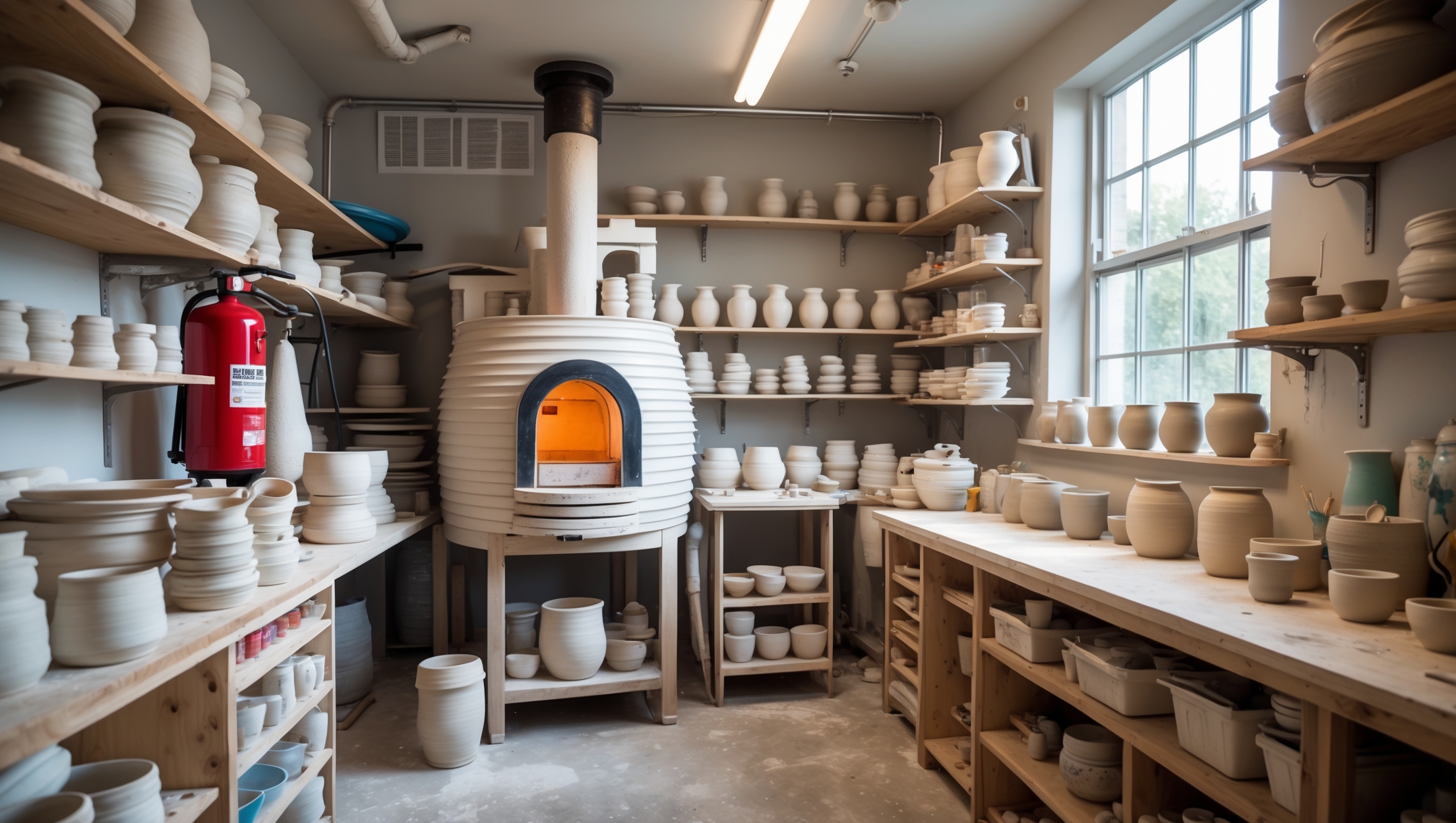
Introduction: Why Safety is Crucial in a Home Pottery Studio
Setting up a home pottery studio is a dream come true for many creative minds. The convenience of being able to throw a pot, sculpt a mug, or glaze a bowl on your own schedule is liberating and inspiring. However, pottery is not just about creativity—it comes with real risks that can impact your health and property if not managed properly. From handling clay dust and glazes with hazardous components to operating high-temperature kilns in residential spaces, the potential for injury or damage is significant. Many new home potters underestimate these hazards, leading to avoidable accidents or long-term health issues. A thorough safety checklist isn’t just a formality—it’s essential for protecting yourself, your family, your pets, and your home investment. This guide walks you through every step you need to take to ensure your home pottery studio is as safe as it is inspiring, so you can focus on your craft with peace of mind.
Pottery Studio Location: Choosing the Right Space
Assessing Your Options
Not every room or outbuilding is suitable for a pottery studio. Make your choice with these key factors in mind:
- Ventilation: Pottery work and kiln firing generate dust, fumes, and heat. Choose a space with windows or the capacity for mechanical ventilation.
- Non-porous Surfaces: Floors and walls should be easily cleaned. Avoid carpet or unfinished wood, which trap clay dust and spills.
- Distance from Living Areas: Keep your studio separate from kitchens, bedrooms, and common family spaces to minimize dust and chemical exposure.
- Water Access: A utility sink is ideal for cleaning tools and hands. Never rinse clay down kitchen or bathroom drains, as it can clog pipes.
- Electrical Supply: Ensure circuits can handle a kiln without overloading. Consult an electrician if unsure.
Ventilation: Protecting Your Lungs
Clay Dust Control
Clay dust may contain free silica, which can cause silicosis and respiratory distress with prolonged exposure. To minimize risk:
- Wet mop and wipe surfaces daily. Avoid sweeping or dry dusting, which stirs particles into the air.
- Use a HEPA-filter vacuum designed for fine particulates.
- Store dry clay and powders in sealed containers.
- Mix clay and glazes with water to reduce airborne dust.
Fume Ventilation
Glaze firing releases fumes—some toxic, depending on glaze components. Proper ventilation is non-negotiable:
- Install a kiln vent system that exhausts outdoors, not just to another room.
- Open windows and use fans angled to direct fresh air into the studio and fumes out.
- Consider an air quality monitor to track VOC and particulate levels.
Fire Safety: Dealing with Kilns and Heat Sources
Kiln Placement
Electric kilns are the heart of many home studios—but can be a fire hazard if not installed correctly:
- Place kilns on a non-combustible surface, such as concrete or tile.
- Leave at least 18 inches of clearance around all sides.
- Keep combustibles (curtains, paper, boxes, solvents) far from the kiln area.
Fire Prevention Tools
- Mount a multipurpose ABC fire extinguisher within easy reach.
- Install smoke alarms and test monthly.
- Never leave a kiln firing unattended overnight unless it is equipped with an automatic shutoff and remote monitoring.
- Post clear instructions for emergency shutdown procedures.
Chemical and Glaze Safety: Handling Materials Responsibly
Safe Storage and Handling
Glazes, stains, and some clays may contain hazardous metals (lead, cadmium, chromium, manganese, etc.). Always:
- Read and follow manufacturer safety data sheets (SDS)
- Label all materials clearly, including date opened and hazard warnings.
- Store chemicals in original containers, away from heat and direct sunlight, and out of reach of children and pets.
- Never eat, drink, or smoke in the studio.
- Wash hands thoroughly after handling glazes or clay.
Personal Protective Equipment (PPE)
- Wear nitrile or latex gloves when mixing or applying glazes.
- Use a properly fitted NIOSH-approved respirator when handling dry powders or spraying glazes.
- Wear safety goggles to prevent splashes in eyes.
Ergonomics and Workspace Organization
Preventing Injury
Pottery can be physically demanding. To avoid repetitive strain and injury:
- Adjust your wheel or worktable to a comfortable height—your elbows should be at a right angle when working.
- Use an adjustable stool with lumbar support.
- Take frequent breaks to stretch fingers, wrists, and shoulders.
Organizing Tools and Materials
- Store sharp tools in labeled containers or racks.
- Keep pathways clear to prevent tripping hazards.
- Use shelves with lips or bins to contain rolling tools and supplies.
Water and Clay Management
Drain and Plumbing Protection
Clay settles in pipes, causing costly clogs. To protect your plumbing:
- Install a clay trap or sediment separator under your studio sink.
- Dispose of clay slurry in designated containers. Let solids settle, then decant water and discard clay in household trash—not down the drain.
Electrical and Equipment Safety
Wiring and Outlets
- Have kilns and other high-draw equipment (like pug mills) installed by a licensed electrician.
- Use grounded, dedicated circuits for heavy appliances.
- Inspect cords and plugs regularly for wear or damage.
Equipment Maintenance
- Clean kiln vents and filters as recommended by the manufacturer.
- Check wheels and mixers for loose parts or frayed cords.
- Keep instruction manuals and emergency contacts accessible.
Child and Pet Safety in the Studio
Pottery studios are fascinating, but dangerous, for kids and animals. To keep them safe:
- Use childproof locks on doors, cabinets, and chemical storage.
- Supervise children at all times in the studio.
- Keep kiln and sharp tool areas off limits.
- Store breakables and glazes out of reach.
Emergency Preparedness
First Aid and Response
- Stock a first aid kit with burn cream, bandages, eyewash, and gloves.
- Post emergency numbers and your home address near the phone or entry.
- Ensure all family members know how to shut off power to the studio if needed.
Insurance Considerations
- Check that your home insurance covers studio equipment and fire risk. You may need additional coverage for kilns or if selling your work.
Routine Studio Safety Checklist
- Ventilate the space and run kiln vents before and during firing.
- Wear PPE when mixing glazes or handling chemicals.
- Mop or vacuum floors with a HEPA filter daily.
- Keep fire extinguisher and first aid kit accessible and maintained.
- Inspect electrical cords and equipment before use.
- Label and store hazardous materials properly.
- Never eat or drink in the studio.
- Monitor kiln firings; use remote monitors if leaving the space.
- Secure sharp tools and keep pathways clear.
- Empty clay traps and clean up spills promptly.
Conclusion: Make Safety a Creative Habit
Every home pottery studio is unique, but the risks are real and universal. Whether you’re throwing your first pot or running a small-batch ceramics business from your spare room, prioritizing safety ensures your studio remains a place of inspiration—not anxiety. Many of the most important steps are simple habits: cleaning up dust before it settles, labeling chemicals, double-checking kilns, and taking care of your body as well as your art. Remember, safety is not a one-time checklist but an ongoing practice that protects your health, your home, and your creative future. By following the detailed steps outlined in this checklist, you’ll not only reduce the risks of fire, injury, and long-term health issues, but also create an environment where you can focus on experimentation and growth without worry. Take the time now to review each point, adapt them to your space, and commit to revisiting your safety plan regularly. Your art—and your well-being—are worth it.
When choosing a utility sink for a home pottery studio, are there specific materials or plumbing setups that work best to prevent clay from clogging the pipes over time?
For a home pottery studio, a utility sink made from durable materials like stainless steel is best, as it resists scratching and is easy to clean. To prevent clay from clogging pipes, install a clay trap or sediment trap between the sink and the drain. This collects clay and debris before they reach your plumbing, making cleanup easier and reducing the risk of long-term blockages.
I’m just starting out and don’t have a huge budget. Which safety upgrades should I prioritize first when setting up my home pottery studio, especially if I can’t do everything on the checklist right away?
Start by ensuring good ventilation, since clay dust can be harmful. Invest in a quality mask or respirator for when you’re sanding or cleaning up. Keep your workspace tidy and wet-clean surfaces to reduce airborne dust. Basic fire safety gear, like a smoke alarm and fire extinguisher, is also important if you’re using a kiln.
I noticed the article mentions avoiding carpet and unfinished wood to control clay dust. What types of affordable flooring would you recommend for someone setting up a small studio on a budget?
For an affordable home pottery studio, consider options like vinyl sheet flooring, peel-and-stick vinyl tiles, or sealed linoleum. These surfaces are smooth, easy to mop, and don’t trap dust. If you’re renting or need something temporary, large plastic floor mats or old linoleum remnants can also work well.
Could you clarify what you mean by non-porous surfaces for the studio? Is sealed concrete sufficient, or would I need to add special flooring or wall coverings to make cleanup easier and safer?
Non-porous surfaces are materials that don’t absorb liquids, making spills and clay dust easy to wipe away. Sealed concrete works well, as its surface prevents absorption and is simple to clean. You don’t need special flooring or wall coverings, but materials like sealed tile, vinyl, or laminate are also good options if you want even easier maintenance.
If my only available space has carpeted floors, do you have any tips for minimizing clay dust and still making it work, or is that really a dealbreaker for setting up a home studio?
Carpeted floors do make controlling clay dust much harder, but it’s not a total dealbreaker. Use heavy plastic sheeting or mats over the carpet to catch spills and dust, and vacuum frequently with a HEPA filter vacuum. Wet mop the area regularly and avoid dry sweeping. Consider wearing a mask while working to reduce inhalation risks.
If I set up my studio in a basement to keep it away from main living areas, what are some practical ways to improve ventilation and deal with dust, especially since windows are limited down there?
In a basement studio, use a portable HEPA air purifier to help capture fine clay dust. Install an exhaust fan if possible to push air outside. Regularly mop floors and wipe surfaces with a damp cloth to keep dust down. Consider wearing an N95 mask while cleaning, and store clay and glazes in sealed containers to prevent dust buildup.
Could you clarify what kind of mechanical ventilation system is recommended for a home studio, particularly for people planning to fire a kiln in a garage or basement?
For firing a kiln in a garage or basement, a dedicated mechanical ventilation system is essential. A kiln vent hood that exhausts air directly outdoors is highly recommended. Look for a system designed for pottery kilns, with a fan and appropriate ductwork to remove fumes and heat. Avoid venting into living spaces and ensure there’s enough fresh air intake to replace exhausted air.
For someone just starting out and on a limited budget, which safety measures from your checklist should be prioritized first to prevent the biggest risks in a home pottery studio?
Focus first on ventilation to avoid inhaling clay dust, which can harm your lungs even early on. Wear a well-fitted dust mask while cleaning, and mop or use a wet cloth instead of sweeping. Also, keep your workspace organized to prevent trips or spills. These steps address the most common and serious risks for beginners.
Could you provide more detail on the type of ventilation system that’s most effective for controlling both clay dust and kiln fumes in a small indoor studio?
For a small indoor studio, a combination system works best. Use a HEPA air purifier or localized dust collector for clay dust, placed near your work area. For kiln fumes, install a vent hood or downdraft vent system that exhausts air directly outdoors through ductwork. Ensure the kiln vent is rated for your kiln size and runs during and after firing.
I’m wondering about the best way to waterproof or seal floors and walls to make cleanup easier and prevent clay dust buildup. Are there certain materials or products you’d suggest?
For easy cleanup and dust prevention in your pottery studio, consider applying a high-quality epoxy floor coating or a polyurethane sealer on concrete floors. For walls, washable semi-gloss or satin paint works well, or you can install waterproof wall panels. These surfaces resist moisture, make wiping up clay much easier, and help limit dust accumulation.
If my only available space is a basement without a window, what are the key upgrades I’d need to make it safe for pottery, especially considering dust and kiln fumes?
For a basement without windows, you’ll need to install a strong ventilation system, such as an exhaust fan vented outdoors, to handle kiln fumes and dust. Use a HEPA air purifier for clay dust, keep your kiln in a sealed area with its own vent, and regularly wet-clean surfaces to prevent dust buildup. Always store chemicals safely and consider a dehumidifier to control moisture.
You mentioned utility sinks and avoiding regular kitchen or bathroom drains for washing up. What kind of sink setup do most home potters use, and are there filters or traps I should add to prevent clogs?
Most home potters use a utility or laundry sink because they’re sturdier and easier to clean. To prevent clay and glaze particles from clogging your pipes, it’s recommended to install a clay trap or sink trap filter on your drain. These devices catch sediment before it enters your plumbing, making cleanup safer for your pipes and the environment.
You mentioned keeping pottery studios away from living areas to avoid dust and chemicals. Is there a safe way to section off part of a garage if I can’t dedicate a completely separate room?
You can safely section off part of a garage by using heavy plastic sheeting or temporary walls to create a barrier. Make sure the area is well-ventilated, and use mats to trap dust at the entry. Store chemicals in sealed containers and consider an air purifier to further reduce dust exposure.
Could you share more about what kind of mechanical ventilation systems work best in a home setting, especially for people who can’t add windows or make major renovations? Are portable air purifiers effective for pottery studios?
For home studios without windows or renovation options, portable HEPA air purifiers are helpful for reducing dust but aren’t a substitute for proper ventilation when using kilns or chemicals. Consider using portable exhaust fans or ductless fume hoods designed for art studios, as these can filter and recirculate air without requiring structural changes. Always look for units rated for fine particulates and fumes.
I’m interested in installing proper ventilation for my pottery studio, but I’m not sure what type is effective for handling kiln fumes in a residential setting. Could you suggest specific ventilation systems or setups?
For kiln fumes in a home studio, a downdraft ventilation system is highly effective, as it pulls fumes directly from the kiln and vents them outside. Alternatively, a canopy hood vented outdoors or a kiln vent kit designed for your kiln model can work well. Make sure the exhaust is directed outside and not into another room or attic for safety.
I see the article mentions avoiding rinsing clay down household drains to prevent clogs. Do you have any tips for safely managing and disposing of wastewater and clay sediment from a home studio?
To handle wastewater, let the clay sediment settle in a large bucket or container. Once the solids sink to the bottom, carefully pour off the clear water on top. Dispose of the remaining sediment in the trash, not down the drain. This helps prevent plumbing issues and keeps your workspace safe.
Could you elaborate on the best ways to improve ventilation in a basement pottery studio, especially if the space only has a small window? I want to be sure I’m minimizing risks from dust and kiln fumes.
Improving ventilation in a basement with just a small window can be challenging but manageable. Use a window exhaust fan to pull dust and fumes outside, and consider adding an air purifier rated for fine particles. If possible, run flexible ducting from the kiln to the window to vent fumes directly. Always clean up dust with a wet mop or vacuum equipped with a HEPA filter, and avoid sweeping dry.
Could you elaborate more on what kind of mechanical ventilation setup is considered adequate for a garage-based pottery studio, especially if installing new windows isn’t feasible?
In a garage-based pottery studio without the option for new windows, consider installing a high-capacity exhaust fan or ventilation hood that vents directly outdoors. Place the fan near work areas where dust or fumes are generated, like the wheel or kiln. Supplement with portable HEPA air purifiers to help capture fine particles. Make sure the system provides a steady airflow to keep the air fresh and safe.
I noticed you mentioned avoiding carpet and unfinished wood for studio floors. Is there a budget-friendly way to seal or cover an existing wood floor to make it safer for pottery work?
You can make a wood floor safer for pottery by sealing it with a durable polyurethane finish, which helps protect against moisture and clay dust. Alternatively, covering the floor with inexpensive, removable materials like vinyl sheeting or interlocking rubber mats can provide both protection and easy cleanup without major renovations.
When you mention using non-porous surfaces, do you have suggestions for affordable flooring or wall materials that work well in a home pottery studio, especially if I’m setting up in a garage?
For a garage pottery studio, sealed concrete floors are a practical and affordable option since they’re easy to clean and non-porous. For walls, consider using washable, non-porous paint or installing inexpensive PVC panels or tile board. These materials are resistant to moisture, dust, and clay splashes, making studio maintenance much easier.
For home studio beginners on a budget, are there particular types of non-porous flooring materials that are both affordable and effective for cleaning up clay splashes and spills?
For beginners on a budget, sheet vinyl flooring is a great choice. It’s non-porous, easy to wipe clean, and usually less expensive than tile. Another option is sealed linoleum, which also resists moisture and clay. Both can be installed over most surfaces and require minimal maintenance.
How do I know if my home’s electrical system can handle a kiln? Is there a way to check this myself, or should I always call a professional before setting up?
It’s best to call a licensed electrician before setting up a kiln. Kilns draw a lot of power and often require dedicated circuits or outlets. Trying to check or modify your electrical system yourself can be risky and may not meet safety codes. A professional can assess your system, recommend upgrades if needed, and ensure everything is safe and compliant.
I have young kids and a cat at home. What are some practical ways to keep clay dust and glaze chemicals from spreading into the rest of the house, especially if I can’t dedicate a completely separate building for my studio?
To limit clay dust and glaze chemicals spreading, use an easy-to-clean, non-carpeted room with a door you can keep closed. Clean up spills promptly with a damp cloth or mop instead of sweeping. Store all materials in sealed containers and keep your workspace tidy. Consider using an air purifier, and always wash your hands and change clothes after working. These steps can help keep your family and pets safe.
For someone just starting out, how do I figure out if my home’s electrical circuits can handle a kiln safely, or if I need to bring in an electrician before buying equipment?
Before buying a kiln, check the electrical requirements listed by the manufacturer—such as voltage and amperage. Compare these to your home’s circuit breaker ratings, usually found on the breaker panel. If you’re unsure, or if the kiln needs a dedicated circuit, consult a licensed electrician to assess your setup for safety and code compliance.
Is there a safe way to set up a small pottery studio in my basement, even though it only has a tiny window for ventilation? I’m worried about dust and fumes with kids around.
You can set up a small pottery studio in your basement, but ventilation is key, especially with kids around. Use an air purifier with a HEPA filter for dust, and avoid working with materials that give off strong fumes. Wet-mop surfaces often and keep your workspace closed off from the rest of the house as much as possible. Always store glazes and chemicals securely out of children’s reach.
When it comes to ventilation, is opening windows enough or do I really need a mechanical system if I plan to use a small kiln just once or twice a week?
Opening windows does help, but it’s usually not enough when firing a kiln, even just once or twice a week. Kilns release fumes and heat that can build up indoors. A mechanical ventilation system is much safer, as it removes hazardous gases and keeps the air quality healthy while you work.
Can you explain more about sink and drain safety? I have a regular laundry sink—do I need to install any special filters or traps to prevent clay from clogging the pipes, or is hand-washing tools outside a better solution?
Clay can easily clog drains, so it’s best to use a clay trap or sediment trap under your laundry sink to catch particles before they reach the pipes. These are designed for pottery studios and help prevent plumbing issues. Hand-washing tools outside is also a safe alternative, especially for larger messes, but installing a trap is highly recommended if you regularly clean up indoors.
I’m a bit concerned about rinsing tools since you mention not to use kitchen or bathroom drains. What are the best budget-friendly options for setting up proper water disposal if I don’t have access to a utility sink?
If you don’t have a utility sink, a great budget option is to use a large bucket or plastic tub to rinse your tools. Let the clay particles settle overnight, then pour off the clear water and dispose of the sludge in the trash, not the drain. This helps prevent clogged pipes and is safer for your plumbing.
If my only option for a studio is a basement without windows, what specific steps can I take to add proper ventilation for both clay dust and kiln fumes?
In a windowless basement, you’ll need mechanical ventilation. Install an exhaust fan with ductwork leading outdoors; this helps remove clay dust and kiln fumes. Use a HEPA-filter air purifier for extra dust control. Always keep your kiln vented to the outside, and consider a downdraft vent system for effective fume extraction.
I noticed the checklist mentions consulting an electrician for kiln electrical supply. For a beginner, how do I figure out what kind of kiln my home wiring can actually handle before I buy any equipment?
To find out which kilns your home wiring can support, check your electrical panel for available circuits and their amperage (usually labeled as 15A, 20A, etc.). Most beginner kilns need a dedicated 120V or 240V outlet. Write down these details and share them with kiln suppliers or an electrician. They can advise what kiln sizes and types are safe to use in your space.
Could you elaborate on what kind of mechanical ventilation systems are most effective for a home pottery studio, particularly if windows are limited? Are there affordable options for beginners who might be working in a basement or garage?
For spaces with limited windows, an exhaust fan system that vents outdoors is very effective—wall- or window-mounted fans work well in basements or garages. Inline duct fans with flexible vent hoses can be affordable for beginners and help remove dust and fumes. Make sure the system can exchange the studio’s air several times per hour. Always check that it vents fully outside, not into another indoor space.
You mentioned keeping the studio away from family spaces—what’s the minimum safe distance from living areas, especially if I have kids and pets at home?
Ideally, your pottery studio should be in a separate, well-ventilated room with a door that can be closed to prevent dust and fumes from spreading. If full separation isn’t possible, aim for at least one closed door and several meters between the studio and main living spaces, especially if you have kids and pets. Always store tools and materials out of reach.
You mentioned consulting an electrician to ensure the circuits can handle a kiln. Do you have any advice on what specific electrical requirements or upgrades should I look for before buying a kiln for a small home setup?
Before buying a kiln, check its voltage and amperage requirements—most small home kilns need either 120V or 240V and can draw 15–50 amps. Make sure your wiring, outlets, and circuit breakers match these specs. You might need a dedicated circuit or a special outlet installed by a qualified electrician. Also, consider proper ventilation and whether your breaker panel can handle the extra load.
For those of us setting up a studio in a shared basement, what are the best ways to ensure enough ventilation without installing expensive systems? Are there specific window fans or air purifiers you recommend for dealing with clay dust and kiln fumes?
In a shared basement, portable window fans can be very effective—set up one to pull fresh air in and another to exhaust air out. For clay dust, use a HEPA air purifier rated for fine particles. When firing a kiln, try to position it near a window or exterior door and ventilate directly outside using ducting and a fan if possible. Always clean with damp methods to keep dust down.
Do you have any specific recommendations for affordable mechanical ventilation systems suitable for small home studios? I want to make sure I’m controlling clay dust effectively without spending a huge amount.
For small home studios, a window exhaust fan with a HEPA filter can be an effective and budget-friendly option. Box fans paired with furnace filters taped to the back are another affordable DIY solution. When possible, choose equipment that provides at least 6-10 air changes per hour for your space. Regularly vacuuming with a HEPA-filter vacuum and damp mopping also help control dust.
Could you elaborate on what type of mechanical ventilation works best for a small home pottery studio if there are no windows in the space? Are exhaust fans typically strong enough for controlling kiln fumes and clay dust?
In a windowless home pottery studio, a high-powered exhaust fan vented directly to the outside is usually the most effective option for removing kiln fumes and clay dust. Make sure the fan is rated for the size of your space and runs continuously during firing or when working with dry materials. For added safety, consider a system with ductwork that pulls air close to the kiln and work tables, and always use a HEPA filter for dust control.
I’m trying to set up my pottery studio in my garage, but it’s pretty close to our kitchen. The article says to keep the studio away from living spaces—how far is far enough to reduce dust and chemical exposure?
Ideally, your pottery studio should be separated from living spaces by at least one closed door, and you should use barriers or curtains to reduce dust drift. Good ventilation is key—try to exhaust studio air directly outside. Regular cleaning and keeping the door closed between the garage and kitchen will help minimize exposure even if space is limited.
You mentioned the importance of having non-porous surfaces in the studio to help with cleaning up clay dust and spills. Are there any affordable flooring options you recommend for someone setting up a pottery space in a basement?
Consider vinyl sheet flooring or peel-and-stick vinyl tiles—they’re non-porous, easy to clean, and budget-friendly. Sealed concrete is another practical option for basements, as it resists moisture and can be wiped clean. Avoid carpeting or unfinished wood, since these can trap clay dust and are harder to maintain.
You mentioned that having a utility sink is important and that clay shouldn’t go down regular drains. Are there any specific sink types or filters you recommend for handling clay waste safely at home?
A deep utility sink made from durable materials like stainless steel or heavy-duty plastic works well for pottery studios. To prevent clay from clogging pipes, use a bucket trap or a sink sediment trap to collect solids before water enters the drain. Some potters also use mesh drain screens for added protection. These options make cleanup safer and help keep your plumbing in good shape.
You mention keeping the studio away from kitchen and living spaces to reduce dust and chemical exposure. Is there a minimum recommended distance, or can partial walls or heavy curtains provide enough separation if space is limited?
If you can’t dedicate a fully separate room, partial walls or heavy curtains can help contain dust, but they’re not as effective as solid barriers. There’s no strict minimum distance, but try to keep your pottery area as far from eating and relaxing spaces as possible. Also, use an air purifier and wet-clean frequently to reduce airborne particles.
You mention avoiding carpet and unfinished wood in the studio. If I’m converting a spare bedroom that has carpet flooring, is there an affordable way to cover the existing carpet to make the area safe for pottery work?
Yes, you can protect your carpet by laying down heavy-duty plastic sheeting, vinyl flooring remnants, or inexpensive interlocking foam mats. Make sure to cover all areas where clay and glaze might spill. Secure the edges to prevent tripping and make cleaning up clay dust much easier.
The article notes that kilns can overload typical household circuits. What steps should someone take to determine if their electrical system is adequate before installing a kiln, and are there any warning signs of overloading to watch for during use?
Before installing a kiln, it’s important to check your kiln’s voltage and amperage requirements, then compare them with your circuit’s capacity—this often means consulting an electrician. Warning signs of overloading include circuit breakers tripping, flickering lights, or outlets feeling warm. If you notice any of these, stop using the kiln and have your setup inspected.
If my only available space has finished wood floors, are there practical ways to protect them from clay dust and chemical spills, or do I need to invest in completely resurfacing the room?
You don’t need to resurface your floors. Covering finished wood with heavy-duty plastic sheeting, vinyl mats, or large area rugs is usually effective for protecting against clay dust and spills. Just be sure to secure any coverings to prevent tripping, and clean them regularly to avoid buildup.
If my only available space is pretty close to our kitchen, what are some extra steps I can take to minimize clay dust and chemical exposure for my family?
Since your studio is near the kitchen, it’s important to keep the areas separated as much as possible. Consider using plastic sheeting or curtains as barriers. Wet mop and wipe surfaces frequently to control dust rather than sweeping. Store all glazes and chemicals in sealed containers and keep them out of reach from food prep areas. Always ventilate well during work, and change clothes or wash hands before entering the kitchen.
With the article mentioning electrical load for kilns, could you provide some ballpark estimates on how much it might cost to upgrade home wiring, and whether portable kilns are a safer bet for a starter studio?
Upgrading home wiring for a kiln often costs between $500 and $2,000, depending on your home’s setup and the kiln’s power needs. Portable kilns typically use standard outlets and draw less power, so they’re a safer and more affordable choice for beginners, especially if you want to avoid major electrical work.
I noticed the article mentions keeping the studio away from living spaces to minimize dust exposure. For homes with limited space, what practical steps can be taken to safely use a room that’s near common areas?
If your studio is close to common areas, try using plastic sheeting or curtains to separate your workspace and contain dust. Regularly wet-mop floors and wipe surfaces to prevent dust buildup. Use an air purifier with a HEPA filter and keep windows open for ventilation when possible. Always change clothes and wash your hands after working with clay to avoid bringing dust into living spaces.
When choosing a room for a pottery studio, how far away should it be from kitchens or bedrooms to safely minimize dust and chemical exposure? Is there a specific recommended distance or is it more about having barriers and ventilation?
There is no specific minimum distance required between a pottery studio and kitchens or bedrooms. The key factors are having solid barriers like closed doors and ensuring good ventilation in your studio. Keeping windows open, using exhaust fans, and regularly cleaning up dust will help prevent particles and fumes from spreading to other parts of your home.
I see you mention consulting an electrician for kiln setup. Are there specific electrical requirements or safety features I should ask about before purchasing a kiln for my garage?
Absolutely, before buying a kiln, you should confirm the power requirements—many kilns need a dedicated 240V circuit with enough amperage. Ask the electrician about proper grounding, circuit breakers, and ensuring your wiring can handle the kiln’s load. Also, make sure your garage has adequate ventilation and that the kiln is installed away from flammable materials.
Could you give some guidance on what type of flooring is most practical and affordable for a beginner setting up a small pottery studio at home?
For a beginner home pottery studio, sealed concrete or inexpensive vinyl flooring are both practical and affordable options. They’re easy to clean, resist moisture, and won’t be damaged by clay or glaze spills. Avoid carpet and hardwood, as they trap dust and are harder to maintain.
You mentioned keeping the studio separate from living areas to limit dust and chemical exposure. For those with limited space, are there recommended ways to safely partition off a studio in a shared room?
If you need to use a shared room, consider using heavy curtains, plastic sheeting, or freestanding room dividers to separate your pottery area. Place mats or rugs under your workspace to catch dust, and use an air purifier with a HEPA filter. Regularly wet mop and wipe surfaces to keep dust from spreading to the rest of the room.
I see you mention keeping the studio separate from kitchens and bedrooms to prevent dust exposure. For people living in apartments or small homes, what are some safe alternatives if space is limited?
If you have limited space, try designating a specific corner just for pottery and always clean thoroughly after each session with a damp cloth or mop to minimize dust. Use portable barriers or curtains to separate the area, and consider a small air purifier to help reduce airborne particles. Good ventilation is especially important in compact spaces.
When setting up the electrical supply for a kiln, do you have any advice on estimating the cost of upgrading home wiring, or should I always plan to hire an electrician from the start?
It’s best to plan on hiring a licensed electrician when upgrading wiring for a kiln, as kilns typically require special circuits and higher voltages. Costs can vary depending on your home’s existing electrical system and kiln size, so getting a professional assessment and quote is the safest and most accurate approach.
The article says to avoid rinsing clay down regular sinks because of pipe clogs. What’s the best way to set up a cleaning area if I don’t already have a utility sink in my house?
If you don’t have a utility sink, consider using a large plastic tub or basin for cleaning tools and hands. Let the clay particles settle overnight, then pour off the clear water and safely dispose of the sediment in the trash. This helps prevent clay from entering your pipes and causing clogs.
If I only have space in my basement for a pottery studio and it doesn’t have windows, what’s the safest way to improve ventilation for both wheel work and kiln firing?
For a windowless basement studio, it’s important to install a mechanical ventilation system. Use an exhaust fan that vents directly outdoors to remove dust and kiln fumes. Make sure the fan is rated for chemical fumes if you’re firing a kiln, and keep the area well circulated with an intake fan or vent as well. Always consult an electrician or HVAC professional to ensure safe installation.
The article mentions not rinsing clay down kitchen or bathroom drains. What’s the best setup for cleaning tools if I don’t have a utility sink available in my studio?
If you don’t have a utility sink, try using a large bucket or tub of clean water to rinse your tools. Let the sediment settle, then pour off the clear water and dispose of the clay sludge in the trash. Wipe tools with a damp sponge before washing them to keep drains free from clay.
When you mention getting an electrician to check the circuits for a kiln, what should I expect in terms of cost and what questions should I ask to make sure my setup is safe?
When hiring an electrician to check circuits for a kiln, expect costs to range from $100 to $300 for a basic inspection, and more if upgrades are needed. Ask if your wiring supports the kiln’s amperage, whether a dedicated circuit is required, and if your outlet and breaker type are appropriate. Ensure they check for proper grounding and ventilation as well.
If my only option is to use my garage, which has an unfinished wooden floor, what steps should I take to make it safer given your recommendations about non-porous surfaces?
Since unfinished wood can trap clay dust and be hard to clean, consider covering the floor with a non-porous option like thick plastic sheeting, linoleum, or vinyl mats that are easy to mop. Make sure all seams are sealed, and regularly clean the surface to control dust and spills.
When checking if the electrical supply can handle a kiln, what should I look for? Are there signs I might be overloading the circuit, or would I need to get an electrician in before I even start setting up the studio?
When considering a kiln, first check the amperage rating of both the kiln and your circuit; kilns often need a dedicated circuit with enough capacity. Warning signs of overloading include breakers tripping, outlets feeling warm, flickering lights, or unusual smells. It’s safest to consult a licensed electrician before installation to ensure your setup is safe and meets code requirements.
Can you clarify what type of mechanical ventilation would be effective for a small pottery studio, and whether opening windows alone is enough for handling kiln fumes and clay dust?
Opening windows helps, but it’s usually not enough to handle kiln fumes and fine clay dust. A small pottery studio benefits from mechanical ventilation like an exhaust fan or a vent hood that directs air outdoors. Aim for a system that moves air out of the space efficiently, especially when firing the kiln or mixing dry materials. This provides much better protection than relying on windows alone.
I noticed you mention keeping the studio away from living areas to minimize dust and chemical exposure. How far should the space be from bedrooms or kitchens, especially in a smaller home?
Ideally, your pottery studio should be in a separate, enclosed area with a door, even if your home is small. Try to place it as far as practical from bedrooms and kitchens—at least one room away. Use good ventilation and seal off the area to prevent dust and fumes from spreading into living spaces.
Could you clarify what you mean by non-porous surfaces for the studio floor? Is sealed concrete good enough, or is there a specific paint or coating I should look into to keep cleaning easy and prevent clay dust buildup?
A non-porous surface means one that doesn’t absorb liquids or fine particles, making it much easier to clean. Sealed concrete is a good choice, as long as the sealant is intact and creates a smooth, washable surface. You could also use specialty epoxy floor coatings or industrial floor paints designed to resist moisture and dust, which further simplify cleaning and boost durability.
Could you clarify what kind of utility sink setup works best for a pottery studio? I want to make sure I’m not damaging my plumbing when cleaning up.
For a home pottery studio, it’s best to use a utility sink with a clay trap or sediment filter attached to the drain. This setup catches clay particles before they enter your plumbing, helping to prevent clogs and pipe damage. Regularly empty and clean the trap to keep everything running smoothly.
You mentioned keeping the studio away from kitchens and living spaces to reduce dust exposure. If the only available space is adjacent to a common area, are there specific barriers or air filtration systems you recommend to protect the rest of the house?
If your pottery studio must be next to a common area, consider installing physical barriers like heavy curtains or plastic sheeting to contain dust. An air purifier with a HEPA filter is highly recommended to capture fine particles. Make sure to regularly wet-clean floors and surfaces, and keep doors closed whenever possible to further reduce dust spreading.
I noticed the article says not to rinse clay down kitchen or bathroom drains because it can clog pipes. Are there any affordable systems or DIY methods for safely cleaning tools and disposing of clay waste at home?
You’re right—clay can easily clog household plumbing. Many potters use a simple DIY settling bucket system: rinse your tools in a bucket of water, let the clay settle, then pour off the clear water and let the remaining sludge dry out before disposing of it in the trash. This method is affordable and helps protect your pipes.
How do you know if your home’s electrical circuits are strong enough to support a kiln, and what are the risks if they aren’t? Is hiring an electrician really necessary for smaller kilns?
To determine if your circuits can handle a kiln, check its voltage and amperage requirements (often listed on the kiln or in the manual) and compare them to your circuit breaker’s capacity. Risks of using an underpowered circuit include tripped breakers, overheating wires, or even fire hazards. Even for smaller kilns, consulting a licensed electrician is wise to ensure your setup is safe and up to code.
I want to set up my pottery area in the basement, but it only has one small window. Is that enough for proper ventilation, or do I need to install a special fan for safety?
A single small window usually isn’t enough for proper ventilation in a pottery studio, especially when working with clay dust or firing kilns. To ensure your safety, it’s a good idea to install an exhaust fan or a ventilation system that actively moves air outside. This will help keep harmful particles and fumes from building up in your basement workspace.
You mention the importance of proper ventilation for both pottery work and kiln firing. Are there specific types of mechanical ventilation systems you recommend for a small garage studio setup?
For a small garage studio, an exhaust fan system that vents directly outdoors is highly recommended, especially if you use a kiln. Look for wall- or window-mounted exhaust fans with a high CFM rating. Pairing this with an intake vent or simply keeping a window open can help ensure a steady flow of fresh air. Also, consider a kiln vent kit designed for ceramics, which attaches directly to the kiln and safely removes fumes.
I noticed you mentioned not rinsing clay down kitchen or bathroom drains. Do you have suggestions for affordable clay trap systems or alternative cleaning setups that work well in home studios?
A simple and affordable option is using a two-bucket system: rinse tools in a first bucket to let clay settle, then pour off the clear water into a second bucket. Only discard the sludge when it’s dry. For a more permanent solution, you can install a commercial under-sink clay trap, but DIY traps made from stacked buckets with holes in the lids are also popular among home potters.