
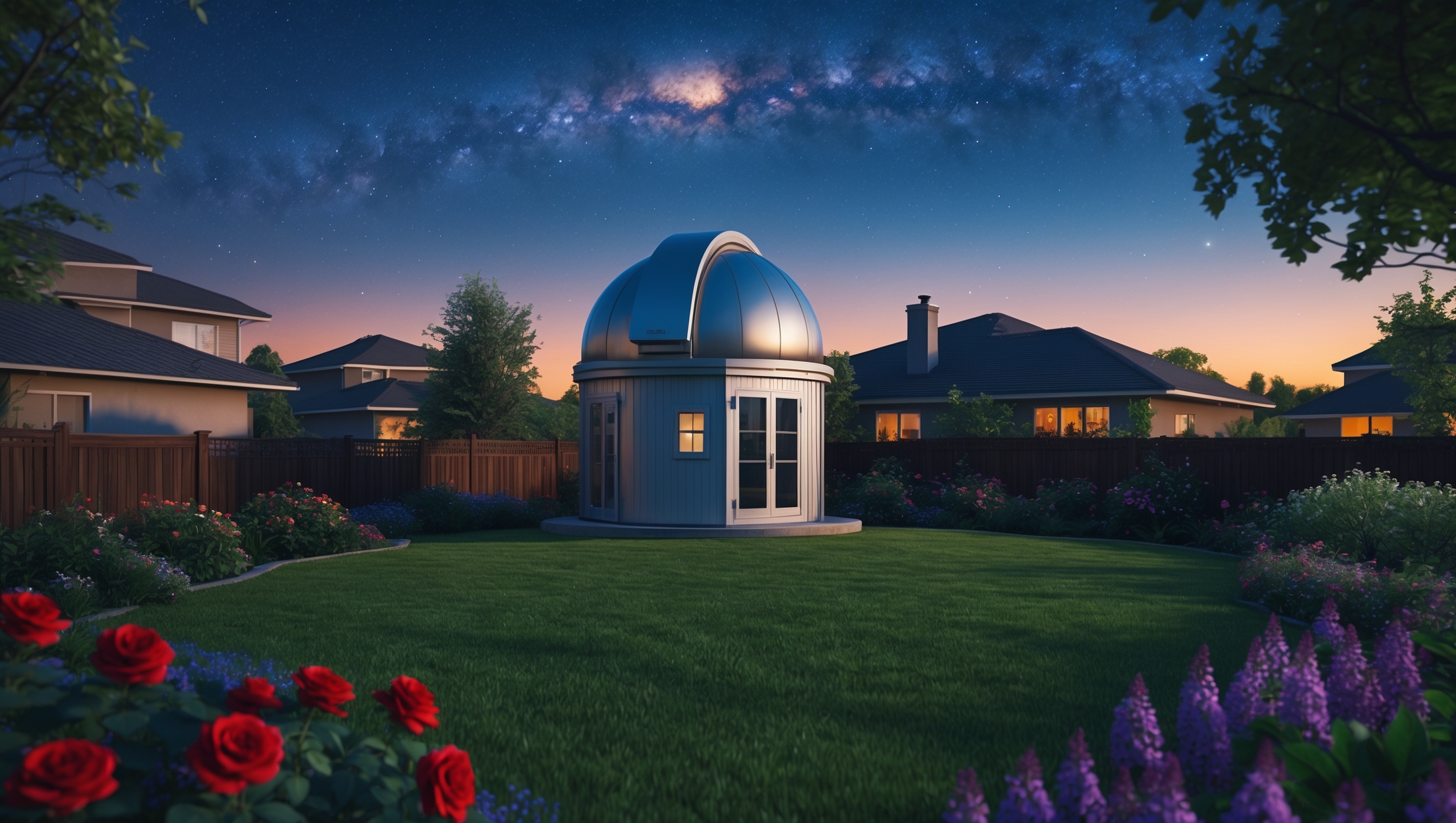
Introduction: Why Legal Compliance Matters for Your Backyard Observatory
Stargazing is a magical hobby, and building a backyard observatory can transform your nights into an ever-evolving cosmic adventure. However, before you picture yourself capturing the rings of Saturn or charting lunar craters from the comfort of home, there’s a crucial step that can’t be ignored: legal compliance. Too many amateur astronomers and DIY enthusiasts assume a backyard observatory is just another shed, but the reality is far more complex. Local zoning laws, building codes, and permit requirements can quickly turn your dream project into a bureaucratic nightmare if not navigated properly. Ignoring compliance can lead to fines, forced demolition, and even legal disputes with neighbors or city officials. This guide breaks down everything you need to know about compliance and permits for building a backyard observatory. We’ll highlight the essential steps, common pitfalls, and practical tips to ensure your stargazing sanctuary is built on solid legal ground. Whether you’re planning a simple roll-off roof shed or a full dome, this article empowers you to build with confidence—and without legal headaches.
Understanding Zoning Laws: The Foundation of Observatory Compliance
What Are Zoning Laws and Why Do They Matter?
Zoning laws dictate how land within specific areas can be used. They regulate building size, placement, and even aesthetics. Most residential areas are subject to restrictions on accessory structures—like observatories—regarding their height, footprint, and distance from property lines or neighboring homes. Ignoring these rules can result in costly setbacks.
Typical Zoning Restrictions for Backyard Observatories
- Setbacks: Minimum distance required between the observatory and property lines, fences, or other buildings (often 5-10 feet).
- Height Limits: Restrictions on how tall your observatory can be, commonly between 10-15 feet for accessory structures.
- Footprint/Size: Limits on total square footage, sometimes capping at 120-200 square feet.
- Use Restrictions: Observatories are typically permitted for non-commercial, personal use only.
- HOA Covenants: Additional rules may apply if you live in a community governed by a Homeowners’ Association.
How to Research Your Local Zoning Requirements
- Contact your city or county planning or building department. Many have online portals or informational brochures.
- Request a zoning map and code booklet for your specific address.
- Ask directly about accessory structure rules and whether observatories are specifically addressed.
- If you’re in an HOA, request covenants and architectural guidelines from the board.
Building Permits: When, Why, and How to Apply
Do You Need a Building Permit for a Backyard Observatory?
Most jurisdictions require a building permit for any permanent structure over a certain size (often 120 square feet), or if it involves electrical wiring, plumbing, or a permanent foundation. Even small roll-off roof designs may require a permit if they’re anchored or wired for power.
Types of Permits You May Need
- Building Permit: For the observatory structure itself.
- Electrical Permit: If you plan to install outlets, lighting, or data cabling.
- Mechanical Permit: For ventilation fans, heating, or air conditioning units.
- Foundation Permit: Required if you pour a concrete slab or use footings.
Step-by-Step: Navigating the Building Permit Process
- Prepare Detailed Plans: Create scaled drawings showing the observatory’s dimensions, location, foundation, and any electrical or mechanical systems. Free online tools or an architect’s help may be useful.
- Submit Your Application: Most cities allow you to submit plans online or in person. Include site plans, materials lists, and project description.
- Pay Fees: Permit fees vary based on size and complexity; budget $50-$500.
- Respond to Plan Review: Inspectors may request clarifications or changes. Address these promptly to avoid delays.
- Receive Permit and Begin Work: Only start building once your permit is officially granted.
- Schedule Inspections: Inspectors will check work at key stages—foundation, framing, electrical, final completion.
Special Considerations for Observatories
Light Pollution and Local Ordinances
Some communities, especially those near dark-sky preserves or astronomical societies, have specific ordinances about outdoor lighting and observatory use. You may need to:
- Submit a lighting plan showing how you’ll prevent light trespass.
- Install motion-activated or shielded lights.
- Adhere to curfews on outdoor lighting.
Historic Districts and Visual Impact
If your home is in a historic district, additional design review may be required. Be prepared to:
- Select exterior materials and colors that match your home.
- Minimize visual impact from the street or neighboring properties.
- Attend review board meetings to answer questions about your project.
Environmental and Wildlife Considerations
In certain areas, building an observatory could impact local wildlife or require environmental review. For example, construction near wetlands or protected habitats may trigger additional permits or restrictions.
Common Mistakes to Avoid in Observatory Compliance
- Skipping the Research: Don’t assume your observatory is exempt because it’s small or temporary.
- Ignoring HOA Rules: These can be stricter than city codes and are legally enforceable.
- Building Before Permitting: Retroactive permits are harder and may not be approved.
- Overlooking Electrical Codes: Even simple lighting or power for your telescope must meet code and be inspected.
- Disregarding Neighbors: A neighbor’s complaint can halt your project or trigger enforcement.
Practical Tips for a Smooth Permit Process
- Start Early: Permit review can take weeks or months, especially in busy departments.
- Build Relationships: Friendly, professional communication with city staff pays dividends if issues arise.
- Consult a Pro: For complex builds, hiring a draftsman or architect reduces errors and speeds approval.
- Document Everything: Keep copies of permits, plans, inspection reports, and correspondence.
- Notify Your Neighbors: A heads-up can prevent complaints and foster goodwill.
Case Study: Navigating Compliance for a Suburban Roll-Off Roof Observatory
James, an amateur astronomer in the Pacific Northwest, wanted a simple roll-off roof observatory for his 10-inch Schmidt-Cassegrain telescope. He assumed a permit wasn’t needed for the 8×10 foot structure, but after reading local codes, he discovered:
- Accessory structures over 80 square feet required a building permit.
- Setbacks from the rear and side property lines were 6 feet.
- Electrical wiring for dew heaters and a laptop station required a separate permit.
James submitted detailed plans, paid a $125 building permit fee, and scheduled two inspections. He also provided a lighting plan showing all outdoor lights would be shielded. The process took six weeks from application to final inspection. The result: a fully compliant observatory, peace with neighbors, and zero legal worries.
Frequently Asked Questions About Observatory Compliance
Can I build an observatory without any permits?
In rare cases, very small, temporary structures (like a portable dome on a deck) may be exempt. However, most permanent observatories, especially with electrical wiring or foundations, require permits.
What happens if I skip the permit process?
You risk fines, forced removal, and problems when selling your home. Non-compliant structures can also void your homeowners insurance in case of damage or injury.
Will my observatory increase my property taxes?
Accessory structures can increase assessed value slightly, but the impact is usually minimal compared to garages or additions. Ask your local assessor for specifics.
Conclusion: Building Your Observatory the Right Way
Constructing a backyard observatory is an inspiring project that brings the cosmos closer to home. But the true joy of stargazing comes when you know your observatory is as sound legally as it is structurally. Navigating the maze of zoning laws, permits, and compliance requirements may seem daunting, but the effort pays off in peace of mind and uninterrupted enjoyment. Start by researching local regulations—don’t rely on assumptions or anecdotes from online forums. Invest time in preparing clear, thorough plans and maintain open communication with city officials and your neighbors. Remember, every community has unique requirements, so what worked for someone else may not apply to your location. Avoiding shortcuts, respecting process, and documenting every step will ensure your observatory doesn’t just reach for the stars—it stands as a testament to careful planning and legal savvy. With the groundwork laid, you’ll be free to focus on what matters most: capturing breathtaking views of the universe, secure in the knowledge that your stargazing sanctuary is here to stay.
If my neighborhood has a homeowner association with its own rules about outbuildings, should I be more concerned about complying with HOA regulations or the city’s zoning laws for a backyard observatory?
You need to comply with both your HOA’s rules and the city’s zoning laws. HOAs often have stricter guidelines about structures, so make sure your observatory meets their requirements first, then confirm it also aligns with city regulations to avoid any issues.
You mentioned that setbacks and height limits can vary—how can I find out the exact restrictions for my specific address, and is this something a local architect or contractor can help with?
To find the exact setback and height restrictions for your address, check with your city or county planning or building department—they can provide zoning maps and codes specific to your property. A local architect or contractor is definitely familiar with these processes and can help interpret the rules or even handle the research for you.
If my planned observatory is just a small roll-off roof shed and stays under the typical 10-15 foot height you mentioned, is there a chance I could be exempt from some permits, or are there still other codes I should check for?
If your observatory stays under the 10–15 foot height threshold and is relatively small, you might qualify for permit exemptions in some areas. However, it’s still important to check local zoning regulations, property setback rules, and any homeowners association guidelines. Even with exemptions, some areas require notification or basic approval for accessory structures.
In your section about setbacks and height limits, do these zoning restrictions typically differ between roll-off roof sheds and dome observatories, or are they generally classified the same under local codes?
Zoning restrictions like setbacks and height limits often depend on how local codes define structures. Roll-off roof sheds and dome observatories are sometimes classified differently, especially if their shapes or roof mechanisms impact height or appearance. Always check with your local zoning office to see how each type is categorized in your area.
The article mentions height restrictions for accessory structures like observatories. How do these restrictions typically apply to domed observatories as opposed to roll-off roof designs?
Height restrictions for accessory structures usually refer to the maximum height allowed from grade to the highest point of the building. Domed observatories are often taller at the center due to the dome, while roll-off roof designs tend to have a lower, more uniform profile. Local regulations typically set a height limit regardless of the roof style, so you’ll need to ensure your dome or roll-off roof stays within that specified maximum height.
If my local setback restriction is only 5 feet, but my neighbor objects to the observatory’s placement, are there additional steps I should take to avoid legal disputes beyond meeting the minimum zoning requirements?
Even if you comply with the 5-foot setback, it’s wise to communicate openly with your neighbor about your plans. Consider documenting your approvals, reviewing neighborhood covenants, and consulting your local planning department to confirm there are no additional restrictions. Proactively addressing concerns can help prevent misunderstandings or disputes.
If my town has a 10-foot height limit for accessory structures, does that usually include things like telescope domes or just the main building part of the observatory?
Height limits for accessory structures typically apply to the entire structure, including domes or other roof features. It’s a good idea to confirm with your local building department whether the dome is counted in the height measurement, as interpretations can vary by area.
You mentioned setbacks and distance from property lines. If my planned observatory is less than 10 feet from my neighbor’s fence, is there any way to get an exception or variance for this kind of project?
Yes, it is sometimes possible to get a variance or exception for setback requirements, but the process depends on your local zoning ordinances. You’ll typically need to apply with your city or county planning department, submit detailed plans, and possibly attend a public hearing. Your neighbors may be notified and can comment on your request. Check with your local authorities to find out the exact steps and requirements.
Do you have tips for talking to neighbors about the observatory project in case they have concerns about property values or night lighting? I want to avoid disputes before starting the permit process.
It’s wise to keep neighbors informed early. Explain your observatory will have minimal impact on lighting and property values, and offer details on its appearance and size. Reassure them you’ll use shielded, low-level lighting and follow all local guidelines. Inviting questions and offering to share your stargazing experience can also build goodwill.
Does the article cover any tips for navigating potential disputes with neighbors or city officials if someone unknowingly violates a zoning rule during construction, or would you recommend consulting a lawyer in those cases?
The article mainly focuses on compliance and the permits you need, but it doesn’t go into detail about handling disputes with neighbors or city officials. If you find yourself in a dispute or having unknowingly violated a zoning rule, consulting a lawyer or a local zoning expert would be wise to ensure your rights and responsibilities are clear.
I’m thinking about a dome observatory that’s about 14 feet high, which might be over the usual limits you mentioned. Have you seen any situations where people got exceptions, or should I plan to scale down the design?
Height limits for backyard structures can be strict, but some people have obtained exceptions through a variance or special permit process. This usually involves submitting your design for local review and possibly notifying neighbors. It can take extra time and isn’t always guaranteed, so checking with your local zoning office before committing to the taller design is a smart first step.
If my neighbor complains about my observatory after it’s built, even if I followed all the permit rules, could I still face legal issues or be forced to change anything?
If you followed all permit rules and local regulations when building your observatory, you’re generally on strong legal ground. However, if your neighbor has specific concerns—like light pollution or property line issues—local authorities might investigate. In rare cases, you could be asked to make minor adjustments, but major changes are unlikely if you remained compliant.
You mentioned setbacks and height limits, but are there usually specific requirements for how permanent an observatory structure needs to be? For example, does a portable or temporary setup bypass some of these codes?
Local codes often treat permanent structures differently from temporary or portable observatories. In many cases, portable or non-fixed setups—like roll-off sheds or tents—may not require the same permits or compliance with setbacks and height limits. However, rules vary by municipality, so it’s important to check with your local planning department to confirm what’s allowed in your area.
If local zoning laws limit accessory structures to a certain height or size, are there common ways people adjust their observatory designs to meet those rules without sacrificing telescope functionality?
Yes, many people adjust their observatory designs by choosing low-profile domes or roll-off roof styles to stay within height limits. They often use compact piers or place the observatory on a slight depression in the yard. Using lightweight, removable roof panels and optimizing the telescope’s position inside can help maintain full functionality while complying with size or height restrictions.
Once I get the permits and comply with the local zoning requirements, are there ongoing inspections or renewals I need to worry about, or is it a one-time compliance check when building the observatory?
Once you’ve secured all necessary permits and passed the initial inspections during construction, most areas treat the process as a one-time compliance check. However, it’s wise to confirm with your local building department, as some places may require periodic inspections or permit renewals, especially if you add electrical systems or make major changes later.
You mention setbacks from property lines as a key restriction. What is the best way to determine the exact setback requirements for my specific address, and would they be different for a dome versus a shed-style observatory?
To find the exact setback requirements for your address, contact your local city or county planning department or check their official website for zoning regulations. Requirements can differ based on your observatory’s size, height, and structure type—domes and sheds might fall under different categories, so describe your plans clearly when inquiring.
If I want to build a dome observatory in my backyard, do those setback and height restrictions usually apply differently compared to a simple roll-off roof shed? Does the shape or design make a difference in the permitting process?
Yes, the shape and design can make a difference. Dome observatories often have different height profiles than roll-off roof sheds, so local authorities may apply height and setback restrictions differently. It’s important to provide detailed plans when applying for permits, as some areas may have stricter rules for structures with a taller or more prominent design like domes.
Could you clarify how often local zoning laws are updated and whether changes could affect an observatory that was built in compliance with the previous rules?
Local zoning laws can be updated periodically, sometimes every few years, and this can vary widely by municipality. If your observatory was built legally under previous rules, it is generally considered ‘grandfathered in’ and not affected by new regulations. However, if you make significant changes or expand the structure, current codes could apply, so it’s wise to stay informed about updates.
Once I figure out the local zoning rules and get initial approval, what steps usually come next in the permit process? Is there typically an inspection after construction for structures like backyard observatories?
After getting initial zoning approval, you’ll usually need to submit detailed building plans for review, pay any required permit fees, and wait for the building permit to be issued. Once your observatory is built, most local authorities will require a final inspection to make sure the structure meets all codes and safety requirements before it’s officially approved for use.
The article mentions setbacks from property lines—how is that typically measured, and does landscaping like fences or trees impact those setback calculations for an observatory?
Setbacks are usually measured from the observatory’s outer walls directly to your property lines, not from any fences, trees, or landscaping. Landscaping features generally don’t affect setback calculations—what matters is the actual boundary of your property, as recognized by local zoning.
What steps should I take first to avoid trouble with neighbors or city officials when planning a roll-off roof shed for stargazing? Is it better to get written approval from neighbors even if zoning allows it?
To start smoothly, check your local zoning and building codes, then reach out to your local permitting office for guidance. Even if zoning allows your observatory, talking to your neighbors and, if possible, getting their written support can help prevent future disputes or complaints.
The article mentions possible legal disputes with neighbors. How can I approach my neighbors or get ahead of any complaints before I start building my backyard observatory?
Before starting your observatory project, have a friendly conversation with your neighbors to explain your plans and address any concerns about lighting, noise, or structure size. Sharing details and being open to feedback can help prevent misunderstandings. Also, consider showing them your permit application to demonstrate your commitment to following local rules.
I’m a little confused about the difference between regular sheds and backyard observatories in terms of zoning laws. Is there a specific reason observatories are treated differently, or do they usually fall under the same rules as other accessory structures?
Backyard observatories sometimes fall under the same rules as sheds because both are considered accessory structures. However, observatories may face additional scrutiny due to unique features like domes, rotating roofs, or electrical needs. Some zoning laws require special approval if the observatory’s size, height, or use goes beyond what’s typical for a standard shed.
What happens if I accidentally build my observatory a couple of feet closer to the property line than the setback allows? Is there any way to fix it without tearing the whole thing down?
If your observatory is too close to the property line, you may be required to correct the violation. Options could include applying for a variance or permit amendment, which sometimes allows minor exceptions. Check with your local building department—they might approve the change or suggest solutions like modifying the structure, rather than full demolition.
Do zoning laws usually consider removable roll-off roof observatories any differently from permanent dome structures, or do the same height and setback rules typically apply regardless of design?
Most zoning laws apply the same height and setback requirements to all observatory structures, regardless of whether they have a removable roll-off roof or a permanent dome. However, some jurisdictions may be more flexible with temporary or removable designs. It’s important to check with your local permitting office to see if your specific structure qualifies for different treatment.
Once I get all the permits and start construction, what kind of inspections should I expect from the city before using the observatory?
After you start construction, the city will typically require inspections at key stages. Expect a foundation inspection before pouring concrete, a framing inspection once the structure is up but before walls are closed, and a final inspection to check for overall code compliance and safety. Check with your local building department for any additional inspections specific to observatories or your area.
I’m wondering how detailed permit applications get. For a simple roll-off roof shed observatory, do I need architectural drawings, or will a basic layout and dimensions usually be enough for approval?
Permit requirements vary by location, but many building departments will accept a basic site plan showing the observatory’s layout, dimensions, and location on your property for a simple roll-off roof shed. In some cases, simple sketches or hand-drawn plans are fine, but it’s best to check with your local permitting office to see if they require formal architectural drawings for this type of structure.
What would be the first step I should take if my property doesn’t seem to meet the recommended distance from neighboring homes, but I still want to build a small observatory?
If your property doesn’t meet the recommended distance from neighboring homes, start by contacting your local planning or zoning department. They can clarify setback requirements and let you know if a variance or special permit is possible for your observatory. This way, you can explore legal options before making any plans or investments.
Once I figure out the zoning requirements, what’s the best way to approach the permit application process to avoid delays or rejections from my city or HOA?
Once you confirm zoning requirements, gather detailed plans and any necessary documents (like site maps or structural diagrams) before applying. Meet with a city planner or HOA representative to review your proposal and address any concerns. Submit a complete, accurate application and respond quickly to requests for clarification to help avoid delays or rejections.
If my observatory meets all the required setbacks and height limits, are there still specific aesthetic rules I might have to worry about, like matching the house style or color, in residential neighborhoods?
Yes, even if your observatory meets setbacks and height limits, some neighborhoods—especially those with homeowners associations or design covenants—may require structures to match the house’s style, materials, or color. It’s a good idea to check local HOA rules or community guidelines before finalizing your design.
Could you explain more about how setback requirements typically work in suburban neighborhoods? I’m worried my yard might be too small to meet the minimum distance from the property line for an observatory.
Setback requirements specify how far any structure, like your observatory, must be from the property lines—usually the sides, rear, and sometimes the front of your lot. In suburban areas, setbacks often range from 5 to 15 feet, but it varies by municipality. You’ll need to check your city or county’s zoning code for exact distances. If your yard is small, you might be able to apply for a variance, which is special permission to build closer to the boundary if space is limited.
If my area has a 10-foot height limit for accessory structures but my telescope requires a higher dome, are there usually options for getting exceptions or variances to zoning laws?
Yes, many local zoning boards allow homeowners to apply for a variance or exception if their project doesn’t meet standard requirements like height limits. The process often involves submitting an application, explaining why the extra height is needed, and sometimes attending a hearing. Approval isn’t guaranteed, but presenting clear reasons and plans can help your case.
For someone who wants to convert an existing shed into a backyard observatory, would the permit and compliance process differ from building a new structure from scratch? If so, what extra steps should I expect?
Converting an existing shed to an observatory often requires a different permit process than building new. You’ll likely need a permit for alterations or change of use, and an inspection to ensure the shed complies with building codes for its new purpose. Be prepared to submit renovation plans and address electrical or structural changes.
What should I do if my neighbor objects to my observatory because they think it’s too close to the property line, even if I’ve followed the minimum setback distance required by local laws?
If you’ve met all legal setback requirements, you are within your rights to build the observatory. However, it’s a good idea to discuss your plans calmly with your neighbor and share the permit details. Sometimes, offering reassurances or minor adjustments can help maintain good relations, even if you’re not legally obligated to change your plans.
Could you clarify how zoning laws address observatories that are built with retractable or roll-off roofs? I’m wondering if those designs are treated differently from permanent dome structures when it comes to height restrictions.
Zoning laws often focus on the overall height and footprint of a structure rather than the specific type of roof. However, some local codes may see retractable or roll-off roofs as less permanent, which could affect how height is measured. It’s important to check with your local zoning office—sometimes, closed height is what matters, not the open position. Always confirm local interpretations before building.
I’m overwhelmed by all the local codes and permits you mentioned. Is there a step-by-step process or checklist I should follow to avoid missing something important while planning my observatory build?
Absolutely, a step-by-step checklist can help. Start by checking your local zoning laws, then contact your local building department for permit requirements. Prepare detailed plans of your observatory, submit them for approval, and address any HOA rules if you have one. Schedule inspections as required. Keeping records of all communications and approvals will also help ensure you don’t miss anything.
You mentioned legal disputes with neighbors can happen if zoning isn’t followed. Are there best practices for approaching neighbors or getting their input before submitting a permit application for an observatory?
Talking with your neighbors early is wise. Share your plans, listen to any concerns, and be clear about how the observatory will look and be used. This builds goodwill and can prevent misunderstandings. Some people even bring sketches or invite neighbors to see their backyard. Taking their feedback seriously and being open to small adjustments can make the whole permit process smoother.
If my local zoning laws only allow accessory structures up to 10 feet tall but I want to build a small dome for my telescope, are there usually ways to request an exception, or am I better off redesigning to fit the limit?
Most areas offer a process to request a zoning variance or exception if you have a specific need, like installing a telescope dome. This usually involves submitting a formal application and explaining your case at a hearing. However, approval isn’t guaranteed, and it can take time. If you want quicker, hassle-free approval, redesigning to meet the 10-foot height limit is the safest route.
If my property is in a neighborhood with a homeowners association, do I need an HOA’s approval on top of city permits, or do zoning laws cover everything for a backyard observatory project?
You’ll likely need approval from your homeowners association in addition to any city permits or zoning approvals. HOAs often have their own rules about structures, even if local laws allow them. Check your HOA’s guidelines and get written approval before starting the project.
If my local zoning codes mention a height limit for accessory structures but don’t specifically reference observatories, should I assume the same rules apply, or is there usually a separate process for getting approval for astronomy-related buildings?
You should generally assume that height limits for accessory structures apply to observatories unless your zoning codes specifically say otherwise. However, it’s always a good idea to contact your local planning department to confirm whether observatories have separate requirements or need special approval.
What happens if I accidentally build my observatory a couple of feet too close to the property line? Is it possible to apply for a variance after the fact, or would I be forced to move or take down the structure?
If your observatory ends up too close to the property line, you could be required to move it or even take it down if it violates local setback regulations. However, in many areas you can apply for a zoning variance after the fact. Approval isn’t guaranteed; it depends on local rules and whether neighbors object. Contact your local permitting office as soon as possible to discuss your options and next steps.
If my backyard observatory is under 10 feet tall and within a small footprint, can zoning laws still require me to get a permit, or do some areas have exemptions for smaller accessory structures?
Even if your observatory is under 10 feet tall and has a small footprint, zoning laws can still require a permit, depending on your local regulations. Some areas do offer exemptions for smaller accessory structures, but these rules vary widely. It’s important to check with your local building department to see if your project qualifies for any exemptions.
When you mention setbacks and height limits for backyard observatories, do these typically apply even if you’re just modifying an existing shed, or do you need to start from scratch with permits either way?
Setback and height limits usually apply whether you’re building new or modifying an existing shed for your observatory. Most local regulations treat significant modifications—especially changes in use or structure—as requiring permits. It’s best to check with your local permitting office to see if your planned changes trigger new requirements.
I’m trying to figure out how to calculate the setbacks for my property before building anything. Is there a typical way to measure the minimum distance from property lines, or does it always depend on the specific city or county zoning codes?
Setbacks are usually determined by your local city or county zoning codes, and the required distance can vary widely depending on where you live. The typical way to measure them is from your property line inward toward where you want to build. It’s important to check with your local planning or building department to find the exact setback requirements for your area before starting your observatory project.
If my neighborhood has strict height and footprint restrictions for accessory structures, are there creative design solutions for observatories that still meet those requirements?
Absolutely, there are creative ways to design observatories that fit strict height and footprint restrictions. Consider a roll-off roof observatory, which can be built low to the ground, or even a compact dome with a minimal base. Some people use retractable or collapsible structures, or integrate the observatory with an existing building like a garage. Using lightweight materials and modular designs can also help keep the size within limits while providing functionality.
I’m considering a roll-off roof shed but my lot is pretty close to the property line. How flexible are setback requirements for small observatories, and is there any way to apply for an exception if I don’t meet the standard distance?
Setback requirements can vary depending on your local zoning laws, but many areas do treat small backyard observatories like sheds. If your observatory would be too close to the property line, you can usually apply for a variance or special exception through your city or county’s planning department. They’ll guide you on the process and let you know what documentation or neighbor approvals might be needed.
If my property already has a shed near the property line, would building an observatory in a different location help me avoid setback issues, or are there additional rules I should know about for multiple structures?
Building your observatory in a different location may help you avoid setback violations, as setbacks usually apply individually to each structure. However, many local codes also have limits on the total number or combined size of accessory buildings. Be sure to check if adding another structure changes your property’s compliance, and always confirm specific rules with your local permitting office.
If my local zoning board puts a cap on the footprint of accessory structures, what are the most effective ways to maximize interior space for telescopes and equipment while still staying compliant?
To make the most of your observatory’s interior within a limited footprint, consider a circular or polygonal design, which can maximize usable floor space. Use vertical storage solutions for equipment and choose compact, foldable furniture. Also, opt for a roll-off roof or dome with minimal wall thickness to increase usable interior area while staying within the cap.
If I’m planning a simple roll-off roof observatory in a residential neighborhood, do these kinds of structures usually get classified differently from regular sheds under zoning laws? Or does it all come down to footprint and height?
Most zoning laws treat backyard observatories like regular sheds, focusing mainly on footprint, height, and setbacks from property lines. However, some local regulations might have special rules if the observatory is used for activities beyond storage. It’s important to check with your local planning office for any specific requirements or exceptions for observatories.
If my town already allows garden sheds under a certain size without a permit, would a small roll-off roof observatory qualify under that exemption, or are observatories usually treated differently in zoning laws?
A small roll-off roof observatory might qualify for the same exemption as garden sheds if it meets the size requirements. However, some towns treat observatories differently due to their unique features like moving roofs or electrical needs. It’s best to check with your local zoning office to confirm if observatories are included in the exemption or if special rules apply.
For a small roll-off roof observatory, how do I determine exactly where my property lines are before I risk running into a setback violation? Are there affordable ways to ensure I’m building in the right spot?
To accurately find your property lines, check your property deed or plat map, which often shows boundaries. You can also use metal stakes sometimes placed at corners. For extra certainty, consider hiring a local surveyor; some offer boundary marking at reasonable rates, especially for small lots. This helps you avoid costly mistakes and setback violations.
If my area has a height limit of 10 feet for accessory structures, is there a process to request an exception for a slightly taller observatory, or is that typically a hard rule?
Height limits for accessory structures are often enforced, but many municipalities have a process for requesting a variance or exception, especially if you can demonstrate unique needs or minimal neighborhood impact. Check with your local planning or zoning board to ask about submitting a variance application and the requirements involved.
If my local zoning laws limit the height of accessory structures to 10 feet, but my telescope setup needs a dome that’s 12 feet high, are there usually ways to get exceptions or variances for observatories?
In many areas, you can apply for a zoning variance or special exception if your observatory needs to exceed local height limits. This process usually involves submitting a formal request, explaining your reasons, and sometimes attending a hearing. It’s best to contact your local zoning office for their specific requirements and advice.
Could you clarify if there’s a difference between getting a regular shed permit and an observatory permit? Are there any additional building code requirements specifically for observatories that I should prepare for?
A regular shed and an observatory might have different permit requirements depending on your local zoning laws. Observatories can involve additional considerations, like structural safety for a rotating dome or electrical work for equipment. Some areas may also have specific rules about height, lighting, or roof openings for observatories, so it’s wise to check with your local permitting office and clarify your intended use before building.
If my local zoning height limit for accessory structures is 12 feet, does that include the height of a telescope on a pier, or just the structure itself? I want to make sure I measure everything correctly before applying for permits.
Zoning height limits for accessory structures typically only apply to the structure itself, measured from the ground to the highest point of the roof. The telescope and pier inside usually aren’t counted unless they’re a permanent part of the building. It’s best to confirm with your local zoning office to be sure before submitting your permit application.