
Introduction
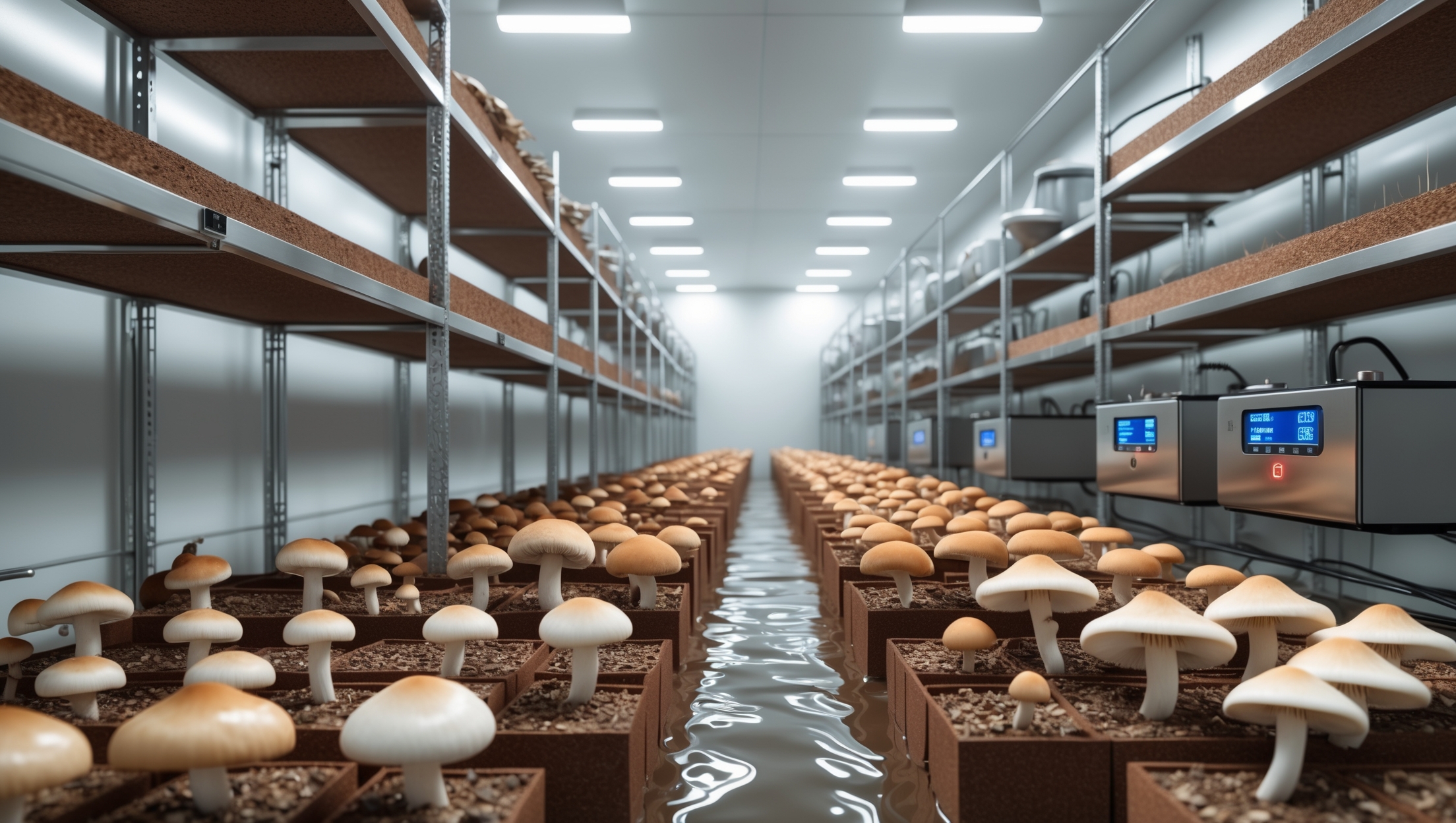
Home mushroom cultivation is a rewarding hobby (and sometimes a business) that offers fresh, flavorful fungi right from the comfort of your own house. Whether you’re growing oyster, shiitake, lion’s mane, or other gourmet varieties, maintaining a productive mushroom growing room requires consistent attention to environmental factors, cleanliness, and crop rotation. Unlike outdoor gardens, a dedicated mushroom room offers more control but also demands a year-round maintenance approach. Fungi are sensitive organisms—temperature, humidity, light, and airflow all play crucial roles in their lifecycle. Neglecting seasonal adjustments can lead to contamination, poor yields, or even crop failure. This comprehensive seasonal checklist will help you fine-tune your indoor mushroom growing room every month of the year, ensuring robust flushes, disease prevention, and minimal downtime regardless of what’s happening outside. From deep cleans and equipment checks to climate tweaks and pest defense, follow these practical, step-by-step tasks for a thriving home mushroom operation all year long.
Spring: Awakening and Preparation
1. Deep Clean and Reset
After winter, your mushroom room (or tent) benefits from a thorough cleaning. Mold spores and contaminants thrive in damp spaces, so:
- Remove all spent substrate blocks, trays, and bags.
- Scrub shelving, flooring, and walls with a diluted bleach or hydrogen peroxide solution.
- Wipe down fans, humidifiers, LED lights, and timers.
- Vacuum and mop floors thoroughly.
2. Inspect and Maintain Equipment
- Check HEPA filters in air purifiers or laminar flow hoods; replace if dirty.
- Test humidifiers for mineral buildup; descale as needed.
- Calibrate temperature and humidity sensors.
- Check for leaks or cracks in water lines and misting systems.
3. Plan Rotations and New Crops
Spring’s warming temperatures support a broader range of species. Consider introducing warm-weather varieties (like pink oyster or king oyster) while continuing cool-loving strains. Prepare fresh substrate mixes and inoculate spawn early to ensure steady production.
4. Adjust Environmental Controls
- Monitor outside temperatures—sunlight and ambient warmth may increase grow room heat.
- Increase ventilation if needed, but avoid drafts.
- Set humidifiers to maintain 85-95% relative humidity for pinning and fruiting.
5. Pest and Mold Check
- Look for signs of fungus gnats or mites. Use sticky traps and inspect all incoming materials.
- Remove any blocks with green, black, or pink mold promptly.
Summer: Managing Heat and Humidity Challenges
1. Control High Temperatures
Summer heat can stress mushrooms and lead to bacterial or mold outbreaks. Recommended actions:
- Install a portable AC or ductless mini-split if the room regularly exceeds 75°F (24°C).
- Shade windows or use blackout curtains to reduce radiant heat.
- Position temperature sensors away from direct airflow or sunlight.
2. Adjust Humidity Carefully
- High outside humidity can cause condensation and increase contamination risk.
- Run dehumidifiers if relative humidity exceeds 95% persistently during non-fruiting periods.
- Wipe down pooling moisture on shelves, walls, and floors daily.
3. Increased Pest Vigilance
- Inspect for fruit flies, gnats, or mites weekly.
- Use fine mesh screens over vents and keep doors closed.
- Rotate crops quickly to avoid over-mature blocks that attract pests.
4. Substrate and Spawn Management
- Store unused substrate ingredients (straw, wood chips, etc.) in sealed bins to prevent mold and insects.
- Consider cold incubation spots for spawn jars or bags to avoid overheating.
5. Water Quality Checks
- Warm weather can promote bacterial growth in standing water.
- Sanitize water tanks and lines weekly.
- Use filtered or distilled water for misting to prevent mineral buildup.
Autumn: Transition and Expansion
1. Prepare for Cooler Weather
- Inspect insulation, windows, and doors for drafts to maintain consistent temperatures.
- Begin transitioning to cool-weather strains (shiitake, chestnut, enoki).
- Reduce AC use as outdoor temps drop, but keep monitoring for heat spikes.
2. Deep Clean Between Crops
- Remove all spent substrate and clean shelving thoroughly.
- Check for hidden pest pockets in crevices or substrate storage areas.
3. Equipment Maintenance
- Service humidifiers—replace wicks/filters if required.
- Test backup heaters and calibrate thermostats.
- Lubricate fan bearings if needed to prevent winter failures.
4. Plan Winter Crop Schedules
- Stagger inoculation dates for a continuous winter harvest.
- Order spawn or cultures for slower-growing varieties early.
5. Review and Update Pest Controls
- Remove all sticky traps and replace with fresh ones.
- Seal any new cracks or holes discovered during deep clean.
Winter: Maintaining Stability
1. Temperature and Humidity
- Install space heaters or seedling mats if the room drops below 60°F (15°C).
- Monitor humidity closely—indoor heating dries air, so run humidifiers as needed.
- Use auto-humidistats for precise control.
2. Light Adjustment
- Short daylight hours can affect some mushroom species.
- Use timers for supplemental LED or fluorescent grow lights (typically 12 hours on, 12 off).
3. Prevent Condensation Issues
- Cold surfaces can lead to water droplets forming and dripping onto substrate.
- Increase air circulation with oscillating fans but avoid direct drafts.
- Wipe down surfaces regularly and check for hidden moisture.
4. Sanitation and Mold Prevention
- Keep the room tidy—remove fallen mushrooms and debris promptly.
- Inspect substrate bags or blocks for contamination (look for unusual colors or odors).
5. Emergency Preparedness
- Have a backup power plan (battery units or generator) for heaters and humidifiers during outages.
- Keep extra water and essential supplies on hand.
Monthly and Ongoing Tasks
1. Weekly Walkthrough and Logbook
- Record temperature, humidity, and CO2 levels daily if possible.
- Note any changes in mushroom yield, size, or appearance for trend spotting.
2. Harvest and Crop Rotation
- Harvest mature mushrooms promptly to avoid spore buildup and pest attraction.
- Rotate in new blocks/bags to maintain continuous production.
3. Substrate and Spawn Quality Checks
- Inoculate small test batches with each new batch of spawn to check for contamination.
- Discard suspect bags/blocks immediately.
4. Air Exchange and CO2 Control
- Check and adjust air exchange rates, especially as outdoor conditions shift.
- Clean or replace intake and exhaust filters regularly.
Tips for Troubleshooting Common Seasonal Issues
1. Dealing with Persistent Contamination
- Always work with clean hands and tools—use gloves and disinfectants.
- Consider a small HEPA filter or laminar flow hood for inoculation work.
- If contamination persists, review substrate pasteurization/sterilization methods.
2. Handling Temperature Swings
- Install data loggers to monitor temperature 24/7; set alerts for dangerous highs/lows.
- Insulate walls and doors with foam or weatherstripping for greater stability.
3. Preventing Pest Outbreaks
- Never bring in unsterilized outdoor substrate or tools.
- Quarantine new substrate or spawn for a few days to observe for pests.
- Use food-grade diatomaceous earth around entry points as a deterrent.
Conclusion
Cultivating mushrooms at home requires more than just the right substrate and spawn; it’s a year-round commitment to environmental management, sanitation, and proactive care. Each season brings its own set of challenges—spring cleaning and crop planning, summer heat and pest pressure, autumn transitions, and winter’s fight against cold and dryness. By following this detailed seasonal checklist, you’ll create a robust system that minimizes risk and maximizes yields. Regular maintenance, attentive recordkeeping, and quick responses to problems will keep your growing room healthy and your harvests bountiful. Don’t forget to adapt your schedule to your specific varieties and local climate, and always be ready to tweak your setup as you gain more experience. The result is not just a continuous supply of delicious mushrooms, but also the satisfaction of mastering one of nature’s most intriguing forms of cultivation. Happy growing!
How often do you typically need to replace HEPA filters in a home setup, and is there a noticeable difference in yield or contamination if you go a bit longer between changes?
HEPA filters in a home mushroom growing room usually need to be replaced every 6 to 12 months, depending on use and air quality. Delaying replacement can lead to increased contamination and reduced yields because the filter’s efficiency drops as it clogs. Regularly checking the filter for dust buildup and changing it as recommended helps maintain optimal growing conditions.
If I want to introduce new species like pink oyster or king oyster as suggested for spring, do I need to change anything major with my substrate or environment compared to what I use for shiitake mushrooms?
Yes, you will need to make some adjustments. Pink and king oyster mushrooms generally prefer different substrates than shiitake, which is often grown on hardwood logs or sawdust. Oysters thrive on straw, sawdust, or even coffee grounds. Also, oysters prefer slightly warmer temperatures than shiitake, so you may need to increase room temperature during incubation and fruiting. Good airflow is important too, especially for oysters, to prevent CO2 buildup and ensure proper cap development.
How often do you recommend deep cleaning the mushroom growing room outside of the spring reset, especially if I’m running back-to-back crops? Is there a risk of over-cleaning or using too much bleach that could harm the next batch?
Between back-to-back crops, a thorough cleaning is wise to minimize contamination. Deep cleaning after each full cycle is recommended, not just in spring. Overusing bleach can leave harmful residues, so use it sparingly, rinse well, and allow the room to dry before starting a new crop.
You mention spring is a good time to introduce warm-weather varieties like pink oyster or king oyster. Can I grow those alongside colder-weather mushrooms in the same room, or do I need to adjust the setup and temperature ranges for each?
Pink oyster and king oyster mushrooms prefer warmer temperatures, while cold-weather varieties need cooler conditions. Growing both types in the same room can be challenging unless you can create separate zones or adjust environmental controls. It’s usually best to focus on one type at a time or use different rooms for each.
If I’m on a tight budget, are there any key pieces of equipment from your checklist that you think are absolutely essential versus those I could upgrade later?
If you’re working with a limited budget, focus first on essentials like a reliable humidity monitor, proper ventilation, and basic lighting. These are critical for mushroom health. Upgrades like advanced humidifiers, shelving, or air purifiers can usually wait until you have more flexibility.
Could you elaborate on how often HEPA filters in air purifiers or laminar flow hoods should be replaced throughout the year, especially if the growing room is in constant use and not just seasonally?
For a home mushroom growing room in constant use, HEPA filters in air purifiers or laminar flow hoods generally need replacement every 6 to 12 months. However, if you notice reduced airflow, increased contamination, or visible dust buildup, consider replacing them sooner. Regularly check the manufacturer’s guidelines for your specific equipment and inspect filters monthly to ensure optimal performance.
When switching to warm-weather mushroom varieties like pink oyster in the spring, do you need to adjust humidity and temperature settings, or will the environment from winter be fine for most new crops?
For warm-weather varieties like pink oyster mushrooms, it’s important to adjust both humidity and temperature as spring arrives. Pink oysters prefer higher temperatures (around 21–27°C or 70–80°F) and slightly lower humidity than many winter varieties. Keeping conditions too cool or damp may slow their growth or cause issues, so tuning your settings for their needs will give you the best results.
When you mention scrubbing shelving and walls with diluted bleach or hydrogen peroxide, is one preferred over the other for mushroom rooms, especially when it comes to lingering fumes or residue that could affect sensitive species?
Hydrogen peroxide is often preferred in mushroom rooms because it breaks down quickly into water and oxygen, leaving minimal residue and producing fewer lingering fumes. Bleach can be effective but may leave strong odors and residues that could stress sensitive mushroom species, so it’s best used with caution and thorough ventilation.
For the deep clean step in spring, do you recommend using diluted bleach or hydrogen peroxide more often, especially if I’m concerned about lingering spores from a previous contamination?
If you’re worried about lingering spores from previous contamination, diluted bleach is generally more effective at killing a wide range of fungi and spores compared to hydrogen peroxide. However, make sure to thoroughly rinse and ventilate the area afterward to avoid residue that could harm future crops. Use hydrogen peroxide for routine cleaning between flushes, but rely on diluted bleach for deep seasonal cleans.
For those growing in smaller spaces or tents, do you have any suggestions for managing airflow and humidity as we move from spring into summer, especially with rising outside temperatures?
As temperatures rise, it’s important to keep fresh air moving through your grow tent while preventing drastic humidity drops. Use a small oscillating fan on a low setting and consider a programmable humidifier to maintain optimal levels. Ventilate during cooler parts of the day and monitor with a hygrometer to make quick adjustments as needed.
When you mention deep cleaning the mushroom room each spring, are there specific cleaning products or disinfectants that are safest to use around mushrooms to avoid chemical residues affecting future crops?
For deep cleaning your mushroom room, it’s best to use mild, unscented soap and hot water to remove dirt and debris. For disinfection, food-grade hydrogen peroxide or diluted white vinegar are both safe options that break down without leaving harmful residues. Avoid using harsh chemical cleaners or bleach, as they can linger and adversely impact mushroom growth.
When scrubbing shelves and walls with a diluted bleach or hydrogen peroxide solution during the deep clean, do you need to rinse everything afterward, or can you just let it air dry before setting up new blocks?
After scrubbing with a diluted bleach or hydrogen peroxide solution, it’s best to rinse the shelves and walls with clean water. This helps remove any chemical residue that might interfere with mushroom growth. Once rinsed, allow everything to air dry completely before bringing in new blocks.
If I wanted to switch to growing warm-weather varieties like pink oyster in the spring, are there any changes I should make to my humidifier or airflow setup to help those species thrive?
For warm-weather varieties like pink oyster mushrooms, slightly higher temperatures and humidity are ideal. You may need to increase the humidity a bit, aiming for 85-95%, and ensure your airflow is gentle but consistent to avoid drying out the substrate. Adjust your humidifier settings and monitor conditions closely to keep the environment optimal for these mushrooms.
Could you share some budget-friendly suggestions for checking or replacing equipment like HEPA filters and humidifiers, especially for someone starting out with just a small home setup?
For a small setup, consider checking HEPA filters every couple of months by holding them up to a light to spot dust buildup. Gently vacuuming or lightly brushing them can extend their life, but replace if airflow drops or odors develop. For humidifiers, clean with vinegar regularly to prevent mold. Inexpensive tabletop models work well for small spaces and are easy to maintain or replace if needed.
You mention calibrating temperature and humidity sensors in the spring. How often should sensors actually be checked throughout the year, and are there signs to watch for that they’re no longer accurate?
It’s a good idea to check your temperature and humidity sensors at least every three months, or at the start of each new season. You should also check them if you notice inconsistent readings, unexpected changes in your growing environment, or if your mushrooms aren’t growing as expected. Dirt build-up, physical damage, or erratic data are also signs your sensors might need recalibration or replacement.
For calibrating temperature and humidity sensors, do you recommend any specific brands or methods that are reliable for small-scale home growers? I want to make sure my readings are accurate but I’m on a budget.
For small-scale home growers, affordable brands like Inkbird and ThermoPro offer reliable temperature and humidity sensors. To calibrate, use a simple salt test for humidity (sealing your sensor with salt and water in a container) and compare temperature readings against a known accurate thermometer. These methods help ensure your sensors stay accurate without breaking the bank.
When doing the deep clean you recommend in spring, is hydrogen peroxide safe to use around sensitive mushroom strains, or is it better to stick with diluted bleach for all surfaces?
Hydrogen peroxide is generally safe for cleaning your mushroom growing room, especially since it breaks down into water and oxygen. However, some sensitive mushroom strains can still be affected by residue. Diluted bleach is a stronger disinfectant but must be rinsed thoroughly to avoid harming future crops. If you use either, ensure all surfaces are fully dried and aired out before bringing mushrooms back in.
How often should I be calibrating my temperature and humidity sensors throughout the year? Is doing it just once in spring enough, or does it really need to be checked every season?
Calibrating your temperature and humidity sensors should be done at least once every season, not just in spring. Seasonal changes can affect sensor accuracy, so quarterly checks help ensure your mushrooms always get the right environment. This also helps catch any sensor drift early.
For someone running a small-scale home mushroom operation, how often would you recommend replacing HEPA filters in the air purifier or flow hood, especially in humid climates?
In humid climates, it’s a good idea to check HEPA filters every 3 to 6 months for your air purifier or flow hood. If you notice a drop in airflow or visible buildup, replace them right away. For most small-scale setups, replacing HEPA filters every 6 to 12 months is typical, but more frequent changes may be needed in high humidity.
I saw the recommendation to check HEPA filters and humidifiers in the spring. Do you have tips on what to look for with older equipment, or signs it’s time to fully replace something instead of just cleaning it?
With older HEPA filters, watch for visible damage, persistent musty odors, or if airflow seems reduced even after cleaning. For humidifiers, mineral buildup, inconsistent output, or strange noises can signal it’s time for replacement. If cleaning doesn’t restore normal function, replacing the equipment is safest for healthy mushroom growth.
How often should I replace filters and recalibrate sensors in my home mushroom room, especially if I’m growing year-round for a small side business? Trying to balance costs and healthy crops.
For year-round mushroom cultivation, it’s wise to replace filters every 3 to 6 months, depending on dust and usage. Sensors should be recalibrated at least once per season, or quarterly, to maintain accurate readings. Regular checks keep your environment optimal and help prevent costly crop issues.
You mention using diluted bleach or hydrogen peroxide for cleaning after winter. Is one better than the other for preventing contamination without harming future mushroom crops, or is there a reason to choose one over the other?
Both diluted bleach and hydrogen peroxide are effective at sanitizing your growing room, but hydrogen peroxide breaks down into water and oxygen, leaving no residue that could harm future mushroom crops. Bleach can be harsher, and if not rinsed thoroughly, may leave traces that affect mushroom growth. Many growers prefer hydrogen peroxide for its gentle, residue-free action.
How often do you recommend calibrating temperature and humidity sensors for best results, especially during spring? Is there a big difference in yield if I skip this for a season?
It’s best to calibrate your temperature and humidity sensors at least once per season, especially in spring when conditions can fluctuate more. Skipping calibration could lead to inaccurate readings, which may cause suboptimal growing conditions and noticeably reduce your mushroom yield and quality.
If my humidifier and sensors need replacing after a spring equipment check, are there budget-friendly brands you suggest that work well for smaller home setups?
For smaller home mushroom setups, many growers have good results with brands like TaoTronics or Levoit for humidifiers, as they’re affordable and reliable. For sensors, Govee and Inkbird both offer budget-friendly hygrometers and thermometers that are easy to use in compact spaces.
How often should I be calibrating my temperature and humidity sensors throughout the year, especially if I switch between different mushroom species as the seasons change?
Calibrate your temperature and humidity sensors at least once every season, especially before switching to a new mushroom species with different needs. If you notice unusual readings or changes in mushroom growth, recalibrate sooner. Regular checks help ensure optimal conditions year-round.
For the spring deep clean, do you have any suggestions for safer alternatives to bleach or hydrogen peroxide, especially if I have kids and pets around my growing area?
For a safer deep clean, try using white vinegar diluted with water or a mix of vinegar and baking soda. Both are effective at cleaning surfaces and are much less harsh than bleach or hydrogen peroxide. Just ensure proper ventilation, and always rinse surfaces well after cleaning to remove any residue.
If I notice some mold growth during the spring deep clean, do I need to throw away all my equipment, or are there recommended ways to salvage and disinfect things safely?
You don’t have to throw away all your equipment if you spot mold. Clean and disinfect affected surfaces with a diluted bleach solution or another recommended disinfectant. Let everything dry thoroughly before reuse. For porous materials heavily contaminated with mold, it’s safest to replace them, but most tools and surfaces can be salvaged with proper cleaning.
When you mention introducing warm-weather varieties like pink oyster in spring, do you suggest switching out all the old substrate blocks first, or can I start the new varieties alongside whatever’s left from winter?
You can definitely start growing warm-weather varieties like pink oyster alongside any remaining winter crops. There’s no need to switch out all the old substrate blocks at once, but just make sure the growing conditions suit the new varieties. Over time, as winter blocks finish producing, you can gradually replace them.
When you mention calibrating temperature and humidity sensors, can you explain how often this should be done? I just started out and want to avoid mistakes with my oyster mushrooms.
For home mushroom setups, it’s a good idea to calibrate your temperature and humidity sensors every one to three months, especially if you notice readings that seem off or after cleaning. Accurate sensors help avoid common issues like poor growth or contamination with oyster mushrooms.
After deep cleaning in the spring, what are some warning signs of contamination or residual mold that I should watch for before starting new mushroom blocks?
After deep cleaning, keep an eye out for lingering musty or sour odors, visible patches of fuzzy or colored mold on surfaces, and any slimy residue or discoloration in crevices. Also, check for excess moisture or condensation, as these can encourage mold regrowth. Address any signs immediately to prevent problems with new mushroom blocks.
For someone running a small-scale business, how often would you recommend doing these equipment checks and deep cleans outside of spring, especially if I’m cycling different mushroom varieties year-round?
For a small-scale operation cycling mushroom varieties year-round, equipment checks should be done weekly to catch any issues early. Deep cleans are best scheduled monthly, or at least between each full growing cycle, to prevent contamination and ensure optimal growing conditions.
Is it possible to do the deep cleaning and equipment maintenance tasks using budget-friendly household products, or do I really need specialized cleaning agents and fancy sensors for a small home setup?
For a small home mushroom growing setup, you can definitely use budget-friendly household products like vinegar, hydrogen peroxide, or unscented bleach for deep cleaning. As for equipment maintenance, basic tools and regular inspections work well, and fancy sensors aren’t necessary if you monitor conditions manually. Just ensure everything is kept clean and dry.
For calibrating humidity and temperature sensors, do you have any advice on how often this should actually be done and what tools work best for home growers on a tight budget?
For home growers, calibrate your humidity and temperature sensors every 3–6 months to maintain accuracy. A simple salt test works well for humidity sensors, while ice water or boiling water can help check temperature accuracy. Inexpensive digital hygrometers and thermometers are usually sufficient for home setups.
If I want to switch from growing oyster mushrooms to lion’s mane as the season changes, do I need to reset the entire room and equipment, or are there shortcuts that save time without risking contamination?
Switching from oyster mushrooms to lion’s mane does require a thorough cleaning of your growing room and equipment to minimize contamination risks, since each species can leave spores and debris behind. While you might feel tempted to shortcut the process, skipping a full reset can lead to cross-contamination and reduced yields. It’s best to clean and sanitize all surfaces, tools, and air filters before starting your lion’s mane crop.
When inspecting and calibrating sensors for temperature and humidity, are there any affordable tools or methods you recommend for beginners trying to keep their setup running smoothly without spending too much?
For beginners, a basic digital thermometer-hygrometer combo is usually affordable and works well for checking both temperature and humidity. To calibrate them, you can use the salt test for humidity—seal the sensor with a cup of salt and a bit of water in a container and check for 75% humidity reading after a few hours. Regularly compare your device with another cheap sensor to spot any major discrepancies.
Is there a recommended schedule for how often I should do a full deep clean like you describe in the spring, or is once a year enough? I worry about lingering mold if I only do it seasonally.
A full deep clean in the spring is a good baseline, but if you’re concerned about mold, you might want to deep clean two or three times a year, especially after major harvests or if you notice any signs of contamination. Regular spot cleaning between deep cleans also helps prevent mold buildup.
Could you elaborate on how frequently HEPA filters should be changed throughout the year, or if there’s a particular sign besides visible dirt that indicates it’s time to replace them?
HEPA filters in mushroom grow rooms typically need changing every 6 to 12 months, but this can vary based on use and air quality. Besides visible dirt, signs like reduced airflow, persistent musty odors, or an increase in contamination or spores inside your room suggest it’s time to replace the filter.
When calibrating humidity and temperature sensors before the growing season, how often should this be repeated throughout the year, and are there signs that indicate the sensors might need recalibration sooner?
Sensor calibration should ideally be done at the start of each growing season—so about once or twice a year. However, if you notice inconsistent readings, mushrooms drying out or unusually damp conditions despite your settings, or visible dust or residue on sensors, it’s a good idea to recalibrate sooner. Regular visual checks can also help catch issues early.
How often should I plan on deep cleaning the mushroom room outside of the suggested spring reset? Do more frequent cleanings in humid climates help prevent contamination, or is once a season enough?
In humid climates, contamination risks are higher, so more frequent deep cleaning—every 2 to 3 months—is beneficial. Besides the spring reset, consider extra cleanings during peak humidity or after any contamination incident. Regular surface cleaning in between deep cleans also helps keep your mushroom room healthy.
For the deep clean you recommend after winter, do you have any tips for cleaning around electrical equipment like lights and fans to make sure I sanitize well without damaging anything?
When cleaning around electrical equipment like lights and fans, unplug them first to ensure safety. Use a damp (not wet) cloth with a gentle disinfectant, being careful not to let moisture seep into electrical components. For hard-to-reach spots, a soft brush can help. Make sure everything is completely dry before plugging back in.
When doing the spring deep clean, is diluted bleach better than hydrogen peroxide for scrubbing walls and floors, especially to prevent mold? I want to avoid strong fumes but still keep contaminants down after winter.
Hydrogen peroxide is a good choice for your cleaning needs in a mushroom growing room. It’s effective against mold and bacteria and breaks down into water and oxygen, so it leaves no harsh residues or strong fumes like bleach. For walls and floors, a 3% hydrogen peroxide solution is usually sufficient. If you prefer to use bleach, make sure to dilute it well and ventilate the room thoroughly to reduce fumes, but hydrogen peroxide is generally milder and safer for regular use.
When doing the deep clean you mentioned for spring, is diluted bleach or hydrogen peroxide better for scrubbing down surfaces in terms of preventing mold? I am worried about lingering fumes or possible residue affecting my mushrooms.
Hydrogen peroxide is generally a better choice for cleaning your mushroom growing room. It effectively kills mold and bacteria but breaks down into water and oxygen, leaving no harmful residue or fumes behind. Bleach can leave lingering odors and residue that might affect your mushrooms, so it’s best avoided.
If I find a minor leak or crack in my misting system during the spring inspection, is it better to patch it temporarily or should I replace the part entirely to avoid contamination risk later in the season?
For mushroom growing, it’s safest to replace any cracked or leaking parts in your misting system rather than patching them. Temporary fixes may fail over time or allow contaminants to enter, which can disrupt your crop. Replacing the part ensures reliable operation and keeps your growing room sanitary.
When doing the deep clean in spring, is it better to use bleach or hydrogen peroxide for scrubbing surfaces in the mushroom room? Are there pros and cons to each in terms of effectiveness or residue?
Both bleach and hydrogen peroxide are effective disinfectants for deep cleaning your mushroom room. Bleach is highly effective but leaves a strong odor and can leave residue if not rinsed well. Hydrogen peroxide breaks down into water and oxygen, leaving no residue, which is safer for mushrooms. However, it may not be as strong against certain contaminants as bleach. For most growers, hydrogen peroxide is preferred for its gentler impact and minimal residue, but thoroughness is key whichever you choose.
For checking and maintaining equipment like HEPA filters and humidifiers, is there a recommended schedule for these tasks beyond just doing them in the spring, or should they really be checked every season?
HEPA filters and humidifiers should ideally be checked at the start of each season, not just in the spring. Regular quarterly inspections help ensure optimal air quality and humidity for your mushrooms. Replace filters as needed and clean humidifiers at least monthly to prevent buildup and maintain efficiency.
If I wanted to switch varieties with the seasons, like growing king oyster mushrooms in the spring, do I need to make any specific adjustments to temperature or humidity compared to winter crops?
Yes, you’ll need to adjust your growing room’s conditions for king oyster mushrooms. They generally thrive at temperatures between 18–24°C (65–75°F) and prefer humidity levels around 80–90%. This is slightly warmer and a bit less humid than some typical winter varieties like shiitake. Always monitor your room and make gradual adjustments when switching crops.
When checking HEPA filters and humidifiers in the spring, how often do you generally need to replace or service these components if you’re running a small, continuous home setup?
For a small, continuously running home mushroom setup, HEPA filters typically need to be checked every few months and replaced every 6 to 12 months, depending on use and air quality. Humidifiers should be cleaned weekly and serviced or have filters replaced every 1 to 3 months to prevent mineral buildup and ensure proper humidity levels.
Could you elaborate on how often HEPA filters really need to be replaced in a typical home mushroom room? I’ve noticed my air purifier runs constantly during the spring, and I’m not sure if changing it every season is overkill or not.
In a home mushroom growing room, HEPA filters usually need to be replaced every 6 to 12 months, depending on usage and air quality. If your purifier runs constantly, especially during spore-heavy seasons like spring, checking the filter every 3 to 4 months is wise. If you notice reduced airflow or visible buildup, it’s time to replace it.
When planning crop rotations in the spring, do you suggest fully emptying the room between cycles, or can some new substrate blocks be introduced while a previous flush is still finishing up?
For best results, it’s generally recommended to fully empty and clean the growing room between cycles. This helps prevent contamination and pest issues. Introducing new substrate blocks while old ones are still fruiting can increase the risk of disease spreading between batches.
I usually grow oyster mushrooms year-round, but I’m interested in adding pink oyster in spring as you suggested. Do I need to change anything about my substrate or just adjust temperatures?
Pink oyster mushrooms thrive in warmer temperatures, ideally between 18–30°C (64–86°F), so adjusting your grow room temperature is key in spring. As for substrate, pink oysters are quite adaptable and will do well on the same straw, sawdust, or coffee grounds you use for regular oysters. No special changes to the substrate are needed—just be sure it’s pasteurized and properly hydrated.
When preparing my mushroom growing room for spring, you said to check sensors and calibrate equipment. Is there a recommended schedule for recalibrating humidistats and thermometers, or is once a year after winter enough to keep them accurate?
Although recalibrating humidistats and thermometers once a year after winter is common, it’s best to check them at least twice a year—before spring and before fall. If you notice fluctuating readings or extreme conditions, consider checking them more often to ensure accuracy for optimal mushroom growth.
How often should I replace HEPA filters in a home mushroom setup if I’m running my air purifier daily, and are there warning signs aside from visible dirt that suggest the filter isn’t working optimally anymore?
If your air purifier runs daily, it’s best to replace HEPA filters every 6 to 12 months, depending on manufacturer recommendations and room conditions. Besides visible dirt, signs that a filter isn’t working well include increased odors, reduced airflow, or more spores or dust in the room. If you notice your mushrooms aren’t as healthy or contamination rates rise, the filter may need changing.
When cleaning the mushroom growing room in spring, is hydrogen peroxide as effective as diluted bleach for removing mold spores, or is one recommended over the other for certain surfaces?
Hydrogen peroxide is effective for cleaning and can kill many types of mold spores, especially on non-porous surfaces, but diluted bleach is generally stronger and more commonly recommended for thorough mold removal. For metal or plastic surfaces, either can work, but avoid bleach on wood, as it can damage the material. Always ventilate the area and wear gloves when cleaning.
How often should equipment like HEPA filters and humidifiers be checked throughout the year, not just in spring, to prevent unexpected failures or contamination issues in a small-scale home setup?
For a small-scale home mushroom growing room, it’s best to check HEPA filters and humidifiers at least once a month all year round. Regular monthly inspections help catch buildup, mechanical issues, or early signs of contamination before they become bigger problems. Always clean or replace filters and perform basic maintenance as recommended by the manufacturer.
After removing all spent substrate during the seasonal reset, is there any particular protocol you recommend for safely disposing of these materials to prevent spreading spores or pests around the property?
After removing spent substrate, it’s wise to bag the material tightly to contain any residual spores or pests. You can dispose of it in your regular trash, or compost it in a contained area away from your growing space. Avoid spreading it near gardens or walkways to minimize the risk of contamination.
When you mention introducing warm-weather varieties in spring, do you have any advice on how to stagger crop rotations if I only have space for one small growing tent?
With one small tent, you can stagger crops by starting warm-weather varieties in small batches, allowing one crop to finish before introducing the next. Clean and reset your tent between rotations to avoid cross-contamination. Consider varieties with different maturation times so you can harvest one while starting another, keeping the tent in continuous use.
For the spring deep clean section, do you recommend using bleach or hydrogen peroxide for disinfecting, especially if I’m growing edible species? Are there benefits to one over the other for preventing contamination but keeping things food safe?
For edible mushroom cultivation, hydrogen peroxide is generally preferred for disinfecting because it breaks down into water and oxygen, leaving no harmful residue. It’s effective against many contaminants and is food safe. Bleach works well but must be rinsed thoroughly to avoid chemical traces that could affect your mushrooms. So, hydrogen peroxide offers a safer, low-residue option for your growing room.
For the deep clean in spring, is it better to use diluted bleach or hydrogen peroxide on shelving and walls for preventing mold spores? I’m worried about lingering fumes or residues affecting the mushrooms later.
Hydrogen peroxide is usually a better choice for cleaning your mushroom room in spring because it breaks down into water and oxygen, leaving no harmful residue or lingering fumes. Bleach can be effective but may leave residues that could affect your mushrooms if not thoroughly rinsed. Just make sure to ventilate well and let surfaces dry before restarting your grow.
When you recommend scrubbing the shelving and walls with a bleach or hydrogen peroxide solution, do you have a preferred dilution ratio for each, and is one safer for regular use around edible mushrooms?
For bleach, use a 1:10 dilution (one part bleach to ten parts water). For hydrogen peroxide, a 3% solution (straight from the bottle) is generally safe. Hydrogen peroxide is milder and evaporates quickly, making it safer for regular use around edible mushrooms, as it leaves no harmful residue.
Can you suggest budget-friendly alternatives to HEPA filters or laminar flow hoods for small-scale growers who still want to manage contamination in their mushroom rooms?
For small-scale growers, you can use simple box fans with furnace filters (rated MERV 13 or higher) taped over them to help filter air, though they’re less effective than HEPA filters. Regular cleaning with bleach or alcohol, limiting room entry, and using a still air box for inoculation work can also help reduce contamination on a budget.
If I find mineral buildup in my humidifier during the spring equipment check, is there a specific descaling product I should look for, or will regular vinegar work without risking my mushrooms?
Regular white vinegar is a safe and effective option for descaling your humidifier. Just be sure to rinse the equipment thoroughly afterward to remove any vinegar residue before returning it to your mushroom growing room. This helps avoid any risk to your mushrooms.
When cleaning the growing room in spring, do you recommend using bleach or hydrogen peroxide for scrubbing walls and shelving, or is one safer for the mushrooms and equipment?
Hydrogen peroxide is generally safer for mushroom growing environments compared to bleach. It effectively disinfects without leaving harmful residues that could affect mushroom growth. Bleach, while strong, can linger and may harm your mushrooms or equipment if not rinsed thoroughly. Always ensure proper ventilation and rinse any surfaces well after cleaning, whichever option you choose.
Can you explain how often you should rotate crops or introduce new varieties during the spring? Is it better to grow multiple types at once, or focus on one for the best yields in a home setup?
In spring, you can introduce new mushroom varieties every few weeks to keep your growing room productive, especially as temperatures and humidity shift. Growing multiple types at once is possible if their requirements align, but focusing on one variety usually makes it easier to optimize conditions and achieve better yields in a home setup.
I noticed the checklist suggests checking for leaks in water lines and misting systems. If I do find minor leaks, do you recommend any specific quick-fix methods, or is it best to replace parts entirely?
For minor leaks, using plumber’s tape or pipe sealant can provide a temporary fix, especially around threaded joints. However, if the leak persists or the part is damaged, it’s safer in the long run to replace the faulty component to avoid water damage and maintain proper humidity control.
Could you clarify how often HEPA filters should be replaced in a home mushroom growing room if I’m running small batches year-round?
For small batch, year-round mushroom cultivation, it’s generally best to replace HEPA filters every 12 months. However, if you notice reduced airflow, visible dust buildup, or any signs of contamination sooner, consider changing them earlier for optimal performance.
When you mention scrubbing surfaces with a diluted bleach or hydrogen peroxide solution, is there a preferred ratio or method to avoid leaving residues that could harm the next mushroom crop?
For cleaning, a common approach is to use a 1:10 ratio of bleach to water or a 3% hydrogen peroxide solution. After scrubbing, thoroughly rinse all surfaces with clean water and allow them to dry completely. This helps prevent chemical residues from affecting your next mushroom crop.
The article talks about introducing warm-weather species in the spring. If I want to keep growing a cold-loving variety like shiitake, are there adjustments I should make, or is it better to switch crops for the season?
You can continue growing cold-loving varieties like shiitake through warmer months, but you’ll need to keep your growing room cool and maintain high humidity. This might mean running air conditioning or increasing ventilation. If that’s not practical or energy-efficient, switching to warm-weather species in spring is often easier.
When doing the deep cleaning in spring, is it necessary to use bleach or hydrogen peroxide, or can natural cleaners work just as well without risking contamination?
For deep cleaning your mushroom growing room, it’s best to use stronger disinfectants like bleach or hydrogen peroxide to ensure all contaminants are eliminated. While natural cleaners can help with general cleaning, they may not be effective enough to prevent mold or bacterial growth that could harm your crop.
If I want to start growing mushrooms for the first time this spring, how long does the deep cleaning and equipment setup usually take before I can actually start a new crop? Just trying to plan my weekends.
Deep cleaning and equipment setup typically take one to two full days, depending on the size and condition of your growing room. Allow yourself a weekend to clean, sanitize, and set up shelving, humidifiers, and lighting. After that, you should be ready to start your mushroom crop.
How do you decide which mushroom varieties to rotate in during spring? Is there a list of species that do especially well as temperatures start to warm up indoors, or is it mostly trial and error?
Spring is a great time to rotate in mushroom varieties that thrive in moderate temperatures, like oyster (Pleurotus ostreatus), shiitake, and lion’s mane. These species generally do well indoors as temperatures warm up. Many growers follow these seasonal preferences, but you may want to experiment a little to see what performs best in your specific setup.
For calibrating humidity and temperature sensors, how often should that be done throughout the year, and what signs should I look for that indicate the sensors might be out of whack between scheduled checks?
Calibrating your humidity and temperature sensors at least once every season is a good practice, especially if you rely on them for consistent mushroom growth. Watch out for sensor readings that suddenly spike or dip without clear environmental reasons, or if your mushrooms show signs of stress like uneven growth or discoloration. These can signal it’s time to check your sensors even between regular calibrations.
When deep cleaning the mushroom room in spring, is hydrogen peroxide safer for equipment than bleach, or just as effective for preventing mold issues on plastic and metal surfaces?
Hydrogen peroxide is generally safer than bleach for most equipment, especially on plastic and metal, since it’s less corrosive and leaves no toxic residue. Both are effective at preventing mold, but hydrogen peroxide is gentler on surfaces and safer to use in a growing environment. Just make sure to use the proper concentration and allow surfaces to dry before reintroducing mushrooms.
How often should HEPA filters in air purifiers or laminar flow hoods be replaced if I’m running my home mushroom room year-round, and are there any budget-friendly filter brands you recommend?
For a year-round home mushroom room, HEPA filters in air purifiers or laminar flow hoods generally need replacement every 12 to 18 months, depending on use and manufacturer guidelines. Check filters monthly for visible dust or reduced airflow. Some budget-friendly brands to consider are Levoit and Honeywell, which offer reliable HEPA filters at reasonable prices.
When you mention scrubbing the shelving and walls with a diluted bleach or hydrogen peroxide solution, do you have a recommended ratio for either one? I want to make sure I’m cleaning thoroughly without damaging surfaces or leaving behind harsh residues.
For cleaning your mushroom grow room, a safe and effective ratio is 1 part bleach to 10 parts water, or about 3% hydrogen peroxide straight from the bottle. Both options disinfect well without leaving harsh residues, but always rinse surfaces after cleaning and allow them to dry fully before use.
If I want to start growing warm-weather species like pink oyster in the spring, how far in advance should I order new spawn or prepare fresh substrate so I don’t miss the right timing?
For warm-weather species like pink oyster, it’s best to order your spawn about 2-4 weeks before you plan to start growing, as shipping and availability can vary. Prepare your fresh substrate a few days before inoculation so it’s ready when your spawn arrives. This timing helps ensure your materials are fresh and you stay on schedule for spring growth.
Could you clarify how often HEPA filters in air purifiers or laminar flow hoods should be replaced throughout the year, or is it mainly a spring task unless contamination is suspected?
HEPA filters in air purifiers or laminar flow hoods typically need replacing every 6 to 12 months, depending on usage and air quality. While spring is a good time for general maintenance, check filters regularly and replace them sooner if you notice reduced airflow or suspect contamination.
What’s the best way to make sure I’m not missing spots during the deep clean in spring, especially around shelving and equipment? I worry that leftover spores in hidden areas could lead to contamination later on.
To avoid missing spots, try removing all shelving and equipment if possible, so you can reach hidden areas. Use a flashlight to inspect corners and undersides, and consider making a cleaning checklist for each area and item. Wipe down everything thoroughly with a suitable disinfectant to reduce the risk of lingering spores.
If I want to switch to growing warm-weather varieties like pink oyster in spring, do I need to change the substrate or just the temperature and humidity settings? Any advice for making the transition smoother?
For warm-weather mushrooms like pink oyster, maintaining higher temperatures and humidity is key, but it’s also helpful to adjust your substrate. Pink oysters thrive on straw or supplemented sawdust. Clean your room thoroughly before switching crops to avoid contamination, and consider starting a fresh batch of substrate for the best results.
After winter, if I notice some mold lingering in the corners even after cleaning, do you recommend repeating the cleaning process immediately or is it better to let the area dry out first before another round?
It’s best to let the area dry out completely before repeating the cleaning process. Mold thrives in damp environments, so drying helps stop its growth and makes cleaning more effective. Once dry, you can clean again to remove any remaining mold.
When you mention wiping down fans, humidifiers, and LED lights in the spring cleaning step, do you recommend fully disassembling these devices, or is a surface wipe-down usually enough to avoid contamination issues?
A thorough surface wipe-down of fans, humidifiers, and LED lights is usually enough for regular maintenance and to minimize contamination. Only fully disassemble these devices if you notice built-up residue, visible mold, or if the manufacturer’s instructions suggest deep cleaning. Routine gentle cleaning helps protect the equipment and your mushrooms.
Do you have any recommendations for affordable cleaning solutions that are effective for controlling mold spores when deep cleaning the mushroom room each spring? I want to be thorough but also keep my supply costs down.
One affordable and effective option for controlling mold spores is a diluted bleach solution—typically 1 part bleach to 10 parts water. Hydrogen peroxide (3%) is also useful for surfaces and has less odor. Always wear gloves and ventilate the area well. Make sure to rinse surfaces after using any cleaner to avoid residue that may harm your mushrooms.