
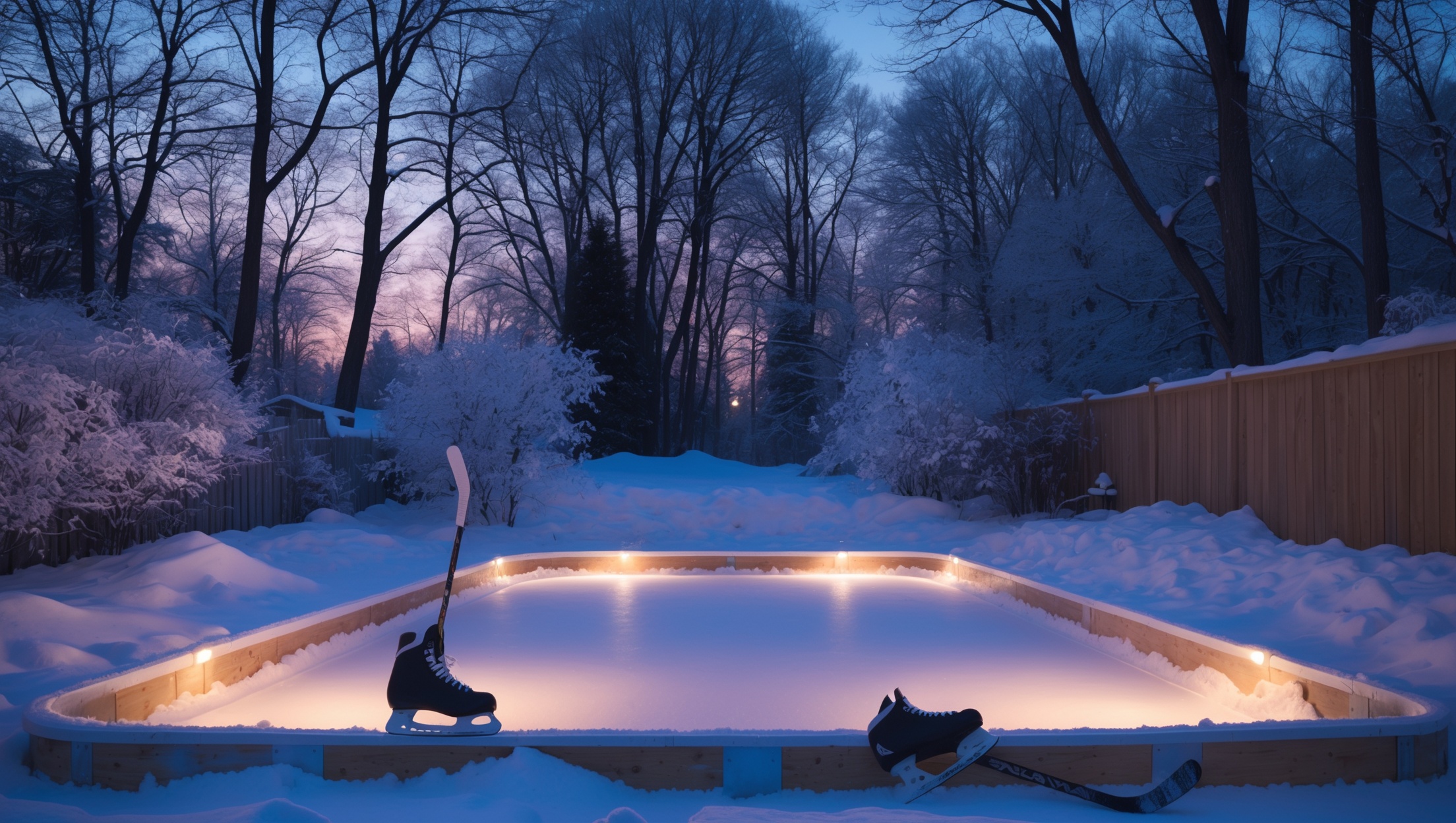
Introduction: Why Safety Matters for Backyard Ice Rinks
Building a backyard ice rink is a dream come true for winter enthusiasts. Whether you’re aiming for family-friendly skating, neighborhood hockey games, or simply enjoying the crisp air, a DIY rink offers fun, fitness, and togetherness. But transforming your yard into a frozen playground isn’t as simple as flooding the lawn and waiting for the cold. Without careful planning and attention to safety, what should be a joyful project can quickly turn risky. Every year, avoidable injuries and property damage result from overlooked hazards—thin ice, improper materials, trip hazards, and insufficient maintenance, just to name a few. This comprehensive checklist is designed for every home rink builder, from first-timers to seasoned ice architects. By following these expert guidelines, you’ll protect your family, guests, and investment while maximizing the fun all season long. Let’s glide into the details that make a backyard rink safe, sturdy, and sensational.
1. Choosing the Right Location
1.1 Flatness and Drainage
Start with a flat area—uneven ground leads to dangerously thin ice and unpredictable melt patterns. Use a long carpenter’s level, string line, or laser level to identify the flattest spot. If your yard is sloped, plan for extra framing and water to compensate, but don’t attempt to build where the slope exceeds 6 inches over the rink’s length.
- Pick a spot at least 10 feet away from your house or major landscaping to avoid flooding issues in spring.
- Avoid areas beneath trees to minimize falling branches and excess leaf litter, which can melt or weaken ice.
- Ensure the site drains away from buildings to prevent water damage during thaw.
1.2 Underground Hazards
Before digging or staking, call your local utility locator. Mark any underground cables, pipes, or irrigation lines. Hitting one can cause serious harm or service interruption.
2. Safe Materials and Construction
2.1 Framing Your Rink
Use untreated, straight 2×6 or 2×8 lumber for rink boards. Treated wood can leach chemicals into your lawn when water seeps through. Avoid particle board or old pallets—these absorb water, rot, and splinter dangerously as they freeze and thaw.
- Secure boards with 12–18 inch metal or heavy-duty plastic stakes, hammered below the frost line.
- Round off sharp corners with a rasp or sandpaper to avoid cuts during falls.
- Check all boards for protruding nails or screws before use.
2.2 Liner Selection
Choose a white or clear plastic liner, 6 mils thick or more. Black or dark colors absorb sunlight and create soft spots. Never use tarps or woven plastics—they leak and tear easily. Ensure the liner extends at least 12 inches beyond the boards to allow for water expansion and shifting.
2.3 Assembly Precautions
Wear heavy-duty gloves and boots during construction. Use a cordless drill with a clutch to prevent overdriving screws. Inspect tools before use—broken handles and dull blades are common causes of accidents.
3. Weather Readiness and Flooding Safely
3.1 Timing the Flood
Wait until consistent nighttime temperatures are below 20°F (-6°C) for several days before flooding. Early flooding leads to slushy or cracked ice—hard to repair and dangerous to skate on.
- Flood in the evening for slow, even freezing.
- Flood in thin layers (1–2 inches at a time) to avoid air pockets in the ice.
3.2 Hose and Water Safety
Only use hoses rated for cold weather to prevent bursting. Lay hoses flat after use to avoid trip hazards, and drain them to prevent ice blockages. Never leave hoses unattended while flooding—overflow can cause icy patches on walkways and driveways.
4. Ice Surface Maintenance for Safety
4.1 Routine Checks
Inspect the ice daily, especially after heavy use or temperature swings. Look for:
- Cracks wider than a quarter inch—these can catch skate blades and cause falls.
- Thin spots (less than 3 inches thick)—mark and repair before allowing skating.
- Debris (sticks, leaves, toys)—remove to prevent melting and tripping.
4.2 Resurfacing Best Practices
After shoveling, use a resurfacer (homemade or commercial) to apply a thin layer of hot water. This fills in gouges and restores a smooth surface. Do not use boiling water; 140°F (60°C) is ideal. Always wear insulated gloves when handling hot water.
4.3 Post-Storm Cleanup
Clear snow within 24 hours to prevent it bonding with the ice, which causes rough patches and deep ruts. Use plastic shovels or snow blowers with rubber blades—metal shovels can gouge the surface and damage the liner.
5. Perimeter and Lighting Safety
5.1 Barrier Protection
If your rink borders hard surfaces (patios, rocks), add foam pool noodles or commercial rink bumpers to the boards. This cushions falls and prevents injuries. For young children, consider temporary fencing or mesh netting around the rink perimeter.
5.2 Lighting the Rink
Good lighting is critical for evening skating. Use weatherproof LED string lights, mounted at least 8 feet above the ice. Avoid extension cords on or near the rink—use outdoor-rated cords, and secure them away from walkways. Solar-powered stake lights can mark the rink boundary for added safety and ambiance.
6. Personal Safety Gear and Skater Guidelines
6.1 Helmets and Padding
Insist on helmets for all skaters, regardless of age or skill. Hockey, skateboard, or ski helmets are all suitable. For beginners and young children, add knee and elbow pads. Gloves are essential to prevent frostbite and cushion falls.
6.2 Skate Fit and Maintenance
Ensure skates are sharp and fit snugly—loose or dull skates increase the risk of falls and twisted ankles. Perform a visual check for broken laces, cracked boots, or loose blades before each session.
6.3 Rink Rules for Safe Play
- Set clear rules: no roughhousing, no food or drink on the ice, and no unsupervised skating for children under 12.
- Limit the rink’s maximum capacity based on size—overcrowding leads to collisions.
- Keep a first aid kit and emergency contacts near the rink.
7. Injury Prevention and Emergency Readiness
7.1 Slip and Fall Protocols
Place non-slip mats at entry/exit points to prevent slips when stepping on or off the ice. Regularly clear access paths of snow and ice. Apply pet-safe, plant-friendly ice melt to walkways—not on the rink surface.
7.2 Emergency Supplies
- Stock a waterproof first aid kit with bandages, instant cold packs, and antiseptic wipes.
- Keep a charged cell phone in a weatherproof pouch for emergencies.
- If your rink is large or deep, display a safety pole or rope for rescues.
7.3 Supervision Protocols
Assign an adult supervisor for group skates. Set regular check-ins if children are playing, and establish a signal (whistle or bell) for breaks or emergencies.
8. End-of-Season Safety and Takedown
8.1 Thaw Planning
Monitor daytime temperatures as spring nears. Block off the rink when the ice softens to prevent breakthrough accidents. Place warning signs or tape if necessary.
8.2 Safe Water Disposal
Direct meltwater away from buildings and neighbors’ yards. Avoid draining onto public sidewalks or roads, where refreezing can create dangerous black ice. Use a sump pump if needed to control the flow.
8.3 Dismantling the Rink
- Wear waterproof boots and gloves to avoid cold burns from lingering ice.
- Fold and dispose of the liner properly—do not leave it on the lawn, as trapped moisture kills grass.
- Inspect boards and stakes for rust or rot before storing for next year.
Conclusion: Skating Safely All Season Long
A backyard ice rink is more than a winter pastime—it’s a centerpiece for connection, exercise, and cherished memories. But safety is the invisible foundation that supports every stride and slapshot. By systematically addressing site selection, materials, weather monitoring, rink maintenance, lighting, personal protective gear, and emergency preparedness, you create a space where laughter replaces worry and every skater—novice or pro—can glide with confidence. Don’t let preventable injuries, property damage, or insurance surprises cast a shadow over your season. Review this checklist before you build, revisit it as you maintain, and share it with every guest who ties on their skates. With these expert strategies in place, your backyard rink will deliver endless winter joy—safe, smooth, and spectacular. Here’s to crisp nights, clear ice, and happy, healthy skating for all!
I see you recommend not building the rink where the slope exceeds 6 inches over its length. If I have a spot with a 7-inch slope, is it still possible to build a safe rink by adjusting the framing, or should I look for another location?
It is possible to build a rink on a 7-inch slope if you reinforce the framing to handle the extra water depth and pressure on the low side. Use sturdy boards and strong supports to prevent bowing or leaks. However, it will take more effort and materials, so if you have a flatter area available, it would be easier and safer.
I see you mention using a carpenter’s level or laser level to find a flat spot, but what if my yard is just slightly uneven in a few places? Is there a safe way to level things out without having to do major landscaping?
If your yard is just slightly uneven, you can safely level things out by building up the low spots with additional layers of packed snow or by placing sandbags or foam boards under the liner. This helps create a reasonably even surface without major landscaping. Just make sure the liner stays supported to avoid water escaping.
The article mentions calling the local utility locator before staking the rink, but how far in advance should this be done, and do most utility companies respond quickly during winter months?
It’s best to contact your local utility locator at least a few days to a week before you plan to start staking your rink. Response times can vary, but most utility companies aim to mark lines within 2–5 business days, even in winter. Scheduling ahead ensures you get the markings done in time and avoid any delays.
For yards with more than a 6-inch slope over the length of the rink, do you have any safe construction tips or would you just advise against building in those conditions altogether?
Building a backyard ice rink on a slope greater than 6 inches is challenging but possible with extra precautions. You’ll need to use stronger, reinforced boards on the lower side, sturdy bracing, and fill the low end with more water. Double-check the stability and consider consulting a contractor if unsure. Prioritize safety and never exceed the limits of your materials.
The article mentions avoiding areas with more than a 6-inch slope for the rink. If my only available space has about an 8-inch slope over the length, are there recommended ways to safely adjust the framing, or should I reconsider entirely?
Building on an 8-inch slope can work, but it does require extra planning. You’ll need to make the uphill side of your rink frame higher to compensate for the slope, using sturdy boards and additional bracing to handle the increased water pressure. Make sure the frame is very secure and that the liner fits snugly. However, if the slope is too steep or safety is a concern, it may be better to reconsider the location.
You mention avoiding areas near trees because of falling branches and debris. If my best flat spot is close to a tree, are there any tips to safely use that area or is it a total no-go?
If your flattest spot is near a tree, you can still set up your rink with extra precautions. Regularly check the tree for loose or dead branches and trim them if possible. Clear debris from the ice daily to prevent damage and accidents. Consider installing netting or a tarp above the rink to catch small branches or leaves. While not ideal, with vigilance you can make it work more safely.
How important is it to check for underground utilities if I’m only staking shallow boards for the rink frame, rather than digging deep? Have you ever run into issues with irrigation lines or cable wires when setting up your own rink?
Even if you’re only staking shallow boards, it’s still important to check for underground utilities. Irrigation lines and low-voltage cables can be surprisingly close to the surface, and hitting them can cause costly damage. While I haven’t had issues myself, I’ve heard from others who accidentally pierced sprinkler lines. It’s always safest to call your local utility marking service before you start.