
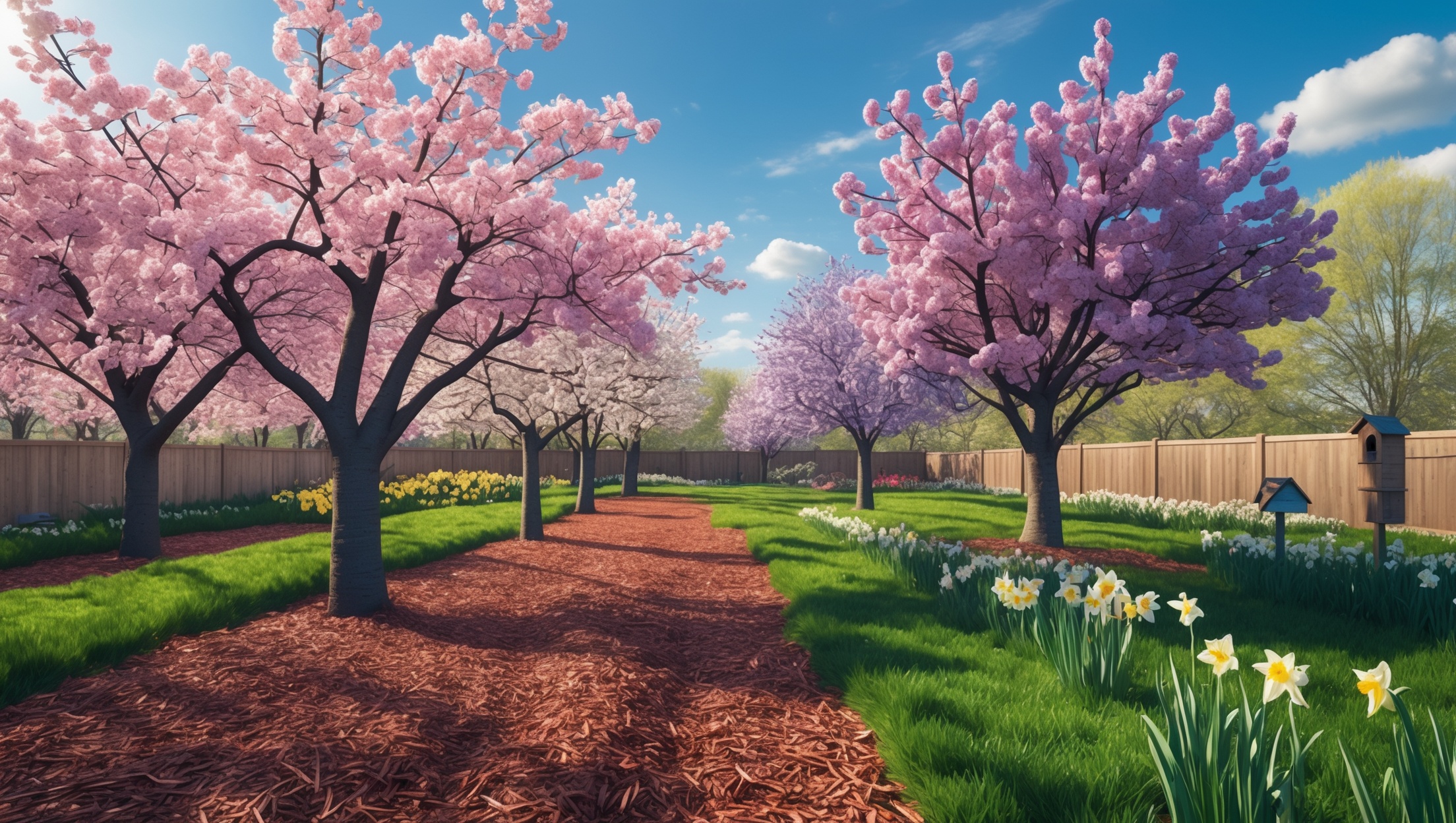
Introduction: Why Seasonal Care Matters in Your Backyard Orchard
Establishing a backyard orchard is a rewarding project, but long-term success depends on attentive, year-round care. Fruit trees are living investments that transition through different stages each season—each requiring its own set of tasks. Neglecting winter pruning, missing spring pest checks, or failing to irrigate during summer can all impact your harvest for years to come. This comprehensive seasonal checklist is designed for home orchardists looking to foster healthy, productive trees whether you grow apples, pears, plums, peaches, cherries, or a mix. You’ll learn essential timing for pruning, pest management, fertilization, irrigation, thinning, and more. With detailed, practical instructions for every season, you’ll be equipped to maximize fruit quality, prevent disease, and keep your backyard orchard thriving year after year.
Winter: Dormant Season Care
Pruning: The Foundation of Tree Health
Winter, while your trees are dormant, is the best time to shape and invigorate your orchard. Pruning during dormancy minimizes disease risk and encourages strong spring growth. Here’s what to focus on:
- Remove dead, diseased, or damaged wood: Cut back to healthy tissue using clean, sharp pruners.
- Thin crowded branches: Remove crossing limbs to improve sunlight penetration and air circulation.
- Shape young trees: Establish a central leader or open-center structure, depending on species (central leader for apples/pears, open-center for stone fruits).
- Sanitize tools between trees to avoid spreading pathogens.
Winter Cleanup & Disease Prevention
- Rake up old leaves and fruit: Remove debris harboring overwintering pests and diseases.
- Apply dormant oil spray: Target overwintering insects like aphids, scale, and mites.
- Inspect trunks for damage from rodents or frost cracks. Protect with tree guards if needed.
Soil and Mulch Management
- Top up mulch: Maintain a 2–4-inch layer, keeping it a few inches from trunks to prevent rot. Mulch moderates soil temperature and suppresses weeds.
- Test soil pH and add amendments as needed. Most fruit trees prefer slightly acidic to neutral soils (pH 6.0–7.0).
Spring: Awakening and Early Growth
Bud Break to Bloom: Key Tasks
- Remove winter protection (guards, wraps) once frost danger passes.
- Inspect for bud damage from late frosts; prune out blackened buds.
- Fertilize: Apply a balanced, slow-release fertilizer or compost before bloom. Avoid nitrogen excess, which can encourage leaf growth at the expense of fruiting.
Pest and Disease Monitoring
- Hang pheromone traps for codling moths, plum curculio, and other pests.
- Scout weekly for signs of aphids, mites, scale, and fungal disease (blossom blight, leaf curl).
- Apply fungicides or horticultural oils as needed, following label timing for your specific trees.
Early Irrigation and Mulching
- Begin irrigation if rainfall is insufficient (less than 1 inch/week).
- Check existing mulch for compaction and replenish as needed.
Pollination Support
- Encourage pollinators by planting early-blooming flowers around the orchard.
- Install bee houses or avoid broad-spectrum insecticides during bloom to protect beneficial insects.
Summer: Growth, Thinning, and Pest Control
Fruit Thinning
Once fruitlets reach marble-size, thin clusters to prevent branch breakage and improve fruit quality. Guidelines:
- Apples and pears: Leave one fruit per cluster, spaced 6 inches apart.
- Stone fruits (peaches, plums, apricots): Space fruit 4–6 inches apart on branches.
Use clean hands or snips, and remove damaged or misshapen fruit first.
Watering and Mulch Maintenance
- Monitor soil moisture: Deep water once or twice a week. Avoid frequent shallow watering.
- Check mulch: Keep mulch thick to reduce evaporation and suppress weeds. Pull mulch back from the trunk after heavy rains.
Pest and Disease Vigilance
- Continue weekly scouting for insect pests and fungal diseases.
- Remove and destroy infected fruit or leaves immediately.
- Reapply pest controls as needed, especially after heavy rain.
Summer Pruning
- Pinch back water sprouts (vigorous upright shoots) to reduce shading and promote air circulation.
- Remove suckers from rootstocks beneath the graft union.
Harvest Preparation
- Set up bird netting if needed to protect ripening fruit.
- Clean and prepare harvest equipment (baskets, pruners, ladders).
Fall: Harvest and Post-Harvest Tasks
Efficient Harvesting Techniques
- Pick fruit at peak ripeness: Check for color, firmness, and ease of removal.
- Harvest in the morning when fruit is cool and firm.
- Handle fruit gently to avoid bruising and extend storage life.
Post-Harvest Orchard Care
- Collect and remove all fallen fruit to break pest and disease cycles.
- Lightly prune broken or diseased branches, but save heavy pruning for winter.
- Clean up debris and old mulch: Compost or dispose of diseased material away from the orchard.
Soil and Tree Preparation for Dormancy
- Apply compost or organic mulch around trees to nourish roots and protect against winter temperature swings.
- Water deeply before the first frost if autumn is dry, to help trees enter winter well-hydrated.
Integrated Pest and Disease Management: Year-Round Strategies
Regular Monitoring
Walk your orchard weekly, noting any changes in leaf color, fruit development, or pest presence. Early detection is the key to managing issues before they spread.
Encouraging Beneficial Insects
- Plant pollinator strips and flowering cover crops.
- Install insect hotels for predatory beetles and solitary bees.
Sanitation Practices
- Remove mummified fruit and pruned branches from the site.
- Disinfect pruning tools between uses.
Record Keeping: Your Secret Weapon
Maintain a simple orchard journal or use a gardening app to track:
- Dates of pruning, fertilizing, and spraying
- Pest and disease observations
- Harvest yields and timing
- Weather conditions and irrigation schedules
These records help you identify trends and improve your orchard’s management year after year.
Conclusion: Consistency Brings Orchard Success
Maintaining a healthy backyard orchard is not about perfection—it’s about consistent, attentive care through the seasons. By following this detailed checklist, you’ll anticipate your trees’ needs before problems arise, reducing disease risk, improving fruit quality, and extending the productive life of your orchard. From pruning in the crisp winter air to harvesting plump fruit in the golden days of fall, each task builds on the last. Remember that no two years are exactly alike; weather, pest pressure, and tree maturity will change your to-do list over time. Stay observant, adapt your practices, and enjoy the rhythm of orchard life. Whether you’re savoring your first homegrown apple or sharing baskets of peaches with friends, the rewards are many—and the foundation is laid with year-round care. With this checklist as your guide, your backyard orchard can become a legacy of flavor, beauty, and abundance for years to come.
When applying dormant oil sprays for overwintering pests like aphids and scale, are there any weather conditions or temperature thresholds I should watch for to avoid hurting the trees or reducing effectiveness?
Yes, it’s important to apply dormant oil sprays when temperatures are above freezing, ideally between 40°F and 70°F, and when no rain or frost is expected for at least 24 hours. Avoid spraying during extreme cold, heat, or windy conditions, as these can harm your trees or reduce the oil’s effectiveness.
For winter pruning, how do I decide between a central leader and an open-center structure if I have a mix of young apples and peaches? Is there a guide to help choose the best shape for each tree type?
For your backyard orchard, apples usually do best with a central leader structure, which encourages strong upward growth and a balanced framework. Peaches, on the other hand, thrive with an open-center (vase-shaped) form that lets in plenty of sunlight and air. Most pruning guides recommend these shapes for each tree type. When pruning this winter, consider the natural growth habits of each species and follow those guidelines for healthiest results.
When applying dormant oil spray in winter, is there a particular temperature range or weather condition I should be concerned about to ensure it works effectively and doesn’t harm the trees?
When using dormant oil spray in winter, aim for temperatures above 40°F (4°C) and avoid spraying if a freeze is expected within 24 hours. Also, choose a calm, dry day with no rain in the forecast so the oil has time to dry and cover the branches effectively.
You described applying dormant oil spray in winter to control pests like aphids and scale. Are there certain fruit trees where dormant oil is not recommended, or is it safe to use on all types in a mixed backyard orchard?
Dormant oil spray is generally safe for most common fruit trees, such as apples, pears, and plums. However, some trees like certain varieties of walnuts or evergreens may be sensitive. Always check the product label and avoid spraying on trees that are stressed or showing new growth. Testing on a small area first is a good idea when dealing with mixed orchards.
You mention using dormant oil spray in winter for pest control. Is it safe to use on all varieties of fruit trees, or are there certain species or ages I should avoid treating?
Dormant oil spray is generally safe for most fruit trees during their dormant period, but it’s best to avoid using it on very young or newly planted trees, as they can be more sensitive. Also, some varieties like walnuts or certain evergreens may not tolerate it well. Always check the label for specific tree restrictions and do a patch test if unsure.