
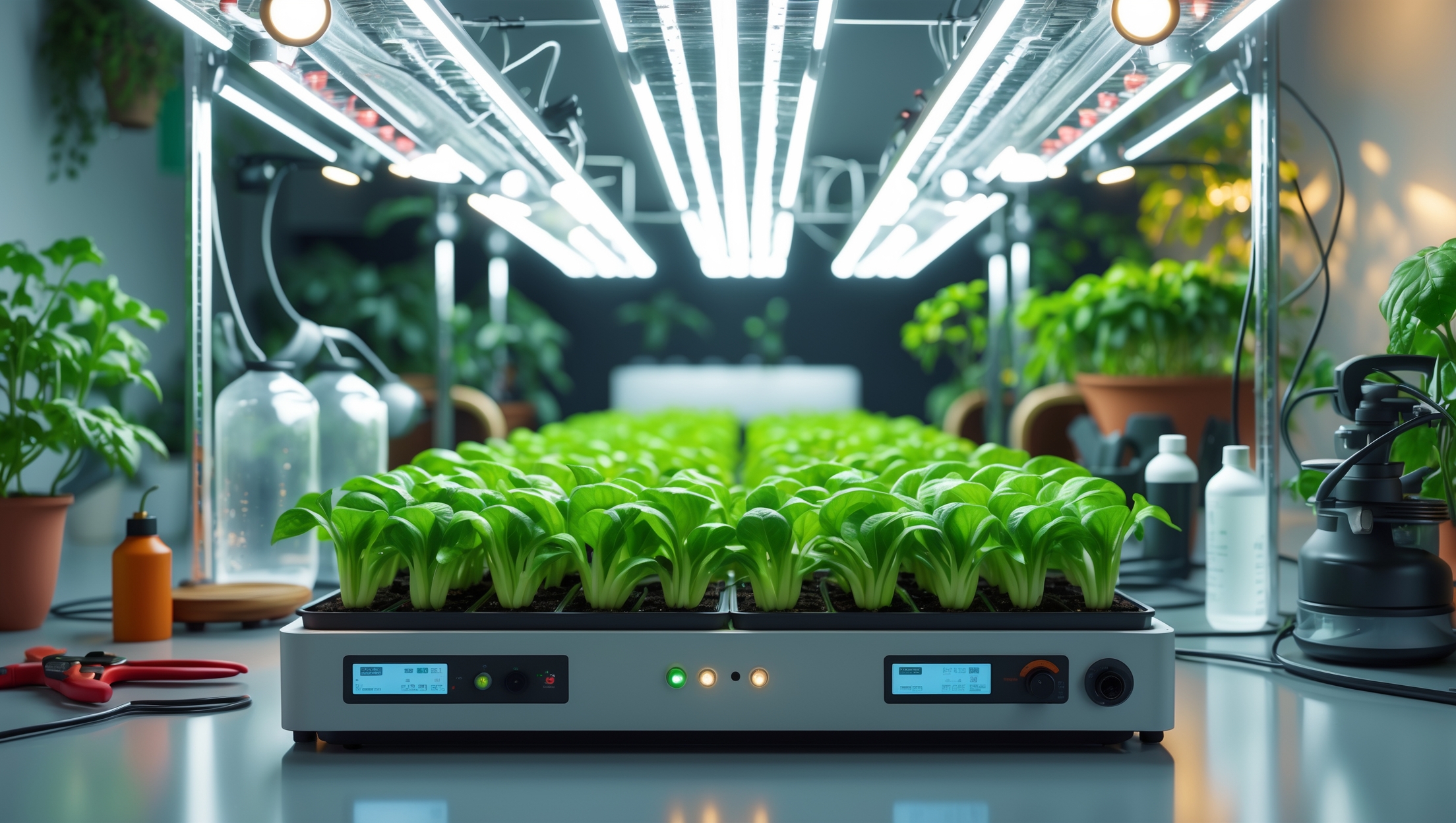
Introduction: Why the Right Tools Matter in Home Hydroponics
Hydroponic gardening at home offers an exciting way to grow fresh produce year-round, regardless of climate, soil conditions, or outdoor space. Whether you’re cultivating crisp lettuce in a spare room or nurturing fragrant herbs in a kitchen corner, the success of your hydroponic system hinges on more than just seeds and water. The right tools and equipment transform hydroponics from a finicky science experiment into a reliable, productive hobby. Missteps in equipment choices can lead to poor yields, sickly plants, or even system failures. On the other hand, investing in the right gear streamlines setup, reduces maintenance headaches, and ensures healthy, bountiful harvests. This comprehensive guide covers every tool and piece of equipment you’ll need for a thriving home hydroponic garden, from basic must-haves to smart upgrades. Whether you’re a beginner or scaling up your setup, read on to make informed choices and set yourself up for gardening success.
Understanding Hydroponic Systems: Choosing the Right Foundation
Popular Home Hydroponic System Types
- Deep Water Culture (DWC): Plants sit in a nutrient-rich solution with roots submerged and air stones providing oxygen.
- Nutrient Film Technique (NFT): A thin film of nutrient solution flows over plant roots in a sloped channel.
- Ebb and Flow (Flood and Drain): Periodically floods plant beds with nutrient solution, then drains it away.
- Wick System: Nutrient solution is drawn up to plant roots via absorbent wicks—simple, low-tech, and beginner-friendly.
- Drip System: Delivers nutrient solution directly to plant bases through tubing and emitters—great for larger or mixed plantings.
Before purchasing tools, understand your preferred system’s requirements. Each has unique needs for pumps, reservoirs, and monitoring equipment.
Essential Equipment for Every Home Hydroponic Gardener
1. Grow Lights
Sunlight is rarely sufficient for robust indoor hydroponics, especially in winter or apartments. Quality grow lights are crucial for healthy, fast-growing plants.
- LED Grow Lights: Energy-efficient, with customizable spectrums for different plant stages. Look for models with full-spectrum output and adjustable intensity.
- Fluorescent Lights (T5 or CFL): Affordable and effective for leafy greens and seedlings, but less intense than LEDs.
- High-Intensity Discharge (HID) Lights: (Metal halide or high-pressure sodium) Powerful but produce more heat—best for large or well-ventilated setups.
2. Hydroponic Reservoirs
Reservoirs hold your nutrient solution. Material, volume, and shape matter:
- Material: Food-grade plastic is best. Avoid containers that might leach chemicals.
- Size: Larger reservoirs are more stable and require less frequent refilling. Match volume to your plant load.
- Lightproofing: Opaque reservoirs prevent algae growth. Consider painting or wrapping clear containers if needed.
3. Water and Air Pumps
- Water Pumps: Move nutrient solution in recirculating systems (NFT, drip, ebb and flow). Look for adjustable flow rates and reliable brands.
- Air Pumps and Air Stones: Essential for DWC systems to oxygenate water and promote healthy roots. Choose a pump rated for your reservoir size, and replace air stones periodically.
4. Net Pots and Growing Mediums
- Net Pots: Hold plants above the reservoir, allowing roots to access water and oxygen. Match pot size to plant type.
- Growing Mediums: Common options include expanded clay pellets (Hydroton), rockwool cubes, coco coir, and perlite. Each offers different water retention and aeration properties.
5. Nutrient Solution and Dosing Equipment
- Hydroponic Nutrients: Purchase balanced, water-soluble formulas designed for hydroponics. Choose blends for leafy greens, fruiting plants, or general use as needed.
- Mixing Containers: Use dedicated, food-safe buckets or pitchers for mixing and diluting nutrients.
- Syringes, Measuring Cups, or Pipettes: Ensure accurate dosing. Label them for garden use only.
6. pH and EC/TDS Meters
- pH Meter: Accurate pH is critical—most hydroponic plants thrive between 5.5 and 6.5. Digital meters are faster and more reliable than test strips.
- EC/TDS Meter: Measures electrical conductivity/total dissolved solids, indicating nutrient strength. Prevents underfeeding or nutrient burn.
7. Timers and Controllers
Automate light cycles, pump operation, and climate control with:
- Digital Timers: Control lights and pumps with precision.
- Environmental Controllers: Advanced systems monitor and adjust temperature, humidity, and CO2 for optimal growth.
8. Support Structures
- Plant Supports: Stakes, trellises, or netting prevent top-heavy plants from tipping or tangling.
- System Racks or Shelves: Maximize vertical space, especially for small rooms or apartment setups.
Upgrades and Accessories: Taking Your Hydroponic Garden to the Next Level
Climate Control
- Fans and Ventilation: Prevents overheating and encourages strong stems. Oscillating fans distribute air evenly.
- Humidifiers/Dehumidifiers: Maintain ideal humidity (40–60% for most crops). Crucial in dry or damp climates.
- Thermometers and Hygrometers: Monitor temperature and humidity at plant level, not just room level.
Water Filtration and Purification
- Reverse Osmosis (RO) Systems: Remove impurities and minerals, providing a clean baseline for nutrient mixing. Especially useful in areas with hard or contaminated tap water.
- Inline Filters: Simple sediment or carbon filters can improve water quality and reduce system clogging.
Backup and Safety Equipment
- Uninterruptible Power Supplies (UPS): Protect against outages—vital for preventing pump or light failures.
- Overflow Alarms and Water Sensors: Avoid costly leaks or spills by catching problems early.
Sanitation and Maintenance Tools
- Cleaning Brushes and Sponges: Keep reservoirs, tubing, and grow trays free from algae and biofilm.
- Hydrogen Peroxide or Food-Safe Disinfectant: Regularly sterilize system parts to prevent root diseases.
- Pruning Shears: Keep plants tidy and remove unhealthy growth.
- Labels and Markers: Track plant varieties and planting dates.
Shopping List: Starter Kit for Home Hydroponics
For a basic DWC or Kratky system, here’s a practical starter kit:
- LED grow light (adjustable, full-spectrum)
- Food-grade, opaque reservoir (10–20 gallons for small setups)
- Air pump and air stone (sized for reservoir volume)
- Net pots (3-4 inch)
- Expanded clay pellets or rockwool cubes
- Hydroponic nutrient solution
- pH meter and calibration solution
- EC/TDS meter
- Measuring syringes or pipettes
- Digital timer for lights
- Oscillating fan (optional for airflow)
- Plant support stakes or netting
- Basic cleaning supplies
Many hydroponic stores and online retailers offer beginner bundles, but always check components for quality and compatibility with your intended system size.
Maintenance Tools: Keeping Your System Running Smoothly
Regular Cleaning and Sterilization
- Dedicated scrub brushes for reservoirs and tubing
- Spray bottles for diluted hydrogen peroxide or disinfectant
- Disposable gloves to prevent contamination
Routine Monitoring
- Calibration solutions for pH and EC meters (monthly use)
- Replacement air stones and tubing (swap every 6–12 months)
- Testing logs or apps to track pH, EC, and plant health over time
Spare Parts Inventory
- Extra tubing (fit for your pumps and connectors)
- Backup water and air pumps (especially for larger systems)
- Fuses or surge protectors for electrical gear
Tips for Selecting Quality Hydroponic Equipment
- Buy from reputable suppliers: Avoid cheap, off-brand gear—especially for pumps and meters, which can fail or yield inaccurate readings.
- Check compatibility: Ensure fittings, tubing sizes, and electrical requirements match your system.
- Read reviews and join online forums: Fellow growers can recommend reliable brands and flag common problems.
- Prioritize scalability: If you plan to expand, select modular systems or gear that can grow with your ambitions.
- Invest in spare parts: Downtime due to a broken pump or bulb can ruin crops—have backups on hand for mission-critical items.
Optimizing Your Setup: Layout, Ergonomics, and Workflow
Smart Space Planning
- Arrange reservoirs and grow trays for easy access—avoid stretching or lifting heavy containers unnecessarily.
- Group tools and supplies in labeled bins or shelves nearby for quick maintenance and mixing.
- Use waterproof mats or trays underneath the system to catch spills and simplify cleanup.
Efficient Workflow
- Set up a dedicated mixing station for nutrients, away from living areas or food prep zones.
- Use color-coded labels or tape to distinguish water and nutrient lines, reducing mistakes during refills.
- Automate as much as possible with timers—consistency leads to healthier plants and fewer surprises.
Common Equipment Mistakes and How to Avoid Them
- Underpowered lighting: Leads to weak, leggy plants. Match wattage and spectrum to crop type and area size.
- Skipping pH/EC meters: Guesswork causes nutrient deficiencies or toxicities. Invest in reliable meters from the start.
- Poor water quality: High chlorine or mineral content can stunt growth. Use filtered or RO water if in doubt.
- Ignoring maintenance schedules: Neglected pumps and dirty reservoirs breed pathogens. Set calendar reminders for cleaning and inspection.
- Improper system scaling: Overloading a small pump or reservoir leads to failures. Always size components for your current and future plant load.
Conclusion: Investing in Hydroponic Success
Home hydroponic gardening is a rewarding pursuit that puts fresh, healthy produce within arm’s reach—no matter your living situation. Yet, success is never accidental. The right tools and equipment are the bedrock of a thriving indoor garden. They give you control, consistency, and peace of mind, empowering you to focus on plant care rather than troubleshooting recurring problems. As with any worthwhile hobby, a little research and investment upfront will save you countless headaches and expenses down the road. Start with the essentials: robust grow lights, reliable pumps, accurate meters, and food-safe reservoirs. Add helpful upgrades as your confidence and ambitions grow. Don’t skimp on maintenance tools and always keep backups for mission-critical gear. Remember, hydroponics is both science and art—your toolkit is your palette. With the right equipment and a dash of curiosity, you’ll be harvesting lush, flavorful crops year-round, all from the comfort of your home. Happy growing!
I mostly have a small kitchen corner to grow herbs. Based on the article, would a wick system be the most practical for me, or is there another setup you’d recommend that won’t take up too much space or need lots of equipment?
A wick system is a great choice for a small kitchen corner because it’s compact and low-maintenance, needing minimal equipment. Alternatively, you might also consider a Kratky setup, which is another passive system that’s simple and space-saving. Both are ideal for growing herbs in tight spaces.
If I’m on a tight budget, which essential tools should I prioritize first when setting up an indoor hydroponic garden, and which ones can I reasonably try to upgrade later after I get started?
Focus first on getting quality grow lights, a basic nutrient solution, and a reliable water pump or air stone—these are crucial for healthy plant growth. You can start with simple containers or DIY systems for holding plants and upgrade to more advanced setups, timers, or monitoring meters as your budget allows.
Is there a particular type of grow light that works better for leafy greens in small apartment setups, or can most models listed work for any crop in those conditions?
For leafy greens in small apartment setups, LED grow lights with a full spectrum or those specifically marked for leafy vegetables are ideal. They provide the right light intensity and spectrum without generating much heat. Most of the models listed should work, but prioritize adjustable, energy-efficient LEDs for the best results with leafy greens.
I noticed you mention that equipment choices are really important to avoid system failures. What specific mistakes do beginners usually make when picking pumps or monitoring gear for home hydroponics?
Beginners often pick pumps that are too weak or too powerful for their system, leading to poor water flow or wasted energy. With monitoring gear, a common mistake is buying cheap, inaccurate pH or EC meters. Investing in reliable, appropriately sized equipment helps avoid these issues and supports healthy plant growth.
For someone just getting started with a basic deep water culture system at home, which tools are truly essential versus nice-to-have upgrades? I don’t want to overinvest before I know I’ll stick with it.
To start a basic deep water culture system, you’ll need a reservoir or bucket, an air pump with air stones, net pots, growing medium (like clay pellets), and a pH test kit. Nutrients are also essential. Extras like water chillers, automated timers, or TDS meters are helpful upgrades but not necessary for beginners.
I see grow lights are listed as essential, but is there a big difference in yield or maintenance between using LED grow lights versus fluorescent ones for a small home system? Any recommendations on what works best for herbs or leafy greens indoors?
LED grow lights generally offer higher energy efficiency, longer lifespan, and less heat output compared to fluorescent lights. For small home systems, LEDs tend to provide better yields, especially for herbs and leafy greens, and require less maintenance. Full-spectrum LEDs are typically the best choice for indoor growing, as they closely mimic natural sunlight.
The article mentions smart upgrades for hydroponic setups—are there specific monitoring devices or automation tools you’d recommend that don’t break the bank but still really help with peace of mind?
Affordable options like WiFi-connected hygrometers, digital pH and TDS meters, and basic smart plugs for lights or pumps can make a big difference. Brands such as Inkbird and Govee offer reliable sensors and controllers that work with your smartphone for easy monitoring and alerts, helping you stay on top of your hydroponic system.
If I want to start small but eventually scale up my hydroponic garden, is there equipment you recommend buying from the start that works well for both basic and expanded setups?
Choosing modular equipment is your best bet. Start with adjustable LED grow lights, a timer, and a reliable pH and EC meter—these work for single or multiple plant setups. Consider a reservoir and pump that are slightly larger than you need now, so you can add more plants later without having to replace key parts.
I’m interested in starting with the wick system since it’s described as beginner-friendly. Are there specific tools or equipment you’d recommend for wick systems, or can most general hydroponic gear be used?
For a wick system, you’ll need a basic container or reservoir, wicking material (like cotton rope or felt), a growing tray, and a growing medium such as perlite or coco coir. Most general hydroponic gear works, but you won’t need pumps or timers. A simple pH test kit and nutrient solution are also helpful.
Could you explain a bit more about how to choose between Deep Water Culture and Nutrient Film Technique if I only have a small space available in my apartment?
If you have limited space, Deep Water Culture (DWC) is usually simpler to set up and takes up less room since plants grow in a shared reservoir. The Nutrient Film Technique (NFT) can be more compact horizontally, but it often requires more components like channels and a water pump, making it slightly more complex. For a small apartment, DWC is often the more straightforward and space-efficient option.
For a beginner who wants to try leafy greens, which hydroponic system would be the easiest and most affordable to set up at home based on the options you described?
For beginners growing leafy greens, a Kratky system is both easy and affordable to set up. It doesn’t require pumps or complex equipment—just containers, net pots, and nutrient solution. This makes it great for small spaces and anyone starting out with hydroponics at home.
For someone on a tight budget, which smart upgrades listed in the guide would you recommend prioritizing first for noticeable improvements in plant health and yield?
If you’re on a budget, consider prioritizing an automatic timer for your grow lights and a basic pH meter. An automatic timer helps ensure consistent lighting schedules, while a pH meter allows you to keep nutrient levels optimal—both have a big impact on plant health and yield without a high upfront cost.
I’m torn between the NFT and Ebb and Flow systems mentioned in the guide—are there major differences in the types of pumps or monitoring tools I’ll need for each?
Yes, there are some notable differences. NFT systems need a continuous, low-flow water pump to keep the nutrient film moving, along with a way to monitor water flow and nutrient levels. Ebb and Flow systems require a timer-controlled pump for periodic flooding and draining, so you’ll also need a reliable timer. Both benefit from water quality and pH monitors, but the NFT system requires more consistent flow monitoring.
If I want to scale up from a small Deep Water Culture setup to a bigger Ebb and Flow system, do I need to replace most of my growing equipment or are there some tools I can reuse between both systems?
You can definitely reuse some of your current equipment. Items like pH and EC meters, grow lights, air pumps, timers, and nutrients will work for both Deep Water Culture and Ebb and Flow systems. However, you’ll need new components like a water pump, flood tray, and possibly different containers to accommodate the Ebb and Flow setup.
You mention the importance of monitoring equipment for different hydroponic setups—could you give recommendations on essential monitoring tools for someone who wants to avoid plant health issues right from the start?
To keep your hydroponic garden healthy from the beginning, consider investing in a reliable pH meter, an EC (electrical conductivity) or TDS (total dissolved solids) meter for nutrient levels, and a thermometer/hygrometer to monitor temperature and humidity. These tools help you quickly catch nutrient imbalances or environmental issues before they affect your plants.
If my kitchen gets some sunlight, do I really need to invest in grow lights, or will natural light work for certain hydroponic systems like the wick setup?
If your kitchen gets several hours of bright, direct sunlight each day, you can often grow certain herbs and leafy greens in a wick hydroponic system without grow lights. However, if the light is limited or indirect, your plants might not thrive. In that case, a small grow light could help ensure healthy growth, especially during winter or in shaded spots.
You mention that the right equipment can help avoid system failures. What are some common mistakes people make when choosing their initial hydroponic gear, and how can they prevent those problems?
Common mistakes include choosing pumps or lights that are too weak for the plant type, skipping pH and nutrient meters, or overlooking proper water reservoirs. To prevent problems, research your plant needs, invest in quality equipment with good reviews, and start with a complete starter kit if you’re new. Double-check compatibility and capacity before purchasing.
When you cover essential tools for home hydroponics, do you include items that help with water testing and monitoring? How important is it to get those right from the beginning if I’m on a tight budget?
Yes, the article includes water testing and monitoring tools as essentials for home hydroponics. Getting these tools early is very important, even on a budget, because accurate water quality is crucial for healthy plant growth. Consider starting with a simple pH and EC meter—they’re affordable and help prevent common problems.
For someone just getting started with deep water culture at home, how do I know if my air stones and pumps are powerful enough? The article mentions system failures, so I want to make sure I get it right from the start.
To check if your air stones and pumps are powerful enough, look for an air pump that provides at least 1 watt of power and about 1 liter per minute of airflow for every gallon of water. You should see plenty of small bubbles rising and the water should never feel stagnant. If you notice poor root growth or unpleasant smells, you might need a stronger pump or extra air stones.
I’m curious how much of an investment the essential gear for a small home hydroponic setup typically costs. Do you have recommendations on where to save and where to spend for someone just starting out?
For a small home hydroponic setup, you can expect to spend around $100–$300 to get started. It’s smart to invest more in a reliable grow light and quality nutrients, as these directly affect plant health. You can save by using basic containers and building your own system rather than buying a pre-made kit.
Can you suggest some budget-friendly options for essential gear like pumps and grow lights, especially for someone just starting with a simple wick or ebb and flow system at home?
For beginners using wick or ebb and flow systems, consider small aquarium air pumps and submersible water pumps—they’re affordable and reliable. For grow lights, LED shop lights or compact fluorescent bulbs are budget-friendly and work well for leafy greens and herbs. Focus on essentials; you can always upgrade as your setup grows.
How important are monitoring tools like pH meters for beginners, or can you manage with just the basics in the early stages of home hydroponics?
Monitoring tools like pH meters are very useful, even for beginners, because they help you keep your nutrient solution balanced, which is key to healthy plant growth. While you can start with just the basics, investing in a simple pH meter early on can save you from common problems and make learning easier.
If I’m just starting out with a small Wick System in my kitchen, which of the essential tools and equipment would you say are truly necessary right away, and which can I add later as I get more serious?
For a small Wick System in your kitchen, the essentials to start with are a suitable container, wicking material (like felt or cotton), a growing medium, hydroponic nutrient solution, and a basic pH test kit. Items like grow lights, timers, and more advanced meters can be added later if you decide to expand or optimize your setup.
When choosing between the different home hydroponic systems mentioned, do any of them have more maintenance or equipment headaches than others, especially if I want to scale up later on?
Some systems like deep water culture and wick systems are quite simple to maintain, making them good for beginners. However, systems like nutrient film technique (NFT) or aeroponics involve more moving parts—like pumps and timers—that can require extra upkeep and troubleshooting, especially when you expand your setup. If you want to scale up with less hassle, stick with modular systems that don’t rely on complex equipment.
If I’m starting with the basic tools you mentioned, how much should I expect to budget for the essential gear to set up a small hydroponic system indoors?
For a small indoor hydroponic setup using the essential tools listed, you can expect to spend between $100 and $250. This covers basics like a simple hydroponic kit, grow lights, pH and nutrient testers, starter nutrients, and growing medium. Costs can vary based on the size of your system and the quality of equipment you choose.
How much should a beginner budget for all the essential hydroponic gear listed, and are there any tools you suggest starting with if funds are tight?
For beginners, setting up a basic home hydroponic system can cost anywhere from $100 to $300, depending on system size and brand choices. If you’re on a tight budget, start with a simple Deep Water Culture kit, nutrient solution, pH test kit, and grow lights. You can add more advanced tools and accessories as you gain experience and funds.
For someone on a tight budget, which equipment items would you consider okay to invest less in upfront, and which ones are absolutely worth prioritizing for a basic indoor lettuce setup?
For a basic indoor lettuce setup on a budget, prioritize good-quality grow lights and a reliable water pump, as these directly impact plant health and growth. You can save money on containers, basic nutrients, pH test kits, and net pots by choosing more affordable options or DIY solutions.
Could you elaborate on how to choose the best grow lights for a small-scale deep water culture setup in a room with limited natural light?
For a small deep water culture setup in a low-light room, LED grow lights are an efficient choice since they use less energy and produce less heat. Choose full-spectrum LEDs that cover both blue and red wavelengths for balanced plant growth. Make sure the light’s coverage area matches your setup size, and look for adjustable intensity features so you can adapt as your plants grow.
I noticed you mentioned several types of hydroponic systems like DWC, NFT, and ebb and flow. For a small home business wanting to scale up later, which system is usually easiest to expand, and how does that affect the initial equipment choices?
Ebb and flow systems are usually the easiest to expand as your business grows. They’re modular, so you can add more trays or containers without a complete overhaul. Choosing a flexible pump and a slightly larger reservoir at the start makes later expansion smoother, saving you time and money down the line.
For someone just starting out with a home hydroponic garden, which of the system types listed here is usually the least expensive to set up, and are there any budget-friendly tool recommendations for beginners?
The article highlights that the Kratky method and simple Deep Water Culture (DWC) systems are typically the least expensive hydroponic setups for beginners. For tools, you can start with basic items like plastic tubs or buckets, net pots, an air pump, and a simple pH test kit. These options keep costs low while still giving you a solid introduction to hydroponic gardening.
For someone on a limited budget, which upgrades would you prioritize after getting the basic hydroponic setup running? Are there certain tools that make the biggest difference in yield or ease of maintenance?
Once your basic hydroponic system is up and running, the top upgrades to consider on a budget are a reliable pH and EC meter for accurate nutrient management, followed by a timer for your grow lights and pumps. These tools help maintain healthy plants, improve yields, and make daily maintenance much easier without a big investment.
How do I decide between a Deep Water Culture system and a Wick System if I don’t have a lot of space and want to start with just herbs in my kitchen?
For a small kitchen space and starting with herbs, a Wick System is usually simpler and more compact. It doesn’t require electricity or pumps, making it ideal for beginners. Deep Water Culture systems need more space and equipment. For ease and minimal maintenance, the Wick System is a great choice.
I want to avoid overcomplicating my setup—are there any common tools or accessories beginners tend to buy that actually aren’t essential for a basic home hydroponics system?
Many beginners think they need advanced pH controllers, elaborate timer systems, or specialty nutrient testers, but for a basic home hydroponics setup, these aren’t essential. Simple tools like a basic pH test kit, a nutrient solution, and standard grow lights are usually enough to get started. It’s best to start simple and only upgrade as needed.
When setting up a Deep Water Culture system at home, what are some common maintenance challenges with pumps and air stones, and how often should I plan to check or replace them to prevent system failures?
With Deep Water Culture systems, pumps and air stones can clog with mineral buildup or algae, reducing oxygen delivery to your plants. It’s wise to check them weekly for blockages or reduced airflow. Cleaning air stones every two to four weeks and replacing them every couple of months helps prevent failures. Also, ensure pumps are running smoothly and not overheating during each check.
I’m just starting out and not sure how to decide between a wick system and a deep water culture setup for my kitchen. Are there specific tools or equipment that make one easier for beginners?
A wick system is usually simpler for beginners since it doesn’t need pumps, air stones, or electricity—just a container, wicking material, and a nutrient solution. Deep water culture setups require an air pump, air stone, and regular monitoring. If you want easy setup and low maintenance, the wick system might be best to start with.
For beginners who are worried about maintenance headaches, which system type would you recommend based on reliability and ease of monitoring, and what specific gear should I prioritize to avoid common issues?
For beginners concerned about maintenance, a Deep Water Culture (DWC) system is a solid choice—it’s reliable and easy to monitor. Prioritize a quality air pump, air stones, water reservoir, pH and EC meters, and a timer. These items help maintain stable conditions and quickly alert you to any changes, minimizing common problems.
If I’m just starting out and want to try the wick system because it’s described as beginner-friendly, are there any specific mistakes or common equipment issues I should watch out for?
When starting with a wick system, make sure you use wicking material that stays moist but doesn’t rot, like nylon or cotton. Check that the reservoir isn’t too low, or the plants won’t get enough water. Also, avoid using a growing medium that’s too dense; it should let air reach the roots. Regularly inspect the wicks to make sure they aren’t clogged.
You mention that each hydroponic system type has unique needs for pumps and monitoring equipment. Could you provide some tips on how to figure out exactly what equipment is necessary when just starting with a simple wick system?
For a simple wick system, you’ll need minimal equipment. Focus on a sturdy container, a growing medium like coconut coir or perlite, cotton or nylon wicks, and a reservoir for the nutrient solution. Since wick systems are passive, you don’t need pumps or complex monitors—just check the water level and nutrient strength regularly by hand. Start small and scale up as you learn what works best for your plants.
With so many hydroponic system types like DWC and NFT mentioned, do certain tools or equipment work universally across all systems, or are there some that are only compatible with specific methods?
Some tools and equipment, like pH meters, nutrient solutions, and grow lights, are used with all hydroponic systems. However, certain items—such as air pumps (mainly for DWC) or water pumps and channels (important for NFT)—are specific to particular methods. When setting up, check each system’s requirements to ensure compatibility.
Can you elaborate on which basic monitoring equipment is absolutely necessary for beginners, and which items are more like optional upgrades when starting with something like an ebb and flow system?
For beginners using an ebb and flow hydroponic system, the absolutely necessary monitoring equipment includes a pH meter or test kit and an EC (electrical conductivity) or TDS (total dissolved solids) meter. These tools help you check water quality and nutrient strength. Items like automatic nutrient dosers, water temperature controllers, and smart monitoring systems are optional upgrades that can make things easier later but aren’t essential when you’re starting out.
If my indoor space gets a bit of natural sunlight but not enough for robust growth, do I need to buy full-spectrum grow lights right away, or would affordable LED strips be sufficient for starting herbs like basil and mint?
For starting herbs like basil and mint, affordable LED strips can work for the early stages if you choose ones with a balanced white light. However, herbs grow best with full-spectrum grow lights, especially as they mature, so consider upgrading if you notice weak or leggy growth.
I noticed you mentioned that choosing the wrong equipment can cause system failures or poor yields. For someone starting with a small DWC setup, what are the top three tools you’d recommend investing in first to avoid common mistakes?
For a small DWC setup, start with a reliable air pump and air stone to keep oxygen levels high, a digital TDS (ppm) and pH meter to monitor water quality, and a good grow light matched to your plant type. These tools help prevent most common issues beginners face.
For someone just getting started with the wick system mentioned in the article, are there basic tools or equipment you’d recommend upgrading first to avoid common beginner mistakes?
If you’re starting with a wick system, consider upgrading your reservoir to a light-blocking container to prevent algae growth. Also, using a digital pH meter instead of test strips helps maintain proper nutrient levels. Quality wicking material like nylon rope works better than basic cotton, and adding an inexpensive LED grow light can boost plant growth if natural light is limited.
For someone new to hydroponics, is there a particular system type—like DWC or wick—that would be easiest to maintain with minimal equipment, and are there any must-have monitoring tools you would recommend for beginners?
For beginners, a wick system is usually the simplest to set up and maintain, since it doesn’t require pumps or much equipment. As for monitoring, a basic pH meter and a TDS (Total Dissolved Solids) meter are very helpful for keeping your nutrient solution balanced and your plants healthy.
When deciding between system types like DWC and NFT, how much should the choice of pumps and monitoring equipment factor into my decision if I’m just starting with a small herb garden?
For a small herb garden, the choice of pumps and monitoring equipment matters, but it doesn’t need to be overwhelming. DWC systems usually require a simple air pump for oxygenation, while NFT systems need a water pump for nutrient flow. Both setups can start with basic, affordable gear. You only need minimal monitoring equipment, such as a pH and EC meter. Prioritize a system you feel comfortable maintaining, and you can always upgrade your equipment as you gain experience.
If I’m starting with a basic wick system on a tight budget, which pieces of equipment from your list would you recommend prioritizing first to ensure healthy plant growth?
For a basic wick system on a budget, focus first on a sturdy container or reservoir, quality wicking material, and a good growing medium like coco coir or perlite. Also, invest in a reliable nutrient solution and basic pH testing kit to keep your plants healthy. Lighting is important if you lack sunlight, but you can start with natural light if it’s available.
If I want to start small but eventually scale up my hydroponic garden, which system from the ones described is easiest to expand without needing to replace most of the initial equipment?
A modular NFT (Nutrient Film Technique) system is typically the easiest to expand as your garden grows. You can start with a small setup and add more channels or trays later using the same pump and reservoir, rather than replacing everything.
With so many system types like DWC, NFT, and ebb and flow, is it possible to start with basic gear and upgrade over time, or do certain systems require investing in all key equipment up front?
You can absolutely start with basic gear and upgrade as you gain experience. Some systems, like DWC, are simple and need minimal equipment, while others such as ebb and flow require more parts upfront. Choose a system that matches your budget and skill level, then expand your setup as your needs grow.
If I want to set up a hydroponic garden in a small kitchen corner, how much maintenance time per week should I expect once I have all the recommended tools in place?
Once your hydroponic setup is running smoothly with all the right tools, you can expect to spend about 1 to 2 hours per week on maintenance. This includes checking water levels, topping up nutrients, adjusting pH, and inspecting plants for pests or issues. Small systems are quite manageable and fit well into a busy schedule.
I noticed you mentioned that equipment choices can impact yields and plant health. Are there budget-friendly options for essential tools that still ensure a reliable harvest, or is it better to invest more upfront?
There are definitely budget-friendly hydroponic tools that can deliver solid results, especially for smaller setups. Look for essential items like pH meters, air pumps, and grow lights with good reviews, even if they’re not top-tier brands. As your system grows, you might consider investing more, but you can start reliably without a big upfront cost.
I noticed you mentioned the importance of investing in the right gear for hydroponics. Are there specific brands or features you recommend for beginner-friendly tools that won’t break the bank, especially for basic system setups like the wick or DWC?
For beginner-friendly hydroponic setups like wick or DWC, look for pH meters by brands like Apera or Vivosun, which are affordable and reliable. For air pumps and stones, General Hydroponics and Hydrofarm offer budget-friendly options. Choose tools that are easy to clean, come with clear instructions, and have good customer reviews to help you get started smoothly.
If my hydroponic plants start looking sickly, how do I figure out whether the problem is with my equipment choices or something like the nutrients I’m using?
To determine if the issue is with your equipment or nutrients, start by checking your equipment: ensure pumps, lights, and timers are working correctly and delivering water, light, and oxygen consistently. Next, test your nutrient solution’s pH and concentration to make sure they’re in the recommended range for your plants. This process can help you isolate whether the problem is mechanical or nutrient-related.
You mentioned that wick systems are more beginner-friendly and low-tech. Could you list which tools or pieces of equipment I could skip or downgrade if starting with a basic wick setup versus something like an ebb and flow system?
With a basic wick system, you can skip water pumps, timers, and complex tubing since nutrient delivery happens passively. You also don’t need an air pump, unless you want extra oxygen for the roots. A simple reservoir, wicking material like cotton or felt, growing containers, and a basic nutrient solution are usually enough.
If I’m starting with a basic wick system like you described for beginners, which essential tools should I invest in first, and are there budget-friendly options that still deliver reliable results?
For a basic wick system, you’ll need containers, wicking material (like cotton or felt), a simple growing medium (such as perlite or coco coir), and a nutrient solution. pH test strips or a pH meter are helpful for monitoring your water. You can find affordable containers at dollar stores and use recycled bottles as reservoirs. These items are budget-friendly but reliable for starting out.
Regarding the section on choosing between different hydroponic systems, could you clarify how maintenance requirements and equipment costs compare between the Deep Water Culture and Ebb and Flow setups for someone just starting out?
Deep Water Culture (DWC) systems are generally simpler and require less maintenance, mainly needing water checks and occasional cleaning. Equipment costs for DWC are usually lower since they use basic components. Ebb and Flow systems, however, involve more parts like pumps and timers, which can increase both setup cost and regular maintenance. For beginners, DWC tends to be more budget-friendly and easier to manage.
As someone new to hydroponics but working with a tight budget, which essential piece of equipment would you recommend not to compromise on, even for a small-scale setup?
If you’re just starting out and need to prioritize your budget, don’t compromise on a reliable water pump or air pump, depending on your chosen system. Stable water circulation and proper oxygenation are crucial for plant health, even in the smallest hydroponic setups.
I’m trying to start a small hydroponic setup in my apartment kitchen. What are the most budget-friendly tools that I shouldn’t skimp on, and are there any recommended places to find starter kits for beginners?
It’s wise to invest in a reliable water pump, a basic pH and EC meter, and quality grow lights, as these have the biggest impact on plant health. For budget-friendly starter kits, many people have luck at local garden centers or larger home improvement stores. Online retailers also offer beginner kits that include most essentials at reasonable prices.
For someone on a tight budget, which essential hydroponic tools would you recommend investing in first, and which ones might be considered optional or possible to upgrade later as the garden expands?
If you’re on a tight budget, prioritize a reliable water pump, basic grow lights, a pH test kit, and a simple nutrient solution. These are essential for healthy plant growth. Items like automated timers, advanced meters, and larger reservoirs can be considered optional and upgraded later as your garden grows.
I’m just starting out and thinking about which system to use at home. Between the Deep Water Culture and Wick System, which one is easiest for a complete beginner to maintain, and are there any tools I might need to avoid common mistakes?
For complete beginners, the Wick System is generally the easiest to set up and maintain since it doesn’t require pumps or electricity. You’ll need a sturdy container, growing medium, nutrient solution, and cotton or nylon wicks. To avoid mistakes, use a water level indicator to monitor solution levels and a basic pH test kit to keep nutrient balance in check.
I’m interested in starting with the Deep Water Culture method since it sounds beginner-friendly, but I’m worried about maintenance. What kind of monitoring equipment do I really need to avoid problems like root rot or nutrient imbalances?
For Deep Water Culture, it’s important to have a pH meter and an EC (electrical conductivity) or TDS meter to regularly check water quality and nutrient levels. An aquarium thermometer is also helpful to keep water temperature in check, as high temperatures can lead to root rot. With these tools, you can easily monitor your system and address issues before they become serious.
Are there any budget-friendly grow light options you suggest that still provide reliable results for leafy greens in a home setting, or is it always better to invest in the more expensive options from the start?
You don’t have to spend a lot to get good results with leafy greens. LED shop lights or full-spectrum fluorescent bulbs are affordable options that work well for small hydroponic setups. As long as the light is labeled full-spectrum or has a color temperature around 5000–6500K, it should support healthy leafy green growth.
You mention that equipment missteps can lead to poor yields or even system failure. Could you provide examples of common beginner mistakes when choosing or using hydroponic tools, and what to look out for to avoid them?
Common beginner mistakes include buying pumps that are too weak for the system size, using non-food-safe containers, or neglecting proper pH meters. To avoid problems, always match pump size to your setup, choose materials safe for edible plants, and invest in accurate monitoring tools for nutrients and pH levels.
Could you give some advice on choosing between a wick system and a drip system for someone who wants to keep costs low but also maintain healthy yields with a variety of plants?
If you’re looking to keep costs low, a wick system is simpler and cheaper to set up, but it may struggle with larger or thirstier plants. Drip systems cost a bit more and require a pump, but they offer better nutrient delivery and support a wider range of plants and higher yields. For variety and healthier growth, a basic drip system is usually worth the small extra investment.
You mention that each hydroponic system type has unique equipment needs. For a small home setup using the Nutrient Film Technique, what are the minimum tools I should start with to avoid overspending?
For a small home Nutrient Film Technique setup, you’ll need a shallow grow tray, a reservoir for nutrient solution, a submersible water pump, tubing to circulate the solution, net pots, a growing medium like clay pebbles, and a basic timer for the pump. These essentials will get you started without unnecessary extras.
When choosing grow lights for a small kitchen corner setup, does it matter what kind of herbs I’m growing, or are there universal lights that work well for most indoor hydroponic herbs?
Most indoor hydroponic herbs like basil, mint, and parsley thrive under full-spectrum LED grow lights, which mimic natural sunlight and are considered universal for a variety of herbs. However, if you plan to grow light-loving herbs like cilantro or dill, make sure your lights provide enough brightness (measured in lumens). For a small kitchen corner, compact full-spectrum LEDs should work great for almost all common herbs.
For someone on a tight budget, which equipment upgrades actually make the biggest difference in yields or plant health compared to starting with just the basic gear you mentioned?
If you’re looking to boost yields or plant health on a budget, upgrading your lighting system is often the most impactful step—better grow lights mean healthier growth and more productive plants. A reliable air pump for oxygenating nutrient solutions can also make a significant difference. Prioritize these before other upgrades.
For someone just starting out, how important is it to invest in higher-end monitoring equipment, or would basic pH and EC meters be good enough for beginner setups like DWC or wick systems?
For beginner setups like DWC or wick systems, basic pH and EC meters are perfectly adequate. They allow you to monitor the essential parameters without a big investment. Higher-end monitoring equipment is more useful as your system grows or becomes more complex.
The article mentions that every system has unique needs for pumps and reservoirs—how do I determine the right pump size for a small NFT setup in an apartment?
For a small NFT system in your apartment, you’ll want a pump that can circulate the full volume of your nutrient solution through the channels every 1–2 hours. Usually, a pump rated around 100–200 liters per hour is sufficient for compact setups. Check your channel length and number, and choose a pump that matches your system size without causing excessive flow.
Can you shed some light on how to determine the right size or output for grow lights in a small indoor hydroponic setup? I want to make sure I’m not over- or under-lighting my plants.
To choose the right grow light size for a small hydroponic setup, consider both your plant type and growing area. Most leafy greens need about 20–30 watts per square foot, while fruiting plants require 30–50 watts. Measure your space and match your light’s wattage accordingly. Keep the light close enough for coverage but not so intense it burns the plants.
If I’m setting up a basic hydroponic system in my kitchen, are there any specific tools or equipment upgrades you recommend for avoiding common problems like sickly plants?
For a kitchen hydroponic setup, consider investing in a reliable pH and EC meter to monitor water quality, as imbalances can lead to unhealthy plants. Use a quality LED grow light made for indoor gardening, and choose a simple water pump with a timer for consistent nutrient delivery. Clean, food-safe containers and an air stone for oxygenation can also help prevent common plant health issues.
How much should I expect to spend on the essential equipment for a small home hydroponic setup, and are there any budget-friendly brands or places to buy reliable gear for beginners?
For a small home hydroponic setup, you can expect to spend anywhere from $100 to $300 on essential equipment like grow lights, a water pump, growing containers, and nutrients. Budget-friendly brands to consider are VIVOSUN, HydroFarm, and iPower. Many beginners find good deals on sites like Amazon or at local garden supply stores, especially during sales.
I’m trying to decide between the Deep Water Culture and Ebb and Flow systems for my kitchen setup. Which one is easier to manage for beginners, especially when it comes to choosing and maintaining the right tools and equipment?
For beginners, Deep Water Culture (DWC) systems are generally easier to manage. DWC setups require fewer moving parts—mainly an air pump, air stone, and reservoir—making equipment selection and maintenance straightforward. Ebb and Flow systems involve more components like pumps, timers, and tubing, which can require extra monitoring and upkeep. If simplicity and ease of management are your priority, DWC is the better choice for a kitchen setup.
When setting up a basic hydroponic garden at home, how much should I budget for the essential tools and smart upgrades mentioned in the guide, especially if I plan to scale up later on?
For a basic home hydroponic setup, you can expect to spend between $150 and $300 on essential tools like grow lights, timers, nutrient solutions, and starter kits. If you want smart upgrades such as automated controllers or advanced monitoring systems for future scaling, budget an additional $200 to $400 depending on the brand and features. Planning ahead for scalability helps you avoid replacing equipment later.
Since sunlight is usually not enough for indoor hydroponic setups, how do you determine the correct type and wattage of grow lights needed for a small kitchen herb garden compared to a larger, dedicated grow room?
For a small kitchen herb garden, LED grow lights with 20–40 watts should be enough if placed close to the plants. For a larger grow room, you’ll want stronger lights—aim for 30–50 watts per square foot, using full-spectrum LEDs or fluorescent lights. Consider the space size, plant type, and how much natural light your area already gets to fine-tune your lighting choice.
Could you break down which of the essential tools you mentioned are truly must-haves for someone just trying hydroponics on a small budget, versus which ones can wait until I scale up?
For starting small on a budget, focus on must-haves like a basic grow tray or container, a water reservoir, a simple air pump, a pH test kit, and nutrient solution. Grow lights are necessary if you lack good natural light. Items like automated timers, advanced meters, and larger pumps can wait until your setup expands.
If I already have some LED grow lights from a previous gardening attempt, would they work for a basic hydroponics setup, or do I need specialized lights listed in your guide? Also, how do I know if my lights are strong enough for herbs?
You can use your existing LED grow lights for a basic hydroponics setup as long as they provide the right spectrum—mainly blue and red light. To check if they’re strong enough for herbs, look for the output in PAR (Photosynthetically Active Radiation) or wattage. Most herbs need around 20-30 watts per square foot. If your lights cover this, they should work well.
For someone just starting out with the wick system since it’s described as low-tech and beginner-friendly, what are some common mistakes to avoid when choosing or setting up essential equipment?
When starting with a wick system, avoid using thick or non-absorbent wick materials—cotton or nylon rope works best. Make sure your container isn’t too deep, as wicks may not reach water effectively. Also, don’t overcrowd plants, and ensure good light placement for healthy growth.
I’m just starting out and interested in trying a deep water culture setup. Could you suggest what size reservoir and type of air stone would be ideal for growing about six lettuce plants indoors?
For six lettuce plants in a deep water culture setup, a reservoir of 10 to 15 gallons is ideal to provide enough space and stability for the nutrient solution. Use a high-quality air pump with at least two medium to large air stones, such as 4-inch cylinder or disc types, to ensure proper oxygenation for healthy root growth.
You mention that missteps in equipment choices can lead to poor yields or sickly plants. For someone just starting out with DWC, what are the most common tool mistakes to avoid when setting up the first system?
When starting with DWC, beginners often choose pumps that are too weak, resulting in poor oxygenation, or use low-quality air stones. Another common mistake is using non-food-safe containers, which can leach harmful chemicals. Make sure you get a reliable pH/EC meter, as inaccurate readings can easily stunt plant growth.
If I wanted to upgrade my basic wick system to something with higher yields, like a drip system or NFT, how much would I need to change in terms of equipment or maintenance?
Switching from a wick system to a drip or NFT system will require some new equipment, including a water pump, tubing, emitters or channels, and a reservoir with better control. Maintenance will also increase, since you’ll need to monitor water flow, regularly clean parts to prevent clogs or algae, and check nutrient levels more often.
For beginners considering a wick system due to its simplicity, what essential monitoring equipment do you suggest to avoid common issues like over- or under-watering?
For a beginner using a wick system, a simple moisture meter is very helpful for checking if the growing medium stays adequately damp. Pair this with a basic pH and EC (electrical conductivity) meter to monitor nutrient solution quality. These tools help prevent both over- and under-watering, as well as potential nutrient imbalances.
If my apartment gets some sunlight, is it possible to get by without grow lights for certain herbs, or are they always a must-have for healthy indoor hydroponics?
You can grow some herbs in your apartment without grow lights if they receive plenty of direct sunlight, especially easy growers like basil, mint, and parsley. Just place your hydroponic setup near the sunniest window. However, in low-light seasons or for more demanding herbs, supplemental lighting helps maintain healthy growth.
I’m deciding between a Deep Water Culture setup and a Drip System for my small kitchen garden. Could you suggest which system is better for minimizing daily maintenance and possible issues for someone new to hydroponics?
For a beginner looking to minimize daily maintenance, a Deep Water Culture (DWC) setup is usually simpler. It needs less frequent monitoring than a drip system, as plants sit in nutrient-rich water, and there are fewer parts that can clog or fail. Just check water levels, nutrients, and air pump regularly.
Could you explain a bit more about the main differences in tool requirements between the Deep Water Culture and Nutrient Film Technique systems? I’m trying to decide which setup would be easier for a small apartment.
Deep Water Culture (DWC) mainly needs a reservoir, air pump, air stones, and net pots, making it simple and compact—good for small spaces. Nutrient Film Technique (NFT) requires channels or tubes for water flow, a pump, and a reservoir, so it typically takes up more room and involves more setup. For a small apartment, DWC is usually easier and less bulky.
Can you provide some tips on how to prioritize which hydroponic tools or equipment to buy first if I am on a tight budget but want to avoid common beginner pitfalls?
Start with the basics: choose a reliable grow light, a simple nutrient solution, and a sturdy growing container. Prioritize a good pH and EC meter to avoid nutrient mistakes, as they’re common beginner pitfalls. Once your system is stable, you can gradually add automation tools or upgrades as your budget allows.
Can you share any tips for minimizing maintenance headaches when choosing gear for a small kitchen hydroponic setup? I’m worried about ending up with equipment that’s hard to clean or monitor.
When picking gear for a small kitchen hydroponic setup, stick to systems with simple, modular designs—these are much easier to take apart and clean. Look for setups with removable reservoirs, smooth surfaces, and accessible water pumps. Digital monitors or built-in alerts can also help you track water and nutrient levels without much hassle.
If I want to start small without spending a lot upfront, which essential pieces of equipment should I prioritize for a basic home hydroponic setup, and which items can be upgraded later as I gain experience?
To start small, focus on the essentials: a suitable container or reservoir, a simple water pump or air pump for circulation, a basic nutrient solution, grow medium (like clay pebbles or coco coir), and inexpensive grow lights if you lack natural sunlight. You can upgrade to more advanced lighting, automated timers, and monitoring systems later as you gain confidence and expand your setup.
Could you elaborate on which system types—like DWC, NFT, or drip—tend to require the most frequent monitoring or equipment upgrades over time? I’m trying to decide which setup is easier to maintain as a busy beginner.
Of the systems you mentioned, NFT (Nutrient Film Technique) usually needs the most frequent monitoring, as water flow and nutrient delivery must stay consistent to avoid harming plants. DWC (Deep Water Culture) and drip systems tend to be more forgiving, with DWC being especially beginner-friendly and requiring less frequent equipment upgrades or checks.
Could you explain a bit more about how to choose the best hydroponic system type for a really small apartment? I’m especially curious if a wick system would be enough, or if I should consider something like Deep Water Culture.
For a really small apartment, a wick system is simple, quiet, and requires minimal space, making it great for herbs or leafy greens. It’s very low-maintenance but doesn’t work as well for larger or fruiting plants. Deep Water Culture (DWC) offers faster growth and supports larger plants, but needs an air pump and takes up slightly more space. If you’re just starting or want something discreet, try a wick system first. If you want faster results and don’t mind a little noise from the pump, DWC is a step up.
As a small business owner with limited time, I’m curious which tools or pieces of equipment from your list are truly essential versus what could be considered more of a luxury or ‘nice to have’ when starting out with home hydroponics.
For starting out in home hydroponics, the essentials are a basic hydroponic system, grow lights (if you lack natural sunlight), a pH meter, nutrient solution, and a timer. Items like automated monitoring systems, advanced LED lights, and climate controllers are helpful but more of a luxury for beginners.
For beginners starting with a Wick System, are there particular monitoring tools you’d recommend to ensure nutrients are reaching the plant roots effectively, or can this setup rely on more basic equipment?
For a Wick System, you can usually get by with basic monitoring since it’s a very simple setup. Checking moisture level in the growing medium by touch and visually inspecting plant health work well. If you want to be extra careful, a basic pH and EC (electrical conductivity) meter can help ensure the nutrient solution is balanced, but they aren’t strictly necessary for beginners.
If I’m just starting out with a small herb setup in my apartment, which hydroponic system would you recommend for someone with limited space and minimal DIY skills?
For a small apartment herb setup, a simple Kratky or wick system is perfect. Both require little space and almost no DIY skills. Many tabletop kits come ready to use—just add water, nutrients, and plants. These systems are low-maintenance and ideal for beginners.
I’m interested in setting up a small hydroponic system in my kitchen, but I’m unsure if a wick or deep water culture system would be easier to maintain for a complete beginner. Could you elaborate on the maintenance differences between these two setups?
For beginners, wick systems are typically easier to maintain since they have no moving parts or electrical components—just the wicking material and the nutrient reservoir. Deep water culture (DWC) systems require an air pump and regular monitoring of water levels and oxygenation. DWC can grow plants faster but needs more frequent checks and cleaning, while wick systems are low-maintenance but less efficient for larger plants.
For someone new to hydroponics, how do you determine which system type—like Deep Water Culture versus Ebb and Flow—offers fewer maintenance challenges when setting up in a small apartment?
If you’re just starting out with hydroponics in a small apartment, Deep Water Culture (DWC) systems are typically easier to maintain than Ebb and Flow. DWC requires fewer moving parts and less frequent monitoring, making them a great low-maintenance option for limited spaces.
For someone limited on space and budget, which hydroponic system from the ones listed would be the simplest to start with while still being able to upgrade tools and equipment later on?
A simple Kratky system or a basic deep water culture (DWC) setup would be your best bet if you’re tight on space and budget. Both require minimal equipment to get started and are easy to expand or upgrade later with additional containers, pumps, or lighting as your needs grow.
You mentioned the importance of choosing the right pumps and reservoirs for different hydroponic systems. Are there any budget-friendly brands or models you’d recommend that still offer decent reliability?
For budget-friendly yet reliable pumps, look for brands like Vivosun and EcoPlus—they offer submersible water pumps that work well for most small to medium hydroponic setups. For reservoirs, repurposed food-grade storage bins or plastic totes can be a cost-effective choice as long as they’re opaque and BPA-free.
When choosing between the main hydroponic systems like DWC, NFT, and ebb and flow, are there specific tools that are absolutely required for each type, or can some equipment be used across all systems?
Some tools, like pH meters, nutrient solutions, grow lights, and timers, are useful across all hydroponic systems. However, certain equipment is specific: DWC systems need air pumps and air stones for oxygenation, NFT systems require channels or troughs for water flow, and ebb and flow setups need a reservoir, submersible pump, and flood table. So, while some gear overlaps, each system also has its unique must-have components.
I noticed the article lists several types of hydroponic systems like DWC, NFT, and ebb and flow. Are there specific tools or gear that are only necessary for certain systems, or is most equipment interchangeable across different setups?
Some tools and gear are unique to certain systems. For example, air pumps and air stones are essential for Deep Water Culture (DWC) systems but aren’t needed for Nutrient Film Technique (NFT). Ebb and flow systems require timers and submersible pumps for their flood cycles. Items like pH meters and nutrient solutions are used across most systems, but some equipment is system-specific.
Is it possible to start a basic hydroponic setup with just the essential tools first and then gradually add smart upgrades as I gain experience? If so, which upgrades tend to make the biggest difference?
You can definitely start with just the essentials for a basic hydroponic setup—like a reservoir, pump, grow tray, and grow lights—and upgrade as you get more comfortable. Popular upgrades that make a significant impact include automated timers for lights and pumps, nutrient monitors, and smart climate controls. These help simplify maintenance and optimize plant growth as your system expands.
You mentioned that the right equipment can really streamline setup and maintenance. For someone choosing between a simple wick system and a DWC setup at home, what tools or gear would you say are truly essential for each, and where can beginners skip on the extras?
For a basic wick system, you’ll just need containers, wicks, a water reservoir, growing medium, and nutrient solution—no pumps or air stones required, so it’s very simple. For DWC, you’ll need a reservoir, net pots, air pump, air stone, tubing, and nutrient solution. Beginners can skip extras like water chillers and advanced meters at first; focus on reliable basics for each system, and upgrade as you grow more confident.
I’m curious about maintenance—how often do you find yourself having to replace or upgrade basics like air stones or nutrient pumps in these home hydroponic setups?
Air stones typically need to be replaced every 6 to 12 months, especially if you notice a reduction in bubble output or buildup of mineral deposits. Nutrient pumps can last several years, but it’s smart to check them regularly for noise or reduced flow and clean them monthly. Upgrading usually happens if your system expands or if a component fails.
I’m new to hydroponics and a bit overwhelmed by all the equipment mentioned. Is there a minimum list of tools I should start with for a small kitchen herb garden using a wick system?
For a simple kitchen herb garden using a wick hydroponic system, you only need a few basics: a container or reservoir for water, wicks (like cotton rope), a growing tray or pots, a growing medium (such as coco coir or perlite), hydroponic nutrient solution, and, if needed, a small LED grow light. This minimal setup makes it easy to get started.
Could you explain how to decide between a Deep Water Culture system and a Nutrient Film Technique setup for a small apartment setting? I’m trying to figure out which is easier to maintain for a beginner.
For a small apartment and if you’re new to hydroponics, Deep Water Culture (DWC) is typically easier to set up and maintain. DWC systems use fewer parts, need less frequent monitoring, and are less prone to pump failure issues compared to Nutrient Film Technique (NFT). NFT can be a bit trickier because roots are exposed and the flow must be constant, which can be harder for beginners to manage in a small space.
I’m just starting to look into hydroponics at home—how much do I really need to spend on essential equipment to avoid common beginner mistakes, especially with things like pumps and grow lights?
You can start a simple home hydroponic setup with a budget of around $100–$300, focusing on essentials like a reliable water pump, basic LED grow lights, a nutrient reservoir, air stone, and a pH test kit. Choosing reputable but entry-level gear helps you avoid problems like uneven watering or poor plant growth, while keeping costs manageable.
Could you explain what kind of grow lights are best for a small kitchen hydroponic setup? The article mentions how important the right lighting is, but I’m worried about energy costs and space limitations.
For a small kitchen hydroponic setup, LED grow lights are usually the best choice. They’re energy-efficient, don’t generate much heat, and come in compact sizes suitable for tight spaces. Look for full-spectrum LEDs designed for plants, as these promote healthy growth while keeping your energy bills low.
You mention that missteps in equipment choices can lead to poor yields. Are there common tool mistakes beginners make in hydroponics that I should avoid right from the start?
Absolutely, some common mistakes include choosing pumps or lights that are too weak or too strong for your setup, using non-food-safe materials, and skipping essential tools like pH meters. Beginners also sometimes neglect proper water circulation or overlook the importance of backup power for pumps. Taking time to match equipment size and quality to your specific system can save a lot of frustration later.
For someone starting with a basic wick system, what are the must-have tools beyond the obvious containers and wicks? Are there any monitoring devices or upgrades that make a noticeable difference even at this beginner level?
Beyond containers and wicks, a good pH test kit and a simple TDS (total dissolved solids) meter are very helpful for beginners. They let you monitor water quality and nutrient levels. Also, a small submersible pump can improve circulation if you want to upgrade, and a basic LED grow light is a great addition if you have limited natural sunlight.
I’m just starting out and your section on Wick Systems caught my eye since it’s supposed to be low-tech and beginner-friendly. What specific tools or brands would you recommend for setting up a basic wick hydroponic system at home?
For a basic wick hydroponic system, you’ll need a sturdy container (like a plastic storage bin), aquarium air stones or perlite as a growing medium, nylon or cotton wicks, and a simple nutrient solution. Brands like General Hydroponics offer reliable nutrient mixes, and any food-grade plastic container will work. For wicks, common options are lamp wicks or even cotton shoelaces. No fancy tools are necessary—just scissors and a drill or screwdriver to make holes for the wicks.
For a beginner just starting with a wick system, what are the essential monitoring tools you’d recommend to avoid common pitfalls like nutrient imbalances or stagnant water?
For a wick system, you’ll want a simple pH meter or test kit to keep your nutrient solution in the right range. A TDS (total dissolved solids) or EC (electrical conductivity) meter helps you monitor nutrient strength. Also, a thermometer for the water is useful, and checking moisture in the growing medium by touch can help prevent stagnation. These basics will help you spot issues early.
I noticed you mention smart upgrades for home hydroponic gardens. Are there any budget-friendly automation tools you would recommend for someone starting with a basic wick or drip system?
Absolutely! For beginners using a wick or drip system, budget-friendly automation options include simple plug-in timers to control your grow lights or pumps, and inexpensive water level sensors to alert you when to refill your reservoir. Starter digital thermometers and hygrometers are also affordable tools to help monitor your environment.
If someone wants to start small but eventually scale up their hydroponic garden, which essential equipment pieces would you recommend investing in from the start, so they don’t have to replace everything later?
For a scalable start, invest in a quality grow light system with adjustable intensity, a reliable water pump, a sturdy reservoir, and a pH/EC meter. Choose modular or expandable hydroponic systems so you can add more growing sites later instead of replacing the main components.
With all the options out there for pumps and reservoirs depending on the system, how often do you find yourself needing to upgrade or replace core equipment? Is there anything worth splurging on upfront to avoid future headaches?
Core equipment like pumps and reservoirs usually last several years if you choose quality brands and maintain them well. It’s definitely worth investing more in a reliable pump and a durable, food-grade reservoir from the start. These two are common points of failure, so splurging on them can save you time and hassle down the road.
I noticed the article mentions several types of hydroponic systems like DWC and NFT. For a small apartment with limited space, which system would you recommend for beginners and why?
For a small apartment, a Deep Water Culture (DWC) system is usually the best choice for beginners. It takes up minimal space, is easy to set up, and requires less maintenance compared to systems like NFT. DWC systems are great for growing leafy greens and herbs, making them practical for limited spaces.
If I’m starting with just herbs in a small space, do I really need to invest in grow lights right away, or can I get by with natural light for a while?
If your herbs are in a spot that gets at least 6 hours of direct sunlight each day, you can start without grow lights. Just monitor how healthy and bushy your herbs look—if they get leggy or pale, it might be time to consider adding grow lights for better results.
I’m trying to decide between the Deep Water Culture and Drip System for a small home setup. Could you explain which system might require less ongoing maintenance and monitoring equipment?
For a small home setup, Deep Water Culture (DWC) generally requires less ongoing maintenance and fewer monitoring tools compared to a Drip System. DWC mainly needs air pumps to oxygenate the water, and you’ll just check water levels and nutrient strength regularly. A Drip System involves more parts like pumps, tubing, and emitters that can clog and need periodic cleaning and monitoring.
Could you explain how much maintenance is involved with each type of home hydroponic system you mentioned? For example, does a Deep Water Culture setup require daily checks versus something like a wick system?
Maintenance levels vary between hydroponic systems. Deep Water Culture (DWC) systems need daily checks to monitor water levels, nutrient concentration, and air pump function. Wick systems are more passive and usually need less frequent attention—typically just topping up water and nutrients every few days. Other systems like nutrient film technique or ebb and flow may fall somewhere in between, requiring regular checks but not always daily.
You mentioned that each hydroponic system type requires specific pumps, reservoirs, and monitoring tools. Could you give some examples of what equipment might differ between a Deep Water Culture system and a Nutrient Film Technique setup?
Absolutely! In Deep Water Culture (DWC), you’ll typically use an air pump and air stones to oxygenate the nutrient solution in a larger reservoir. For Nutrient Film Technique (NFT), you need a water pump to circulate the nutrient solution through narrow channels where plant roots sit, plus a smaller reservoir. Monitoring tools like pH and EC meters are useful in both systems, but NFT setups may require more precise flow control devices as well.
You mentioned that each hydroponic system type has unique equipment needs, especially for pumps and reservoirs. Could you give some advice on how to choose the right size or specifications for these, especially for a beginner?
For beginners, start by matching your reservoir size to the number and type of plants—typically 1 to 2 gallons per plant is sufficient. For pumps, look for one with a flow rate that circulates the entire reservoir volume every hour. Smaller setups can use aquarium pumps, while larger systems may need more powerful models. Always check the pump’s compatibility with your chosen system type.
I noticed you said missteps in equipment choices can hurt yields. What are some of the most common mistakes new hydroponic gardeners make when selecting their first tools, and how can I avoid them on a tight budget?
Some common mistakes include choosing pumps that are too weak, buying cheap lights with inadequate spectrum, and using poor-quality grow trays or reservoirs that can leak. To avoid these issues on a tight budget, prioritize investing in a reliable water pump and full-spectrum LED lights. Start with a simple, scalable system, and always check product reviews before buying. Quality basics are more important than lots of gadgets when starting out.
You mention that picking the right equipment can prevent system failures. What are some signs that my hydroponic gear (like pumps or air stones) might need to be replaced before plants start suffering?
Watch for reduced water flow from pumps, uneven bubbling from air stones, increased noise, or frequent clogging. These can all signal wear or partial blockage. If you notice inconsistent nutrient delivery, wilting, or algae buildup, it’s a good idea to check and possibly replace these components before plant health declines.
I’m totally new to hydroponics and a bit confused about which system to start with. If I’m looking for the simplest and least technical setup, would the wick system really be enough, or should I consider something like deep water culture for beginners?
If simplicity is your top priority, the wick system is a great entry point for beginners—it’s low-tech, affordable, and requires minimal maintenance. It works well for small herbs and leafy greens. Deep water culture is also beginner-friendly but does need an air pump and closer attention to water quality. Start with the wick system if you want the easiest start, and you can always upgrade later.
If I start with a deep water culture system, how often should I expect to check or adjust my nutrient solution and equipment? I’m trying to figure out how much ongoing work is involved for a busy parent.
With a deep water culture system, you’ll generally need to check your nutrient solution and equipment about two to three times a week. This means monitoring pH, nutrient levels, and water temperature, as well as making sure pumps and air stones are working. Each check usually takes just a few minutes, so it’s manageable even with a busy schedule.
If I’m starting with a basic wick system, what are the smart equipment upgrades I should consider first as my plants and ambitions grow?
As you outgrow a basic wick system, consider upgrading to an air pump and air stones for better oxygenation. A submersible water pump can also help if you move to an ebb and flow or deep water culture setup. Adding a timer, nutrient meter, and quality LED grow lights will give you more control and healthier plants as your setup expands.
I’d like to try hydroponics in my apartment, but my budget is pretty tight. Are there specific tools or pieces of equipment from your list that you recommend prioritizing if I can’t buy everything at once?
If you’re starting hydroponics on a budget, focus on the essentials first: a basic grow tray or container, a simple water pump, a nutrient solution, and a reliable light source if you lack sunlight. You can upgrade to automation tools and monitoring devices later as your budget allows.
How often do hydroponic gardeners typically need to upgrade or replace their equipment, like pumps and air stones? I’m trying to figure out the long-term costs before starting.
Hydroponic equipment such as pumps and air stones usually last 1 to 3 years, depending on quality and how well they’re maintained. Regular cleaning can extend their lifespan, but you should budget for possible replacement of core items every couple of years to keep your system running smoothly.
If I want to switch from a basic wick system to something more advanced like ebb and flow later, will I need to buy all new equipment, or can I reuse some of the tools and gear?
You can definitely reuse some of your existing equipment when upgrading from a wick system to an ebb and flow setup. Items like grow lights, pH meters, timers, and nutrient solutions will still be useful. However, you’ll need new components such as a water pump, flood table or tray, and a reservoir suited for ebb and flow cycles.
How expensive is it to get all the basic equipment listed for a beginner-level hydroponic system, and are there any decent budget options you’d recommend?
For a beginner-level hydroponic setup, you can expect to spend between $75 and $200, depending on the system size and quality. Starter kits often include containers, pumps, tubing, a basic nutrient solution, and grow lights. For budget options, look for DIY kits or small Kratky or deep water culture (DWC) systems, which are both affordable and easy to set up. Local hardware stores and online marketplaces usually have reasonably priced bundles for beginners.
I’m trying to decide between a wick system and a drip system for my first home hydroponics setup. Can you explain which one might require fewer tools or be easier to maintain for a beginner?
A wick system is usually much simpler and requires fewer tools than a drip system. It relies on passive wicking material to deliver water, so you avoid pumps, timers, and tubing. Wick systems are also easier to set up and maintain, making them a great choice for beginners.
You mentioned different hydroponic systems have unique requirements—could you give more details on how the equipment needed for a drip system differs from what you’d need for Deep Water Culture?
Absolutely! In a drip system, you need a water pump, drip emitters, tubing, and a timer to deliver nutrient solution directly to each plant’s roots. For Deep Water Culture (DWC), you mainly need an air pump and air stones to oxygenate the water, and a reservoir to submerge plant roots. Drip systems emphasize nutrient delivery control, while DWC focuses on constant root submersion and aeration.
If I want to start a basic wick system as a complete beginner, which specific tools and monitoring equipment are truly essential right away, and which ones can I consider adding later as I scale up?
For a basic wick system, you’ll need containers, a growing medium (like coco coir or perlite), wicks (cotton or nylon), a nutrient solution, and a light source if there’s not enough sunlight. At first, monitoring equipment like a pH meter and EC meter is helpful but not absolutely essential. As you scale up, consider adding these meters, a timer for lights, and perhaps an air pump to improve oxygenation.
As someone just starting out with a small indoor setup, what specific tools or pieces of equipment would you consider must-haves to avoid common issues like poor yields or system failures?
For a small indoor hydroponic setup, you’ll want reliable grow lights, a pH and EC meter for monitoring water quality, an air pump and air stones for oxygenation, timers for lights and pumps, and a backup power source if possible. Having these basics helps prevent common problems like poor plant growth and system interruptions.
You said the right gear can make hydroponics a lot less of a headache. For beginners, what are some common mistakes people make when choosing equipment, and how can we avoid them from the start?
One common mistake is buying equipment that’s either too large or too complex for your space and skill level. Beginners sometimes skip essentials like pH and EC meters, which are key for healthy plants. Start with a simple, reliable kit and read reviews to make sure it matches your needs. Always check compatibility between components before buying.
If I’m just starting out and want to stick to a budget, which essential equipment from your list could I substitute with common household items, and where should I definitely not cut corners?
For beginners on a budget, you can substitute things like seedling trays with egg cartons or yogurt cups, and use household measuring cups for nutrient mixing. However, do not cut corners on grow lights (if you lack natural sunlight), a reliable water pump, and a quality pH/EC meter since these directly affect plant health and growth.
You mention that equipment missteps can lead to system failures. Are there particular tools or equipment pieces that beginners most often overlook or get wrong at the start?
Beginners often overlook having a reliable pH and EC meter, which are crucial for monitoring water quality. Proper lighting, like full-spectrum grow lights, is another area where mistakes happen, either with wrong types or insufficient wattage. Air pumps and air stones for oxygenation are also sometimes forgotten, leading to poor plant health.
When selecting between the different hydroponic system types you mentioned, like DWC or NFT, are there any must-have tools that are unique to each system, or can most of the recommended equipment be used interchangeably?
Most of the basic equipment, such as pH meters, grow lights, and nutrient solutions, is used across all hydroponic systems. However, some tools are unique to specific setups. For example, DWC (Deep Water Culture) systems generally require air pumps and air stones to oxygenate the water, while NFT (Nutrient Film Technique) systems need a water pump and sloped channels for nutrient flow. So, while there is overlap, certain system-specific components are essential depending on the type you choose.
For a beginner looking at all the different hydroponic systems mentioned, like DWC and NFT, which one tends to be the most forgiving in terms of maintenance and minimizing equipment failures?
Deep Water Culture (DWC) systems are generally considered the most forgiving for beginners. They have fewer moving parts than NFT systems, making them easier to set up and maintain. With DWC, you mainly need to monitor water levels and air pumps, so there’s less risk of equipment failure and simpler routine maintenance.
If I want to later expand my system from a simple wick setup to something more advanced like ebb and flow, are there any tools or pieces of equipment I should invest in now to make that transition smoother?
If you’re planning to upgrade from a wick system to ebb and flow later, consider starting with a larger, sturdy reservoir and a timer that can handle a pump. You might also want to get modular trays or pots and good-quality tubing, as these can be reused in more advanced setups.
I’m curious about the wick system you mentioned. Is it realistic for busy parents to maintain, or does it end up needing just as much attention as the other types in practice?
The wick system is actually one of the lowest-maintenance hydroponic setups, making it a good choice for busy parents. It doesn’t have moving parts or pumps and usually just requires occasional topping up of water and nutrients. As long as your reservoir stays filled and you check on your plants every few days, it rarely needs as much attention as more complex systems.
You mention that sunlight is rarely enough indoors. Are there specific grow lights you would recommend for small herb gardens in kitchen spaces, especially for those on a tighter budget?
For small herb gardens in kitchens, LED grow lights are a great choice—they’re energy efficient, compact, and affordable. Look for full-spectrum LED panels or bulbs, many of which come in sizes that fit under cabinets or on shelves. Brands like Barrina, Roleadro, and even some GE or Feit Electric bulbs offer budget-friendly options perfect for beginners.
I’m wondering how much of a difference the specific system type makes in the kind of tools or equipment you need. For example, do Deep Water Culture and Ebb and Flow setups require totally different monitoring tools or can you use the same gear for both?
Deep Water Culture and Ebb and Flow systems share many basic equipment needs, like pH and EC meters for water quality monitoring. However, there are some differences: Ebb and Flow setups often need timers for the pump cycles, while Deep Water Culture may require more robust air pumps and air stones for oxygenation. Most monitoring tools work for both, but the setup specifics can affect what extras you’ll need.
I’m just starting out and trying to choose between a wick system and a drip system for my limited kitchen space. Based on maintenance and long-term reliability, which one do you think makes more sense for a beginner home gardener?
For a beginner with limited kitchen space, a wick system is usually the better choice. It’s simple to set up, requires minimal maintenance, and has fewer parts that could fail. Drip systems can be more efficient but need pumps and regular monitoring, which can be more work when you’re just starting out.
Can you give some advice on what basic monitoring equipment is absolutely necessary for someone just starting out with a small deep water culture setup in their kitchen?
For a small deep water culture setup, you’ll definitely need a pH meter or test kit and an EC (electrical conductivity) or TDS (total dissolved solids) meter. These tools help you monitor and adjust your water’s pH and nutrient levels, which are key for healthy plant growth. A simple thermometer to check water temperature is also useful.
If I want to upgrade my basic hydroponic system later on, what equipment should I prioritize investing in first to see the biggest improvement in plant health and yields?
When upgrading your hydroponic system, start by investing in high-quality grow lights if your current lighting is basic, as better light directly boosts growth and yields. Next, a reliable nutrient delivery system and environmental controls like timers or temperature/humidity monitors can also make a big difference in plant health.
If I already have some basic grow lights and planters from a traditional indoor garden, are there any pieces of hydroponic equipment I could skip or adapt when transitioning to a simple wick system?
You can definitely reuse your basic grow lights and planters for a wick hydroponic system. You’ll need to add a reservoir for the nutrient solution and wicking material, but you can adapt your existing planters by making sure they can hold both the plants and the wicks. Just ensure the planters have drainage holes so the wicks can draw up moisture from the reservoir.
You mention that grow lights are essential, but with energy costs rising, what should I look for if I want something efficient but affordable for a small indoor setup, like for lettuce or herbs?
For a small indoor setup focused on lettuce or herbs, look for LED grow lights with a full spectrum, as they use less energy and last longer than older types. Choose fixtures labeled ‘energy efficient’ and check wattage—20 to 40 watts per square foot is plenty for most leafy greens. Many compact LED panels now offer timers and dimming, further saving energy and cost.
I’m just starting with hydroponics and I’m leaning toward the Deep Water Culture system, but I’m worried about picking the right air stones and pumps. How do I know what size or type is best for a small setup?
For a small Deep Water Culture setup, choose an air pump that provides at least 1 watt per gallon of water. Round air stones (2–4 inches wide) work well in small containers. Look for pumps and stones labeled for aquarium or hydroponic use, and always check they can provide steady bubbles across your reservoir.
You mention that different systems like DWC and NFT require specific pumps and monitoring equipment. How much ongoing maintenance does each system usually need, especially for someone setting this up in an apartment?
Deep Water Culture (DWC) systems need regular water level checks, weekly nutrient changes, and occasional cleaning of air stones and reservoirs. Nutrient Film Technique (NFT) systems require more frequent pump and channel cleaning to prevent clogs, plus monitoring to avoid pump failure since roots can dry quickly. For an apartment setup, DWC is generally less maintenance-intensive but both systems need consistent attention to water quality and equipment function.
You listed several types of hydroponic systems like DWC, NFT, and ebb and flow. How much does the required equipment differ between these, and is one system more cost-effective for beginners to outfit at home?
The required equipment does differ between systems. DWC (Deep Water Culture) is typically the simplest and most cost-effective for beginners, needing only containers, air pumps, and air stones. NFT (Nutrient Film Technique) and ebb and flow setups require more components like water pumps and timers, making them a bit pricier and more complex. For home beginners, starting with DWC is usually the easiest and least expensive option.
You mentioned that making the wrong equipment choices can lead to things like sickly plants or system failures. What are some common mistakes beginners usually make when choosing tools for hydroponic gardening, and how can I avoid them?
Common mistakes include choosing pumps or lights that are too weak or too strong, selecting the wrong type of growing medium, and not considering system size for your space. To avoid these, research the needs of your chosen plants, start with a simple system, and check product specifications to match your setup. Always buy from reputable suppliers.
If I’m just starting with a small setup in my apartment, which hydroponic system would be the easiest to maintain with minimal equipment needed?
A Kratky system is a great choice for beginners with limited space and equipment. It’s a passive, water-based setup that doesn’t require pumps or electricity. You just need a container, net pots, growing medium, and nutrient solution. It’s simple to maintain and perfect for small apartments.
When it comes to upgrading equipment later on, is there a certain tool or piece of gear that typically makes the biggest difference in plant health and harvests, or should we invest equally in all the essentials from the beginning?
Upgrading your lighting system usually has the biggest impact on plant health and yields, especially in home hydroponics. High-quality grow lights can significantly improve growth and harvests. While it’s important to have reliable basics, focusing on better lighting before upgrading other tools is often the most effective way to see results.