
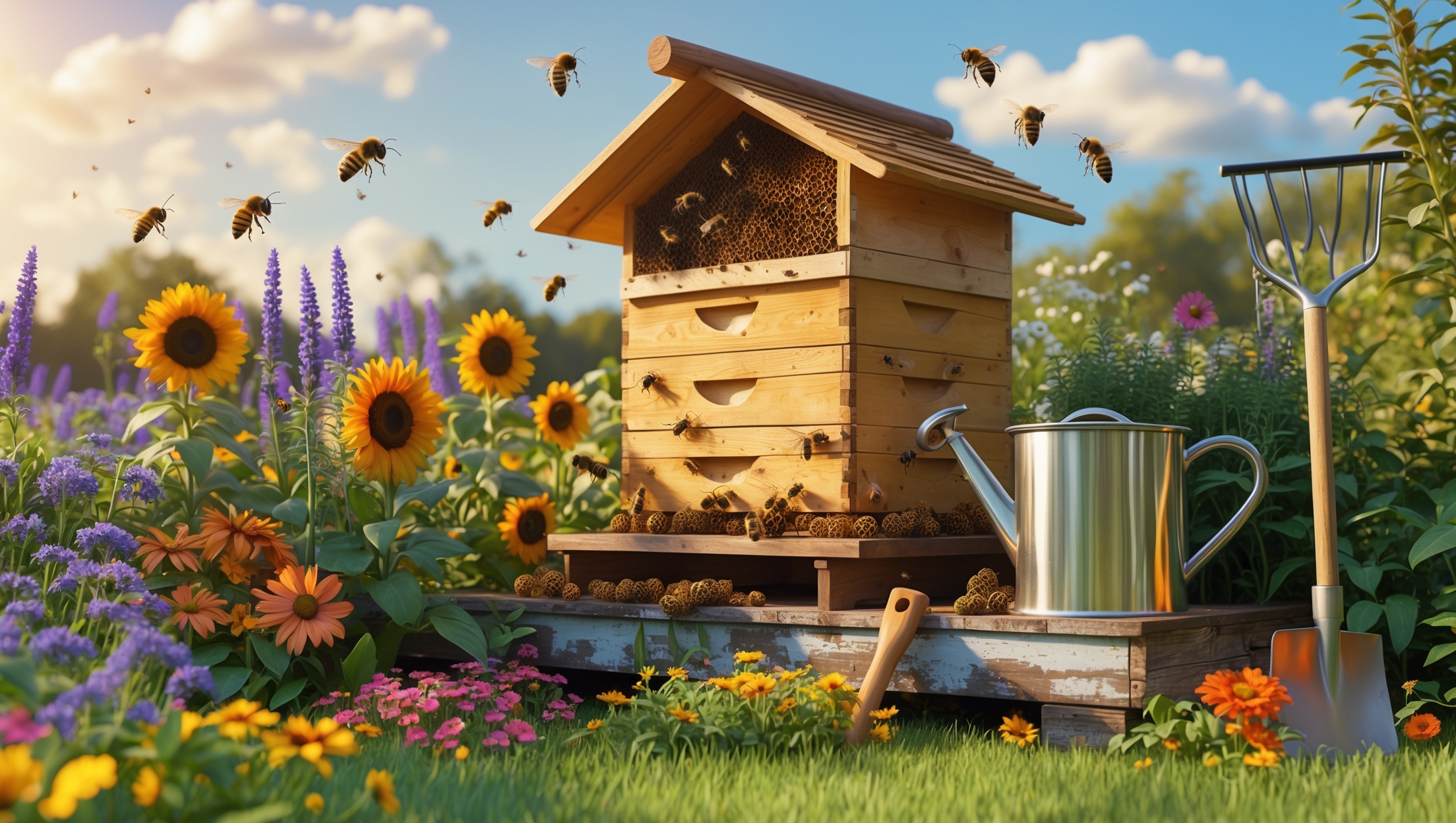
Introduction: The Real Cost of Backyard Beekeeping
Backyard beekeeping is more than a rewarding hobby—it’s a practice that supports pollinators, boosts garden yields, and provides delicious honey right from your own yard. But before picking up your first hive tool, it’s crucial to understand the financial side of the buzz. Many new beekeepers jump in without a clear sense of what equipment, supplies, and ongoing expenses are actually involved. This often leads to either overspending or, worse, cutting critical corners that can jeopardize both bee health and your success as a beekeeper. In this comprehensive guide, you’ll find a detailed, realistic breakdown of all the major costs associated with starting a backyard beekeeping operation. From the initial investment in hives and protective gear to recurring expenses like feeding and mite treatments, we’ll cover everything you need to budget wisely and avoid costly surprises. Whether you’re planning a single colony or envisioning a small apiary, this guide will help you map out your beekeeping budget with confidence and clarity.
Initial Setup Costs
1. Bee Hives
The core of any beekeeping operation is the hive. The standard choice for beginners is the Langstroth hive, though some opt for top-bar or Warre hives. Each style has unique costs and assembly requirements.
- Langstroth Hive Kit: $150–$250 (includes brood box, two honey supers, inner and outer covers, bottom board, and frames)
- Top-Bar Hive: $200–$300 (simpler design, fewer parts)
- Extras (additional supers, feeders): $30–$80 per item
2. Bees
Unless you plan to catch a wild swarm (not recommended for beginners), you’ll need to purchase bees from a reputable supplier.
- Package Bees (3 lbs, with queen): $120–$160 each
- Nucleus Colony (nuc, 5 frames with bees and queen): $150–$200 each (easier for beginners, faster start)
3. Protective Clothing
Safety and comfort are paramount when working with bees. Standard gear includes:
- Beekeeper Suit or Jacket: $50–$120
- Gloves: $15–$30
- Veil (if not included with suit): $20–$35
- Boots (optional, but recommended): $25–$60
4. Essential Tools
You’ll need a small set of specialized tools for regular hive inspections and maintenance.
- Hive Tool: $7–$15
- Bee Smoker: $25–$45
- Bee Brush: $5–$10
5. Apiary Setup & Miscellaneous
Plan for some basic site preparation:
- Hive Stand (to keep hives off the ground): $20–$60 per hive (DIY or purchased)
- Fencing (if needed for pets or wildlife): $100–$300 depending on yard size
- Signage (for legal or neighbor awareness): $10–$30
6. Initial Total Estimate
- Single Hive, Bees, Gear, and Tools: $400–$800
- Two Hives (recommended for learning and backup): $700–$1,400
Ongoing Annual Costs
1. Feeding
Especially in the first year or during dearth periods, supplemental feeding is often necessary.
- Sugar/Feed Syrup: $40–$80 per hive per year
- Pollen Substitute: $15–$30 per hive per year
2. Medications & Pest Control
Regular treatments for varroa mites and other pests are essential for hive health.
- Varroa Treatments: $15–$40 per hive per year
- Nosema & Other Treatments: $10–$20 per hive per year (as needed)
3. Replacement Equipment
- Frames & Foundation: $20–$40 per hive per year (damaged or old frames replaced)
- Repair Supplies (paint, nails, wood): $15–$30 per year
4. Consumables
- Smoker Fuel (wood pellets, pine needles, etc.): $5–$10 per year
- Bee Suit Cleaning: $10–$20 per year (laundering or replacing elastic)
5. Estimated Recurring Annual Total
- Per Hive (including feeding, treatments, repairs): $100–$200
- Two Hives: $200–$400 per year
Optional Upgrades & Expansion Costs
1. Honey Harvesting Equipment
First-year beekeepers may not harvest much honey, but once colonies are established, you’ll want extraction equipment.
- Honey Extractor (manual, 2–4 frames): $120–$250
- Uncapping Knife/Fork: $20–$35
- Bottling Bucket with Valve: $30–$50
- Honey Jars (case of 12, 1 lb): $15–$25
2. Expansion Costs
- Additional Hive Kits: $150–$250 each
- Extra Bees: $120–$200 per new colony
3. Education & Memberships
- Beekeeping Classes (in-person or online): $40–$120
- Local Beekeepers Association Membership: $20–$50 per year
- Beekeeping Books: $15–$40 each
Hidden & Unexpected Costs
1. Hive Losses & Replacement
Despite best efforts, hives sometimes fail due to disease, pests, or weather. Budgeting for a replacement package or nuc ($120–$200) can cushion the blow if a colony dies.
2. Swarm Management Supplies
- Extra Hive Bodies or Nuc Boxes: $40–$80 each
- Queen Marking Kit: $10–$15
3. Unexpected Repairs
Storms, wildlife, or vandalism can damage hives. Keep $50–$100 in reserve for emergency repairs or replacement parts.
Budgeting Tips for New Beekeepers
1. Start Small, Scale Gradually
Begin with one or two hives to keep startup costs manageable and learn hands-on without being overwhelmed. Two hives are ideal for comparison and backup if one colony fails.
2. Buy Quality, Not Quantity
Invest in well-made hives and gear. Cheap equipment wears out quickly and often leads to higher costs in the long run, especially when dealing with bee health and weather exposure.
3. Join a Local Beekeeper Group
Local associations often offer bulk purchasing, equipment loans, and invaluable mentorship that can save you money and prevent expensive mistakes.
4. Track Every Expense
Keep a dedicated notebook or spreadsheet for every purchase—from syrup to frames to extra nails. This helps with future planning and can be crucial if you move toward selling honey or products for profit.
5. DIY Where Practical
Handy with tools? Building your own hive stands, assembling frames, or crafting smoker fuel can save a significant amount. Just don’t cut corners on critical parts like the hive bodies or protective gear.
Sample Startup Budget: Two-Hive Backyard Apiary
- 2 Langstroth Hive Kits: $400
- 2 Nucleus Colonies: $350
- Beekeeping Suit, Gloves, Veil: $120
- Hive Tool, Smoker, Brush: $65
- 2 Hive Stands: $60
- Misc. (signage, fencing, feeder): $90
- First Year Feeding & Treatments: $150
- Total First-Year Estimate: $1,235
Optional (if harvesting honey):
- Manual Extractor & Harvest Supplies: $200
- Honey Jars: $30
Ways to Save Without Compromising Bee Health
- Purchase gently used gear from trusted local beekeepers (avoid used frames or comb, as these can harbor diseases).
- Attend free local workshops or online webinars.
- Share bulk supply purchases with fellow beekeepers.
- DIY non-essential items, like hive stands or simple fencing.
Potential Revenue: Can Beekeeping Pay for Itself?
Many backyard beekeepers wonder if their new hobby could eventually offset its costs. While it’s best to view beekeeping as an investment in your garden and local ecosystem, there are real opportunities for modest income:
- Honey Sales: 40–60 lbs per healthy hive annually, $8–$15 per lb, after the first year
- Wax Products: Candles, balms, or soap (requires additional equipment and skills)
- Pollination Service: For neighbors or small farms (may need more hives and insurance)
Don’t count on profits in the first year. By year two or three, a healthy two-hive apiary may generate enough honey and wax for gifts or small-scale sales, which can cover ongoing expenses and gradually recoup your initial investment.
Conclusion: Plan Ahead for a Buzzing Success
Beekeeping is a delightful way to connect with nature, support pollinators, and enjoy the sweet rewards of your hard work. However, getting started is neither cheap nor risk-free. The true cost of backyard beekeeping is more than just the price of a hive—it’s a combination of upfront investment, recurring maintenance, and the flexibility to handle unexpected challenges. By approaching your budget thoughtfully, you’ll avoid the common pitfall of underestimating expenses and can prioritize the health of your bees over cutting corners.
Remember, quality equipment, good education, and a proactive approach to hive management are far more important than saving a few dollars upfront. Track your spending, join your local beekeeping community, and build your knowledge base year by year. Over time, your investment will pay off not just in jars of honey, but in a thriving, resilient apiary that contributes to your garden and your community. With a clear budget and realistic expectations, you’ll find beekeeping to be a deeply satisfying, sustainable hobby. Here’s to your first season and many more to come—may your hives be healthy, your honey plentiful, and your expenses well managed!
The article mentions both Langstroth and top-bar hives for beginners. Could you explain which one is more cost-effective in the long run, especially if I want to expand to more colonies later?
Langstroth hives are typically more cost-effective in the long run, especially if you plan to expand. Their standardized design allows you to interchange parts and buy equipment in bulk, which reduces costs as you add more colonies. Top-bar hives often require more custom or handmade parts, which can increase expenses as your beekeeping operation grows.
You mentioned extra costs like feeders and additional supers. How soon after getting started would I realistically need to buy those extras, or can I wait until my first season is over?
You’ll likely need feeders right away, especially if you install bees early in the season when nectar is scarce. Additional supers usually become necessary as your colony grows, often a few months in, especially during peak honey flow. It’s best to budget for both within your first season rather than waiting until the end.
I’m interested in starting with just one colony. With the ongoing expenses like mite treatments and feeding, do you have any ballpark figures on the average yearly maintenance cost after the initial setup?
For a single colony, the average yearly maintenance cost after your initial setup is typically between $100 and $200. This covers essentials like mite treatments, supplemental feeding, and replacing some equipment parts. Costs can vary depending on local conditions and hive health.
Do you have a recommendation for reliable suppliers for package bees or nucs for someone just starting out, and is there a big difference in shipping costs?
Local beekeeping associations are a great resource for finding reputable suppliers of package bees or nucs—they often have lists of trusted sources in your area. Buying locally can help you avoid high shipping costs and reduce bee stress. Shipping costs can vary significantly based on distance and carrier, so comparing a few nearby suppliers is a smart move.
After budgeting for the hive, bees, and protective clothing, how much extra should I set aside each year for recurring treatments like mite control and feeding, and do those costs fluctuate seasonally?
Beyond your initial setup costs, you should plan to set aside about $50 to $100 per year for recurring expenses like mite treatments and supplemental feeding. These costs can fluctuate—feeding is often needed in early spring and late fall, while mite treatments may be more frequent in late summer and fall, depending on your colony’s needs.
I’m just starting to look into backyard beekeeping and noticed you mentioned both package bees and nucleus colonies. For a beginner, is the extra cost for a nucleus colony really worth it in terms of ease and success rate, or can a package of bees do just as well if I’m careful?
A nucleus colony (nuc) does cost more upfront, but it gives you a head start since it includes a mated queen and frames with brood, food, and bees already working together. This can make things smoother for beginners, leading to a higher success rate. However, if you’re attentive and follow recommended practices, starting with a package of bees can also work well—it just might require a bit more patience and careful management at first.
I’m curious about the ongoing expenses like feeding and mite treatments you mentioned. Can you give a ballpark estimate of what those recurring costs add up to over a typical year for a single hive?
For a single hive, annual ongoing expenses usually include $30–$50 for sugar or syrup for supplemental feeding, and about $20–$40 for effective mite treatments. Altogether, you can expect to spend roughly $50–$90 per year on these recurring care costs for one hive.
If I decide to start with a nucleus colony instead of a package of bees, will that impact my initial setup costs or the first year’s expenses in any significant way?
Choosing a nucleus colony usually means a slightly higher initial cost compared to a package of bees. However, nucleus colonies often grow faster and are more established, which can reduce the risk of complications and extra expenses during your first year. The main difference will be the upfront cost for the bees themselves, but other setup expenses remain similar.
When weighing the choice between purchasing package bees and a nucleus colony, are there any hidden costs or equipment needs unique to either option that beginners should be aware of?
When choosing package bees, you’ll likely need to provide more careful feeding and possibly buy a feeder, since these bees start with no built comb or brood. Nucleus colonies usually cost more upfront but come with frames, brood, and a laying queen, so you’ll need enough hive equipment to accommodate the extra frames. Whichever you choose, factor in these initial needs when planning your budget.
When budgeting for ongoing expenses like feeding and mite treatments, how much should I realistically expect to spend each year after the initial setup costs?
After your initial setup, you can expect to spend around $100 to $200 per hive annually on ongoing costs. This includes supplemental feeding (especially over winter) and mite treatments. The actual amount can vary depending on hive health, local conditions, and the specific products you choose.
For a beginner, would you recommend starting with a package of bees or a nucleus colony in terms of ease and long-term success? The cost difference seems minor, but I’m wondering about other pros and cons.
A nucleus colony (nuc) is usually easier for beginners since it comes with established bees, a laying queen, and built-out frames, which helps the colony get started faster and more reliably. Packages are a bit cheaper but require the bees to build everything from scratch, which can be trickier for new beekeepers. For long-term success, nucs generally offer a smoother start.
You mentioned that Langstroth and top-bar hives have different price ranges and assembly needs. For someone with zero woodworking experience, is it worth paying more for a fully assembled hive, or is assembly pretty manageable as a beginner?
If you have no woodworking experience, paying extra for a fully assembled hive can save you time and frustration—especially with Langstroth hives, which often need precise assembly. Beginners sometimes find the process tricky without the right tools. However, some kits are designed to be easy for novices, so if you’re comfortable following clear instructions, you might manage assembly yourself and save money.
I noticed you mentioned both Langstroth and top-bar hives. Is there a significant difference in maintenance or long-term costs between those two options for a beginner?
Langstroth hives usually have a higher initial cost due to more parts and equipment, but they’re widely used and parts are easy to find. Top-bar hives are simpler and often cheaper to build, but some find honey harvesting messier. Maintenance time is similar, though Langstroth hives can be heavier to lift. For beginners, both are manageable, but Langstroth may have more predictable costs if you need replacement parts or want to expand.
About the recurring costs you mentioned, how much should I expect to spend each year on things like mite treatments and feeding if I just keep one hive?
For a single hive, you can expect to spend about $40 to $80 per year on mite treatments, depending on the product you choose. Supplemental feeding, like sugar or pollen substitutes, might add another $20 to $50 annually. Altogether, plan for around $60 to $130 each year for these recurring expenses.
After the initial setup expenses for hives, bees, and protective gear, could you give a ballpark estimate for the typical recurring costs during the first year, especially for mite treatments and feeding?
After your initial setup, recurring costs in the first year are usually modest. For mite treatments, expect to spend about $20–$40 per hive, and feeding (sugar and supplements) can range from $30–$60 per hive depending on your location and season. So, plan for roughly $50–$100 per hive in ongoing expenses during year one.
I noticed you mention both Langstroth and top-bar hives for beginners. Aside from the price difference, are there any ongoing costs or maintenance differences between these hive types I should consider when planning my first setup?
Yes, there are some ongoing differences to consider. Langstroth hives usually require regular replacement of frames and foundation, and you may need to buy extra boxes as your colony grows. Top-bar hives don’t need frame replacements, but you might need to replace top bars if they warp. Langstroths can also require more equipment like an extractor, while top-bar hives can be managed with simpler tools.
Does the initial estimate for Langstroth hive kits include everything a first-timer needs, or are there other essential accessories I should budget for before actually getting started?
The initial estimate for Langstroth hive kits usually covers the basic hive components, but you’ll also need to budget for essential accessories like a bee suit, gloves, smoker, hive tool, and possibly a feeder. Don’t forget to include the cost of bees themselves, which isn’t always part of the kit.
I’m wondering how much time I should expect to spend maintaining the hive and handling ongoing expenses like mite treatments or feeding—does it become more costly or time-consuming after the first season?
After the initial setup, beekeeping generally requires several hours each month for hive inspections, feeding (especially in early spring or late fall), and mite treatments. Ongoing expenses like mite treatment and supplemental feed are moderate, often less than the first year’s costs, unless unexpected issues arise. Overall, both time and costs tend to stabilize after your first season.
I noticed the recurring expenses like mite treatments and feeding are mentioned briefly. Can you provide an estimate of how much these ongoing costs might add up to per year for a single colony?
For a single colony, recurring expenses generally range from $50 to $100 per year. Mite treatments can cost around $20 to $40 annually, depending on the product. Supplemental feeding (like sugar syrup or pollen patties) might add another $30 to $60 each year, especially if natural forage is limited.
Can you explain the main differences in maintenance costs between starting with a package of bees versus a nucleus colony? Is one more economical in the long run for a beginner?
A package of bees usually costs less upfront than a nucleus colony (nuc), but requires more time and resources to establish, and beginners may need to supplement food or wait longer for honey. A nuc, while more expensive initially, comes with drawn comb and a laying queen, leading to quicker colony growth and potentially lower maintenance costs in the first season. For most beginners, nucs can be more economical in the long run because they are less risky and need less intervention.
After the initial investment in bees and equipment, how soon can a beginner expect to produce enough honey for personal use, and does that time frame affect the annual budget you’ve outlined here?
Most beginners can expect their first harvest of honey by the end of the first season, though yields may be modest as the new colony gets established. This means you’ll likely have enough honey for personal use within the first year. The initial budget mostly covers setup and equipment, so ongoing costs in following years are lower, and typical annual budgets assume honey production starts in year one or two.
Does the initial setup cost include any training materials or classes, or would those be an extra expense on top of the listed items for new beekeepers?
The initial setup costs detailed in the article cover equipment and bees but do not include training materials or classes. If you’re new to beekeeping, you should plan for an additional expense if you want to purchase books, online courses, or attend local workshops.
The article talks about initial investments, but I’m curious how much I should expect to spend annually on recurring costs like mite treatments and feeding. Can you give a rough yearly estimate for maintaining just one hive?
For one hive, you can expect to spend about $60 to $120 each year on recurring expenses. This includes mite treatments (around $20–$40), supplemental feeding like sugar or pollen patties ($20–$40), and miscellaneous supplies such as replacement frames or smoker fuel. Costs may vary depending on your local conditions and hive needs.
How much time each week should I expect to spend on beekeeping tasks if I have just one or two hives, and does that change in the first year compared to later years?
For one or two hives, you can expect to spend about 1 to 2 hours each week during the active season. In your first year, you may invest extra time learning and checking the bees more frequently. In later years, as you gain confidence, weekly tasks usually become easier and may take a bit less time.
Could you provide a bit more detail on the ongoing costs after the initial setup? I’m particularly curious about how much I should budget annually for things like mite treatments and feed for a single hive.
For a single hive, ongoing annual costs typically include mite treatments ($20–$40), supplemental feed like sugar or pollen patties ($30–$50), and occasional replacement equipment such as frames or foundation ($20–$30). Overall, budgeting around $70–$120 per year should cover most essential expenses beyond the initial setup.
For the initial hive setup, do you think it’s better for a first-time beekeeper to buy a complete kit or source components separately to save money? Are there quality compromises to worry about with cheaper kits?
For a first-time beekeeper, a complete kit offers convenience and ensures all essential parts fit together, which reduces setup hassles. While kits can sometimes be pricier, sourcing components separately requires more research and may risk buying incompatible or lower-quality items. Cheaper kits occasionally cut corners on wood durability or hardware, so it’s wise to check reviews and material specs before buying.
If I want to keep the initial investment as low as possible, is it practical to start with just one hive and the basic gear you listed, or do most people end up needing more equipment right away?
Starting with one hive and the basic gear from the article is a practical way to keep costs low. Most beginners do fine with the essentials for their first season. You can always expand or add equipment later as you gain experience and decide if you want to grow your beekeeping operation.
I’m wondering if starting with a nucleus colony versus a package of bees actually saves money in the long run, given the higher upfront cost for a nuc. Is it worth it for beginners?
Starting with a nucleus colony (nuc) does cost more upfront than a package of bees, but many beginners find it worthwhile. Nucs come with an established, laying queen and drawn comb, which helps the colony grow faster and increases the chances of success. This can lead to quicker honey production and fewer losses, potentially saving money and frustration in the long run.
Do you have any advice on how long it typically takes for a new backyard beekeeper to break even on their initial investment, especially if they only start with one hive?
Most new backyard beekeepers with a single hive can expect to break even in about two to three years. This timeframe depends on factors like honey yield, local demand, and ongoing costs for equipment and bee health. Selling extra honey or hive products can help recoup your investment faster.
If I’m just starting out with one hive, do you recommend going with a package of bees or a nucleus colony if my main concern is making sure my kids get some honey this first year?
If having honey for your kids this first year is your priority, a nucleus colony (nuc) is the better choice. Nucs come with an established queen, brood, and some honey stores, so they tend to build up quicker and are more likely to produce surplus honey in the first season compared to a package of bees.
The article mentions that top-bar hives have a simpler design with fewer parts. For a total beginner, would that style be easier to assemble myself, or is it better to go with a pre-made Langstroth kit?
Top-bar hives are generally simpler to assemble because they have fewer components and don’t require as much hardware. If you’re comfortable with basic tools, you could put one together yourself. However, Langstroth kits are widely available pre-made and come with detailed instructions, which can be reassuring for total beginners. Consider how handy you feel and whether you want a ready-to-go setup or a hands-on building experience.
If someone wants to start with just a single hive and keep costs as low as possible, which areas would you recommend not skimping on, and are there any parts of the setup that could be safely sourced secondhand?
It’s important not to skimp on the hive itself, protective gear, and healthy bees, as these are crucial for safety and success. However, items like smokers, hive tools, and even some outer wooden hive components can often be found secondhand in good condition, which can help keep your initial costs down.
I noticed you mentioned both package bees and nucleus colonies as options for starting out. For someone completely new to beekeeping, is it really worth paying more for a nuc, or is a bee package fine if I’m on a tight budget?
A nucleus colony (nuc) costs more, but it gives you a head start because it comes with frames of brood, food stores, and a laying queen. This makes it easier for beginners, as the colony is already established. A bee package is cheaper, but the bees need to build everything from scratch, which can be tougher for new beekeepers. If your budget is tight, a bee package is workable, but a nuc often leads to better success for first-timers.
If I start with a single nucleus colony and the basic Langstroth kit, how soon should I expect to need extra equipment or supers as my colony grows? Just trying to avoid unexpected costs after the first purchase.
With a healthy nucleus colony and basic Langstroth kit, you may need an extra super within the first 1 to 2 months, especially during peak nectar flow in spring or summer. Keep an eye on your bees—if the brood box is 70–80% full, it’s time to add another super. Planning ahead can help avoid surprises and keep the colony comfortable.
Is it common for beginner beekeepers to start with package bees or a nucleus colony, and is there a big difference in survival rates or success for families with young kids helping out?
Many beginners choose either package bees or a nucleus colony (nuc). Nucs come with an established queen and comb, which often leads to better early survival rates and smoother setups—especially helpful for families with young kids. Packages are a bit more hands-on and can be trickier for first-timers. For families, nucs can make the experience less stressful and more successful.
I noticed you mentioned both Langstroth and top-bar hives as options for beginners, but the price range is a bit different. Is there a reason a beginner might pick one over the other besides cost or assembly? Does it affect ongoing expenses too?
Yes, beginners might choose between Langstroth and top-bar hives for reasons beyond just price or assembly. Langstroth hives are easier to find supplies for and are often preferred if you plan to expand or sell honey. Top-bar hives can be more hands-on and are popular for small, low-intervention setups. Ongoing costs can differ too: Langstroth hives may require more equipment like frames and extractors, while top-bar hives can keep things simpler, potentially reducing expenses over time.
For someone looking to start with just one or two hives, do you recommend starting with package bees or a nucleus colony, especially considering the cost and ease for beginners mentioned in the article?
For beginners with one or two hives, starting with a nucleus colony is often easier, as the colony comes with established bees, a laying queen, and brood on frames. While a nuc is usually a bit more expensive than package bees, it tends to give you a head start and is less risky for those new to beekeeping.
Between buying package bees and a nucleus colony, which option is better for someone totally new to beekeeping in terms of both cost-effectiveness and ease of getting started?
For beginners, a nucleus colony (nuc) is often easier to start with since it comes with established bees, a laying queen, and brood on frames, which helps the colony grow faster. While nucs may cost a bit more upfront than package bees, they generally offer a smoother, more reliable start for new beekeepers.
Could you give an idea of how much ongoing feeding and mite treatment might cost during the first year, especially if I’m just planning to start with a single Langstroth hive?
For a single Langstroth hive, expect to spend around $30–$50 for sugar syrup or fondant for supplemental feeding in the first year, depending on your local nectar flow. Mite treatment typically ranges from $20–$40 per treatment cycle, with most new beekeepers planning for two cycles in the first year.
Is there a significant long-term difference in cost or maintenance between starting with a package of bees versus a nucleus colony, especially for someone totally new to beekeeping?
Yes, there are some differences. A nucleus colony (nuc) usually costs more upfront than a package of bees, but it often includes established brood and a laying queen, making it easier for beginners and possibly reducing risks and costs from early losses. Maintenance is similar after the first few weeks, but starting with a nuc may save time and effort getting the colony established.
For someone completely new to beekeeping, would it be more cost-effective in the long run to start with a Langstroth hive or a top-bar hive, given the initial and recurring costs you mentioned?
For beginners, starting with a Langstroth hive can be more cost-effective long-term. While the initial cost is a bit higher than a top-bar hive, Langstroth hives are widely supported, making it easier to find parts, equipment, and advice. Additionally, they tend to have better honey yields and are more adaptable for expansion.
If I only want to start with one hive and a nucleus colony as a beginner, what kind of total first-year expenses should I expect, including mite treatments and regular feeding?
Starting with one hive and a nucleus colony, your total first-year expenses will likely range from $400 to $600. This covers the hive setup, a nucleus colony, basic protective gear, mite treatments, and sugar for feeding. Keep in mind, costs can vary based on local prices and the quality of equipment you choose.
If I want to keep the setup as budget-friendly as possible without cutting corners on essential equipment, which parts of the initial investment offer the best opportunities to save?
To keep costs down without compromising on essentials, focus on buying used or secondhand equipment like bee smokers, suits, and hive tools, as long as they’re in good condition. Prioritize quality for the hive and bees themselves, since those are crucial. DIY assembly kits for hives can also save money if you’re comfortable with basic tools.
Could you clarify whether the initial setup costs you list—like the hive kits and bee packages—typically include shipping fees, or should I expect those as an additional expense when ordering online?
The initial setup costs listed in the article generally do not include shipping fees. When ordering hive kits and bee packages online, shipping is often charged separately and can be significant, especially for live bees. Be sure to check with each supplier for exact shipping rates.
Does the article include any info on how much time and money I should plan for ongoing maintenance and mite treatments after the initial setup? I want to make sure I’m not underestimating the yearly commitment.
Yes, the article covers estimated yearly costs and time commitments for ongoing hive maintenance, including regular mite treatments. It breaks down expected annual expenses for supplies and suggests how much time you’ll likely spend each month on tasks like inspections and treatments. This should help you plan more accurately for the long term.
How often do recurring expenses like mite treatments or supplemental feeding typically arise throughout the year, and about how much should I expect to spend annually on those ongoing costs?
Recurring expenses like mite treatments are usually needed 2 to 3 times per year, depending on local conditions and hive health. Supplemental feeding is most common in early spring and late fall, especially if natural forage is scarce. On average, you can expect to spend around $50 to $100 annually per hive for treatments and feeding, though this can vary with hive size and regional factors.
If I’m planning to start with just one Langstroth hive and a nucleus colony, about how much should I budget for my first year, including ongoing expenses like feeding and mite treatments?
If you start with one Langstroth hive and a nucleus colony, expect to budget roughly $400–$600 for your first year. This includes the hive components, bees, basic protective gear, tools, and initial setup. Ongoing costs like sugar for feeding, mite treatments, and other maintenance typically add another $50–$100 over the season.
With the recurring expenses like feeding and mite treatments, are there certain times of year when these costs are highest, and how much should I realistically budget for those ongoing needs per colony each season?
Recurring expenses like feeding and mite treatments typically peak in late summer and fall, when bees need extra food stores and mite levels are highest. Realistically, you should budget around $50 to $100 per colony each season for these ongoing needs, though actual costs may vary depending on local conditions and product choices.
If I wanted to start with just a single hive, is it still worth buying extra supers and feeders right away, or can those wait until the colony grows?
You can start with just the essentials for your first hive and wait to buy extra supers and feeders. As your colony grows and needs more space, you can add supers. Feeders are mainly needed during times when nectar is scarce, so you can purchase them later if necessary.
When calculating the initial setup costs, does the estimate for a Langstroth hive kit usually include all necessary frames and foundation, or should I expect to purchase those separately on top of the $150–$250 range?
Most Langstroth hive kits in the $150–$250 price range do include both the hive body and the necessary frames, often with foundation. However, it’s wise to double-check the product details, as some kits may require you to buy frames or foundation separately. Always review what’s listed in the kit before purchasing.
When starting with just one Langstroth hive, will the initial kit usually include everything I need for the entire first season, or are there other hidden costs I should factor in pretty soon after setup?
Most starter kits for a single Langstroth hive cover the basics like hive bodies, frames, and a few essential tools. However, you’ll likely need to budget for extra items such as protective clothing, a smoker, a hive tool, and possibly additional frames or foundation mid-season. Sometimes, feed for new colonies, mite treatments, or replacement parts can be extra expenses to expect in your first year.
The article mentions both Langstroth and top-bar hives with different price ranges. For a complete beginner, are there significant maintenance or long-term cost differences between these two types that I should consider before choosing?
Yes, there are some important differences. Langstroth hives usually require buying standard parts and frames, which can add up over time, but they’re easier to find supplies for. Top-bar hives often have lower ongoing costs and need fewer accessories, but some equipment may be harder to source. Consider which hive type is more commonly supported in your area for future convenience.
For a first-time beekeeper, is it better to start with a package of bees or a nucleus colony in terms of long-term costs and learning curve? The article mentions both but I’m not sure which is easier for beginners.
For beginners, starting with a nucleus colony (nuc) is often easier and can lead to better success. Nucs come with established bees, a laying queen, and brood, so the colony can grow faster and is more stable early on. While they may cost a bit more upfront than a package of bees, you might save money and effort down the line since there’s less risk of colony failure and you’ll see results sooner.
For the initial hive setup, are there any hidden costs that tend to surprise new beekeepers, like assembly tools or special treatments not included in starter kits?
Yes, new beekeepers are often surprised by a few extra costs. Starter kits usually don’t include tools like a drill or hammer for hive assembly, protective gloves, or special treatments for pests like mites. You might also need extra feeders or sugar for feeding early on.
You mention that nucleus colonies are easier for beginners and offer a faster start compared to package bees. Could you explain a bit more about why nucs are preferred, and whether the higher cost is justified for a first-time beekeeper?
Nucleus colonies (nucs) come with already established worker bees, a laying queen, and brood, which gives your hive a strong head start. This setup means your bees spend less time organizing and growing the colony, reducing early challenges for beginners. While nucs do cost more than package bees, many first-time beekeepers find the smoother experience and higher survival rates worth the extra investment.
Once you buy all the initial equipment like hives, bees, and protective clothing, how soon can you realistically expect to see honey production or recoup some of your investment as a backyard beekeeper?
After setting up with your initial equipment, most backyard beekeepers see their first honey harvest in the second year. The first year is about colony growth and strength, so honey yields are usually low or none at all. Recouping your investment depends on local honey demand and your production, but it often takes a couple of seasons to see a return.
I noticed the cost breakdown for both package bees and nucleus colonies. For someone just starting out, are there specific reasons you might pick one over the other, or is it mainly about the price and how quickly you want to get going?
Choosing between package bees and nucleus colonies isn’t just about price or speed, though those are common factors. Nucleus colonies (nucs) come with established workers, brood, and a laying queen, which can make them more robust and easier for beginners to manage. Package bees are less expensive but require the bees to establish themselves from scratch, which can be a bit more challenging for someone new to beekeeping.
The article mentions recurring expenses like feeding and mite treatments—could you provide a ballpark figure on annual ongoing costs per hive, so I can plan ahead before jumping in?
Annual ongoing costs per hive typically range from $60 to $120. This includes feeding (sugar or pollen substitutes), mite treatments, and occasional equipment replacement. The exact amount can vary based on your region, hive health, and specific management practices.
For a beginner looking to start with just one colony, do you recommend purchasing package bees or a nucleus colony, considering both the upfront costs and the likelihood of early success?
For a single-colony beginner, a nucleus colony (nuc) typically costs more upfront than a package of bees, but it includes frames with brood and a laying queen, which can make getting started easier and increase your chances of early success. Packages are cheaper but require more attention as the bees establish themselves. If your budget allows, a nuc is usually the better choice for first-time beekeepers.
When it comes to recurring expenses like mite treatments and feeding, could you give an estimate of how much to budget annually for a single colony beyond the initial setup?
For a single colony, you can expect to spend around $50 to $100 per year on recurring expenses like mite treatments and supplemental feeding. Actual costs depend on the products you choose and the needs of your bees, but budgeting within this range should cover typical annual requirements.
You included extra items like feeders and supers in the costs. How soon after setting up do most new beekeepers typically need to buy extras, or can you make it through the first season with just the basic kit?
Most new beekeepers can usually get through the first few months with just the basic kit, especially if you start your hive in early spring. However, extras like supers are often needed by mid to late summer if your colony is thriving, since bees may quickly fill their initial hive boxes. Feeders might be needed sooner if local nectar sources are scarce or if you start your hive early in the season before flowers bloom.
You mention Langstroth, top-bar, and Warre hives—could you share some insight into how the maintenance costs or replacement frequency differ between these styles for a beginner?
Langstroth hives generally have the most replacement costs, especially with frames and foundation every few years. Top-bar hives often need less frequent replacement but may require more ongoing repairs. Warre hives are usually low maintenance, with minimal replacement if you use natural comb. For beginners, Langstroth might seem costlier over time, while top-bar and Warre can be more affordable if you’re comfortable with some DIY upkeep.
If I want to start with just one colony, is it realistic to stay on the lower end of your budget estimates, or are there hidden expenses that tend to come up for first-time beekeepers?
Starting with one colony can help keep your initial costs closer to the lower end of the budget, but be prepared for some extra expenses. First-timers often need additional tools, replacement equipment, or unexpected supplies like bee feed or mite treatments. It’s smart to budget a little extra for these surprises.
How much should I budget for ongoing expenses like feeding and mite treatments after the first year, and do these costs tend to go up over time as colonies grow?
For ongoing expenses after the first year, you should plan for about $100 to $200 per hive annually. This covers sugar for feeding, mite treatments, and basic maintenance. If you add more colonies, your costs will rise proportionally, but per-hive costs typically remain similar unless there are unusual pest outbreaks or poor seasons.
I’m curious if buying a package of bees versus a nucleus colony makes a big difference in how quickly you might see honey production in your first year, or if it’s mostly about how easy they are to manage starting out.
Buying a nucleus colony usually gives you a head start, since it comes with an established queen and some brood, so the colony builds up faster and may produce honey in the first year. A package of bees needs more time to settle in and establish brood, so honey production may be delayed. Nucs are also a bit easier to manage at the start since they’re already organized.
How often do you typically need to replace or upgrade your hive equipment, and should I factor that into my yearly budget after the initial setup?
Hive equipment like boxes and frames can last several years if maintained well, but you may need to replace or repair parts due to weather, wear, or pests. It’s smart to budget for annual upkeep and occasional replacements—setting aside a small amount each year helps avoid surprises.
Is it possible to cut down on initial costs by buying used hives or equipment, or is that risky for bee health?
Buying used hives or equipment can definitely lower your startup costs, but it does come with some risks. Used gear may harbor diseases or pests that could harm your bees. If you choose this route, thoroughly inspect and clean everything, and consider buying only from trusted sources. Many beekeepers recommend starting with new equipment for better peace of mind.
If I wanted to start with just one hive and keep my initial costs as low as possible, which expenses are absolutely essential versus optional for a beginner?
For one hive on a tight budget, you’ll need to prioritize essential items: a hive kit, bees (usually a package or nucleus colony), a basic bee suit or jacket with veil, gloves, and a hive tool. Optional expenses include a smoker, honey extraction equipment, and extra hive boxes, which you can add later as your colony grows.
For someone starting out, do you recommend buying package bees or a nucleus colony based on cost and ease of success? The article mentions both but I’m curious if one leads to lower ongoing expenses.
A nucleus colony usually costs more upfront than a package of bees, but it gives you a head start with an established queen and brood. This often leads to better survival rates and less need for extra equipment or replacing lost bees, which can reduce ongoing expenses and effort for beginners.
Could you give more info on how much I should budget for annual mite treatments and feeding after the first year? I’m trying to figure out if any unexpected yearly costs tend to catch beginners off guard.
For annual mite treatments, you should budget around $40 to $70 per hive, depending on the products and frequency needed. Feeding costs can vary, but expect to spend $30 to $60 per hive for sugar or syrup, especially if there’s a poor nectar flow. Other common yearly expenses beginners overlook include replacing frames, queen replacement, and protective gear maintenance, which can add an extra $30 to $100.
The Langstroth and top-bar hives seem to have very different price ranges and designs. How much more effort or skill does it take to assemble and maintain a top-bar hive compared to a standard Langstroth for a beginner?
Top-bar hives are generally simpler to assemble, with fewer parts than Langstroth hives, but they require close attention to bee behavior and comb management. Beginners may find Langstroth hives easier for routine inspections, honey harvesting, and getting help from local beekeepers, since they’re more common. Top-bar hives need regular monitoring to keep combs straight, but many find them less physically demanding and less reliant on heavy lifting.
For budgeting purposes, about how much should I expect to spend on feeding and mite treatments during my first year, beyond the initial setup costs you covered?
For your first year, you can expect to spend roughly $50–$100 on sugar or syrup for supplemental feeding, especially in spring and fall. Mite treatments typically add another $30–$60, depending on the products used and your hive’s needs. So, budget around $80–$160 for feeding and mite control in year one.
How much time and money should I expect to spend on ongoing care like mite treatments or supplemental feeding during the first year, on top of the initial setup costs?
In your first year, ongoing care can cost about $50–$150 for mite treatments and $50–$100 for supplemental feeding, depending on your hive’s needs and local conditions. Time-wise, plan on spending 1–2 hours per week for inspections, treatments, and feeding, especially during active seasons.
If I only want to start with a single Langstroth hive but want to budget for expansion later, which extras from your list—like supers or feeders—are most important to buy up front, and which ones could wait until the first season is underway?
For a single Langstroth hive, focus on essentials like the hive body, frames, bottom board, inner and outer covers, and basic protective gear. You can wait on buying additional supers and feeders until you see how your bees progress in the first season. If you anticipate a strong nectar flow, one extra super could be helpful, but you can usually add these as needed later.
Could you give some guidance on how often recurring costs like feeding and mite treatments tend to come up throughout the year? I’m trying to make sure I don’t underestimate the ongoing expenses after the initial setup.
Feeding costs usually arise in early spring and late fall, particularly if nectar sources are low, so budget for supplemental feed two to three times a year. Mite treatments are typically done two or three times annually, often in late summer and early fall, but monitoring might mean additional treatments if mite counts are high. Tracking these recurring needs will help you estimate your yearly operating costs more accurately.
If I want to start with just a single colony, how quickly do those initial investments like hives and protective gear typically pay off in terms of honey production or other benefits?
With a single colony, you might see your initial costs recovered within 2 to 4 years, depending on honey yields and local conditions. In your first year, honey production can be modest—often just enough for personal use. Beyond honey, benefits like garden pollination and the enjoyment of beekeeping add extra non-monetary value right away.
I’m curious about ongoing costs beyond the initial equipment and bees. What should I budget annually for things like mite treatments, supplemental feeding, and replacing frames? Are there any ‘hidden’ expenses that tend to surprise first-time backyard beekeepers?
For ongoing costs, most backyard beekeepers spend $100–$200 per hive each year. This covers mite treatments, sugar or pollen for supplemental feeding, and regular replacement of frames or foundation. Unexpected expenses can include replacing lost colonies, emergency equipment upgrades, and sometimes local permit fees. It’s wise to set aside a little extra for these surprises.
For a first-timer, would you recommend starting with a Langstroth hive or a top-bar hive, given the price differences and assembly requirements mentioned? I’m hoping to keep costs manageable but also want something beginner-friendly.
If keeping costs manageable is a priority and you want something beginner-friendly, a Langstroth hive is usually the recommended choice. They’re more widely available, have lots of starter kits, and there’s plenty of support for assembly and maintenance. Top-bar hives can be cheaper if you build them yourself, but they’re less common and might be trickier if you’re new to beekeeping.
You mentioned recurring costs like feeding and mite treatments. Could you give a rough estimate of what those ongoing expenses typically add up to over the first year for a single hive?
For a single hive in the first year, ongoing expenses like supplemental feeding and mite treatments usually range from $50 to $100. Feeding (sugar and pollen substitutes) could cost about $30–$60, while mite treatments often add another $20–$40, depending on the products used and local needs.
I noticed the breakdown mentions recurring expenses like feeding and mite treatments. Can you provide more detail on what these ongoing costs typically add up to per year for a single hive?
For a single hive, ongoing annual costs generally range from $60 to $120. This usually covers sugar or syrup for supplemental feeding (about $20–$40) and mite treatments (around $30–$50). Other supplies like replacement frames or minor tools can add $10–$30. Costs may vary based on your local conditions and hive health.
How long does the initial investment usually last before new equipment or more supplies are needed? I’m trying to plan ahead so I don’t get caught off guard by unexpected expenses in the first year.
Most of your initial investment in equipment like hives, protective gear, and basic tools will last at least a few years if properly maintained. However, you should budget for new bees or a queen if needed, plus replenishing things like sugar for feeding and mite treatments within the first year. Regular inspections and care can help extend the life of your gear.
The article mentions both Langstroth and top-bar hives with different price ranges. For someone concerned about long-term maintenance and replacement costs, which hive type tends to be cheaper to keep up over several seasons?
Top-bar hives typically have lower long-term maintenance and replacement costs. They use simpler construction and fewer specialty parts, so repairs are often easier and less expensive. Langstroth hives may require more frequent replacement of frames and boxes, which can add up over several seasons.
When putting together a realistic budget, how soon after installing a new colony should I expect to buy extras like additional supers or mite treatments? Just trying to plan for expenses that might pop up unexpectedly in the first year.
After installing your new colony, you may need additional supers by late spring or early summer if the bees are thriving and filling up the initial boxes. Mite treatments are often recommended by late summer or early fall, depending on monitoring results. It’s wise to budget for both within your first year, as bee growth and mite issues can be unpredictable.
Can you give an idea of how much ongoing expenses like feeding and mite treatments actually end up costing per year after the initial investment? I want to make sure I’m realistically planning for the total budget, not just the startup costs.
For ongoing costs, you can expect to spend around $50–$100 per hive each year on feeding (sugar and supplements), especially if nectar is scarce. Mite treatments usually add another $30–$60 per hive annually. Other small expenses—like replacement frames or queen bees—can vary, so budgeting about $100–$200 per hive yearly for all ongoing needs is a safe estimate.
When budgeting for recurring expenses like mite treatments or supplemental feeding, do you have any ballpark figures on what these ongoing costs typically add up to per season for a single backyard hive?
For a single backyard hive, recurring expenses like mite treatments and supplemental feeding usually range from $40 to $80 per year. Mite treatments can cost $20 to $40 per season, and sugar or protein for feeding runs about $20 to $40, depending on your local prices and the needs of your bees.
You mention that top-bar hives tend to be simpler and cost a bit more than Langstroth kits. For a first-timer, is there a big difference in ongoing costs or maintenance between the two hive styles over the first year?
Top-bar hives generally have fewer parts and can be easier to manage, but they often require more hands-on attention, such as regular comb inspection. Langstroth hives may have more components, but parts and accessories are more widely available and sometimes cheaper. Overall, ongoing costs in the first year are fairly similar for both styles, but Langstroth hives might save you a bit on replacement parts and expansion.
Could you elaborate on the ongoing costs, like mite treatments and feeding, after the first year? I want to get a sense of what the annual maintenance budget looks like beyond the initial setup.
After the first year, annual costs typically include mite treatments (around $20–$50 per hive), supplemental feeding with sugar syrup or pollen substitutes (about $30–$60 per hive, depending on your climate and nectar flow), and replacing any damaged equipment or lost bees. Overall, expect to budget roughly $70–$150 per hive each year for maintenance.
You list a single Langstroth hive kit price, but if I want to start with two colonies, would there be any cost savings from buying equipment in bulk, or should I just double the initial estimates?
If you plan to start with two colonies, most of your equipment costs—like hive kits, bees, and protective gear—will roughly double. Some suppliers offer small discounts on bulk orders or multi-hive kits, so you might save a bit, but the savings are usually modest at this scale. It’s a good idea to check with local or online beekeeping suppliers for any multi-hive deals.
I’m curious how much I should budget for yearly recurring costs like mite treatments or supplemental feeding once my hives are established. Do those expenses tend to increase over time as colonies grow?
Yearly recurring costs for established hives, like mite treatments and supplemental feeding, usually range from $50 to $150 per hive, depending on local needs and hive size. These costs can rise if you expand your apiary or have unusually strong colonies, but for most beekeepers, they stay fairly steady unless you add more hives or encounter a tough season.
For beginners considering either a Langstroth or a top-bar hive, are there any hidden costs in setup or maintenance that might make one a better choice budget-wise over the other?
Langstroth hives often have hidden costs, such as the need for extra boxes as your colony grows and regular purchase of frames and foundation. Top-bar hives typically have fewer parts to buy over time, but they can require more frequent inspections and hands-on management. Langstroth equipment is more standardized and easier to buy used, which could save money, but ongoing costs may add up faster. Weigh whether you want lower initial costs (top-bar) or more flexibility and easier expansion (Langstroth) in your budget.
I noticed you mentioned both package bees and nucleus colonies as options for starting out. Is there a significant difference in success rates or maintenance costs between those two for someone who’s totally new to beekeeping?
Nucleus colonies typically offer better early success rates for beginners since they include a laying queen, brood, and established worker bees, allowing the colony to grow faster. Package bees are usually less expensive but may take longer to establish and sometimes face more setbacks. Maintenance costs are similar, but the initial setup with a nucleus colony can provide a smoother start for someone new.
Could you clarify if the initial hive kit costs you listed include things like an entrance reducer and queen excluder, or if those are additional expenses I should factor in separately?
The initial hive kit costs mentioned in the article usually cover the basic components like brood boxes, frames, and a cover. Accessories such as an entrance reducer and queen excluder are often sold separately, so you should budget a bit extra for those items unless the kit specifically lists them as included.
Could you clarify about the recurring expenses like mite treatments and feeding—roughly how often do these costs come up in the first year, and are there any seasonal spikes to budget for?
Mite treatments typically happen 2 to 3 times in the first year, especially in late summer and early fall. Feeding costs can occur in spring when colonies are building up and again in fall to help bees prepare for winter. Expect spending to spike during these times, so it’s wise to budget extra for late summer and early autumn treatments and spring/fall feeding supplies.
I noticed you mentioned both Langstroth and top-bar hives with different price ranges. For someone just starting out, are there significant long-term cost differences between maintaining these two types, or is it mainly about the initial investment?
The main cost difference between Langstroth and top-bar hives is in the initial setup—Langstroth hives and their accessories usually cost more upfront. Over the long term, though, maintenance costs are fairly similar, since both require basic upkeep and occasional replacement parts. The biggest ongoing expense for either type is usually related to bee health and replacement.
If I start with just one nucleus colony like you suggest for beginners, roughly how much should I budget for all the recurring expenses in the first year beyond the initial setup costs?
For a single nucleus colony, recurring first-year expenses beyond your initial setup usually include sugar for supplemental feeding, mite treatments, and possibly replacement frames or foundation. Expect to budget around $75 to $150 for these items, depending on your region and management style.
I noticed the Langstroth hive kits range from $150 to $250. Is it better to invest in a more expensive kit for a first hive, or will a budget model hold up just as well for beginners?
For beginners, a budget Langstroth hive kit can work well as long as it’s made from quality materials like solid wood and has proper frames. The more expensive kits often include extras or sturdier hardware, which might last longer or make management easier, but aren’t strictly necessary when starting out. Just make sure the kit you choose is well-reviewed and has all the basics you need.
Is buying a nucleus colony really that much better for beginners compared to package bees, especially since it costs a bit more? I’m not sure which option makes more sense for a first-timer.
A nucleus colony (nuc) gives beginners a head start because it includes an established queen, brood, and worker bees already working together. This means the colony usually builds up faster and is more stable than a package of loose bees, making management a bit less stressful for first-timers. The higher upfront cost often pays off in easier success.
I noticed the article mentions the price difference between Langstroth and top-bar hives. Besides cost, are there any practical pros or cons for a backyard beginner choosing one over the other?
Langstroth hives are popular because they’re easier to expand and standardize, making it simple to add or swap hive boxes and frames. Top-bar hives are often easier to manage for small-scale hobbyists, as you don’t need heavy lifting, but they can yield less honey and make splitting or scaling harder. Think about your goals and physical comfort when choosing.
You mentioned that nucs are easier for beginners and offer a faster start, but are there any hidden costs or additional equipment needed when starting with a nucleus colony instead of a package?
When starting with a nuc, you might need to pay a bit more upfront compared to a package, since nucs often cost more. Besides the basic hive, there’s no special equipment required beyond what you’d use for a package, but ensure your frames and foundation match the nuc’s size and style for easy transfer.
Can you explain the main differences in long-term costs between starting with a Langstroth hive versus a top-bar hive? I’m trying to figure out which option makes more sense for someone on a tighter budget.
Langstroth hives usually have higher upfront costs because of multiple boxes and frames, but long-term expenses can add up with more frequent equipment replacements and extra parts. Top-bar hives are simpler to build and maintain, often requiring less equipment and fewer ongoing purchases. For a tighter budget, a top-bar hive tends to be more cost-effective over time.
The article lists both package bees and nucleus colonies as starter options. For someone in the northeast US, is there a big difference in survival rates or overall cost between the two after the first year?
For beekeepers in the northeast US, nucleus colonies (nucs) tend to have higher first-year survival rates compared to package bees, as nucs come with established queens and brood. While nucs cost a bit more upfront, they often offset costs by building up faster and requiring less support. Over the first year, the overall expense difference is usually minimal, but nucs can lead to more successful overwintering in colder climates.
Can you explain a bit more about how often supplies like feeders or protective gear need to be replaced, and what sort of recurring costs I should expect after the first year?
Feeders and protective gear can last several years if cared for properly, but feeders might need replacing every 1–3 years due to wear or buildup. Protective suits and gloves typically last 3–5 years, though gloves may wear out faster with heavy use. Ongoing costs after year one usually include bee feed, treatments for pests, occasional replacement frames, and possibly renewing equipment like smokers or hive tools.
Do you have any advice on choosing between a Langstroth hive and a top-bar hive for a first-time backyard beekeeper? I’m wondering if the higher upfront cost of a top-bar is justified for beginners.
A Langstroth hive is often recommended for beginners because it’s widely available, has lots of community support, and replacement parts are easy to find. While top-bar hives have a unique design and can be more expensive upfront, many find them easier to manage and less physically demanding. Consider your budget, available support in your area, and how much honey you hope to harvest. Most first-timers find Langstroth hives easier to learn with, but if you’d prefer a more natural approach and don’t need as much honey, a top-bar could be worth the investment.
Between the Langstroth and top-bar hives, are there any ongoing maintenance or supply costs that make one option more budget-friendly in the long run for a beginner?
Langstroth hives often have higher ongoing costs because they use standard frames and require regular purchases of foundation, additional boxes, and sometimes more specialized equipment. Top-bar hives usually need fewer extra parts and supplies over time, making them a bit more budget-friendly for beginners, though they may require more manual management.
I’m curious about the ongoing expenses, especially mite treatments and feeding. Do you have ballpark yearly costs for maintaining a single colony after the initial setup?
For a single colony, annual costs after setup generally range from $50 to $150. Mite treatments usually cost $20 to $40 per year, depending on the type and frequency. Supplemental feeding (sugar or pollen) can add another $30 to $60 annually, especially in early spring or poor nectar flows. Some years may be less expensive if the bees thrive naturally.
You mention that beginners are usually better off purchasing a nucleus colony instead of just a package of bees. Could you explain a bit more about why that is, and whether the higher cost really pays off in the first year?
A nucleus colony (nuc) comes with an established queen, workers, brood, and drawn comb, so the bees already have a head start on building up the hive. Packages are just loose bees and a queen, so they need more time to settle and start brood rearing. While nucs cost more upfront, their faster growth means a higher chance of producing surplus honey and surviving winter in the first year, often making the extra investment worthwhile.
For someone deciding between a Langstroth and a top-bar hive, are there any hidden or long-term maintenance costs that might make one a better value than the other?
With Langstroth hives, you might face recurring costs for replacement frames, foundation, and possibly more frequent equipment upgrades due to standardization. Top-bar hives generally require less specialized equipment and fewer parts to replace, which can mean lower ongoing costs. However, extracting honey from a Langstroth can be easier if you invest in an extractor, while top-bar hives usually involve more manual work. Your long-term costs will depend on how much equipment replacement and honey extraction convenience matter to you.
For a cautious beginner planning just one colony, how much should I realistically set aside for unexpected expenses like mite treatments or hive replacements in the first year?
For one colony, it’s wise to budget an extra $100 to $150 for unexpected expenses in your first year. This should cover things like mite treatments, emergency feeding supplies, and any minor hive repairs or replacements that might come up.
For someone in a colder US region, should I expect any extra initial costs for overwintering equipment, or will the listed basics be enough for the first year?
In colder US regions, you should plan for some additional initial costs for overwintering equipment. This might include hive wraps, insulation, or moisture boards to help your bees survive low temperatures. These aren’t always included in basic starter kits, so budgeting extra for them in your first year is a good idea.
If I start with just one Langstroth hive, what kind of ongoing monthly or yearly expenses should I realistically expect after the initial setup, especially for things like mite treatments or feeding?
After the initial setup, expect ongoing costs for things like mite treatments, which usually run $10–$20 per treatment a few times a year. Supplemental feeding (sugar or syrup) might cost $20–$50 annually, depending on your climate and nectar flow. Other occasional expenses include replacing frames or foundation, and possibly new protective gear, adding up to about $50–$100 per year.
How soon after setup can you expect to harvest honey, or does most of the initial investment go several seasons before you see any real return?
In most cases, you shouldn’t expect to harvest significant honey during your first season. Bees need time to establish their colony and build up honey reserves for themselves. Usually, a surplus suitable for harvesting comes in the second year, so the initial investment often takes a couple of seasons before you see real returns.
You mention that package bees and nucleus colonies have different price ranges and benefits. For a beginner, is the extra cost for a nuc generally worth it in terms of easier colony establishment?
For most beginners, the extra investment in a nucleus colony (nuc) is usually worth it. Nucs come with a laying queen, drawn comb, and an established brood, which makes the colony grow faster and with less risk of early failure. This easier startup can help new beekeepers get comfortable and see early success.
If I want to start with just one hive to keep costs down, do you recommend going with a Langstroth kit, or is it worth paying a little extra for a top-bar hive for a beginner?
Starting with one hive is a smart way to manage costs. A Langstroth kit is usually more affordable and widely supported, which can make things easier for a beginner. Top-bar hives can be more expensive and have a gentler learning curve, but they might involve extra effort finding local advice or equipment. For most beginners, a Langstroth kit is a practical and budget-friendly choice.
Could you explain whether buying a nucleus colony is generally worth the extra cost compared to a package of bees for absolute beginners, especially in terms of success rate and ease of management?
Buying a nucleus colony typically costs more than a package of bees, but it often leads to a smoother start for beginners. Nucs come with an established queen, comb, and brood, which means they can build up faster and have higher survival rates. This can make management easier in the first season, potentially saving time and reducing stress for new beekeepers.
You mentioned both Langstroth and top-bar hives for beginners, but is one more cost-effective over several years considering replacement parts or expansion? I’m debating which might be better for a small backyard setup.
Langstroth hives usually have more widely available and interchangeable parts, making expansion and replacement easier and often cheaper in the long run. Top-bar hives can be less expensive to start, but replacement parts can be harder to find. For a small backyard setup, consider how much you plan to expand and what local suppliers offer—Langstroth may offer more flexibility over several years.
For someone planning to start with just a single colony, is it realistic to stick to the lower end of your budget estimates, or do new beekeepers usually find there are surprise costs that push the actual spend higher?
Starting with a single colony can help you stay near the lower end of the budget, especially if you choose basic equipment and assemble some items yourself. However, unexpected costs—like replacing bees if there’s early loss, treating for mites, or extra protective gear—often come up, so it’s wise to allow a little extra in your budget.
For families with kids who might want to help out, would you recommend any particular type of protective clothing or hive style to make it safer and easier for us to get started?
For families with kids, full-body beekeeping suits with attached veils and gloves in child sizes are highly recommended for maximum protection. Consider starting with a top-bar hive or an insulated Langstroth hive, as both allow easier, gentler inspections and safer access, which is great when involving children.
When budgeting for ongoing expenses like mite treatments and feeding, how much should I realistically set aside each year after the first big setup purchase?
After your initial setup, you should plan to set aside around $100 to $200 per year for ongoing expenses like mite treatments, supplemental feeding, and basic equipment upkeep. This amount can vary depending on your hive numbers and local conditions, but this range covers most hobbyist beekeepers.
If someone wanted to expand from one hive to several over a couple of years, would the setup costs per hive decrease as you scale, or do you find the per-hive expenses stay about the same?
When expanding from one hive to several, the per-hive setup costs often decrease slightly. Some equipment, like a smoker or bee suit, can be shared across multiple hives, so you’ll only need to buy those once. However, you’ll still need to purchase individual hive components and bees for each new colony, so most of the expense will remain per hive.
For someone planning to start with a single colony, is there a recommended minimum budget you’d suggest to avoid underestimating initial or unforeseen expenses?
For a single colony, budgeting at least $400 to $600 is sensible. This should cover the hive, protective gear, basic tools, and the bees themselves. Setting aside an extra $100–$200 as a cushion for unexpected costs like replacement equipment or emergency feed is also wise.
I noticed the article mentions both package bees and nucleus colonies for getting started. Is there a big difference in the success rate or long-term costs between these two options for beginners?
There are some differences between package bees and nucleus colonies. Nucleus colonies (nucs) generally have a higher initial cost but tend to establish more quickly and successfully because they come with a laying queen, brood, and drawn comb. Package bees are cheaper but often require more effort and have a slightly lower success rate, especially for beginners. Long-term costs may even out, but nucs often provide a smoother start.
For the initial setup, do most beginners start with a package of bees or a nucleus colony? I’m not sure which is better for someone with zero experience, especially considering the price difference.
Most beginners start with either a package of bees or a nucleus colony (nuc). Nucs are often easier for first-timers because they come with established frames of brood and a laying queen, so the colony gets off to a smoother start. While nucs cost a bit more than packages, many new beekeepers find the extra investment worthwhile for the greater initial stability and higher success rate.
If I choose to start with a nucleus colony instead of a package of bees, is there anything else I need to buy or prepare differently as a beginner, or do the costs and recommendations stay mostly the same?
If you start with a nucleus (nuc) colony, you’ll need to make sure your hive equipment is ready for the frames that come with it, usually standard Langstroth frames. You might not need extra gear, but nucs can be slightly costlier than packages. Otherwise, recommendations for protective clothing and basic tools stay the same.
If I decide to begin with just one colony, would getting a nucleus colony really make things easier compared to a package, even though it’s a little more expensive? Wondering how that impacts setup and first-year success.
Starting with a nucleus colony can definitely make things easier, especially for beginners. Nucs come with a laying queen, workers, and brood already established, which helps the colony grow faster and adapt better. While they cost a bit more than packages, they often lead to higher success rates in the first year and require less initial management.
When estimating the initial setup costs, does the $150–$250 range for a Langstroth hive kit typically include assembly, or should I budget extra for tools and hardware if I want to build the hive myself?
The $150–$250 range for a Langstroth hive kit usually covers the pre-cut wooden parts and necessary components, but not assembly. If you plan to build it yourself, you might need to budget extra for tools like a hammer, nails, wood glue, and possibly paint or protective coatings.
For the Langstroth hive kits you mention, are there significant quality differences between the lower and higher end of the $150–$250 price range? I want to make sure I’m not cutting corners but also don’t overspend unnecessarily.
Yes, there are noticeable quality differences in Langstroth hive kits across that price range. Lower-priced kits often use thinner wood, may lack pre-drilled holes, and sometimes include lower-quality frames or foundation. Higher-end kits usually offer thicker wood, better craftsmanship, and sturdier components, which can improve longevity and make assembly easier. If your budget allows, investing toward the higher end can save time and hassle in the long run.
I see the Langstroth and top-bar hives have different upfront costs. Are there long-term maintenance or replacement expenses I should consider when choosing between them?
Yes, long-term costs differ between Langstroth and top-bar hives. Langstroth hives may require more frequent replacement of frames and boxes since they’re subject to more wear and disease risk. Top-bar hives usually have fewer parts, so replacement expenses are lower, but you may need to occasionally rebuild bars or repair the hive body. Factor these ongoing costs into your decision.
Given the ongoing costs like feeding and mite treatments, do you have an estimate for what a typical first-year beekeeping budget looks like including both the initial setup and recurring expenses?
For a typical first-year backyard beekeeping setup, expect to spend around $500–$800 for equipment and bees. Ongoing expenses like sugar for feeding, mite treatments, and basic maintenance usually add $100–$200 through the year. Overall, budgeting $600–$1,000 for your first year covers most needs for a small operation.
You mentioned recurring expenses like mite treatments and feeding. How much should I realistically expect to spend on those ongoing costs per season, and is there a way to estimate this for just one colony?
For one backyard hive, expect to spend around $40–$100 per season on mite treatments, depending on the product and frequency. Supplemental feeding (sugar syrup or pollen substitutes) usually costs $20–$50 per season. Tracking your hive’s needs each year will help you fine-tune these estimates.