
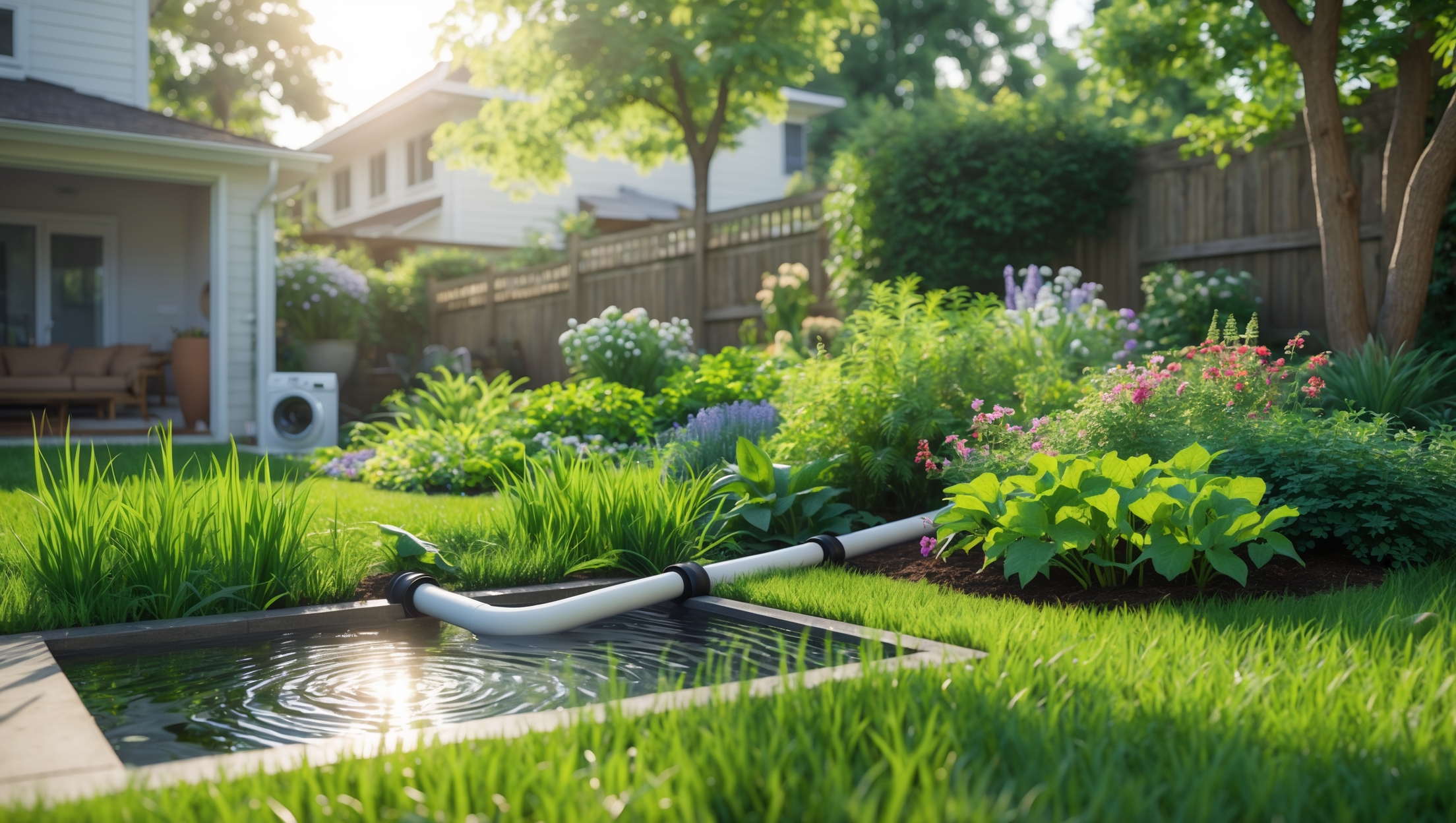
Introduction: Rethinking Water Use at Home
As sustainability becomes an increasing priority for homeowners, greywater recycling is gaining attention as a practical way to reduce water waste and save on utility bills. Yet, despite its benefits, many myths persist. Is greywater recycling really safe? Is it legal? Will it make your yard smell? Is it only for eco-warriors with deep pockets? These questions—and the misconceptions behind them—often stop people from exploring this powerful water-saving solution. In this article, we’ll separate fact from fiction, debunking the most common myths about home greywater recycling. Whether you’re considering a simple laundry-to-landscape system or a comprehensive whole-house setup, understanding the truths behind greywater reuse can help you make informed, confident decisions about your home’s water future.
What Is Greywater? A Quick Primer
Before diving into the myths, it’s essential to clarify what greywater is—and is not. Greywater refers to gently used water from bathroom sinks, showers, bathtubs, and washing machines. It does not include water from toilets (blackwater), kitchen sinks, or dishwashers, which can contain higher levels of pathogens and grease.
- Greywater sources: Showers, bathtubs, bathroom sinks, washing machines
- Not greywater: Toilet water, kitchen sink, dishwasher
This distinction is crucial, as it directly impacts the safety and best-use practices for recycling water at home.
Myth #1: Greywater Recycling Is Illegal Everywhere
One of the biggest misconceptions is that greywater reuse is universally illegal. The truth is more nuanced:
Understanding Local Regulations
While some regions still restrict greywater usage due to outdated plumbing codes or health concerns, many states and municipalities in the U.S., Australia, and Europe have clear guidelines—and even encourage responsible greywater recycling. For example, California’s 2010 Greywater Code allows simple laundry-to-landscape systems without a permit, provided certain conditions are met.
- Research your local regulations. Start with your city or county environmental health department or building authority.
- Many areas allow simple, gravity-fed systems with minimal paperwork.
- Permits may be required for more complex or pumped systems.
Bottom line: Greywater recycling is often legal if you follow local rules.
Myth #2: Greywater Systems Are Expensive and Complicated
Another common myth is that setting up a greywater system requires a major investment and advanced plumbing skills. In reality, costs and complexity depend on the type of system and your goals.
System Types and Costs
- Laundry-to-landscape: This is the simplest and most affordable option. Kits are available for $150–$500, and many homeowners can DIY installation in a day or two.
- Shower-to-landscape: Slightly more complex, as it often requires modifying drain lines. Costs range from $300–$1,000.
- Whole-house systems: These can be more involved, sometimes costing $2,000–$5,000+, but they maximize water reuse.
Maintenance is typically straightforward: cleaning filters, checking for clogs, and occasional line flushing. If you’re handy, many systems can be installed without a plumber. For others, hiring a professional ensures compliance and peace of mind.
Myth #3: Greywater Is Unsafe for Plants and People
Safety concerns are a major reason people hesitate to recycle greywater. Let’s set the record straight.
Greywater and Plant Health
Properly managed greywater is safe for ornamental plants, trees, and lawns. With some precautions, it can also be used for fruit trees and certain crops (avoid root vegetables and leafy greens you’ll eat raw).
- Use biodegradable, low-sodium, and phosphate-free soaps and detergents.
- Avoid using water from sources that contain harmful chemicals or pathogens (e.g., kitchen sinks).
- Disperse greywater below the soil surface to minimize direct human contact and prevent odors.
Human Safety
Greywater should never be used for drinking or on edible leaves and root crops. When directed to sub-surface irrigation, the risk of pathogen exposure is minimal. Simple practices—like not storing greywater for more than 24 hours—keep it safe and odor-free.
Myth #4: Greywater Systems Will Make Your Yard Smell
Many homeowners worry that using greywater will create unpleasant odors. This is almost always the result of improper design or maintenance.
- Greywater should be used immediately—stagnant water does smell.
- Systems should be designed to drain completely after each use.
- Regularly clean filters and check for clogs.
With proper installation and care, your yard will not develop odors from a greywater system.
Myth #5: Greywater Systems Require Major Lifestyle Changes
Some believe that recycling greywater means sacrificing convenience or comfort. In reality, most systems run in the background with minimal changes required.
- You can do laundry, shower, and wash as usual—just choose plant-friendly cleaning products.
- Modern systems are designed for “set it and forget it” operation.
- Routine maintenance is quick, typically just monthly filter checks and occasional flushing.
For most families, the transition is seamless.
Myth #6: Greywater Reuse Doesn’t Make a Meaningful Difference
Some skeptics argue that the effort isn’t worth the water savings. The numbers tell a different story.
Potential Water Savings
- The average American family uses 300+ gallons of water daily. Up to 60% is for outdoor irrigation.
- Capturing greywater from just one washing machine can save 5,000–10,000 gallons per year.
- A whole-house system can divert 20,000–40,000 gallons annually for landscape use.
In drought-prone areas, these savings are not just significant—they’re essential.
Myth #7: Greywater Systems Are Only for Homeowners
While installing a permanent system is easiest for homeowners, renters can also benefit.
- Portable greywater diverters can be used with washing machines and moved as needed.
- Some landlords are open to temporary, reversible installations—especially if they lower water bills.
- Container gardens and potted plants can often be irrigated with hand-carried greywater.
Check your lease and discuss options with your landlord if you rent.
Practical Tips for Safe and Effective Greywater Recycling
Choosing the Right Detergents and Soaps
- Look for products labeled as “greywater safe” or “biodegradable.”
- Avoid boron, bleach, and high-sodium or antibacterial cleaners.
- Low-phosphate is best for plant health.
System Design Best Practices
- Use gravity-fed, branched drain designs for reliability and simplicity.
- Distribute greywater below mulch or soil to filter out contaminants and prevent odors.
- Don’t store greywater; use it within 24 hours.
- Install easily accessible filters for quick cleaning.
- Label valves and pipes clearly to avoid confusion.
Maintenance Essentials
- Inspect filters and lines monthly; clean as needed.
- Flush the system with fresh water occasionally to prevent buildup.
- Check for leaks or standing water in the landscape.
- Monitor plant health and adjust output areas if needed.
Case Studies: Real-World Greywater Success
DIY Laundry-to-Landscape in Suburbia
Sarah, a homeowner in Arizona, installed a laundry-to-landscape kit for under $300. In her first summer, she cut outdoor water use by 30% and kept her fruit trees healthy through a heatwave. Her maintenance routine? Cleaning a filter once a month and using eco-friendly detergent.
Whole-House System in a Drought Zone
A family in Southern California retrofitted their home to divert shower and bath water to subsurface irrigation. The project cost $3,500, but rebates covered half. Their landscape stayed green year-round, and they saw a 40% drop in water bills. They credit careful planning and working with a licensed contractor for the system’s success.
Renters Reusing Greywater for Container Gardens
In an urban apartment, roommates use a portable diverter bucket to capture washing machine rinse water for their balcony herbs and flowers. They report no odors, healthy plants, and a sense of pride in reducing waste—no landlord approval needed.
Greywater Recycling and Compliance: Navigating the Rules
Legal requirements for greywater systems vary widely. Here’s how to stay in compliance:
- Consult your local building or environmental health department before installation.
- Simple laundry-to-landscape systems often require no permit; pumped or complex designs may.
- Follow setback requirements from wells, creeks, and property lines.
- Keep written records of your system design and maintenance.
- Be prepared for occasional inspections if required in your area.
Tip: Many regions offer incentives or rebates for water-saving home upgrades, including greywater systems. Check local programs to offset costs.
Insurance and Greywater Systems: What You Need to Know
Most home insurance policies don’t specifically exclude greywater systems, but it’s wise to notify your provider before installation. Properly installed, code-compliant systems are typically covered, just like other plumbing upgrades. Document your system with photos, permits, and receipts; this can speed claims if issues arise.
Conclusion: Embracing Greywater for a Sustainable Future
Greywater recycling isn’t a fringe practice—it’s a practical, proven way for everyday homeowners and renters to significantly reduce water waste, save money, and green their landscapes. Despite persistent myths about legality, safety, cost, and complexity, the reality is that most people can safely and affordably implement greywater reuse with just a little planning and attention to detail.
The key to success is understanding your local regulations, choosing the right products, and following best practices for system design and maintenance. Whether you opt for a simple DIY laundry-to-landscape setup or invest in a comprehensive whole-house system, the benefits—from lower water bills to a more resilient, beautiful yard—are tangible and ongoing. And as droughts and water restrictions become more common, greywater recycling is poised to move from “nice-to-have” to essential.
By debunking these common myths and embracing the facts, you can confidently take the next step toward a more sustainable, water-wise home. With each drop reused, you’re not just saving water—you’re helping to ensure a healthier, greener future for your community and beyond.
You mentioned that a simple laundry-to-landscape system is allowed in places like California. How much do these basic setups typically cost, and do they actually make a noticeable impact on monthly water bills for an average household?
A basic laundry-to-landscape greywater system in California usually costs between $200 and $500 if you install it yourself, or a bit more with professional help. Households can save around 15% to 40% on outdoor water use, so most people do notice a reduction in their monthly water bills, especially during dry months when irrigation needs are higher.
You mentioned that greywater systems range from simple laundry-to-landscape setups to whole-house solutions. How much does it typically cost to install each type, and is one significantly more affordable for a college student renting a house?
A simple laundry-to-landscape greywater system usually costs between $200 and $700, especially if you do most of the work yourself. Whole-house systems are much more expensive, often ranging from $2,000 to $5,000 or more. For a college student renting a house, a basic laundry-to-landscape setup is generally much more affordable and practical.
You mentioned that greywater from kitchen sinks and dishwashers isn’t recommended for reuse because of higher pathogens and grease. Is there a cost-effective way for homeowners to treat kitchen water so it could be safely recycled for outdoor use?
Treating kitchen greywater for safe outdoor reuse is challenging due to grease, food particles, and higher bacteria levels. While advanced filtration and biological treatment systems exist, they’re often costly and require regular maintenance. For most homeowners, it’s simpler and more economical to focus on reusing water from showers, baths, and laundry rather than kitchen sources.
You mentioned that showers, bathtubs, and washing machines are all sources of greywater, but that kitchen sinks are not included. Is there a particular reason why kitchen sink water is considered less suitable for recycling, even if I use biodegradable soap?
Kitchen sink water is not recommended for greywater recycling because it typically contains high levels of food particles, grease, fats, and oils, which can clog systems and attract pests. Even with biodegradable soap, these contaminants make the water harder to treat and less safe for reuse in gardens or irrigation.
Could you explain more about why kitchen sink and dishwasher water aren’t considered greywater, and are there any safe methods to recycle that type of water for home use?
Kitchen sink and dishwasher water aren’t classified as greywater because they often contain grease, food particles, and harsh detergents that can harm plants and soil. These contaminants make the water harder to safely reuse. There aren’t widely recommended or simple home methods for recycling this water, but specialized treatment systems exist if you want to pursue this option. They require careful installation and maintenance to ensure safety.
Can you clarify if using water from a kitchen sink or dishwasher for greywater recycling is never allowed, or are there systems that can safely handle those sources too?
Kitchen sink and dishwasher water are generally not recommended for greywater systems because they contain higher levels of grease, food particles, and detergents, which can cause problems. However, some advanced greywater systems are designed to filter and treat these sources safely. Always check local regulations, as many areas restrict kitchen and dishwasher water regardless of the system used.
You mention that kitchen sink water isn’t included as greywater due to grease and pathogens. How do most systems prevent this water from accidentally mixing with the safe greywater sources?
Most greywater systems are designed with separate plumbing lines, so water from sources like kitchen sinks is kept apart from bathroom sinks, showers, and laundry. This separation ensures kitchen wastewater doesn’t accidentally mix with greywater, keeping the system safe and compliant with local regulations.
You clarified that greywater doesn’t include kitchen sink or dishwasher water because of grease and pathogens. Is it risky to accidentally include a small amount of kitchen greywater, or does that make the whole system unsafe?
Including a small amount of kitchen greywater occasionally is unlikely to make your entire system unsafe, but it’s not recommended. Even small amounts can introduce fats, food particles, and bacteria that may clog pipes, attract pests, or create odors over time. For best results, keep kitchen water separate from your greywater system.
You mentioned greywater from washing machines is okay, but kitchen sink water isn’t. If I do a lot of laundry and cook at home, how much could I actually expect to save on my water bill by installing a basic system?
With a basic greywater recycling system using washing machine water, you could reuse about 15–40 gallons per load, depending on your machine. This water can be redirected for irrigation or toilet flushing, potentially saving up to 25–40% on your outdoor water use. The exact savings on your bill will depend on your local rates and how often you do laundry, but many households see noticeable reductions.
I’m a bit confused about the regulations—if I wanted to set up a laundry-to-landscape system in my state, how do I find out whether it’s allowed and what kind of permits I might need?
To find out if a laundry-to-landscape system is permitted in your state, start by checking your local building or environmental health department’s website for greywater regulations. They’ll outline any restrictions and whether you need a permit. You can also call them directly for guidance tailored to your area.
Is there a difference in how safe it is to use greywater from washing machines versus bathroom sinks, especially if you have kids or pets around?
Yes, there is a difference in safety. Greywater from bathroom sinks usually contains fewer chemicals and contaminants than washing machine water, which may have more detergents and residue. If you have kids or pets, it’s safer to use bathroom sink greywater for things like irrigation. Always avoid using greywater for drinking or on edible plants, and try to use mild, biodegradable soaps to minimize risks.
For homeowners worried about costs, can you elaborate on whether a basic laundry-to-landscape setup is affordable for most budgets, or if even the simplest systems require a significant investment up front?
A basic laundry-to-landscape greywater system is generally quite affordable for most homeowners. Many setups can be installed for a few hundred dollars, especially if you do some of the work yourself. These systems usually require minimal plumbing parts without the need for pumps or filtration, making them one of the most budget-friendly options.
You mentioned it’s a myth that greywater makes a yard smell. Is this only true if you use specific types of plants or soil, or are there best practices to prevent odors, especially in landscaped areas businesses use for outdoor seating?
Greywater shouldn’t cause odors if managed correctly, regardless of plant or soil type. To prevent smells, use subsurface irrigation, avoid pooling, and don’t reuse water with harsh chemicals or food waste. Regularly maintain the system and choose well-draining soil in landscaped business areas for best results.
If greywater is only from sources like showers and washing machines, how do families make sure there’s no cross-contamination with water from kitchen sinks or dishwashers? Are there specific systems that help prevent mixing?
To prevent cross-contamination, greywater recycling systems are designed with separate plumbing lines for greywater sources like showers and washing machines. These systems specifically exclude kitchen sinks and dishwashers, which produce water with higher levels of grease and contaminants. Many systems also include filters and automatic diverters to ensure only approved greywater enters the recycling process.
I see that local regulations on greywater reuse can differ a lot. How can I find out what the specific rules are for my city or county before installing even a basic system like laundry-to-landscape?
To find the specific rules for your area, start by contacting your city or county’s building or environmental health department. They can tell you about local codes and permit requirements. You can also check their official website for guidelines on greywater systems. Some areas require permits even for simple setups like laundry-to-landscape, so verifying before you begin is important.
I’m curious how a homeowner could find out whether their state or city has updated their regulations to allow greywater systems—are there specific resources or departments you’d recommend checking with before making plans?
To check if greywater systems are allowed in your area, start with your local building or environmental health department, as they handle permits and regulations. State environmental agencies often have updated guidelines as well. You can also look for recent municipal codes online or speak with a licensed plumber familiar with local rules.
The article points out that not all states have the same rules for greywater. If I move to a different city, how hard is it to update or adapt an existing home greywater system to fit new local codes?
Adapting a greywater system to new local codes can be straightforward or require significant changes, depending on the differences in regulations. Some areas may need additional filtration, storage, or plumbing adjustments. It’s a good idea to check local requirements before moving, and consult a professional if needed, to ensure compliance and safety.
The article mentions that some states, like California, have specific greywater codes. If I’m in a state without clear guidelines, what’s the safest way to start exploring a basic greywater system for my yard?
If your state doesn’t have clear greywater guidelines, start with a simple system like a laundry-to-landscape setup, which usually involves minimal plumbing changes and avoids storing water. Use only plant-friendly detergents, keep greywater below the surface, and avoid edible crops. It’s wise to consult your local building department to check for any general plumbing or health codes you might need to follow.
You talked about myths around legality, and I’m in Texas where codes can get confusing. Is there an easy way for homeowners to find out exactly what’s allowed in their area before investing in a setup?
To find out what’s allowed in your Texas area, check with your city or county building department—they can explain specific codes and permit requirements. Some areas also publish guidelines online. Contacting a local licensed plumber or installer familiar with greywater systems can also help you navigate local rules.
I run a small landscaping business and some clients ask if using greywater for irrigation will give their yard a bad smell. How common is this issue, and are there best practices to avoid it?
Odors from greywater irrigation are uncommon if the system is set up and managed properly. To avoid smells, use greywater promptly, filter out food particles, and don’t let the water stagnate. Applying greywater below the soil surface also helps. Following these best practices keeps yards odor-free.
Since regulations differ depending on where you live, what’s the best way for homeowners to find out if greywater recycling is allowed or encouraged in their specific area? Are there common resources or offices to contact first?
The most reliable way is to contact your local building or environmental health department, as they handle permits and can explain local rules. You can also check your city or county government website for information on water use regulations. Some regions may have specific guidelines or incentives, so starting with these local offices is your best bet.
You mentioned that California has specific regulations about greywater systems. How can I find out what the exact rules are for setting up a greywater system in my own state or city?
To find the exact greywater system rules for your area, check your state or city’s environmental or building department website. You can also contact your local permitting office directly, as regulations can vary by city and county. They’ll provide specific requirements and any permit information you need.
The article says greywater doesn’t include water from the kitchen sink or dishwasher because of higher levels of pathogens and grease. What would happen if someone accidentally included that water in their system?
If kitchen sink or dishwasher water gets into a greywater system, it can introduce more grease, food particles, and bacteria, which may clog pipes, create unpleasant odors, and pose health risks. Most systems aren’t designed to handle these contaminants, so regular maintenance could become difficult and plants might be harmed.
I’m interested in a simple laundry-to-landscape system, like the one California allows, but I’m unsure what the installation process actually involves. Could you explain what basic steps a homeowner needs to take to set up such a system safely?
To set up a laundry-to-landscape system, start by rerouting your washing machine’s drain hose to a diverter valve. Then, run appropriate tubing from the valve to your garden, making sure to use mulch basins around plants to distribute water evenly. Confirm that you use only biodegradable, plant-safe detergents and avoid systems with pumps for simplicity and safety. Also, check local codes to ensure compliance.
I’m interested in greywater recycling mainly for budget reasons. Is it possible to install a basic system without a huge upfront cost, or is it mostly worth it if you go with a whole-house setup?
You can absolutely start with a simple, low-cost greywater system—many people begin by diverting laundry or shower water to outdoor irrigation using basic kits. You don’t need a whole-house setup to save money; small-scale systems are budget-friendly and still cut water bills.
The article mentions that some places have strict greywater regulations. How would I go about finding out what the rules are in my county, and who do I contact if I want to check before starting a project?
To find out your county’s greywater rules, start by checking with your local health department or county building department. They typically oversee water reuse regulations. You can also look for information on your county or city government website, or call their offices directly to ask about greywater recycling requirements before beginning your project.
If local codes allow simple greywater setups, how complex is it to install a basic system for bathroom sinks and laundry in an older home? Is professional help usually needed?
Installing a basic greywater system for bathroom sinks and laundry in an older home can range from moderately simple to complex, depending on your plumbing layout and the condition of existing pipes. In many cases, connecting pipes to divert greywater may require cutting and rerouting, which can be challenging in older homes. While some handy homeowners tackle small setups themselves, professional help is often recommended to ensure proper installation, prevent leaks, and stay compliant with codes.
I noticed you mentioned that greywater from kitchen sinks and dishwashers isn’t safe for recycling due to grease and pathogens. Are there any recommended ways to separate these sources from the greywater eligible for reuse when doing DIY plumbing?
Yes, when setting up a DIY greywater system, it’s best to keep kitchen sinks and dishwashers on a separate drainage line that sends their water directly to the sewer or septic system. Only bathroom sinks, showers, and laundry water should be directed into the greywater system. Clearly labeling and using separate piping will help prevent cross-contamination.
I’m curious about the safety concerns—how risky is it to use greywater from a washing machine on vegetable gardens or fruit trees compared to just using it on lawns or ornamentals?
Using greywater from a washing machine on vegetable gardens does carry more risk than using it on lawns or ornamentals. It’s generally safest to only use greywater on non-edible plants, since residues from detergents and potential pathogens can contaminate crops, especially those that grow close to the ground or are eaten raw. Fruit trees are less risky if the water doesn’t touch the fruit. Always avoid using greywater on root vegetables or leafy greens.
You mention that greywater does not include water from kitchen sinks or dishwashers due to higher levels of grease and pathogens. Are there any safe methods for reusing kitchen water, or is it always off-limits?
Kitchen water is generally not recommended for home greywater systems because it contains fats, oils, food particles, and pathogens that can cause health risks and clog systems. Specialized treatment systems can make kitchen water safe for reuse, but these are usually complex, costly, and more common in commercial or community-scale projects. For most homes, it’s best to avoid reusing kitchen wastewater.
I’ve read that kitchen sink and dishwasher water can’t be used for greywater recycling because of higher pathogen and grease content. Is there any safe way to treat and reuse this water, or is it always off limits for home systems?
Kitchen sink and dishwasher water, often called ‘dark greywater,’ typically contains more grease, food particles, and pathogens, making it risky for simple home greywater systems. Advanced treatment setups with filtration, grease traps, and disinfection can make reuse possible, but they are complex, costly, and often not allowed by local regulations. For most households, it’s safest to exclude this water from home greywater recycling.
You mentioned that greywater from kitchen sinks isn’t safe to reuse due to grease and pathogens. Is there any practical way for a homeowner to filter or treat that water, or is it always best to just stick with water from showers and laundry?
Filtering kitchen sink greywater is challenging because of the high levels of grease, food particles, and pathogens, which standard home filters can’t fully remove. Advanced treatment systems do exist, but they are costly and require ongoing maintenance. For most homeowners, it’s safer and much simpler to use greywater from showers and laundry instead.
I’m interested in the cost aspect—are these systems really only for people with larger budgets, or is there an affordable way for an average household to get started with greywater recycling?
Greywater recycling isn’t just for big budgets. While larger, automated systems can be pricey, many households start with simple, manual setups—like diverting laundry or shower water to the garden—which are much more affordable. Costs can range from under $100 for DIY solutions to several thousand for advanced systems.
I see you mentioned that California allows laundry-to-landscape greywater systems without a permit. Are there similar low-barrier options in other US states, or is California unique in that regard?
California is among the most permissive states when it comes to permit-free laundry-to-landscape greywater systems. However, a few other states, like Arizona and Texas, also have relatively simple processes or exemptions for certain residential greywater setups. Rules and barriers do vary widely, so it’s important to check your specific state and local regulations.
If someone is considering a whole-house greywater recycling setup, what are some key factors that might affect the initial cost and ongoing maintenance compared to a simpler laundry-only system?
A whole-house greywater system is typically more expensive upfront because it requires more complex plumbing, larger tanks, and advanced filtration to handle water from multiple sources. Ongoing maintenance is also higher, as more filters and parts need regular cleaning or replacement. In contrast, laundry-only systems are simpler, cheaper to install, and require less frequent upkeep.
The article mentions that greywater from bathroom sinks and washing machines is safe to reuse, but not from the kitchen sink or dishwasher. What are the main reasons for excluding kitchen greywater, and are there ever exceptions to this rule?
Kitchen greywater is excluded because it typically contains high levels of food particles, grease, fats, and harsh cleaning chemicals, which can promote bacteria growth and clog reuse systems. Unlike water from sinks or washing machines, it poses more health risks. Exceptions are rare, but some advanced household filtration systems can treat kitchen water; however, these setups are not common and require careful management.
You talked about how greywater shouldn’t come from kitchen sinks or dishwashers because of pathogens and grease. If my washing machine handles heavily soiled loads, is that still safe for greywater use in the yard?
Greywater from washing machines can usually be used for yard irrigation, but if you’re washing heavily soiled items, especially with contaminants like oils, chemicals, or diapers, it’s best to avoid using that water in your garden. Residues from such loads can harm soil health or plants, so stick with water from lightly soiled laundry for safest results.
You mentioned that greywater from kitchen sinks and dishwashers isn’t safe to reuse like bathroom or laundry water. What are the main risks if someone accidentally includes those sources in their greywater system?
Including kitchen sink and dishwasher water in your greywater system can introduce fats, oils, food particles, and harsh detergents. These can clog your system, attract pests, create unpleasant odors, and spread harmful bacteria. Bathroom and laundry water are generally safer because they lack these contaminants.
You mentioned both simple laundry-to-landscape setups and more comprehensive whole-house systems. For a beginner on a tight budget, which type is more realistic to try first, and what kind of maintenance is involved?
A laundry-to-landscape setup is usually the best choice for beginners on a budget. It’s simpler to install, uses water from your washing machine for irrigation, and doesn’t require major plumbing changes. Maintenance mainly involves checking that filters and hoses aren’t clogged, and ensuring water flows properly to the plants.
If someone is concerned about potential odors from greywater recycling in their yard, what steps or system features should they look for to avoid this issue?
To minimize odors from greywater recycling, look for systems with good filtration, automatic flushing, and aerobic treatment. Make sure the greywater is distributed below the soil surface and used promptly, rather than stored for long periods. Properly maintained systems and regular cleaning will also help keep your yard odor-free.
The article talks about greywater systems not just being for eco-warriors with deep pockets. Are there reliable budget setups you’d recommend for a beginner, especially for diverting water from the washing machine to landscaping?
Absolutely, there are budget-friendly greywater systems that beginners can install, especially for laundry. A simple laundry-to-landscape setup often uses a diverter valve and piping to send washing machine water directly to your yard. Many DIY kits are available at hardware stores, or you can assemble one with basic plumbing supplies. Just be sure to use plant-friendly detergents and follow local regulations.
The article mentions that greywater doesn’t come from kitchen sinks or dishwashers because of pathogens and grease. Is there any safe way to treat and reuse water from those sources, or is it better to avoid them completely?
While it’s technically possible to treat kitchen and dishwasher water with specialized filtration and disinfection systems, it’s usually challenging and costly due to the high levels of grease, food particles, and pathogens. Most home greywater systems are designed to exclude these sources to avoid maintenance problems and health risks. For most households, it’s safer and more practical to stick to greywater from showers, baths, and laundry.
You talk about laundry-to-landscape systems versus whole-house setups. What are the main differences in terms of cost, complexity, and effectiveness for someone just starting out with greywater recycling?
Laundry-to-landscape systems are simpler and more affordable, usually costing a few hundred dollars and requiring minimal plumbing changes. Whole-house setups are more complex, involve rerouting all greywater sources, and can cost several thousand dollars. For beginners, laundry-to-landscape is easier to install and maintain, but whole-house systems handle more water and offer greater overall reuse.
You mention that greywater from kitchen sinks and dishwashers is not safe to reuse, but what about bathroom sinks if I use harsh cleaning products in them? Would that affect whether the water can be recycled safely for my garden?
Yes, using harsh cleaning products in your bathroom sink can make its greywater less suitable for garden use. Many cleaning chemicals can harm plants or soil. If you want to recycle bathroom sink water, try to use mild, biodegradable soaps and cleaners to keep the greywater safe for your garden.
You brought up that some states encourage greywater systems while others restrict them. How would I go about finding out what’s actually allowed in my city before starting a project like laundry-to-landscape?
To check what’s allowed in your city, start by contacting your local building or environmental health department. They can give you details on greywater regulations and required permits. It’s also a good idea to review your state’s environmental agency website for specific greywater guidelines that may apply to your area.
I noticed the article says greywater from kitchen sinks is not included because of higher levels of pathogens and grease. Is there any safe way to filter or treat kitchen sink water so it can be reused in some situations?
Kitchen sink greywater is challenging to reuse safely due to food particles, grease, and pathogens. While advanced filtration and disinfection systems exist, they require careful installation and maintenance. For most homes, the cost and complexity usually outweigh the benefits, so it’s generally safer to focus on bathroom and laundry greywater for reuse.
I noticed you mentioned that kitchen sink water isn’t considered greywater because of the higher pathogen and grease content. Is there any safe way to recycle kitchen sink water, or is it best to avoid it entirely for home use?
Kitchen sink water, often called ‘blackwater’ due to fats, food scraps, and pathogens, is generally unsafe for standard home greywater systems. Treating it safely requires advanced filtration and disinfection—usually beyond what home setups can handle. For most households, it’s best to avoid recycling kitchen sink water and focus on safer sources like bathroom sinks, showers, and laundry.
I noticed the article mentions California’s 2010 Greywater Code. Do you know if other states have similar allowances for simple systems, or is California ahead of the curve with its regulations?
California was one of the first to adopt more accessible greywater regulations, especially for simple laundry-to-landscape systems. However, other states like Arizona, Texas, and Oregon also have allowances for basic greywater reuse with fewer restrictions than in the past. Regulations still vary by state and sometimes by municipality, so it’s important to check local guidelines before installing a system.
The article mentions that greywater doesn’t include water from kitchen sinks or dishwashers due to higher pathogen levels. Are there any safe ways to treat and reuse that type of water, or is it always off limits for home recycling systems?
Water from kitchen sinks and dishwashers, known as ‘blackwater,’ contains more fats, food particles, and pathogens, which makes treatment much more complex. While there are advanced treatment systems designed to handle this type of water, they are generally not recommended or practical for typical home use due to health risks and higher maintenance needs. For most households, it’s safest to limit recycling to greywater, such as from showers and laundry.
I’m interested in greywater recycling to help lower my utility bills, but is it possible to set up a basic system without spending a lot? What kind of costs should a first-timer expect for a simple bathroom or laundry setup?
You can absolutely set up a basic greywater recycling system without a big investment. For a simple laundry-to-landscape system, costs can range from $150 to $500 for materials if you do it yourself. Bathroom setups may be a bit more complex and could cost slightly more, especially if plumbing adjustments are needed. Many people start with their laundry system because it’s often the easiest and most cost-effective entry point.
Is it true that greywater systems are mainly for people with big budgets? What are some cost-effective ways a small business could get started with greywater recycling without a major upfront investment?
Greywater systems aren’t just for those with large budgets. Many small businesses can start with simple, affordable setups like using greywater from sinks to irrigate landscaping. Modular kits and do-it-yourself installations can reduce costs. Begin with one area, such as laundry or bathroom sinks, and expand as your budget allows.
The article says that kitchen sink and dishwasher water shouldn’t be reused due to high grease and pathogens. If we only use biodegradable soaps, is it ever safe to include that water for landscaping, or is it still not recommended?
Even if you use biodegradable soaps, kitchen sink and dishwasher water usually contain grease, food particles, and higher levels of bacteria, which can still pose health and environmental risks. Most guidelines recommend against using this water for landscaping, especially on edible plants, as it can contaminate soil and attract pests. It’s safest to stick with greywater from laundry, showers, and bathroom sinks for irrigation.
I’m curious about the cost factor addressed in the introduction. Are laundry-to-landscape systems generally affordable to install and maintain, or do most homeowners need to invest a lot upfront for reliable greywater reuse?
Laundry-to-landscape systems are often one of the most affordable options for greywater recycling. The article highlights that these systems usually require only basic plumbing adjustments, keeping upfront costs low compared to other setups. Maintenance is generally minimal, mainly involving occasional filter checks, so ongoing expenses are quite reasonable for most homeowners.
Could you clarify how the regulations for greywater recycling differ from state to state? I want to make sure my business stays compliant if I install a simple system for bathroom sink water reuse.
Greywater regulations can vary widely across states. Some require permits and have strict guidelines on what sources you can use, like only water from bathroom sinks or laundry. Others may prohibit reuse altogether or have minimal rules. It’s important to check your local health or environmental agency for specific requirements, including system design, maintenance, and allowable uses.
You mentioned laundry-to-landscape systems and whole-house setups. What’s the typical cost difference between those, and is one significantly harder to install and maintain than the other for homeowners?
Laundry-to-landscape systems are generally much cheaper, often costing a few hundred dollars, and are easier to install—many homeowners can do it themselves. Whole-house setups can run into several thousand dollars and usually need professional installation. Maintenance is typically simpler for laundry-to-landscape systems as well.
I noticed it says greywater recycling isn’t illegal everywhere and some states like California have guidelines. How can I find out what the specific rules are in my city before setting up a system?
To find your city’s specific rules for greywater recycling, start by checking your local government’s website or contacting the city’s building or environmental health department. They can provide details about permits, guidelines, and any restrictions in your area before you install a system.
The article mentions that some areas encourage greywater recycling while others restrict it. How do I figure out if my state or city has any special permits or limitations for setting up a basic greywater system at my home or business?
To find out about local greywater regulations, check your state’s environmental or water resources agency website for guidance. Many cities list permit requirements on their building or public works department pages. You can also call these offices directly to ask about rules or paperwork needed for home or business systems.
If greywater from kitchen sinks and dishwashers isn’t recommended due to higher pathogen and grease content, are there any filtration or treatment options for people who want to recycle water from those sources too?
Yes, there are advanced greywater treatment systems designed to handle kitchen sink and dishwasher water. These typically include fine filtration, grease traps, and disinfection steps like UV or chlorine treatment. However, these systems are more complex, costly, and may require regular maintenance. Always check your local regulations, as some areas restrict or prohibit the reuse of kitchen greywater, even with advanced treatment.
I always hear that greywater systems are expensive to set up, but the article says they’re not just for people with deep pockets. What are some budget-friendly options for small businesses, and do they really pay off in terms of water bill savings?
Small businesses can consider simple gravity-fed greywater systems or basic laundry-to-landscape setups, which are generally quite affordable to install. These options usually require minimal plumbing changes and can reuse water for landscaping. Over time, the water bill savings from reusing greywater often offset the initial setup cost, especially if your business uses significant water for irrigation.
I’m interested in a laundry-to-landscape system like the one you mentioned. Could you explain if these simple systems require professional installation, or is it realistic for a homeowner with basic DIY skills to set one up safely?
A laundry-to-landscape greywater system is often within reach for homeowners with basic DIY skills. Many people install these systems themselves by redirecting washing machine water to their gardens, using parts like diverter valves and tubing. However, make sure to follow local codes and safety guidelines, and avoid discharging water onto edible plants or where runoff could affect neighbors. If you’re unsure, a consultation with a professional can help ensure everything is up to code and safely installed.
I live in a state where the regulations around greywater recycling seem a bit unclear. How do you recommend homeowners go about finding out what’s actually allowed in their specific city or county before installing a laundry-to-landscape setup?
To find out exactly what’s permitted in your area, start by checking your city or county’s building and environmental health departments—many have guidelines online or staff who can clarify local rules. It’s also helpful to consult with a licensed plumber familiar with greywater systems in your region, as they often know both the regulations and approval processes.
For homeowners considering a simple laundry-to-landscape greywater system, what are some common mistakes or misconceptions to watch out for during installation or maintenance?
A common mistake is using laundry water with harsh detergents or bleach, which can harm your plants. Many people also overlook filtering lint and debris before the water reaches the garden. It’s important to avoid sending greywater to edible crops and to regularly check that pipes aren’t clogged or leaking.
You brought up that regulations can differ a lot depending on location. How do I find out what’s allowed in my city before I start planning a simple greywater setup at home?
The best way to find out your local greywater regulations is to contact your city’s building or environmental health department. They can tell you if permits are needed and what systems are allowed. Some cities also have this information on their official website.
You touched a bit on local regulations, but how hard is it to get approval or permits for a DIY laundry-to-landscape greywater system in areas with stricter plumbing codes? Any tips for making that process easier or faster?
Getting approval for a DIY laundry-to-landscape greywater system in areas with strict plumbing codes can be challenging, as permits often require detailed plans and inspections. To make the process smoother, check your local regulations early, prepare clear diagrams, and consider consulting with a licensed plumber or installer. Being proactive and communicating openly with your local permitting office can help speed things up.
I’m curious about how the rules differ from state to state when it comes to using greywater from showers or washing machines. Is there an easy way to find out what’s allowed in my area before planning a system?
Greywater rules can vary a lot depending on your state and even your local city or county. A good way to start is by checking your state’s Department of Environmental Quality or Health website for greywater regulations. You can also contact your local building or health department directly to confirm what’s allowed before planning your system.
I’m interested in greywater recycling but am unsure about the rules where I live. How do I find out if my state or city allows laundry-to-landscape systems like the ones you mentioned?
To find out if laundry-to-landscape greywater systems are allowed in your area, check your state or city’s building codes and environmental regulations. Contact your local building department or water utility—they can provide clear guidance on what’s permitted and if you need permits or inspections.
I’m interested in installing a greywater system for my business, but I’m unsure how to navigate local rules. The article mentions that some places like California have their own codes—what’s the best way to find out if my city allows these systems?
To find out if your city permits greywater systems, contact your local building or environmental health department. They can provide details on specific regulations and permitting processes. It’s also helpful to check your city or county website for published codes or guidelines related to greywater use.
Our business is interested in saving on utility costs, but we’re not sure if laundry-to-landscape systems or whole-house setups make more sense for commercial spaces. Are the guidelines in California mentioned here only for homes, or do they apply to small businesses too?
The California guidelines discussed in the article are primarily focused on residential homes. For commercial or small business spaces, you’ll need to follow additional local codes and health department regulations. It’s a good idea to check with your city or county for specific requirements and to determine which system—laundry-to-landscape or whole-building—fits your business size and water usage best.
I’m interested in reducing our utility bill but worry about installation costs. Are there any low-cost greywater systems recommended for small businesses, or is recycling greywater mainly a bigger investment for homeowners?
There are actually some low-cost greywater solutions suitable for small businesses, such as simple laundry-to-landscape or branched drain systems. These typically require minimal plumbing changes and can be installed for a few hundred dollars, making them accessible for smaller operations, not just homeowners.
If we’re just starting out, would you recommend a laundry-to-landscape system over a whole-house setup for a typical suburban family, especially for those on a budget?
A laundry-to-landscape system is a practical starting point, especially for families on a budget. It’s usually more affordable and easier to install than a whole-house setup, and it can make a noticeable impact on water savings. You can always expand later if you want to recycle more greywater.
You mentioned that greywater from kitchen sinks isn’t recommended because of higher levels of grease and pathogens. Are there any safe ways to treat or filter kitchen sink water for reuse, or is it always best avoided?
Treating kitchen sink greywater is challenging due to fats, oils, food particles, and higher pathogen risks. Advanced filtration and disinfection systems can make it safer, but these setups are costly and require regular maintenance. For most homeowners, it’s safest to avoid reusing kitchen sink water and focus on bathroom sinks, showers, and laundry greywater instead.
You mentioned that greywater doesn’t include water from kitchen sinks or dishwashers because of pathogens and grease. What exactly makes water from those sources so different from bathroom sinks or laundry, safety-wise?
Water from kitchen sinks and dishwashers contains high levels of food particles, grease, fats, and potentially harmful bacteria from raw foods and meat. These can promote dangerous pathogen growth, making the water riskier to reuse. In contrast, greywater from bathroom sinks or laundry is mostly soapy water with fewer contaminants, making it safer for non-potable reuse.
The article says greywater doesn’t include water from kitchen sinks or dishwashers because of potential pathogens and grease. Is there any way to safely reuse that water or is it completely off-limits for home recycling systems?
Water from kitchen sinks and dishwashers is generally excluded from greywater systems because it often contains food particles, fats, oils, and pathogens that make safe reuse difficult. While there are advanced filtration systems designed for this type of water, they are complex, costly, and not commonly used in typical home setups. For most households, it’s safest to limit greywater recycling to sources like showers, baths, and laundry.
I’m interested in greywater recycling but my main concern is cost. Are there affordable options for families on a tight budget, or is this mostly an investment for people with bigger homes?
Greywater recycling doesn’t have to be expensive. There are simple, low-cost DIY systems like diverting laundry or shower water to your garden, which can be affordable for families. While larger, automated systems can be pricey, many homeowners start small and upgrade later as budget allows.
I see that kitchen sink water isn’t considered greywater because of pathogens and grease. Is there any way to treat or filter kitchen sink water at home so it could be safely reused for irrigation, or is that just not recommended?
Treating kitchen sink water, which is often called ‘blackwater’ due to grease, food particles, and pathogens, is quite complex. Home systems usually aren’t designed to process these contaminants safely. While advanced filtration systems exist, they’re costly and still may not make the water safe for irrigation. It’s generally not recommended to reuse kitchen sink water for garden purposes.
For someone on a budget, what is the cost difference between a basic laundry-to-landscape system and a whole-house greywater setup? Are there any rebates or programs that help offset installation costs?
A basic laundry-to-landscape greywater system usually costs between $200 and $600 if you install it yourself, while a whole-house greywater setup can run from $2,000 to $5,000 or more, especially with professional installation. Some cities and states offer rebates or financial incentives for greywater systems, so it’s worth checking with your local water utility or government office to see what’s available in your area.
For someone on a tight budget, is it practical to start with a simple laundry-to-landscape setup, or do most local regulations require more comprehensive greywater systems?
Starting with a simple laundry-to-landscape greywater system is often practical for those on a budget. In many areas, basic setups like this are allowed with minimal permitting, especially if the water is discharged below the soil. However, regulations do vary by location, so it’s smart to check with your local building or environmental health department about specific requirements before you begin.
You mention that California has specific greywater codes. Does that mean you need a permit for all types of greywater systems, or are some small-scale setups exempt from regulations?
In California, simple greywater systems like laundry-to-landscape setups usually don’t require a permit if they’re installed according to specific guidelines and don’t alter the plumbing. More complex systems, or those involving pumps and modifications, will typically need a permit. Always check your local city or county rules for exact requirements.
I’m interested in starting small, maybe just using shower water for my garden. Are there budget-friendly starter kits or DIY solutions for beginners, and what’s a rough estimate for total costs to get something like that up and running in the US?
You can definitely start small with shower greywater for your garden. There are DIY kits like basic diverter valves and hose systems that can cost between $50 and $200, depending on materials and setup. For a simple homemade system, using a diverter and a hose, you might spend even less. Just be sure to use biodegradable soaps and check local regulations before installing.
The article says regulations differ by state and city. For someone in the US Midwest, what are the first steps to determine if setting up a home greywater system is allowed and get started on the right foot?
To start, check with your local city or county building department—they can tell you if greywater systems are allowed and if any permits are needed. Review your state’s environmental or health agency guidelines too. If regulations permit, consult a licensed plumber familiar with greywater systems before making any installations.
Does greywater from washing machines need extra filtering before using it for watering plants, or is it generally safe to use as is?
Greywater from washing machines often contains detergents, lint, and other residues, so some filtering is recommended before using it on plants. At a minimum, a simple filter to remove lint and debris helps. Also, always use biodegradable, plant-friendly detergents, as some chemicals in regular detergents can harm plants.
Can you clarify whether greywater from a washing machine that’s used for both clothes and occasional dog bedding counts as safe and legal for recycling under most state guidelines?
Greywater from washing machines is generally considered safe to recycle, but if you’re washing items like dog bedding, some states may classify that water as blackwater due to potential pathogens. Check your state’s specific regulations, as some allow it with precautions while others restrict use when animal waste is involved.
You mentioned that greywater doesn’t include kitchen sink or dishwasher water because of higher pathogen and grease levels. Are there any safe or approved ways to treat and reuse that kind of water at home, or is it always off-limits?
Kitchen sink and dishwasher water, often called ‘blackwater’, is generally not recommended for home greywater reuse due to high grease and pathogen content. Treating this water safely requires advanced filtration and disinfection systems, which are typically expensive and complex for residential use. Most local regulations prohibit its reuse for safety reasons, so it’s best to stick with bathroom sink, shower, and laundry water for home greywater recycling.
I noticed the article says greywater from kitchen sinks and dishwashers shouldn’t be reused at home. Is there a specific reason why these sources are considered less safe than bathroom sinks or washing machines?
Kitchen sink and dishwasher greywater is typically avoided because it contains higher levels of food particles, grease, fats, and harsh cleaning chemicals. These can encourage bacterial growth and clog irrigation systems, making it less safe and practical for reuse compared to relatively cleaner sources like bathroom sinks or laundry water.
I run a small salon and we generate a lot of greywater from hair-washing sinks. The article mentions that water from bathroom sinks is considered safe greywater, but is salon sink water treated the same way under typical regulations, or would it be classified differently?
Salon sink water from hair-washing often contains higher levels of chemicals like dyes, shampoos, and styling products than typical household bathroom sink water. Regulations commonly classify this water differently, sometimes as more hazardous, and may prohibit or restrict its reuse in greywater systems. You should check your local regulations for salons, as they may have specific rules separate from residential greywater guidelines.
You mention that kitchen sink and dishwasher water aren’t considered greywater because of the higher levels of grease and pathogens. Are there any safe and legal ways to treat and reuse that type of water for non-potable purposes, like irrigation?
Kitchen sink and dishwasher water, often called ‘blackwater,’ is generally excluded from greywater systems due to grease, food scraps, and contaminants. Treating and reusing this water safely for irrigation is complex and often not allowed by local regulations. Advanced treatment systems exist but are usually costly and require permits. It’s best to check your local codes before considering any reuse.
For someone just starting out, is it better to try a laundry-to-landscape system first, or does it make sense to aim for a whole-house greywater setup even if you’re on a tight budget?
Starting with a laundry-to-landscape system is often the best choice if you’re new to greywater recycling, especially on a tight budget. It’s simpler, less expensive, and easier to install compared to a whole-house setup. You can always expand later as you gain experience.
For homeowners on a budget who want to start small, what are the most affordable greywater recycling systems you’d recommend, and how much DIY can realistically be involved without running into permit issues?
For budget-conscious homeowners, simple laundry-to-landscape or shower-to-garden systems are the most affordable greywater options. These usually involve redirecting water from washing machines or showers directly to landscape plants. Many of these can be assembled as a DIY project with basic plumbing skills. However, regulations vary by location, so it’s wise to check with your local building department—small, non-potable systems often don’t require permits, but always confirm first.
If I want to install a basic greywater system at home to save on utility costs, what sort of budget range should I expect for a simple bathroom sink or laundry-based setup? Are there incentives or rebates to help offset the initial expense?
For a basic greywater system using a bathroom sink or laundry, costs typically range from $200 to $1,000 depending on whether you DIY or hire a professional. Many local governments and some utilities offer rebates or incentives for water-saving systems, so it’s worth checking with your city or state programs to help reduce your out-of-pocket costs.
The article mentions that greywater from washing machines is safe to reuse, but water from dishwashers is not. What makes dishwasher water riskier—is it just the grease, or are there other chemicals to worry about?
Dishwasher water tends to be riskier mainly because it contains stronger detergents, sanitizers, and sometimes even bleach, which aren’t safe for plants or soil. Grease from food scraps is also a concern, but the harsh chemicals are the bigger issue compared to washing machine water.
Can you give a rough estimate of startup costs for a simple greywater system, and whether there are any maintenance expenses I should plan for as a small business?
For a simple greywater system, initial startup costs can range from $500 to $2,500, depending on system complexity and capacity. Maintenance costs are usually low, but you should budget around $100 to $300 per year for filter cleaning, inspections, and occasional part replacements to keep things running smoothly.
You mentioned that some regions restrict greywater usage due to older plumbing codes. How would someone find out if their city or county allows greywater recycling, and are there resources to help interpret local codes?
To find out if your city or county allows greywater recycling, start by checking your local building or environmental health department’s website, or contact them directly. Many areas have guidance documents or staff who can help interpret local codes. You can also consult with local licensed plumbers or contractors who are familiar with greywater regulations in your region.
The article mentions that regulations differ by state and region. How can homeowners check if their local area allows greywater recycling, and what should we look out for when researching the rules?
To find out if greywater recycling is allowed in your area, contact your local building or environmental health department. Also, check your state’s website for water or environmental regulations. Look for details about permits, system types allowed, and any restrictions, such as how greywater can be used or stored.
If greywater from the bathroom sink is safe to reuse, does that mean soap and toothpaste residue won’t harm my plants if I use it for irrigation? I want to be sure before setting anything up.
Greywater from the bathroom sink can be reused for irrigation, but some soaps and toothpaste residues can be harmful to plants. It’s best to use biodegradable, plant-friendly products and avoid greywater with harsh chemicals or disinfectants. Always filter the greywater and test it on a small area first to see how your plants respond.
You mention that greywater from sources like showers and washing machines is considered safe to reuse, but not kitchen sinks or dishwashers. Could you explain why kitchen water is riskier, and whether there are any safe ways to include it in a home recycling setup?
Kitchen sink and dishwasher water, often called ‘blackwater,’ contains higher levels of fats, oils, food particles, and sometimes harmful bacteria, making it riskier to reuse without advanced treatment. Most home greywater systems aren’t designed to handle these contaminants. Safely including kitchen water would require a specialized filtration and disinfection setup, which is more complex and costly than standard greywater systems.
You mention that while some regions have strict regulations, others like California encourage certain greywater systems. For someone just starting to research this, what are the first steps to check local codes and get approval if needed?
Start by contacting your city or county building department to ask about greywater system rules in your area. They can tell you what systems are allowed and if a permit is needed. You might also review your state’s environmental or water resources agency website for guidelines. Always get official approval before starting installation.
If I just wanted to do a basic greywater setup for my washing machine to water my backyard, is it something I can DIY on a tight budget, or are there hidden costs or maintenance issues I should plan for?
A basic DIY greywater system for your washing machine is possible on a tight budget, especially with simple kits or homemade setups using hoses and filters. Be aware of minor hidden costs like extra piping, basic filtration, and occasional cleaning to prevent clogs. Regularly check for blockages and avoid using harsh detergents to keep your system running smoothly.
I’m concerned about costs. Are there affordable options for installing a basic greywater system, or is it really only feasible for people willing to make a big upfront investment?
There are affordable options for basic greywater systems. Simple setups, like diverting laundry water to the garden with a diverter valve and filter, can be quite budget-friendly. You don’t need expensive equipment to get started—just be sure any system you choose complies with local regulations.
The article mentions that greywater doesn’t include water from kitchen sinks or dishwashers because of potential contaminants. If I install a system, what risks are there if someone accidentally connects the wrong household source to the greywater line?
If kitchen sink or dishwasher water is accidentally connected to the greywater system, it can introduce food scraps, grease, and harsh detergents. This can clog filters, damage plants, and create health risks from bacteria. It’s important to double-check connections during installation and label pipes clearly to prevent mix-ups.
What are the main issues that could make a yard smell when using greywater for irrigation? Are there best practices to avoid that problem, especially with bathroom sink water?
A yard can smell when using greywater if the water contains soap scum, food particles, or if it sits stagnant and breeds bacteria. Bathroom sink water may have toothpaste or soap residues that contribute to odors. To prevent smells, apply greywater directly to the soil (not on leaves), use biodegradable soaps, avoid storing greywater for more than 24 hours, and regularly clean filters or distribution systems.
The article says greywater doesn’t include kitchen sink or dishwasher water because of grease and pathogens. Are there any safe ways to treat and reuse that type of water, or is it always off-limits?
Kitchen sink and dishwasher water, often called ‘blackwater’ due to grease, food scraps, and higher pathogen content, is generally best avoided for home greywater reuse. However, advanced systems like biofilters or constructed wetlands can treat it to a safer level, but these require careful management and local approval. Most household greywater systems exclude kitchen water for safety and simplicity.
You mention that some places, like California, have pretty clear guidelines for greywater reuse. How do I find out what the regulations are in my own state before I start a project like laundry-to-landscape?
To find regulations for greywater reuse in your state, check your state’s environmental protection agency or health department website. You can also call your local building or water authority for guidance, as they often have specific requirements or permits for projects like laundry-to-landscape systems.
The article clarifies which sources count as greywater, but I am wondering how homeowners should handle minor contaminants like soaps or hair coming from showers and bathroom sinks—are there simple filtration methods recommended before using this water in landscaping?
Homeowners can use simple filtration methods to handle minor contaminants like soap and hair in greywater. Installing a basic mesh filter or screen at the collection point can remove hair and larger particles, while settling tanks or gravel filters can help trap smaller debris. These steps make the water safer for landscaping use and help prevent clogged irrigation systems.
I’m interested in setting up a simple laundry-to-landscape system like the one mentioned for California, but I’m not sure how much maintenance is involved compared to a comprehensive whole-house setup. Could you share some insight on this?
A laundry-to-landscape system is generally lower maintenance than a whole-house greywater setup. You’ll mostly need to check for lint buildup in filters, make sure pipes stay unclogged, and occasionally inspect diverter valves. In contrast, whole-house systems can require regular maintenance of pumps, filters, and treatment tanks. For most people, laundry-to-landscape is a straightforward and manageable option.
I’d love to try recycling greywater, but is it possible to set up a basic system without spending a ton of money? What are the most budget-friendly starting points that still follow the law and work well for a small yard?
You can definitely start greywater recycling on a budget. The simplest legal option is a laundry-to-landscape system, which diverts washing machine water directly to your yard—no tanks or pumps required. These systems usually just need some piping and valves and are allowed in many areas as long as you use biodegradable detergent. Always check your local regulations first to ensure compliance.
Is setting up a simple greywater system for a small business, like using bathroom sink and laundry water, a big upfront investment, or are there affordable options for owners just starting out with sustainability?
Setting up a basic greywater system for a small business doesn’t have to be expensive. There are affordable, DIY options that use simple filters and diverter valves for bathroom sinks and laundry water. More advanced systems cost more, but for most small businesses just starting out, a simple setup can be both practical and budget-friendly.
If greywater from kitchen sinks and dishwashers isn’t safe to recycle, what are the potential risks if someone accidentally mixes these with bathroom greywater in their system?
Mixing kitchen sink and dishwasher water with bathroom greywater can introduce food scraps, grease, and harsh cleaning chemicals into your system. This can lead to bad odors, pipe blockages, and bacterial growth, making the recycled water unsafe for garden use or other purposes. It’s best to keep these sources separate to avoid health and maintenance issues.
If I wanted to start with a simple laundry-to-landscape setup as a beginner, what kind of upfront costs or basic equipment should I expect? Is this something I could realistically install myself without plumbing experience?
A laundry-to-landscape greywater system is one of the most beginner-friendly options. Basic kits with diverter valves, tubing, and fittings often cost between $100 and $300. Many homeowners find that they can install these systems themselves without plumbing experience, especially if their washing machine is easily accessible. Just be sure to follow local codes and safety guidelines.
Is there a difference in maintenance or safety for using greywater just from the bathroom sinks compared to using it from the washing machine? I’m trying to decide which would be the easier option for a beginner.
Yes, there are some differences. Greywater from bathroom sinks is generally easier to manage and safer for beginners because it contains fewer contaminants, mainly soap and toothpaste. Washing machine greywater can have more chemicals from detergents and fabric softeners, which may require more careful filtering and maintenance. For simplicity and safety, starting with bathroom sink greywater is often the easier option.
I’m curious about the distinction the article makes between greywater from sources like bathroom sinks and water from the kitchen sink or dishwasher. Is there a specific reason why water from the kitchen isn’t recommended for recycling at home?
The article explains that kitchen sink and dishwasher water aren’t recommended for home greywater recycling because they often contain high levels of grease, food particles, and harsh detergents. These substances can clog or damage greywater systems and may pose health risks if reused, which is why bathroom sink, shower, and laundry water are preferred sources.
If greywater from washing machines can be reused, are there any special detergents I need to switch to so it is safe for my plants, or is regular laundry soap fine?
Regular laundry detergents often contain salts, phosphates, and chemicals that can harm your plants over time. It’s best to switch to biodegradable, plant-friendly detergents labeled as greywater safe. These are usually low in sodium and free of harsh additives, making the water much safer for irrigation.
I’ve been looking into a laundry-to-landscape system here in the US, but I’m worried about how complicated the local regulations might be. Do you have any advice for navigating the permitting process or finding out if my city has specific restrictions on greywater reuse?
Start by contacting your local building or environmental health department—they can tell you if permits are needed and what the specific requirements are for greywater systems in your area. Many regions in the US now have clear guidelines, but restrictions can vary widely by city or county. You might also want to check the city’s website for any published guidelines or approved system lists. If in doubt, consulting a local installer familiar with greywater rules can be very helpful.
Can you clarify whether greywater from bathroom sinks is generally safe to use for irrigating edible gardens, or are there specific limitations homeowners should know about?
Greywater from bathroom sinks can be used for irrigating ornamental plants, but it’s usually not recommended for edible gardens, especially root crops or plants where the edible part touches the soil. Bathroom sink water may contain soap, toothpaste, and personal care products, which aren’t always safe for food crops. If you want to use greywater for edibles, stick to water from showers or laundry (with safe detergents), and never use kitchen sink water.
You explained that not all states have the same regulations for greywater systems. If I want to set up a laundry-to-landscape system at home, how do I find out if my local codes allow it and whether I need permits?
To find out if you can install a laundry-to-landscape system, start by checking your city or county government website for greywater regulations. You can also call your local building or environmental health department and ask about permits and requirements for greywater systems. They can tell you exactly what’s allowed in your area.
If greywater recycling can reduce water bills, how noticeable are the savings for a small business compared to a residential setup, especially when considering plumbing modifications and ongoing maintenance?
For a small business, the savings from greywater recycling can be more noticeable than in a typical home, particularly if water use is high (like in laundromats or gyms). However, the upfront costs for plumbing changes and ongoing maintenance are also higher. The payback period will depend on your water rates and usage, but businesses often see a quicker return if their water consumption is significant.
You mention that some places encourage greywater recycling while others have restrictions. How should I find out what the specific rules are for my city or state before setting up a system?
To find the specific greywater recycling rules for your city or state, start by checking your local government or water authority websites for guidelines. You can also contact your city’s building or environmental health department directly, as they often provide details on regulations, permits, and approved system types.
I noticed the article mentions that kitchen sink and dishwasher water aren’t considered greywater because of higher pathogen and grease levels. Could you explain what happens if someone accidentally includes these sources in their recycling system?
If kitchen sink or dishwasher water gets into a greywater recycling system, it can introduce grease, food particles, and harmful bacteria, which may clog pipes, damage pumps, and create health risks when the water is reused in your yard. Most greywater systems are not designed to treat these contaminants, so it’s important to keep such sources separate to maintain safety and system performance.
The idea that greywater systems are only for people with deep pockets got my attention. For someone on a tight budget, are DIY setups actually practical and safe, or does it end up costing about the same as a professional install in the long run?
DIY greywater systems can be both practical and affordable, especially for simple setups like using laundry or shower water for garden irrigation. Safety depends on careful design—avoid using greywater on edible crops, and never store it for long periods. While upfront costs are lower than professional installs, be prepared to spend time researching and maintaining the system yourself.
If local codes require permits for a whole-house setup, about how much extra time and cost should I anticipate compared to just installing a simple bathroom or laundry system?
If permits are required for a whole-house greywater system, expect both time and cost to increase. Permit approval can add several weeks to the timeline, depending on your local authority. Costs may rise by $500 to $2,000 or more, factoring in permits, professional design, and inspections, compared to simpler bathroom or laundry setups.
You mention that kitchen sink and dishwasher water isn’t considered greywater due to higher levels of pathogens and grease. Are there any safe methods or systems for recycling that type of water in a residential setting, or is it strictly off-limits?
Kitchen sink and dishwasher water, known as ‘blackwater,’ is generally not recommended for home recycling due to its high grease and contaminant content. While some advanced, professionally designed treatment systems can process this water, they are complex, expensive, and usually not suitable for typical residential use. For most homes, it’s best to stick to recycling water from showers, baths, and laundry (excluding diapers and heavily soiled loads).
I’m interested in a laundry-to-landscape greywater system, but how complicated is it to install one in an older house? Do local codes in most states require hiring a professional, or can a DIYer do it safely?
Installing a laundry-to-landscape greywater system in an older home can be a manageable DIY project, especially if you’re comfortable with basic plumbing. However, building codes vary widely by state and city—some places require a permit or a licensed professional, while others allow DIY installations if you follow specific guidelines. It’s important to check your local regulations before you start to ensure your system is both legal and safe.
You mention that some states have clear guidelines or even encourage greywater recycling. How can I find out the exact rules or approval process in my specific city or county before installing a system?
To find the specific rules for your city or county, contact your local building department or environmental health agency. They can provide details on permits, restrictions, and any approval process required before installing a greywater system. Some cities also have this information on their official website.
I’m curious about greywater regulations. If I live outside of California, how can I find out whether my city or state allows simple greywater recycling systems, and are there typical restrictions to watch out for?
To find out about greywater regulations in your area, check your state and local government’s environmental or building department websites, or contact them directly. Common restrictions include how and where greywater can be used, types of systems allowed, and setback distances from wells or property lines. Some places also require permits or inspections, so it’s important to review local codes before installing a system.
I run a small salon and have been thinking about ways to cut down on our water bills. The article mentions regulations can vary. Are there specific steps I should take to find out what’s allowed for greywater recycling in my city or state?
To find out what greywater recycling is allowed for your salon, start by checking your city and state government websites for water and environmental regulations. You can also contact your local water utility or health department directly, as they can provide details on permits, approved systems, and any restrictions specific to businesses like salons.
You mentioned that greywater systems are increasingly supported by regulations in places like California. For someone outside of California, what are the first steps to find out if these systems are allowed or encouraged in my local area?
To find out if greywater systems are permitted in your area, start by checking your local and state environmental or building department websites for regulations or guidelines. You can also contact your local water utility or building inspector for specific requirements or restrictions. Some regions may require permits or only allow certain types of greywater use, so it’s important to get information directly from your local authorities.
You mentioned that kitchen sinks and dishwashers aren’t considered greywater sources due to higher pathogens and grease. Are there any technologies or pre-treatment options available for safely recycling water from these sources, or is it always off-limits?
While most home greywater systems exclude kitchen sinks and dishwashers because of fats, food particles, and pathogens, there are advanced pre-treatment options like grease traps, settling tanks, and fine filtration. Some commercial systems can handle kitchen water, but they require regular maintenance and careful design. For most households, recycling bathroom and laundry water is much simpler and safer.
You mentioned that greywater from kitchen sinks and dishwashers isn’t safe to reuse at home. Is there a reason why bathroom sink water is okay but kitchen sink water isn’t, even though both might encounter soap?
Bathroom sink water is generally considered safer to reuse because it mainly contains soap and minimal organic waste. In contrast, kitchen sink and dishwasher water often have food particles, grease, and harsher detergents, which can encourage bacteria growth and make greywater more difficult to treat effectively at home.
You mention that some states have clear greywater guidelines, like California’s 2010 Greywater Code. Could you elaborate on how homeowners can find out their own local regulations before installing a system?
To find out your local greywater regulations, start by checking your city or county government website, specifically the building or environmental health department. You can also contact them directly to ask about current codes. Additionally, your state’s environmental agency is a good resource, as many have published guidance or links to local ordinances for greywater systems.
You mention that greywater from kitchen sinks and dishwashers isn’t suitable for recycling due to grease and pathogens. Are there any safe, approved ways to treat and reuse this type of water in a home setting, or is it always off-limits?
Treating kitchen sink and dishwasher greywater for home reuse is very challenging, mainly due to high grease, food particles, and pathogens. Most guidelines recommend excluding it from residential greywater systems. While advanced filtration and disinfection systems exist, they are typically expensive and complex, making them uncommon for home use. For safety and compliance, it’s best to stick with greywater from showers, sinks, and laundry.
You touched on local regulations like California’s Greywater Code from 2010. For someone in a state with less clear rules, how can I find out what’s allowed before installing a simple system?
To find out what’s allowed in your area, start by contacting your local building or environmental health department. They can tell you about any relevant codes or permits. It’s also helpful to check your state’s department of environmental protection website or ask local plumbers who have experience with greywater systems.
I’m curious if a simple laundry-to-landscape system is enough to noticeably reduce our water bills, or if you really have to go for a whole-house setup to make a difference. Can you offer any comparisons?
A laundry-to-landscape system can definitely make a noticeable dent in your water bills, especially if you do a lot of laundry. While a whole-house greywater setup saves more by capturing water from showers and sinks too, many households see worthwhile savings just from rerouting laundry water to their gardens.
I see that California has some of the more relaxed codes for simple greywater systems. If I live in a state with stricter regulations, what steps should I take to find out what’s allowed or get started with a basic setup?
To start, check your state or local building codes on greywater use, since regulations can vary widely. Contact your city or county building department for guidance. They can clarify permit requirements and approved system types. It’s also wise to consult a local plumber familiar with greywater installations to ensure your setup is both safe and legal.
Does installing a basic greywater system for things like garden watering require a big upfront investment, or are there budget-friendly options that a busy family could maintain without a lot of technical know-how?
Installing a basic greywater system for garden watering doesn’t have to be expensive. There are simple, budget-friendly kits designed for easy installation and low maintenance, ideal for busy families. Many systems just redirect laundry or bathroom water directly to the garden, requiring minimal plumbing and no advanced technical skills.
If greywater systems are encouraged in some areas but restricted in others, what should a homeowner check first to make sure their local regulations allow this? Is there a standard agency or resource to consult before starting a project?
Before installing a greywater system, homeowners should first check with their local city or county building or environmental health department. Regulations can vary widely by location, so it’s important to ask about any permits, codes, or restrictions. There is no single national agency for greywater rules, so always start with your local authorities.
You mentioned that greywater doesn’t include water from kitchen sinks or dishwashers. Is it risky if a little bit of soap or food residue accidentally goes down the bathroom sink or washing machine?
If a small amount of soap or food residue occasionally gets into the bathroom sink or washing machine, it’s generally not a big concern for greywater recycling. Most bathroom soaps and detergents are designed to break down easily. However, try to avoid harsh chemicals or greasy food scraps, as these can affect plant health if you’re using greywater for irrigation.
You talk about California’s regulations making it easier to install laundry-to-landscape systems. For someone in a different state, what’s the best way to find out if local codes allow a simple greywater setup, especially if we want to start small?
To check if your state or city allows simple greywater systems, contact your local building or environmental health department. They can tell you about specific codes or permits. You might also find information on your state’s government website under water use or plumbing regulations. Starting with a call or quick online search can clarify local requirements.
If greywater recycling is encouraged in some places but restricted in others, how can I find out if my local area has any specific guidelines or codes I need to follow before installing a basic system?
To find out about local greywater recycling rules, check with your city or county building department or environmental health office. They can tell you about any permits, codes, or restrictions that apply in your area. Some states also have their own regulations, so looking at your state’s environmental agency website can help too.
I see you mention laundry-to-landscape systems as a more basic option. Can you explain how complicated that setup is for a regular homeowner with limited plumbing experience, and what kind of maintenance it actually involves day to day?
A laundry-to-landscape system is designed to be relatively simple for homeowners to install, often requiring only basic tools and minimal plumbing changes. Typically, you’ll reroute your washing machine’s drain hose to irrigate your landscape. Maintenance mostly involves checking for clogs, cleaning any filters, and making sure the system drains freely. Day-to-day upkeep is usually minimal, but it’s good to check occasionally for leaks or blockages.
I’m curious about the safety of using greywater from washing machines for irrigating fruit trees or vegetable gardens. Is there a risk of contamination, and are there extra precautions you recommend for edible plants?
Greywater from washing machines can be used on fruit trees but should be handled carefully for vegetable gardens, especially for crops eaten raw. Avoid using greywater if it contains harsh chemicals, bleach, or boron. Always water at the soil level, not on leaves or fruits, and let soil filter the water before it reaches edible parts. Root crops and leafy greens should be irrigated only with clean water.
Since the article points out that some places like California have relaxed their greywater rules, do you know if there’s a particular certification or inspection process needed for a more comprehensive whole-house greywater setup?
For a whole-house greywater system in places like California, you usually need to follow specific building codes and may require a permit from your local building department. An inspection is often needed after installation to ensure the system meets safety and plumbing standards. Some areas may also require a licensed contractor to do the work. It’s best to check with your city or county for their exact certification and inspection requirements.
When setting up a laundry-to-landscape greywater system as described, what kind of upfront costs should a homeowner expect, and are there any specific maintenance tasks that tend to catch people by surprise?
Upfront costs for a laundry-to-landscape greywater system usually range from $200 to $700 if you do it yourself, depending on materials and complexity. Professional installation can be higher. Maintenance surprises often include regularly cleaning the filter, checking for clogs in drip lines, and periodically flushing the system to prevent soap buildup.
I’m curious, how do you prevent issues like odor in backyard landscapes when reusing greywater from showers or washing machines? Are there certain plants or irrigation techniques that work best to avoid smells?
Odor can be minimized by using greywater quickly, ideally within 24 hours, and applying it below the soil surface with drip irrigation or subsurface pipes. Choose plants that tolerate occasional moisture, like fruit trees or ornamental shrubs, and avoid edible leafy greens. Regularly clean your system to prevent buildup, and avoid using harsh detergents.
You mention that greywater does not include water from kitchen sinks or dishwashers due to higher pathogen levels. Are there any safe methods or available technologies for treating and recycling that kind of water at home, or is it best to avoid entirely?
Treating water from kitchen sinks and dishwashers—known as ‘blackwater’ or ‘dark greywater’—is challenging because it contains food scraps, grease, and more pathogens. While there are advanced home treatment systems available, they require careful maintenance and monitoring to be safe. For most homeowners, it’s usually best to avoid recycling this type of water unless you invest in a certified, professionally installed system designed specifically for blackwater treatment.
If I want to set up a simple laundry-to-landscape greywater system, do I need to get special permits, or does it depend on which state I live in? I’m in Illinois and not sure where to start with the rules.
In Illinois, greywater reuse regulations can be strict, and you often need permits for systems like laundry-to-landscape. Code requirements vary by state and sometimes by city or county, so it’s best to check with your local building or health department to find out the specific rules for your area before getting started.
If greywater from the kitchen sink isn’t recommended because of grease and pathogens, are there ways to safely include kitchen water in a home recycling system, or is it best to stick to just showers and laundry?
Including kitchen sink greywater in home recycling is challenging due to fats, oils, and food particles that can clog systems and harbor bacteria. While advanced filtration and treatment systems exist, they’re costly and require regular maintenance. For most homeowners, it’s much safer and simpler to recycle water from showers, baths, and laundry only.
You mentioned that greywater excludes water from kitchen sinks and dishwashers due to higher pathogen and grease levels. Are there any safe or approved methods for treating or recycling kitchen sink water for irrigation, or is it strictly off-limits in most US areas?
Kitchen sink water is generally excluded from greywater systems in most US areas due to its high grease and food waste content, which can clog irrigation systems and pose health risks. While some advanced treatment systems exist, they are typically costly and require strict maintenance. Most local codes do not allow kitchen sink water reuse for irrigation, so it’s best to follow your local regulations.
You mentioned that laundry-to-landscape systems are allowed in some places like California without a permit. How complicated and expensive is it to set up that kind of system for someone on a college budget?
A basic laundry-to-landscape system can be surprisingly affordable, often costing between $100 and $300 if you do the installation yourself with simple materials. The process is straightforward for most people—diverting your washing machine’s drain hose outside to irrigate plants. If you’re handy and follow local guidelines, you can keep costs low by using DIY kits and free online resources.
You clarified that kitchen sink and dishwasher water aren’t considered greywater due to higher pathogens and grease. Are there safe ways to treat or reuse that kind of water, or is it always best avoided for home recycling?
Kitchen sink and dishwasher water, known as ‘blackwater’, carries higher risks due to food scraps, grease, and pathogens. Safely treating this water for home reuse is complex and generally requires specialized systems, such as advanced filtration and disinfection units. For most households, it’s safest to avoid recycling this type of water. Only consider it if you invest in a properly engineered greywater treatment system designed for such use.
For someone new to this, how much does it typically cost to install a basic greywater system, like just rerouting water from a washing machine to the garden? Is it manageable without hiring a pro?
A basic greywater system that diverts water from your washing machine to the garden can often be set up for $100 to $300 if you do it yourself. Kits are available at hardware stores. If you’re comfortable with basic plumbing and follow local codes, it’s manageable without a professional. Just make sure to use biodegradable detergents and check any local regulations first.
If greywater from bathroom sinks and washing machines is considered safe to reuse, are there specific guidelines for how often you can use this water for things like lawn irrigation without health risks?
Greywater from bathroom sinks and washing machines can be reused for lawn irrigation, but it’s important to follow some guidelines. Use the water within 24 hours to prevent bacteria growth, and avoid using it on edible plants. Also, rotate irrigation spots and don’t let greywater pool or run off to minimize health risks.
Can you clarify whether there are common maintenance requirements or potential issues, like clogging or odors, with simple laundry-to-landscape greywater systems mentioned in the article?
Simple laundry-to-landscape greywater systems do require basic maintenance. You’ll need to occasionally check and clean the filter, inspect pipes for blockages, and make sure mulch basins aren’t clogged. Odors are uncommon if the system is well-maintained and only laundry water is used, but neglect could lead to smells or minor clogs.
I see California has its own greywater rules. Is there a quick way for homeowners in other states to find out what their local codes allow, especially if we’re interested in something simple like laundry-to-landscape?
For homeowners outside California, the best way to check local greywater rules is to contact your city or county building department directly. Many areas post guidelines online, but a quick call or email can clarify if simple systems like laundry-to-landscape are allowed. Some cooperative extension offices also offer guidance.
Is there a significant cost difference between installing a basic laundry-to-landscape greywater system and a more comprehensive whole-house setup? I’m curious about what homeowners should realistically budget for either option.
Yes, there is a notable cost difference. A basic laundry-to-landscape greywater system is typically much less expensive, often ranging from a few hundred to about $1,500 for DIY or simple professional installs. A whole-house greywater system is more complex and usually costs between $5,000 and $10,000 or more, depending on home layout and plumbing. Homeowners should budget accordingly based on their needs and the scale of system they want.
You mention that kitchen sink and dishwasher water aren’t considered greywater due to higher pathogens and grease. Are there any safe methods or technologies available that make it possible to reuse this kind of water, or is it always off-limits for home systems?
Kitchen sink and dishwasher water, often called “blackwater” because of food residue, grease, and pathogens, is generally not recommended for home greywater systems. While some advanced filtration and treatment technologies, like constructed wetlands or small-scale biological treatment units, can treat this water, they require careful design and maintenance. For most households, it’s safer and simpler to stick to bathroom sinks, showers, and laundry water for greywater reuse.
You mention that kitchen sinks and dishwashers are excluded from greywater systems due to higher levels of pathogens and grease. Are there any emerging technologies or filtration options that allow for the safe reuse of water from these sources, or is it still best to keep them completely separate?
There are some advanced filtration and treatment systems being developed that aim to handle kitchen greywater, including grease traps and multi-stage filters. However, these technologies are still not widely available or cost-effective for most homes, and regulatory guidelines generally recommend keeping kitchen water separate due to health risks. For now, it’s best to exclude kitchen sinks and dishwashers from home greywater reuse.
I’m a bit confused about what’s allowed in my area. How can I find out if my city or state has any restrictions on greywater recycling, especially for something like a laundry-to-landscape system?
To find out if greywater recycling is allowed in your area, check with your city or county’s environmental health or building department. They often have local guidelines, permits, or restrictions. State environmental or water resource agencies are also helpful sources for up-to-date regulations on systems like laundry-to-landscape.
I’m interested in installing a laundry-to-landscape system like the one mentioned here. Are there affordable options for homeowners on a limited budget, and what kind of maintenance should I expect over time?
Yes, laundry-to-landscape greywater systems can be quite affordable, especially if you use basic plumbing supplies and do some of the installation yourself. Many homeowners manage to set up a simple system for a few hundred dollars. Maintenance mainly involves checking for clogs in the pipes, cleaning the filter if your system has one, and occasionally inspecting hoses and connections for leaks. With regular checks, upkeep is minimal and manageable.
If someone wants a whole-house greywater setup, what kind of upfront costs and ongoing maintenance should they realistically expect compared to a simple laundry-only system?
A whole-house greywater system typically has much higher upfront costs than a laundry-only setup, often several thousand dollars more, due to the need for extra plumbing, filtration, and permits. Ongoing maintenance is also more involved, requiring regular filter cleaning and inspection of multiple connection points. Laundry-only systems are simpler, cheaper to install, and generally need less maintenance, mostly just checking hoses and occasional cleaning.
You noted that some areas encourage greywater recycling while others restrict it. How can I quickly find out if my city or county allows these systems, and what approvals I’d need to get started?
To find out if greywater recycling is allowed in your area, start by checking your city or county government website for water or building codes. You can also contact your local building department or water utility. They can tell you about specific rules, permits, and any approvals required before installing a system.
Can you clarify if water from kitchen sinks is always off-limits for greywater systems, or are there advanced filtration setups that allow safe use of kitchen greywater for irrigation in the US?
Kitchen sink water is generally excluded from greywater systems due to high grease and food particle content, which can clog or contaminate irrigation setups. However, some advanced filtration and treatment systems can process kitchen greywater safely for irrigation, but these are more complex and may need special permits. Always check your local regulations, as many US areas restrict or prohibit kitchen greywater reuse regardless of treatment.
If a homeowner wanted to start recycling greywater just from their washing machine, what are the key costs or maintenance issues they should factor in before installing a system?
If you want to recycle greywater from your washing machine, consider the upfront cost of a filtration and diversion system, which can range from a few hundred to over a thousand dollars depending on complexity. Ongoing maintenance includes regularly cleaning filters to prevent clogs, checking for leaks, and using laundry detergents that are greywater-safe to protect plants and avoid system buildup.
I’m interested in installing a simple laundry-to-landscape system like you mentioned, but do you have tips for navigating local regulations? How can I find out if my city has specific guidelines or restrictions on greywater use?
To find out about regulations in your area, start by contacting your city’s building department or water authority—they can tell you if permits are needed or if there are restrictions. Some areas post greywater guidelines on their official websites. You might also check with local environmental agencies for up-to-date rules specific to laundry-to-landscape systems.
I’m interested in recycling greywater from our washing machine and bathroom sinks, but I’m concerned about installation costs since our business is on a tight budget. Are there any low-cost options or incentives for small businesses to implement basic greywater reuse?
There are budget-friendly greywater systems, such as simple diverter kits, that can connect to washing machines and bathroom sinks without major plumbing changes. Costs are generally lower if you do much of the installation yourself. Some local governments or utility companies offer rebates or incentives for water-saving upgrades, so it’s worth checking with your city or water provider.
You mentioned that greywater doesn’t include water from kitchen sinks or dishwashers because of higher pathogen levels. Are there systems or treatments available that can make kitchen greywater safe to reuse for irrigation as well?
Yes, there are advanced treatment systems designed to process kitchen greywater, but they are more complex and costly than standard greywater systems. These typically involve multiple filtration stages and disinfection methods to reduce fats, oils, food particles, and pathogens. If you’re considering reusing kitchen greywater for irrigation, consult local regulations first, as many areas have strict guidelines or restrictions.
Since greywater comes from places like showers and washing machines, does the type of soap or detergent you use affect whether the recycled water is safe for plants or lawns outside?
Yes, the type of soap or detergent you use matters a lot. Greywater with biodegradable, low-phosphate, and non-toxic soaps is generally safe for plants and lawns. Avoid products with harsh chemicals, bleaches, or high sodium, as they can harm soil and plant health.
Could you explain how homeowners can find out what the specific greywater regulations are in their city or state? It sounds like rules vary a lot, so I’m curious where to start looking for reliable information.
To find out the greywater regulations in your area, start by checking your city or county government website, specifically the departments of building, environmental health, or water resources. You can also contact your local building permits office. If you live in a homeowners association, check with them as well, since local rules can add extra requirements.
Does greywater recycling require a big upfront investment, or are there budget-friendly options for busy families who just want to cut back on water use without a huge project?
Greywater recycling doesn’t always require a large upfront investment. There are simple, budget-friendly systems like diverter kits or basic laundry-to-landscape setups that many families install themselves. These options keep costs and complexity low while still helping you save water at home.
You mention that greywater systems can range from laundry-to-landscape setups to whole-house solutions. Is it possible to start with a really basic system on a tight budget and expand it over time?
Yes, you can absolutely start with a basic greywater setup, like diverting laundry water for garden irrigation, which is budget-friendly and easy to install. As your needs or budget grow, you can expand the system to include bathroom sinks or showers for broader use.
You mentioned that greywater doesn’t include water from kitchen sinks or dishwashers because of higher pathogen levels. Is it possible to safely treat and reuse that water too, or is it best to avoid it entirely?
Kitchen sink and dishwasher water, known as ‘blackwater,’ contains grease, food particles, and more pathogens, making it much harder to treat safely at home. While advanced treatment systems exist, they are complex and costly. For most households, it’s safest and simplest to only reuse greywater from showers, baths, and laundry, as recommended.
You mentioned that greywater from kitchen sinks and dishwashers is excluded due to higher levels of pathogens and grease. Are there any safe methods or technologies for recycling water from these sources, or is it best to avoid them entirely?
While most home systems avoid kitchen sink and dishwasher water due to contaminants, there are advanced filtration and treatment technologies, such as membrane bioreactors and specialized grease traps, that can make recycling possible. However, these systems tend to be complex and costly for residential use. For most households, it’s safest to stick with bathroom sinks, showers, and laundry water for greywater recycling.
If I want to set up a basic laundry-to-landscape greywater system without breaking the bank, what should I budget for the installation, and are there any state incentives to help offset costs?
For a basic laundry-to-landscape greywater system, you can expect to spend between $150 and $400 on materials if you do the installation yourself. Some states, like California, offer rebates or incentives for greywater projects, so it’s worth checking with your local water agency or state environmental department to see what’s available in your area.
I’m curious how complicated it actually is to set up a laundry-to-landscape greywater system like the one mentioned here. Are there common pitfalls or extra costs to watch out for if my building is a bit older?
Setting up a laundry-to-landscape greywater system in an older building can be a bit more involved. Common issues include outdated plumbing, lack of easy access to washing machine drain lines, or older pipe materials that may need replacing. Extra costs may come from upgrading plumbing or hiring a professional if DIY installation isn’t feasible. It’s wise to inspect your current setup and check local codes before starting.
If greywater from kitchen sinks isn’t recommended because of grease and pathogens, are there any safe methods or extra filtration that can make it usable for yard irrigation?
Kitchen sink greywater is typically discouraged due to fats, oils, grease, and food particles that clog systems and attract pests. Advanced filtration systems—such as grease traps, sediment filters, and biological treatment units—can make it safer for irrigation, but these require regular maintenance and may not remove all pathogens. Most home systems focus on bathroom and laundry greywater instead, as it’s much easier and safer to reuse.
I see you mentioned laundry-to-landscape as a simple option. What are the main differences in cost and maintenance between that and a whole-house greywater setup?
Laundry-to-landscape systems usually cost much less to install, often just a few hundred dollars, and require minimal plumbing changes. They’re also easier to maintain—mostly checking filters and making sure hoses are clear. Whole-house systems need more complex plumbing, permits, and filtration, making them significantly more expensive and time-consuming to maintain.
You mentioned that not all regions have the same greywater regulations, with California allowing certain systems. How can homeowners find out what the specific rules are in their own city or state before starting a project?
To find the rules for greywater systems in your area, start by checking your city or county’s public health or building department website. You can also contact your local water utility or environmental agency, as they often provide guidance or permits. It’s best to review these regulations before planning your system.
You mentioned that greywater shouldn’t include water from kitchen sinks due to grease and pathogens, but what about laundry water if we use detergents? Are there specific types or brands of detergent that are recommended to avoid harming plants?
Laundry greywater can be used for irrigation if you choose the right detergents. Look for products labeled as ‘biodegradable’, ‘low-sodium’, and ‘phosphate-free’, since high levels of salt or phosphorus can harm plants and soil. Powdered detergents often have more salts, so liquids are usually safer. Avoid detergents with bleach or boron, which can build up in soil and damage plant health.
You mentioned that some places like California have specific codes for laundry-to-landscape systems. How do I find out what’s allowed in my own city before starting a small greywater project?
To find out what greywater projects are allowed in your city, start by checking your local city or county building department website for any specific greywater or plumbing codes. You can also call or visit their office to ask about permits and approved systems. Local water agencies or environmental health departments often have helpful guidelines too.
You mention that greywater from kitchen sinks isn’t recommended due to grease and pathogens. Are there any safe ways to treat or filter kitchen sink water so it could be reused in landscaping, or is it always best avoided?
Treating kitchen sink greywater for reuse is challenging because of grease, food particles, and bacteria. While advanced filtration and disinfection systems can make it safer, these are often costly and require ongoing maintenance. For most homeowners, it’s safest to avoid using kitchen greywater for landscaping and focus on bathroom sinks, showers, and laundry water instead.
I see you mentioned local regulations like California’s Greywater Code. As a small business owner, how can I find out if similar greywater recycling rules apply to my state or city for both residential and commercial properties?
To find out about greywater recycling rules in your area, start by checking your state’s environmental or water resources department website. You can also contact your local building or health department, as they often oversee such regulations for both residential and commercial properties. Consulting a local plumber or a water conservation professional may also be helpful.
You said that regulations vary a lot for greywater recycling depending on where you live. What’s the best way to find out what the specific rules are for my city or county before setting up a system?
To find out the exact greywater recycling rules for your area, contact your local building or environmental health department. You can usually call city hall or check your city or county website for information. They can tell you about permits, restrictions, and any guidelines you need to follow.
Since greywater doesn’t include kitchen sink or dishwasher water, what are some practical tips to make the most out of the limited sources like showers and washing machines for watering a backyard garden?
To maximize greywater from showers and washing machines, collect water in a storage tank immediately after use, use eco-friendly, low-sodium soaps and detergents, and consider installing a simple diversion system to direct water straight to your garden. Water more thirsty plants, like fruit trees or decorative shrubs, rather than root vegetables or leafy greens.
You mentioned that regulations vary a lot depending on where you live. How can I quickly find out what the greywater rules are for my specific city or state before investing in a system?
To find your local greywater regulations, start by checking your city or state government’s official website, especially the departments for water resources or building codes. You can also call your local building or environmental health office to ask directly. This ensures you get up-to-date, accurate information for your area.
I noticed you mention that greywater should not come from kitchen sinks or dishwashers due to higher pathogen levels. Could you elaborate on the specific risks associated with using water from those sources compared to bathroom greywater?
Kitchen sink and dishwasher water often contains food particles, grease, and higher levels of bacteria, including E. coli and salmonella, due to contact with raw meats and other foods. These pathogens pose more significant health risks if reused in gardens or around the home. Bathroom greywater from sinks, showers, or baths usually has less organic contamination and fewer pathogens, making it safer for non-potable recycling.
You brought up that greywater doesn’t include kitchen or dishwasher water. What are the risks if some kitchen sink water accidentally mixes into a home system, and are there simple safeguards to prevent this?
If kitchen sink water gets into your greywater system, it can introduce food particles, grease, and higher bacterial levels, which may clog pipes or create odors and health risks. To prevent this, use separate plumbing lines for greywater sources, and install clear labeling or check valves to avoid accidental mixing. Regularly check connections to ensure the right water is being diverted.
I understand greywater can’t come from kitchen sinks or dishwashers, but what about water from brushing teeth or shaving in the bathroom sink? Is that still safe to use on plants?
Water from brushing your teeth or shaving in the bathroom sink is generally considered greywater and can be used for watering plants, but you should check the products you use. Toothpaste and shaving creams may contain chemicals that aren’t plant-friendly, so opt for biodegradable or natural options if you plan to reuse this water for your garden.
You mentioned that kitchen sink and dishwasher water aren’t considered greywater because of pathogens and grease. Are there any safe ways to treat or reuse this type of water, or is it always off-limits for home recycling?
Kitchen sink and dishwasher water, often called ‘blackwater’, typically contains fats, food scraps, and pathogens, making it impractical for most home greywater systems. Advanced commercial treatment systems can safely process this water, but these are expensive and complex for residential use. For most households, it’s best to focus on bathroom sinks, showers, and laundry water for greywater recycling.
The article mentions some states have clear guidelines around greywater. For someone in a small town, what’s the best way to check if local codes allow a basic laundry-to-landscape system?
To find out if your small town allows a laundry-to-landscape greywater system, contact your local building or environmental health department. They can provide details about any specific codes or permits required. You can also check your town or county’s official website for guidelines or downloadable ordinance documents.
The article mentions greywater from bathroom sinks and showers, but not kitchen sinks. Is there a reason kitchen sink water can’t be reused, even with filtration? I always thought any used water could be repurposed for the yard.
Kitchen sink water is generally not included in greywater systems because it contains high levels of grease, food particles, and harsh detergents, which make it much harder to treat. Even with filtration, these contaminants can harm plants and clog irrigation systems, so it’s safer to exclude kitchen sink water from greywater reuse.
For someone interested in a whole-house greywater system but concerned about costs, are there affordable starter options or incentives that can help offset installation expenses?
If a full greywater system seems too costly, you might start with a simpler laundry-to-landscape setup, which is often much cheaper and easier to install. Some regions also offer rebates or incentives for water-saving upgrades, so check with your local water utility or government for possible financial assistance.
I saw California updated its greywater code in 2010. How can I find out if my local area has similar guidelines or restrictions? Is there something specific I should ask my city or county before moving forward with a greywater system?
To find out about local greywater guidelines, contact your city or county building department or environmental health office. Ask if there are specific codes, permits, or restrictions for residential greywater systems. Also inquire about inspection requirements and any approved system types for your area.