
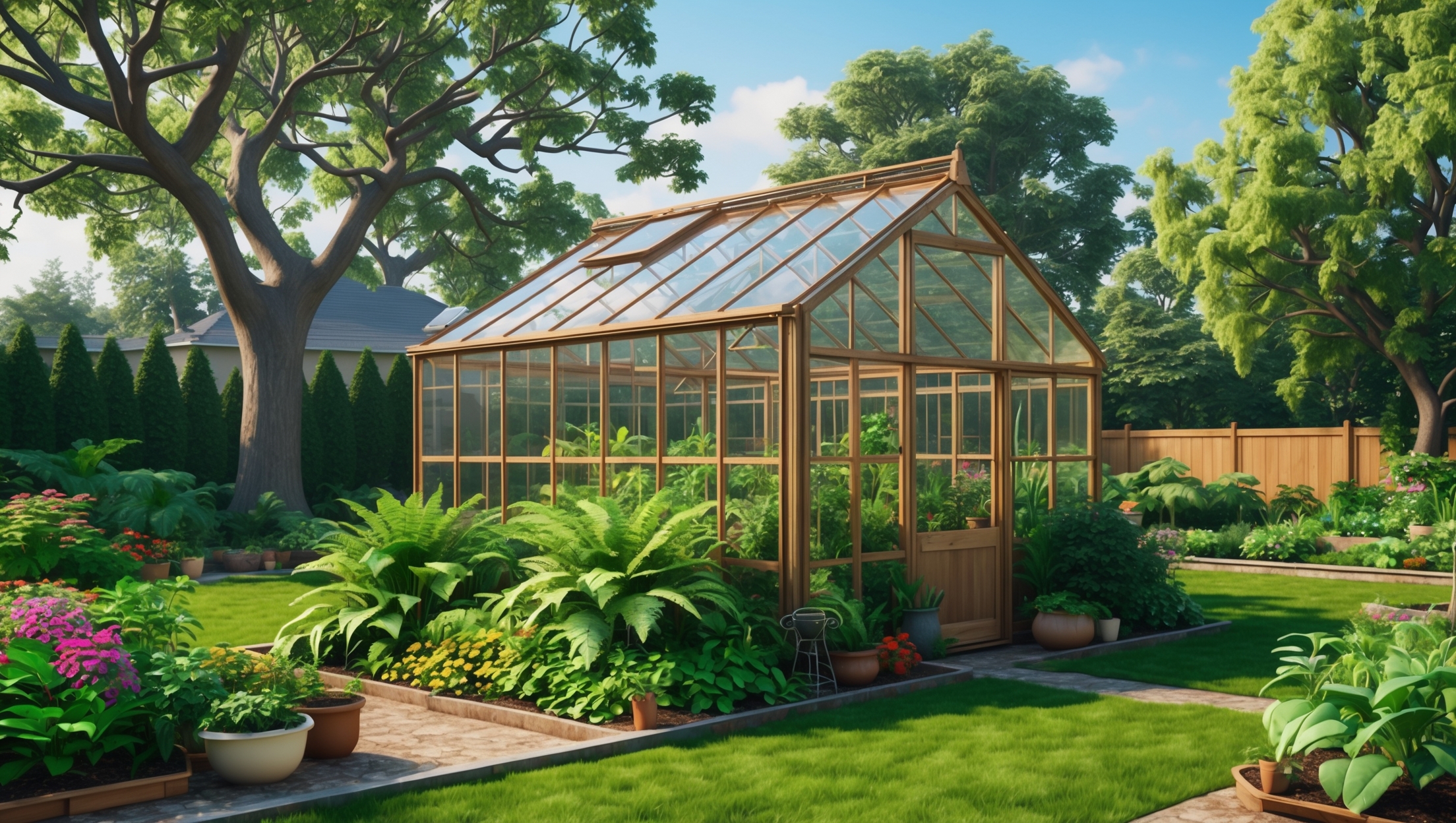
Introduction: Why Backyard Greenhouse Compliance Matters
Building a backyard greenhouse is a dream for many home gardeners. Whether you’re hoping to extend your growing season, start seedlings early, or protect exotic plants, a greenhouse is a fantastic addition to your property. But before you break ground or order a kit online, it’s crucial to understand the legal and logistical hurdles involved. Greenhouses are considered structures by most local municipalities, and their construction is regulated by zoning codes, building permits, and sometimes even neighborhood association covenants. Skipping these steps can result in hefty fines, forced removal, or even legal action. This comprehensive guide will walk you through every aspect of compliance and permitting for backyard greenhouses, arming you with the knowledge to avoid costly mistakes and delays. From researching local regulations to preparing your permit application and understanding ongoing compliance, you’ll find practical steps, tips, and insights—so you can focus on cultivating your green oasis with peace of mind.
Understanding Local Regulations
Why Greenhouses Are Regulated
Greenhouses, whether attached or standalone, are considered permanent or semi-permanent structures by most municipalities. As such, they can impact land use, drainage, property values, and neighborhood aesthetics. That’s why local governments regulate their size, placement, materials, and sometimes even their appearance. Ignoring these regulations can trigger code enforcement actions, and in some cases, you may be ordered to dismantle your greenhouse entirely.
Types of Regulations to Expect
- Zoning Codes: Dictate where and how structures can be built on your property. This includes setbacks (distance from property lines), maximum height, and allowable lot coverage.
- Building Codes: Specify construction standards for safety, including materials, foundation requirements, ventilation, and sometimes electrical work.
- HOA Covenants: Homeowners associations may impose additional restrictions on appearance, placement, or even prohibit greenhouses entirely.
- Environmental Restrictions: In some areas, wetlands, flood zones, or protected habitats may affect your ability to build.
First Steps: Researching Your Local Requirements
Contacting Your Building Department
Start by visiting your city or county’s building department website. Many provide downloadable guides or checklists for residential accessory structures. If information is scarce online, call or visit the department in person. Be ready to provide your address, lot size, and a rough description of your planned greenhouse (dimensions, type, location on lot).
Key Questions to Ask
- Is a permit required for a greenhouse of this size?
- What are the minimum setbacks from property lines, fences, and other structures?
- Are there height limits or restrictions on materials?
- Is electrical or plumbing allowed, and if so, what permits are required?
- Are there any neighborhood-specific rules or design guidelines?
- Is there a maximum total square footage for accessory structures?
Gathering Documentation
Most permit applications require a site plan, showing property boundaries, the house, and proposed greenhouse location. You may need a simple drawing to scale, or in some areas, a professional survey. Some jurisdictions ask for construction details, including materials and anchoring methods. If you’re in an HOA, obtain a copy of the covenants and submit the necessary architectural review forms before proceeding.
Do You Need a Permit? Common Scenarios
Permit-Exempt Greenhouses
Many municipalities exempt small, temporary, or portable greenhouses from permitting. Common thresholds are:
- Under a Specific Size: Typically 100–200 square feet (check your local code).
- No Permanent Foundation: Structures not anchored to a slab or footings.
- No Utilities: Greenhouses without electrical or plumbing connections.
Even if exempt from a building permit, you must still follow zoning rules for setbacks and height. Always confirm with your local office—assumptions can lead to trouble.
When a Permit Is Required
- Larger Greenhouses: Often any structure over the size threshold requires a full building permit.
- Permanent Foundation: If you’re pouring concrete or using deep footings.
- Utilities: Any electrical wiring, lighting, or plumbing (e.g., a sink or irrigation system) requires additional permits and code-compliant installation.
- Commercial Use: If you intend to sell plants or produce, stricter rules may apply.
The Permit Application Process: Step by Step
Step 1: Preliminary Research
Collect all relevant codes, forms, and HOA documents. Sketch your greenhouse plan and mark its location on your property map. Take measurements of setbacks, lot lines, and proximity to other structures.
Step 2: Preparing Your Submission
- Site Plan: Draw to scale, showing all structures, property lines, and proposed greenhouse location.
- Construction Details: List materials, dimensions, roof style, and how the building will be anchored.
- Utility Plans: If you’re including electricity or water, show proposed locations and routes.
- Photos or Renderings: Some departments request images of similar greenhouses or kit specifications.
- HOA Approval: Attach formal approval if applicable.
Step 3: Submitting Your Application
Most cities allow in-person or online submissions. Double-check your packet for completeness—missing documents can delay approval. Pay any required fees; these vary widely but expect a range from $50 to $300 for most residential greenhouses.
Step 4: Plan Review
The building department reviews your plans for code compliance. They may request clarifications or revisions. In some cases, a site visit or inspection is required before approval.
Step 5: Receiving Your Permit
Once approved, you’ll receive a permit. Post it on-site as instructed; inspectors may visit during or after construction to ensure compliance, especially if utilities are involved.
Budgeting for Permits and Compliance
Direct Permit Costs
- Building Permit Fee: $50–$300 (varies by size and municipality)
- Electrical/Plumbing Permit: $30–$150 each if relevant
- HOA Application Fee: $0–$100 (if applicable)
Indirect Costs
- Site Survey: $200–$600 (if required)
- Professional Drawings: $100–$500 (for complex or custom builds)
- Code-Compliant Materials: May cost more than off-the-shelf kits
- Re-inspection Fees: $50–$150 if you fail an initial inspection
Budgeting Tips
- Verify all fees up front—some cities have fee calculators online.
- Factor in possible delays or revision costs.
- Set aside 10–15% of your total greenhouse budget for permits and compliance-related expenses.
Common Compliance Pitfalls (and How to Avoid Them)
1. Ignoring Setbacks
Setbacks are the most frequent source of trouble. Always measure from the property line (not the fence) and check for easements or utility rights-of-way.
2. Overlooking HOA Rules
Many new greenhouse owners are surprised by HOA restrictions. Some associations strictly regulate or ban greenhouses. Secure written approval before spending money on materials.
3. Skipping Utility Permits
DIYers often run power or water to their greenhouse without a permit. This not only risks code violations but may void your homeowner’s insurance if something goes wrong. Always pull the proper permits and, if needed, hire licensed professionals for utility work.
4. Building First, Asking Later
Retroactive permitting is possible but can be expensive and stressful—sometimes requiring costly modifications or even removal. Always secure your permit before construction begins.
Staying Compliant After Construction
Inspections
Most permits require at least one inspection, typically after framing or upon completion. If you have utilities, expect additional inspections for wiring, outlets, or plumbing. Schedule these as instructed to avoid delays in final approval.
Ongoing Maintenance
Even after your greenhouse is built, you are responsible for maintaining compliance. That means:
- Keeping the structure in good repair (broken panels or sagging roofs can trigger code actions)
- Not exceeding approved size or adding unpermitted features
- Respecting noise, odor, or lighting restrictions (especially in HOAs)
Neighbor Relations
Many code complaints originate with neighbors. Maintain good communication, keep your greenhouse tidy, and avoid encroaching on shared boundaries. Proactive courtesy can prevent headaches down the line.
Special Situations
Historical Districts
If you live in a historic district, there may be additional design review steps. Greenhouses may need to blend architecturally with your home or meet specific material standards.
Urban Gardens
City lots often have stricter rules about lot coverage and impervious surface. Some cities encourage urban agriculture with relaxed regulations—others do not. Check for local incentives or pilot programs.
Large or Commercial Greenhouses
If your greenhouse exceeds a certain size, or if you plan to sell produce, you may be subject to commercial building codes, ADA requirements, and health inspections. Consult your building department for guidance.
Expert Tips for a Smooth Permitting Process
- Be Thorough: Incomplete applications are the leading cause of delays. Double-check all forms and plans.
- Document Everything: Keep copies of every submission, approval, and correspondence.
- Communicate Early: If in doubt, ask your building department for clarification before proceeding.
- Plan for Lead Time: Permitting can take days or weeks. Factor this into your project timeline.
- Respect Inspectors: A cooperative attitude goes a long way—treat inspections as opportunities to ensure safety and compliance.
Conclusion: Building Your Greenhouse with Confidence
Constructing a backyard greenhouse is an exciting and rewarding project, but it comes with important legal responsibilities. By understanding your local zoning and building codes, securing the necessary permits, and communicating with your HOA or neighbors, you can avoid the most common stumbling blocks faced by home gardeners. The upfront investment of time and money in compliance pays off by protecting your property value, ensuring safety, and preventing costly legal troubles. Don’t let red tape discourage you—think of the permitting process as the foundation for a thriving, worry-free garden. With the guidance provided in this article, you’re well-equipped to navigate the maze of regulations and enjoy your greenhouse for years to come. Take the time to research, plan, and build the right way, and you’ll reap the rewards of fresh produce, vibrant flowers, and a beautiful backyard retreat. Happy growing!
The article mentions that greenhouses can affect things like drainage and property values. Are there specific regulations about how close my greenhouse can be to my neighbor’s property to avoid issues?
Yes, most local building codes have setback requirements that specify how far a greenhouse must be from property lines and neighboring structures. These rules are in place to help prevent issues like drainage problems or disputes with neighbors. You should check with your city or county planning department to find out the exact setback distances in your area.
You mentioned the risk of being ordered to remove a greenhouse if regulations are ignored—how long does the permitting process usually take, and what temporary options do I have while waiting for approval?
The permitting process for a backyard greenhouse typically takes anywhere from a few weeks to a couple of months, depending on your local authority’s workload and requirements. While waiting, you could use pop-up or portable greenhouses, which often don’t require permits, but always check with your local office first to ensure compliance.
You mention that building codes can include ventilation and electrical requirements for greenhouses. Are there common exceptions for smaller, non-heated greenhouses, or do all structures generally have to meet the same standards?
Smaller, non-heated greenhouses often qualify for exceptions or less stringent requirements, especially if they don’t use electrical systems or permanent foundations. However, rules vary by location, so it’s important to check with your local building department to see if any exemptions apply to your specific greenhouse project.
If my neighborhood has an HOA, do their covenants usually override city zoning rules about greenhouse placement, or do I have to get approval from both?
You’ll need to follow both your city’s zoning rules and your HOA’s covenants. HOAs often have stricter requirements than the city, but meeting one does not exempt you from the other. It’s important to get approval from both your HOA and the city before starting your greenhouse project.
If my city zoning codes have strict setback requirements but my yard is small, are there usually any exceptions or waivers available for backyard greenhouses, or am I just out of luck?
Many cities do offer exceptions or variances for structures like backyard greenhouses, especially if your lot size makes standard setbacks difficult. You’ll typically need to apply for a variance by explaining your situation to the local planning or zoning board. It’s a good idea to check with your city’s permitting office to learn about the process and any possible exceptions in your area.
Could you clarify what typically happens if a greenhouse kit is delivered and partially assembled before a permit is secured? Are there temporary allowances, or would that usually require reversing all work immediately?
If a greenhouse is delivered and partially assembled before you have the required permit, most local authorities will consider this a code violation. Usually, you’ll be asked to halt work immediately and may need to reverse any assembly until permits are secured. Temporary allowances are rare, but some municipalities might allow you to apply urgently or seek an inspection to legalize the work. Always check with your local permitting office for specific guidance.
Could you clarify whether building codes for greenhouses typically require professional inspections, or can a home gardener self-certify the structure if it’s under a certain size?
Building codes for greenhouses vary by location, but many areas require a professional inspection, especially if the structure is large or has utilities like electricity. Some regions do allow self-certification for small, simple greenhouses—usually under a certain square footage. Always check with your local permitting office to confirm the specific requirements in your area.
The article mentions possible fines or forced removal for non-compliance. How often do you see backyard greenhouses actually get inspected or enforced in typical suburban neighborhoods?
In most suburban neighborhoods, routine inspections for backyard greenhouses are uncommon unless someone files a complaint or the structure is highly visible from the street. However, enforcement can vary depending on your local government and any active neighborhood associations. It’s best to check with your local permitting office to understand how strictly rules are enforced in your area.
You mention drainage concerns as one reason for greenhouse regulations. What are some common requirements cities might have related to runoff or water management when installing a backyard greenhouse?
Many cities require that greenhouse runoff does not negatively impact neighboring properties or overwhelm local stormwater systems. Common rules include directing roof water away from foundations, using permeable surfaces for flooring, installing rainwater collection barrels, or connecting gutters to approved drainage systems. Some areas may also limit the amount of hard surface you can add to avoid excess runoff.
If my city requires a permit for any structure over 120 square feet, but I want something just under that size, are there still common zoning obstacles I should be aware of like setbacks or HOA restrictions?
Even if your greenhouse is under the permit threshold, you’ll likely still need to follow zoning rules such as setbacks, height limits, and lot coverage. If you have a homeowners association, their guidelines may also apply regardless of city permits, so it’s wise to check both your local zoning codes and any HOA rules before building.
If my neighborhood has a homeowners association, are there usually extra restrictions beyond the standard city zoning and building codes for backyard greenhouses, and how would I find out what they are?
Homeowners associations (HOAs) often have their own rules and restrictions that go beyond city zoning and building codes, including guidelines on greenhouse size, location, or appearance. To find out what applies to you, review your HOA’s covenants, conditions, and restrictions (CC&Rs) or contact your HOA board directly for clarification.
What are some common mistakes people make with setbacks or lot coverage when building a backyard greenhouse that I should watch out for to avoid delays or fines?
A common mistake is underestimating minimum setback distances from property lines, fences, or neighboring buildings. People also sometimes exceed the allowed lot coverage by not calculating the greenhouse’s footprint correctly. Double-check local zoning codes and measure carefully to ensure you’re within all limits before starting construction.
If a greenhouse installation accidentally violates a setback rule, what steps are recommended for resolving the issue without facing fines or needing to remove the structure entirely?
If your greenhouse installation violates a setback rule, contact your local permitting office as soon as possible. Explain the situation and ask if a variance or adjustment is possible. Sometimes, municipalities allow retroactive permits or minor modifications to bring the structure into compliance, helping you avoid fines or removal. Acting quickly and cooperating with inspectors usually leads to the best outcome.
If my property is in a neighborhood with an HOA, do their rules usually override what the city allows, or do I have to comply with both sets of regulations for my greenhouse?
You need to comply with both your city’s regulations and your HOA’s rules. Even if the city allows a greenhouse, your HOA may have stricter guidelines or even prohibit it. Check with your HOA and your local government before starting your project.
You mention that some neighborhoods have HOA covenants in addition to local regulations. What happens if my HOA rules are more restrictive than my city’s codes—do I have to meet both sets of requirements?
Yes, you must follow both your city’s building codes and your HOA’s rules. If your HOA has stricter requirements, those take priority within your neighborhood. It’s important to get approval from your HOA before starting any greenhouse construction, even if the city already permits it.
About how long does it usually take to get all the necessary permits approved before starting construction? I want to plan out when I can actually get the greenhouse set up.
Permit approval times can vary quite a bit depending on your local regulations and how busy your permitting office is. Generally, it takes anywhere from a few days to several weeks. It’s a good idea to contact your local permitting office for an estimate, since some areas offer quick online approvals, while others may require in-person reviews.
If my neighborhood has an HOA with strict covenants about structures and I’m also subject to city zoning codes, which rules take priority if they conflict when building a greenhouse?
Both your HOA covenants and city zoning codes apply, but you must comply with whichever rule is more restrictive. Even if city codes allow a greenhouse, your HOA can enforce stricter limits. It’s important to get written approval from both the HOA and the city before starting construction.
If my neighborhood has both city zoning codes and a homeowners association, which set of rules should I follow first when planning a backyard greenhouse?
You’ll need to follow both sets of rules, but it’s wise to start with your homeowners association guidelines since they can be stricter and may have approval processes. After that, check your city zoning codes to ensure your plans comply with local laws and regulations.
I’m a little confused about whether prefab greenhouse kits face the same permit and code requirements as a custom-built greenhouse. Do most cities treat them differently, or is everything pretty much regulated the same way?
Prefab greenhouse kits and custom-built greenhouses are usually subject to the same local permit and building code requirements. Most cities regulate greenhouses based on size, use, and location rather than whether they are prefab or custom. Always check your local building department for exact rules, as some areas may have specific exemptions or requirements.
If my neighborhood has an HOA, do I need to get approval from both the HOA and the city for my greenhouse, or just one of them?
You will need approval from both your HOA and your city. The HOA may have its own set of rules and requirements, while the city enforces local building codes and permit processes. Make sure to check with both before starting your greenhouse project.
How long does the typical permit approval process take, and is there anything I can do to speed it up if I want to have my greenhouse ready for next season?
Permit approval times vary by location, but it often takes anywhere from a couple of weeks to a few months. To help speed things up, make sure your application is complete, include all requested documents and plans, and respond quickly to any questions from the permitting office. Contacting your local permitting office beforehand for specific requirements can also help avoid delays.
I noticed you mentioned setbacks and maximum height for greenhouses in zoning codes. How do I find out the specific requirements for my area, and is there usually a fee to get this information?
To find your local setback and height requirements for greenhouses, contact your city or county planning or building department—they can give you the exact zoning rules for your property. Usually, there’s no fee just to ask about these rules, but there might be costs if you need official documents or a permit application.
If my backyard greenhouse is a small temporary structure and I don’t plan to install electricity or plumbing, do I still have to go through the same permit process as a permanent greenhouse?
For small, temporary greenhouses without electricity or plumbing, many local governments have simpler or even exempt permit requirements compared to permanent structures. However, rules vary by area, so it’s best to check with your local building or planning department to confirm if you need any permits for your specific setup.
You mentioned that HOAs can have rules about the appearance and even the existence of greenhouses. What are some common restrictions HOAs might add on top of city or county regulations?
Homeowners associations often set rules about greenhouse size, color, materials, and placement within your yard. Some HOAs may limit the maximum height or require that the structure isn’t visible from the street. Others might prohibit certain types of coverings, like plastic sheeting, or require that greenhouses match your home’s aesthetic.
If my backyard is in a neighborhood with an HOA, do HOA covenants usually override city zoning codes, or would I need to follow both sets of rules for my greenhouse?
You will need to follow both your HOA covenants and city zoning codes. HOAs can set stricter rules than the city, but they cannot allow what the city prohibits. Make sure your greenhouse plans comply with both sets of requirements to avoid any issues.
If my city has strict setback rules for structures but my backyard is pretty small, are there usually exemptions or alternative options for smaller greenhouses?
Cities with strict setback rules sometimes offer exemptions or reduced setbacks for smaller structures like greenhouses, especially if they are considered temporary or below a certain size. It’s best to check with your local permitting office; they may allow you to apply for a variance or offer guidelines specific for small backyard greenhouses.
If my HOA has strict covenants about the appearance of outbuildings, do you have any advice on how to approach them for greenhouse approval without running into issues later on?
Before making any plans, review your HOA’s covenants to understand specific restrictions on size, materials, and placement. Consider preparing a detailed proposal with photos or sketches, showing how the greenhouse will fit the guidelines and complement your property. Meeting with the HOA board early, staying open to feedback, and being willing to adjust your design can make approval more likely and help prevent issues later.
I’m not sure if my small greenhouse kit still counts as a regulated structure. Are there usually size limits below which permits and compliance don’t apply?
Many areas set a minimum size, such as 100 or 120 square feet, below which a greenhouse may not require a permit. However, these limits vary by location. It’s a good idea to check with your local building department to confirm the specific size rules and any other exemptions that might apply to backyard greenhouse kits.
Our neighborhood has pretty strict HOA rules about outbuildings, but I can’t find anything specific about greenhouses. Is it better to contact the HOA directly before starting, or just follow the general city zoning codes and building permits?
It’s best to contact your HOA directly before starting. Even if their rules don’t mention greenhouses specifically, they might still have guidelines or require approval for any new structures. Following city codes is important, but HOA rules often apply in addition to local laws.
If my property is in a neighborhood with an HOA, does that mean I need approval from them in addition to getting a regular permit from the city? How do I find out what the HOA rules are for greenhouses?
Yes, if you have a homeowners association (HOA), you’ll likely need their approval on top of any permits required by the city. To find your HOA’s rules for greenhouses, check your HOA’s governing documents or contact your HOA board or management company directly for guidance.
If my property is in an area with a homeowners association, does that mean I need their approval in addition to the city permit? How do I find out what specific HOA rules might apply to greenhouses?
Yes, if your property is governed by a homeowners association (HOA), you’ll likely need their approval in addition to any city permits. To find out the specific rules, review your HOA’s covenants, conditions, and restrictions (CC&Rs) or contact the HOA board or property management office directly. They can clarify any guidelines or application processes for building a greenhouse.
You mentioned that some HOAs might regulate greenhouse appearance. Have you seen particular materials or styles that tend to get approved more easily by neighborhood associations?
Homeowners associations often prefer greenhouses that blend in with the existing architecture and landscaping. Structures made from clear or frosted polycarbonate panels with muted-colored aluminum or wood frames tend to be approved more easily. Traditional or simple designs that avoid bright colors and excessive height are also generally favored by HOAs.
If my neighborhood has HOA covenants that are stricter than city zoning codes, which set of rules should I prioritize when applying for a permit to build a backyard greenhouse?
You should always follow the stricter set of rules when both HOA covenants and city zoning codes apply. Even if you get a permit from the city, your HOA can enforce its own restrictions and may require separate approval before you build your greenhouse.
Are there specific greenhouse materials or designs that local building codes tend to approve more easily, or can I use non-traditional materials without issues?
Local building codes usually favor greenhouse materials like tempered glass, polycarbonate panels, and treated wood or metal frames, as these meet safety and durability standards. Non-traditional materials may require special approval or extra documentation, so it’s best to check with your local permitting office before starting construction.
How long did the permit approval process take for your greenhouse, and were there any unexpected inspections along the way? I’m hoping to get growing this season, so I’m curious about the actual timeline.
The permit approval process for my greenhouse took about three weeks from application to approval. During construction, there was one unplanned inspection to check the foundation, but it was quick and straightforward. Timelines can vary by location, so it’s wise to check with your local office early.
You mentioned greenhouses could impact drainage and aesthetics—are there specific modifications or design choices that can help with compliance if my property is close to the neighbors’ lot line?
Yes, there are design choices that can help with compliance near property lines. Consider adding gutters and a drainage system to manage runoff. Keeping the structure low-profile or using materials that blend with your surroundings can address aesthetic concerns. Also, positioning the greenhouse so it’s not directly facing neighbors’ main living spaces can be helpful. Always check local setback requirements before building.
Once I get a permit and build the greenhouse, are there ongoing inspections or compliance checks I need to worry about, or is it mostly a one-time process?
After you receive your permit and complete the greenhouse construction, most areas require a final inspection to ensure you followed the approved plans. Ongoing inspections are uncommon unless you expand, modify the structure, or local regulations specifically require periodic checks. It’s a good idea to confirm with your local permitting office, as rules can vary.
If my city zoning codes only allow certain maximum heights for backyard structures, is there usually any flexibility or variance process if I want a slightly taller greenhouse for better airflow?
Most cities do offer a variance process if you need a taller structure than the zoning code allows. You would typically need to submit a formal application explaining your reasons, such as improved airflow, and possibly attend a hearing. Approval isn’t guaranteed, but many gardeners have been granted exceptions for practical needs.
If my backyard greenhouse is going to be a small pre-fab kit, do I still need to go through the same permitting process as I would for a large custom-built one? The article mentions size matters, but is there a cutoff point where permits aren’t required?
Permit requirements often depend on the size of your greenhouse, but rules vary by location. Many places set a cutoff—such as 100 or 120 square feet—below which permits may not be needed. Check with your local building department to confirm the exact threshold and see if your pre-fab kit qualifies for any exemptions.
If my property is in an area with strict HOA covenants, have you seen any successful ways homeowners have negotiated greenhouse designs or placements to meet both HOA and zoning requirements?
Yes, some homeowners have worked with their HOAs by proposing greenhouse designs that blend with the neighborhood—using similar materials, colors, and rooflines. Others have agreed to limit the size or place the greenhouse in less visible parts of the yard. Sharing clear plans and being open to feedback usually helps reach a compromise that fits both HOA rules and local zoning.
If my neighborhood has an HOA with covenants but I cannot find any mention of greenhouses specifically, should I reach out to them directly or proceed based on city regulations? What’s the typical order of operations for navigating both sets of rules?
When dealing with both city regulations and HOA covenants, it’s best to check with your HOA first, even if greenhouses aren’t mentioned. HOAs often have approval processes for exterior structures. After clarifying with them, confirm city permit requirements. This avoids conflicts and ensures all rules are followed.
I have heard that HOA rules can be really strict about structures like greenhouses. Do you have any tips for working with HOAs, or is it usually a lost cause if they have rules against them?
It’s definitely possible to work with HOAs, even if their rules seem strict. Start by reviewing the HOA guidelines and talking to board members—sometimes exceptions or variances can be granted if you present plans showing that your greenhouse will be well-maintained and blend in with your property. Open communication and flexibility about design or placement can go a long way toward getting approval.
I’m worried about accidentally violating HOA covenants since they sometimes have rules on appearance. Do you have any advice on how to approach my HOA about getting approval for a greenhouse, or common issues people run into?
When approaching your HOA, start by reviewing your community’s covenants to understand any rules about structures, appearance, and placement. Prepare a clear plan or sketch of your greenhouse to present at a meeting or to submit for approval. Common issues often include restrictions on size, visibility from the street, and materials used. Open communication and a detailed proposal can help smooth the process.
You mentioned HOAs might have their own rules on appearance and placement. Do these usually override city zoning codes, or do I need to follow both sets of regulations for my greenhouse project?
You need to follow both HOA rules and city zoning codes for your greenhouse. HOAs often set additional requirements, but their rules do not override city codes. Make sure your project complies with both to avoid any issues or penalties.
If my town considers greenhouses semi-permanent structures, does that mean I need the same kind of building permit as for a shed, or are there special requirements just for greenhouses?
If your town classifies greenhouses as semi-permanent structures, you’ll usually need a building permit similar to what you’d need for a shed. However, some towns have extra requirements specific to greenhouses, such as rules about heating, ventilation, or water drainage. It’s best to check with your local building department to confirm exactly what’s needed.
If my property is in an area with both city zoning rules and an HOA, do I need to get permits and approvals from both, or does one take priority over the other when building a backyard greenhouse?
You’ll need to comply with both city zoning rules and your HOA’s regulations. Usually, you must get city permits for construction, plus separate approval from your HOA. Neither takes priority; both sets of rules apply, so be sure to meet all requirements before starting your project.
You mentioned that skipping permits can result in fines or having to remove the greenhouse. If I already built a small greenhouse without realizing this, what are the steps I should take to fix the situation and avoid further penalties?
If you’ve already built your greenhouse, it’s best to contact your local building or planning department as soon as possible. Let them know about your structure and ask about retroactive permits or inspections. They may require you to submit plans or make modifications to comply with code. Taking action quickly and being transparent can help minimize any penalties or complications.
The article mentions HOA covenants as a factor in greenhouse compliance. If my neighborhood HOA guidelines conflict with city zoning rules, which typically takes precedence when it comes to greenhouse approvals?
When HOA guidelines and city zoning rules conflict, you generally need to comply with both sets of rules. HOAs can enforce stricter requirements than the city, so even if the city permits your greenhouse, your HOA could still restrict it or impose additional conditions. It’s best to get written approval from both your city and your HOA before moving forward.
Do local regulations typically treat greenhouses differently if they are temporary structures, like hoop houses, versus permanent ones with a foundation? I want to avoid pouring a slab if it means a lot more permit requirements.
Yes, local regulations often distinguish between temporary structures like hoop houses and permanent greenhouses with foundations. Temporary structures usually have fewer permit requirements or may be exempt, while permanent ones often require more detailed permits and inspections. It’s a good idea to check with your local building department to confirm the specific rules for your area.
Do local zoning codes usually distinguish between temporary and permanent greenhouses, or do even small pop-up styles require the same permits as larger structures?
Local zoning codes often treat temporary and permanent greenhouses differently, but this varies by area. Some places exempt small, easily movable greenhouses from permits, while others require permits for any structure, regardless of size or permanence. It’s important to check with your local zoning office to see how your specific municipality handles temporary versus permanent greenhouse structures.
You mentioned building codes might cover ventilation and electrical work. For a small hobby greenhouse with just fans and maybe a heater, do local inspectors usually require full electrical permits or just basic safety checks?
For a small hobby greenhouse, most local inspectors still require an electrical permit if you’re installing wiring for fans or heaters, even if the setup seems simple. Safety checks alone typically aren’t enough. It’s best to check with your local building department to confirm exactly what’s needed in your area.
If I’m planning to put up a relatively small greenhouse that’s not permanently attached to the ground, would I still need to go through the same zoning and building permit process you described?
For small, non-permanent greenhouses, some areas may relax permit or zoning requirements, but this varies widely depending on local regulations. It’s still important to check with your city or county planning department to see if your specific structure is exempt before you start building.
For someone who wants to install a small prefabricated greenhouse, are the permitting steps generally simpler compared to building a custom structure from scratch, or do both options face the same compliance requirements?
In many areas, installing a small prefabricated greenhouse can involve a simpler permitting process compared to building a custom structure, since prefab kits often come with standard specifications that are easier for officials to review. However, both options usually still need to meet local zoning, setback, and safety codes, so always check with your local permitting office first.
You mentioned setbacks and lot coverage in zoning codes—how do I actually find out what those limits are for my specific address? Is that something I can call the city about, or is there an online tool?
You can usually find setback and lot coverage limits by checking your city or county’s planning department website, where zoning codes are often posted. If the information isn’t clear or if you want confirmation specific to your address, calling your local planning or zoning office is a great option. Staff can explain the exact requirements for your property.
I’m wondering how strict most municipalities are about the materials used for greenhouses. If I want to use recycled windows or unconventional materials, is that something usually allowed under building codes?
Municipal rules vary, but many building codes focus on safety, structural integrity, and sometimes fire resistance rather than the specific materials. Using recycled windows or unconventional materials may be possible if they meet these requirements. It’s best to check with your local building department—they can tell you if special inspections or permits are needed for your chosen materials.
If my property is already close to the setback limits because of an existing shed, does that make it impossible to add a small greenhouse, or are there exceptions for lightweight structures?
Setback rules can be strict, but some municipalities offer exceptions or reduced requirements for lightweight or temporary structures like small greenhouses. It’s important to check with your local building department—they might allow your greenhouse, especially if it’s not permanently anchored. Sometimes, permit exemptions apply based on size or mobility.
What are some typical setbacks or lot coverage limitations I should look out for if I have a small suburban yard and want to maximize my greenhouse size legally?
Setbacks usually require your greenhouse to be a certain distance from property lines, often ranging from 3 to 10 feet depending on local codes. Lot coverage limits commonly restrict total structures to between 20% and 40% of your lot size. Always check with your local zoning office for the exact numbers that apply to your property.
What documents or details should I have ready when preparing my permit application, and are there common mistakes that tend to cause delays in getting approval?
When applying for a greenhouse permit, be ready with a site plan showing your property and proposed greenhouse location, construction drawings, property ownership proof, and details about materials and dimensions. Delays often happen if documents are incomplete, plans lack measurements, or zoning setbacks aren’t followed. Double-check your application for accuracy and make sure it meets local codes to avoid common issues.
I’m curious about HOA covenants—do homeowner associations usually have stricter rules about greenhouse appearance, or do they mostly just follow the city’s building codes?
Homeowner associations often have their own covenants that can be stricter than city building codes, especially regarding the appearance of structures like greenhouses. HOAs may regulate things like size, color, materials, and placement, so it’s important to review your association’s guidelines before you start building.
Do you have any tips on estimating how long the permitting process usually takes from application to approval for a basic backyard greenhouse? I’m trying to figure out when I could realistically start building.
For a basic backyard greenhouse, the permitting process can take anywhere from a couple of weeks to a few months, depending on your local regulations and how busy your local permitting office is. It’s a good idea to contact your local building department for their current turnaround times. Start gathering your site plans and required documents early to help speed things up.
Could you clarify what types of foundation requirements are most commonly enforced for backyard greenhouses? For example, do most building codes require a concrete slab, or is gravel ever sufficient for permit approval?
The foundation requirements for backyard greenhouses vary by location, but most building codes do not always require a concrete slab. In many areas, a gravel base or even treated wood perimeter may be sufficient for smaller, non-permanent structures. However, larger or permanent greenhouses might need a concrete slab or frost-protected footings. It’s important to check with your local building department for the specific requirements in your area before starting construction.
My neighborhood has a homeowners association with strict appearance rules. Do you have suggestions for how to get HOA approval or examples of what kinds of greenhouse designs are typically accepted?
When seeking HOA approval, it’s helpful to present a greenhouse design that matches your home’s style and uses neutral colors. Low-profile or lean-to greenhouses attached to your house often blend in better and may be more acceptable. Bring detailed plans, material samples, and photos of similar approved structures to your HOA meeting to show how the greenhouse will fit the neighborhood’s look.
If my greenhouse is under a certain size, do I still need to worry about permits and zoning codes, or are there usually exemptions for smaller structures?
Many areas offer exemptions for small greenhouses, but requirements vary depending on your local regulations. Some places set a size threshold—like 120 or 200 square feet—below which permits might not be needed. However, zoning codes or setback rules can still apply. Always check with your city or county office to confirm the rules for your specific location.
If my property is in a neighborhood with an HOA, does the HOA approval usually have to come before applying for city permits, or can those two processes happen at the same time?
HOA approval is often required before you apply for city permits, since many cities will ask to see HOA consent as part of their permit process. However, some areas allow you to pursue both approvals at the same time. It’s best to check your HOA rules and contact your city’s permitting office to confirm the order they require.
If my backyard is already close to the maximum allowable lot coverage according to zoning codes, are there any exceptions or alternative options to still be able to put up a small greenhouse?
If your lot is near or at the maximum allowable coverage, some municipalities offer exceptions for structures like greenhouses, especially if they’re temporary or not permanently affixed. You could also consider smaller or portable greenhouse options. It’s important to check with your local planning department—they may allow variances or have special provisions for garden structures.
If my local zoning codes and HOA covenants have different requirements for greenhouse placement or appearance, which set of rules takes precedence? How should I handle conflicting stipulations during the permitting process?
When local zoning codes and HOA covenants conflict, you must comply with both. The stricter rule usually applies. During permitting, check with your local zoning office and review your HOA agreement. It’s wise to get written approval from your HOA before applying for permits, and clarify any conflicts with both parties to avoid future issues.
You mention that ignoring regulations could lead to being ordered to dismantle a greenhouse. Are there common mistakes homeowners make that trigger these penalties? I want to avoid any surprises.
Common mistakes that can lead to penalties include building a greenhouse without checking local zoning rules, ignoring setback requirements from property lines, exceeding size limits, or failing to get necessary permits. Double-check your local regulations before starting, and keep all required paperwork on hand to avoid issues.
You touched on neighborhood association covenants affecting greenhouse appearance. Have you run into situations where an HOA denied a greenhouse design, and what changes did people have to make to get approval?
Yes, it’s not uncommon for HOAs to initially deny greenhouse designs, especially if they don’t match the neighborhood’s architectural style or exceed height limits. Homeowners often need to adjust the size, choose less reflective materials, or match the greenhouse color to their home’s exterior. Adding landscaping to screen the structure can also help meet HOA guidelines.
If my neighborhood has an HOA, do I need their approval in addition to a city permit before building a greenhouse? What happens if their rules are different from the city regulations?
Yes, you’ll need your HOA’s approval in addition to any required city permits. If HOA rules are stricter or different from city regulations, you must follow the more restrictive rules. Ignoring HOA guidelines could result in fines or being required to remove the greenhouse, even if you have city approval.
If I want to run electricity for lights and heaters in my greenhouse, do I need a separate permit for the electrical work in addition to the building permit you mentioned?
Yes, in most areas you will need a separate electrical permit if you plan to install wiring, outlets, lighting, or heaters in your greenhouse. The building permit generally covers the structure itself, while electrical work usually requires its own permit for safety and code compliance. It’s best to check with your local permitting office for specific requirements in your area.
I’m trying to work on a budget for building my first greenhouse, and I’m wondering if permit fees and any code-required upgrades (like special foundations or ventilation) usually add a lot to the overall cost.
Permit fees and code-required upgrades can add a noticeable amount to your greenhouse budget, depending on your local regulations. Fees might range from a small administrative cost to several hundred dollars. Upgrades like reinforced foundations or specific ventilation systems often cost more in materials and labor. It’s a good idea to check with your local building department so you can factor these expenses in before you start.
You mentioned setbacks and maximum lot coverage in relation to zoning codes—is there a typical size limit for backyard greenhouses in residential areas, or does it vary widely by location?
The size limit for backyard greenhouses in residential areas can vary quite a bit depending on your local zoning codes. Some places have a specific square footage maximum—like 120 or 200 square feet—while others may base it on a percentage of your lot size. It’s best to check with your city or county planning department to find out the exact rules for your address.
Are there certain materials or greenhouse kits that tend to get approved more easily by city building departments, or should I expect to go through the same process no matter what kind of greenhouse I choose?
Many city building departments are more likely to approve greenhouses made from standard, durable materials like aluminum, steel, or treated wood, and those with clear polycarbonate or glass panels. Prefabricated greenhouse kits from reputable manufacturers often meet local codes, which can streamline approval. However, you should still expect to go through the same permitting process regardless of the greenhouse type, as requirements vary by city and project specifics.
Could you clarify how detailed the permit application needs to be for a simple greenhouse kit? Do I need engineered plans or are sketches and manufacturer specs usually enough for approval?
For a simple greenhouse kit, most local authorities accept basic sketches and the manufacturer’s specifications, especially if the structure is small and pre-fabricated. Engineered plans are typically only needed for larger or custom greenhouses. It’s best to include the kit’s dimensions, placement on your property, and the materials used. Always check with your local permitting office for their exact documentation requirements.
I’m a bit confused about the difference between zoning codes and building codes mentioned here. If my city says greenhouses are allowed in my backyard by zoning, does that mean I still have to meet separate building code requirements?
Zoning codes determine where you can place a greenhouse on your property and if it’s allowed in your area. Building codes, on the other hand, set safety and structural standards. Even if zoning allows your greenhouse, you’ll still need to make sure it meets all applicable building code requirements, such as those for construction and materials.
If my property is on the edge of two different zoning areas, how do I determine which set of regulations applies to my greenhouse project before I start the permit application?
When your property sits on the border of two zoning areas, it’s important to check your property’s specific zoning designation with your local planning or zoning office. They can provide an official zoning map or documentation showing which zone your property falls under, ensuring you follow the correct regulations for your greenhouse project.
How long does the permitting and compliance process usually take from start to finish, and are there any ways to speed it up if I want my greenhouse ready for the next growing season?
The permitting and compliance process for a backyard greenhouse typically takes anywhere from a few weeks to a couple of months, depending on your local government’s workload and requirements. To speed things up, prepare all necessary documents in advance, respond quickly to any requests from the permit office, and consider hiring a professional who’s familiar with local codes. Checking your municipality’s website for pre-approved greenhouse plans can also help move things along faster.
You mentioned zoning codes and setbacks—are there any typical setback measurements for greenhouses, or does it really vary a lot by city or county?
Setback requirements for greenhouses vary quite a bit depending on your local zoning rules. Some areas might require greenhouses to be 5 to 10 feet from property lines, while others may have different distances or no setbacks at all. It’s important to check with your city or county planning department to find out the specific setback rules for your location.
Could you clarify whether temporary or portable greenhouses, like those made with PVC and plastic sheeting, are usually subject to the same zoning and permitting rules as permanent structures?
Temporary or portable greenhouses, such as those made with PVC and plastic sheeting, are often treated differently from permanent structures. However, some areas still require permits or have specific zoning rules for any structure, even if it’s not permanent. It’s important to check with your local building department to confirm the exact requirements for your area.
If my property is in an area with strict zoning codes, how can I find out ahead of time whether there are specific setback or size restrictions for a backyard greenhouse?
To find out about setback or size restrictions, check with your local planning or zoning department. They can provide details on zoning codes for your area. You might also be able to review local ordinances online or by visiting your city or county government office. It’s helpful to have your property address or parcel number ready when you inquire.
If my greenhouse is smaller than a certain size, is there a chance I can skip the building permit process, or are permits always required no matter how small the structure is?
In many areas, small greenhouses below a specific size—often around 100 to 120 square feet—can be exempt from building permits. However, the rules vary by city or county, so it’s essential to check with your local building department to confirm the exact requirements for your location.
Could you clarify what kind of materials or designs might be restricted by HOA covenants? I’m worried about accidentally choosing something that isn’t allowed in my neighborhood.
HOA covenants often restrict materials like plastic sheeting, corrugated metal, or brightly colored panels for greenhouses. Designs that are very tall, have unusual shapes, or feature lighting visible at night can also be limited. It’s best to check your HOA rules for accepted materials, height limits, color requirements, and placement before making any decisions.
I noticed you brought up setbacks and maximum lot coverage in relation to zoning codes. If my property barely meets the setback distance, are there any common allowances or variances homeowners can apply for?
If your property just meets the setback requirement, you usually must still comply with the code, but many local governments allow homeowners to apply for a variance if needed. Variances are special permissions granted when strict enforcement of a rule would cause hardship. Approval typically depends on factors like neighborhood impact and the specifics of your lot, so check with your local planning department for their process and criteria.
If my property is in a neighborhood with an HOA, do their rules usually override local zoning codes, or do I have to get approval from both before building a greenhouse?
You’ll need to follow both your HOA’s rules and local zoning codes. HOA requirements are separate from city or county regulations, so you usually need approval from the HOA as well as any necessary permits from your local government before building your greenhouse.
I live in a neighborhood with an HOA. If the HOA covenants don’t mention greenhouses specifically, does that mean I’m in the clear, or should I reach out to them before starting any permit applications?
Even if the HOA covenants don’t mention greenhouses, it’s wise to reach out to your HOA before moving forward. Some HOAs have general rules about structures or appearances that could still apply. Checking first can help you avoid issues later.
If my city doesn’t require a permit for smaller structures but my HOA has strict rules, do I still need to get approval from the HOA before building a backyard greenhouse?
Yes, even if your city doesn’t require a permit for small greenhouses, you’ll still need approval from your HOA if they have strict rules. HOA guidelines often operate separately from city regulations, so it’s important to get their permission first to avoid potential fines or having to remove the structure later.
Could you clarify whether temporary or portable greenhouses, like those made with PVC and plastic sheeting, are typically subject to the same permitting and zoning requirements as permanent structures?
Temporary or portable greenhouses, such as those made from PVC and plastic sheeting, are often treated differently from permanent structures. Many local authorities do not require permits for small, temporary greenhouses, but this varies by location. It’s important to check with your city’s building or zoning department to confirm the specific rules for your area.
The article mentions that HOA covenants can add another layer of regulation. If my neighborhood doesn’t have an active HOA, should I still check with the city about design restrictions, or would zoning and building codes be my only concern?
If your neighborhood doesn’t have an active HOA, you won’t need to worry about HOA covenants. However, you should still check with your city or local municipality for any design restrictions, zoning rules, or building codes that may apply to your greenhouse project. These local regulations are separate from HOA rules and still need to be followed.
I’m concerned about setbacks and allowable lot coverage. Are there standard measurements homeowners should expect, or do these tend to vary widely between different municipalities?
Setbacks and allowable lot coverage can vary quite a lot depending on your municipality or even specific neighborhood. There’s no universal standard, so it’s important to check your local zoning or planning department for the exact requirements in your area before starting your greenhouse project.
Can you clarify if neighborhood association covenants often override city zoning rules, or do I need to get approval from both before starting my greenhouse project?
You’ll need to follow both city zoning rules and your neighborhood association’s covenants. Even if your greenhouse meets city requirements, homeowners associations can set stricter rules, and they often require separate approval. Be sure to check with both before you begin your project.
Can you clarify what counts as a ‘semi-permanent’ structure for greenhouse projects? I’m considering a kit that’s not permanently anchored, and I’m unsure if it still requires full permitting.
A ‘semi-permanent’ greenhouse usually means a structure that isn’t anchored with a foundation and could be moved if needed, but is intended to stay up for a season or longer. Even if your kit isn’t permanently anchored, some areas might still require permits based on size or local rules. It’s best to check with your local building department about your specific greenhouse kit to be sure.
If my neighborhood has both city zoning codes and strict HOA covenants, which set of rules do I need to prioritize when planning my greenhouse? Are there cases where one overrides the other?
You need to follow both your city zoning codes and your HOA covenants when planning your greenhouse. The stricter rule will typically take precedence, so if your HOA is more restrictive than the city, you must meet the HOA requirements. Neither overrides the other; you must comply with both sets of regulations.
How do I find out if my HOA has specific rules beyond the usual city permits? I’m worried about accidentally violating a guideline I’m not aware of.
To find out if your HOA has additional rules, review your HOA’s covenants, conditions, and restrictions (CC&Rs), which are usually given to homeowners or available from your HOA board. If you’re unsure, contact your HOA management or board directly to ask about guidelines related to backyard structures like greenhouses.
If my local zoning laws only allow certain sized structures, do greenhouses typically count towards the total allowable lot coverage, or are there exceptions for smaller or temporary designs?
Greenhouses often count toward your property’s total allowable lot coverage, just like sheds or garages. However, some areas make exceptions for smaller or temporary greenhouses, especially if they’re not on a permanent foundation. It’s best to check directly with your local planning department to confirm how your specific structure would be classified.
If my neighborhood has a strict HOA, how do I find out if they have extra rules about greenhouse appearance on top of city permits? Does the HOA approval usually come before or after getting city permission?
To find out about extra HOA rules on greenhouse appearance, check your HOA’s governing documents or contact the board directly. Typically, you’ll need to get HOA approval before applying for city permits, since HOAs often have stricter rules and may require design review or specific materials.
How do building codes usually affect the choice of materials or foundation for a greenhouse, especially if I want something simple and temporary rather than a permanent structure?
Building codes often set rules for both materials and foundations based on safety and durability. For simple or temporary greenhouses, codes may allow lighter, portable materials and less permanent foundations, like anchored stakes or gravel. However, some areas still require certain standards to ensure stability and safety, so it’s important to check your local regulations before choosing materials or setup.
Once I get my greenhouse permit approved, are there any regular inspections or ongoing compliance steps I need to keep up with to stay within the local building codes?
After your permit is approved, some areas may require inspections during or after construction to ensure your greenhouse meets code. Ongoing compliance usually means maintaining structural safety and following any specific local rules, like setbacks or use restrictions. Check with your local building department for any scheduled inspections or long-term requirements.
If my backyard greenhouse is a kit that can be easily dismantled, does it still count as a permanent or semi-permanent structure for permit purposes, or could I avoid some of these regulations?
Even if your greenhouse kit is easy to dismantle, many local regulations still consider any structure used for more than a short period as semi-permanent or permanent. It’s best to check with your local permitting office, as rules can depend on factors like size, foundation, and duration in place—not just how easily it can be taken down.
I noticed you mentioned that building codes might require specific foundation types for greenhouses. For a small greenhouse (like under 120 square feet), are there typically any exemptions from foundation requirements, or do most municipalities still enforce them?
For small greenhouses under 120 square feet, many municipalities do offer exemptions from strict foundation requirements, often classifying them as temporary or accessory structures. However, these rules vary by location. It’s best to check with your local building department—they can confirm whether your planned size qualifies for exemptions or if any simple anchoring methods are still required.
If my greenhouse is under a certain square footage and only used for personal gardening, are there cases where I can skip zoning or building permits? Or do most municipalities always require them regardless of size?
Some municipalities do allow small greenhouses used solely for personal gardening to be exempt from permits, especially if they’re below a certain size—often around 100 to 200 square feet. However, requirements vary widely, so it’s important to check with your local building or zoning office to confirm the specific rules for your area.
If a gardener accidentally starts construction before checking local regulations, what steps should they take right away to avoid fines or being forced to remove their greenhouse?
If construction has already begun, stop work immediately and contact your local building or planning department to explain the situation. Ask about retroactive permits and required documentation. Document all work done so far, and be prepared to make adjustments if needed to meet code requirements. Acting quickly and transparently can help minimize penalties and prevent forced removal.
If my property is in a neighborhood with a homeowners association, do you have any advice for navigating both HOA covenants and municipal building codes at the same time? It seems like there could be conflicting restrictions.
When dealing with both your HOA and municipal building codes, start by reviewing your HOA’s covenants, conditions, and restrictions (CC&Rs) to see if greenhouses are allowed, and if there are size, design, or placement rules. Then, check your city or county for permits and zoning rules. If there are conflicts, you’ll need to comply with whichever rule is stricter, since both have authority. Communicate early with both the HOA board and the city’s permitting office to clarify expectations and avoid surprises.
If my neighborhood has an HOA, do those rules usually take priority over city zoning codes when it comes to building a backyard greenhouse, or do I need approval from both?
You’ll typically need approval from both your HOA and your city or local zoning office. HOA rules often add extra restrictions beyond city codes, so you must comply with both sets of requirements. Start by reviewing your HOA guidelines, then confirm what’s needed with your city.
You mentioned HOA covenants in addition to city regulations. If my HOA rules are stricter than the local zoning codes, which ones do I have to follow when setting up my greenhouse?
If your HOA rules are stricter than your local zoning codes, you need to follow the HOA covenants. Homeowner association rules can impose additional requirements or restrictions beyond what the city enforces, and violating them could result in penalties from your HOA.
If my property is already close to the maximum lot coverage allowed under local zoning codes, is it still possible to build a small greenhouse, or are there exemptions for garden structures like this?
If your property is near the maximum lot coverage allowed, you may not be able to add a greenhouse unless local zoning codes specifically exempt small garden structures. Some areas do offer exemptions or have different rules for non-permanent or smaller greenhouses. Check with your local planning department to see if any such exceptions apply to your situation.
How do local zoning codes typically affect the maximum size or height of a backyard greenhouse, and are there any exceptions for smaller, non-permanent structures?
Local zoning codes usually set limits on the maximum size and height allowed for backyard greenhouses, which can vary by municipality. Often, smaller or non-permanent structures like hoop houses are subject to fewer restrictions or may be exempt from permitting altogether. However, it’s important to check your city’s specific zoning rules to be sure.
What are some common reasons that a greenhouse permit might get denied by a neighborhood association or HOA, and is there a process to appeal those decisions if it happens?
Neighborhood associations or HOAs may deny greenhouse permits for reasons like exceeding size limits, violating setback requirements, not matching community aesthetics, or concerns about drainage and pests. If your permit is denied, most HOAs have an appeals process. You can typically submit a written request or attend a hearing to present your case and seek reconsideration.
If my neighborhood has an HOA, do the HOA rules usually override local zoning and building codes when it comes to building a backyard greenhouse, or do I need to comply with both?
You need to comply with both your HOA rules and local zoning and building codes. HOA guidelines can be stricter than local laws, but they do not override them. Make sure your plans meet all city or county regulations and get approval from your HOA before starting construction.
Does the permitting process for a backyard greenhouse typically require submitting detailed plans, or are basic sketches and a description usually enough? I want to be sure I prepare the right documents before heading to my local office.
Most local permitting offices require detailed plans that show the greenhouse’s dimensions, location on your property, and construction details. Simple sketches and descriptions might not be sufficient, especially if zoning, safety, or utility considerations are involved. It’s a good idea to check with your local office beforehand to confirm their specific requirements.
If my neighborhood has an HOA, do their covenants usually override city zoning codes when it comes to greenhouse placement and size, or do I need to get approval from both?
You’ll need to get approval from both your HOA and your city. HOA covenants can be more restrictive than city codes, but they don’t replace them. Make sure your greenhouse meets city zoning requirements and also complies with your HOA rules before proceeding.
How long does the permit approval process usually take for a backyard greenhouse, based on your experience, and are there any common delays people should watch out for during this step?
Permit approval for a backyard greenhouse usually takes anywhere from a few days to several weeks, depending on your local building department’s workload. Common delays include incomplete applications, missing documents like site plans, and waiting for required inspections. Double-checking requirements and submitting all paperwork up front can help avoid these setbacks.
If my property is in a neighborhood with an HOA, do I need to get both city permits and separate HOA approval for a greenhouse, or does one override the other?
You will need to get both city permits and HOA approval for your backyard greenhouse. The HOA’s rules are separate from city regulations, so even if the city grants a permit, your HOA can still enforce its own restrictions. Make sure to check with both before starting your project.
If my neighborhood has an HOA, does that mean their rules can override what the city allows for greenhouse size and appearance? I’m worried about getting permits but still being caught by HOA restrictions.
HOA rules can be stricter than city regulations, so even if you have a city permit, you must still follow your HOA’s guidelines on greenhouse size and appearance. Always check with your HOA first to avoid any issues or conflicts after getting permits.
If my property is close to a drainage easement, what additional steps should I take before applying for a greenhouse permit to make sure I’m fully compliant with local codes?
Since your property is near a drainage easement, it’s important to first check your local zoning and building department rules regarding setbacks from easements. You may need to submit a site plan showing the proposed greenhouse location in relation to the easement. It’s also wise to consult with your city or county’s engineering or public works office to confirm there are no restrictions or additional requirements before you apply for your permit.
If my city requires a permit for a greenhouse but my HOA has even stricter rules about appearance, which regulations take priority if there’s a conflict? Should I get written approval from both before starting any construction?
In your situation, you need to comply with both your city’s permit requirements and your HOA’s rules. If there’s a conflict, you usually must meet the stricter of the two. Always secure written approval from both the city and your HOA before building to avoid future issues.
You mentioned that some HOAs have their own rules in addition to city regulations. How can I find out if my neighborhood has HOA covenants about greenhouses before I start planning my build?
To find out if your neighborhood has HOA covenants about greenhouses, check your home’s closing documents or contact your HOA board directly. You can also ask neighbors or review the HOA’s website for community guidelines. It’s important to confirm these details before making any plans.
If my backyard slopes a bit and water runoff can be an issue, do I need to address drainage concerns in my permit application, or is that only something inspectors check after the greenhouse is built?
You should address drainage concerns as part of your permit application, especially if runoff is an issue on your sloped yard. Many local authorities require a clear drainage plan up front to ensure your greenhouse won’t cause flooding or erosion problems, and inspectors will also check this after construction.
The article mentions potential fines for skipping permits. Any idea what the typical timeframe is for getting approval after submitting an application, or do delays commonly happen?
Approval times for greenhouse permits can vary depending on your local government, but it’s common for the process to take anywhere from a few days to a few weeks. Delays can happen, especially if additional documents or inspections are required, so checking with your city or county office for typical wait times in your area is a good idea.
If my backyard is in an HOA neighborhood, do you recommend checking with the association before applying for a city permit, or should I start at the city level first? I’m a bit confused about the order and who could potentially block the project later.
It’s best to check with your HOA first, since many associations have their own rules that could restrict or even prohibit backyard structures like greenhouses. If your HOA approves, then proceed to apply for the city permit. This way, you avoid any conflicts or wasted effort.
If my greenhouse is just a small kit from the hardware store and I don’t plan to connect any electricity, do I still need a full building permit, or is there a simpler process for smaller backyard projects?
For small, non-permanent greenhouses that aren’t connected to utilities, many areas do offer a simpler approval process or even exemptions from full building permits. However, requirements vary by city or county, so it’s wise to check with your local building department to confirm what applies to your specific greenhouse kit.
If my property is in a neighborhood with an HOA, do I need to get approval from them in addition to local permits, or can just having a permit from the city be enough?
If your property is governed by a Homeowners Association (HOA), you typically need approval from the HOA in addition to obtaining city or local permits. HOAs often have their own rules regarding structures like greenhouses, so be sure to check and get written approval from them before starting your project.
If my property is already close to the setback limit with existing structures, are there usually exceptions or variances available for building a small greenhouse, or is it pretty strict?
It often depends on your local zoning laws and building codes. Many areas have a process for applying for a variance if you can’t meet setback requirements, especially for smaller structures like greenhouses. Check with your local planning or building department—they can explain if exceptions are possible and guide you through any application process.
If my neighborhood has an HOA, do I need to get their approval for a greenhouse even if the city already granted me a building permit?
Yes, if your neighborhood has a homeowners association (HOA), you typically need their approval before building a greenhouse, even if you already have a city permit. HOAs often have their own rules or design guidelines that go beyond city requirements, so be sure to check your HOA’s processes before starting construction.