
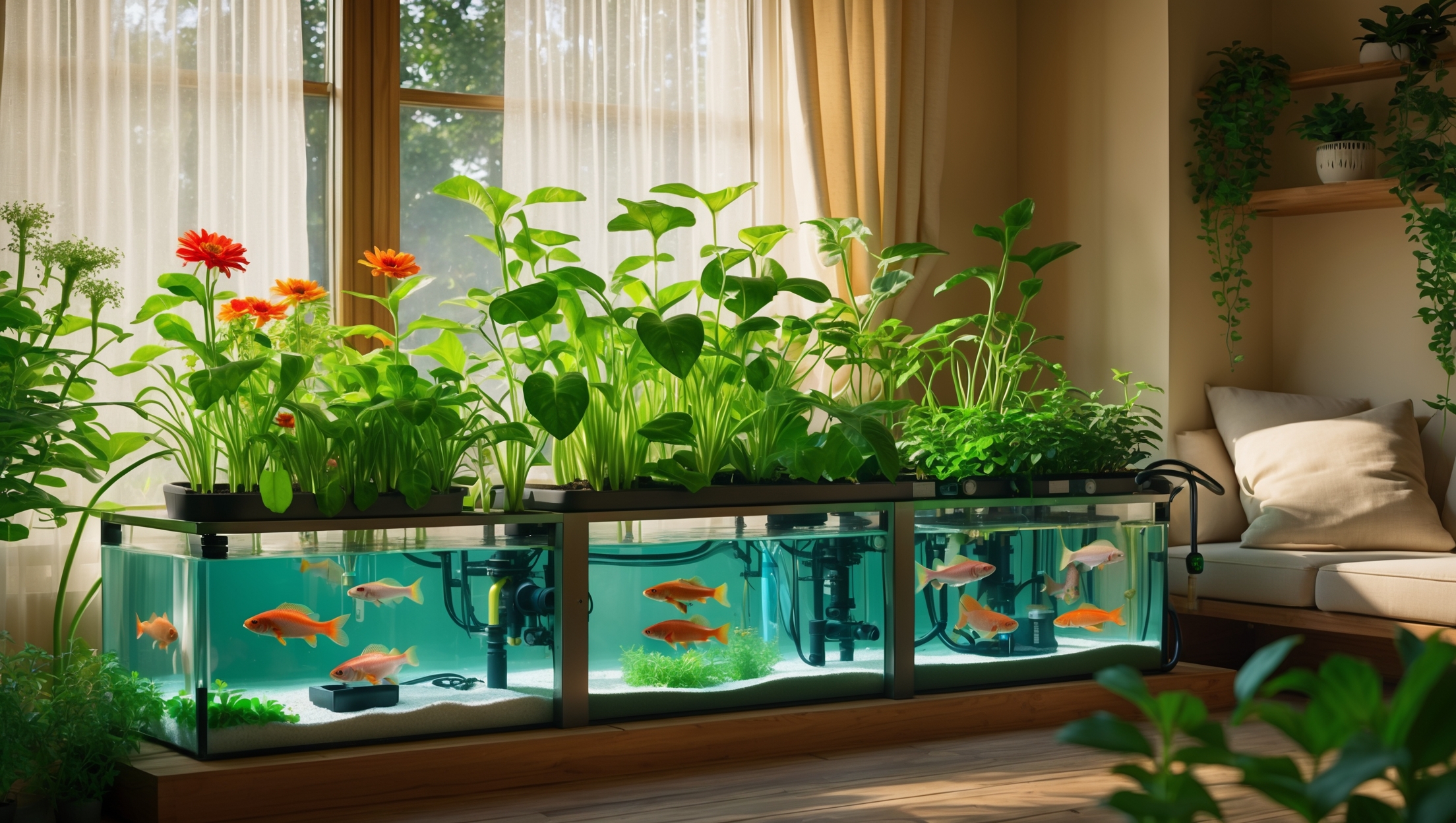
Introduction: Safeguarding Your Home Aquaponics System
Home aquaponics is an exciting and sustainable way to grow fresh produce and raise fish right in your own living space. The appeal is clear: you create a closed-loop ecosystem that can provide vegetables, herbs, and protein while reducing your carbon footprint. But as with any significant home project or investment, your aquaponics setup comes with unique risks that many hobbyists and small-scale urban farmers overlook. Water leaks, equipment failure, electrical hazards, and even liability issues can turn a rewarding venture into a financial headache if you aren’t adequately protected.
Insurance is often the last thing on a DIY aquaponics owner’s mind—until something goes wrong. Maybe you’ve spent months designing your system, selecting the perfect fish species, and automating your water cycles, but have you considered what would happen if a tank cracked and flooded your living room? Or if a neighbor’s child got injured while visiting your greenhouse? Homeowners and renters insurance policies rarely cover aquaponics-specific incidents by default, and most aquaponics systems blur the line between hobby and home-based business, complicating matters further.
This guide will walk you through the critical insurance considerations for home aquaponics systems. We’ll cover the risks, what standard policies do and don’t address, specialty coverage options, and actionable steps to secure your investment—whether you’re running a small basement setup or a backyard greenhouse. By the end, you’ll have the knowledge and confidence to talk to your insurer, avoid costly surprises, and focus on growing your sustainable oasis.
Understanding Aquaponics Risks at Home
Physical Hazards
The core of any aquaponics system is water—often hundreds of gallons circulating through tanks, pipes, and grow beds. This brings several risks:
- Water damage: Leaks or overflows can ruin flooring, walls, and personal property.
- Electrical hazards: Aquaponics relies on pumps, heaters, and lighting; water and electricity are a dangerous mix if equipment fails or is improperly installed.
- Structural stress: Large tanks can strain floors, especially in older homes or on upper levels.
Biological and Environmental Risks
- Mold and humidity: Persistent moisture can encourage mold growth, impacting air quality and health.
- Fish and plant disease: An outbreak can lead to rapid stock loss and require costly remediation.
- Chemical exposure: Improper handling of water treatments or fertilizers can pose risks to people and pets.
Liability Concerns
- Injury: Visitors could slip on wet surfaces or be injured by equipment.
- Property damage to others: Leaks could affect neighboring units in apartments or townhomes.
Business-Related Risks
If you sell produce, fish, or tours, you may have commercial liability exposure. This includes:
- Product liability (if someone gets sick from your food)
- Increased property risk (as your system may be classified as business equipment)
What Standard Homeowners and Renters Insurance Covers—and Where It Falls Short
Property Coverage Gaps
Typical homeowners or renters insurance covers personal property against perils like fire, theft, and some types of water damage. However, there are usually strict exclusions:
- Negligence: Damage from poor maintenance or preventable leaks is often not covered.
- Earth movement and flooding: Most policies exclude flooding from internal sources not related to plumbing, such as aquaponics system failure.
- Business use exclusions: If your system generates income, standard policies may not cover associated losses or liabilities.
- Equipment limits: Specialized gear may not be fully covered unless you schedule it as a valuable item.
Liability Limitations
Basic liability coverage protects you if someone is injured on your property, but insurers may deny claims if:
- The injury is related to an unapproved or commercial activity
- Building code violations are involved (e.g., improper electrical work)
Renters Insurance Considerations
Renters face additional challenges, as landlords’ policies rarely cover tenants’ personal property or liability. DIY aquaponics could also breach lease terms or building codes, invalidating coverage or leading to eviction.
Specialty Insurance for Aquaponics: Options and Recommendations
Scheduled Personal Property Endorsements
You can often add valuable aquaponics equipment to your homeowners or renters policy through a scheduled property endorsement. This provides higher coverage limits for items like:
- Custom tanks and grow beds
- Pumps, heaters, and filtration units
- Lighting and automation controls
Water Backup and Flood Endorsements
Some insurers offer water backup or flood endorsements that may cover damage from internal water sources. Always clarify whether “non-plumbing” systems like aquaponics are included.
Home-Based Business Insurance
If you sell anything produced or host workshops, you likely need home-based business insurance. This can include:
- Business property coverage: Protects your system as business equipment
- General liability: Covers injuries, property damage, and product liability
- Business interruption: Compensates for lost income after a covered loss
Umbrella Liability Insurance
An umbrella policy provides extra liability protection above the limits of your standard policy. This is wise if you host guests, sell products, or live in a multi-unit building.
How to Talk to Your Insurer: Questions and Documentation
Key Questions to Ask
- Does my current policy cover water damage from an aquaponics system?
- Are my tanks, pumps, and other equipment considered personal property or business property?
- Are there exclusions for water-related losses unrelated to plumbing?
- What documentation do you need to schedule or insure my setup?
- How does coverage change if I start selling produce or fish?
- Are there liability exclusions related to home-based businesses or injuries from aquaponics?
What to Prepare
- System description: Detailed photos and a diagram of your setup
- Receipts: Proof of purchase for tanks, equipment, and improvements
- Business documentation: If you sell products or offer classes, gather business registration and any certifications
- Maintenance records: Logs of inspections and repairs can demonstrate responsible ownership
Practical Steps to Minimize Risks (and Lower Premiums)
Proactive System Design
- Install tanks on ground floors or basements with adequate structural support
- Use waterproof liners and spill containment trays
- Keep electrical outlets and connections well above water level, using GFCI (ground fault circuit interrupter) outlets
- Automate water level monitoring to catch leaks early
Regular Maintenance
- Inspect all connections, hoses, and tanks for leaks weekly
- Test backup power sources for pumps and system controls
- Maintain proper ventilation to manage humidity and reduce mold risk
Safety and Compliance
- Follow all local building codes and electrical standards
- Post clear safety signage if you host visitors or workshops
- Store chemicals and treatments securely away from children and pets
Document Everything
- Update your insurer after system modifications or expansions
- Keep a digital inventory of all equipment and receipts stored offsite or in the cloud
Case Example: Navigating a Real-Life Aquaponics Insurance Claim
Consider Sarah, an urban gardener who converted her basement into a thriving aquaponics greenhouse. She invested in a 300-gallon fish tank, automated grow beds, and sophisticated lighting, spending over $7,000 on equipment. One night, a hose clamp failed, sending hundreds of gallons of water across the basement floor. The water seeped into drywall, ruined stored belongings, and triggered a mold outbreak over the next few weeks.
Sarah’s standard homeowners policy initially denied the claim, citing “gradual seepage” and “non-plumbing system failure” exclusions. After months of back-and-forth, she learned her policy could have been amended with a scheduled equipment endorsement and a water backup rider for just $120 per year—coverage that would have saved her thousands. Today, Sarah maintains detailed records, schedules her system as valuable personal property, and carries an umbrella liability policy for peace of mind.
Insurance for Renters: Special Challenges and Solutions
Renters face unique hurdles. Many leases prohibit large water systems, and landlord insurance never covers tenants’ personal property. Here’s what you can do:
- Get written landlord approval for your aquaponics system, specifying capacity and safety features
- Carry renters insurance, and schedule your aquaponics equipment as valuable property
- Consider a separate liability policy if you host guests or sell products
- Use only small, modular systems that can be quickly disassembled in emergencies
Always check local building and fire codes before installation, and disclose your setup honestly to your insurer to avoid denied claims later.
Frequently Asked Questions
Will my insurance rates go up if I add an aquaponics system?
Adding a large, complex system may increase premiums slightly, especially if you need endorsements or business coverage. However, risk-mitigation measures—like leak detectors and GFCI outlets—can offset increases. Always ask your agent about discounts for safety upgrades.
Is aquaponics considered agriculture or a hobby?
It depends on scale and use. If you’re selling produce, it’s likely considered small-scale agriculture or a home-based business. If it’s for personal use only, it’s typically seen as a hobby.
What about community aquaponics systems in shared spaces?
These require special group or association policies. Check with your HOA, landlord, or building manager and consider joint liability solutions.
Conclusion: Secure Your Sustainable Future
Home aquaponics offers a unique blend of sustainability, self-reliance, and year-round harvests, but it also introduces risks that can catch even experienced DIYers off-guard. Insurance is your safety net—protecting your investment, your property, and your peace of mind. By understanding what standard policies cover, spotting the gaps, and proactively communicating with your insurer, you can avoid the financial setbacks that derail so many indoor farming dreams.
Take the time to inventory your system, document costs, and ask your insurer the right questions. Invest in safety upgrades and keep detailed records of maintenance and improvements. Whether you’re a homeowner with a sprawling greenhouse or a renter with a compact tank, the right coverage ensures you’ll weather every storm, leak, or power outage with resilience. In the end, a well-protected aquaponics system isn’t just a source of food—it’s a demonstration of thoughtful planning and responsible stewardship. By insuring your setup, you safeguard your sustainable lifestyle for years to come, empowering you to focus on what matters most: growing, learning, and thriving at home.
If I’m just setting up a small beginner system in my basement, are there affordable insurance add-ons for things like equipment failure or water damage, or is specialty coverage always expensive?
For a small basement aquaponics setup, you might find that your existing homeowners or renters insurance can be extended with an affordable rider or add-on for equipment and water damage. Specialty aquaponics insurance is usually aimed at larger or commercial systems and can be pricier. Check with your insurer about coverage limits and exclusions for home-based systems, as some may offer low-cost endorsements that suit simple setups.
If I turn my basement aquaponics setup into a side business and start selling herbs at farmer’s markets, does that totally invalidate my standard homeowners insurance, or can I add some kind of rider for partial business use?
Turning your home aquaponics setup into a business may affect your standard homeowners insurance, as most policies exclude business activities. However, some insurers offer endorsements or riders for limited business use at home. Contact your insurance company to explain your plan—they can advise if coverage adjustments or a separate small business policy are needed to stay protected.
You mentioned electrical hazards as a risk—are there particular insurance requirements or recommendations around the wiring and equipment used in an indoor aquaponics system to help prevent claims from being denied?
Insurers often expect all electrical work in your indoor aquaponics system to comply with local building codes and be installed by a licensed electrician. Use equipment rated for wet environments, install GFCI outlets, and keep detailed records of professional installations or upgrades. These steps can help ensure your coverage remains valid and reduce the risk of claim denial related to electrical issues.
Could you give more detail on what kind of documentation or photos I should have on hand when talking to my insurance agent about our aquaponics setup, so there’s less hassle if I ever need to file a claim?
When contacting your insurance agent, it’s helpful to have clear photos of your full aquaponics system, close-ups of valuable or custom components, and receipts or invoices for major equipment. Keep diagrams or site plans, an inventory list, and any maintenance records. This documentation will help prove ownership, value, and condition if you ever need to file a claim.
You mentioned aquaponics setups sometimes blur the line between hobby and business. If I only sell a few veggies to neighbors occasionally, do I really need business insurance, or can a hobby policy be enough?
If you’re just selling a small amount of produce to neighbors and not running a regular business, a hobby or personal liability policy typically covers you. However, once you start making sales—even casually—some insurers might see it as a business activity. It’s best to check with your insurance provider to be sure your current policy will cover these occasional sales.
I’m just starting a small setup and don’t plan to sell any produce yet—should I still worry about business versus hobby classifications for insurance, or does that mostly apply if I’m running a full-scale backyard operation?
Since you’re starting small and not selling produce, your setup typically counts as a hobby rather than a business. In most cases, standard homeowner’s insurance may be sufficient for hobby setups, but it’s still wise to check your policy for coverage of equipment and water damage. Business classification and specialized insurance usually become important when you start selling produce or run a larger operation.
I’m interested in setting up a backyard greenhouse aquaponics system, but I’m worried about the extra costs. Do insurance premiums for these systems tend to be expensive, and are there ways to keep coverage affordable without skimping on protection?
Insurance premiums for backyard aquaponics systems can vary depending on the size of your setup, its value, and local risks. You can keep costs manageable by accurately documenting your equipment, installing safety measures like alarms, and only insuring the specific components that need protection. It’s also worth comparing quotes from different insurers to find the best rate for your needs.
If I already have renter’s insurance, what steps should I take to find out if my policy covers risks like water leaks or injuries related to my aquaponics system?
Contact your insurance provider and ask specifically about coverage for water leaks, equipment failure, and injuries related to home aquaponics systems. Review your policy documents with them to identify any exclusions or gaps. If needed, discuss adding a rider or endorsement to cover these unique risks.
The article mentions the line between hobby and home-based business getting blurred. If I sell a small amount of produce from my setup, does that automatically affect my insurance options?
Selling even a small amount of produce from your home aquaponics system can impact your insurance options. Insurers may consider this a business activity, which could modify your coverage needs or eligibility under a standard homeowner’s policy. It’s a good idea to discuss your specific situation with your insurer to ensure you have the right coverage.
The article references liability concerns if a neighbor’s child gets injured around my aquaponics setup. Would a standard personal liability policy extend to incidents like this, or is separate coverage typically needed?
A standard personal liability policy often covers injuries to guests, including neighbor’s children, on your property. However, since aquaponics setups can be considered an attractive nuisance or a business asset if you sell produce, some insurers may require additional coverage or exclusions may apply. It’s wise to discuss your specific setup with your insurer to ensure adequate protection.
What are some affordable specialty insurance options for smaller home aquaponics systems, especially if I just have a couple of tanks indoors and am worried about leaks?
For a small indoor setup with just a few tanks, you can usually add a rider or endorsement to your existing renter’s or homeowner’s insurance policy to cover water damage caused by leaks. Specialty aquaponics insurance is more common for larger or commercial systems, but some insurers may offer small-scale equipment coverage as an add-on. It’s a good idea to talk directly with your insurance provider about your setup and ask about covering specific risks like water leaks or equipment failure.