
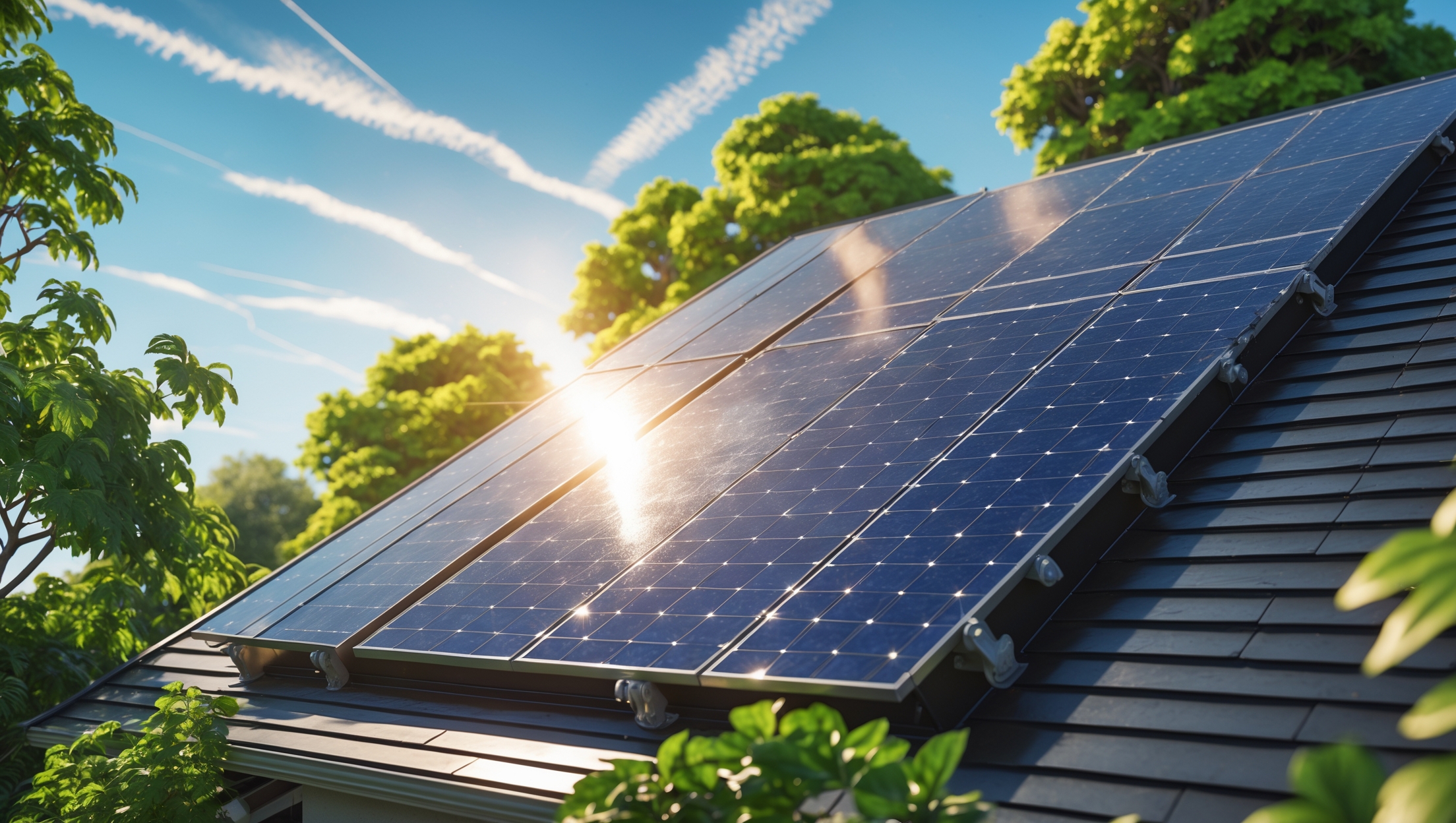
Introduction: Why Solar Panel Maintenance Matters
Home solar panel systems are a significant investment, promising reduced energy bills and a smaller carbon footprint. However, many homeowners assume that once panels are installed, they can be left alone for decades. While solar panels are impressively durable and low-maintenance, neglecting routine care can diminish their performance, shorten their lifespan, and reduce your long-term savings. Regular maintenance not only ensures your system runs at peak efficiency but also helps you catch minor issues before they become costly repairs. Whether you’re new to solar energy or have had panels for years, understanding best practices for upkeep will keep your system operating smoothly and protect your investment. In this comprehensive guide, we’ll cover everything you need to know about maintaining your home solar panels year-round, including cleaning techniques, inspection routines, troubleshooting, and performance-maximizing tips. Get ready to harness the sun’s power as efficiently as possible!
Understanding Your Home Solar Panel System
Key Components
Before diving into maintenance, it’s crucial to understand the basic components of your solar system:
- Photovoltaic (PV) Panels: Convert sunlight into electricity.
- Inverter: Changes DC electricity from panels into AC power for home use.
- Mounting System: Secures panels to your roof.
- Monitoring System: Tracks energy production and system health.
- Electrical Wiring: Connects all components and routes electricity.
Understanding these elements helps you identify maintenance needs and communicate effectively with professionals if issues arise.
Cleaning Solar Panels: Methods and Frequency
Why Cleanliness Matters
Dirt, dust, pollen, bird droppings, and leaves can all accumulate on your panels, creating a barrier that blocks sunlight and reduces efficiency. Studies show that heavily soiled panels can lose 15-25% of their output. Keeping them clean is one of the simplest yet most impactful maintenance tasks.
How Often Should You Clean?
- General Rule: Inspect panels every 3-6 months, clean as needed.
- Dusty/High-Pollen Areas: May require monthly checks.
- After Storms: Inspect for debris and clean if necessary.
DIY Cleaning Steps
- Check your manufacturer’s guidelines before cleaning.
- Choose a cool, cloudy day or clean in the early morning.
- Use a soft brush or sponge, mild soap, and a garden hose.
- Never use abrasive cleaners or high-pressure washers.
- Work gently to avoid scratching the glass.
- Rinse thoroughly to remove all soap residues.
Safety Precautions
- Use a sturdy ladder with someone to spot you.
- Wear slip-resistant shoes and a safety harness if working on a sloped roof.
- Consider hiring professionals for hard-to-reach panels.
Routine Inspection Checklist
Visual Inspections
At least twice a year, conduct a thorough visual check of your solar installation. Look for:
- Cracked or chipped glass on panels.
- Loose mounting brackets or hardware.
- Corrosion on metal frames or supports.
- Discoloration, hot spots, or burn marks.
- Debris buildup under or around panels.
Electrical System Checks
- Examine wiring for signs of wear, fraying, or damage by animals.
- Check the inverter’s display for error codes or warning lights.
- Ensure all connections are tight and free from corrosion.
Performance Monitoring
Use your system’s monitoring app or portal to compare current output with historical data. Sudden drops in performance may indicate a problem needing attention.
Dealing with Weather and Environmental Factors
Snow and Ice
- Let snow melt naturally if possible; panels are designed to shed snow as they heat up.
- If removal is necessary, use a soft, telescoping snow rake—never metal tools.
- Never pour hot water on panels; sudden temperature changes can crack glass.
Falling Leaves and Pollen
- Clear leaves and pollen periodically, especially in autumn and spring.
- Trim overhanging branches to minimize debris accumulation and potential shading.
Hail, Wind, and Storms
- Inspect for damage after severe weather events.
- Check mounting systems and panels for cracks or misalignment.
- Document any damage for insurance claims.
Preventing Common Solar Panel Issues
Shading
Shade from trees, chimneys, or new structures can significantly reduce output. Monitor your panels’ exposure throughout the year and trim vegetation as needed.
Pest Infestations
- Birds and squirrels can nest under panels, damaging wiring and creating messes.
- Install mesh critter guards or barriers around panel edges.
- Check for droppings or nesting material during inspections.
Corrosion and Water Damage
- Inspect for rust on mounts and supports, especially in coastal or humid areas.
- Seal any exposed wiring or connectors with approved weatherproof materials.
- Ensure gutters and roof drainage are clear to prevent water pooling near panels.
Troubleshooting and When to Call a Professional
Identifying Issues
- Unexplained drops in output.
- Persistent inverter error codes.
- Visible physical damage.
If you notice these issues, consult your installer or a certified solar technician for diagnosis and repairs. Electrical repairs should always be performed by qualified professionals for safety and to maintain warranty coverage.
Annual Professional Maintenance
- Schedule a professional inspection and cleaning at least once a year.
- Technicians can check for electrical, structural, and performance issues beyond what’s visible to homeowners.
- Request a written report detailing findings and any recommended repairs.
Maximizing Solar Panel Efficiency Year-Round
Optimizing Panel Orientation and Tilt
- Panels should face true south (in the Northern Hemisphere) for optimal sunlight exposure.
- If your system has adjustable mounts, change the tilt angle seasonally (steeper in winter, flatter in summer) for maximum efficiency.
Monitoring System Output
- Review performance data monthly.
- Identify trends or sudden drops in energy production.
- Keep a log of cleaning, weather events, and maintenance for troubleshooting.
Upgrading System Components
- If your inverter is over 10 years old, consider upgrading to a more efficient model.
- Install monitoring upgrades for real-time alerts and historical analysis.
- Replace damaged or underperforming panels to maintain system output.
Maintenance Scheduling and Record Keeping
Creating a Maintenance Calendar
- Set reminders for biannual inspections, seasonal cleanings, and annual professional check-ups.
- Note warranty expiration dates and recommended service intervals.
Keeping Detailed Records
- Document all maintenance activities, including dates and actions taken.
- Record any issues, repairs, and professional service visits.
- Keep receipts and reports for warranty and insurance purposes.
Frequently Asked Questions
- Will rain clean my solar panels? Rain helps but doesn’t remove all grime, especially sticky residues or heavy dust. Manual cleaning is still necessary for maximum efficiency.
- Can I walk on my solar panels? Never walk on panels; this risks cracking the glass and voiding warranties.
- Is maintenance required for ground-mounted solar systems? Yes, though access is easier. Regular cleaning and inspection are still essential.
Conclusion: Protecting Your Solar Investment
Home solar panel systems are a remarkable step toward energy independence and environmental stewardship. However, to truly reap their benefits over the decades, proactive maintenance is non-negotiable. By following the best practices outlined in this guide—routine cleaning, regular inspections, smart troubleshooting, and professional check-ups—you ensure your panels operate at peak efficiency, maximizing your energy savings and minimizing unexpected costs. Maintenance is neither overly complex nor time-consuming, but the rewards are substantial: higher power output, longer system life, and peace of mind knowing your investment is protected. If you ever feel unsure about a maintenance task or notice a performance drop, don’t hesitate to consult a certified solar professional. With a little care and attention, your solar panels will keep powering your home efficiently for years to come, harnessing the clean energy of the sun day after day.
I noticed you talked about the importance of monitoring systems for tracking energy production. If the monitoring system shows a sudden drop in performance, what are the first troubleshooting steps I should take before calling a professional?
If you see a sudden drop in performance on your monitoring system, first check for obvious issues: make sure the inverter is on, look for visible debris or shading on the panels, and confirm there are no recent obstructions like new tree growth. Also, check for any error messages on your monitoring app or the inverter display. If everything looks normal and the drop persists, then consider contacting a professional for a more thorough inspection.
The article mentions the importance of monitoring systems for tracking performance. Are there specific features or brands you recommend for residential setups, especially for catching minor issues before they become big problems?
Look for monitoring systems that offer real-time data, mobile alerts, and detailed performance analytics. Brands like SolarEdge, Enphase, and SMA are popular choices for residential solar. These systems help you quickly spot drops in output or detect panel faults early, making maintenance much easier.
If I notice my monitoring system shows lower-than-normal production, what are the first troubleshooting steps I should try before scheduling a service call?
First, check if your solar panels are clean and free from debris or shading. Confirm that the inverter displays normal operation and there are no error messages. Make sure all connections and switches are secure and turned on. If everything looks fine and production is still low, record any error codes or warning lights before contacting your service provider.
Could you elaborate on how often homeowners should schedule professional inspections in addition to regular DIY cleaning? I’m curious if certain factors like system age or local climate should impact this maintenance routine.
Homeowners should generally schedule a professional inspection once every 1 to 2 years. However, if your system is older or your area experiences extreme weather (such as frequent hail, heavy snowfall, or high dust levels), yearly inspections are recommended. These factors can accelerate wear or cause hidden damage that a professional can spot early.
How often should routine inspections of the inverter and electrical wiring be done to catch issues early, or is cleaning the panels the main thing homeowners need to focus on throughout the year?
Both routine inspections and cleaning are important for solar panel maintenance. Homeowners should have the inverter and electrical wiring professionally inspected at least once a year to catch any issues early. While cleaning panels is important to maintain efficiency, a yearly check of the electrical components is also recommended to ensure safe and optimal performance.
If I have a monitoring system that tracks energy production, what are some common warning signs in the data that might suggest my panels need maintenance or cleaning?
If you notice a sudden drop in daily or weekly energy production, especially during sunny periods, this could indicate that your panels need cleaning or maintenance. Repeated erratic fluctuations or consistently lower output compared to previous similar seasons are also signs. If only certain panels show decreased performance, there may be a localized issue like shading, debris, or malfunction.
Can routine cleaning and inspection be done effectively without any special tools, or are there specific products or equipment you suggest investing in to maximize my panels’ efficiency?
Routine cleaning and inspection can be done without special tools—gentle water, a soft brush, or a microfiber cloth are usually enough to remove dust and debris. However, investing in a telescopic cleaning pole or a squeegee can make the process easier, especially for hard-to-reach panels. Avoid harsh chemicals or abrasive tools to protect the panels.
I’m running a business out of my home and rely on my solar system every day. How often would you recommend cleaning the panels in regions with high pollen or dust, and is there a preferred cleaning method to avoid downtime?
In areas with heavy pollen or dust, it’s best to clean your solar panels every 1 to 2 months to maintain peak efficiency. Use a soft brush or squeegee with water—avoid harsh chemicals or abrasive tools. Cleaning early in the morning or late evening helps prevent rapid drying and streaks, reducing system downtime.
You mention cleaning techniques and frequency, but what’s the safest way to clean panels if I have a two-story house and can’t easily access the roof? Are there tools or professionals you recommend?
For two-story homes where roof access is difficult, it’s best to avoid climbing up yourself. Telescopic cleaning tools with soft brushes and hose attachments can sometimes reach from the ground, but only if you can do so safely. Otherwise, hiring a professional solar panel cleaning service is the safest option—they have the right equipment and experience to clean panels thoroughly without risking damage or injury.
If the monitoring system shows a sudden drop in energy production, what are the first steps I should take to troubleshoot before calling in a professional?
If you notice a sudden drop in energy production, start by checking for obvious issues like shading from new tree growth, debris, or dirt on the panels. Next, inspect visible electrical connections and your inverter display for error messages. If everything appears normal but the drop persists, note when it started and any changes to your setup before contacting a professional.
I see you recommend monitoring system health as part of maintenance. How often should we check the inverter and wiring for issues, and are there signs we can watch for before calling a professional?
It’s a good idea to visually check your inverter and wiring every 1-2 months. Look for warning lights, error codes on the inverter display, or any unusual noises. For wiring, check for visible damage, corrosion, or loose connections. If you notice any of these signs or a sudden drop in system performance, contact a professional for a detailed inspection.
I understand regular inspections are important, but what are some simple signs I can look for myself before calling in an expert? For example, is a drop in my energy bill enough to indicate something’s wrong?
A sudden drop in your energy output can definitely be a clue, but there are other signs to watch for too. Check for visible dirt, bird droppings, or debris on panels, any physical damage like cracks, loose wires, or unusual shading from new plant growth. If you notice these issues or your system’s display shows error codes, it’s a good idea to consult a professional.
How often do you recommend checking the mounting system and electrical wiring for potential issues, and are there signs homeowners should watch for that might indicate a problem before it becomes serious?
It’s best to inspect the mounting system and electrical wiring at least once a year, or after severe weather. Look out for loose bolts, rust, or corrosion on mounts, as well as exposed or frayed wires and unusual sounds from your inverter. If you notice any of these, contact a professional promptly.
Could you explain what signs I should look out for during routine inspections that might indicate a problem with the inverter or mounting system?
When inspecting your solar system, watch for warning lights or error codes on the inverter and unusual noises like buzzing. For the mounting system, check for loose bolts, visible rust, shifted panels, or warping. If you spot any of these issues, it’s best to consult a professional for further assessment.
The article mentions catching minor issues early to prevent costly repairs. Are there specific signs or changes in the monitoring system that I should watch out for between professional inspections?
Yes, watch for sudden drops in energy output, unusual error messages, or irregular performance compared to previous days with similar weather. Also, if you notice any alert notifications from your monitoring app, address them promptly. These early signs can help you spot and resolve issues before they become bigger problems.
With a busy schedule, it’s tough to keep up with home maintenance. How often do solar panels usually need to be cleaned to prevent noticeable drops in efficiency, especially in areas with lots of pollen and dust?
In areas with heavy pollen and dust, cleaning your solar panels every three to four months helps maintain their efficiency. If you notice visible buildup or a drop in energy output, consider rinsing them sooner. A quick rinse with water typically does the job and doesn’t take much time.
You mention that neglecting solar panel maintenance can lead to costly repairs. For someone managing a tight budget, what are the most critical maintenance steps to prioritize to avoid major expenses down the road?
The most critical steps are keeping your panels clean from dust and debris, visually checking for cracks or loose wiring, and monitoring your system’s output for sudden drops. Doing these regularly helps catch issues early, which can prevent bigger, more expensive problems later.
You talk about regular inspections catching minor issues before they turn into costly repairs. What are the most common small problems homeowners should look out for, and are any of these easy enough for a non-expert to address?
Some common small issues to watch for include dirt or debris on the panels, loose wiring, minor corrosion on metal parts, or shading from growing trees. Most homeowners can safely clean panels with water and a soft brush and trim any branches causing shade. For loose wires or corrosion, it’s best to contact a qualified technician unless you have experience.
You mention catching minor issues before they become expensive repairs—what are some early warning signs I should look for during my routine inspections that might indicate a problem with my system?
During your routine inspections, look for signs like dirt or debris buildup on panels, visible cracks, discoloration, loose wiring, or corrosion on connections. Also, check for unexpected drops in energy output, unusual noises from the inverter, or warning lights on monitoring systems. Spotting these early helps prevent bigger problems.
When inspecting my system, are there certain signs on the inverter or monitoring system that I should look out for which might indicate it’s time to call a professional instead of handling maintenance myself?
Yes, keep an eye out for warning lights, error messages, or unusually low output readings on your inverter or monitoring system. If the inverter display is blank, shows repeated faults, or you notice unfamiliar error codes you can’t resolve with the manual, it’s best to call a professional. Also, if your system isn’t producing power despite sunny conditions, professional help is recommended.
You mention that neglected maintenance can reduce long-term savings—could you provide examples of minor issues that, if caught early, can help avoid expensive repairs down the road?
Small issues like dust buildup, bird droppings, or leaves shading the panels can gradually lower energy output if left unchecked. Loose wiring or minor cracks in the panels, if spotted early, are usually quick fixes. Over time, ignoring these can lead to bigger problems like electrical faults or severe panel damage, which are much more costly to repair.
Could you give a rough estimate of the annual maintenance costs for a typical home solar panel setup? I’m trying to budget for both regular cleaning and occasional inspections.
For a typical home solar panel system, annual maintenance costs usually range from $150 to $350. This estimate covers routine cleaning once or twice a year and a professional inspection to check wiring, mounts, and inverter health. Costs may vary depending on your system’s size and local service rates.
I noticed the section about monitoring system performance. What are some early warning signs a homeowner might see in their monitoring data that indicate a maintenance issue before it turns into a bigger problem?
Some early warning signs in your monitoring data include a sudden drop in energy output, irregular or inconsistent production patterns, and prolonged periods of lower-than-expected performance compared to previous months or neighboring systems. These can signal issues like dirty panels, shading, wiring problems, or inverter faults. If you spot these signs, it’s a good idea to schedule an inspection to resolve small issues before they lead to bigger, costly repairs.
The article mentions a monitoring system for tracking energy production and system health. Is that something usually included in a standard home install, or do you need to buy it separately?
Most modern home solar installations come with a basic monitoring system included, often provided through a mobile app or web portal by the inverter manufacturer. However, advanced monitoring features or third-party systems may require an additional purchase. If you want detailed real-time data or alerts, check with your installer about what is included and what optional upgrades are available.
Could you elaborate on how the monitoring system helps identify maintenance needs? Are there certain data points I should watch for that might indicate a drop in efficiency or a potential problem developing?
The monitoring system tracks performance data like energy output, voltage, and panel temperature in real time. If you notice a sudden drop in energy production, unusual fluctuations, or error messages, these could signal a developing issue. Comparing your system’s output against past performance or similar days helps spot problems early, so you can schedule maintenance before efficiency is affected.
If I notice my solar panels aren’t producing as much energy as usual, is there a specific order I should check the components you listed, like the inverter and monitoring system?
If your solar panels are underperforming, start by checking your monitoring system for any alerts or unusual data. Next, inspect the inverter, since issues there are common and usually produce error codes. After that, look for visible problems like shading, dirt, or damage on the panels and wiring.
How often should I actually be cleaning my solar panels if I live somewhere with a lot of pollen in the spring? Is there a specific cleaning method that works best to avoid damaging the panels?
If you live in an area with heavy spring pollen, it’s a good idea to clean your solar panels every 1–2 months during peak pollen season. For cleaning, use a soft brush or sponge with mild soapy water, and rinse with a gentle stream of water. Avoid harsh chemicals or abrasive tools to prevent scratching the panels.
You mention that dirt and bird droppings can lower solar panel efficiency by up to 25 percent. How often should panels really be cleaned in areas with lots of pollen or dust, and is there a risk of cleaning them too much?
In areas with heavy pollen or dust, it’s usually best to clean your panels every one to two months, especially during peak seasons. Over-cleaning isn’t common, but using harsh tools or chemicals too often can cause scratches or damage. Stick to gentle rinsing and soft brushes to avoid any issues.
You mentioned the importance of catching minor issues early. What are the most common signs of wear or damage that a homeowner like me should look out for during an inspection?
During your inspection, watch for cracked or discolored panels, loose wiring, corrosion around connections, and visible dirt or debris buildup. Also, look for any unusual shading on panels and check if your system’s output has dropped unexpectedly, as these can signal underlying problems.
Can you explain more about the monitoring system you mentioned? Is it something I need to check daily, or will it alert me automatically if there’s an issue with my panels?
The monitoring system for your solar panels typically tracks performance and alerts you automatically if it detects a problem, like a drop in energy production. You don’t need to check it daily unless you want to keep a close eye on your system’s output. Most systems send notifications via app or email if something needs your attention.
When you mention cleaning techniques for the panels, do you have recommendations for safe cleaning solutions or tools that won’t void warranties? I’ve heard some household cleaners can actually damage the glass or coatings.
It’s best to use just plain water or a mild, non-abrasive soap with a soft sponge or microfiber cloth when cleaning your solar panels. Avoid harsh chemicals, abrasive brushes, or pressure washers, as these can damage the panels or void warranties. Always check your manufacturer’s guidelines for any specific recommendations.
If I have a lot of trees near my house that drop leaves and pollen, how often should I be cleaning my solar panels to keep them efficient?
If your solar panels are exposed to frequent leaf and pollen buildup from nearby trees, it’s a good idea to check and clean them about once a month, especially during heavy shedding seasons. Regularly removing debris will help maintain their efficiency and prevent shading or residue from affecting performance.
You mentioned that dirt and debris can cut solar panel output by 15-25 percent. How often should I realistically plan to clean my panels if I live in an area with a lot of pollen and dust?
If you live in an area with heavy pollen and dust, planning to clean your solar panels every 2 to 3 months is a good rule of thumb. However, during peak pollen seasons or after dust storms, inspecting and cleaning them more frequently can help maintain optimal efficiency.
You mentioned that dirt and debris can cut panel output by up to 25%. Is there a recommended schedule for cleaning panels, especially for homes in areas with lots of trees or dust?
For homes in areas with frequent dust or lots of nearby trees, it’s usually best to check your panels every 1-2 months for buildup. Cleaning them at least twice a year is a good baseline, but in dirtier environments, quarterly or even monthly cleaning may help maintain optimal efficiency.
If routine maintenance catches a minor wiring issue, what are the typical repair costs or steps for homeowners, and is it safe for us to handle minor fixes ourselves or always better to call a professional?
If you discover a minor wiring issue during maintenance, it’s usually best to call a professional, as working with electrical components can be dangerous without proper training. Repair costs for simple wiring fixes typically range from $100 to $300, depending on the issue and local rates. Handling wiring repairs yourself is not recommended unless you’re qualified, as incorrect repairs can lead to safety hazards or void warranties.
Do you have any advice on how often to check the inverter or monitoring system to catch issues early? I’m worried I might miss something that affects performance if I only pay attention to panel cleaning.
It’s a good idea to check your inverter or monitoring system at least once a month. Look for warning lights, error codes, or unexpected drops in system output. Many monitoring systems can also send alerts for issues, so enable notifications if available. Regular checks help catch performance problems early, not just those related to panel cleanliness.
Does cleaning frequency change depending on what state you live in or the specific weather patterns you get? For example, would someone in a dry, dusty area need to clean panels more often than someone in a rainy climate?
Yes, cleaning frequency can vary based on your location and local weather. If you live in a dry, dusty area, you’ll likely need to clean your solar panels more often since dust and debris can accumulate quickly. In contrast, areas with regular rainfall often require less frequent cleaning, as the rain naturally helps keep panels clean.
If a home’s monitoring system shows a sudden drop in energy production, what are the most common troubleshooting steps that owners can safely try before calling a professional?
If you notice a sudden drop in solar energy production, start by checking for obvious obstructions like dirt, leaves, or snow on the panels and clear them if safe. Next, inspect your inverter display for error messages or warning lights. Make sure all system breakers and switches are in the ‘on’ position. If these steps don’t resolve the issue, it’s best to contact a professional.
If the monitoring system shows a drop in energy production but the panels look clean, how should I troubleshoot which component might be at fault before calling in a professional?
Start by checking if your inverter is displaying any error lights or messages, as this can indicate issues. Also, examine all visible wiring and connections for signs of damage or loose fittings. If you have a battery system, make sure it’s charging and discharging correctly. If everything appears normal but production is still low, it’s wise to contact a professional for a detailed inspection.
You listed regular inspections as a best practice. For someone not comfortable getting on the roof, what are some signs from the ground that might indicate a problem with the mounting or wiring?
From the ground, watch for panels that look misaligned, appear loose, or have shifted from their original position. Visible wires that are hanging down or look frayed can also indicate wiring issues. If you notice any broken glass, significant debris buildup, or unusual shadows on panels, these can signal problems too. If you see anything concerning, it’s a good idea to call a professional for a closer inspection.
If you live in an area with heavy pollen or a lot of trees nearby, do you need to clean your solar panels more often than the general guidelines suggest? How big of an efficiency drop have you actually noticed?
In areas with heavy pollen or lots of trees, it’s definitely a good idea to clean your solar panels more often than general recommendations—build-up can cause noticeable shading. Users in such environments sometimes report efficiency drops of 5–20% if panels aren’t cleaned regularly, especially during peak pollen seasons or after falling leaves.
If I notice my inverter display showing way less energy than usual, what’s the first thing I should check according to your maintenance tips before calling a professional?
First, check for any obvious obstructions on your solar panels, like dirt, leaves, or snow, as these can quickly reduce efficiency. If the panels look clear, inspect the inverter for error messages or warning lights, as these can provide useful clues before you contact a professional.
You mention that cleaning panels can improve efficiency by up to 25 percent if they’re heavily soiled. Is there a recommended cleaning frequency for homes in areas with lots of pollen or dust, or should homeowners monitor output and clean accordingly?
For homes in areas with heavy pollen or dust, it’s best to check your panels every month during peak seasons. If you notice a visible buildup or a drop in energy output, it’s a good time to clean. Monitoring output and adjusting your cleaning schedule accordingly is the most effective approach.
If I notice a drop in the output on my monitoring system, should I try cleaning the panels first or call an installer to look at the inverter? Is there a recommended troubleshooting order for small business owners?
If you notice a drop in solar output, start by visually inspecting and cleaning the panels, as dirt or debris is a common cause. If cleaning doesn’t resolve the issue, then check the inverter for error lights or messages. If problems persist, contact your installer. This progression helps rule out simple issues before involving a professional.
Could you share some tips on how often small business owners should schedule professional inspections for their rooftop solar panels versus doing visual checks ourselves? I want to make sure I’m not missing any early signs of trouble.
For small business owners, it’s a good idea to schedule professional inspections for your rooftop solar panels once a year. In between, you can do your own visual checks every few months—look for dirt, debris, or any visible damage. This routine helps catch small issues early and ensures your system runs efficiently.
Can you explain how often I should be cleaning my solar panels, especially if I live in an area with a lot of pollen and dust? I want to make sure I’m not overdoing or underdoing it.
If you live in an area with heavy pollen and dust, it’s a good idea to check your panels every month. Usually, a thorough cleaning every three to four months is enough, but during peak pollen or dust seasons, you might need to clean them monthly to keep them working efficiently. Always monitor their performance—if you notice a drop, consider cleaning sooner.
If I notice a sudden drop in my system’s energy production on the monitoring system, what troubleshooting steps should I try myself before calling a professional?
If you notice a sudden drop in energy production, first check for obvious obstructions like dirt, leaves, or snow on the panels and clear them if safe to do so. Inspect for shading from new tree growth or structures. Make sure the system’s breakers and switches are in the correct positions. Also, confirm your monitoring system is working properly and hasn’t lost internet connection. If these steps don’t resolve the issue, it’s best to contact a professional.
Do you have any tips for safely cleaning solar panels that are mounted on a steep roof? I want to avoid damage or injury but also keep them free of dust and pollen as you mentioned.
For panels on a steep roof, safety should come first. Use a soft-bristled brush with an extendable pole and spray the panels with a garden hose from the ground if possible. Avoid climbing onto the roof. If they need more thorough cleaning, consider hiring a professional who has the right equipment and safety gear.
If I notice my monitoring system showing a drop in energy production, what’s the best way to troubleshoot whether it’s a cleaning issue or something more serious like a problem with the inverter?
Start by visually inspecting your panels for dirt, debris, or shading, as buildup can reduce efficiency. If the panels look clean and unobstructed, check your monitoring system for error codes or alerts about the inverter. If no obvious cause is found, or if you see inverter warnings, contact a professional for a thorough inspection.
You talked about cleaning methods but didn’t mention if certain cleaning products should be avoided to protect the panels or mounting system. Could using the wrong cleaner damage them over time?
Using the wrong cleaning products can definitely harm your solar panels and mounting system over time. It’s best to avoid abrasive cleaners, harsh chemicals, and anything acidic or alkaline, as these can scratch the glass or corrode metal parts. Stick to soft cloths or sponges and use plain water or a mild soap solution if needed.
I’m on a budget and want to do most maintenance myself. Are there safe and effective DIY cleaning methods for rooftop panels, or would hiring a professional make more sense for someone new to this?
You can safely clean rooftop solar panels yourself by using a soft brush or sponge with mild soap and water, preferably in the early morning or late afternoon when panels are cool. Avoid abrasive tools and harsh chemicals. Always prioritize safety—use a stable ladder and never step directly on the panels. If your roof is steep or slippery, or if you’re uncomfortable with heights, hiring a professional may be safer.
You mention that dirty panels can lose up to 25% efficiency, but is it worth hiring a professional cleaning service, or do most homeowners just handle it themselves to save money?
Most homeowners choose to clean their solar panels themselves using a hose and soft brush, especially if the panels are easy to reach. This saves money and works well for light dirt or dust. Professional cleaning can be helpful if your panels are hard to access or have stubborn grime, but it’s usually not necessary unless there’s a specific issue.
How often should I be checking my solar panel system for issues, especially if I live in an area with lots of pollen and dust? Does the frequency of cleaning change throughout the year?
If you live in an area with lots of pollen and dust, it’s a good idea to visually inspect your solar panels every month. Cleaning may be needed more often during peak pollen seasons or dry, dusty periods—sometimes every 1-2 months instead of just quarterly. Regular checks help maintain optimal efficiency.
When inspecting the mounting system, what are some early warning signs homeowners should watch out for that might indicate potential structural issues before they turn into costly repairs?
Look for loose or missing bolts, visible rust or corrosion on metal parts, cracked or warped mounting rails, and any movement or shifting in the panels during wind or touch. Also, check for sagging or uneven panels, which could signal underlying support problems. Catching these early helps prevent bigger issues down the line.
If I notice a sudden drop in my home’s solar output, what are the first things I should check myself before calling in a professional for repairs?
If you see a sudden drop in solar output, first inspect your panels for obvious debris, dirt, or shading from new tree growth. Check the inverter’s display for error codes or warning lights. Make sure all system breakers are on and look for any loose wiring. If everything looks normal but output is still low, then consider calling a professional.
Are there recommended inspection checklists for homeowners to use, or is it best to hire a professional for regular solar panel maintenance?
Many manufacturers and solar providers offer simple inspection checklists that homeowners can use to monitor their system, such as checking for debris, damage, or shading. However, for electrical components or if you notice performance issues, hiring a professional for an annual inspection is safest and often recommended to ensure optimal performance.
If the monitoring system shows a sudden drop in energy production, are there troubleshooting steps homeowners can try themselves before calling a professional, or is it usually a wiring or inverter issue?
If you notice a sudden drop in production, first check for obvious issues like physical obstructions (leaves, snow, debris) on the panels and ensure the breakers or switches haven’t tripped. Also, confirm the monitoring system is working correctly. If these checks don’t solve it, more technical issues like wiring or inverter faults may be involved, which are best handled by a professional.
You mention that dirt and debris can reduce panel efficiency by up to 25 percent. Are there any recommended cleaning tools or products that are safe to use without voiding warranties on standard PV panels?
Most manufacturers recommend using soft brushes or sponges with water to clean solar panels, avoiding abrasive materials or high-pressure washers that could damage the surface. Mild, non-abrasive soap is generally safe, but always check your panel’s manual for specific guidance so you don’t risk voiding the warranty.
You mention minor issues can become costly repairs if ignored. What are the most common warning signs small business owners should look out for with their solar panel systems before calling a professional?
Some warning signs to watch for include a noticeable drop in energy output, visible dirt or debris on panels, loose wiring or connections, cracks or discoloration on the panels, and unusual noises from the inverter. Catching these early can help prevent bigger, costlier issues.
You mentioned cleaning techniques for solar panels—are there specific cleaning solutions or tools you recommend avoiding to prevent damage to the panels or the mounting system?
It’s best to avoid abrasive scrubbers, harsh chemicals, or high-pressure washers when cleaning solar panels, as these can scratch the glass or damage seals. Stick to soft sponges or brushes and use gentle soap mixed with water. Avoid cleaning solutions containing ammonia or strong solvents, as they may cause deterioration of the panel surface and mounting hardware.
If a panel does get damaged or starts underperforming, what’s usually the first step—should I call a professional right away, or are there some basic troubleshooting steps I can do myself before spending money on repairs?
If you notice a panel underperforming, first check for obvious issues like dirt, debris, or shading, and clean the panel carefully if needed. Also, inspect for visible damage or loose wiring connections if you can do so safely. If these steps don’t resolve the issue or you spot damage, it’s best to contact a professional to avoid safety risks.
Could you share some guidance on how often homeowners in areas with heavy pollen or dust should inspect or clean their solar panels? I’m in the Southeast and wondering what’s realistic for year-round maintenance.
In areas like the Southeast with heavy pollen or dust, it’s a good idea to inspect your solar panels at least once a month, especially during peak pollen seasons and dry spells. Most homeowners find that cleaning two to four times a year keeps panels performing well, but if you notice visible buildup or a drop in energy output, an extra cleaning may be needed.
If I notice a drop in my monitoring system’s reported energy production, how can I figure out whether it’s a dirty panel issue or something more serious like a problem with the inverter or wiring?
Start by visually inspecting your panels for dirt, debris, or shading, especially if weather conditions have recently changed. Clean the panels if needed and see if production improves. If the issue persists, check your system’s inverter for error lights or codes, and listen for unusual sounds. If you’re unsure or see warning indicators, contact a professional to inspect the inverter and wiring for faults.
You talked about the importance of monitoring energy production. If my system’s output drops suddenly, what are the first basic troubleshooting steps a homeowner like me should try before calling in a professional?
If your solar panel output drops suddenly, first check for obvious issues like debris, snow, or dirt covering the panels and remove it if present. Next, inspect your inverter for error lights or messages. Also, make sure all breakers and switches are on, and look for loose or disconnected wiring if it’s safely accessible. If none of these solve the problem, it’s best to contact a professional.
Could you give an idea of what basic maintenance tasks homeowners can handle themselves versus what really needs a professional? I’m trying to figure out what I can do to keep costs down without risking my warranty or safety.
Homeowners can usually handle simple tasks like visually inspecting panels for dirt or debris, rinsing panels with a garden hose (if safe to access), trimming nearby foliage, and checking for obvious damage. Anything involving electrical components, wiring, or roof penetrations—like inverter checks, electrical troubleshooting, or mounting repairs—should be left to professionals to avoid safety risks and protect your warranty.
If I’m on a tight college budget and can’t afford professional maintenance yet, what are the most essential DIY tasks I should prioritize to keep my solar panels running efficiently year-round?
Focus on keeping your panels clean by gently rinsing them with water when you notice dirt or debris buildup, ideally early in the morning or late afternoon. Visually inspect for obvious damage or shading from nearby trees, and trim branches if needed. Also, check that any nearby roof vents or obstructions aren’t casting long-term shade. These basic steps can help maintain efficiency until you’re able to invest in professional maintenance.
You mentioned that dirt and debris can lower panel efficiency by up to 25 percent. How often should panels be cleaned in areas with a lot of pollen or dust, and are there any recommended cleaning methods for rooftop systems?
In areas with heavy pollen or dust, it’s a good idea to inspect your panels monthly and clean them every 1–2 months or whenever you notice buildup. For rooftop systems, use a soft brush or sponge with water—avoid abrasive materials and high-pressure washers to prevent damaging the panels.
When it comes to regular cleaning, does the article recommend a specific type of cleaning solution or just water for most situations? I’m in a region with hard water and am concerned about leaving mineral spots on the panels.
The article suggests that, in most cases, plain water is sufficient for cleaning solar panels. However, since you’re in a hard water area, it would be wise to use distilled water or a gentle, non-abrasive soap with soft sponges to avoid mineral spots. Rinsing with distilled water after cleaning can help prevent residue.
If a monitoring system shows a sudden drop in energy production, what troubleshooting steps would you suggest before calling a professional for repairs?
If you notice a sudden drop in energy production, first check if there’s any debris, dirt, or shading on the panels and clean if necessary. Inspect your inverter display for error messages and confirm all system connections and breakers are secure. Also, check recent weather changes. If the issue persists after these steps, it may be time to consult a professional.
Could you elaborate on the best cleaning techniques for solar panels during pollen-heavy months? We have a lot of trees near our shop, and I’m worried about buildup affecting efficiency.
During pollen-heavy months, it’s best to clean your solar panels with a soft brush or a non-abrasive sponge and a hose using gentle water pressure. Avoid high-pressure washers, as they can damage the panels. Early morning or late afternoon is ideal, as the panels are cooler and pollen is less sticky. Regular monthly checks will help prevent buildup and keep your system running efficiently.
How often should we be checking the inverter or the monitoring system for potential issues, and are there any tell-tale signs that might indicate it’s time for a maintenance call?
It’s a good idea to check your inverter and monitoring system at least once a month. Watch for warning lights, unusual error messages, or unexpected drops in energy output—these are signs you might need professional maintenance. Regular monitoring helps you catch issues early and keep your system running efficiently.
Do you have any recommendations for safe cleaning solutions or tools to use on solar panels, especially for homeowners who are worried about damaging the surface or voiding warranties?
For cleaning solar panels, use soft materials like a non-abrasive sponge or microfiber cloth along with plain water or a mild soap solution. Avoid harsh chemicals, abrasive pads, or pressure washers, as these can damage the panels or affect your warranty. Always check your manufacturer’s care guidelines before cleaning.
You mentioned that neglecting solar panel maintenance can reduce long-term savings. Can you explain what kinds of performance drops or repair costs people typically see if they skip routine cleaning and inspections for a few years?
Skipping routine cleaning and inspections can lead to a gradual drop in your solar panels’ output, sometimes by 10–25% due to dirt, debris, or shading issues. Over several years, undetected problems like damaged wiring, loose connections, or water ingress may also develop, resulting in expensive repairs or early component replacements that could cost hundreds or even thousands of dollars.
When it comes to routine inspections, is it usually better for homeowners to handle them on their own or hire a professional, particularly for checking wiring and the inverter? What are the typical costs involved if hiring an expert?
For basic visual inspections, homeowners can usually check for obvious debris or shading themselves. However, when it comes to inspecting wiring and the inverter, it’s safer and more effective to hire a professional. Professional inspections typically cost between $150 and $300, depending on your location and system size.
Do you recommend a particular cleaning schedule for solar panels in areas with lots of pollen or dust, or should I just wait until I notice a drop in energy production?
In areas with heavy pollen or dust, it’s best to clean your solar panels about every three to four months, even if you don’t notice a drop in energy production. Regular cleaning helps maintain maximum efficiency and prevents buildup that can be harder to remove later.
You mention that regular maintenance can help catch minor issues before they turn into expensive repairs. Could you give some examples of specific problems homeowners should look out for during routine inspections?
During routine inspections, homeowners should look for loose or damaged wiring, cracks in the solar panels, signs of water ingress, corrosion on metal parts, and buildup of dirt or debris. Checking for shading from new plant growth and ensuring secure mounting can also prevent small issues from becoming costly repairs.
If my solar panel monitoring system shows a sudden drop in production, what troubleshooting steps should I try before calling in a professional for repairs?
If you notice a sudden drop in solar panel output, start by checking for obvious obstructions—like dirt, leaves, or snow—on the panels and clear them if needed. Confirm the inverter is powered on and showing normal status lights. Make sure system breakers and disconnect switches are in the correct position. Also, check for loose or disconnected cables. If you don’t find a clear issue, then it’s wise to contact a professional.
You mentioned that dirt and debris can cause a 15-25% drop in output. How often should panels be cleaned in areas with lots of pollen or dust, and is there a risk of damaging them if I clean too frequently?
In areas with heavy pollen or dust, panels may need cleaning every one to three months, especially during peak seasons. Be gentle when cleaning—use soft brushes or a hose with low pressure. Cleaning too often, especially with abrasive materials or harsh chemicals, can risk scratching or damaging the panels. Regular but careful cleaning is best to maintain efficiency and panel longevity.
I noticed you highlighted the monitoring system as a key component. If my system’s production suddenly drops but I don’t see visible dirt or debris, what should be my first troubleshooting steps before calling a professional?
If your solar production drops suddenly without obvious dirt or debris, first check if your inverter is showing any error codes or warning lights. Next, review your monitoring app or portal for alerts or unusual activity. Also, ensure all breakers are in the correct position and there are no loose cables or connectors. If everything appears normal but the drop persists, then consider contacting a professional.
Do you have any suggestions for how often I should check the inverter and monitoring system, especially if I don’t have a lot of time to spare each month?
If you’re short on time, a quick monthly glance at your inverter and monitoring system is usually enough to spot major issues. Most problems will trigger warning lights or show up as alerts in monitoring apps. Setting a reminder for a brief review once a month works well for most homeowners.
Regarding the monitoring system you mentioned, what specific signs or data points should homeowners watch for to catch efficiency issues early before they impact performance?
Homeowners should look for sudden drops in energy output, unusual patterns compared to previous months, frequent system error alerts, or panel performance differences across similar panels. Tracking daily and monthly production helps spot small changes early. Also, watch for increased shading or dirt accumulation noted by the system’s sensors.
What are the most common issues homeowners encounter with their inverters during regular maintenance, and how can those be addressed before they turn into bigger problems?
Homeowners often encounter issues like inverters showing error codes, unexpected shutdowns, or reduced power output. These can be caused by dust buildup, loose wiring, or overheating. Regularly checking connections, keeping the inverter area clean and well-ventilated, and reviewing the inverter’s display for warnings can help catch problems early before they escalate.
The article mentions that cleaning panels is important due to dirt, pollen, and bird droppings. Is it safe for a beginner to clean the panels themselves, or should I always hire a professional? What cleaning tools would you recommend for a first-timer?
It’s usually safe for beginners to clean solar panels as long as you can reach them from the ground or a stable platform without risking a fall. Use a soft brush or sponge, mild soap, and a hose with gentle water pressure. Avoid harsh chemicals and abrasive tools. If your panels are on a steep roof or hard to access, it’s better to hire a professional for safety.
How often should I schedule professional inspections versus handling routine cleaning and maintenance myself, and does skipping professional maintenance really impact the lifespan of the system?
You should schedule a professional inspection for your solar panel system once every one to two years, even if you handle routine cleaning and minor maintenance yourself. Skipping professional maintenance can affect the system’s efficiency and lifespan, since experts can spot issues like wiring problems or panel degradation that aren’t always visible during regular cleaning.
Since you listed both the mounting system and electrical wiring as important parts, what are some signs that those specific components might need professional maintenance instead of just routine inspection?
For the mounting system, look out for visible rust, loose bolts, or panels that seem misaligned. With electrical wiring, warning signs include exposed wires, burn marks, or if your system is producing less power without an obvious reason. If you notice any of these, it’s best to call a professional for maintenance rather than handling it yourself.
If I notice a drop in energy production on my monitoring system, should I try troubleshooting myself first, or is it better to call a professional right away? What basic steps can a homeowner safely take before involving a pro?
If you notice a drop in energy production, you can safely start by checking for obvious issues like dirt, debris, or shading on the panels, and making sure your monitoring system is working properly. Also, check if any breakers have tripped. Avoid climbing on your roof or opening electrical boxes. If these basic checks don’t solve the problem, it’s best to call a professional.
You listed cleaning techniques as an important part of solar panel maintenance. Are there certain cleaning solutions or tools you recommend for a first-timer to avoid damaging the panels?
For first-time cleaning, use a soft sponge or microfiber cloth and plain water—most solar panels just need gentle cleaning to avoid scratches. Avoid harsh chemicals or abrasive brushes, as these can damage the glass. If needed, mild dish soap diluted in water is safe, but rinse thoroughly to prevent residue.
I’m curious about the monitoring system you mentioned. Are there any specific features I should look for in a monitoring system that can help me spot performance issues early, or are most of them pretty similar?
When choosing a solar monitoring system, look for features like real-time performance tracking, automated alerts for faults or drops in output, detailed historical data, and easy-to-read dashboards. Some also offer mobile app access and the ability to monitor individual panel performance, which can help pinpoint issues quickly.
You list several key components like the inverter and mounting system. What are common signs that something is wrong with these parts, and should homeowners include checking them in their regular maintenance routine?
Watch for warning lights or error messages on your inverter, unusual noises, or a sudden drop in power output, as these may signal a problem. For the mounting system, look out for loose bolts, sagging panels, or visible corrosion. Homeowners should definitely include checking both the inverter and mounting system in their regular maintenance routines to spot issues early and ensure everything stays secure and efficient.
If the monitoring system shows a drop in energy production, what’s the first thing you should check before calling a professional? Are there any easy steps for troubleshooting at home?
If you notice a drop in energy production, first check for obvious obstructions like dirt, leaves, or snow covering the panels. Also, make sure all connections and switches are secure and that the inverter display doesn’t show any error messages. Cleaning the panels and visually inspecting the system are simple steps you can take before contacting a professional.
You mentioned the monitoring system tracks energy production and system health. How often should busy homeowners actually check this, and what warning signs should we look out for?
It’s ideal to check your solar monitoring system at least once a month, even if you’re busy. Look for significant drops in energy production compared to previous months, system error messages, or alerts about panel or inverter issues. If you notice sudden changes or warnings, it’s best to investigate or contact your installer.
The article mentions monitoring systems for tracking energy production and system health. Are these usually included when you get solar panels installed, or do you need to buy one separately, and are they worth the extra investment for a homeowner?
Most modern solar panel installations include a basic monitoring system, but the features can vary. Some installers offer advanced monitoring as an optional upgrade. Many homeowners find them worthwhile, as they help you spot issues early and track energy savings. If real-time data and easy troubleshooting are important to you, investing in a good monitoring system is usually beneficial.
If my monitoring system starts showing a sudden drop in energy production but I don’t see any obvious dirt or debris on the panels, what troubleshooting steps would you suggest trying next before calling a professional?
If your monitoring system shows a sudden drop but your panels look clean, start by checking for shading at different times of the day, as shadows from growing trees or new structures can impact production. Next, make sure all system components and connections are secure and that your inverter is operating normally with no error codes. If everything seems fine, try restarting your monitoring system to rule out a data error before calling a professional.
With a busy family schedule, I’m wondering if you have tips for the quickest safe way to clean panels without special equipment, especially for two-story homes?
For two-story homes, the safest and quickest way to clean solar panels without special tools is to use a regular garden hose with a spray nozzle from the ground. Do this early in the morning or late evening when panels are cool. Avoid climbing onto the roof or using harsh cleaners—plain water usually does the trick.
How often should I plan to clean my solar panels if I live in a pretty dusty area? The article mentions dirt and pollen affecting efficiency, but I’m not sure how to set up a good cleaning schedule.
In a dusty area, you should plan to clean your solar panels every one to three months. Monitor their surface and energy output—if you notice visible buildup or a drop in performance, it’s likely time for a cleaning. More frequent checks during especially dry or windy periods can help maintain efficiency.
You mention that cleaning can prevent energy loss up to 25 percent, but does the method of cleaning make a big difference? Is it safe to use a hose, or do I need specialized equipment to avoid damaging the panels?
The method of cleaning does make a difference. For most home solar panels, using a regular garden hose with gentle water pressure is safe and effective for removing dust and debris. Avoid using abrasive brushes, harsh chemicals, or pressure washers, as these can damage the panels. Specialized equipment isn’t usually necessary unless you’re dealing with stubborn stains or hard-to-reach panels.
For those of us with monitoring systems, what specific signs or data points should we watch for that might suggest our panels need maintenance or cleaning?
If you have a monitoring system, watch for unexpected drops in energy output, especially compared to previous days under similar weather conditions. Sudden spikes in panel temperature, error codes, or irregular performance between panels can also indicate issues. These signs often mean your panels may need cleaning or a maintenance check.
Could you explain more about what I should look for during a regular inspection? I don’t want to miss anything important and end up with a costly repair later on.
During a regular inspection, check for any dirt, leaves, or debris on the panels, as these can reduce efficiency. Look for cracks or discoloration on the panels, loose wires, corrosion on connections, and ensure mounting hardware is secure. Also, monitor your system’s output for any unusual drops in performance. Noticing these things early can help prevent costly repairs down the line.
If minor issues are caught early during routine inspections, what are some typical warning signs homeowners should watch out for before needing to call a professional?
Homeowners should look for warning signs like a sudden drop in energy output, visible dirt or debris on panels, loose wiring, cracks in the glass, or water pooling near the system. Addressing these early can prevent more serious problems before professional help is required.
You mention monitoring systems as key for tracking energy production and system health. What specific metrics or warning signs should homeowners watch for in their monitoring data to catch small issues early before they become bigger problems?
Homeowners should regularly check for sudden drops in energy production, consistent underperformance compared to past data or expected output, and unusual patterns like frequent inverter errors or offline alerts. Also, monitor module temperatures and overall system voltage. If you notice any of these changes, it could signal dirt buildup, shading, or equipment issues that need attention.
If the monitoring system shows a sudden drop in energy production but the panels look clean, which component should I check next? Is this something a homeowner can easily troubleshoot, or does it require a professional?
If your panels are clean but production has dropped, check the inverter next, as it’s a common source of issues. Also inspect wiring and connections for any visible damage. Basic checks like these can be done by a homeowner, but if you find anything unusual or are unsure, it’s safest to call a professional.
You mention the importance of monitoring systems for tracking energy production. Is this something I can set up myself, or do I need to hire a professional to install and explain how to use it?
Many home solar monitoring systems are designed for easy DIY installation and setup, often using apps or web dashboards that guide you through the process. However, if your system is older or more complex, or if you’re not comfortable with tech setups, a professional can install it and walk you through the features. It really depends on your comfort level with technology and the specific system you choose.
You mention that dirt and debris can decrease efficiency by up to 25%. How often should we expect to clean our panels if our business is located near a busy road with a lot of dust?
If your business is near a busy, dusty road, it’s a good idea to check your solar panels every one to two months for visible dirt buildup. You may need to clean them as often as monthly to maintain peak efficiency. Seasonal changes and local weather can also affect how often cleaning is needed.
I noticed the article talks about monitoring systems for tracking energy production. If I notice a sudden drop in output, what steps should I take to troubleshoot before calling a professional?
If your monitoring system shows a sudden drop in output, first check for obvious issues like debris, leaves, or snow covering the panels. Make sure the inverter displays normal status lights and confirm no circuit breakers have tripped. Also, review recent weather conditions that might explain a temporary dip. If you don’t find anything unusual, it’s wise to consult a professional.
When it comes to cleaning solar panels, do you recommend any specific cleaning solutions or tools that are safe for the panels but effective against things like bird droppings and pollen? I’m worried about damaging the panels with the wrong products.
For cleaning solar panels, use a soft brush or non-abrasive sponge with plain water or a mild, biodegradable soap if needed. Avoid harsh chemicals or abrasive tools, as they can scratch or damage the panels. For stubborn spots like bird droppings, let water soak the area first to loosen debris before gently wiping. Always clean panels when they are cool to prevent streaks or cracking.
You mentioned that dirt and debris can reduce efficiency by up to 25 percent. Is there a way to monitor if my panels are getting dirty enough to impact their performance, or should I just stick to a regular cleaning schedule?
You can monitor your panels’ performance by regularly checking your inverter or monitoring system for drops in energy production, especially on sunny days. Sudden or gradual declines may indicate dirt buildup. However, having a consistent cleaning schedule—such as every few months—helps prevent issues even if you’re not actively monitoring output.
What signs should I look for in my monitoring system readings that might indicate a maintenance issue before it becomes a bigger problem?
Watch for sudden drops or consistent declines in energy production, irregular output compared to previous days or similar weather, and error messages from your inverter or monitoring system. Any unusually low performance or unexpected changes could suggest issues like dirt buildup, shading, or equipment malfunction that should be checked soon.
If my panels are difficult to access because of a steep roof, what maintenance options do you recommend for maximizing efficiency without risking personal safety or incurring high professional cleaning costs?
If your panels are hard to reach, consider using a telescopic cleaning tool with a soft brush and hose attachment from the ground, or schedule periodic inspections with a professional during routine home maintenance to save costs. Monitoring your system’s output regularly can also help you spot performance drops without frequent cleaning.
For homeowners in areas with heavy pollen or frequent dust storms, how often would you recommend cleaning panels to maintain that peak efficiency you mentioned? Does the recommended schedule change depending on local climate?
In areas with heavy pollen or frequent dust storms, it’s best to clean your solar panels every 1 to 2 months, or after each major event. The recommended cleaning schedule does change with the local climate—more debris means more frequent cleaning to maintain peak efficiency.
You mentioned that cleaning panels can improve efficiency quite a bit. Is there a recommended cleaning frequency for homes in areas with a lot of pollen, or does it really depend on each location?
In areas with a lot of pollen, it’s usually best to check your panels every few weeks during peak pollen season. If you notice a visible buildup, a gentle cleaning is a good idea. Ultimately, frequency depends on how quickly pollen accumulates, but monthly cleanings during heavy pollen times are often effective.
Is there a recommended way to monitor my solar panel system’s performance easily as a busy parent, or do I need special equipment to track energy production issues?
Most modern solar panel systems come with user-friendly monitoring apps or online dashboards that let you check your system’s performance from your phone or computer. These tools track energy production in real time and often alert you to any issues, so you won’t need special equipment beyond what your installer provides.
I noticed you mention that heavily soiled panels can lose up to 25% of their output. How often should I actually check or clean my panels in an area with a lot of pollen and dust, like the Midwest?
In areas like the Midwest with frequent pollen and dust, it’s a good idea to visually check your solar panels every month, especially during peak pollen seasons. Cleaning them two to four times a year should be enough, but if you notice visible buildup or a dip in energy output, consider cleaning more often.
How often should I schedule professional inspections for my solar panel system, or is regular visual inspection from the ground generally sufficient to catch early issues?
For most residential solar panel systems, a professional inspection every one to two years is recommended to ensure optimal performance and address any hidden issues. While regular visual checks from the ground can help spot obvious problems like debris or visible damage, professionals can identify subtle electrical or mounting concerns that might go unnoticed.
I noticed the article mentions inspecting the inverter as part of regular maintenance. How often should the inverter be checked, and are there specific warning signs that indicate it might need professional attention?
It’s recommended to inspect your solar inverter every 3 to 6 months. Look out for warning signs like error messages on the display, unusual noises, flashing warning lights, or drops in energy output. If you notice any of these, it’s best to contact a qualified technician for a closer look.
You mention that cleanliness can impact the efficiency of solar panels by up to 25%. How often should I plan to clean my panels if I live in an area with a lot of pollen and dust?
In areas with heavy pollen and dust, it’s a good idea to check your panels every 1 to 2 months, especially during peak pollen seasons. If you notice a visible buildup or a drop in performance, a gentle clean with water and a soft brush should help maintain optimal efficiency.
Regular inspections sound important, but can you clarify how often you should check the inverter and electrical wiring for potential issues, especially in areas with extreme weather swings?
You should check your inverter and electrical wiring at least once every six months. In areas with extreme weather swings, quarterly inspections are even better to catch any weather-related wear or damage early. Always look for warning lights on the inverter and signs of corrosion, frayed wires, or loose connections.
Could you provide some guidance on the safest way to access rooftop panels for cleaning? I’m concerned about both personal safety and avoiding damage to the mounting system during regular maintenance.
For rooftop panel cleaning, use a stable, non-slip ladder and wear non-marking, soft-soled shoes to avoid damaging panels or mounts. Always work with a partner and consider harnesses for steep roofs. Avoid stepping directly on panels or mounting hardware, and use extended tools or a hose from the ground whenever possible to reduce roof access.
Could you share more about what a typical inspection routine should include for the electrical wiring and mounting system? I want to make sure I catch any issues early but don’t know what exactly to look for.
For electrical wiring, check for loose, frayed, or exposed wires, signs of overheating, and secure connections at junction boxes and inverters. For the mounting system, look for rust, corrosion, loose bolts, or any movement in brackets and rails. Also, check for debris buildup or anything that could put stress on the mounts or wiring. Scheduling a professional inspection annually is a good idea to ensure safety and catch hidden issues.
I noticed you included a monitoring system as a key component. If my energy production suddenly drops, what troubleshooting steps should I take before calling a professional?
If your solar energy production suddenly drops, start by checking the inverter display for error codes, ensuring the panels are clean and not shaded, and confirming all visible wiring is intact. Also, check your monitoring app for historical data. If the problem persists after these checks, it may be time to contact a professional.
If some panels are harder to access due to roof height or angle, what are the recommended safe cleaning methods or alternatives homeowners should consider to avoid damaging the mounting system?
For hard-to-reach panels, it’s safest to use a telescopic brush with a soft head and a hose from the ground, avoiding any climbing or pressure washing. If cleaning yourself isn’t safe or practical, consider hiring a professional solar panel cleaning service. Never lean on or put weight on the panels or mounting system, as this can cause damage.
I noticed you listed several key components like the inverter and wiring. In your experience, are there any specific maintenance tasks for the inverter or wiring that homeowners can actually do themselves, or is that best left to a pro?
Homeowners can safely check the inverter display for error messages, keep the area around it clean and well-ventilated, and visually inspect wiring for obvious signs of wear or animal damage. However, any repairs, internal checks, or rewiring should always be done by a qualified professional for safety and warranty reasons.
I noticed you mention both cleaning and inspection routines, but as a small business owner with limited downtime, how often should each actually be done to balance efficiency gains with time spent on maintenance?
For most small businesses, cleaning solar panels 2–4 times a year and doing a thorough inspection once or twice a year strikes a good balance. Regular visual checks every few months can also help catch issues early without requiring much downtime.
You mentioned the monitoring system for tracking energy production and health. What should I look for in the data that might indicate there’s an issue with wiring or the inverter before calling a professional?
Watch for sudden drops in energy production, erratic output readings, or total loss of power, as these could signal wiring or inverter problems. Consistently low performance compared to previous periods in similar weather, or error codes from the monitoring system, also suggest a technical issue worth investigating before you call a professional.
I’m new to solar panels and worried about cleaning them safely. Do you have suggestions for cleaning methods that won’t damage the panels or the mounting system, especially since I have a two-story house?
For a two-story house, it’s safest to avoid climbing onto the roof. Use a soft-bristle brush with a long telescopic handle and rinse panels with a gentle stream of water from the ground. Avoid harsh chemicals or pressure washers, as they can damage the panels or mounting. If buildup is heavy or access is difficult, consider hiring a professional solar cleaning service.
I noticed the article talks about catching minor issues before they become costly repairs. What are some of the most common small problems homeowners overlook that later turn into expensive fixes?
Homeowners often overlook issues like loose wiring, minor cracks in panels, or small mounting problems. Ignoring these can lead to larger problems such as electrical faults, water damage, or panel failure that require costly repairs. Regularly checking connections, cleaning debris, and inspecting for visible damage can help catch these early.
If the monitoring system shows a drop in panel output, how can I tell if it’s just dust buildup or if there’s a more serious maintenance issue? Are there quick troubleshooting steps I should try first?
If you notice a drop in panel output, start by visually inspecting the panels for dust, debris, or bird droppings. Clean them gently if they look dirty, then check if the output improves. If cleaning doesn’t help, check for shading from new tree growth or objects. If the problem persists, inspect wiring and connections for visible damage or loose parts. If you’re unsure or spot damage, contact a professional for a closer inspection.
You mention a monitoring system that tracks energy production and system health. What kind of issues or alerts should I look out for on a typical home monitoring app to catch problems early?
On most home solar monitoring apps, keep an eye out for alerts about sudden drops in energy production, inverter faults, panel connectivity issues, or unusual temperature readings. These notifications can signal problems like shading, wiring issues, dirty panels, or hardware failures. Regularly reviewing your app’s daily or weekly reports helps you spot trends and catch issues before they impact system performance.
Could you explain the difference between a monitoring system and just checking the inverter display? How necessary is a separate monitoring system for catching issues early?
A monitoring system gives you real-time and historical data about your solar panel performance, often accessible remotely via an app or website, and can alert you to issues right away. Checking only the inverter display means you need to be physically present and may miss subtle drops in performance. A separate monitoring system is very helpful for catching problems early and keeping your system efficient.
I’m curious about the monitoring systems you mentioned. Are there particular features or brands you recommend for effectively tracking solar panel performance and spotting issues early?
When choosing a solar monitoring system, look for features like real-time energy production tracking, historical data analysis, customizable alerts for performance drops, and mobile access. Brands such as SolarEdge, Enphase, and Sense are popular for their reliability and user-friendly interfaces. These systems help you quickly identify any issues and maintain optimal efficiency.
If I notice a sudden drop in the energy output reported by my solar monitoring system, what are the first steps I should take to diagnose whether it’s a maintenance issue or something more serious?
If you notice a sudden drop in energy output, first check for obvious issues like dirt, debris, or shading on the panels. Next, confirm the monitoring system is working correctly and all cables are secure. If the problem persists after cleaning and inspecting connections, it could indicate a more serious issue, so consider contacting a professional for a thorough inspection.
The article mentions cleaning solar panels to maintain efficiency, but does cleaning frequency need to change depending on where you live, like in areas with a lot of pollen or dust versus urban settings?
Yes, cleaning frequency should be adjusted based on your local environment. In areas with heavy pollen, dust, or even bird activity, panels may need cleaning more often—perhaps every few months. In urban settings with less debris, a couple of cleanings per year may be enough. Regularly check your panels and clean them as needed to keep efficiency high.
You mention that regular cleaning can prevent a 15-25% loss in solar output, but do certain climates or roof types require more frequent cleaning or a different approach?
Yes, certain climates and roof types can require more frequent cleaning or different methods. For example, areas with lots of dust, pollen, or bird droppings may see buildup more quickly, needing more frequent cleaning. Flat roofs also tend to accumulate debris faster than sloped ones. In humid climates, mold or algae might require special cleaning solutions. Adjust your maintenance routine based on your local conditions and roof style for the best results.
You mention monitoring systems to track energy production. Are there budget-friendly monitoring options suitable for small businesses, or are these mostly aimed at homeowners?
Many budget-friendly solar monitoring systems are suitable for both homeowners and small businesses. Options like plug-in energy monitors, basic app-based systems, or simple inverter add-ons can help you track production without a big investment. Just make sure the system you choose is compatible with your solar setup and offers reporting features that meet your business needs.
If my solar panels don’t have a built-in monitoring system, are there any affordable tools or apps that can help me track performance and spot potential problems?
Yes, there are several affordable third-party solar monitoring solutions available. You can use plug-in energy monitors that connect to your inverter, or smart plugs to track output. Some apps work with these devices to display real-time performance and historical data. Check that the tool is compatible with your panel setup and inverter model before purchasing.
Could you clarify whether cleaning techniques differ based on climate or the type of panels installed? For example, do panels in dusty regions require different care compared to those in areas with frequent rain?
Yes, cleaning techniques do vary depending on the local climate and the type of panels. In dusty regions, panels may need more frequent cleaning, sometimes with gentle brushing or low-pressure water. In rainy areas, natural rainfall often helps keep panels clean, so less manual cleaning is needed. Always check your panel manufacturer’s guidelines before using any cleaning products or methods.
I’m a bit worried about accidentally damaging the electrical wiring during maintenance. Are there best practices or precautions I should take when checking or cleaning around the wiring connections?
It’s wise to be cautious around the electrical wiring of your solar panels. Always turn off the system before doing any cleaning or inspection. Use only soft, dry tools near wires, and never tug or bend the cables. If you notice any wear or damage, contact a qualified technician rather than trying to repair it yourself.
Can you explain how the monitoring system helps catch problems early, and are there specific warning signs I should look for before calling a professional?
The monitoring system tracks your solar panels’ performance in real time, alerting you to sudden drops in energy production or system faults. Warning signs to watch for include unusually low energy output, error messages on your monitoring dashboard, or persistent system alerts. If you notice any of these, it’s a good idea to contact a professional.
Does routine maintenance of the mounting system usually require hiring a professional, or are there safe ways for homeowners to check for issues like loose bolts or rust themselves without risking roof damage?
Homeowners can safely inspect visible parts of the mounting system, such as checking for loose bolts or visible rust, from the ground or with binoculars. If you need to get on the roof or notice anything unusual, it’s best to hire a professional to avoid personal injury or roof damage.
If I notice a sudden drop in my solar system’s energy production on the monitoring system, what’s the best first step to troubleshoot before calling in an expert?
If you see a sudden drop in energy production, start by visually checking your solar panels for obvious issues like debris, dirt, or shading from new plant growth. Also, ensure the inverter display shows normal operation and check for any error messages. Simple cleaning or removing new obstructions can sometimes resolve the issue before you need professional help.
If the monitoring system alerts me to a drop in energy production, what’s the first maintenance step I should try before calling a professional?
If your monitoring system shows reduced energy production, your first step should be to visually inspect your solar panels for any obvious issues like dirt, debris, bird droppings, or shading from new tree growth. Cleaning the panels with water and a soft brush often restores performance. Make sure all connections are secure and the inverter is functioning normally before considering professional help.
Can you clarify if there’s a difference in maintenance routines for ground-mounted panels compared to roof-mounted ones, especially when it comes to cleaning and checking the mounting system?
Yes, there are some differences. Ground-mounted solar panels are generally easier to access, making cleaning and inspecting the mounting system simpler and safer. Roof-mounted panels may need special care for safe access and to avoid damaging your roof. Both types require regular cleaning and checks for secure mounting, but the main difference is in accessibility and safety precautions.
When it comes to cleaning panels, are there specific cleaning solutions or tools you recommend to avoid damaging the surface? I’m worried about voiding the warranty with the wrong products.
To avoid damaging your solar panels or risking your warranty, stick to using soft brushes or sponges and clean water—no harsh chemicals or abrasive tools. If you need more cleaning power, a mild soap that’s free from ammonia should be safe. Always check your panel manufacturer’s guidelines before using any products.
You mentioned monitoring systems for tracking energy production—are there user-friendly options for busy parents who might not have time for technical upkeep? How much monitoring is really needed day to day?
Many home solar systems now come with smartphone apps or easy-to-read online dashboards that show your energy production at a glance. For busy parents, these tools require very little effort—just a quick check now and then. Daily monitoring isn’t necessary; reviewing your system’s performance weekly or even monthly is usually enough unless you notice an alert or something unusual.
If I see a sudden drop in my monitoring system’s energy output, is there a way to tell if it’s a cleaning issue or something wrong with the inverter without calling a professional?
You can start by visually inspecting your panels for obvious dirt or debris. If they look clean and the weather has been clear, check the inverter display for error codes or warning lights—these often indicate technical issues. If everything seems normal visually and on the inverter, cleaning the panels and monitoring the output for a day or two can help determine if dirt was the cause before seeking professional help.
You mentioned that dirt and debris can reduce solar panel efficiency by up to 25%. How often should panels typically be cleaned in an area with a lot of pollen or dust, and is DIY cleaning safe for most homeowners?
In areas with heavy pollen or dust, solar panels may need cleaning every two to three months, or whenever you notice visible buildup. DIY cleaning is usually safe for most homeowners if you use a soft brush, mild soap, and water while avoiding harsh chemicals and pressure washers. Always prioritize safety—clean panels from the ground when possible and avoid rooftops if you’re unsure.
The article mentions that dirt and debris can significantly reduce solar panel output. Are there any specific cleaning solutions or tools you’d recommend for small business owners to safely maintain rooftop panels without damaging them?
For small business owners, using a soft-bristle brush or a non-abrasive sponge with plain water is generally safe for cleaning solar panels. Avoid harsh chemicals and pressure washers, as these can damage the panels. If stubborn grime remains, a mild dish soap diluted in water can help. Always clean panels in the early morning or late afternoon to prevent thermal shock from cold water on hot glass. Safety is key—use proper rooftop safety gear or consider hiring professionals if needed.
For people on a budget, are there affordable DIY monitoring systems you’d recommend that can still effectively track the energy production and health of a typical home solar setup?
Absolutely, there are several affordable DIY options to monitor your solar system. Many people use plug-and-play energy monitors that clamp onto your system’s main wires. Devices like the Emporia Vue or Sense are user-friendly and provide real-time data through mobile apps. If you’re comfortable with tech, open-source solutions like using a Raspberry Pi with current sensors and free software also work well for detailed, budget-friendly monitoring.
I noticed you mention cleaning solar panels to prevent efficiency loss, but how often should this be done in areas with a lot of pollen or dust, like the southwestern US? Is there a recommended schedule for different climates?
In areas with heavy pollen or dust, like the southwestern US, it’s generally recommended to inspect and potentially clean your solar panels every 1–2 months, especially during peak pollen or dust seasons. In less dusty climates, cleaning every 6–12 months may be enough. Always check after storms or visible buildup as well.
You mention that regular cleaning is important for efficiency, but is there a certain cleaning method or product that should be avoided to prevent damaging the panels or voiding warranties?
It’s best to avoid abrasive scrubbers, harsh chemicals, or pressure washers, as these can scratch or damage the solar panels and may void your warranty. Use soft sponges or cloths with mild soap and water, and always check your manufacturer’s guidelines for recommended cleaning methods.
You mention regular maintenance helps avoid costly repairs, but are there any specific upkeep tasks that a beginner like me could safely do themselves without risking damage or voiding the warranty?
Yes, as a beginner, you can safely rinse your solar panels with a garden hose to remove dust and debris, check for visible damage or loose wiring from the ground, and keep the area beneath the panels clear of leaves or branches. Avoid climbing on the roof or using abrasive cleaners, as these could risk damage or affect your warranty.
If I notice my monitoring system shows a sudden drop in energy production, what should I troubleshoot first before calling in a technician?
If your monitoring system reports a sudden drop in energy production, first check for any obvious panel obstructions like debris, dirt, or snow. Next, inspect your inverter display for error messages and make sure all electrical connections appear secure. Also, confirm there are no recent changes to shading from nearby trees or structures. If everything looks normal and the issue persists, contacting a technician is a good next step.
If I notice my energy bills creeping up despite having solar panels, what are the first troubleshooting steps you’d recommend before calling in a professional?
Start by checking if your solar panels are clean and free from debris, dirt, or shade, as this can impact their efficiency. Next, review your inverter display for any error messages or unusual readings. Also, compare your system’s energy production data to previous months, noting any drop in output. These steps can help identify simple issues before you contact a professional.
You talk about routine inspections, but I’m wondering how much of that I can realistically do myself before needing to call in a professional. Are there any easy troubleshooting steps you’d recommend for beginners when something seems off with the system?
You can handle basic visual inspections yourself, such as checking for debris, dirt, or shading on the panels and making sure no obvious damage is present. If you notice a drop in performance, try resetting the inverter and checking the system’s display for error codes. For wiring issues, persistent power loss, or any electrical concerns, it’s best to call a professional.
If I notice a sudden drop in my solar energy output but my panels look physically fine, which part of the system should I check first according to the inspection routines you recommend?
If your panels appear physically fine but you’re seeing a sudden drop in output, start by checking your inverter. The article highlights that inverters are a common source of issues; look for error messages or warning lights. Also, check for loose or damaged wiring connections before calling a professional.
I noticed the article mentions bird droppings and leaves accumulating on panels. Are there any specific tools or cleaning products you recommend that won’t damage the panels or void the manufacturer’s warranty?
For cleaning solar panels, it’s best to use a soft brush or a non-abrasive sponge with a long handle, along with plain water or a mild, non-caustic soap. Avoid harsh chemicals or abrasive materials, as these can damage the surface or void your warranty. Always check your panel manufacturer’s care guidelines before using any products.
You mention that routine maintenance helps catch minor issues before they become costly repairs. What are some early warning signs small business owners should watch out for when inspecting their solar panels?
Small business owners should look for things like visible dirt or debris buildup, cracks in the panels, loose wiring, discoloration, hot spots, or unexpected drops in energy output. Being alert to these signs during regular inspections can help prevent bigger, more expensive problems later on.
You mention that cleaning is crucial for solar panel efficiency, but is there a safe way to clean panels from the ground for two-story homes, or do I really need to get on the roof?
You don’t need to get on the roof to clean your solar panels. For two-story homes, you can use an extendable hose with a soft spray nozzle or a telescoping brush designed for solar panels. Just avoid harsh chemicals and high-pressure washers, as they can damage the panels. Cleaning from the ground is safe and effective if you can reach the panels adequately.
If my panels are mounted on a higher roof and cleaning them regularly seems unsafe or costly, what maintenance steps should I prioritize to still keep efficiency high year-round?
If direct cleaning is unsafe, focus on checking your system’s performance through your inverter or monitoring software to spot drops in output. Trim nearby trees to minimize shade, and schedule a professional inspection once a year. This way, you can maintain efficiency without putting yourself at risk.
You mention that panels can lose up to 25% of their output if they’re heavily soiled. For a small business with rooftop panels near a highway, how often should cleaning really happen, especially during pollen season?
For rooftop panels near a highway, especially during pollen season, monthly cleanings are a good starting point. If you notice visible buildup or a drop in performance, increase the frequency to biweekly. Regular inspections can help you adjust the schedule based on actual conditions.
You mentioned that cleaning panels can prevent a 15-25% output loss. For small businesses with rooftop solar systems, is there a recommended seasonal cleaning schedule, or should we only clean when visible buildup occurs?
For small businesses, a seasonal cleaning schedule—such as twice a year, in spring and fall—is usually effective for maintaining solar panel efficiency. However, if your area experiences heavy dust, pollen, or bird droppings, more frequent cleanings may be beneficial. Regularly inspect your panels, and if you notice visible buildup, clean them sooner to prevent significant output loss.
Do you have any recommendations for safe cleaning techniques or products to avoid damaging solar panels, especially if bird droppings or tree sap are an issue in my area?
For cleaning bird droppings or tree sap from solar panels, use a soft sponge or cloth with lukewarm water and mild, non-abrasive soap. Avoid harsh chemicals, abrasive pads, and high-pressure washers, as these can damage the panels or their coatings. If contaminants are stubborn, soak the area with water first to loosen them before gently wiping. Always clean panels early in the morning or on cool days to prevent cracking from thermal shock.
If I find bird droppings or leaves on the panels, is it safe for me to get up there and clean them myself, or should I budget to hire a professional for this kind of routine cleaning?
If your roof is easily accessible and you feel comfortable working safely at heights, you can gently clean solar panels yourself using a soft brush with an extension pole and water. However, for steep, slippery, or high roofs, it’s safer to hire a professional to avoid any risk of injury. Always prioritize your safety when deciding.
Does neglecting the mounting system or electrical wiring have any common warning signs that small business owners should watch for before issues become costly?
Neglecting the mounting system can lead to visible signs like loose or sagging panels, rust, or unusual noises during wind. For electrical wiring, watch for flickering power, burning smells, or inconsistent system output. Catching these symptoms early can help prevent expensive repairs or downtime for your business.
For homeowners in areas with heavy pollen or frequent bird activity, how often would you recommend inspecting and cleaning panels to avoid that 15-25% efficiency loss mentioned in the article?
For homes in areas with lots of pollen or bird activity, it’s wise to inspect your solar panels every one to two months during peak seasons. Clean them as soon as you notice buildup. Regular checks help prevent significant efficiency loss and keep your system performing well.
If you notice a sudden drop in energy production through your monitoring system, what troubleshooting steps should you try before calling a professional? Are there safe things a homeowner can check on their own?
If you notice a sudden drop in solar energy production, first check for obvious shading from debris, snow, or leaves on the panels and clear them if it’s safe. Inspect your inverter display for error messages or warning lights and ensure breakers and switches are in the correct position. Also, confirm your monitoring system is working properly and not just experiencing a technical glitch. If you don’t find a simple cause, or if there are warning indicators, it’s best to contact a professional.
The article mentions a monitoring system for tracking energy production. What signs on the monitoring system should I watch for that indicate my panels need maintenance or inspection?
Watch for sudden drops in energy production, consistent lower output compared to previous periods, or error messages on your monitoring system. Also, if one or more panels show zero output while others are working, it’s a sign to inspect or maintain your system.
You mention cleaning techniques for solar panels, but is there a recommended frequency for cleaning in areas with lots of pollen or dust? I want to avoid overdoing it or missing necessary upkeep.
In areas with heavy pollen or dust, it’s usually best to clean your solar panels every one to three months. However, you should keep an eye on their surface—if you notice a visible buildup, consider cleaning sooner. Light rain can help, but it may not fully remove sticky pollen or fine dust.
If my system’s monitoring app reports a sudden drop in energy production, should I always assume it’s just a cleaning issue, or could there be problems with the inverter or wiring? How do you recommend narrowing down the root cause before calling in a pro?
A sudden drop in energy production can be caused by more than just dirty panels—it could also indicate an issue with the inverter, wiring, or shading from new obstructions. Start by visually inspecting your panels for dirt, debris, or shading. If everything looks clean and clear, check your inverter for error lights or messages. If the issue persists and you can’t spot an obvious cause, it’s best to contact a professional to avoid safety risks.
The article mentions cleaning techniques for solar panels, but how often should panels typically be washed in areas that get a lot of pollen or dust? Is there a risk of damaging them if I use a regular garden hose?
In areas with heavy pollen or dust, it’s recommended to rinse your solar panels every 1 to 2 months, or more often if you notice visible buildup. Using a regular garden hose is generally safe as long as you avoid high-pressure nozzles, which could damage the panels or seals. Always clean early in the morning or late afternoon to prevent rapid evaporation and streaks.
Is there a way to safely clean my panels myself without having to buy special tools, or should I always budget for a professional cleaning service to avoid damaging the system?
You can safely clean your solar panels yourself using just a soft brush or a non-abrasive sponge and a hose with plain water—no need for special tools. Avoid harsh detergents and high-pressure washers. If your panels are hard to reach or heavily soiled, or if you’re uncomfortable climbing on your roof, hiring a professional is a good idea.
If the monitoring system shows a drop in energy production, what are the first troubleshooting steps a homeowner should take before calling in a professional?
If you notice a drop in energy production on your monitoring system, start by checking if there is any debris, dust, or shading on the panels that could block sunlight. Also, make sure all visible wiring and connections seem intact. Confirm that your inverter is showing normal status lights. If everything looks fine and the issue persists, then consider contacting a professional.
You mentioned the importance of a monitoring system for tracking energy production. Are there any budget-friendly options you’d recommend for someone just getting started with solar panels?
For beginners on a budget, there are several affordable solar monitoring devices that plug directly into your inverter or connect via Wi-Fi. Options like the Sense Energy Monitor or SolarEdge’s basic monitoring app offer good insights without high upfront costs. Many solar inverters also come with free companion apps, so check if yours supports this feature before buying additional equipment.
If I notice my energy production drops suddenly even though the panels look clean, what’s the first thing I should check based on your advice in this article?
If your energy production drops suddenly and your panels appear clean, the first thing to check is your system’s inverter. According to the article, the inverter often displays error codes or warnings that can help identify issues like electrical faults or connectivity problems.
You mentioned leaves and debris can affect performance. For someone in a wooded area, how often would you recommend doing a full inspection of the panels throughout the year?
If your home is in a wooded area, it’s wise to inspect your solar panels at least once every two months, especially during fall when leaves are more likely to accumulate. After major storms or strong winds, a quick check is also recommended to clear off any fresh debris.
Since routine solar panel maintenance is important for longevity, do you have any recommendations for budget-friendly cleaning supplies or tools that work well for homeowners, especially for those with roof panels that are hard to reach?
For hard-to-reach roof panels, a soft-bristle brush with a telescoping pole works well and is affordable. Pair it with a gentle soap and hose for cleaning. Avoid abrasive materials or pressure washers. Some homeowners also use water-fed poles, which are a bit pricier but still budget-friendly compared to professional services.
You note that soiling can reduce solar panel efficiency by up to 25 percent. Are there particular cleaning methods or products you recommend avoiding to prevent accidental damage to the panels or mounting system?
Avoid abrasive scrubbers, harsh chemicals, and high-pressure washers when cleaning your solar panels, as these can scratch the glass or damage seals. Instead, use a soft sponge or cloth with mild, soapy water, and rinse with gentle water flow. Also, steer clear of metal tools or sharp objects that could harm the surface or mounting hardware.
How often should I realistically plan to clean my solar panels if I live in an area with lots of pollen and trees nearby?
If you live near lots of trees and experience heavy pollen, it’s a good idea to clean your solar panels every 1–2 months, especially during peak pollen seasons. Regular checks will help ensure that debris and buildup don’t reduce your panels’ efficiency.
When inspecting for issues, what are common early signs of wear or damage on the mounting and wiring that I can look out for before they become serious problems?
When inspecting your solar panel mounting and wiring, look for rust or corrosion on bolts and brackets, loose or shifted mounts, frayed or exposed wires, discolored or melted insulation, and signs of rodent damage. Spotting these early helps prevent bigger issues and ensures your system stays secure and efficient.
If the monitoring system shows a sudden drop in energy production but the panels look clean and undamaged, what steps should I take to troubleshoot before calling a professional?
If your monitoring system reports a sudden energy drop and the panels appear clean and intact, start by checking if any circuit breakers or switches have tripped. Confirm all visible cables and connectors are secure and undamaged. Also, verify the inverter’s display for error codes or warning lights. If everything seems normal but the issue persists, it’s best to contact a professional for further diagnosis.
I’m new to solar panels and noticed you mentioned monitoring systems as a key component. Is the built-in monitoring usually enough to catch minor performance issues, or should I be checking something else regularly?
The built-in monitoring system is helpful for tracking your solar panels’ overall performance and can alert you to major issues. However, it may not always catch minor problems, like partial shading or small drops in output. It’s a good idea to periodically review system data and visually inspect panels for debris or damage to make sure everything runs smoothly.
Is there a recommended cleaning schedule for solar panels in areas that get a lot of pollen, or should I just rely on rain most of the time? I want to make sure I’m not overdoing or underdoing it.
In areas with heavy pollen, it’s best to check your panels every 1 to 2 months during pollen season. While rain can help, it often isn’t enough to remove all pollen buildup. If you notice a visible layer or a drop in system performance, a gentle cleaning with water and a soft brush is recommended.
The article mentions cleaning techniques for solar panels, but are there specific cleaning products or tools you recommend avoiding to prevent damage to the panels or their mounting systems?
It’s best to avoid abrasive scrubbers, metal brushes, and harsh chemicals like ammonia or strong detergents when cleaning your solar panels, as these can scratch or degrade the surface. Stick to soft sponges or cloths with plain water or mild soap. Also, don’t use high-pressure washers, as they can damage seals and mounting components.
Could you explain how often business owners should schedule professional solar inspections compared to routine at-home cleaning, especially in areas with lots of trees or dust?
Business owners should schedule professional solar inspections once or twice a year to catch electrical or structural issues early. For at-home cleaning, especially in areas with heavy tree cover or dust, checking panels every month and cleaning as needed—often every 1 to 2 months—helps maintain peak efficiency.
You note that neglecting regular maintenance can lead to costly repairs. Could you expand on the most common issues homeowners encounter if they skip yearly inspections, and how quickly these problems tend to develop?
If homeowners skip yearly inspections, common issues include dirt buildup reducing efficiency, loose wiring leading to power loss, and unnoticed damage like cracks or corrosion. These problems can start affecting performance within a few months and, if left unaddressed, often result in expensive repairs or even system failure within a couple of years.
You mentioned that cleaning panels can help avoid a 15-25% drop in output. How often should homeowners in areas with lots of pollen or dust clean their panels to keep efficiency high?
In areas with heavy pollen or dust, it’s wise to clean your solar panels every one to two months, especially during peak pollen or dust seasons. Regular checks can help you spot buildup sooner, so you maintain maximum efficiency throughout the year.
If my home’s monitoring system shows a sudden drop in energy production, what troubleshooting steps should I try myself before calling in a professional?
If you notice a sudden drop in energy production, first check if the panels are clean and free from debris or shading. Make sure there are no obvious obstructions like leaves or snow. Inspect your inverter display for error messages and ensure all system components appear securely connected. Also, verify that your monitoring system is working correctly and not just experiencing a technical glitch. If none of these steps reveal the issue, contacting a professional is the safest next move.
Could you explain how often I should check the inverter and monitoring system for issues in addition to cleaning the panels? I know physical cleaning is important, but I’m curious about the electrical components too.
It’s a good idea to check your inverter and monitoring system at least once a month. Look for warning lights, error messages, or unusual readings in your system’s output. This regular check helps catch any electrical issues early and ensures your solar panels are performing efficiently all year.
If I notice a sudden drop in my solar system’s energy production, which component should I troubleshoot first based on your breakdown of the key parts? Are there simple steps I can take before calling a professional?
If you see a sudden drop in energy output, start by checking your inverter—it’s often the first place issues show up. Make sure it’s showing normal status lights or readings. Also, look for obvious obstructions like dirt, debris, or shading on the panels and clear them if safe. If these steps don’t resolve the issue, it’s best to contact a professional.
When you mention a monitoring system as a key component, is that something I need to buy separately or is it usually included with residential installations? I want to make sure I’m able to keep track of my system’s health myself.
Monitoring systems are often included with many modern residential solar installations, allowing you to track system performance through an app or web portal. However, some basic systems may not include this feature by default. It’s a good idea to confirm with your installer whether real-time monitoring is part of your package or if it requires an additional purchase.
If I notice that the system’s monitoring app shows lower-than-expected energy production, what troubleshooting steps should I try before calling in a professional?
First, check if your panels are clean and free from debris or shading, as dirt or leaves can affect performance. Make sure all visible wiring and connections look secure and undamaged. Also, confirm that your inverter is showing normal operation lights. If these steps don’t resolve the issue, then consider reaching out to a professional.
You mention that dirt and debris can reduce solar panel efficiency by up to 25 percent. Is there a recommended cleaning schedule for panels in areas with heavy pollen or high dust, or should it be done based on visible buildup?
In areas with heavy pollen or high dust, it’s a good idea to inspect your panels every 1–2 months. While visible buildup is a clear sign cleaning is needed, regular checks help prevent efficiency loss before it becomes obvious. Cleaning frequency can vary, but staying proactive is best in harsher environments.
Do you have any recommendations for affordable tools or cleaning supplies that are safe for solar panels? I’m trying to keep my maintenance costs down as a new homeowner.
For affordable and safe cleaning, use a soft brush or a non-abrasive sponge paired with a telescopic pole. Mild dish soap diluted in water works well for most grime. Avoid any harsh chemicals or pressure washers, as they can damage panels. Microfiber cloths are also gentle and effective for wiping down surfaces.
I’m curious about the monitoring systems mentioned here. Are there particular brands or features you suggest for homeowners who want to keep an eye on their system’s performance and catch problems early before efficiency drops?
Monitoring systems like SolarEdge, Enphase, and Sense are popular among homeowners for tracking solar panel performance. Look for features such as real-time data access, mobile app integration, alerts for system faults, and detailed energy usage analytics. These tools make it much easier to spot issues early and maintain peak efficiency.
In the section about components, the article mentions monitoring systems. Do most home solar setups in the US come with real-time energy tracking, or is this something you typically need to add on separately for better maintenance?
Most modern home solar panel systems in the US do include some form of real-time energy monitoring, often provided by the inverter manufacturer. However, the level of detail and accessibility can vary. For more advanced tracking or user-friendly displays, homeowners sometimes choose to add third-party monitoring systems for improved maintenance and insights.
You mention that neglect can shorten a solar system’s lifespan—could you give a rough estimate of how much lifespan might be lost if panels aren’t maintained as recommended?
If solar panels are not maintained as recommended, their lifespan could be reduced by 5 to 10 years, depending on the severity and duration of neglect. Well-maintained panels often last 25 to 30 years, but a lack of cleaning or inspections may result in earlier system failures or performance declines.
You mention that dirty panels can lose up to 25% of their output. For small businesses with flat rooftops in urban areas, how frequently should I schedule professional cleanings to maintain efficiency?
For small businesses in urban areas with flat rooftops, scheduling professional cleanings every 3 to 4 months is usually effective. Pollution, dust, and bird droppings tend to accumulate faster in cities, so regular cleanings help maintain peak efficiency. You might also consider inspecting the panels after storms or during periods of heavy pollen.
For homeowners who have their panels mounted on a second-story roof, do you recommend hiring a professional for routine inspections and cleaning, or are there safe DIY methods for hard-to-reach systems?
For panels on a second-story roof, it’s usually safer to hire a professional for routine inspections and cleaning, especially if access is difficult. Professionals have the right equipment and training to navigate steep or high roofs safely. DIY methods for such locations can be risky unless you already have safety gear and experience working at heights.
You mention that regular cleaning can help panels operate at peak efficiency. For homeowners in dry, dusty regions, how often should panels realistically be cleaned, and does rain reduce the need for manual cleaning?
In dry, dusty areas, it’s generally best to clean your solar panels every one to three months, since dust can build up quickly. While rain helps rinse panels, it usually isn’t enough in these climates, so manual cleaning remains important for optimal performance.
You mention that soiling can reduce efficiency by up to 25%. I live in a region with a lot of pollen in the spring—how often should I clean my panels to keep output high, and are there any signs besides visible dirt that indicate I need to clean them?
During heavy pollen seasons, it’s a good idea to check your panels every couple of weeks. Besides visible buildup, a sudden drop in your system’s energy production—especially compared to previous weeks or similar weather days—can be a sign that cleaning is needed. Monitoring your inverter’s output regularly will help you spot these changes early.
I have two young kids and not a lot of time—how often do I really need to clean my solar panels to keep them efficient, and is there a season when they get dirtier than usual?
You typically only need to clean your solar panels once or twice a year to maintain good efficiency, especially if rain does most of the work for you. Spring and early summer can be dirtier due to pollen and dust, so consider a quick check then. A simple rinse and gentle wipe is usually enough.
How do you recommend safely cleaning solar panels on a two-story roof? Are there methods or products that work well without risking damage to the panels or the roof itself?
For solar panels on a two-story roof, safety is key. It’s best to use a soft-bristled brush with an extendable pole from the ground, or hire professional cleaners with proper equipment and experience. Avoid harsh chemicals or abrasive tools—just use water or a gentle, non-abrasive soap if needed. Never walk on the panels to prevent damage.
The article mentions that neglecting solar panel maintenance can reduce their efficiency and lifespan. Are there any specific signs I should watch for that indicate my panels need more than just a routine cleaning?
Yes, besides needing a simple cleaning, watch out for warning signs like a noticeable drop in your system’s energy output, visible cracks or discoloration on the panels, loose wiring, or persistent error messages from your inverter. If you notice any of these, it’s best to contact a professional for inspection and repairs.
The article mentions catching minor issues early before they turn into expensive repairs. Are there specific signs or system alerts I should watch out for on the monitoring system?
Yes, watch for sudden drops in your system’s energy production, error messages, or warning lights on your monitoring system. Also, keep an eye out for inconsistent performance across different solar panels. These signs can indicate dirt buildup, shading, wiring issues, or equipment malfunctions that need attention.
Do you have recommendations for safe and effective cleaning methods if my panels are difficult to access on my roof, or should I always hire a professional for high-up installations?
If your solar panels are difficult to reach or are installed on a high or steep roof, it’s generally safest to hire a professional with the right safety gear and experience. Attempting to clean high-up panels yourself can be dangerous. Professionals can also spot any issues you might miss during cleaning.
I noticed you talked about a monitoring system for checking energy production. Are these systems something I can install after my panels are already set up, or do they have to be included during the initial installation?
You can usually add a monitoring system to an existing solar panel setup. Many systems are designed for retrofitting and can be installed after your panels are in place. Just make sure to check compatibility with your inverter and consider whether you want real-time app-based monitoring or a simpler option.
If I’m on a tight budget, what are the most critical maintenance tasks I should prioritize annually to make sure my solar panel system stays efficient?
If your budget is limited, focus on cleaning your panels at least once or twice a year to remove dust and debris, and visually inspect for any obvious damage or shading issues. Also, check your inverter display or monitoring app regularly to ensure your system is operating as expected.
If my monitoring system shows a sudden drop in energy production, what’s the first thing I should check before calling a solar technician?
If you notice a sudden drop in energy production, start by visually inspecting your solar panels for obvious issues like dirt, debris, or shading from new tree growth. Also, check for blown fuses or tripped breakers in your system. Resolving simple issues like these can often restore normal performance without needing a technician.
You mention that dirty panels can lose up to 25% efficiency. Have you noticed performance actually increasing after cleaning in different seasons, or is the difference only noticeable when there’s a lot of buildup?
Performance improvements are most noticeable after cleaning when there’s significant dirt, pollen, or debris buildup, especially after spring and fall when this tends to accumulate. In milder seasons or areas with frequent rain, the difference may be subtler, but even light cleaning can help maintain optimal efficiency over time.
I saw that dirt and debris can lower panel efficiency by up to 25 percent. Does the article suggest any specific cleaning methods that are safe for the panels and won’t void warranties?
Yes, the article recommends using a soft brush or a non-abrasive sponge with plain water to clean the panels. It specifically advises against harsh chemicals and high-pressure washers, as these can damage the panels or void warranties. Cleaning early in the morning or late in the evening when panels are cool is also suggested to avoid cracking.
If I notice a sudden dip in energy production but my panels look clean, should I troubleshoot the inverter first or check the wiring connections mentioned in the article?
It’s a good idea to start troubleshooting with the inverter. Inverters are often the source of sudden drops in energy output due to faults or errors. Check its display for error messages or warning lights. If the inverter seems fine, then inspect the wiring connections as described in the article.
The article mentions inspecting different system components. Is there a recommended frequency or checklist for how often to check inverters and wiring specifically, or should I schedule a professional inspection instead?
It’s a good idea to visually inspect inverters and wiring every few months for obvious issues like loose connections or damage. However, an annual professional inspection is recommended to ensure everything is operating safely and efficiently, as some issues may not be visible to an untrained eye.
Can you elaborate on what kind of inspection routines homeowners can handle themselves versus when it’s better to hire a professional, especially regarding the inverter and electrical wiring?
Homeowners can usually handle basic visual inspections, like checking for debris, dirt, or obvious damage on the panels. You can also look for loose connections or corrosion at accessible points. However, when it comes to the inverter and electrical wiring, it’s safer and more effective to call a professional. These components involve high voltage and complex diagnostics that require specialized tools and expertise.
Is it possible for DIY maintenance to void the solar panel warranty, or are there specific tasks homeowners can safely handle without risking coverage?
DIY maintenance can sometimes void your solar panel warranty, especially if it involves electrical work or opening system components. However, homeowners can usually handle simple tasks like rinsing panels with water to remove dust or checking for visible debris. Always review your warranty terms before starting any maintenance, and contact your installer for guidance on what’s allowed.
Do you recommend using specialized solar panel cleaning products, or is plain water and a soft brush good enough for most cases? Also, is it safe to clean panels yourself with a typical garden hose, or could that cause issues with the mounting system?
For most home solar panels, plain water and a soft brush or sponge are usually sufficient to keep them clean. Specialized cleaning products aren’t typically necessary unless you have stubborn residue. Using a garden hose is generally safe as long as the water pressure isn’t too high and you avoid spraying directly at the mounting hardware or electrical components. Always check your manufacturer’s guidelines before cleaning, and if panels are hard to reach or heavily soiled, consider a professional service.
You mention that regular cleaning can prevent a big drop in panel efficiency. Is there a recommended frequency for cleaning panels in areas with lots of pollen, like the Southeast US, or does it depend more on visible buildup?
In areas with heavy pollen, such as the Southeast US, it’s generally effective to clean your solar panels every 1 to 2 months during peak pollen season. However, if you notice visible buildup or a sudden dip in performance, it’s best to clean them sooner to maintain efficiency.
If my solar panels’ output suddenly drops by 20% and I suspect dirt isn’t the only problem, what’s the recommended first troubleshooting step before calling a professional?
Before calling a professional, check the system’s inverter display or monitoring app for any error messages or warning lights. This can help you identify if there’s a system or component issue beyond simple cleaning or shading problems.
I noticed you list monitoring systems as a key component. If my monitoring system starts showing a drop in energy production, what are the first troubleshooting steps I should take before calling in a professional?
If you see a drop in energy output, first check for obvious issues like dirt, debris, or shading on your panels and clear them if needed. Next, inspect the connections and inverter display for error messages or warning lights. Finally, review recent weather or any changes in your surroundings that might affect sunlight. If everything looks normal but production is still low, it’s a good idea to contact a professional.
Is it cost-effective to hire a professional for regular cleaning and inspections, or are there DIY checks I can easily work into my schedule without special equipment?
For most homeowners, DIY checks like inspecting for debris, dirt, or shading and rinsing panels with a garden hose are easy and cost-effective. Professional cleaning and inspections are helpful if your panels are hard to reach, or you prefer expert assessments, but they’re not always necessary for basic maintenance.
You mentioned regular cleaning to prevent efficiency loss, but do you recommend hiring professionals for cleaning, or is it safe for homeowners to do this themselves with basic equipment?
Cleaning solar panels can often be done safely by homeowners using a soft brush, mild soap, and water, especially if panels are easily accessible from the ground or a low roof. However, if your panels are on a steep or high roof, or you’re uncomfortable with heights, hiring professionals is the safer choice.
If my panels start producing less energy, is there a way to troubleshoot at home before calling a professional, or are most issues too technical for DIY fixes?
You can do some basic troubleshooting at home if your panels are producing less energy. Start by checking for dirt, leaves, or snow covering the panels and clean them gently if needed. Inspect for obvious shading from new plant growth or debris. Also, look at your inverter display for error messages. If everything appears normal and output is still low, it’s best to contact a professional for a detailed inspection.
If the monitoring system shows a sudden drop in energy production, what are the first troubleshooting steps I should try before calling a professional?
If you notice a sudden drop in energy production, start by checking for obvious shading on the panels from debris, leaves, or snow and clear them if needed. Next, inspect your inverter display for error messages or warning lights. Also, make sure all connections and breakers are secure and haven’t tripped. If the issue persists, then it may be time to contact a professional.
Do you have any advice for small business owners who use rooftop solar panels about how often the mounting system should be checked for stability or weather damage? I want to make sure our panels stay secure, especially after storms.
For small businesses with rooftop solar panels, it’s wise to inspect the mounting system at least twice a year, and always after severe weather like storms or high winds. Look for loose bolts, corrosion, or any signs of shifting. Regular checks help catch issues early, keeping your panels secure and performing well.
If I notice a sudden drop in my system’s energy production through the monitoring system, what troubleshooting steps should I take before calling a professional for repairs?
If you notice a sudden drop in energy production, first check if anything is shading your panels, like debris or newly grown branches. Inspect your inverter for error messages or warning lights. Make sure all visible wiring and connections look intact. If possible, clean the panels gently to remove dust or dirt. If the issue persists after these checks, it’s best to contact a professional.
You mentioned that dirty panels can lose up to 25 percent of their output. Are there any signs homeowners can look for, besides checking the monitoring system, that might indicate their panels need cleaning?
Yes, besides monitoring output, you might notice visible dust, bird droppings, or debris accumulating on the panel surfaces. Another sign is a noticeable drop in efficiency during sunny days compared to previous months, even though weather conditions are similar. Regular visual inspections can help catch these issues early.
Could you explain more about what the monitoring system does and if it helps you catch problems early, or do you still need to do regular physical inspections?
A monitoring system tracks your solar panel performance in real time, alerting you to drops in energy output or potential faults. This helps you catch many issues early, such as inverter problems or panel underperformance. However, regular physical inspections are still important to spot issues the system can’t detect, like dirt buildup, debris, or physical damage.
If my panels are mounted on a two-story roof, is it safe or even necessary to clean them myself, or should I always hire a professional for that kind of setup?
For panels on a two-story roof, it’s generally much safer to hire a professional for cleaning. High roofs pose significant fall risks, and professionals have the right equipment for the job. If your panels are only lightly dirty, rain will often do most of the cleaning for you, so frequent manual cleaning may not even be necessary.
What’s the best way to safely clean hard-to-reach roof panels, especially if I don’t have professional equipment? Are there any quick methods that work well for busy families?
For hard-to-reach roof panels, use a long-handled soft brush or a hose with a gentle spray from the ground—never climb onto the roof without proper safety gear. Cleaning early in the morning when panels are cool helps prevent streaks. For busy families, rinsing off dust with a garden hose every few months can go a long way. If buildup persists, consider hiring a professional to avoid safety risks.
I’m curious about the best cleaning methods for panels if you live in an area with a lot of pollen and bird droppings. Are there safer cleaning solutions or tools to avoid scratching the surface?
For areas with heavy pollen and bird droppings, it’s best to use a soft brush or a non-abrasive sponge with plain water to clean your solar panels. Avoid harsh chemicals and abrasive tools, as they can scratch the glass. If needed, a mild soap diluted in water can help, but always rinse thoroughly to prevent residue. Cleaning early in the morning or late afternoon, when panels are cooler, also helps avoid streaks.
You mention that dirty panels can reduce efficiency by up to 25 percent. Are there specific cleaning methods or products you recommend for owners in areas with a lot of pollen or bird droppings?
For areas with heavy pollen or bird droppings, rinsing panels with a garden hose in the early morning or late afternoon works well. For stubborn spots, use a soft brush and a bucket of lukewarm water mixed with mild dish soap. Avoid abrasive scrubbers and harsh chemicals, as these can damage the panels.
How can I tell if dust or pollen is causing a serious drop in my solar panel performance versus something being wrong with the inverter or wiring? Are there simple signs I should look out for?
Dust or pollen typically causes a gradual drop in solar panel output, often visible as a mild, steady decrease. In contrast, inverter or wiring problems usually result in sudden, significant drops or irregular fluctuations in your system’s performance. If you notice your inverter displaying error lights or fault messages, or if output drops sharply rather than gradually, it’s likely an electrical issue. Regularly monitoring your system’s output and doing occasional visual checks for buildup can help you distinguish between these causes.
You mentioned that heavily soiled panels can lose up to 25 percent of their output. How often would you recommend cleaning panels in a region with frequent pollen and dust, and is there a specific cleaning method that works best?
In areas with frequent pollen and dust, it’s usually best to clean your solar panels every 1 to 3 months, or whenever you notice a visible buildup. For cleaning, use a soft brush or sponge with water—avoid harsh chemicals or abrasive materials. Early morning or late afternoon is a good time to clean, as panels are cooler and less prone to streaking.
You mentioned the mounting system as a key component. How often should I be checking the mounting brackets or hardware for rust or wear, and is this something a homeowner can do themselves or should a professional handle it?
It’s a good idea to inspect your solar panel mounting brackets and hardware for rust or wear at least once or twice a year, especially after extreme weather. Many homeowners can safely do a basic visual check themselves from the ground or a stable ladder. If you notice serious rust, loose fittings, or any structural issues, contact a professional for a more thorough inspection and repairs.
The article mentions that dirty panels can lose up to 25% of their output. Do you have recommendations for how often homeowners in dusty or pollen-heavy regions should clean their panels to avoid this loss?
In dusty or pollen-heavy areas, it’s generally recommended to clean your solar panels every one to two months. Regular visual checks after storms or during high pollen seasons can also help you decide if an extra cleaning is needed to maintain optimal efficiency.
I’d like to understand a bit more about the monitoring system mentioned. How do I use it to spot performance issues early, and what should I watch for to know when it’s time for a professional check?
The monitoring system tracks your solar panels’ energy output in real time. Check it regularly for sudden drops in power generation or unusual patterns compared to previous months. If you notice persistent low output, error messages, or the system isn’t meeting expected production levels, it’s a good idea to contact a professional for a thorough inspection.
Can you clarify how often homeowners in areas with lots of pollen or heavy tree cover should clean their solar panels? I’m in the Midwest and debris really builds up after spring storms, so I wonder if the standard cleaning schedule is enough.
In areas like the Midwest with heavy pollen, tree cover, and storm debris, you’ll likely need to clean your solar panels more often than the standard recommendation of twice a year. It’s usually best to check panels monthly during high-debris seasons and clean them whenever you notice a visible buildup. This helps maintain efficiency and prevents shading from debris.
The article says that monitoring systems help track energy production, but what specific signs should I watch for that indicate something in my setup needs maintenance or repair?
Watch for sudden drops in energy output, inconsistent or unusually low production compared to previous days or similar weather conditions, and error messages from your monitoring system. If you notice panels consistently underperforming or if the system shows frequent faults, these can also indicate a need for maintenance or repair.
How do I know if an issue with my solar system is something I can fix myself, like cleaning or minor troubleshooting, versus when I should call a professional? Are there warning signs to look for?
If you notice obvious dirt, leaves, or debris on your panels, cleaning them gently with water and a soft brush is safe to do yourself. For simple issues like checking if your inverter display shows a normal status or if breakers are tripped, you can try basic troubleshooting. Warning signs that require a professional include steadily dropping energy output without a clear cause, error codes on your inverter, exposed wiring, or any physical damage to panels or mounts. If you’re ever unsure or uncomfortable, it’s best to call a qualified technician.
I noticed the article mentions both inverter and monitoring system maintenance. If my monitoring system shows lower output but I’ve already cleaned the panels, what troubleshooting steps should I take before calling a professional?
If your monitoring system shows lower output after cleaning the panels, check for any visible shading or debris around the installation area. Inspect the inverter display for error messages or warning lights and ensure all cables and connections are secure. If output is still low and no obvious issues are found, note any changes in system behavior or panel appearance to share with a professional.
I noticed you mentioned the importance of monitoring systems for tracking energy production. Are there any specific brands or features you recommend for someone who wants to catch issues early before performance drops?
Look for monitoring systems that provide real-time data and alert notifications, so you’re immediately aware of any issues. Brands like SolarEdge and Enphase are popular for their detailed reporting and user-friendly apps. Key features to consider include historical performance tracking, module-level monitoring, and remote troubleshooting support.
I noticed the article talks about inspection routines. How often should I be checking the mounting system and wiring, and what specific signs of trouble should I watch out for?
You should check the mounting system and wiring at least once or twice a year, ideally before and after extreme weather seasons. Look for loose bolts, rust, corrosion, frayed wires, or signs of animal damage. Also check for sagging panels or anything that looks out of place or damaged.
I noticed the section about monitoring systems. Are there budget-friendly options that alert homeowners to drops in panel performance, or do most monitoring systems require an additional upfront investment?
There are several budget-friendly monitoring solutions available that can alert you to drops in solar panel performance. Some inverter brands offer free basic monitoring apps, while third-party plug-in devices can be cost-effective alternatives. While comprehensive systems may require a higher upfront cost, you can find options that simply track output and send alerts without a large investment.
You mentioned that regular cleaning is key to maintaining peak efficiency, but how often should panels ideally be cleaned in areas with heavy pollen or lots of trees? Is it worth investing in a professional cleaning service or can most homeowners handle this with basic tools?
In areas with heavy pollen or lots of trees, solar panels may need cleaning every 1-2 months, especially during peak pollen seasons. Most homeowners can manage with a soft brush, hose, and mild soap. However, if panels are hard to reach or very dirty, hiring a professional can ensure safety and a thorough job.
You talk about routine inspections, but I’m curious how much ongoing maintenance usually costs for the average homeowner over time. Is there a ballpark annual budget we should plan for after the initial installation?
For most homeowners, annual maintenance for a solar panel system typically ranges from $150 to $350. This covers routine inspections, occasional cleaning, and minor upkeep. Costs can vary depending on your location, system size, and whether you hire professionals or do some tasks yourself.
I noticed you mentioned the importance of cleaning panels to prevent efficiency loss. Is there a best time of year to schedule more thorough cleanings, especially in areas like the Midwest where pollen is a big issue in spring?
In the Midwest, it’s wise to plan thorough cleanings after peak pollen season in late spring, since pollen buildup can significantly reduce solar panel efficiency. Early summer is ideal, and you might want to check again in late fall to clear off any accumulated dust or debris before winter.
You mention that neglecting maintenance can reduce long-term savings. Could you explain how much more it might cost to fix issues caused by poor upkeep compared to routine maintenance expenses?
Neglecting regular solar panel maintenance can lead to issues like dirt buildup, electrical faults, or inverter failures, which are far more expensive to repair than routine upkeep. For example, annual cleaning and inspection might cost $150–$300, while repairing damaged components from neglect can run into the thousands. Regular maintenance helps you avoid these larger, unexpected expenses.
Could you elaborate on the recommended inspection routines for identifying minor issues before they turn into costly repairs? Are there specific warning signs homeowners should watch for during self-checks?
Homeowners should visually inspect their solar panels every few months for dirt buildup, cracks, or discoloration on the panels. Check that mounting hardware is secure and look for loose wires or signs of corrosion. Pay attention to sudden drops in energy output, unusual noises from the inverter, or persistent error lights—these are all early warning signs of issues that may need professional attention.
You mention that dirt and debris can cut output by up to 25%. How often should I realistically clean my panels if I live in a rural area with a lot of pollen and dust, and is it safe to use a pressure washer?
If you live in a rural area with frequent pollen and dust, cleaning your panels every two to three months is usually recommended, or more often if buildup is visible. Avoid using a pressure washer, as the high pressure can damage the panels; instead, use a soft brush or sponge with a hose and gentle water flow.
The article mentions that dirt and debris can reduce panel efficiency by up to 25 percent, but is there a recommended schedule for cleaning panels in areas with a lot of pollen or tree coverage? Or should I just clean them whenever I notice buildup?
In areas with heavy pollen or lots of nearby trees, it’s a good idea to inspect your panels every month, especially during peak pollen seasons. If you notice visible buildup, clean them promptly. Otherwise, a regular cleaning every three months should help maintain efficiency.
You mention that routine inspections are important for catching minor issues before they escalate. Are there specific signs or changes in the monitoring system’s data that homeowners should watch out for between professional checkups?
Yes, homeowners should look for sudden drops in energy output, irregular power generation patterns, or frequent system alerts in their monitoring data. These changes can signal issues like shading, dirt buildup, faulty wiring, or malfunctioning panels. Addressing these early can help maintain your system’s efficiency until the next professional inspection.
If I notice a sudden drop in energy production according to my system’s monitoring dashboard, what are the first steps I should take to troubleshoot before calling a professional?
If you see a sudden drop in energy production, first check if your solar panels are dirty or shaded, as debris and shade can lower output. Inspect connections for obvious loose wires or damage. Also, review the inverter for any error messages or warning lights. If these steps don’t resolve the issue, it’s time to contact a professional.
You mentioned that regular cleaning can prevent a 15-25% efficiency loss, but are there specific times of year when cleaning is most important, like pollen season or after heavy storms?
Yes, cleaning is especially important after pollen season and heavy storms, as both can leave residue that blocks sunlight. Spring and early summer often see more pollen, while storms can deposit dust or debris any time of year. Inspect your panels after these events and clean as needed to keep efficiency high.
You mention that dirty panels can lose up to 25% of their output. Have you found whether using professional cleaning services versus DIY cleaning makes a noticeable difference in efficiency or maintenance costs?
Both professional cleaning and DIY cleaning can help maintain panel efficiency, but studies generally show only a slight performance difference between the two methods, as long as panels are cleaned properly. Professional services may be more thorough and safer for hard-to-reach arrays, but they do cost more. If you can safely access your panels and use gentle tools, DIY cleaning is usually sufficient for most homeowners.
If my panels seem less efficient but they look clean, could it be a problem with the inverter or wiring? What troubleshooting steps should a homeowner try before calling in the installers?
If your panels are clean but efficiency has dropped, the inverter or wiring could be the cause. First, check your inverter for error lights or codes. Make sure all visible wiring is intact and connections are secure. If your system has a monitoring app, review recent performance data for any sudden changes. If these steps don’t reveal the issue or if you notice any damaged components, it’s best to contact your installers for a professional check.
You mentioned that dirt and debris can reduce solar panel efficiency by up to 25%. How often do you recommend inspecting panels for buildup, especially in regions with frequent pollen or dust storms?
In areas with frequent pollen or dust storms, it’s wise to inspect your solar panels at least once a month. During heavy dust or pollen seasons, you might need to check them every two weeks. This helps ensure that buildup doesn’t significantly affect your system’s performance.
Could you provide more detail on how often homeowners should check the monitoring system for signs of underperformance, especially in areas with frequent dust or pollen accumulation?
For homes in areas with frequent dust or pollen, it’s wise to check your solar panel monitoring system at least once a week. Regular checks help you quickly spot drops in performance that could indicate panels need cleaning or inspection, ensuring you maintain optimal energy production.
How can I tell if a drop in my solar panel system’s performance is caused by dirt buildup, or if it’s a more serious issue with components like the inverter or wiring?
To check if dirt is the cause, visually inspect your panels for dust, leaves, or bird droppings. Clean them and see if performance improves. If not, or if error messages appear on your inverter, there may be an issue with components like the inverter or wiring. In that case, it’s best to contact a professional for a thorough inspection.
If the monitoring system shows a sudden drop in energy production, what are the first troubleshooting steps you’d recommend before contacting a technician?
If you notice a sudden drop in energy production, start by checking if the panels are shaded by new obstructions or covered by dirt or debris. Next, ensure all visible wiring and connections are intact and that your inverter displays normal status lights. Also, double-check your monitoring system for any recent updates or errors. These initial checks can help you identify or rule out minor issues before seeking professional help.
You mentioned using a monitoring system to track energy production. As a first-time DIYer, how often should I check the system for any issues, and what specific signs should I look out for?
For a first-time DIYer, it’s a good idea to check your solar monitoring system weekly at first. Look for sudden drops in energy production, error messages, or any irregular patterns compared to previous days. Also, visually inspect panels monthly for debris or shading. If you notice persistent issues or unexplained declines in output, investigate further or consult a professional.
I noticed you mentioned cleaning solar panels to maintain efficiency. How often is it really necessary to clean them in areas with a lot of pollen, like the Midwest, and is rain usually enough to keep them clear?
In regions like the Midwest where pollen can build up during certain seasons, cleaning your solar panels every 3–4 months is usually recommended, especially in spring. While rain helps remove some debris, it often isn’t enough to clear sticky pollen. Checking panels after heavy pollen events and cleaning them as needed will help maintain efficiency.
If I start noticing a sudden dip in energy production on my monitoring system, what are the first troubleshooting steps you recommend before bringing in a professional?
If you notice a sudden drop in energy production, first check for obvious issues like dirt, debris, or shading on the panels and clean them if needed. Also, ensure all system connections and breakers are secure. Review your monitoring system for error codes or alerts. If these steps don’t resolve the drop, consider reaching out to a professional.
If my system’s monitoring dashboard shows a sudden drop in energy production, what are the first troubleshooting steps I should take before calling a professional?
First, check if anything is shading your panels, like leaves or debris, and clear them if safe. Inspect for obvious damage or dirt on the panels. Make sure system breakers haven’t tripped and all connections look secure. If the issue remains after these checks, contact a professional.
If my panels are on a two-story roof, is it safe or practical to try cleaning them myself, or should I always hire a professional for that? What tools or precautions would you recommend for a DIY approach?
If your solar panels are on a two-story roof, it’s generally safer to hire a professional for cleaning, especially if you’re not experienced with working at heights. If you do attempt DIY cleaning, use a sturdy ladder, wear non-slip shoes, and have someone assist you. Avoid walking on the panels, and use a soft brush with an extension pole and a hose rather than harsh chemicals or high-pressure water. Safety should always come first.
Are there any low-cost or DIY methods for basic solar panel maintenance that are safe for homeowners to try, or is it usually better to hire a professional for routine upkeep?
Homeowners can safely handle basic solar panel maintenance like rinsing panels with water to remove dust or debris and gently wiping them using a soft cloth or sponge. Always turn off the system before cleaning and avoid harsh chemicals or climbing on the roof if it’s unsafe. For electrical checks or persistent issues, it’s best to hire a professional.
If I notice my system’s energy production has dropped, what are the first things I should check before calling a professional? Is it usually a cleaning issue or could it be a wiring or inverter problem?
If your energy production drops, start by checking if the panels are dirty or shaded by debris, leaves, or snow, since buildup is a common cause. Also, look for obvious wiring issues like loose or disconnected cables, and check your inverter display for error messages. If everything seems clean and intact but production is still low, it might be time to contact a professional.
You listed a monitoring system as one of the key components. What should I be looking for in the monitoring data to spot potential issues early, and how often should I check it?
Keep an eye on your system’s daily and weekly energy output—sudden drops or unusual patterns can signal panel or inverter issues. Also, monitor for error messages or equipment offline alerts from your monitoring system. It’s a good idea to check the data at least once a week to catch problems early.
I see the article mentions cleaning techniques for solar panels, but does it matter what kind of soap or cleaning solution I use? I’m worried about possibly damaging the panels or their warranty.
It’s important to use only mild, non-abrasive soap—like a simple dishwashing liquid—mixed with water when cleaning your solar panels. Avoid strong chemicals, harsh detergents, and abrasive scrubbers, as these can damage the panel surface or void your warranty. Always check your manufacturer’s cleaning guidelines first.
When you talk about inspecting the system, what are some early warning signs I should look for before minor issues become expensive repairs? I’m a bit worried I might miss something important.
When inspecting your solar panel system, watch for things like dirt buildup, leaves, or bird droppings on panels, visible cracks, loose wiring, corrosion on metal parts, or signs of water damage around connections. Also, check if your energy output suddenly drops. Noticing any of these early lets you act before they turn into bigger, costlier problems.