
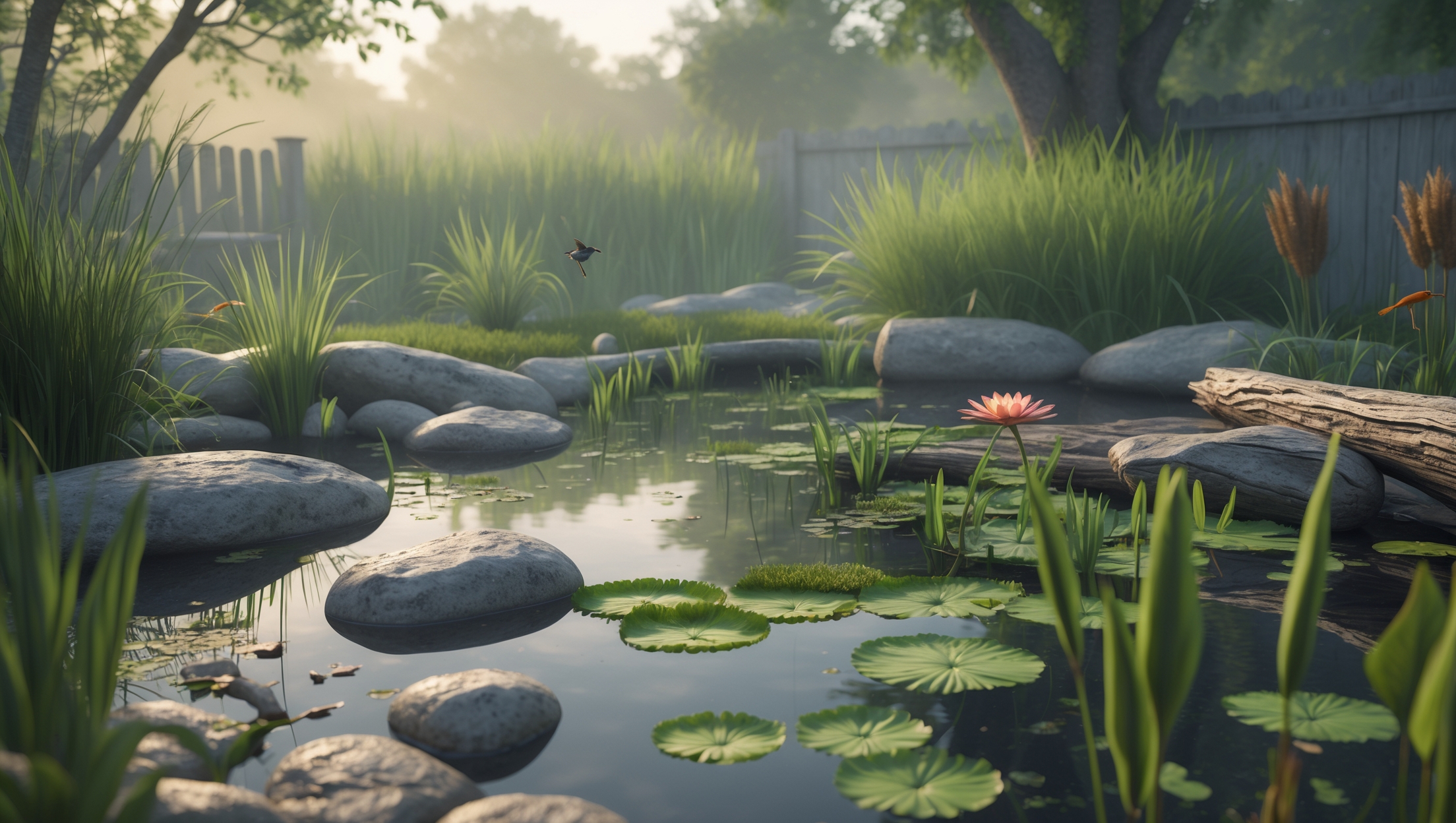
Introduction: Why a Backyard Wildlife Pond?
Few home projects offer as much ecological value and visual interest as installing a backyard wildlife pond. Unlike ornamental koi ponds or formal water features, a wildlife pond is designed to attract and sustain local fauna—frogs, dragonflies, birds, beneficial insects, and even bats—while providing a unique, ever-changing landscape element. Despite what you might assume, you don’t need a large property or advanced landscaping experience to build one. With thoughtful planning and some elbow grease, even a small suburban yard can support a thriving aquatic ecosystem.
Creating a wildlife pond is about more than just aesthetics. It’s a hands-on way to boost biodiversity, support pollinator populations, and provide year-round educational opportunities for the whole family. This comprehensive guide walks you through every stage, from choosing the right location and design, to installation, planting, and ongoing care. Along the way, you’ll learn practical tips for avoiding common pitfalls, selecting the best native plants, and ensuring your pond remains a healthy haven for wildlife—not a mosquito breeding ground or maintenance headache.
Planning Your Wildlife Pond: Location, Size, and Shape
Choosing the Perfect Spot
The location of your wildlife pond is crucial for both success and enjoyment. Look for an area that:
- Receives at least 4-6 hours of sunlight daily (vital for aquatic plants and basking animals).
- Is visible from your home or patio for easy observation.
- Is away from overhanging trees (to minimize leaf litter and root interference).
- Is not in a low spot where runoff may carry chemicals or fertilizers into the pond.
- Has gently sloping access for wildlife entry and exit.
Determining Ideal Size and Depth
Wildlife ponds do not need to be large—a diameter of 6 to 10 feet is ample for most backyards. Even a small pond (3-4 feet across) can provide significant benefits if well designed. Depth is more important than surface area: aim for a maximum depth of 18 to 24 inches at the deepest point, with gently sloping sides and shallow shelves (6-12 inches deep) for marginal plants and safe access for small animals.
Shape Considerations
Irregular, naturalistic shapes are best for wildlife. Avoid perfect circles or rectangles. Curved edges and “bays” create microhabitats and make the pond appear more natural. Plan for at least one gently sloping side (not a vertical drop), which is essential for amphibians and small mammals to enter and exit safely.
Essential Materials and Tools
- Pond liner: Flexible EPDM rubber or PVC liner is easiest for irregular shapes. Preformed rigid liners are also available but less customizable.
- Underlayment: Old carpet, pond fleece, or geotextile fabric protects the liner from sharp stones and roots.
- Shovel and spade: For digging out the pond area and shelves.
- Spirit level and tape measure: To ensure shelves are even and depth is correct.
- Large stones, pebbles, and logs: For edging, wildlife shelter, and habitat complexity.
- Buckets and wheelbarrow: For moving soil, rocks, and water.
- Native aquatic and marginal plants: Sourced from reputable nurseries, not wild-collected.
- Optional: Pond netting (temporary, for leaf-fall), wildlife ramps, solar-powered fountain pump (if you want gentle movement).
Step-by-Step Construction Process
1. Mark and Excavate the Pond
Use a rope or garden hose to mark your desired pond outline on the ground. Dig the pond in stages:
- Excavate the central deepest area first (18-24 inches deep).
- Create wide, shallow shelves (6-12 inches deep, 12-18 inches wide) around the edge for plants and wildlife access.
- Ensure at least one side has a gentle slope (max 30-degree angle) for safe entry/exit.
Remove any sharp stones or roots from the soil to protect the liner.
2. Add Underlayment and Liner
Lay the protective underlayment (carpet, fleece, or geotextile) over the entire excavated area, extending up the sides. Then drape the flexible pond liner over the hole, leaving at least 12 inches of overlap around the perimeter. Smooth out folds and adjust the liner to the contours of the pond.
3. Fill and Settle the Pond
Begin filling the pond slowly with water (ideally rainwater or dechlorinated tap water). As the pond fills, adjust the liner and smooth out wrinkles. The weight of the water will settle the liner into place. Allow the pond to fill completely, then trim excess liner, leaving at least 6 inches extra all around to anchor under rocks or turf.
4. Edge and Landscape
Use large stones, logs, and soil to secure the liner edge and create natural-looking banks. Avoid sealing all edges with hard materials—leave some areas with gradual soil slopes and marginal plants for wildlife access. Add piles of rocks or logs nearby as basking spots and shelter.
5. Planting for Biodiversity
Success with a wildlife pond relies heavily on your plant choices. Introduce a mix of native species suited to your region and pond zones:
- Deep water plants: Water lilies (Nymphaea spp.), water hawthorn, pondweed.
- Marginal plants (shallow shelves): Marsh marigold, pickerelweed, arrowhead, native rushes and sedges.
- Floating plants: Frogbit, duckweed (use sparingly, can be invasive).
- Oxygenators (submerged): Hornwort, water crowfoot, water starwort.
- Edge plants: Purple loosestrife (native varieties only), iris, soft rush, cardinal flower.
Plant directly into gravel trays, mesh baskets, or pockets of soil on shelves. Avoid using regular garden soil (too nutrient-rich). Use washed aquatic compost or gravel to prevent algal blooms.
Establishing a Balanced Ecosystem
The Nitrogen Cycle and Water Clarity
New ponds often experience cloudy water or algae blooms in the first few months. This is a normal part of the nitrogen cycle as beneficial bacteria become established. Avoid adding commercial chemicals or UV clarifiers, which can harm wildlife and disrupt natural balance. Instead:
- Plant oxygenators and floating plants early to outcompete algae for nutrients.
- Let leaf litter accumulate in moderation (removing excess in autumn).
- Avoid fish—goldfish and koi eat tadpoles and insect larvae, and their waste overloads the system.
Attracting Wildlife (What Not to Do)
Resist the urge to “stock” your pond with frogs, toads, or invertebrates from other locations. Native species will find your pond naturally if you provide suitable habitat—artificial introductions can spread disease and disrupt local populations. You can, however, add a handful of pond mud from a healthy local wetland (with landowner permission) to help colonize your pond with beneficial microbes and tiny aquatic animals.
Providing Shelter and Access
- Install a pile of stones or a half-submerged log in the water for basking frogs and dragonflies.
- Create gentle ramps of pebbles or wood on at least one side for hedgehogs or small mammals.
- Leave a “wild” margin around the pond with native grasses and flowering plants for food and cover.
Maintenance Best Practices
Seasonal Tasks
- Spring: Remove excess dead plant material, divide and replant crowded marginals, check liner edges for exposure or damage.
- Summer: Top up water with rainwater if needed, trim back invasive growth, monitor water clarity and wildlife activity.
- Autumn: Skim fallen leaves, thin crowded plants, remove small amounts of silt if necessary (leave some for overwintering creatures).
- Winter: Break a hole in ice during prolonged freezes (use a saucepan of hot water, not force), leave stems standing for insect habitat.
Water Quality Tips
- Avoid using tap water if your area is heavily chlorinated—rainwater is best.
- Never use algaecides or pond dyes in a wildlife pond.
- Do not over-clean—some silt, leaf litter, and decaying matter are vital for a healthy food web.
Managing Mosquitoes
- Well-planted ponds with good wildlife diversity rarely have mosquito problems.
- Encourage dragonflies, frogs, and backswimmers (all voracious mosquito larvae eaters).
- If you notice large numbers of larvae, check for stagnant areas and increase plant cover or gentle water movement.
Safety Checklist
- Always supervise young children and pets around the pond.
- Use a sturdy mesh cover if necessary for child safety (removable for wildlife access).
- Ensure at least one side has a gradual slope to allow animals (and people) to exit easily.
- Do not use electrical pumps or lights unless they are outdoor-rated and protected by a GFCI outlet.
- Keep chemical fertilizers, pesticides, and herbicides well away from the pond and surrounding area.
Enhancing Your Pond: Features and Upgrades
Adding a Solar Fountain or Stream
While not essential, a small solar-powered pump can add gentle water movement, deter mosquitoes, and enhance the pond’s appeal. Avoid strong currents or noisy splashing—wildlife prefers quiet, shallow areas and still water zones. If you have space, a trickling stream or mini-waterfall (using stones and a recirculating pump) can further expand habitat diversity.
Creating a Wildflower Meadow Margin
Border your pond with a mini wildflower meadow to support pollinators and provide additional habitat for amphibians and insects. Use native species such as black-eyed Susan, yarrow, and milkweed. Allow this zone to grow tall and “untidy”—the messier it looks to humans, the more valuable it is to wildlife.
Monitoring and Citizen Science
Keep a pond journal to record wildlife sightings, plant growth, and seasonal changes. Participate in local amphibian or dragonfly surveys to contribute valuable data and stay motivated. Photographing your pond’s transformation is rewarding and helps track your pond’s health over the years.
Conclusion: Your Backyard as an Oasis
Building a backyard wildlife pond is more than a weekend project—it’s a long-term investment in the health and richness of your local ecosystem. As your pond matures, you’ll witness the return of creatures you may not have seen in years: newly arrived frogs after a spring rain, dragonflies patrolling the water’s edge, and birds stopping by for a drink or a bath. Your pond will become a hub of activity and discovery, even in the heart of suburbia.
Remember, the most successful wildlife ponds are those that mimic nature’s messy abundance. Resist the urge to over-manage or “tidy up”—leave some leaf litter, let plants sprawl, and trust in the power of a balanced ecosystem. With patience and careful observation, you’ll find that your pond requires less intervention over time. You’ll also know that your pond provides an essential refuge for a wide range of species, helping counteract habitat loss in your community.
Whether your goal is to support pollinators, watch frogs raise their young, or simply enjoy the soothing sight and sound of water, a backyard wildlife pond is a deeply rewarding project. With the guidance and steps outlined in this tutorial, you’re well on your way to creating a vibrant, sustainable, and beautiful oasis—one that will bring joy and inspiration for years to come.
Once the pond is set up, how long does it usually take before you start seeing frogs, dragonflies, or other wildlife actually use it? Are there ways to encourage them to show up sooner?
You might start seeing dragonflies and other insects within a few days to weeks of setting up your pond, especially in spring or summer. Frogs and other amphibians may take a bit longer, often a few months. To attract wildlife sooner, add native aquatic plants, provide some rocks or logs around the edge, and avoid using chemicals. This creates a welcoming and safe environment for them.
For homes in areas that get heavy rain, how do you prevent fertilizer or pesticide runoff from nearby lawns from ending up in the pond, even if the location isn’t at the lowest point?
To keep fertilizer or pesticide runoff out of your pond, create a buffer zone of dense native plants or grasses around the pond’s edge. These plants help absorb and filter runoff before it reaches the water. Also, avoid applying chemicals near the pond and consider gentle sloping away from the pond to divert excess water.
The article says a small pond can still support wildlife, but I’m on a tight budget. What would be the most cost-effective materials and approaches for someone starting with a really limited space?
For a budget-friendly, small wildlife pond, you can use a sturdy plastic tub or an old washing-up bowl instead of a pond liner. Place it in a partially shaded spot, fill it with rainwater, and add rocks and native aquatic plants. Avoid fish and let local wildlife settle in naturally.
You mention avoiding areas with chemical runoff, but my yard is surrounded by a lawn treated by my neighbors. What are some ways to protect the pond from potential contamination in that case?
To help protect your pond from chemical runoff, you can create a buffer zone around it by planting dense native vegetation or building a small berm with soil or rocks. This barrier can help slow and filter water before it reaches your pond. You might also consider slightly raising the pond level so runoff naturally diverts away, or installing shallow swales or ditches to guide water elsewhere.
You mention avoiding low spots because of potential runoff. What’s the best way to protect the pond if our only available sunny area is at the bottom of a slight slope that sometimes gets water during storms?
If your only suitable spot is at the bottom of a slope, consider adding a berm or small raised earth barrier on the upslope side to divert runoff away from the pond. You might also install a shallow drainage channel to direct stormwater around the pond area, keeping excess nutrients and debris out.
The article mentions keeping the pond away from low spots to prevent runoff with chemicals getting in. If most of my yard is pretty flat, how do I make sure the pond site stays safe from fertilizer runoff?
If your yard is mostly flat, you can create a slight raised edge or berm around the pond using soil or rocks. This helps block runoff from entering. Also, avoid applying fertilizers or chemicals near the pond area to minimize any risk of contamination.
What would you say is the average amount of time and effort required for ongoing care, especially when it comes to avoiding mosquito problems or other maintenance headaches you mentioned?
Ongoing care for a backyard wildlife pond usually takes about 15–30 minutes each week. Regular tasks include checking water levels, removing debris, and trimming plants. For mosquito control, adding native fish or using mosquito dunks helps prevent larvae. Most maintenance headaches can be avoided with consistent, simple upkeep.
I’m in a suburban area with a smaller yard, so I was wondering what the minimum recommended depth is for a wildlife pond that can still support frogs and dragonflies without becoming a mosquito problem?
For a smaller backyard pond that supports frogs and dragonflies while minimizing mosquitoes, a depth of at least 18 to 24 inches is recommended. This gives amphibians a place to overwinter and helps maintain water quality. Adding moving water, like a bubbler or small fountain, also discourages mosquitoes from breeding.
You mentioned keeping the pond away from areas where runoff might carry fertilizers or chemicals into the water. How far away from a garden or treated lawn would you recommend placing the pond to be safe for wildlife?
Placing your pond at least 10 to 20 feet away from gardens or treated lawns is a good practice to minimize the risk of runoff carrying fertilizers or chemicals into the water. If possible, use a slight slope or a buffer zone with native plants between the pond and treated areas to offer extra protection.
How do you keep mosquitoes from becoming a problem in a backyard wildlife pond, especially during hot summers? I worry that standing water will just attract bugs rather than wildlife.
To prevent mosquitoes in your wildlife pond, add native fish like minnows or goldfish, as they eat mosquito larvae. Encouraging frogs and dragonflies by providing plants and shallow edges also helps. Make sure water is moving a bit, either with a small fountain or pump, since mosquitoes prefer stagnant water.