
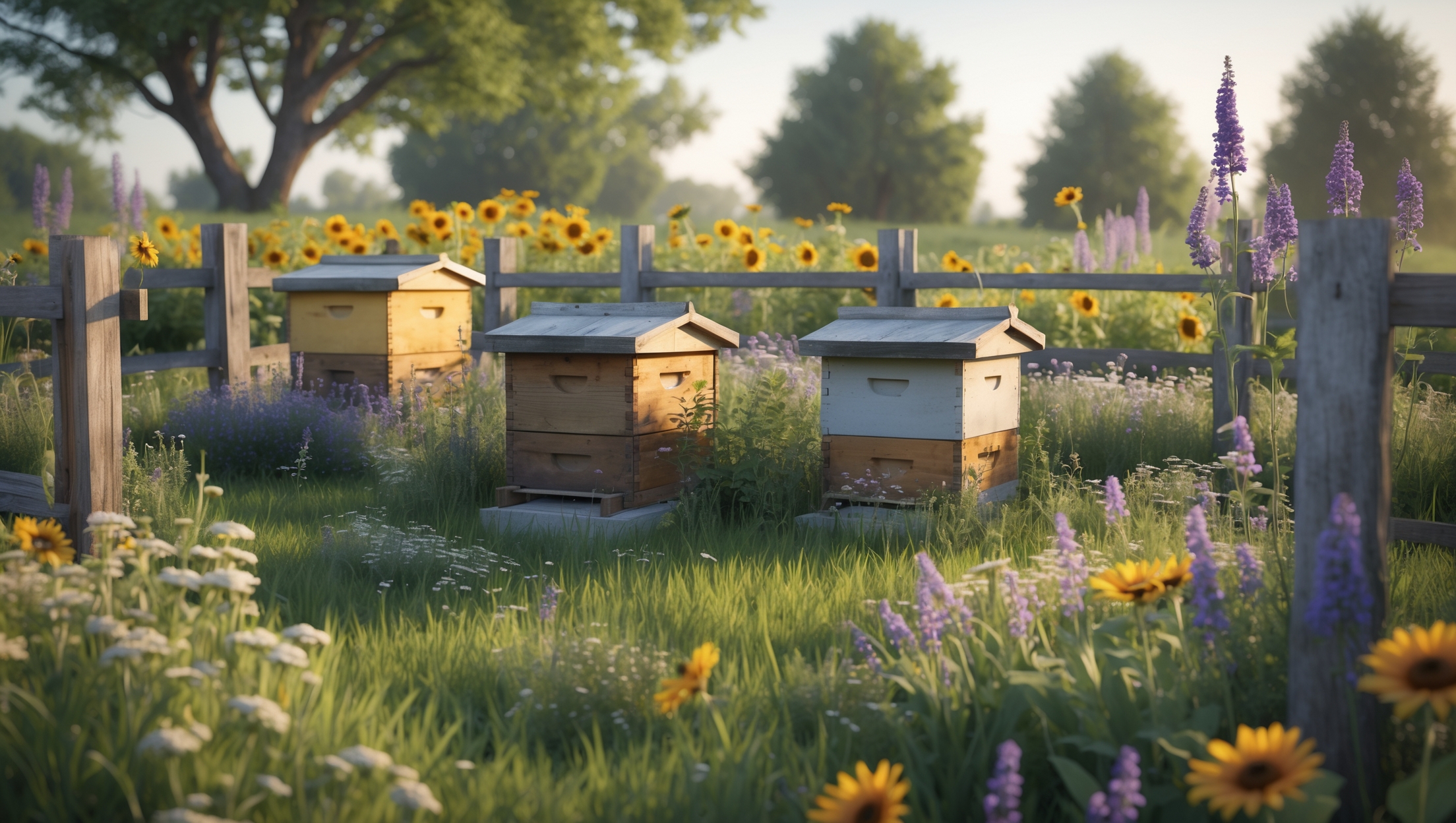
Introduction: Why Start a Backyard Beekeeping Apiary?
Backyard beekeeping is more than just a hobby—it’s a rewarding venture that supports pollinators, provides fresh honey, and connects you deeply with the rhythms of nature. Whether you’re fascinated by bees’ complex societies or looking to boost your garden’s productivity, starting a backyard apiary can be both accessible and transformative. However, the journey from curiosity to your first harvest involves more than setting a hive on the lawn. It requires careful planning, knowledge of local regulations, proper equipment, and a willingness to learn from these remarkable insects. This step-by-step guide demystifies the process, providing practical, actionable instructions for anyone eager to become a backyard beekeeper. We’ll cover everything from site selection and essential gear to installing your first bees and establishing routines that keep your colony healthy and productive. Ready to bring the buzz to your backyard? Let’s get started.
Section 1: Understanding the Basics of Beekeeping
What is an Apiary?
An apiary is a location where beehives are kept and managed. In a backyard setting, this usually means a small number of hives—often two to four—placed in a suitable outdoor area. Each hive houses a colony of honey bees, made up of a queen, worker bees, and drones. Backyard apiaries can yield honey, beeswax, and valuable pollination services for your garden and neighborhood.
Benefits of Backyard Beekeeping
- Pollination: Bees dramatically improve fruit, vegetable, and flower yields.
- Honey Production: Harvest your own raw, local honey.
- Environmental Impact: Support declining bee populations and biodiversity.
- Educational Value: Learn firsthand about ecology and sustainable practices.
Risks and Responsibilities
- Allergies: Bee stings can be dangerous for those with allergies.
- Neighbors: Bees may be a concern for nearby residents—communication and care are essential.
- Legal Requirements: Local laws may dictate hive numbers, placement, and registration.
- Ongoing Care: Regular inspections and maintenance are non-negotiable for healthy colonies.
Section 2: Planning Your Apiary
Check Local Regulations
Before purchasing any equipment or bees, research your local ordinances. Many municipalities and homeowner associations have guidelines regarding:
- Maximum hive numbers
- Minimum distances from property lines or public walkways
- Registration and inspection requirements
- Restrictions on hive heights and fencing
Contact your county extension office or local beekeeping association for specifics.
Selecting the Right Location
- Sun Exposure: Hives thrive in full morning sun, which helps bees get an early start and keeps hives dry.
- Protection from Wind: Place hives near shrubs or a fence to block prevailing winds.
- Accessibility: Ensure easy access for regular inspections and harvesting.
- Water Source: Bees need reliable water; provide a shallow birdbath or tray with pebbles nearby.
- Neighbors and Pets: Place hives away from high-traffic areas and property lines. A hedge or screen can direct bee flight upward and reduce interactions.
Section 3: Gathering Equipment and Supplies
Essential Beekeeping Equipment
- Beehives: The most common is the Langstroth hive, consisting of stacked boxes (supers), frames, and a bottom board.
- Protective Gear: A full bee suit or jacket with veil, gloves, and sturdy boots.
- Smoker: Calms bees during inspections by masking alarm pheromones.
- Hive Tool: Pry bars designed for separating hive components and scraping propolis.
- Bee Brush: Gently moves bees off frames during inspections.
- Feeder: For providing sugar syrup to new colonies or during nectar shortages.
- Queen Excluder: Optional; keeps the queen out of honey supers.
Choosing Your Bees
- Package Bees: A screened box containing 2–3 pounds of worker bees and a caged queen. Ideal for beginners.
- Nucleus Colony (Nuc): A small, established colony with a laying queen, brood, and honey. Faster start-up but more expensive.
- Local Bees: Whenever possible, purchase bees bred for your climate and region.
Setting Your Budget
- Initial Costs: Expect to spend $300–$600 for a complete beginner setup (one hive, gear, and bees).
- Annual Expenses: Replacement equipment, medications, and feeding can add $100–$200 per year, per hive.
Section 4: Step-by-Step Apiary Setup
1. Preparing the Site
Clear a level area of grass and debris. Place concrete blocks or a hive stand to elevate hives 12–18 inches off the ground—this deters pests and improves ventilation. Ensure the entrance faces southeast (or east) for morning sun.
2. Assembling and Placing the Hive
- Assemble the bottom board, brood box, and frames per manufacturer instructions.
- Install an entrance reducer to deter robbing and pests during initial weeks.
- Add an inner cover and telescoping outer cover (roof).
- Set the hive on the stand, ensuring stability and levelness.
- Place a water source nearby, replacing water every few days to prevent mosquito breeding.
3. Installing Your Bees
Wear full protective gear, light your smoker, and assemble your tools. If using package bees:
- Remove several frames from the hive.
- Gently spray bees with sugar water to calm and cluster them.
- Remove the queen cage; hang it between two center frames using the attached wire or string.
- Shake the bulk of the bees into the hive cavity, then replace the frames.
- Close the hive and reduce the entrance.
- Feed sugar syrup for the first 2–3 weeks or until bees begin foraging and drawing comb.
For nucleus colonies, simply transfer the frames (with bees, brood, and honey) into your hive, maintaining the original order.
4. First Inspection
- Wait 5–7 days before opening the hive.
- Check for queen release (empty cage) and look for signs of eggs and brood.
- Observe comb building and overall bee activity.
- Replenish feeder if needed.
Section 5: Apiary Management Through the Seasons
Spring
- Monitor colony buildup and feed if nectar is scarce.
- Inspect for queen health and brood patterns.
- Add a second brood box or honey super as needed.
Summer
- Regularly inspect for pests (Varroa mites, small hive beetle).
- Harvest excess honey (late summer for new beekeepers).
- Ensure ample water and shade during heatwaves.
Fall
- Reduce hive entrances against robbing wasps and bees.
- Feed syrup if stores are low; aim for at least 60 lbs of honey for overwintering.
- Combine weak hives if necessary.
Winter
- Minimize inspections—open hives only on mild, calm days.
- Ensure top ventilation to prevent condensation.
- Check for signs of starvation and add emergency feed if needed.
Section 6: Common Challenges and How to Handle Them
Dealing with Pests and Diseases
- Varroa Mites: Monitor with sticky boards or sugar rolls. Treat as needed with approved miticides or organic methods.
- Wax Moths: Keep hives strong; store unused frames properly.
- American/European Foulbrood: Learn to recognize symptoms. Contact local bee inspector if suspected.
Swarming
Swarming is a natural reproductive behavior but can mean lost bees. Prevent by providing ample space, replacing old queens, and splitting strong colonies as needed.
Dealing with Aggressive Bees
If your colony becomes overly defensive, consider requeening with gentler stock from reputable sources. Always use protective gear and work calmly.
Section 7: Tips for Success as a New Beekeeper
- Join a Local Club: Invaluable for mentorship, support, and hands-on workshops.
- Keep a Hive Log: Record inspections, treatments, and observations.
- Read Continuously: Books, extension bulletins, and online forums offer ongoing education.
- Start Small: Two hives is ideal for comparison and backup, but don’t overextend yourself in year one.
- Respect the Bees: Observe, learn, and intervene only when necessary.
Conclusion: The Rewards and Responsibilities of Backyard Beekeeping
Starting a backyard apiary is a journey rich with discovery, challenge, and reward. As you nurture your first colony, you’ll gain a new appreciation for bees’ intricate societies and their irreplaceable role in our food systems. The skills you develop—observation, patience, and adaptability—will serve you both in the hive and beyond. With careful planning, respectful stewardship, and ongoing learning, your apiary can thrive for years to come, offering not only jars of golden honey but also the satisfaction of supporting pollinators and biodiversity in your own backyard.
Remember, success isn’t measured solely by honey harvests or hive counts. It’s found in the moments you spend watching your bees forage, in the connections you build with fellow beekeepers, and in the knowledge that you’re making a positive impact. Approach each season as an opportunity to learn, adapt, and grow alongside your bees. By following the steps in this guide and embracing the adventure, you’ll be well on your way to a flourishing, sustainable backyard apiary. Happy beekeeping!
For someone on a tight budget, what beekeeping equipment is absolutely essential to buy upfront, and what can wait until later?
If you’re starting beekeeping on a tight budget, focus first on essentials: a bee suit or jacket with a veil, gloves, a hive tool, a smoker, and at least one complete hive (including frames and foundation). Optional extras like a honey extractor, additional hives, or specialized feeders can wait until you gain more experience and save up.
I love the idea of helping pollinators and harvesting my own honey, but I’m on a tight budget. Are there any affordable options for essential beekeeping gear, or ways to save money as a beginner?
You can definitely start beekeeping on a budget. Look for secondhand equipment like hives and suits from local beekeeping clubs or online communities. Some beginners build their own hives from inexpensive materials. Joining a local group can also help you share tools or split costs with others.
You mentioned local legal requirements for having an apiary in your backyard. Can you share some examples of what regulations new beekeepers typically need to look out for in the US?
Absolutely, new beekeepers in the US often need to check for local ordinances about hive limits per property, required minimum distances from property lines or neighbors, and registration of hives with the state or county. Some areas may also have rules about providing water sources for bees or restrictions in certain residential zones.
You mentioned local regulations for backyard apiaries—how do I find out what laws or permits apply in my city, and what are some common restrictions I should look out for before getting started?
To find out the laws and permits for backyard beekeeping in your city, contact your local city hall or municipal planning office—they can provide details about apiary regulations. Common restrictions include limits on the number of hives, required distances from property lines or neighbors, and sometimes registration or inspection requirements. Always check for any homeowners’ association rules, too.
You talked about communication with neighbors since bees might be a concern. How do most beekeepers handle this, and are there ways to minimize issues with neighbors who are nervous about having hives nearby?
Most beekeepers talk openly with neighbors before setting up hives, explaining how honeybees behave and the benefits they bring, like pollination. To ease concerns, many place hives away from property lines, use barriers like fences or hedges so bees fly up and away, and avoid working with hives when neighbors are outside. Some even share honey to build goodwill.
You mentioned that local regulations can affect backyard beekeeping. How do I find out which specific laws or permits apply in my city before setting up my first hive?
To find out which beekeeping laws or permits apply in your city, contact your local city hall or municipal office. Ask about zoning rules for beekeeping and any registration or permit requirements. You can also check your city’s official website for guidelines or reach out to your local agricultural extension office for advice.
You mention that local regulations can affect backyard beekeeping. How do I find out what specific laws or permits apply in my city or county before I get started?
To find out which beekeeping laws or permits apply to your area, start by checking your city or county government’s website for animal control or agricultural regulations. You can also call your local city hall or county extension office and ask about beekeeping ordinances, zoning rules, and any required permits. This ensures you start your apiary legally and avoid surprises.
For someone worried about bee stings and allergies, what steps do you recommend to minimize risk, especially if there are kids or pets playing near the backyard apiary?
To minimize sting risk, place your hives away from play areas and install a secure fence or dense bushes around the apiary. Always use protective gear when handling bees, and teach children and pets to avoid the area. If allergies are a concern, keep an epinephrine auto-injector on hand and consult a doctor before starting.
You mentioned the importance of knowing local regulations before setting up an apiary. What are some common legal requirements or permits new backyard beekeepers in the US should be aware of before getting started?
Before starting a backyard apiary in the US, new beekeepers should usually check if their city or county requires apiary registration or permits. Many areas have rules on hive placement, distance from property lines, and number of hives allowed. Some states may require periodic hive inspections or health certificates to prevent disease spread. Always check with your local agricultural extension office for specific requirements in your area.
The article mentions needing to check local legal requirements before starting a backyard apiary. Can you share some common regulations or zoning issues that new beekeepers might face in residential neighborhoods?
New beekeepers in residential areas often encounter rules about the number of hives allowed, minimum distances from property lines or neighbors, and requirements for fencing or water sources to manage bee flight paths. Some areas require registration or permits for beekeeping. It’s also common for local ordinances to set guidelines to prevent nuisance complaints, so checking with your city or county is important before setting up your apiary.
If I’m just starting out and worried about costs, what’s the most essential equipment to get first, and are there any items that I could safely skip or buy later as I get more experience?
To get started, focus on buying a bee suit or jacket with gloves for protection, a smoker to calm the bees, a hive tool for inspections, and at least one complete hive setup (box, frames, cover, and bottom board). You can often wait to buy extras like a honey extractor, uncapping tools, or additional hive boxes until your colony grows or you’re ready to harvest honey.
If I want to start as budget-friendly as possible, which hive equipment and gear are truly essential for the first season, and which things can wait until I’m more established?
To start on a budget, the essentials are a basic hive setup (like a single deep brood box with frames), a bee suit or jacket with a veil for protection, gloves, a smoker, and a hive tool. Extras like honey extractors, additional supers, or more specialized tools can wait until your colony is established and honey harvest is near.
Could you give more details on what kind of equipment is considered essential for a first-time beekeeper and roughly how much it might cost to get started with everything you really need?
Essential equipment for a beginner includes a beehive (usually a Langstroth hive), protective gear like a veil, gloves, and suit, a smoker, hive tool, and a bee brush. You’ll also need a feeder and, of course, bees. The total cost can range from $300 to $600, depending on quality and whether you buy bees locally or online.
I saw the article mentions local legal requirements for beekeeping. How do I find out what specific permits or regulations I need to follow in my area before setting up my first hive?
To find out what permits or regulations apply in your area, contact your city or county government office and ask about beekeeping ordinances. You can also check with your local agricultural extension office, which often provides guidance for new beekeepers regarding zoning, registration, and safety requirements.
When you talk about site selection for the hives, are there specific factors like sun exposure or distance from the house that affect the bees’ health and honey production? Any recommendations for choosing the best spot in a typical suburban backyard?
Yes, several factors matter when placing your hives. Aim for a spot with morning sun and afternoon shade to keep bees active but not overheated. Choose a level area protected from strong winds, and avoid low spots where moisture collects. Place hives at least 10–15 feet from busy walkways and your house for safety and to give bees a clear flight path. Also, make sure there’s a nearby water source. These steps will help keep your bees healthy and productive.
Could you give more detail on what kind of equipment is absolutely essential for starting out? I want to keep my initial costs low but still make sure I have everything needed for the bees and my safety.
To start backyard beekeeping with minimal costs, you’ll need a hive (usually a Langstroth hive with frames), a bee suit or jacket with veil for protection, gloves, a hive tool for opening the hive and prying frames, and a smoker to calm the bees. These basics will help you care for the bees safely and effectively at the beginning.
I’m interested in starting with two hives like the article suggests, but I wonder if it makes any difference for honey production or colony health if I start with just one. Is it better to start small, or do two hives really have advantages for beginners?
Starting with two hives offers clear advantages, especially for beginners. If one colony struggles or loses its queen, you can use resources from the other hive to help. Two hives also let you compare progress, which helps you learn faster. Honey production might be similar per hive, but having a backup colony increases your chances of overall success.
For someone starting with just two hives as suggested, what is a realistic timeframe to expect the first honey harvest, assuming proper care and equipment from the start?
If you start with two hives and provide proper care, bees typically need their first season to build up strength and honey stores. Most beginners can expect their first small honey harvest by the end of the second season, though a modest harvest in the first summer is possible if conditions are ideal.
When selecting the site for a backyard apiary, how much sunlight is ideal, and do you have any tips for dealing with neighbors who might be concerned about having hives next door?
Aim for a site that gets morning sunlight but is shaded in the hottest part of the afternoon. Morning sun encourages bees to start foraging early, while afternoon shade prevents overheating. To reassure neighbors, let them know the bees are gentle and essential for pollination, and consider installing a dense hedge or fence to direct bee flight paths upward and away from nearby properties.
For someone totally new to beekeeping, what’s a realistic timeline from setting up the first hive to potentially harvesting honey? Is this something I can expect in my first year?
For most beginners, it usually takes about a full season before you can harvest honey. If you set up your hive in early spring, it’s best not to expect a significant harvest in the first year, as the bees need time to establish themselves. Most beekeepers start harvesting honey in their second year once the colony is strong and healthy.
I’m curious about the routines you mentioned for keeping bee colonies healthy—what does a typical week look like for a beginner beekeeper?
For a beginner beekeeper, a typical week involves checking on the bees once or twice. You’d look for signs of activity at the entrance, refill feeders if needed, and make sure the hive is secure from pests. Every 7–10 days, you’d open the hive to inspect for healthy brood, food stores, and any signs of disease or issues.
You mentioned that backyard apiaries usually have two to four hives. Is it better to start with just one hive as a beginner, or are there real advantages to starting with more than one from the beginning?
Starting with two hives is usually recommended, even for beginners. With two, you can compare their progress and spot issues more easily. If one colony runs into trouble, like losing its queen, you can use resources from the other hive to help. Managing two isn’t much harder than one, but it does provide helpful insurance and learning opportunities.
You talked about the benefits like improved pollination and honey production, but what is the typical upfront cost for the essential gear needed as described in your guide? I’m trying to budget before I get started.
For a basic backyard beekeeping setup, you can expect to spend between $300 and $500 for essential gear. This includes a hive kit, bees, protective clothing, smoker, and basic tools. Costs can vary depending on quality and local suppliers, but this range covers most beginners’ needs.
I’m curious about the actual ongoing routines you recommend for keeping a colony healthy. Could you elaborate on what a typical week or month looks like for maintaining backyard hives?
A typical week with backyard hives involves checking the hive entrance for activity, monitoring for pests, ensuring water is available, and making sure nothing blocks the flight path. Each month, open the hive to inspect brood patterns, assess honey stores, look for signs of disease or pests, and check the queen’s health. During peak season, these inspections may be more frequent, while in colder months, visits are less often and focus on winter readiness.
If someone in my household has mild bee allergies, are there practical steps to help reduce the risk while still being able to keep bees in our backyard?
You can reduce the risk by keeping the hive at the farthest part of your yard, wearing full protective gear, and designating a ‘bee-free’ zone for the allergic person. It’s also wise to have an epinephrine auto-injector on hand and to inform all household members about bee safety measures.
How much should I budget for just the essential gear to get started, not including the bees themselves? I want to make sure I’m not missing anything important.
For essential gear, expect to budget around $200 to $400. This should cover a basic hive setup (like a Langstroth hive), a bee suit with gloves and veil, a smoker, and a hive tool. Double-check that your list includes all these items so you’re fully covered for safe and effective beekeeping.
I’m interested in starting with just one hive in my backyard to see how it goes. Is it okay to begin with a single hive, or do you recommend having two from the start for beginners?
Starting with one hive is definitely possible and works well for many beginners who want to see if beekeeping is right for them. However, having two hives can make it easier to compare hive health and swap resources if one hive struggles. Either approach is fine, so choose what feels most comfortable for you.
I noticed the article mentions local legal requirements for keeping bees. What kinds of permits or inspections should I expect to deal with if I’m starting a small apiary in a suburban neighborhood?
When starting a small apiary in a suburban area, you might need to register your hives with your state or local agricultural department. Some areas require an inspection of your setup to ensure it’s safe and not a nuisance to neighbors. You may also need to check zoning laws and possibly get a simple permit or notify your local municipality. Always contact your local government to confirm the exact requirements for your location.
You mention starting with two to four hives, but is it better for an absolute beginner to start with just one? Does having more hives make it harder to manage, or is there an advantage to starting with a couple?
Starting with two hives is often recommended, even for beginners. Having more than one lets you compare hive health and behaviors, and if one hive struggles, you can use resources from the other to help it. Managing two hives doesn’t add much complexity, but it does offer important learning opportunities and flexibility.
You mentioned that backyard apiaries typically have two to four hives. Would it be okay to start with just one hive, or is there a reason to always begin with at least two?
Starting with one hive is possible, and some beginners do this. However, having at least two hives is helpful because it lets you compare their progress and share resources, like brood or honey, if one hive struggles. Two hives can make it easier to manage challenges and learn faster, but it’s not a strict requirement.
You list both honey and pollination as benefits of backyard beekeeping. Is it possible to focus more on pollination without necessarily harvesting honey, and if so, does that change the equipment or setup required?
Yes, you can focus on pollination without harvesting honey. The bees will still pollinate your plants as usual. You’ll still need standard hive equipment to house and care for the bees, but you can skip honey supers or extraction tools if you don’t plan to harvest honey. Regular hive inspections for health are still important.
I’m interested in supporting pollinators and increasing my garden yields, but I’m a bit worried about possible concerns from neighbors. Do you have any advice on how to communicate or address their questions before setting up the apiary?
Let your neighbors know about your plans early on, explaining how bees benefit both gardens and the local environment. Address any concerns they might have about safety by sharing information about gentle bee breeds and your management practices. Reassure them that you’ll place hives thoughtfully, away from property lines and busy areas. Offering a little honey from your future harvest can also help build goodwill.
You mention the importance of legal requirements and local laws in setting up a backyard apiary. Could you elaborate on how someone can find out what specific regulations or permits might apply in their city or state?
To find out what regulations or permits apply to backyard beekeeping in your area, start by checking your city or county government website for animal control or agriculture sections. Contact your local cooperative extension office, as they often have resources on beekeeping laws. You can also ask local beekeeping associations, which stay updated on current legal requirements. Make sure to look for rules about hive numbers, setback distances, and registration or permit needs.
Once the hives are set up and bees are installed, how soon can a beginner expect their first honey harvest, and are there any signs to look for to know the colony is ready?
After setting up your hives and installing bees, most beginners can expect their first small honey harvest in the second year. It’s important to let the colony establish and build up resources the first year. Signs that indicate readiness for harvest include fully capped honeycomb frames and a strong, healthy bee population. Avoid harvesting if the bees haven’t filled and capped several frames, as they need enough honey reserves to survive.
I noticed the article mentions local laws and regulations for backyard beekeeping. From your experience, what’s the most common legal hurdle a beginner might face when setting up their first hives in a suburban area?
One of the most common legal hurdles for beginners in suburban areas is local zoning restrictions. Many towns have rules about how close hives can be to property lines or neighboring homes, and some require permits or registration for backyard beekeeping. Checking these details with your city or county is usually the first step.
The article talks about supporting declining bee populations, but I’ve heard that keeping honey bees might compete with native pollinators. Is that something I should be concerned about when starting out?
It’s true that introducing honey bees can sometimes impact native pollinators by competing for the same flowers, especially in areas where resources are limited. If you’re concerned, consider planting a variety of native flowers and avoiding pesticides to support all pollinators, not just honey bees. Responsible beekeeping can help maintain a balanced environment.
You mentioned local regulations and communicating with neighbors about beekeeping. What’s the best way to approach neighbors who might be concerned or unsure about having bees nearby?
When speaking with neighbors about your beekeeping plans, approach them in person if possible. Explain the benefits of bees, reassure them about safety measures, and address any concerns they have. Sharing information or offering a jar of honey can help build goodwill and understanding.
When starting with two to four hives as suggested, what’s a realistic budget for getting all the essential gear and bees, and is there any way to cut initial costs without compromising safety?
For two to four hives, expect to budget around $500 to $900 per hive, including bees, protective clothing, tools, and basic equipment. You can cut costs by assembling your own hive kits, buying used gear (ensuring it’s disease-free), or joining a local beekeeping club for shared resources, but always invest in reliable protective gear for safety.
You talk about starting with two to four hives, but is there an advantage to beginning with just one hive for learning purposes, or is it better to always start with at least two? Would it affect the bees’ health or honey production?
Starting with two hives rather than just one gives you a helpful point of comparison if something goes wrong, making it easier to diagnose issues. It doesn’t negatively affect the bees’ health or honey production to start with one hive, but with two, you can balance resources between colonies if needed. Many beginners find managing two hives just as manageable as one.
You mention checking local legal requirements for beekeeping. How do I find out what specific laws apply in my city or county, and are there usually restrictions on how close I can put a hive to my neighbor’s fence?
To find local beekeeping laws, contact your city or county government office or check their official website for ordinances on beekeeping. Many areas require permits or registration, and some have rules about hive placement, like minimum distances from property lines or fences. It’s also helpful to ask your local extension office or a beekeeping association for guidance on local restrictions.
For someone just starting out, about how much time each week should I expect to spend on basic hive management and keeping the colony healthy?
For beginners, you can expect to spend about 1 to 2 hours each week on basic hive management and checking on your bees. This includes inspecting the hive, refilling feeders if needed, and watching for signs of pests or disease. As you gain experience, your routine will become quicker and more efficient.
I’m curious about the number of hives you recommend for a beginner. Is it better to start with just one hive or are there advantages to having two or more from the start?
Starting with two hives is often recommended for beginners. Having two allows you to compare hive health and behaviors, and if one struggles, you can sometimes help it recover by sharing resources from the stronger hive. Managing two hives is not much more work than one, and it offers a useful learning experience.
If I only want to start with one hive instead of two to four, would that affect the bees or honey production in any way? Or is it okay for a beginner to start with just one?
Starting with one hive is perfectly fine for a beginner. It allows you to focus on learning without feeling overwhelmed. The main downside is that you won’t have another colony for comparison or to share resources if one struggles. Honey production will be lower compared to multiple hives, but one hive can still yield a rewarding amount. Many new beekeepers successfully start with just one.
I’m interested in starting with just one hive but noticed most guides recommend two to four. Is there a practical reason to avoid starting with a single colony as a beginner?
Starting with just one hive is possible, but having two or more gives you flexibility if one colony struggles. With two hives, you can balance resources—like brood or honey—between them, which helps solve issues like queen failure or slow buildup. With one hive, you have fewer options if problems arise, so success can depend more on luck.
When you mention local regulations for setting up a backyard apiary, what kinds of restrictions or permits should I expect in a typical suburban US neighborhood? Any tips for approaching neighbors who might be concerned about bees?
In most suburban US areas, you may encounter rules about hive numbers, required distances from property lines, water sources, and sometimes mandatory registration or permits. Check with your city or county offices for specifics. When talking to neighbors, explain your safety measures, offer honey, and reassure them about bees’ gentle nature to ease concerns.
The article discusses both the benefits and risks of backyard beekeeping. For someone with kids or pets, what extra precautions would you recommend to keep everyone safe around the hives?
If you have kids or pets, make sure to place the beehives in a fenced or secluded area that’s off-limits to them. Teach children not to approach or disturb the hives, and supervise outdoor play nearby. Keep pets leashed or away from the area, and consider posting signs to remind guests about hive locations. Always have a first aid kit handy for stings, just in case.
Can you share more about how to find out what the local legal requirements are for setting up a backyard apiary? I want to make sure I get all the permits before starting.
To find your local legal requirements for a backyard apiary, start by contacting your city or county zoning office—they can tell you about permits, restrictions, and registration. Also, check with your state agriculture department, as some states require hive registration or have specific beekeeping regulations. Local beekeeping clubs can also be helpful sources of information.
If I want to start with just one beehive in my yard instead of two to four like you mentioned, are there any drawbacks or risks I should watch out for as a total beginner?
Starting with just one beehive is possible, but there are a couple of drawbacks to consider. If your single hive struggles or the queen fails, you won’t have another colony to share resources or brood with, making it harder to recover. Having at least two hives allows you to compare their progress, swap frames if needed, and gives you a backup if issues arise. Still, one hive can work well if you monitor it closely and are ready to address problems quickly.
I’m curious about the initial equipment setup. For someone just starting out and wanting to keep it budget-friendly, which essential gear would you recommend prioritizing, and are there any items that can safely wait until later?
If you’re starting on a budget, focus on the basics: a bee suit or veil for protection, a smoker, a hive tool, and at least one complete hive (with frames and foundation). You can wait on extras like a honey extractor or additional hive boxes until your colony grows.
I’m a bit concerned about the legal aspects you mentioned. How do I find out what specific regulations apply to backyard beekeeping in my area before I invest in equipment?
To find out which regulations apply in your area, contact your local city or county government office and ask about beekeeping ordinances. You can also check your state agriculture department’s website. Some areas require registration or have restrictions on hive numbers and placement, so it’s wise to confirm before buying equipment.
The excerpt mentions that bees can be a concern for neighbors. What are some effective ways to keep them comfortable with me starting an apiary nearby?
Letting your neighbors know about your plans before setting up the apiary can help ease concerns. You can explain the benefits of bees, reassure them about safety measures, and share some honey when you harvest. Placing hives away from property lines, using hedges or fences as barriers, and keeping the area tidy will also help neighbors feel more at ease.
When starting out, is it better to begin with just one hive or should I plan on having two to four as the article suggests? Are there advantages to starting with more than one colony?
Starting with two hives instead of just one can be really helpful for beginners. With two colonies, you can compare their progress, spot problems more easily, and even share resources like brood or honey if one hive struggles. It also gives you a better chance of success if one colony doesn’t thrive.
I see you mentioned that local regulations are important when starting a backyard apiary. How do I find out what specific laws or permits I might need in my city or state before setting up my first hive?
To find out the specific laws and permits for backyard beekeeping in your area, start by contacting your city or county government offices, such as animal control or zoning departments. State agricultural extensions or local beekeeping associations can also provide up-to-date information on regulations and registration requirements.
Could you explain more about the legal requirements or permits mentioned for setting up hives? I just want to make sure I’m not missing any important local rules before I get started.
Legal requirements for beekeeping can vary depending on where you live. Typically, you may need to register your hives with your state or local agricultural department, and some areas have zoning laws about hive placement or limits on the number of colonies. It’s a good idea to check with your city or county offices for any specific permits, restrictions, or neighbor notification requirements before setting up your hives.
I noticed you mention both the need for proper equipment and local regulations. How do I figure out which beekeeping supplies are required by law in my area versus what is just recommended for beginners?
To find out which beekeeping supplies are legally required in your area, start by checking your local agricultural extension office or government website—many have guidelines or checklists for beekeepers. They’ll clarify any mandatory equipment, like hive types or protective gear. Recommended supplies, on the other hand, are usually listed in beginner guides or courses and are meant to make beekeeping safer and easier, but aren’t enforced by law.
Can you give an idea of what the total cost might be to get the essential equipment together for a small backyard setup, especially if I want to keep things budget-friendly at first?
For a budget-friendly backyard beekeeping setup, expect to spend about $200 to $400 for the basics. This usually covers one hive kit, protective gear (like a veil and gloves), a smoker, and your first package of bees. Shopping for used equipment or assembling your own hive boxes can help lower costs further.
I noticed the article touches on the importance of communicating with neighbors. What are some effective ways to address potential concerns or allergies in the community when starting a backyard apiary?
Talking to your neighbors early is key. Share your plans and explain how you’ll keep the bees managed and safe. Ask if anyone has allergies, and offer simple solutions like sharing your contact info or planting hedges as bee barriers. Keeping open, friendly communication helps everyone feel more comfortable.
What are some practical ways to communicate with neighbors about a new backyard apiary to help address concerns about bee stings or increased bee activity?
Let your neighbors know about your plans before setting up the apiary, either by talking in person or sending a friendly note. Explain the benefits of beekeeping, mention safety measures you’ll take, and reassure them that bees are typically non-aggressive. Offer to answer any questions they have and consider inviting them to see your setup once it’s established.
I’m interested in starting with just one hive to see how it goes. Is that okay for beginners, or is having two hives really necessary for a backyard apiary as the article suggests?
Starting with one hive is absolutely fine for beginners, and many people do so to keep things simple. While having two hives can help you compare their health and swap resources if needed, it’s not required. You can always add a second hive later if you enjoy beekeeping and want to expand.
You mention that local laws may affect setting up a backyard apiary. Could you give examples of what kinds of regulations or permits beginners should look out for before getting started?
Local regulations for backyard beekeeping can include limits on the number of hives, minimum distances between hives and property lines, or requirements for hive placement and fencing. Some areas may also require you to register your hives or obtain a beekeeping permit. Checking with your city or county government is a good first step to ensure you’re in compliance before starting.
You mention that it’s important to be aware of legal requirements before setting up an apiary. Could you share some examples of what kind of local laws or permits I should be looking out for as a beginner?
Local laws for backyard beekeeping often focus on how many hives you can have, mandatory distances between hives and property lines, or requirements for hive registration. Some areas may also require permits or inspections, and there could be rules about providing water sources for bees or managing aggressive colonies. It’s a good idea to check with your city or county government and your local beekeeping association for specifics.
I see you mentioned checking local regulations for backyard beekeeping. What kind of permits or permissions is a parent likely to need in a typical suburban US neighborhood before getting started?
In a typical suburban US neighborhood, you may need to check with your city or county for specific beekeeping permits or registration requirements. Some places require a simple registration, while others may have setback rules or limits on hive numbers. It’s also smart to review HOA rules, as some restrict or prohibit beekeeping in backyards.
In the section about risks, you bring up the importance of considering neighbors. Do you have tips on how to communicate with neighbors about a new apiary and address potential concerns before setting up hives?
Talking with your neighbors early can help prevent misunderstandings. Explain your plans and the benefits of beekeeping, like pollination. Address concerns about safety by mentioning hive placement away from property lines and offering to share honey. Reassure them about your commitment to responsible hive management and local regulations.
I noticed you mentioned local legal requirements for setting up an apiary. In your experience, how difficult is it to get the necessary permits or approvals for backyard beekeeping in residential neighborhoods?
The difficulty of getting permits for backyard beekeeping really depends on your local regulations. In many areas, it’s a straightforward process—often just registering your hives with a local authority and following some basic guidelines. However, some places may have zoning restrictions or require neighbor approval. It’s best to check with your city or county office for specific steps.
How can I figure out if my local area has regulations or restrictions on keeping bees in residential neighborhoods before I purchase any equipment?
To find out about local beekeeping regulations, contact your city or county government office, as they often oversee residential zoning and animal ordinances. You can also check their official website for information or call them directly. Local beekeeping associations are another great resource for understanding area-specific rules.
I’m curious about the amount of space I really need in my backyard for two hives. Are there minimum distance guidelines for placing hives away from houses or property lines to avoid problems with neighbors?
For two hives, you’ll need at least a small, clear area—around 5 by 10 feet is usually enough. Ideally, place hives at least 10 to 15 feet from property lines or neighboring homes. This helps avoid disturbing neighbors and gives bees plenty of flight space. Always check your local regulations, as some areas have specific setback rules.
I’m curious about allergies. If someone in my family has mild bee sting reactions, are there any precautions or tips you’d recommend before setting up an apiary in the backyard?
If a family member has mild bee sting reactions, it’s wise to keep antihistamines on hand and know the signs of severe reactions. Make sure everyone knows where the first aid kit is and consider keeping a sting kit nearby. Always wear proper protective gear and set up the apiary away from common play or gathering areas to minimize accidental encounters.
I see the article recommends starting with two to four hives. Is there a big difference in cost or management effort between having just one hive versus having a few hives from the start?
Starting with two to four hives does cost more upfront since you’ll need extra equipment and bees for each hive. However, managing a few hives isn’t much harder than one, and having multiple hives lets you compare their progress, troubleshoot problems, and share resources between them if needed. This can actually make learning and problem-solving easier for beginners.
Can you provide some guidance on choosing the right location in my yard for a couple of hives to maximize pollination but minimize disturbing my neighbors?
To place your hives for good pollination and minimal neighbor impact, choose a sunny spot with some wind protection, ideally facing southeast. Keep hives away from property lines and high-traffic areas. Plant tall hedges or install a fence nearby to guide bee flight upward, reducing direct bee interactions with neighbors.
The article mentions establishing healthy routines for the bees, but I’m curious how often I should actually be inspecting my hives, especially during the first year. What signs should I be looking for to make sure my colony is thriving?
In your first year, check your hives every 7 to 10 days during spring and summer. Look for signs like healthy brood patterns, plenty of eggs, an active queen, steady honey and pollen stores, and absence of pests or diseases. This helps catch any early issues and ensures your colony stays strong.
For someone just starting out, about how much should I expect to budget for the essential beekeeping gear and initial bees? Is it possible to keep costs manageable in the first year?
For your first year, expect to spend between $300 and $600 for essential gear and bees. This includes a starter hive, protective clothing, basic tools, and a package or nuc of bees. Costs can be managed by starting small—one hive, basic gear, and buying used equipment if it’s in good condition.
How much time per week should I realistically expect to spend on beekeeping maintenance and routines, especially during the first season as a beginner?
During your first season as a beginner, you can expect to spend about 1 to 2 hours per week on beekeeping tasks. This includes inspecting your hive, checking for health issues, refilling feeders, and keeping records. Some weeks may require a bit more time, especially during peak activity in spring and summer.
I’m curious about the different types of essential gear you recommend for starting out. If someone is on a tight budget, are there particular pieces of equipment you’d suggest investing in first versus ones that can wait?
For beginners on a budget, prioritize a quality bee suit or jacket with a veil for protection, sturdy gloves, a hive tool, and a smoker. These are essential for safety and basic hive management. You can start with one or two bee hives and basic frames, adding extra hive boxes or specialty tools later as your apiary grows.
About how much time per week should I expect to spend on routine care and maintenance of just two backyard hives, especially in the first year?
For two backyard hives, you can expect to spend about 1 to 2 hours per week on routine care during the active season, especially in your first year. This includes inspecting hives, checking for pests or diseases, and general maintenance. Some weeks may require less time, but occasional extra tasks like adding boxes or honey harvesting can take longer.
For someone with limited backyard space, how much room would you recommend setting aside for two to four hives, and are there any tips for making the most of a small area when starting an apiary?
For two to four hives, setting aside at least a 6 by 10 foot area should work, even in a small backyard. Place the hives with their entrances facing away from high-traffic spots, and use fencing or hedges for wind protection and to guide bee flight upwards. Keeping the area tidy and accessible will help you manage the hives comfortably, even with limited space.
When you mention that local laws may dictate how an apiary is set up, could you provide tips on where beginners can find information about their community’s regulations and permits for backyard beekeeping?
To find out about your local beekeeping regulations, contact your city or county government offices—they often have zoning or agricultural departments. Your local cooperative extension office and nearby beekeeping clubs are also great resources. They can point you to any required permits or restrictions specific to your area.
You mentioned that local regulations are important when setting up an apiary. How do I find out what specific rules or permits might apply in my city or neighborhood before I get started?
To find out about local beekeeping rules, start by contacting your city or county government office, such as the zoning or agriculture department. Ask if there are any ordinances about keeping bees or if permits are required. Homeowners associations sometimes have their own guidelines, so check with them too if you belong to one.
When starting out, how did you decide on the number of hives for your backyard? Is there an advantage to starting with two hives instead of just one, in terms of colony health or honey production?
Starting with two hives is often recommended for beginners because it allows you to compare colony health and behavior, making it easier to spot and address problems early. If one hive struggles, you can share resources like brood or honey between them. This improves your chances of success and can lead to more honey overall than starting with just one hive.
How much should I budget upfront for equipment and bees if I want to get started with two hives, and are there any ways to save on initial costs without risking colony health?
For starting with two hives, expect to budget around $700 to $1,000 for equipment and bees. You can save by assembling your own hive kits and buying protective gear used, but always buy bees from a reputable source to protect colony health. Avoid cutting corners on hive quality or bee care.
I’m curious about typical time investments—how much weekly maintenance does a new backyard beekeeper need to set aside, especially in those first few months after bringing home the bees?
In the first few months, expect to spend about 1–2 hours per week on hive inspections, checking for queen activity, and monitoring for pests or issues. As you get comfortable and the bees settle in, you may find weekly checks can be shorter or less frequent, except during active seasons.
How much time should I expect to spend every week on basic maintenance and checking on the colony, especially during my first year as a beginner?
During your first year, you can expect to spend about 1 to 2 hours per week on basic maintenance and checking your colony. This includes inspecting the hive, refilling the feeder if needed, and observing the bees’ health and activity. In busy times like spring and summer, you might spend a little more time, while winter requires less hands-on work.
I’m curious about hive placement—are there tips for choosing the safest and most productive spot in a typical backyard? For example, should I be worried about shade, wind, or proximity to neighbors?
When placing your hive, choose a spot with morning sun to help bees get active early, but some afternoon shade can prevent overheating. Avoid low, damp areas and shield the hive from strong winds, perhaps with a fence or shrub. Keep a good distance from property lines and busy areas to minimize concerns for neighbors and ensure safe, productive beekeeping.
When starting out with two to four hives as suggested, is there a recommended minimum space per hive to ensure the bees thrive and neighbors aren’t impacted? I’d love to hear what has worked for you in a typical suburban backyard.
For a typical suburban backyard, a good rule of thumb is to allow at least 3 to 4 feet between hives. This gives the bees room to come and go without crowding and helps reduce drifting between hives. Placing hives at least 10 to 15 feet from property lines or fences helps minimize impact on neighbors. Adding a hedge or fence as a barrier can encourage bees to fly above head height, which also keeps flight paths clear of neighboring properties.
You mention that local laws may dictate how backyard apiaries are set up. Could you give examples of common legal requirements or permits beginners should look into before starting their first hive?
Many areas require registration of your beehive with local or state authorities. Common rules often include keeping hives a specific distance from property lines or neighboring homes, limiting the number of hives, and sometimes requiring water sources for bees. Some places may also have restrictions on hive placement or mandate regular inspections. It’s best to check with your city or county for exact requirements.
Could you share more about what kind of legal requirements or permits might be involved for someone starting their first backyard apiary in a suburban area?
Legal requirements for backyard beekeeping in suburban areas vary by location, but you’ll often need to check local zoning laws and may have to register your hives with your city or county. Some areas require permits, limit hive numbers, or set distance rules from property lines. It’s best to contact your local government or cooperative extension office to find the exact rules for your area.
I’m really interested in trying beekeeping, but I’m concerned about how close to neighbors’ yards I can safely place my hives. Are there best practices or minimum distances you recommend for setting up hives in a typical suburban backyard?
It’s best to place your hives at least 10 to 15 feet from property lines if possible, and ensure the hive entrance faces away from your neighbor’s yard. Planting hedges or installing a fence can help bees fly upward, reducing their contact with people nearby. Always check local regulations for specific distance requirements too.
Since communicating with neighbors is listed as important, do you have any tips for making sure my bees don’t bother people nearby or suggestions for conversations I should have before setting up my hives?
To help keep your bees from bothering neighbors, place hives away from property lines and encourage bees to fly upward by using tall fences or shrubs. Let neighbors know about your plans, explain the benefits of bees, and reassure them about your safety measures. Ask if anyone has allergies and be open to addressing their concerns.
Could you elaborate on local legal requirements for backyard beekeeping? What steps should I take to find out if my city or HOA allows apiaries and if there are any permits or restrictions I need to be aware of before setting up hives?
Local laws and HOA rules about backyard beekeeping can vary greatly. To find out what applies to you, start by checking your city or county government website for specific ordinances on beekeeping. Contact your local zoning office or code enforcement for permit requirements or restrictions. If you live in an HOA, review your HOA’s bylaws or ask the board directly about rules on apiaries. This will ensure you’re fully compliant before setting up your hives.
I noticed you mentioned the importance of checking local regulations before setting up an apiary. In your experience, what are some common restrictions or requirements beginner beekeepers run into in US suburban neighborhoods?
Many US suburban neighborhoods require you to register your hives with local or state authorities. Common restrictions include limits on the number of hives, required distances from property lines or neighbors, and sometimes mandatory barriers like fences or shrubs. Homeowners’ associations may also have their own rules, so it’s a good idea to check with them before starting.
Can you give more details on what kind of equipment is considered essential for beginners? I’m trying to figure out what I absolutely need to buy for the first season versus what can wait until later.
For your first season, focus on the basics: a bee suit with veil, hive tool, smoker, gloves, and at least one complete hive (including bottom board, brood box, frames, inner cover, and outer cover). You’ll also need a bee brush and a feeder. Extras like a honey extractor or additional hives can wait until you gain more experience.
You mention that most backyard apiaries have two to four hives. Is it better for a beginner to start with just one hive, or is there an advantage to having at least two right from the start?
Starting with at least two hives is often recommended for beginners. With two hives, you can compare their progress, spot problems more easily, and even share resources like brood or honey if one hive gets weak. Managing just one hive is simpler, but having two gives you more flexibility and learning opportunities.
You mentioned local legal requirements for keeping bees. How do I find out what these are in my area, and is there a typical permitting process or common restrictions new backyard beekeepers should expect?
To find local legal requirements, contact your city or county government offices or check their websites for animal or livestock ordinances. Many areas require you to register your hives and may limit the number of hives or require certain distances from property lines. Some places also ask for neighbor notification or inspections, so be sure to review your local rules before setting up.
I’m curious about the timeframe—after setting up your hive, how long does it usually take before you can expect your first honey harvest as a beginner?
After setting up your hive, you can typically expect your first honey harvest in your second season of beekeeping. During the first year, bees are busy establishing themselves and building comb. By the following spring or summer, you should be able to collect your first honey, provided the colony is healthy and conditions are good.
You mention that local regulations are important when starting a backyard apiary. What kind of legal requirements should beginners look out for, and how do you go about finding out what applies in your area?
Beginners should check for local ordinances about hive limits, required distances from property lines, and whether registration or permits are needed. Some places have restrictions due to safety or zoning. Contact your city or county government, or local agriculture department, to get specific rules for your area.
The guide talks about site selection for hives. Are there specific yard features or conditions that make one spot better than another for the health and productivity of the bees, especially in a smaller suburban backyard?
Yes, certain features can really help your bees thrive. Choose a spot that gets morning sun and is sheltered from strong winds. Make sure it’s away from heavy foot traffic and has a nearby water source. Avoid placing hives in low, damp areas or spots prone to flooding. A little privacy from neighbors is helpful too.
For a complete beginner, about how much time should I expect to spend each week maintaining a small backyard apiary, especially in the first year?
In your first year with a small backyard apiary, you can expect to spend about 1–2 hours per week on maintenance. This includes regular hive checks, feeding if necessary, monitoring for pests, and keeping records. Some weeks, especially during peak spring and summer months, might require a bit more time.
The article says two to four hives is typical for a backyard apiary. Is there a particular reason for this range, and would starting with just one hive be more challenging for beginners?
Two to four hives is considered ideal because it gives you some backup if one colony struggles or fails, making it easier to compare behavior and spot problems. Starting with just one hive is possible, but it can be harder for beginners to diagnose issues without another hive for reference or to share resources like brood or honey if needed.
Could you provide a rough estimate of initial costs for setting up two backyard hives, including essential equipment mentioned in the article, so I can budget accordingly?
For two backyard hives, you can expect initial costs to range from $500 to $900. This estimate covers two hive setups, protective gear, a smoker, hive tool, and your first bee colonies. Prices can vary by region and quality, but budgeting within this range should cover all the essentials described in the article.
When it comes to keeping neighbors comfortable with your apiary, what are some practical steps or communication tips you’ve found successful in addressing concerns about bee stings or hive placement?
Talking to your neighbors early is important. Explain the benefits of bees and your plans for safe hive placement, such as keeping hives away from property lines and busy areas. Assure them you’ll provide a water source so bees don’t visit pools, and offer to answer any questions. Regular updates and a small gift of honey can go a long way in building trust.