
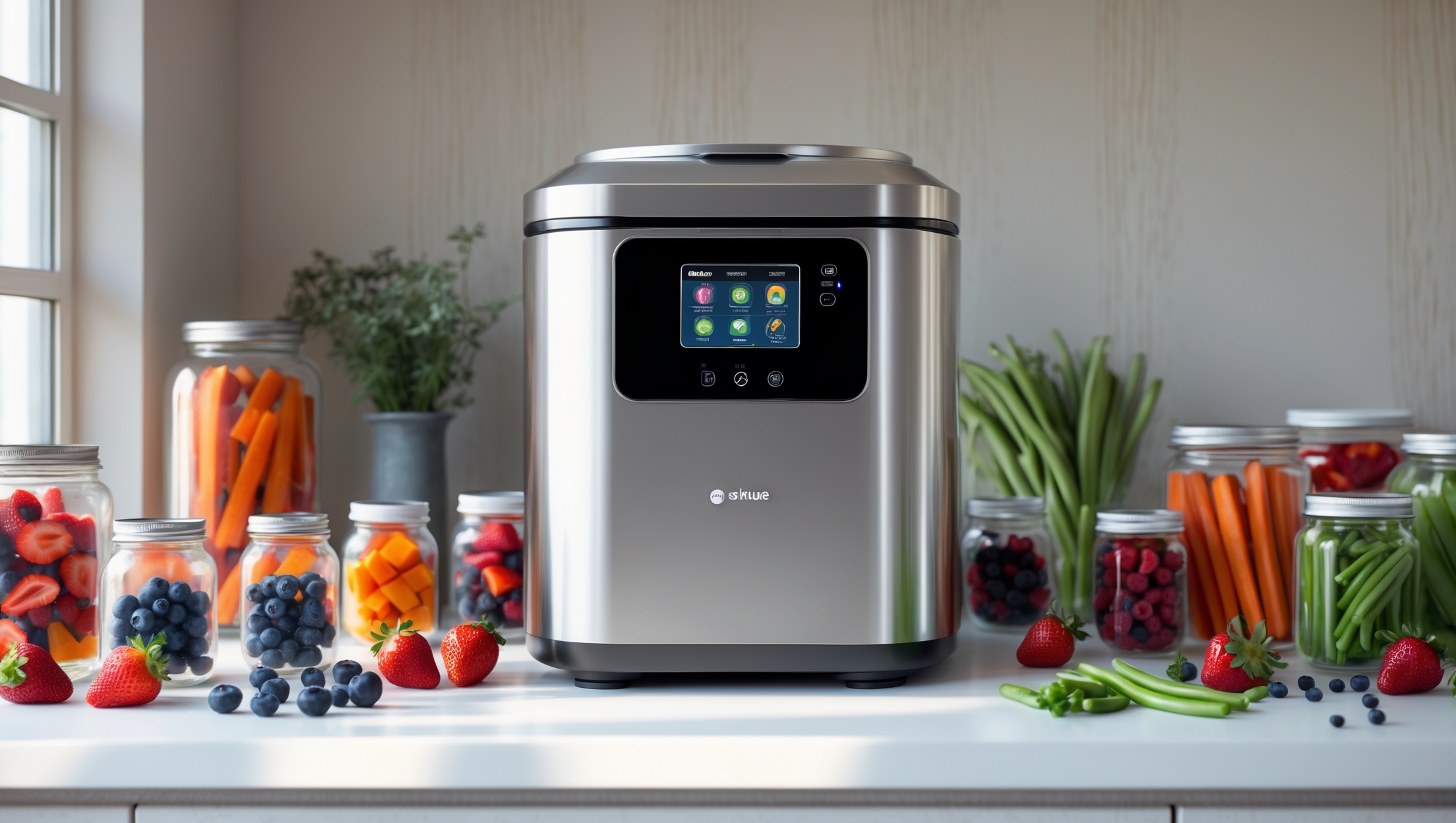
Introduction: The Truth About Home Freeze-Drying
Freeze-drying, or lyophilization, has long been associated with high-tech laboratories and large-scale food manufacturers. In recent years, however, home freeze-drying has surged in popularity, with hobbyists, gardeners, and preparedness-minded homeowners investing in compact freeze-dryers for their kitchens or garages. With the rise in interest comes a flood of information—some accurate, but much of it colored by common myths and misconceptions. If you’re considering freeze-drying your own fruits, vegetables, meats, or even full meals at home, it’s vital to separate fact from fiction. This in-depth guide will debunk the most prevalent myths about home freeze-drying, clarify what’s truly possible, and help you make informed decisions for your food preservation journey. We’ll also cover practical tips, essential equipment, and real-world advice to ensure your efforts are successful, safe, and rewarding.
Myth #1: Home Freeze-Drying Is the Same as Dehydrating
Understanding the Processes
One of the most persistent myths is that freeze-drying and dehydrating are interchangeable. While both methods remove moisture to preserve food, they are fundamentally different in their technology, outcome, and suitability for various foods.
- Dehydration uses heat and airflow to evaporate water from food, usually at temperatures between 125°F and 160°F. It’s suitable for fruits, vegetables, and some meats, but can alter texture and flavor.
- Freeze-drying first freezes the food, then reduces surrounding pressure and adds heat very gently. This causes the frozen water in the food to sublimate directly from ice to vapor, bypassing the liquid stage.
The result? Freeze-dried foods retain their original shape, color, and much more of their flavor and nutrition compared to dehydrated counterparts. They also rehydrate more quickly and completely.
Which Foods Benefit Most?
Freeze-drying excels with foods that are difficult to dehydrate well, such as dairy, eggs, full meals, and high-sugar fruits. Dehydration often fails to preserve these without significant texture or taste loss.
Myth #2: Home Freeze-Drying Is Unsafe or Unregulated
Safety Standards and Food Quality
Some believe that home freeze-drying is inherently unsafe or that it’s not regulated. In reality, freeze-drying is one of the safest food preservation methods when done correctly. By removing almost all water, it inhibits the growth of bacteria, mold, and yeast.
However, safe handling is critical:
- Always use fresh, high-quality ingredients. Freeze-drying won’t improve spoiled or contaminated food.
- Store finished products in airtight, moisture-proof containers with oxygen absorbers.
- Label packages with processing dates and contents for proper rotation.
Home Appliance Standards
Leading home freeze-dryer manufacturers comply with electrical and safety standards. Machines are designed with user safety in mind, featuring automatic shut-offs and vacuum chamber integrity sensors. As with any appliance, read and follow the manufacturer’s instructions diligently.
Myth #3: Freeze-Dryers Are Too Expensive for the Average Household
Cost Breakdown: Initial Investment and Long-Term Value
It’s true that home freeze-dryers are more expensive than dehydrators or canning setups, with entry-level models starting around $2,000-$3,000. However, the real question is value over time. Consider:
- Longevity of Food: Freeze-dried food can last up to 25 years when stored properly, reducing waste and emergency food costs.
- Bulk Preservation: Gardeners can preserve large harvests quickly, and families can buy in bulk at a discount.
- Meal Preparation: Preparing and freeze-drying complete meals saves time and money on busy nights or during emergencies.
Ways to Make It Affordable
- Split the cost with family, friends, or neighbors and share the machine.
- Look for manufacturer financing or refurbished units.
- Offset costs by selling excess freeze-dried goods (where permitted).
When you factor in food savings, reduced spoilage, and convenience, many households find the investment worthwhile within a few years.
Myth #4: Freeze-Drying Foods at Home Is Complicated and Time-Consuming
Simplicity of Operation
Modern home freeze-dryers are designed for simplicity. Most feature one-button operation: load trays, insert them, close the chamber, and select a cycle. The machine handles freezing, vacuum, and drying automatically.
- Prep Time: Slicing, blanching (for some vegetables), and arranging food on trays typically takes 30-60 minutes per batch.
- Cycle Time: Each batch takes 20-40 hours, depending on food type and thickness. However, this is almost entirely hands-off; the machine runs unattended.
Unlike canning or dehydrating, there’s no need to monitor temperature or check water levels constantly. Once complete, you simply package the finished product.
Tips for Streamlining the Process
- Pre-freeze foods in your home freezer to shorten cycle times.
- Batch similar foods together for efficient cycles.
- Clean trays and accessories immediately after use to save time later.
Myth #5: All Foods Can Be Freeze-Dried Equally Well
Understanding Food Types
While freeze-drying is incredibly versatile, not every food is suited to the process. Foods high in oils or fat, like whole avocados, peanut butter, or fatty meats, do not freeze-dry well. The lack of water makes it hard for the process to work, and remaining oils can go rancid during storage.
Best candidates for freeze-drying include:
- Fruits: berries, bananas, apples, mangoes, pineapple
- Vegetables: peas, corn, carrots, broccoli, mushrooms
- Cooked meats (lean): chicken breast, turkey, beef stew (with low fat)
- Prepared meals: soups, casseroles, scrambled eggs
- Dairy: yogurt drops, shredded cheese (low fat)
Foods to avoid or use with caution:
- Foods with high oil or sugar content (pure chocolate, nut butters, jams)
- Foods with a very high moisture content but little structure (lettuce, watermelon)
Myth #6: Freeze-Dried Food Always Tastes Bland or Artificial
Flavor and Texture Retention
One of the biggest surprises for newcomers is just how flavorful freeze-dried foods can be. Because water removal happens at low temperatures, most natural flavors, colors, and nutrients remain intact. In fact, many fruits taste more intensely sweet after freeze-drying due to concentrated sugars.
Texture varies: some foods become crisp (apples, berries), while others remain light and spongy (eggs, yogurt drops). When rehydrated, soups and stews return almost to their original state.
How to Maximize Flavor
- Choose ripe, high-quality produce for best results.
- Season cooked foods before freeze-drying; flavors are retained.
- Store foods away from light, heat, and moisture to prevent flavor loss.
Myth #7: Freeze-Drying Destroys Nutrients
The Science of Nutrient Retention
Another misconception is that freeze-drying strips food of its nutritional value. In fact, it’s one of the gentlest methods available. Studies show that freeze-dried foods retain more than 90% of their original vitamins and minerals, far outpacing canning or dehydrating.
Vitamin C, B vitamins, and antioxidants are especially well-preserved. Losses are minimal compared to the heat exposure required in other preservation methods.
Myth #8: You Need a Special Room or Commercial Space
Home Setup Requirements
Many people assume freeze-dryers require a dedicated room or commercial kitchen. In reality, most home units are about the size of a small dishwasher and plug into a standard 110V outlet. Place your freeze-dryer in a well-ventilated room with a stable temperature (50°F-75°F is ideal). Basements, kitchens, or utility rooms work fine.
Keep in mind:
- The vacuum pump can be noisy. If possible, set up in an area where this won’t disturb daily life.
- Leave at least 6 inches of clearance around the unit for air circulation.
- Ensure you have a drain or a large collection container for the water extracted from the food.
Myth #9: It’s Impossible to Store Freeze-Dried Food at Home Properly
Packaging and Storage Solutions
Proper packaging is crucial for long-term storage. The main enemies are moisture, oxygen, and light.
- Mylar bags with oxygen absorbers are the gold standard for long-term storage (5-25 years).
- Mason jars with vacuum-sealed lids work well for short- to medium-term storage (up to 2 years).
- Vacuum sealers can be used for pantry items you’ll consume within a few months.
Store containers in a cool, dark, and dry place. Consistently low temperatures and low humidity will maximize shelf life and quality.
Myth #10: Freeze-Drying Is Only for Preppers and Survivalists
Everyday Benefits for Any Household
While freeze-dried food is undeniably valuable for emergency preparedness, its uses go far beyond survival scenarios. Busy families use freeze-dried meals for quick, nutritious dinners. Outdoor enthusiasts love the lightweight, compact meals for backpacking. Parents enjoy having healthy, preservative-free snacks for kids. Gardeners can save seasonal abundance for year-round enjoyment.
Freeze-drying empowers you to control ingredients, reduce food waste, and create convenient, delicious options tailored to your dietary needs.
Practical Tips for Home Freeze-Drying Success
Choosing the Right Machine
Consider batch size, available space, and budget. Entry-level models handle 6-10 pounds of food per cycle; larger units can process more. Research reputable brands and read user reviews before purchasing.
Prepping Foods for Best Results
- Slice foods evenly for uniform drying.
- Blanch vegetables like broccoli or green beans to preserve color and texture.
- Season cooked meats and meals before freeze-drying for full flavor.
Cleaning and Maintenance
- Clean trays and vacuum chamber after every batch.
- Change vacuum pump oil regularly, as directed by the manufacturer.
- Inspect gaskets and seals for wear to maintain performance.
Conclusion: Embrace the Potential of Home Freeze-Drying
Home freeze-drying is an empowering, versatile, and surprisingly accessible way to preserve food for the long haul. As we’ve seen, many of the most common myths—from confusing it with dehydration to worries about safety, nutrition, or complexity—simply don’t hold up to scrutiny. Modern freeze-dryers put professional-quality preservation within reach of everyday households, opening up new possibilities for reducing waste, saving money, and enjoying peak-season flavors year-round.
While there is an upfront investment and a learning curve, the rewards are substantial. With the right information, equipment, and best practices, you can confidently freeze-dry everything from strawberries to stews, knowing you’re providing delicious, nutritious food that will last for years. Whether your motivation is emergency preparedness, convenience, or creative culinary exploration, home freeze-drying is more than a trend—it’s an investment in your family’s food security and enjoyment.
Don’t let myths hold you back. With practical knowledge and a spirit of experimentation, freeze-drying can become a satisfying and integral part of your home food preservation toolkit.
I noticed the article emphasized how freeze-drying helps food retain more flavor and nutrition than dehydrating. Are there any significant differences in storage time or cost between freeze-dried and dehydrated foods?
Yes, there are notable differences. Freeze-dried foods typically last 20-25 years when stored properly, much longer than dehydrated foods, which generally last 4-5 years. However, freeze-drying equipment is more expensive up front and uses more energy, making freeze-dried foods costlier to produce compared to dehydrated foods.
Could you elaborate on the kind of equipment that’s truly essential for safe home freeze-drying? I’m trying to figure out what’s a must-have versus what’s just nice to have for beginners.
For safe home freeze-drying, the must-have is a dedicated home freeze dryer—this machine handles freezing, vacuum, and drying all in one. You’ll also need food-safe storage containers or mylar bags with oxygen absorbers for long-term preservation. Extras like silicone mats or trays are convenient, but not strictly necessary for beginners.
The article suggests home freeze-drying requires specialized equipment. For someone on a budget, are there ways to preserve food effectively without investing in a full freeze-dryer setup?
Absolutely, there are budget-friendly alternatives to home freeze-drying. You can try dehydrating food using an oven or a countertop dehydrator, pickling, fermenting, or canning. These methods are effective for preserving food and don’t require a big investment in specialized equipment.
You mention home freeze-drying keeps more flavor and nutrition than dehydrating—does it also make a big difference for preserving meat, or are the results pretty similar between the two methods when it comes to protein?
Freeze-drying does make a noticeable difference when preserving meat compared to dehydrating. Freeze-dried meat retains more of its original flavor, texture, and nutritional value, including protein. While both methods preserve protein well, freeze-drying usually results in a lighter, more easily rehydrated product with less nutrient loss overall.
When you said freeze-dried foods rehydrate more quickly, does that apply to full meals too, or is it only true for things like fruit? Are there certain foods that just don’t come back well after freeze-drying and rehydrating?
Freeze-dried full meals generally do rehydrate quickly, though the texture might not be identical to freshly cooked food. Foods like fruits and vegetables rehydrate especially well. However, some foods with high fat content or creamy sauces can have a change in texture or appearance after rehydration, and foods like cheese or some dairy products may not return to their original state.
After freeze-drying meat at home, are there any extra safety steps I should take before storing it long-term, like special packaging or prep? I want to make sure it stays safe for months or years without spoilage.
After freeze-drying meat, it’s best to store it in airtight, moisture-proof packaging like Mylar bags with oxygen absorbers. Label each package with the date and contents. Keep the packages in a cool, dark place. These steps help prevent spoilage and keep your meat safe for long-term storage.
I noticed you mentioned that freeze-drying keeps more flavor and nutrition compared to dehydrating. Could you give some examples of foods where this difference is most noticeable?
Absolutely! Fruits like strawberries, blueberries, and mangoes really showcase the difference—freeze-dried versions keep their bright color, fresh flavor, and more vitamins. Herbs like basil and parsley also hold onto their taste much better when freeze-dried compared to dehydrated.
You explained that freeze-drying keeps more of the original flavor and nutrition compared to dehydrating. Are there any foods that actually turn out better with traditional dehydration instead of freeze-drying?
Yes, some foods are better suited to traditional dehydration. For example, herbs, sun-dried tomatoes, and fruit leathers often have a more concentrated flavor and chewy texture when dehydrated. Mushrooms and some jerky recipes also tend to work well with dehydration, as the process can enhance their taste and texture in ways freeze-drying doesn’t.
If I want to try freeze-drying full meals at home, are there any safety steps or guidelines I should know to avoid issues with bacteria or spoilage during the process?
When freeze-drying full meals at home, make sure foods are cooked thoroughly before freeze-drying, as this helps kill bacteria. Always use clean equipment and ensure foods are fully frozen before starting the process. Once complete, store foods in airtight containers with oxygen absorbers in a cool, dark place to prevent spoilage.
If I invest in a freeze-dryer for my small bakery, how long does it typically take to process a batch of baked goods or fruits compared to dehydrating them?
For a home freeze-dryer, processing a batch of baked goods or fruits usually takes between 20 to 40 hours, depending on the moisture content and the specific items. In comparison, dehydrating is generally faster, often taking 6 to 16 hours. Freeze-drying preserves texture and flavor better, but it does require more time.
The article touches on practical tips for safe and effective freeze-drying. Could you elaborate on any particular challenges that first-time users face, especially when freeze-drying meats or full meals at home?
First-time users often find it challenging to properly pre-cook or slice meats so they freeze-dry evenly and safely. Ensuring meals are not too oily or fatty is important, since fat doesn’t freeze-dry well and can spoil. Another challenge is storing the finished product in airtight containers to keep moisture out and preserve freshness.
When it comes to freeze-drying full meals at home, are there specific tips to ensure even sublimation, or do some ingredients not work well together in the same batch?
When freeze-drying full meals, it’s best to cut foods into uniform pieces and avoid stacking. Dishes with very different moisture levels or oily components may not dry evenly together. For best results, freeze-dry similar ingredients in the same batch, and consider separating sauces from solids.
The article says freeze-drying equipment can be used in kitchens or garages. Is there any specific advice about where to set up a home freeze-dryer to avoid issues like noise, heat, or moisture damage?
Yes, the article suggests considering noise, heat, and moisture when choosing a spot for your freeze-dryer. A well-ventilated area like a garage or utility room is ideal, as these machines can be loud and generate heat. Avoid placing them in damp or unventilated spaces to prevent moisture buildup and potential damage.
Could you share some tips on what essential equipment I should start with if I’m completely new to home freeze-drying? I’m a bit overwhelmed by all the options and want to avoid unnecessary purchases.
To get started with home freeze-drying, the main essential is a quality home freeze-dryer, as this is the core piece of equipment. You’ll also need sturdy trays that fit your machine, a reliable vacuum pump, and airtight containers or Mylar bags with oxygen absorbers for storage. If you’re new, avoid extras like commercial-grade vacuum sealers or specialty accessories until you’ve mastered the basics.
I have limited space in my kitchen and wonder about the practical side—how noisy or energy-intensive are home freeze-dryers, especially if I want to use them regularly for fruits and full meals?
Home freeze-dryers do take up a fair amount of space, often similar to a small dishwasher. They can be moderately noisy during operation, about as loud as a vacuum cleaner, and typically run for many hours per batch. Energy use is also significant, so you may notice an increase in your electricity bill if you use them regularly. Many users place them in a laundry room, garage, or basement to manage space and noise.
I see that freeze-drying involves specialized equipment for the sublimation process. For someone just getting started, what are the essential pieces of equipment, and how much space do they typically require in a home kitchen or garage?
To get started with home freeze-drying, the main piece of equipment you’ll need is a home freeze dryer, which includes a vacuum pump and trays for your food. Most home freeze dryers are about the size of a mini fridge and typically require a dedicated space, like a large countertop or a corner of your garage. You’ll also need basic storage supplies like mylar bags and oxygen absorbers for the preserved food.
The article talks about compact freeze-dryers for home use. For someone just starting out, how much space and power do these machines typically need, and are there any essential accessories I should invest in upfront?
Compact home freeze-dryers usually need about 2 to 3 square feet of countertop space and require a standard household outlet (typically 110–120 volts). They can be a bit noisy and should be placed somewhere with good ventilation. Essential accessories to consider at the start are extra trays, a good set of vacuum pump oil, and Mylar bags or airtight containers for storage.
Does freeze-drying at home require any special safety precautions when working with meats, compared to dehydrating them? The article mentions safety and essential equipment but I’m not sure what risks might be different.
Yes, freeze-drying meats at home does require special safety precautions. While both freeze-drying and dehydrating need clean handling, freeze-drying preserves raw meats, so it’s crucial to keep everything sanitized and to store the finished product in airtight containers. Unlike dehydrating, which often uses cooked or thinly sliced meat, freeze-dried meat can retain bacteria if not handled properly. Always follow recommended guidelines for food safety and storage to prevent spoilage or contamination.
What kind of essential equipment is needed to start freeze-drying at home, and is it possible to do it on a college student budget, or are the machines pretty expensive?
To start freeze-drying at home, you’ll need a home freeze-dryer machine, which is the main piece of equipment. Unfortunately, these machines are quite expensive, often costing several thousand dollars. This can be challenging on a college student budget. Some students look into sharing a machine with friends or family, or joining community groups that offer shared access.
If I mostly want to preserve full meals instead of just fruits and veggies, are there any special tips or things I should watch out for when using a home freeze-dryer?
Preserving full meals with a home freeze-dryer works well, but try to avoid dishes with a lot of oil, butter, or sauces, as fats don’t freeze-dry effectively and can spoil. Cut larger items into smaller pieces for more even drying, and label everything with the date and contents for easier storage and use later.
The article says freeze-dried foods rehydrate more quickly than dehydrated ones. Could you explain how long the rehydration process typically takes for meals versus fruits or vegetables if done at home?
Freeze-dried foods generally rehydrate within 5 to 20 minutes, depending on the item and the liquid temperature. For meals like stews or pasta, it usually takes around 10 to 20 minutes. Fruits and vegetables often rehydrate in 5 to 10 minutes. Simply add enough water to cover and wait until the food regains its original texture.
For someone new to home freeze-drying, what essential equipment would you recommend starting with, and are there any significant startup costs or maintenance expenses to be aware of beyond just buying the freeze-dryer itself?
To begin home freeze-drying, the main equipment you need is a freeze-dryer, which is a significant investment on its own. You’ll also want food-safe trays and storage supplies like mylar bags or mason jars with oxygen absorbers. Startup costs mainly involve the freeze-dryer and these accessories. Ongoing expenses include electricity, periodic replacement of vacuum pump oil or filters (if your model uses them), and replacement of seals over time. Maintenance is straightforward but necessary to keep the machine running well.
You said that home freeze-dryers are now compact enough for kitchens or garages. How challenging is the setup for a total beginner, and is there any special electrical or ventilation requirement I should know about before purchasing one?
Setting up a home freeze-dryer is generally straightforward, even for beginners. Most units just need a standard electrical outlet, though some larger models might require a dedicated circuit. No special ventilation is usually needed, but placing the machine in a well-ventilated, dry area is recommended to manage heat and moisture. Always check the manufacturer’s guidelines for specific requirements.
You mentioned freeze-drying is different because it removes moisture by sublimation. Can you explain if this process affects the shelf life of the food compared to traditional dehydration?
Freeze-drying extends shelf life significantly more than traditional dehydration because it removes almost all moisture through sublimation, making it harder for bacteria and mold to grow. Foods can last 10–25 years when freeze-dried, versus a few months to a year with regular dehydration.
I’m curious how much of a difference freeze-drying actually makes in preserving flavor and nutrition compared to dehydrating, especially for fruits like strawberries or bananas. Do you notice a big improvement in the taste after rehydrating freeze-dried foods?
Freeze-drying generally does a much better job of preserving both flavor and nutrition compared to dehydrating. For fruits like strawberries or bananas, freeze-dried versions tend to taste fresher and more vibrant after rehydration, with a texture and sweetness closer to their original state. Dehydrated fruits often end up chewier and lose more flavor.
You mentioned freeze-drying keeps more nutrition and better texture than dehydrating. Does that mean I should invest in a freeze-dryer even if I’m just preserving snacks for my kids, or is dehydrating enough for most family uses?
For most family uses, especially simple snacks for kids, dehydrating is usually enough and much more affordable. Freeze-drying does preserve more nutrients and texture, but the equipment is costly and might be more than you need unless you want to store food long-term or preserve a wide variety of foods.
Does the texture and flavor of freeze-dried meats really come out noticeably better than dehydrated ones, and are there certain types of meat that work better for home freeze-drying than others?
Freeze-dried meats generally retain more of their original texture and flavor compared to dehydrated meats, which can become chewy or tough. Lean meats like chicken, turkey, and lean beef tend to freeze-dry more successfully at home because fatty meats may not preserve as well and can go rancid over time.
Does freeze-drying work just as well for prepared meals as it does for single ingredients like fruits or meats? I’m wondering if it’s practical to use for leftovers or homemade meals.
Freeze-drying works well for both single ingredients and prepared meals, including leftovers and homemade dishes. Many people use freeze-dryers to preserve full meals like stews, casseroles, or pasta. Just remember, meals with high fat or oil content might not freeze-dry as successfully, so leaner recipes work best.
If freeze-dried foods keep more of their nutrition and flavor compared to dehydrated ones, does this make a big difference for things like storing fruit long-term? Are there certain foods where the difference is really noticeable?
Yes, freeze-dried foods usually retain more nutrition and flavor than dehydrated ones, especially over long storage periods. This is most noticeable with fruits, berries, and herbs, which keep their color, taste, and texture better when freeze-dried. For foods like apples, strawberries, or raspberries, the difference can be quite significant compared to traditional dehydration.
The article mentions freeze-drying retains more nutrition compared to dehydrating. Do you have any insight into how long freeze-dried foods can actually be stored at home without losing nutritional value or quality?
Freeze-dried foods can typically be stored for 10 to 25 years at home if kept in airtight containers and away from light, heat, and moisture. Most of their nutritional value and flavor are preserved for this entire time, much longer than with dehydrated foods.
Do home freeze-dryers require any specific maintenance or special equipment beyond what comes in the box? I want to be sure I understand the full investment before deciding if it’s right for my family.
Home freeze-dryers generally come ready to use, but they do require regular maintenance. You’ll need to clean the vacuum pump and replace its oil as recommended by the manufacturer. Some models offer oil-free pumps that are lower maintenance but can be more expensive. Apart from that, keep the machine clean and ensure it’s installed in a well-ventilated area. No major special equipment is needed beyond what’s provided, but a backup set of trays or extra Mylar bags for storage can be helpful.
You mentioned that freeze-drying maintains more nutrition and better texture compared to dehydrating. Are there any foods where dehydrating might actually be a better or more practical option than freeze-drying?
Yes, dehydrating can be more practical for certain foods, especially those with high sugar content like fruit leathers or some herbs. Dehydrating is quicker, uses less energy, and works well for foods meant to be eaten chewy or crispy. For simple snacks or when cost and speed matter, dehydrating is often the better choice.
What kind of maintenance or cleaning does a home freeze-dryer need to stay safe for family use? I want to make sure I don’t miss any important steps with all the activity in our kitchen.
To keep your home freeze-dryer safe, clean the trays and chamber with mild soap and water after each use. Regularly check and replace the vacuum pump oil if your model uses oil. Wipe down exterior surfaces to prevent dust buildup. Inspect for any food residue in seals and around the door, and make sure the unit is dry before storing. Following these steps helps ensure both safety and good performance.
When freeze-drying at home, how long does the whole process typically take for something like mixed vegetables, and are there common mistakes to avoid during the freeze and drying stages?
For mixed vegetables, the entire home freeze-drying process usually takes between 20 to 40 hours, depending on the water content and your machine. Common mistakes include overloading trays, not pre-freezing the food, and storing freeze-dried items before they are completely dry. Make sure to spread vegetables evenly and check for dryness before storage.
You say home freeze-dryers are now available for kitchens and garages. Can I get started with a modest budget, or are these machines still really expensive for most families?
Home freeze-dryers are more accessible than before, but they are still a significant investment for most families. Entry-level models typically start around $2,000 to $2,500. If you’re on a modest budget, you might consider pooling resources with friends or family, buying used, or looking for financing options from manufacturers.
I’m curious about the essential equipment you mentioned. Are there any features I should prioritize when choosing a home freeze-dryer, especially if I want to freeze-dry a variety of different foods?
When choosing a home freeze-dryer, look for features like adjustable shelf spacing to fit different food sizes, a reliable vacuum pump, and user-friendly controls for customizing cycles. Good capacity and a durable stainless-steel interior are also helpful if you plan to process a variety of foods.
I’m curious about the equipment you mentioned—are there specific freeze-dryers you recommend for someone just starting out at home, and what kind of maintenance do they require compared to dehydrators?
For beginners, small home freeze-dryers like those from Harvest Right are popular because they’re user-friendly and designed for countertop use. Maintenance mainly involves cleaning the chamber after each use and changing the vacuum pump oil regularly. Compared to dehydrators, freeze-dryers need a bit more upkeep, especially with the vacuum system, but provide longer-lasting results.
You mentioned freeze-dryers for home use—how difficult is it to set one up in a regular kitchen or garage? Are there any safety or electrical concerns I should be aware of before buying?
Setting up a home freeze-dryer is fairly straightforward, but you do need adequate space since units are about the size of a small dishwasher. Most run on a standard household outlet, but check the model’s power requirements. Ensure the area is well-ventilated and consider noise, as freeze-dryers can be loud during operation. Keep the unit away from water sources and follow manufacturer safety guidelines.
You mentioned that freeze-drying retains texture and color better than dehydrating. For someone on a budget, is the investment in a home freeze-dryer worth it for preserving small garden harvests, or would dehydrating still be practical?
For small garden harvests and if you’re on a budget, dehydrating is still a very practical and cost-effective option. While freeze-drying does preserve texture and color better, the initial investment and ongoing costs are quite high. Dehydrators are much cheaper and still do a good job of preserving most fruits, vegetables, and herbs.
When you say freeze-drying needs special equipment, does that mean a regular home freezer definitely can’t be used to try this process? I’m trying to figure out if there are any low-budget DIY options to experiment before buying a machine.
A regular home freezer isn’t suitable for true freeze-drying, since it can’t create the low temperatures and vacuum needed to remove moisture effectively. Some people try DIY methods using a freezer over long periods, but the results usually aren’t the same—foods may just freeze or get freezer-burned. For real freeze-drying at home, specialized equipment is necessary, though you could experiment to see some partial effects if you’re curious, just don’t expect fully preserved results.
Since you mentioned freeze-drying helps preserve more nutrition and flavor, how long does it actually take to freeze-dry a batch compared to regular dehydrating? I’m considering the time investment before diving in.
Freeze-drying usually takes much longer than regular dehydrating. A typical freeze-drying batch can take anywhere from 20 to 40 hours, depending on the food and machine, while dehydrating often takes 6 to 12 hours. While it’s a bigger time commitment, the nutritional and flavor benefits can make it worthwhile.
If I wanted to freeze-dry food at home for long-term storage, how long does the whole process usually take from start to finish compared to traditional dehydrating?
Freeze-drying at home typically takes 20 to 40 hours per batch, depending on the type and amount of food. Traditional dehydrating is faster, usually finishing within 6 to 24 hours. While freeze-drying takes longer, it preserves food quality and shelf life much better for long-term storage.
I’m new to food preservation and a bit confused about the equipment needed for freeze-drying at home. Can you list what essential tools are required to get started versus what’s just nice to have?
To start freeze-drying at home, the essentials are a home freeze dryer, food-safe trays, and storage containers like mylar bags or airtight jars with oxygen absorbers. Nice-to-have extras include a vacuum sealer, labeling supplies, and extra trays for larger batches, but they’re not strictly necessary.
When it comes to rehydrating freeze-dried foods, is there a specific method or best practice to get the texture and taste as close as possible to fresh? I’m thinking of using them for full meals.
To get the best texture and taste when rehydrating freeze-dried foods, use cold or lukewarm water for most foods, adding it gradually until the food is just covered. Let it sit for 10–20 minutes, or longer for full meals, stirring occasionally. Some dishes benefit from gentle heating after rehydration to improve flavor and texture.
I see that home freeze-dryers are becoming more popular for personal use. What kind of ongoing maintenance or safety risks should someone expect if they set one up in their kitchen or garage?
Home freeze-dryers do require some ongoing maintenance, like regularly changing and checking the oil in vacuum pumps, cleaning trays, and making sure seals are intact. Safety-wise, you should ensure the unit is on a stable, ventilated surface and plugged into a grounded outlet. In a garage, watch for temperature extremes, as they can affect performance. Always follow the manufacturer’s recommendations for both use and maintenance to minimize risks.
You mentioned freeze-drying retains more nutrition and better texture compared to dehydrating. Are there certain foods where the difference between the two methods is really noticeable, or does it mostly matter with things like fruits and vegetables?
The difference is especially noticeable with foods like fruits, vegetables, and dairy. Freeze-dried berries and apples, for example, keep their shape and taste more natural, while dehydrating can make them chewy or leathery. Dairy products like yogurt or cheese also do much better freeze-dried. For most meats and cooked meals, freeze-drying also preserves texture and flavor better than dehydrating.
Could you explain more about the safety considerations for home freeze-drying, especially when working with meats? Are there extra precautions that need to be taken compared to freeze-drying fruits and vegetables?
When freeze-drying meats at home, it’s important to start with fresh, high-quality meat and maintain strict cleanliness throughout the process. Unlike fruits and vegetables, meats can harbor harmful bacteria if not handled properly. Always pre-cook meat to a safe internal temperature before freeze-drying, store the finished product in airtight containers, and keep it in a cool, dark place. Label everything with dates and use within recommended timeframes to ensure safety.
The article mentions freeze-drying works better for certain foods that are hard to dehydrate well. Could you explain which specific fruits or veggies work best in a home freeze-dryer and which ones I should avoid?
Fruits like strawberries, blueberries, apples, and bananas freeze-dry very well, retaining their flavor and texture. Vegetables such as peas, corn, carrots, and green beans are also great candidates. Foods with very high moisture, like watermelon or cucumbers, can be tricky since they may turn out mushy or lose shape. Leafy greens can also be difficult because they tend to crumble.
For someone on a budget, is investing in a home freeze-dryer worth it compared to sticking with dehydration, especially for things like meal prep or long-term storage? I’d love to hear some real cost-versus-benefit perspective.
Home freeze-dryers can be quite expensive upfront, often costing a few thousand dollars, plus ongoing energy and maintenance costs. For meal prep or long-term storage on a budget, dehydration is much more affordable and still preserves many foods well, though the texture and shelf life might not match freeze-dried results. Unless you plan to process large volumes or need the longest possible storage, sticking with a dehydrator is usually the better value.
I’m trying to decide between investing in a home freeze-dryer or just sticking with my regular dehydrator. Other than taste and texture, are there any big differences in storage life or safety I should consider with freeze-dried versus dehydrated foods?
Yes, there are important differences. Freeze-dried foods typically last much longer—often up to 25 years if stored properly—while dehydrated foods usually last 1 to 5 years. Freeze-drying also preserves more nutrients and better protects against spoilage because it removes more moisture, reducing the risk of mold or bacteria.
I’m interested in trying freeze-drying at home, but the machines seem expensive. For someone on a tight budget, are there any lower-cost alternatives or ways to start small before investing in the full equipment?
Freeze-drying at home does require a specialized machine, which can be pricey. As a lower-cost alternative, you might try dehydrating food in your oven or with a food dehydrator to get similar, though not identical, results. Starting with small batches of foods that dehydrate well can help you experience preservation techniques before making a larger investment in a freeze-dryer.
You mention that freeze-drying preserves more of the original flavor and nutrition compared to dehydrating. Are there certain fruits or vegetables that lose significant quality if you choose to dehydrate instead of freeze-dry them at home?
Yes, some fruits and vegetables lose more flavor, color, and nutrients if dehydrated instead of freeze-dried. For example, strawberries, raspberries, and peas tend to turn darker and lose their fresh taste and texture when dehydrated. Freeze-drying helps these foods keep a more vibrant color, better texture, and higher nutritional content compared to home dehydration.
The article mentions essential equipment for successful freeze-drying at home. For someone on a tight budget, what are the must-have tools, and is it still worth trying without purchasing a specialized freeze-dryer?
To successfully freeze-dry at home, a specialized freeze-dryer is usually essential for reliable results, since standard freezers and household equipment can’t replicate the process. While you can try deep-freezing food and then using a vacuum chamber, results may be inconsistent. For true freeze-drying, investing in a freeze-dryer is recommended, but it can be costly. Without it, you may want to consider alternative preservation methods like dehydrating or canning for better reliability on a budget.
If I want to try freeze-drying full meals at home like stews or casseroles, are there specific tips or steps I should follow to make sure they rehydrate properly and taste good afterward?
When freeze-drying full meals like stews or casseroles, spread the food in a thin, even layer so it dries thoroughly. Cut larger ingredients into small, uniform pieces. After freeze-drying, store meals in airtight containers with an oxygen absorber. For best taste and texture during rehydration, add hot water gradually and give the meal time to fully absorb the liquid before eating.
You mention that freeze-drying preserves more nutrition and flavor compared to dehydration. Are there certain foods where the difference in nutritional content is most noticeable, or does it apply fairly evenly across all types?
The nutritional difference tends to be most noticeable with foods that are sensitive to heat, like fruits high in vitamin C and leafy greens. Freeze-drying retains more delicate nutrients and flavors in these items compared to dehydration, which uses heat and can cause more nutrient loss. For foods less affected by heat, like grains or beans, the difference is less dramatic.
Could you clarify if freeze-drying at home works well for cooked meals with sauces, or is it better suited for single-ingredient foods like fruits and vegetables? I’m curious about what types of foods turn out best using a home freeze-dryer.
Home freeze-drying works well for both single-ingredient foods like fruits and vegetables and for cooked meals with sauces. However, cooked meals with sauces can sometimes take longer to process and may need to be broken up or spread thin for best results. Foods with high fat or oil content don’t freeze-dry well, but most home-cooked meals, soups, and stews freeze-dry successfully and rehydrate nicely.
The article talks about freeze-drying being better for foods that are difficult to dehydrate. Could you give some examples of foods that just don’t turn out well with traditional dehydrators but work great with a freeze-dryer?
Absolutely. Foods with high sugar content, like strawberries or yogurt, often end up sticky or unevenly dried in traditional dehydrators, but freeze-drying preserves their texture and flavor much better. Similarly, meals containing meats or dairy, ice cream, and even some fruits like bananas retain their shape and taste with freeze-drying, while they can become chewy or tough when dehydrated.
You say freeze-drying works for full meals too. Does that mean dishes like casseroles or soups rehydrate well, or are there certain textures or ingredients that just don’t come back right?
Yes, freeze-drying can preserve full meals like casseroles and soups, and they usually rehydrate well, especially dishes with sauces or broths. However, some textures, like dairy-rich sauces, creamy foods, or foods with high fat content, might not return to their original state as perfectly. Crunchy toppings may also turn a bit soft after rehydration.
You mention that freeze-drying keeps more of the original flavor and nutrition compared to dehydrating. Are there specific nutrients or vitamins that still get lost during the freeze-drying process, or does it mostly preserve everything?
Freeze-drying does preserve more nutrients than traditional dehydrating, but some loss can still occur, especially with certain vitamins like vitamin C and some B vitamins, which are sensitive to air, light, and temperature. Most minerals and other nutrients remain very well preserved.
I see that freeze-drying requires special equipment and a different process than dehydrating. For someone just getting into food preservation, how much extra time and energy should I expect to spend freeze-drying compared to standard dehydrating?
Freeze-drying does require more time and energy than dehydrating. While dehydrating usually takes several hours, freeze-drying can take 20 to 40 hours per batch. The process is mostly hands-off, but the machine uses more electricity than a dehydrator, and cleanup may take a bit longer too.
If I want to freeze-dry full meals at home, are there any ingredients or types of food that don’t handle the process well? For example, do dairy or oily foods work with home machines?
When freeze-drying full meals at home, be aware that foods high in oil or fat—like peanut butter, cheese, or fatty meats—don’t freeze-dry well and can spoil faster. Dairy can be tricky; low-fat options work better, but whole milk and creamy sauces might not dry evenly. For best results, stick to low-fat, low-oil foods.
You mention that freeze-dried foods retain more nutrition and flavor than dehydrated ones. Are there specific vitamins or nutrients that are especially well preserved with freeze-drying compared to dehydration?
Yes, freeze-drying is particularly good at preserving heat-sensitive vitamins like vitamin C and some B vitamins, which can break down during the higher temperatures used in dehydration. Freeze-drying also helps retain antioxidants, color, and flavor better than traditional dehydration methods.
Can you give some practical examples of foods that don’t turn out well with regular dehydration but really benefit from freeze-drying at home? I’m curious about the kinds of results I can expect if I invest in a freeze-dryer.
Absolutely! Foods like yogurt, ice cream, and cooked meats often don’t dehydrate well—they can become chewy, brittle, or spoil quickly. With a home freeze-dryer, these foods retain their texture and flavor much better. Fruits like strawberries and raspberries also preserve their shape and taste, turning into crisp, airy snacks rather than leathery bits. Freeze-drying is especially effective for meals with mixed ingredients, like soups and casseroles, which don’t rehydrate well after regular dehydration.
You mentioned that freeze-drying preserves more nutrition and flavor than dehydrating. Are there any foods where dehydrating might actually work better or be preferable over freeze-drying?
Dehydrating can be preferable for certain foods, especially herbs, fruit leathers, and some vegetables where a chewy texture is desired. Dehydrated foods like mushrooms or tomatoes can sometimes develop deeper, concentrated flavors that some people prefer over the lighter texture of freeze-dried versions.
For someone new to home freeze-drying, what kind of practical tips or equipment recommendations would you consider essential to avoid common mistakes, especially with meats or full meals?
For beginners, use a reputable home freeze-dryer with clear instructions. Always pre-cook meats and slice them thinly for even drying. Arrange food in single layers without overlapping. Keep the freeze-dryer clean and regularly check the oil if your machine uses a vacuum pump. Label and store freeze-dried meals in airtight containers with oxygen absorbers to prevent spoilage.
Could you clarify which specific fruits or vegetables tend to work better with freeze-drying compared to dehydrating? I’m wondering if there are any foods that actually lose quality or don’t turn out well with home freeze-driers.
Fruits like strawberries, apples, and bananas as well as vegetables such as peas, corn, and green beans generally retain better texture, color, and flavor when freeze-dried compared to dehydrating. However, foods with very high fat or sugar content, like avocados or some dairy products, may not freeze-dry well and can lose quality or have poor texture.
With so many myths about home freeze-drying, how long did it take you to get the hang of it, and did you run into any surprises while getting started?
It took me about a month to feel confident with home freeze-drying. The biggest surprise was realizing how much prep work some foods need—things like blanching veggies or slicing fruit thinly for best results. Once I found a routine, though, it became much more straightforward.
The article points out that freeze-drying is different from dehydrating, but I’m on a student budget. Is the extra cost of a home freeze-dryer truly justified for everyday use, or is dehydration good enough for most people?
For most people, dehydrating is a practical and affordable option, especially on a student budget. While freeze-drying preserves more nutrients and lasts longer, the high upfront cost of a home freeze-dryer is hard to justify unless you need very long-term storage or want to preserve a wide variety of foods.
The article mentions that freeze-dried foods retain more nutrition and flavor than dehydrated ones. Does the freeze-drying process affect certain vitamins or nutrients more than others, and are there specific foods where you’ll notice the difference most?
Freeze-drying is gentler on most nutrients than traditional dehydration, since it uses low temperatures and removes moisture without heat. Some sensitive vitamins, like vitamin C and some B vitamins, can still lose some potency, but losses are much less than with dehydrating or canning. You’ll notice the biggest difference in foods like fruits and vegetables, where color, flavor, and texture are preserved much better with freeze-drying.
The article says freeze-dryers are becoming popular for home use, but I’m concerned about the cost and how much space they take up. Are there affordable, smaller units available for beginners who don’t have a lot of room?
Yes, there are compact and more affordable freeze-dryers on the market designed for beginners and smaller spaces. These entry-level models have a smaller footprint, typically fitting on a countertop, and can handle small batches. While still an investment, prices have come down compared to larger units. Checking different manufacturers can help you find a model that suits your budget and space.
How complicated is the setup and operation of a home freeze-dryer for someone who’s never used one before? What kind of maintenance or monitoring does it require compared to running a dehydrator?
Setting up a home freeze-dryer is straightforward—most come pre-assembled and only need to be plugged in and set up for your first batch. Operation involves placing food in trays, starting the cycle, and waiting for completion. Compared to a dehydrator, freeze-dryers require a bit more monitoring, like oil changes for the vacuum pump after several batches and occasional checks for frost buildup or filter cleaning. Dehydrators are generally simpler but don’t offer the same preservation benefits.
The article mentions freeze-drying full meals at home. Are there any safety considerations or special steps when freeze-drying dishes with mixed ingredients, like casseroles or stews?
When freeze-drying mixed dishes like casseroles or stews, make sure all ingredients are fully cooked beforehand. Cut large pieces into smaller bits for even drying, and always let the food cool before freeze-drying. After processing, check that everything is thoroughly dry to prevent spoilage.
This makes freeze-drying sound a lot more advanced than dehydrating. Is there a big upfront investment in terms of equipment, and do the ongoing costs (like electricity and maintenance) add up for the average homeowner?
Freeze-drying does require a bigger upfront investment compared to dehydrating. A home freeze dryer can cost a few thousand dollars, while dehydrators are usually much cheaper. Ongoing costs include electricity for each cycle, replacement vacuum pump oil, and occasional maintenance. For most homeowners, it’s a more significant commitment both financially and in terms of upkeep.
The article mentions that freeze-dried foods keep more of their flavor and nutrition compared to dehydrated ones. Are there any specific fruits or veggies where the nutritional difference is especially noticeable after freeze-drying?
Yes, berries (like strawberries and blueberries) and leafy greens (such as spinach and kale) are examples where freeze-drying helps retain much more vitamin C and other sensitive nutrients compared to dehydration. These foods tend to lose a lot of vitamins and flavor when dehydrated, but freeze-drying preserves both much better.
I’m curious about the equipment part you mentioned. How expensive is a typical home freeze-dryer compared to a good dehydrator, and is it really worth the investment for a college student trying to preserve small batches of food?
A home freeze-dryer typically costs between $2,000 and $3,500, while a quality dehydrator can range from $100 to $300. For small batches and a student budget, a dehydrator is usually more practical. Freeze-dryers are a big investment and best suited for large-scale preservation or long-term prepping.
For someone setting up a freeze-dryer in their garage, what are your top safety tips or equipment must-haves to avoid issues with power, humidity, or storage? I’m hoping to avoid rookie mistakes.
Make sure your garage has a dedicated electrical circuit for the freeze-dryer—these machines draw a lot of power. Use a dehumidifier to control moisture, as too much humidity can cause freeze-dryer problems and spoil food. Place your unit on a stable, level surface, and ensure good ventilation around it. Store finished foods in airtight containers with oxygen absorbers, and keep them in a cool, dry place to maintain quality.
I’m curious about foods that are hard to dehydrate well but do better with freeze-drying. Could you give some specific examples, and do you still have to do any prep work before putting them in the freeze-dryer?
Foods like dairy products (yogurt, cheese), eggs, and high-moisture fruits such as strawberries and peaches are tough to dehydrate with traditional methods but work well with freeze-drying. You usually need to slice or break food into smaller pieces and pre-freeze them for best results before using the freeze-dryer.
For a small business looking to offer shelf-stable products, how much time should I expect to spend freeze-drying a batch compared to traditional dehydrating methods?
Freeze-drying generally takes much longer than traditional dehydrating. For most foods, freeze-drying a batch can take 20 to 40 hours, while dehydrating usually takes 6 to 12 hours. The exact time depends on the food type, moisture content, and batch size. Plan for freeze-drying to require at least twice as long, but it will result in a more shelf-stable product.
You mentioned that freeze-dried foods keep more of their flavor and nutrition than dehydrated ones. If I’m freeze-drying vegetables from my garden, is there a big difference in storage life and taste compared to just dehydrating them?
Yes, there is a noticeable difference. Freeze-dried vegetables generally maintain their original taste, color, and nutrients much better than dehydrated ones. In terms of storage life, freeze-dried foods can last 20–25 years when properly sealed, while dehydrated vegetables typically last 1–5 years. So, freeze-drying is superior for both long-term storage and preserving flavor.
I’m curious about the cost and space requirements for a home freeze-dryer compared to a dehydrator. Are there reliable, budget-friendly options for beginners who want to try freeze-drying at home?
Home freeze-dryers are generally much more expensive and larger than dehydrators. Most home freeze-dryers cost several thousand dollars and require a dedicated space, often about the size of a small washing machine. Budget-friendly options are limited, as there aren’t truly low-cost freeze-dryers designed for beginners yet, but some manufacturers offer small models or payment plans. Dehydrators, by contrast, are much cheaper and more compact, making them a more accessible starting point.
The part about freeze-dried foods keeping their nutrition and shape better than dehydrated foods really caught my attention. Is there a noticeable difference in taste too, especially for things like strawberries or meat?
Yes, there is usually a noticeable difference in taste between freeze-dried and dehydrated foods. Freeze-dried strawberries, for example, tend to keep a fresher, more natural flavor and a light, crisp texture. Meats also keep more of their original taste. Dehydrated foods can taste more concentrated or chewy because of the way moisture is removed.
After reading about the differences between dehydration and freeze-drying, I’m curious if some foods just aren’t worth freeze-drying at home, either because of cost or results. Are there items you’d recommend sticking to dehydrating for?
Absolutely, some foods are better suited to dehydration than freeze-drying, especially when considering cost and results. Foods with high sugar or fat content, like jams, honey, or nut butters, don’t freeze-dry well and are best left to dehydrating or other preservation methods. Also, simple fruits and vegetables such as apples, bananas, and tomatoes often turn out great with a dehydrator and are more economical that way.
The article explains that freeze-dried foods keep more of their flavor and nutrition than dehydrated ones. Are there any types of fruits or vegetables that actually turn out better with dehydration instead of freeze-drying?
Yes, some fruits and vegetables develop a better texture or flavor with dehydration rather than freeze-drying. For example, dehydrated bananas and tomatoes often become chewy or leathery, which some people enjoy as a snack. Sun-dried tomatoes, in particular, have a robust flavor that’s different from their freeze-dried counterparts. So while freeze-drying retains more nutrition, dehydration can offer unique textures and tastes for certain foods.
If I try freeze-drying full meals at home, how long can I realistically expect them to stay safe and tasty in storage compared to traditional dehydration or other preservation methods?
Home freeze-dried meals can typically stay safe and tasty for 10 to 25 years if stored properly in airtight containers with oxygen absorbers and kept in a cool, dark place. This is much longer than traditional dehydration, where foods usually last 1 to 5 years, and longer than many other preservation methods like canning. Proper storage is key to maximizing shelf life and maintaining flavor.
Since freeze-dryers can be quite an investment, do you have any tips for beginners on how to decide if buying one is worth it compared to using a regular dehydrator, especially for someone just starting out with food preservation?
Consider how much and what types of food you want to preserve, as freeze-dryers can handle a wider variety, including dairy and full meals, while dehydrators are best for fruits and jerky. Think about storage space, your budget, and how often you plan to use the equipment. If you’re just starting, you might want to try dehydrating first and upgrade later if you find yourself wanting more versatility or longer shelf life.
You mentioned that freeze-dried foods retain more flavor and nutrition compared to dehydrated ones. Are there any types of foods where you actually prefer to use dehydration instead of freeze-drying, either for taste or texture reasons?
Yes, there are some foods where dehydration can be preferable. For example, fruit leathers, sun-dried tomatoes, and jerky often have a chewy texture and concentrated flavor that many people enjoy, and these qualities are best achieved through dehydration. Freeze-drying, on the other hand, tends to make foods light and crisp, which may not suit every recipe or taste preference.
The article mentions that freeze-dried foods keep more of their flavor and nutrition compared to dehydrating. Are there any specific foods where the nutritional difference is especially significant, or foods that actually lose nutritional value during home freeze-drying?
Freeze-drying generally preserves nutrients better than dehydrating, especially for fruits and vegetables high in vitamin C, like strawberries or bell peppers, since vitamin C is sensitive to heat used in dehydration. However, almost all foods retain most of their nutrition during home freeze-drying, and it’s rare for a food to lose more nutrients this way compared to other preservation methods.
You mentioned that freeze-drying retains more flavor and nutrition compared to dehydrating. Is there a noticeable taste or texture difference in specific foods, like berries or meats, after using both methods at home?
Yes, there is a noticeable difference. Freeze-dried berries tend to be crisp and retain their original shape, color, and a more intense flavor, while dehydrated berries are often chewy and darker in color. With meats, freeze-dried versions are lighter and rehydrate more easily, keeping more of their original taste and texture, while dehydrated meats can be tougher and have a concentrated flavor.
For someone on a tight budget, what essential equipment would you recommend starting with, and are there any ways to save on the initial costs of home freeze-drying?
To start home freeze-drying on a tight budget, focus on getting a reliable used freeze dryer, which you can sometimes find at a discount from classified ads or online marketplaces. You’ll need basic supplies like vacuum-sealable bags or jars and an inexpensive vacuum sealer. Consider sharing equipment costs with friends or joining local groups to split expenses or buy in bulk.
You talked about freeze-drying being better for foods that are hard to dehydrate. Could you share some examples of fruits or meals that really don’t work well in a regular dehydrator but do great with freeze-drying?
Absolutely! Foods like strawberries, raspberries, and blueberries often become sticky or leathery in a regular dehydrator but keep their shape and texture with freeze-drying. Meals like soups and stews also do much better when freeze-dried, as dehydrators can’t handle high moisture foods as effectively.
I’m thinking about getting a home freeze-dryer but have a limited budget. Are entry-level models sufficient for full meals, or do you really need to invest in higher-end equipment to get good results with more processed foods?
Entry-level home freeze-dryers can handle full meals, but keep in mind their smaller capacity and longer cycle times. For heavily processed or oily foods, higher-end models offer better results and efficiency. If you’ll process large batches or a wider variety, investing in a more advanced unit might be worthwhile, but for basic needs, entry-level models should suffice.
I’m curious about the timeline—about how long does a typical batch of freeze-dried food take compared to dehydrating the same amount? Is it realistic to freeze-dry food on a regular weekly basis at home?
Freeze-drying a typical batch at home usually takes 20 to 40 hours, depending on the food and its moisture content. In contrast, dehydrating often takes 6 to 12 hours. While freeze-drying is more time-intensive, many home users do schedule regular weekly sessions, especially if they plan and batch their loads efficiently.
You mentioned that freeze-dried foods keep more of their nutrition and flavor compared to dehydrated ones. For a family with picky eaters, are there certain foods that really work better with freeze-drying versus dehydrating?
Yes, some foods do come out noticeably better when freeze-dried, especially for picky eaters. Freeze-dried fruits like strawberries, apples, and bananas keep their natural taste and texture better than dehydrated ones, which can turn chewy. Similarly, freeze-dried meals with meat, dairy, or eggs hold onto their original flavor and appearance more, making them more appealing to those sensitive to texture or taste changes.
Could you clarify which types of foods don’t work well with home freeze-drying, even though the process preserves more texture and nutrition than dehydrating? Are there any items you definitely shouldn’t try freeze-drying at home?
Certain foods don’t freeze-dry well because of their high fat or sugar content. Foods like butter, chocolate, peanut butter, and pure honey won’t freeze-dry properly and can spoil quickly. Also, very fatty meats or items with a lot of oil tend to go rancid. It’s best to avoid these when using a home freeze-dryer.
I’m interested in freeze-drying at home, but I’m wondering about the essential equipment you mentioned. What’s the minimum setup I’d need to get started, and is it possible to do it on a student budget?
To start freeze-drying at home, the key piece of equipment is a home freeze dryer, which unfortunately can be quite expensive, often costing over $2,000. Some people try DIY methods using a regular freezer and vacuum pump, but these are much less effective and not always safe. For a student budget, consider dehydrators or air-drying as alternatives—they’re much more affordable and still help preserve food, even though they’re not true freeze-drying.
I’m curious about the equipment needed—are the compact home freeze-dryers you referenced a significant investment compared to traditional dehydrators, and is there a learning curve in terms of operation?
Compact home freeze-dryers are typically a much larger investment than traditional dehydrators, often costing several times more. In terms of operation, freeze-dryers have a bit more of a learning curve, mainly around batch preparation and maintenance, but most users adapt after a few cycles thanks to user-friendly controls.
The article mentions that freeze-dried foods retain more nutrition and flavor than dehydrated ones. I’m on a pretty tight business budget—how do costs and potential spoilage losses actually compare between the two methods for someone starting out?
Freeze-drying does preserve more nutrition and flavor, but the equipment is much pricier up front than dehydrators. However, freeze-dried foods have a longer shelf life and are less prone to spoilage, which can reduce potential losses. For a tight budget, dehydrating is cheaper to start with, but you might see more waste over time and need to rotate stock more frequently.
After freeze-drying fruits or vegetables at home, how long do they actually last if stored properly, and do I need special packaging to maximize their shelf life?
When freeze-dried fruits or vegetables are stored properly—in airtight containers with oxygen absorbers and kept in a cool, dark place—they can last anywhere from 10 to 25 years. Using special packaging like Mylar bags with oxygen absorbers is highly recommended to maximize shelf life and protect against moisture, air, and light.
You mentioned that freeze-dried foods retain more nutrition and flavor than dehydrated foods. Are there specific fruits or vegetables that show the biggest difference in taste or texture when freeze-dried versus dehydrated?
Yes, certain fruits like strawberries, mangoes, and apples show a much bigger difference in taste and texture when freeze-dried compared to dehydrated. Freeze-dried versions stay crisp and keep their natural flavor, while dehydrated ones often become chewy and lose some taste. Leafy greens and herbs also maintain their color and flavor far better when freeze-dried.
If a hobbyist wants to preserve full meals, are there any special considerations or safety tips for freeze-drying cooked dishes compared to fruits and vegetables?
Preserving full cooked meals with freeze-drying requires a few extra precautions. Make sure foods are cooled before freeze-drying, cut larger dishes into smaller pieces for even drying, and avoid using too much oil or dairy as these don’t freeze-dry well. Always check that meals are fully dry before storage to prevent spoilage and store them in airtight containers.
The article mentions that freeze-drying retains more nutrition and flavor, but what about the costs and maintenance of the equipment for a small home setup? Is the investment worth it compared to just sticking with dehydration?
Freeze-dryers do have a higher upfront cost and require regular maintenance like oil changes and filter cleaning. For a small home setup, the investment can be significant compared to a dehydrator. However, freeze-drying offers longer shelf life and better nutrient retention. If you preserve food often and value the quality, it might be worth it, but for occasional use, dehydration is more budget-friendly and easier to maintain.
You wrote that freeze-drying needs special equipment. For someone just starting out, how much space and maintenance does a home freeze-dryer typically require?
A home freeze-dryer is about the size of a small dishwasher, so you’ll need a sturdy counter or table with nearby power. Most models require 2–4 square feet of space. Routine maintenance mainly involves cleaning the interior and oil changes for the vacuum pump every few uses.
If I want to start preserving my garden harvest at home, is it better to invest in a freeze-dryer right away, or would a dehydrator be fine for most fruits and veggies? I’m wondering about the cost difference and what I’d actually get out of freeze-drying.
A dehydrator is more affordable and works well for most fruits and vegetables, making it a good starting point. Freeze-dryers are much pricier but preserve food longer, retain more nutrients, and give a crisp texture. If you’re mainly looking to store garden produce for several months, a dehydrator should be fine. For long-term storage or more delicate foods, consider investing in a freeze-dryer.
I’m new to freeze-drying at home and curious about safety. Are there foods that shouldn’t be freeze-dried because of health risks, like dairy or eggs? The article mentions equipment, but I’d love some tips on what to avoid for beginners.
Some foods can be tricky or unsafe for home freeze-drying, especially for beginners. High-fat foods (like butter, some cheeses, and fatty meats) and raw eggs don’t freeze-dry well and can spoil or harbor bacteria. Stick to fruits, vegetables, cooked lean meats, and cooked eggs to start. Avoid foods with a lot of oil or dairy until you’re more experienced.
Since freeze-drying is a pretty different process from dehydrating, are there any common mistakes first-timers make when trying it out at home? Are there foods you’d recommend starting with for best results?
First-timers often overload trays, fail to slice food evenly, or forget to pre-freeze items before starting the freeze-dryer. Fruits like strawberries, bananas, and apples are great to begin with—they’re easy to process and show clear results. Avoid foods with lots of oil or sugar at first, as they can be tricky.
You said freeze-drying equipment is essential—are the home units tough to use or maintain if I’ve never done any food preservation before?
Home freeze-dryers are designed to be user-friendly, even for beginners. Most models come with clear instructions and require only basic setup. Maintenance typically involves cleaning the chamber, changing the oil (if it’s not an oil-free model), and occasional filter checks. If you can follow simple directions, you’ll likely find the process manageable.
I understand freeze-drying preserves more flavor and nutrition than dehydrating, but does it also take longer to complete the process at home? How much time should I plan for compared to using a regular dehydrator?
Yes, home freeze-drying generally takes significantly longer than dehydrating. A typical freeze-drying cycle lasts between 20 to 40 hours, depending on the food and batch size. In contrast, dehydrators usually take 6 to 12 hours for most fruits and vegetables. Be sure to plan for the extended time commitment with freeze-drying.
I’m interested in trying home freeze-drying for meal prep, especially for things like soups and stews. Do you have any tips for handling foods with a lot of liquid, or is special equipment needed for that?
Freeze-drying soups and stews works well, but you’ll get the best results by pre-freezing the food in shallow containers to create thin, even layers. This helps the process go faster and ensures thorough drying. A home freeze dryer is needed for safe and effective results; standard dehydrators or freezers aren’t suitable for true freeze drying.
For someone on a tight budget, is starting with dehydrating a better first step before investing in a home freeze-dryer, or will that seriously limit what I can preserve long term?
Dehydrating is a much more affordable way to start preserving food, and it’s great for many fruits, vegetables, and herbs. While it does limit you compared to freeze-drying—since some foods lose texture or nutrients—it’s a practical first step if budget is a concern. You can always upgrade later as your needs and resources grow.
If I accidentally use the wrong setting or miss a step, is there a way to tell if my freeze-dried food is still safe to eat, or do you have tips for troubleshooting common freeze-drying mistakes at home?
If you suspect a mistake during freeze-drying, check for signs like moisture, ice crystals, or odd odors in the finished food—these may mean it’s not fully preserved or safe. When in doubt, it’s best not to consume it. For troubleshooting, always ensure food is fully dry (crisp, brittle texture), follow all machine instructions, and label each batch with the date and details for tracking.
You mentioned that freeze-drying retains more flavor and nutrition compared to dehydrating. Are there any foods that actually come out better when dehydrated instead of freeze-dried, or is freeze-drying always the superior option?
While freeze-drying generally preserves more flavor and nutrition, some foods are actually better when dehydrated. For example, herbs and certain fruits like bananas and mangoes can develop a sweeter, chewier texture through dehydration that some people prefer. In addition, foods meant for snacking, like jerky or fruit leathers, often have a more enjoyable texture when dehydrated. So, it really depends on your taste and intended use.
The article mentions that freeze-drying preserves more flavor and nutrition than dehydrating. Could you explain which specific foods lose the most quality when dehydrated and truly benefit from freeze-drying at home?
Fruits like strawberries, peaches, and bananas tend to lose a lot of flavor, color, and texture when dehydrated, often becoming chewy or bland. Dairy products, cooked meats, and even full meals also rehydrate poorly after dehydration. These foods maintain their taste, texture, and nutritional value much better when freeze-dried at home.
If I want to get started with freeze-drying at home, what kind of essential equipment do I need beyond the freeze-dryer itself? Is there a big difference in results between entry-level and more expensive models?
Besides the freeze-dryer, you’ll need a good vacuum pump, trays for holding the food, and proper storage containers like mylar bags with oxygen absorbers to keep food fresh. The main differences between entry-level and premium models are usually in capacity, cycle speed, and how quiet they run. Both can produce similar results with proper use, but pricier models may offer more convenience and durability.
You mention that freeze-dried foods retain more flavor and nutrition than dehydrated ones. Is there any food that actually turns out better with dehydration instead, or should I plan to freeze-dry everything I want to preserve?
Some foods do better with dehydration than freeze-drying. Herbs, sun-dried tomatoes, and certain fruit leathers often retain better texture and concentrated flavor when dehydrated. For chewy snacks or foods where crispness isn’t needed, dehydration can actually be preferable. Consider your desired end result before choosing a method.
I’m curious about safety—does freeze-drying at home require any special considerations for meat or full meals to prevent spoilage, or are the risks similar to traditional dehydrating?
Home freeze-drying is generally safer than traditional dehydrating because it removes more moisture, reducing spoilage risk. However, for meats and full meals, it’s important to start with fresh, properly cooked ingredients, use clean equipment, and store the finished product in airtight containers with oxygen absorbers. These steps help prevent bacterial growth and ensure long-term safety.
How does the initial freezing process in home freeze-drying impact the texture of foods like strawberries or cooked meats compared to what you get from store-bought freeze-dried foods?
The initial freezing process at home can sometimes lead to larger ice crystals in foods like strawberries or meats, which may slightly alter their texture compared to commercial freeze-dried products. Commercial producers use ultra-fast freezing, resulting in finer ice crystals and a smoother texture. Home freeze-dried foods are still crisp and lightweight, but you might notice some subtle differences in crunchiness or mouthfeel.
Can you explain more about the safety precautions needed for freeze-drying at home? I’m wondering if there are specific risks I should watch out for compared to regular dehydrating.
Freeze-drying at home is generally safe if you follow instructions, but it does carry unique risks compared to dehydrating. Always use a home freeze-dryer designed for food, as improper equipment can cause pressure or electrical hazards. Make sure food is fully processed to avoid bacterial growth. After freeze-drying, store food in airtight, moisture-proof containers. Check for any signs of spoilage before eating to ensure safety.
Could you clarify the ongoing costs involved? Beyond buying the freeze-dryer itself, are there any consumables or maintenance expenses I should factor into my budget for regular home use?
Beyond the initial purchase of a freeze-dryer, you should budget for ongoing costs like electricity (which can be significant per batch), replacement vacuum pump oil (unless your unit is oil-free), and occasional replacement of gaskets or filters. While maintenance is usually straightforward, these expenses can add up with frequent use.
Does freeze-drying at home affect the nutritional content of food differently than store-bought freeze-dried products, or is it basically the same process and outcome?
Home freeze-drying and commercial freeze-drying use the same basic process, so the nutritional content is preserved similarly in both cases. As long as you follow proper freeze-drying methods at home, your food should retain vitamins and minerals much like store-bought freeze-dried products.
You mentioned freeze-drying preserves flavor and nutrition better than dehydrating. Does this also apply to proteins like chicken or beef, or are there types of meats where dehydrating is still preferable?
Freeze-drying does a great job of preserving both flavor and nutrition in proteins like chicken and beef compared to dehydrating. Dehydrating can make meats tougher and can result in more nutrient loss. However, dehydrated meats like jerky are still popular for their chewy texture and convenience, so it really depends on your preference for texture and intended use.
You mentioned freeze-drying helps keep more of the food’s nutrition compared to dehydrating. How big a difference does this actually make, especially for things like fruits or vegetables?
Freeze-drying preserves a higher percentage of vitamins and minerals compared to dehydrating, especially vitamin C and other sensitive nutrients. For fruits and vegetables, freeze-drying can retain up to 90% or more of the original nutrients, while dehydrating can result in more significant losses, sometimes retaining only 50–60%. This makes freeze-dried produce more nutritious overall.
The article mentions that freeze-dried foods keep more of their flavor and nutrition compared to dehydrated ones. Are there certain fruits or vegetables that actually turn out better with dehydration instead of freeze-drying?
Some fruits, like bananas and mangoes, can develop a chewy, concentrated sweetness when dehydrated, which some people prefer over the crisp texture of freeze-dried versions. Tomatoes and mushrooms also maintain a pleasant chewiness with dehydration, making them popular choices for that method.
You mentioned the equipment needed for home freeze-drying. For someone just getting started, is there a big learning curve, and how much time does a basic batch usually take compared to running a dehydrator?
Home freeze-drying does have a bit of a learning curve, but most beginners pick it up quickly by following the manufacturer’s instructions. A basic freeze-drying batch can take anywhere from 20 to 40 hours, which is much longer than using a dehydrator. Dehydrators often finish in 6 to 24 hours, depending on the food. The freeze-dryer will handle most of the process automatically, so you just need to monitor progress occasionally.
The article mentions essential equipment for home freeze-drying—are there affordable starter options you’d recommend, or is a serious investment required up front for safe and effective results?
For home freeze-drying, most safe and effective results come from dedicated freeze dryers, which do require a significant upfront investment. Currently, there aren’t truly affordable small-scale machines that match their quality and safety. Some people try DIY setups using a regular freezer and vacuum pump, but these are less effective and not recommended for reliable preservation.
I’m interested in trying home freeze-drying, but I’m on a budget. Is it possible to achieve decent results with entry-level equipment, or are the cheaper machines not really worth it?
Entry-level freeze-dryers can work for small batches and are a good starting point if you’re on a budget. While they may not match the speed or capacity of higher-end models, many users still get reliable results with careful use and maintenance. Just be sure to research reviews and be patient with longer cycle times.
What kind of essential equipment do I really need to get started with home freeze-drying compared to basic dehydrating? I’m thinking about both the cost and learning curve before investing in a freeze-dryer.
To start freeze-drying at home, the essential equipment is a home freeze-dryer, which is significantly more expensive and complex than a basic dehydrator. You’ll also need vacuum-sealable bags or jars for storage. The learning curve is steeper for freeze-dryers due to setup and maintenance, while dehydrators are simpler and cheaper to use and maintain.
Is it possible to freeze-dry complete meals at home, or are there certain types of recipes or ingredients that don’t work well with this process? I’d like to try meal prepping but want to make sure I’m not wasting ingredients.
You can freeze-dry complete meals at home, and it’s a popular way to meal prep. However, foods that are very oily, fatty, or high in sugar don’t freeze-dry well, as fat and sugar don’t sublimate efficiently. Cream-based sauces, oily meats, and dense desserts can be tricky. Stick to recipes with lean proteins, cooked grains, vegetables, and brothy sauces for the best results.
I’m curious about the equipment needed for home freeze-drying. Are there affordable entry-level options for college students, or is it always a big investment upfront?
Home freeze-drying typically requires a specialized freeze dryer, which can be a significant upfront investment—most models start at several hundred to a few thousand dollars. Currently, there aren’t very affordable entry-level machines, but some students look for used units, share costs with roommates, or use group co-ops to reduce expenses.
For someone just starting out, what essential equipment beyond the main freeze-dryer should I budget for? I’m wondering if there are key accessories or supplies that make a noticeable difference for beginners.
Along with your freeze-dryer, it’s wise to set aside budget for a good vacuum sealer, mylar bags, and oxygen absorbers for proper storage. Additional trays, parchment paper for lining, and a reliable scale for portioning can also make the process easier and more efficient, especially when getting started.
If I freeze-dry a full meal at home, how long can I expect it to stay safe and tasty in storage, and are there any common mistakes people make that reduce shelf life?
A properly freeze-dried full meal stored in airtight containers with oxygen absorbers can stay safe and tasty for 10 to 25 years if kept in a cool, dark place. Common mistakes that reduce shelf life include leaving residual moisture in the food, using poor-quality packaging, or exposing the food to heat, light, or air.
The article says freeze-drying works well for foods that are tough to dehydrate. Could you give some examples of foods that really benefit from freeze-drying versus dehydrating, especially ones families use often?
Foods that benefit from freeze-drying over dehydrating include strawberries, blueberries, cooked meats, and dairy like yogurt or cheese. These foods often lose texture or flavor when dehydrated but stay crisp and tasty when freeze-dried, making them convenient and appealing for snacks or meal prep.
I’m interested in freeze-drying meals for my kids’ lunches. Does the process affect the taste or texture of things like pasta or cooked meats compared to dehydrating, and are there any foods you wouldn’t recommend freeze-drying at home?
Freeze-drying usually does a better job than dehydrating at preserving the original taste and texture of foods like pasta and cooked meats. Meals rehydrate more fully with water, often coming closer to their fresh state. However, foods with high fat or sugar content, such as creamy sauces, peanut butter, or chocolate, don’t freeze-dry well and may spoil faster, so they’re best avoided.
If I’m planning to freeze-dry full meals at home, how much time should I realistically set aside for the process from start to finish—including prep and cleanup?
For freeze-drying full meals at home, you should expect the entire process—including meal prep, loading the machine, the freeze-drying cycle itself, unloading, and cleanup—to take anywhere from 24 to 40 hours. Prep and cleanup might take 1 to 2 hours, but the freeze-drying machine does most of the work, often running for 20 to 36 hours depending on meal type and portion size.
You mention that freeze-drying equipment can now fit in home kitchens or garages. What kind of initial investment are we talking about for a decent home freeze-dryer, and are there big differences in maintenance costs compared to dehydrators?
A good-quality home freeze-dryer typically costs between $2,000 and $4,000, which is a much higher upfront investment compared to most dehydrators. Maintenance is also more involved and expensive for freeze-dryers, as they require oil changes and vacuum pump upkeep, while dehydrators generally just need occasional cleaning.
If I have limited space in my kitchen, is it practical to invest in a home freeze-dryer, or does it need a dedicated area like a garage? What’s the noise level and size typically like for these machines?
Home freeze-dryers are about the size of a small dishwasher and can be quite heavy, so they usually need a sturdy spot. They do make noticeable noise and need good ventilation, so many people use them in a garage or basement. It is possible to use one in a kitchen if you have the space and can tolerate the noise, but a dedicated area is often preferred.
I noticed you mentioned that freeze-dried foods keep their flavor and shape better than dehydrated ones. Do you find that all fruits and veggies freeze-dry well at home, or are there some that just never turn out right?
Most fruits and veggies freeze-dry well at home, but some can be tricky. High-water-content items like watermelon or cucumbers may end up with a strange texture or lose flavor. Dense or oily produce, like avocados and bananas, can also be less successful unless pre-treated. Experimenting in small batches helps find what works best for you.
I noticed the article mentions that freeze-dried foods retain more flavor and nutrition than dehydrated ones. Are there specific nutrients or vitamins that are especially better preserved by freeze-drying compared to dehydration?
Yes, freeze-drying is especially good at preserving heat-sensitive nutrients like vitamin C and some B vitamins that often degrade during dehydration, which uses higher temperatures. Freeze-dried foods also tend to keep their flavor and texture better than dehydrated foods, making them more similar to fresh.
You talk about essential equipment for home freeze-drying. Are there any affordable starter setups for someone on a budget, or is a compact freeze-dryer really the only way to get reliable results?
A compact freeze-dryer is generally the most reliable option, but it does come with a higher price tag. Some people try DIY methods like using a regular freezer and a vacuum chamber, but these setups can be tricky and less consistent. For dependable results, saving up for an entry-level home freeze-dryer is usually recommended.
If freeze-drying keeps more nutrition and flavor than dehydration, how long does freeze-dried food actually stay good if stored at home? Are there special storage tips or supplies you recommend to take full advantage of the shelf life?
Freeze-dried foods can last 10 to 25 years when stored properly at home. For best results, store them in airtight containers or mylar bags with oxygen absorbers, and keep them in a cool, dark, dry place. This helps preserve both nutrition and flavor over the long term.
You mention that freeze-drying preserves more flavor and nutrition than dehydrating. Are there specific nutrients that are particularly better retained with freeze-drying, especially for fruits and vegetables?
Yes, freeze-drying is especially good at preserving heat-sensitive nutrients like vitamin C and some B vitamins, which can be lost during dehydrating due to higher temperatures. It also helps retain antioxidants and the natural flavors found in fruits and vegetables more effectively than traditional dehydration.
I’m interested in trying home freeze-drying, but I’m concerned about the equipment costs. Are there budget-friendly starter options for those new to freeze-drying, and how do they compare to commercial machines in terms of results?
Home freeze-drying equipment can be expensive, but some smaller, entry-level machines are more affordable than commercial units. These starter models usually have a lower capacity and may take longer to process food, but they can still produce good results for personal use. Consider also joining local groups to share or rent machines as another way to reduce costs.
You mention that freeze-drying is better for foods that are hard to dehydrate. Could you give some examples of specific fruits or meals that really don’t turn out well with a regular dehydrator but are much better freeze-dried?
Absolutely. Fruits like strawberries, bananas, and peaches often become chewy or tough in a regular dehydrator, but freeze-drying keeps them crisp and more like their original texture. For meals, soups and stews don’t dehydrate well but freeze-dry beautifully, retaining their flavor and easy rehydration.
You talk about freeze-dried foods keeping their shape and color better than dehydrated ones. Does that also help cut down on picky eating with kids, or are there textures that still change enough to be an issue?
Freeze-dried foods do generally keep their original shape and color, which can make them more appealing to kids compared to dehydrated foods. However, the texture does become light and crispy, which some children might enjoy, but others could find unusual. If your kids are sensitive to texture changes, it may help to introduce freeze-dried snacks gradually and let them explore different options to see what they like.
The guide mentions that freeze-drying keeps the food’s original color and shape much better than dehydrating. Does this also mean freeze-dried meals rehydrate to their original texture completely, or are there certain foods that still end up a bit mushy?
Freeze-dried foods usually rehydrate much closer to their original texture than dehydrated ones, but results can vary. Most fruits, vegetables, and cooked meats return to a texture similar to fresh, while some foods—like potatoes or certain berries—may still be a bit softer or mushier after rehydration.
You mention that freeze-dried foods keep more of their original flavor and nutrition than dehydrated ones. For someone with picky kids, does this mean freeze-dried fruit would taste much closer to fresh than something like fruit leather?
Yes, freeze-dried fruit tastes much more like fresh fruit compared to fruit leather. Freeze-drying preserves both the flavor and texture better, so kids who are picky about taste and prefer the real thing often enjoy freeze-dried fruit more than the chewy, concentrated taste of fruit leather.
You mention that freeze-drying retains more flavor and nutrition compared to dehydrating. For a small business selling snacks, is there a noticeable difference that customers would actually taste or is it mostly about shelf life?
Customers often notice a difference in both taste and texture between freeze-dried and dehydrated snacks. Freeze-drying tends to preserve the original flavors and gives a lighter, crispier texture, which many people prefer. While shelf life is a big advantage, the improved flavor and appearance can make your products stand out to buyers.
The article mentions that freeze-drying preserves more flavor and nutrition compared to dehydration. Are there any specific foods where this difference is especially noticeable, or foods that surprisingly don’t benefit much from freeze-drying?
Fruits like strawberries, raspberries, and mangoes tend to keep much more of their original flavor and nutrients when freeze-dried compared to dehydration, making the difference very noticeable. On the other hand, foods with high fat or sugar content, such as chocolate or peanut butter, generally don’t freeze-dry well and may not show the same benefits.