
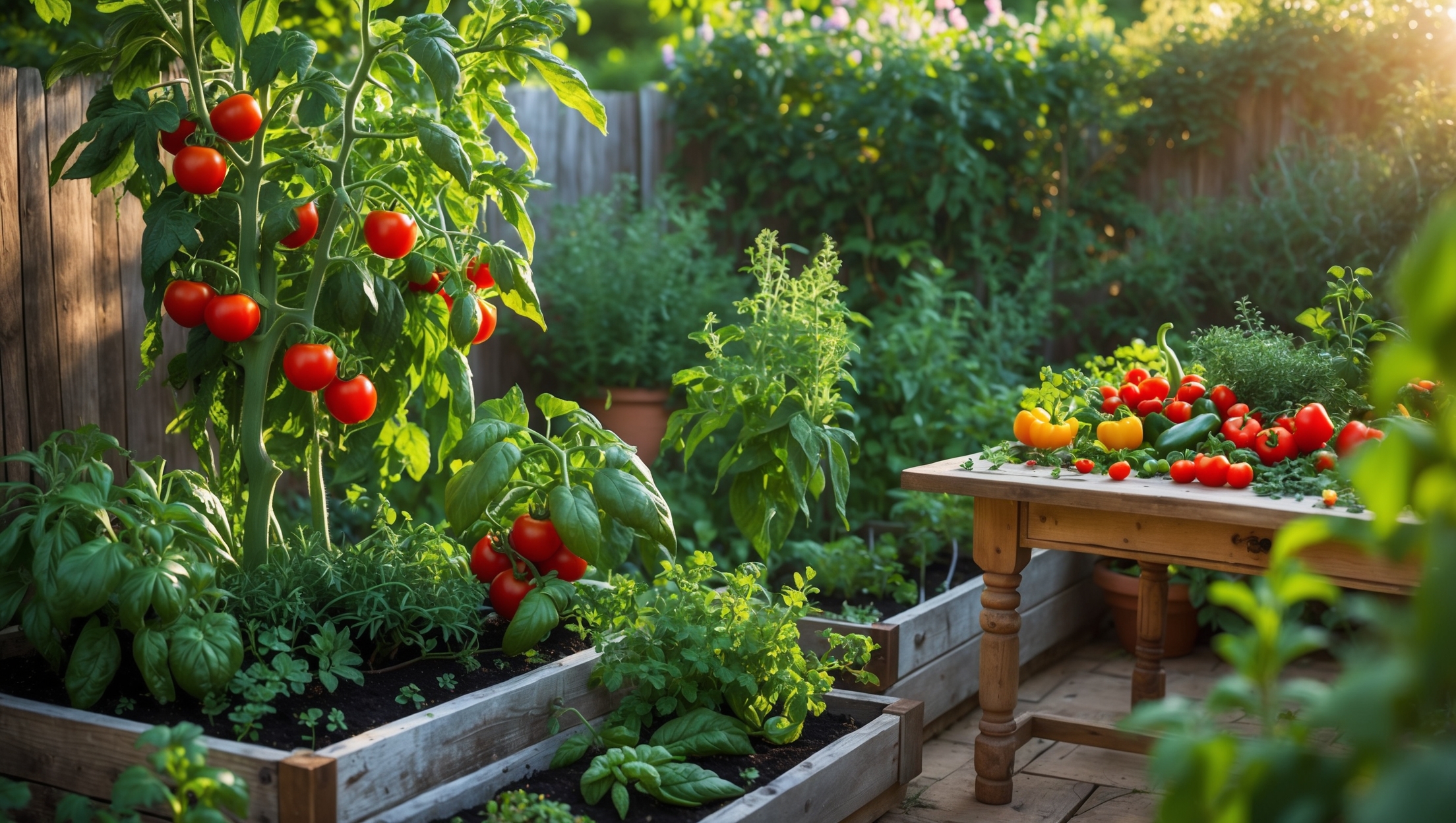
Introduction: Why Build a Home Pizza Garden?
Imagine stepping outside your back door and gathering fresh tomatoes, fragrant basil, spicy peppers, and crisp onions—everything you need for a homemade pizza, grown right in your own backyard. A home pizza garden brings convenience, flavor, and satisfaction to your kitchen by supplying the freshest ingredients possible. But beyond the culinary pleasures, starting this kind of garden is a project that requires thoughtful budgeting and clear understanding of costs. How much will you actually spend? What options exist for different budgets? Where can you save or splurge? In this detailed guide, we’ll break down the real expenses of building a home pizza garden, from soil and seeds to irrigation and ongoing care. We’ll also share practical budgeting tips to help you grow your pizza paradise without financial surprises. Whether you’re dreaming of a few container-grown herbs or a full backyard harvest, this post will show you how to plan your pizza garden project for delicious, cost-effective results.
Planning Your Home Pizza Garden: Scope and Scale
Choosing Your Garden Size
Your budget starts with the scale of your garden. Are you growing a few key toppings for family pizza nights, or aiming to supply weekly feasts all summer? Consider:
- Container Garden: Ideal for renters, balconies, or small yards; can grow tomatoes, herbs, and small peppers in pots.
- Raised Beds: Perfect for most suburban yards; offers better soil control and easier maintenance.
- In-Ground Plots: Best for larger spaces and bigger yields, but may require more significant soil preparation.
What to Grow for Pizza?
- Tomatoes: Essential for sauce—Roma, San Marzano, or cherry varieties are popular.
- Basil: The classic pizza herb.
- Oregano & Thyme: For authentic Italian flavor.
- Peppers: Bell, banana, or hot peppers for toppings.
- Onions & Garlic: For depth of flavor.
- Spinach & Arugula: For gourmet or white pizzas.
- Mushrooms: Optionally, if you have shade and suitable growing conditions.
The crops you choose impact both setup and ongoing costs. Start with the basics and expand as your confidence and appetite grow!
Cost Breakdown: What You’ll Really Spend
Initial Setup Costs
- Containers or Raised Beds:
- Basic plastic pots: $4–$10 each
- Fabric grow bags: $6–$15 each
- Wood for DIY 4×8 raised bed: $60–$120 (untreated cedar or redwood lasts longest)
- Pre-made raised bed kit: $90–$180
- Soil and Amendments:
- Bagged organic potting mix: $8–$12 per 1.5 cu ft (raised bed requires 10–15 bags: $80–$180)
- Compost (store-bought): $5–$8 per bag; homemade is free
- Worm castings, slow-release fertilizer: $10–$20
- Seeds and Starter Plants:
- Seed packets: $2–$4 each (heirloom varieties may cost more)
- Starter plants: $3–$6 each (tomatoes, peppers, herbs)
- Garlic bulbs: $8–$12 per pound
- Mulch: $4–$8 per bag (optional but helps with moisture and weeds)
- Basic Tools: $30–$70 (trowel, pruners, gloves, watering can)
- Irrigation:
- Soaker hose: $18–$35
- Drip irrigation kit: $40–$80
- Watering can: $8–$18
Ongoing and Recurring Costs
- Fertilizer: $10–$25 per season
- Organic Pest Control: $8–$20 per season (Neem oil, insecticidal soap)
- Mulch renewal: $8–$15 per season
- Seed/plant replenishment: $10–$30 per year
- Water: $10–$40 per season, depending on local rates and rainfall
Optional Upgrades
- Trellises or Tomato Cages: $6–$15 each
- Cold Frames or Row Covers: $15–$40 (extends growing season)
- Rain Barrel: $40–$80 (for sustainable watering)
- Compost Bin: $50–$120 (for homemade compost)
Sample Budgets: Three Approaches
1. Minimalist Container Garden (Balcony or Small Patio)
- Four large pots: $40
- Potting mix: $40
- Seeds or starter plants: $25
- Basic tools: $35
- Watering can: $10
- Total: $150
2. Family-Sized Raised Bed (Suburban Yard)
- DIY 4’x8’ raised bed: $100
- Soil and compost: $120
- Plants and seeds: $35
- Irrigation (soaker hose): $30
- Mulch: $15
- Tools: $50
- Total: $350
3. Enthusiast’s Garden (Multiple Beds, Upgrades)
- Two raised beds: $200
- Soil, compost, amendments: $250
- Starter plants, seeds, garlic bulbs: $60
- Drip irrigation system: $80
- Trellises/cages: $30
- Rain barrel: $60
- Compost bin: $100
- Tools: $70
- Seasonal supplies: $35
- Total: $885
Remember, these are estimates—actual costs vary by region, material quality, and whether you can reuse or source items secondhand.
Budget-Smart Strategies for Your Pizza Garden
Reuse and Repurpose Materials
- Use clean food-safe buckets or old planters for containers.
- Scavenge bricks, untreated pallets, or stones for raised bed borders.
- Check local garden groups for free or discounted tools, compost, or plants.
Grow from Seed Where Possible
- Seeds cost less than starter plants and often give you more variety.
- Start tomatoes, peppers, and herbs indoors 6–8 weeks before your last frost date.
- Save seeds from your healthiest plants for next year’s garden.
Make Your Own Compost
- Use kitchen scraps, coffee grounds, and yard waste to create nutrient-rich compost at no extra cost.
- Compost improves soil, reduces need for store-bought amendments, and supports healthy plants.
Water Wisely
- Mulch beds to conserve moisture and reduce watering needs.
- Install a rain barrel to collect free water from your roof.
- Water early in the morning or late in the evening to minimize evaporation.
Stagger Your Purchases
- Focus on essentials your first year; add upgrades like drip irrigation or a rain barrel in future seasons.
- Watch for end-of-season sales on tools, soil, and seeds.
Hidden Costs (and How to Avoid Them)
- Poor Soil Quality: Skimping on soil can lead to disappointing harvests and higher costs for fertilizers and amendments later. Invest in good soil upfront.
- Pest Surprises: Sudden infestations may require emergency pest control supplies. Monitor plants closely and use preventative measures like row covers.
- Overbuying Plants: Crowded gardens lead to disease and poor yields. Plan your space and stick to your list.
- Water Waste: Inefficient watering setups can increase your utility bill. Mulch and drip irrigation save water and money.
- Impulse Upgrades: Fancy garden gadgets can bust your budget. Prioritize core needs and upgrade gradually as your garden grows.
Maximizing Your Investment: Getting the Most from Your Pizza Garden
Successive Planting
Grow early crops like spinach and arugula first; replace them with basil or peppers as the season warms.
Preserving Your Harvest
- Can or freeze tomato sauce for off-season pizza nights.
- Dry herbs for winter use; store in airtight containers.
- Pickle extra peppers and onions for flavorful toppings year-round.
Sharing and Swapping
- Trade extra seedlings or produce with friends and neighbors for variety and savings.
- Join local gardening groups to access free advice and resources.
Frequently Asked Questions
How much money can I save by growing my own pizza ingredients?
Depending on your consumption and the size of your garden, you can save $50–$200 per season on premium fresh produce and herbs, especially if you preserve or share extra harvests. The upfront investment pays off over several seasons as perennial herbs and infrastructure last for years.
Do I need special permits to build a pizza garden?
Most home food gardens do not require permits, but check with your local municipality or homeowners association for any restrictions on raised beds, compost bins, or rain barrels.
Can I grow pizza ingredients indoors?
Yes: herbs, small tomatoes, and peppers can thrive in containers under grow lights. Indoor gardening costs more upfront for lighting and equipment but can extend your growing season year-round.
Conclusion: Bringing Your Pizza Dreams to Life
Building a home pizza garden is an investment in flavorful meals, healthy living, and the simple joy of harvesting your own food. While the costs can vary widely depending on your space and ambitions, careful planning and smart budgeting make this project accessible for nearly everyone. Start with the essentials: a sunny spot, good soil, and a handful of your favorite pizza toppings. Use the cost breakdowns and budgeting tips in this guide to avoid common pitfalls and stretch your gardening dollars. Remember, you don’t need to build the whole garden at once—grow your skills and your crops season by season. Along the way, you’ll discover new flavors, connect with your food, and maybe even inspire your neighbors to join in. Whether you’re crafting a single Margherita or hosting backyard pizza parties, your home pizza garden will pay delicious dividends for years to come. So gather your seeds, set your budget, and start planning—your next great pizza night begins in the backyard.
For someone new to gardening, about how much time should I expect to spend on maintaining a pizza garden each week, especially if I opt for a raised bed versus multiple containers?
For a beginner, maintaining a pizza garden in a raised bed typically takes about 1–2 hours per week. This includes watering, weeding, and checking for pests. If you choose multiple containers instead, expect to spend a bit more time—around 2–3 hours weekly—since each container may need individual attention.
I’m trying to decide between starting a container garden or building a raised bed like you mentioned. Do you have any ballpark figures on how much more expensive raised beds are to set up for a pizza garden compared to containers?
Setting up a raised bed is generally more expensive than starting with containers. For a small pizza garden, raised beds might cost $100–$300 for materials like lumber and soil, while containers could be $10–$20 each, depending on size and material. The total for containers will depend on how many you use, but for equivalent growing space, raised beds typically cost more upfront.
When figuring out a budget for a raised bed pizza garden, what are some unexpected costs that people might forget to include—like tools or soil amendments?
People often overlook the cost of quality soil, compost, and amendments needed to ensure healthy plants. Tools like trowels, gloves, and watering cans can also add up. Don’t forget about mulch, trellises for vining plants, and irrigation supplies, which are easy to miss but can impact your budget.
If I want to start with just a few pots for tomatoes and basil on my apartment balcony, what would be a realistic budget for containers, soil, and seeds for a first-timer?
Starting small with a few pots for tomatoes and basil is a great approach. You can expect to spend around $10–$20 per pot, $10–$15 on quality potting soil, and $5–$10 for seeds or starter plants. Overall, a realistic starting budget would be about $40–$60 for your first season.
You mention growing mushrooms as an optional ingredient. Are there any low-cost ways to add mushrooms to a home pizza garden if my yard doesn’t have much shade, or should I stick with the other suggested toppings?
Mushrooms usually prefer shady, humid spots, but you can still grow them at home using inexpensive kits or buckets indoors, such as in a basement or under a sink. These do-it-yourself options don’t require a shady yard and can be quite affordable. If those aren’t possible, focusing on sun-loving toppings is a great alternative.
When planning a pizza garden, how much should I expect to spend on setting up raised beds compared to using containers, especially if I want enough tomatoes and herbs for regular family pizzas all summer?
Setting up raised beds for a full season of pizza ingredients usually costs between $100 and $300, depending on wood and soil quality, but you’ll get more growing space and easier maintenance. Containers can be cheaper upfront—around $10 to $30 each—but you’ll need several large ones for enough tomatoes and herbs, which can add up. Raised beds are more cost-effective and productive for a family-sized pizza garden over the summer.
Could you give a rough estimate of how much more it might cost to set up a small raised bed versus starting a simple container garden for pizza ingredients? I’m trying to decide which is more budget-friendly for a beginner.
A small raised bed typically costs $100 to $300 to set up, mainly due to lumber, soil, and hardware. In contrast, starting a simple container garden for pizza ingredients can be as low as $30 to $80, depending on container size and material. For a beginner watching costs, containers are usually the more budget-friendly choice.
For someone new to gardening, how much time per week would it take to maintain a pizza garden in raised beds, especially once everything is planted? I want to be realistic about the ongoing care involved.
Once your pizza garden is planted in raised beds, you can expect to spend about 2 to 4 hours per week on maintenance. This includes watering (more often in hot weather), weeding, checking for pests, harvesting, and occasional pruning. The time may vary a bit based on the size of your garden and weather conditions, but most beginners find this amount manageable.
When deciding between container gardening and raised beds, how much of a difference should I expect in initial setup costs, especially for things like soil and irrigation materials?
Container gardening typically has a lower initial setup cost because you’ll need less soil and your irrigation can be as simple as hand watering or a small drip system. Raised beds often require more soil to fill the beds and a more extensive irrigation setup, which increases both material and labor costs. Expect raised beds to cost about 2–3 times more than containers, especially if you’re buying quality soil and installing automated irrigation.
You mentioned practical budgeting tips, but what are some common unexpected expenses people run into when starting a pizza garden, especially with irrigation or ongoing care?
Some common unexpected expenses include the cost of repairing or upgrading irrigation systems, buying replacement hoses or timers, and dealing with water run-off issues. People also often underestimate ongoing expenses for pest control, soil amendments, mulch, and replacing plants lost to disease or weather. Planning a small emergency fund in your budget can help cover these surprises.
Is there an average monthly maintenance cost I should budget for after the initial setup, especially if I want to include things like irrigation for tomatoes and peppers?
After the initial setup, you should budget around $15 to $30 per month for maintenance. This covers water costs for irrigation, basic fertilizers, and occasional pest control. If you automate irrigation, electricity costs may add a few dollars. Keep in mind, seasonal needs or replacing plants could make some months higher.
For someone with limited space looking to start with just basil, oregano, and cherry tomatoes, what would be the most cost-effective way to set up a beginner-friendly pizza garden according to your breakdown?
For a small-space, budget-friendly pizza garden, start with pots or containers for each plant—these are cheaper than raised beds and work well on balconies or patios. Choose starter plants instead of seeds to save time. Use a good quality potting mix, and remember that basil, oregano, and cherry tomatoes all need plenty of sun. This setup minimizes cost while keeping it beginner-friendly.
For those of us with very limited space, do you have tips on which pizza ingredients do best in small containers versus which ones really need more room, like in a raised bed or in-ground plot?
For small spaces, herbs like basil, oregano, and thyme thrive in containers and don’t need much root space. Cherry tomatoes and compact pepper varieties also do well in pots. Larger plants like full-size tomato varieties and sprawling squash usually need the depth and space of a raised bed or ground plot for best results.
You mentioned raised beds being good for soil control, but do those end up costing a lot more than just using pots or going directly in the ground? I’m trying to decide which method would be the most cost-effective for a beginner.
Raised beds can be more expensive upfront due to the cost of materials and soil, especially compared to planting directly in the ground. Pots can also be affordable if you only need a few. For beginners on a budget, starting in the ground is usually the most cost-effective, as it avoids extra material costs.
I’m curious about the initial setup costs for a small container garden versus a raised bed. Could you give a rough estimate or example of the price difference to get started with each option for growing pizza ingredients?
A small container garden setup for pizza ingredients usually costs between $50 and $100, including pots, soil, and starter plants. A basic raised bed setup tends to range from $150 to $300, covering lumber or a kit, soil, and plants. The raised bed is more expensive up front but offers more growing space and flexibility.
Could you elaborate on the ongoing care costs mentioned for a home pizza garden? I’m curious whether fertilizers and irrigation tend to be significant annual expenses or if the main costs are just at the initial setup.
Ongoing care costs for a home pizza garden are usually modest compared to the initial setup. Fertilizers and compost can add up, but if you use organic or homemade options, expenses stay low. Irrigation costs depend on your setup—manual watering keeps costs minimal, while automated systems use a bit more water and electricity but require little maintenance. Most of your investment is upfront; annual care is manageable for a small home garden.
Do you have any tips for estimating startup costs if you want to do both tomatoes and mushrooms in a smaller backyard setup? I noticed you mentioned mushrooms in passing—are there extra expenses or equipment for growing those compared to the other pizza toppings?
Growing both tomatoes and mushrooms does require some extra planning. For mushrooms, you’ll need to factor in costs for things like a growing kit or spawn, a humid environment (often a small indoor setup or shaded outdoor area), and possibly containers or substrate (like straw or sawdust). These are additional compared to tomatoes, which mainly need soil, pots, and stakes. Estimating about $30–$80 extra for mushroom supplies is reasonable for a small setup.
If I want to grow mushrooms for my pizza garden but only have a sunny backyard, do you have suggestions for affordable ways to create enough shade or is it better to buy them separately?
Growing mushrooms usually requires a cool, shady, and humid environment, which is tough to achieve in a sunny backyard. You could try creating shade with a simple structure like a tarp, shade cloth, or even an old patio umbrella, but maintaining the right moisture can still be tricky. For most home pizza gardens, it tends to be easier and often more cost-effective to buy mushrooms separately unless you’re ready to invest in proper shade and moisture controls.
For someone with really limited space, like just a sunny apartment balcony, do you have any tips for choosing between containers versus vertical gardening setups for pizza ingredients?
If you have a small sunny balcony, vertical gardening is a great way to maximize your space for pizza ingredients, like herbs and tomatoes. Containers work well for flexibility and can be moved if sunlight shifts. Try combining both: use containers for larger plants and a vertical setup for herbs and lettuces. This way, you get the most variety in a small footprint.
Could you give a rough estimate of the ongoing care costs involved after the initial setup of a pizza garden, particularly if you’re growing tomatoes and basil in raised beds?
After the initial setup, ongoing care costs for tomatoes and basil in raised beds are relatively modest. Expect to spend around $20–$50 per season on items like organic fertilizer, mulch, replacement seeds or seedlings, and occasional pest control. If you water by hand, your water costs should be low, but drip irrigation may add $10–$20 per season.
When figuring out the cost for a raised bed versus an in-ground plot, do you have rough estimates for initial setup and annual maintenance? I’m trying to decide which option fits best with a tight budget long-term.
For a raised bed, initial setup usually ranges from $100 to $300 depending on materials, while annual maintenance (soil amendments, compost, minor repairs) is about $20–$50. An in-ground plot typically costs $30–$50 to start and $10–$30 per year for upkeep. In-ground is generally more budget-friendly long-term, though raised beds can offer better soil control.
You mention that in-ground plots might need more significant soil preparation. What kind of soil improvements are typically needed and how much might those add to the budget up front?
For in-ground plots, you’ll often need to improve soil fertility and structure. This usually involves adding compost, organic matter, and sometimes sand or topsoil to enhance drainage and nutrients. Upfront costs can range from $50 to $200, depending on the plot size and quality of your existing soil. Testing your soil first will help you target what’s needed most.
You mention raised beds being best for most suburban yards. Does the article break down costs like wood and soil separately for raised beds compared to growing directly in the ground, and which is more budget friendly over time?
The article does list separate costs for raised beds, including materials like wood and purchased soil, while noting that in-ground gardening mainly requires soil amendments. Raised beds have higher upfront costs, but the article suggests that in-ground gardening is generally more budget friendly long term, provided your soil quality is good.
How long does it usually take from starting a pizza garden to being able to make your first pizza with homegrown ingredients, especially if you want tomatoes and basil for the sauce and toppings?
If you start your pizza garden from seeds, you’ll typically wait about 2–3 months for basil and 3–4 months for tomatoes to be ready for harvest. This means you can expect to make your first pizza with homegrown toppings roughly 3 to 4 months after planting, depending on your local growing conditions.
You mention practical budgeting tips for avoiding financial surprises—could you clarify what unexpected expenses tend to pop up most often for beginners building their first pizza garden?
Unexpected costs for first-time pizza garden builders often include soil amendments, extra planters or raised beds, pest control supplies, irrigation parts, and last-minute tool purchases. Delivery fees for bulk soil or mulch and replacing failed plants can also add up. Setting aside a small extra fund for these issues helps you stay on track.
When budgeting for raised beds versus in-ground plots, which option typically offers better value for a family wanting to grow tomatoes, basil, and a few peppers? I’m wondering where costs could really add up or be saved.
In-ground plots generally offer better value upfront since you avoid the cost of lumber, soil, and hardware needed for raised beds. Raised beds can get pricey, especially if you buy quality materials and soil, but they offer better drainage and easier access. If your soil is decent, in-ground is more budget-friendly, but raised beds are worth considering for poor soil or higher yields.
When figuring out the budget, how much should I expect to spend each season on ongoing care, like fertilizer and replacing plants, after the initial setup costs for a container pizza garden?
After your initial setup for a container pizza garden, you can expect to spend about $30 to $60 per season on ongoing care. This includes fertilizer, new soil or compost, and replacing any plants that don’t survive. The exact amount depends on the number of containers and the types of plants you grow each year.
If the soil quality in my backyard isn’t great, do you recommend investing more in raised beds or spending on soil amendments for an in-ground plot, especially when trying to keep costs down?
If you’re watching your budget, improving your existing soil with amendments like compost or manure is usually more affordable than building raised beds. Raised beds do offer advantages, but the cost of materials and purchasing soil can add up quickly. Start by amending your in-ground plot and see how your plants respond—this approach stretches your budget further.
Are there any tips for reducing ongoing care costs after the initial setup, like with irrigation or soil amendments? I want to keep long-term expenses predictable while still getting good yields for family pizza nights.
To keep ongoing care costs low, consider installing a drip irrigation system with a timer to use water efficiently. Use homemade compost or mulch from yard waste to reduce the need for store-bought soil amendments. Crop rotation and planting disease-resistant varieties can also lower the costs of pest and disease management over time.
If I want to start with just the basics like tomatoes, basil, and peppers, what kind of timeline should I expect from planting to harvesting viable pizza ingredients? Does that vary much between container gardens and in-ground plots?
For tomatoes, basil, and peppers, expect 60 to 90 days from planting seeds to harvesting, depending on the variety and your local climate. Container gardens may warm up faster in spring, sometimes speeding up early growth, but generally both containers and in-ground plots have similar timelines. Just be sure containers have good drainage and enough sunlight.
Do you have any tips for minimizing upfront costs when setting up a raised bed pizza garden? I’m trying to figure out where it’s okay to cut corners and where I really need to invest.
To minimize upfront costs, consider using reclaimed or untreated wood for your raised beds, or even repurpose materials like bricks or cinder blocks. Focus your budget on good quality soil and compost, since healthy soil is crucial for productive plants. You can also start many pizza garden staples, like tomatoes and basil, from seed instead of buying seedlings to save money.
I’m trying to figure out where I could cut costs the most. Between soil, seeds, and setting up irrigation, where do most beginners end up overspending when starting a pizza garden?
Most beginners tend to overspend on soil and pre-made soil mixes, especially if they buy premium products instead of amending existing soil. Starting seeds is generally inexpensive, and a basic irrigation setup can be affordable if kept simple. Focus on improving your native soil with compost and consider hand-watering at first to save money.
For someone new to gardening, what would you recommend as the easiest starting combination of pizza ingredients to grow on a tight budget, especially if I only have a balcony?
With a balcony and a tight budget, start with compact, easy herbs like basil and oregano, and cherry tomatoes, which do well in pots. These three ingredients are low-maintenance, adaptable to small spaces, and cover the core flavors for homemade pizza toppings.
You mentioned soil and irrigation as key expenses. For someone with limited outdoor space, is it better to invest more in high-quality soil or a small drip irrigation system for the best yields?
If you have limited outdoor space, investing in high-quality soil will likely give you the best yields. Good soil directly supports healthy root growth and nutrient uptake in small planting areas. A simple watering routine can usually work in compact gardens, so a drip irrigation system is less essential unless your schedule makes hand-watering difficult.
After the initial investment, how long does it usually take to see real savings on grocery bills by harvesting your own pizza ingredients?
After your initial investment in garden setup and supplies, most people start noticing savings on their grocery bills within the first full growing season, usually 3 to 6 months. The exact timeframe depends on your local climate and how much you harvest, but homegrown ingredients like tomatoes, herbs, and peppers quickly add up in value once your garden is producing well.
I noticed you mentioned raised beds as a good option for suburban yards. From your experience, does the initial investment in building raised beds actually pay off in harvest yield or ease of maintenance compared to in-ground plots?
Raised beds usually pay off over time, especially for suburban yards. They offer better drainage, easier weed control, and less soil compaction, which can boost harvest yields. Plus, maintenance like watering and harvesting is more comfortable. The upfront cost is higher, but you often save on soil amendments and labor in the long run.
You mentioned growing mushrooms as an option if you have shade. Are there any cost-effective ways to add a shaded area to a mostly sunny yard for someone interested in adding mushrooms to their pizza garden?
Absolutely, you can create a shaded spot without spending much. Use inexpensive materials like a pop-up canopy, a simple garden umbrella, or even a DIY frame covered with shade cloth or old sheets. Positioning tall potted plants or stacking pallets can also provide some shade. These temporary setups let you experiment with mushroom growing before making bigger investments.
For a raised bed pizza garden aimed at feeding a family weekly through summer, could you provide a ballpark estimate for both the upfront costs and expected ongoing expenses, like soil amendments or irrigation maintenance?
For a raised bed pizza garden to supply a family weekly in summer, initial costs typically range from $200 to $400. This covers materials for the bed, quality soil, compost, and starter plants or seeds. Ongoing expenses for soil amendments and irrigation maintenance are usually around $30 to $60 per season, depending on your local prices and garden size.
If I’m planning an in-ground pizza garden but my backyard soil isn’t great, what are the hidden costs to watch out for in terms of soil improvement, and how much should I budget for that?
Improving poor backyard soil can involve costs like purchasing quality topsoil, compost, and soil amendments such as lime or gypsum. You might also need tools for tilling and testing. For a small in-ground pizza garden, budget about $100–$300 for these materials and tests, depending on local prices and garden size.
How much of a budget difference is there between starting a container pizza garden versus setting up a small raised bed for the same plants? I have limited space and want to figure out which method gives the best value.
Starting a container pizza garden usually costs less upfront since you can reuse pots and only buy the soil and a few containers. A small raised bed, while efficient, involves higher initial expenses for lumber, soil, and hardware. For limited space and budget, containers are generally more affordable and flexible, but raised beds might offer better yield per square foot if you can invest a bit more.
Could you provide some tips for growing mushrooms as part of a pizza garden, especially in a typical backyard with limited shady spots? Is it worth including them if my budget is tight?
Growing mushrooms can be challenging in a sunny backyard since they need moist, shady spots. You could try growing them indoors or in a shady corner using mushroom kits, which are cost-effective and beginner-friendly. If your budget is tight, consider focusing on more sun-loving pizza ingredients and add mushrooms later when resources allow.
You mentioned raised beds as being easier to maintain than in-ground plots. Could you break down the pros and cons of each in terms of ongoing care and maintenance costs, not just setup?
Raised beds usually require less weeding and have better drainage, making maintenance easier and saving time. However, they may need occasional replenishing of soil and more frequent watering, which can add to costs. In-ground plots have lower ongoing costs but often need more weeding and may suffer from poorer drainage, leading to potential soil amendments or pest management expenses over time.
Do you have any advice on estimating the ongoing costs for maintaining a pizza garden, like watering and fertilizers, after the initial setup?
To estimate ongoing costs, consider the size of your garden and local water rates for irrigation. Fertilizer expenses will depend on whether you use organic or synthetic products and how often you apply them. Tracking monthly water usage and noting how quickly you use up fertilizer packages can help you set a realistic budget for regular maintenance.
What’s the best way to budget for ongoing care, like watering and fertilizer, especially if I’m new to gardening and not sure how much these extras add up over a whole summer?
To budget for ongoing care, estimate how often you’ll water and fertilize, then check local prices for water (if metered) and gardening supplies. Track your usage for a few weeks, then use that average to project costs for the whole summer. Setting aside a fixed monthly amount can also help manage unexpected expenses.
For someone with just a small balcony, would it be possible to grow enough toppings in containers for a weekly family pizza night, or would I end up spending more on containers and soil than buying fresh produce?
With a small balcony, you can definitely grow basic pizza toppings like basil, oregano, and even a couple of tomato or pepper plants in containers. While there is an initial investment for pots and soil, you can often reuse them for years. Over a season, especially if you stick to herbs and a few vegetables, you’ll likely save money compared to buying fresh herbs every week, and you’ll enjoy fresher flavors.
You mentioned choosing between container gardens, raised beds, and in-ground plots. If I want a decent harvest but don’t have a ton of experience, which option is most cost-effective in the long run when you factor in setup and maintenance costs?
For a beginner aiming for a good harvest, in-ground plots are usually the most cost-effective over time. They have lower initial setup costs since you don’t need to buy containers or build raised beds, and maintenance is generally simpler. Just make sure your soil is healthy and has good drainage, and you’ll keep ongoing expenses minimal.
If I only have room for a few pots on my apartment balcony, which pizza ingredients would give me the most value for the space and investment? I’d love to prioritize the best options for limited budgets.
With limited balcony space, focus on growing herbs like basil and oregano—these thrive in pots, are essential to pizza flavor, and can be harvested continuously. Cherry tomatoes are also a great choice for their high yield in compact containers. These options maximize both value and flavor for homemade pizza.
If I want to start harvesting ingredients for pizza by midsummer, when should I begin prepping my garden and buying supplies?
To harvest pizza garden ingredients by midsummer, start prepping your garden and buying supplies in early spring. Aim to sow seeds or plant seedlings as soon as the danger of frost has passed in your area, usually between March and April. This timing helps ensure your tomatoes, basil, and other typical pizza toppings are ready by midseason.
I’m curious about the ongoing costs after the initial setup. Besides buying seeds and soil, what kind of monthly expenses should I expect for things like irrigation or pest control in a home pizza garden?
After the initial setup, ongoing monthly expenses might include water for irrigation, which can vary depending on your local rates and garden size. You may also spend on natural pest control solutions or fertilizers. Occasionally, you might replace mulch or organic matter. These costs are usually modest, often totaling $10–$30 per month depending on your choices and garden scale.
When budgeting for a home pizza garden, do you have estimates for the initial setup costs and ongoing maintenance for each of the garden types mentioned, like container gardens versus raised beds or in-ground plots?
For a container garden, initial setup usually ranges from $50 to $200, depending on the number and type of containers and soil. Raised beds can cost $150 to $400 upfront due to lumber and more soil needed. In-ground plots are often the least expensive to start, often under $100 if your soil is suitable. Ongoing annual maintenance—including seeds, fertilizer, and water—typically runs $30 to $75 for any type.
I noticed mushrooms are listed as an option if you have shade—are there any cost-effective ways to incorporate mushroom growing into a pizza garden, or does that significantly increase the initial budget?
Incorporating mushrooms into your pizza garden can be quite cost-effective. You don’t need large infrastructure—often, mushroom growing kits or DIY methods using logs or straw can keep costs low, usually under $30–$50 to start. Just be sure to set aside a shaded, moist spot and follow the kit or method instructions.
When budgeting for an in-ground pizza garden, how much should I expect to spend upfront on soil preparation compared to using raised beds? I want to make sure I’m considering all the initial costs before choosing between the two.
For an in-ground pizza garden, upfront soil preparation typically runs $50–$150 for soil testing, amendments, and basic tools. In contrast, raised beds require purchasing materials for the beds themselves plus extra soil and compost, which can bring your initial costs to $200–$500 or more. Raised beds cost more at the start but can offer better soil control, while in-ground gardens are more budget-friendly if your native soil is good quality.
If I have a very limited budget, which essential ingredients for pizza would you recommend prioritizing for a small container garden, and are there any specific varieties that tend to do better in pots?
For a small container garden on a tight budget, prioritize tomatoes, basil, and oregano since they’re core pizza ingredients and grow well in pots. Choose compact determinate tomato varieties like ‘Roma’ or ‘Tiny Tim’, and bush-type basil such as Genovese or Spicy Globe. Oregano is naturally well-suited for containers too.
The article mentions container gardens as a good option for renters or small spaces. Do you have any tips for minimizing ongoing costs, like watering or replacing soil, for those choosing containers?
To minimize ongoing costs with container gardens, try using mulch on top of the soil to reduce water evaporation and water less often. Choose self-watering containers or reuse household water (like cooled vegetable cooking water) when safe. Refresh soil by mixing in compost or organic matter yearly instead of replacing it fully.
I’m new to gardening, so I’m wondering how much extra I should budget for starting with raised beds versus containers. Is there a big difference in startup and maintenance costs between the two?
Starting with raised beds usually costs more upfront because of the lumber, soil, and materials needed to build and fill the beds. Containers can be more affordable, especially if you reuse pots or other items. For raised beds, budget about $100–$300 per bed, while a set of containers could cost $20–$80. Maintenance costs are similar, but raised beds may need more soil and compost over time.
Do you have any advice on keeping costs down for irrigation systems when planning a pizza garden in a small backyard?
For a small backyard pizza garden, you can keep irrigation costs low by using a soaker hose or drip irrigation kits, which are affordable and easy to install. Repurposing rainwater with a barrel setup can also save money on water bills. Water early in the morning to reduce evaporation and maximize efficiency.
For someone with a very small balcony, do you have any specific recommendations on which containers work best for growing tomatoes and basil together, or should those be separated for better results?
For small balconies, a large container (at least 5 gallons) can work for both tomatoes and basil, but basil may do better in its own smaller pot. Tomatoes need deeper soil and more nutrients, so separating them often gives better results and makes care easier. Use containers with good drainage for both.
You mentioned that container gardens are good for small spaces and renters. Is it possible to grow enough tomatoes and herbs in containers to make pizza regularly throughout the summer, or does yield drop off compared to raised beds?
You can definitely grow enough tomatoes and herbs like basil and oregano in containers to make pizza regularly all summer, especially if you use larger pots for tomatoes and keep harvesting your herbs to encourage new growth. While yields per plant are sometimes a bit lower than in raised beds, with good care, sunlight, and consistent watering, containers can be surprisingly productive.
When you’re figuring out the budget for a pizza garden, how much of a price difference should I expect between starting with seeds versus buying young starter plants, especially for tomatoes and basil?
Starting a pizza garden from seeds is typically much cheaper—seed packets for tomatoes and basil usually cost a few dollars and offer many plants. In contrast, young starter plants generally cost several dollars each. For a small garden, seeds might be a quarter to a third of the cost compared to buying starters, but require more time and care to grow.
Can you give an estimate of how much it might cost to start with just a small container garden for pizza ingredients, including pots and soil, versus a raised bed setup for a beginner?
For a small container garden with pots, soil, and a few starter plants (like tomatoes, basil, and peppers), you can expect to spend around $50 to $100. A basic raised bed setup, including lumber, soil, and the same starter plants, typically ranges from $150 to $300, depending on size and materials.
Once the initial costs for soil, seeds, and irrigation are covered, what should I expect for typical ongoing maintenance expenses during the growing season? A ballpark monthly figure would be really helpful for planning my budget.
After your initial setup, typical ongoing maintenance costs mostly cover fertilizers, pest control, minor tool replacements, and water usage. Most home pizza gardens average about $10 to $25 per month, depending on garden size and local prices. If you use organic products, your expenses may be at the higher end of that range.
When figuring out the budget, how much more expensive is it to start with raised beds compared to just using containers? I have a small yard and am trying to decide if it’s worth the extra investment for soil and lumber.
Raised beds typically cost more upfront than containers, mainly due to the price of lumber and the larger amount of soil needed to fill them. For a small yard, containers can be much more budget-friendly, with costs depending on their size and material. Raised beds offer more growing space and may improve yields, but if you’re watching expenses, containers are a solid choice, especially for starting out.
How much can I expect to spend starting out with a small container garden for just tomatoes, basil, and peppers? Are there common costs people overlook when budgeting for containers versus raised beds?
Starting a small container garden for tomatoes, basil, and peppers usually costs $50 to $150, depending on the quality of containers, soil, and plants or seeds you choose. Often-overlooked costs include good potting mix, drainage materials, fertilizer, and sturdy containers, which can add up more than people expect compared to raised beds.
For the raised bed option you mentioned, do you have any ballpark figures on the initial investment needed for lumber, soil, and basic irrigation? I’m trying to figure out if going with raised beds makes sense for a small suburban yard.
For a small raised bed (about 4×8 feet), expect to spend roughly $100–$150 for untreated lumber, $100–$200 for quality soil and compost, and around $50–$100 for a basic drip irrigation kit. So, the initial setup could range from $250 to $450, depending on your choices and local prices.
When considering container gardens versus raised beds, what are the biggest ongoing maintenance differences and costs I should be aware of before deciding which setup is better for a beginner?
Container gardens usually need more frequent watering since they dry out faster, and you’ll likely need to replenish potting soil and nutrients each season. Raised beds require less frequent watering, maintain soil quality longer, but may need periodic weeding and occasional additions of compost. Upfront, containers can be cheaper, but soil and fertilizer costs can add up over time.
You mentioned that in-ground plots require more significant soil preparation. What kind of costs should I expect if my yard soil isn’t great, and would it be more budget-friendly in the long run than setting up raised beds?
If your yard soil needs major improvement, costs can include topsoil or compost, soil testing, and amendments like lime or fertilizer—often totaling $100 to $300 for a small garden. Raised beds cost more upfront (materials, high-quality soil), but they can reduce ongoing soil fixes. Over several years, in-ground plots can be more budget-friendly if you’re willing to invest time in improving your soil.
After the initial investment in materials and plants, about how much should I expect to budget each year for ongoing care like fertilizer, water, and replacing plants? Just want to avoid any surprise costs down the line.
Once your pizza garden is set up, you can typically expect to spend $25 to $50 per year on ongoing care. This covers fertilizer, replacing a few plants (like basil or tomatoes), and increased water use during growing season. If you compost or save seeds, you can keep costs at the lower end.
For someone who’s never gardened before, what would you recommend as a realistic starter budget for a basic home pizza garden with just the essential ingredients like tomatoes and basil?
For a beginner, you can start a basic home pizza garden with tomatoes and basil for about $40 to $70. This covers seeds or starter plants, basic soil or compost, a couple of containers or small raised beds, and some fertilizer. If you already have some supplies at home, your costs could be even lower.
The article mentions budgeting tips to avoid surprises. What’s the most common unexpected expense new home pizza gardeners run into, and is there a good way to plan for it from the start?
A common unexpected expense is investing in quality soil and amendments, since many beginners underestimate how much their garden will need for healthy pizza ingredients. To plan for this, allocate extra funds in your budget specifically for soil, compost, and fertilizer, and get quotes before you start planting.
I noticed you mentioned raised beds offer better soil control, but would they really make a big difference compared to in-ground plots if my yard soil is already decent? Is it worth the extra expense for someone new to gardening?
If your yard soil is already healthy and drains well, in-ground plots can work just fine, especially for a beginner. Raised beds mainly help if you have poor or compacted soil, drainage issues, or want to garden without bending over as much. For someone new, starting in-ground could save you both money and effort, and you can always switch to raised beds later if needed.
When you talk about budgeting, do most of the costs happen upfront, or should I plan for ongoing expenses throughout the growing season? I want to avoid any surprise costs as a beginner.
Most of the costs for a home pizza garden are upfront, such as buying soil, containers, seeds, and tools. However, you should also plan for some ongoing expenses like water, fertilizer, and possibly pest control throughout the season. Setting aside a small monthly budget for these will help you avoid surprises.
The article mentions mushrooms as an option if you have shade—could you elaborate on what kind of setup or additional costs might be involved for adding mushrooms to a home pizza garden?
Growing mushrooms for your pizza garden can be done using kits or homemade setups. Kits cost around $20–$40 and include spores and a substrate, making them easy for beginners. For a DIY approach, you’ll need mushroom spawn (about $10–$20), a shady spot, and materials like logs or straw, which can add another $10–$30. Mushrooms prefer damp, low-light conditions, so a shaded area or even a basement works well.
When figuring out the overall budget, how much should I expect to spend upfront if I want to start with raised beds instead of containers, considering things like soil and materials?
If you start with raised beds, plan for an upfront cost of around $100 to $300 per bed, depending on size, wood type, and local pricing. This estimate includes untreated lumber, soil, compost, and hardware. Raised beds require more soil than containers, so most of the budget goes to high-quality soil and amendments.
How long does it usually take from planting the first seeds to actually being able to harvest enough for a full homemade pizza night with all the toppings?
Typically, you’ll need about 2 to 4 months from planting seeds to harvesting enough for a full pizza night, depending on the vegetables and herbs you choose. Fast growers like basil and some greens can be ready in a month, while tomatoes and peppers may take 70 to 90 days. Start seeds indoors early if possible to speed things up.
If I want to start harvesting enough tomatoes and basil for weekly pizza nights, about how long does it usually take from planting to first harvest in a typical backyard setup?
For most common tomato varieties, you’ll need about 60 to 85 days from transplanting seedlings to your first harvest. Basil grows faster and is usually ready for its first small harvest in 3 to 4 weeks after planting. Starting from seeds can add extra time, so using young plants can speed things up.
How much should I set aside if I want to do a container garden with just tomatoes, basil, and peppers for a family of four? Would that be significantly less than starting a small raised bed?
For a basic container garden with tomatoes, basil, and peppers for a family of four, you should budget around $60–$120. This covers good-sized pots, potting mix, and starter plants or seeds. This is usually less expensive than building even a small raised bed, since raised beds require lumber, more soil, and other materials.
What’s a realistic timeline from when you start setting up your pizza garden until you can actually start harvesting ingredients for pizza? I want to plan ahead for our first backyard pizza night.
Most pizza garden ingredients like basil, oregano, and tomatoes take about 2 to 4 months from planting to harvest, depending on your climate and whether you start from seeds or young plants. If you plant seedlings after the last frost, you can plan your first pizza night for late summer.
If I’m starting out and want to gradually expand to include more toppings like peppers or onions, how should I budget for adding new plants or garden space over time? Is it better to plan for expansion now or just add as I go?
If you have the space and resources, planning for future expansion now allows you to set up your garden layout more efficiently, which can save effort later. However, adding plants gradually is perfectly fine—just budget a small amount each season for new plants and any extra soil or containers you might need. This way, you spread out the cost and can adjust based on your experience and preferences.
When it comes to container gardens versus raised beds, is there a big difference in the upfront costs for things like soil and materials? I have a really small yard and am not sure which route would save more money starting out.
Container gardens usually have a lower upfront cost, especially for small spaces. You’ll need less soil and fewer materials since you can start with just a few pots. Raised beds require more lumber or kits and a larger volume of soil to fill them, which can add up quickly. For a small yard and tighter budget, containers are generally more affordable to start with.
If I want to grow onions and garlic for pizza toppings but only have space for pots on a balcony, do you have any suggestions for choosing the right container size and avoiding crowding?
For onions, use pots that are at least 6–8 inches deep and allow around 3 inches between bulbs. Garlic prefers containers 8–10 inches deep, with cloves spaced 4–6 inches apart. Avoid crowding by planting fewer bulbs per pot and making sure each has enough room to form full heads.
If I only have a small balcony for containers, which ingredients would give me the best yield-to-cost ratio for regular homemade pizzas, and how should I prioritize soil and containers in my budget?
With a small balcony, focus on growing high-yield, essential pizza ingredients like tomatoes (especially cherry varieties), basil, and oregano in containers. Prioritize your budget on quality potting soil—it makes a big difference in productivity. Sturdy mid-sized containers are ideal for tomatoes, while herbs thrive in smaller pots. Investing more in soil than fancy containers will likely pay off with tastier, more abundant harvests.
Can you give more detail about how much space you actually need to grow enough tomatoes, basil, and peppers for weekly family pizza nights if you’re using containers versus raised beds?
For a family enjoying pizza weekly, you’ll want about 4-5 large tomato plants, 2-3 pepper plants, and several basil plants. In containers, you’d need about 24-30 inches per tomato, 18 inches per pepper, and 8-12 inches per basil plant, so plan for several 5-gallon pots or similar. Raised beds offer more flexibility: a 4×8-foot bed can easily support this combination for steady weekly harvests through the season.
Could you share some examples of how much you might expect to spend on starter materials like soil, seeds, and containers for a small container pizza garden versus a larger in-ground plot?
For a small container pizza garden, starter materials like containers, soil, and seeds typically add up to $40–$80. Containers might cost $5–$15 each, soil bags around $10–$20, and seed packets $3–$5 each. For a larger in-ground plot, expect to spend $100–$200 upfront for soil amendments, a larger seed supply, and basic tools. Costs can vary depending on quality and quantity, but these ranges should help you plan your budget.
After the initial setup, what ongoing maintenance expenses should I anticipate for a home pizza garden, and are there ways to keep those recurring costs low throughout the growing season?
Ongoing maintenance expenses for a home pizza garden include seeds or seedlings for replacements, organic fertilizers, pest control, water, and occasional soil amendments. To keep costs low, consider composting kitchen scraps for fertilizer, collecting rainwater, and saving seeds from your harvest for future planting. Regular weeding and using mulch can also reduce the need for chemical weed or pest treatments.
You mention raised beds and in-ground plots have different costs and benefits. For a family of four wanting enough veggies for pizza every week, which option gives the best value in terms of ongoing maintenance and initial setup costs?
For a family of four aiming for weekly pizza veggies, an in-ground plot usually offers the best value in terms of both setup and maintenance costs. It avoids the higher initial expense of materials for raised beds and, with proper soil prep, requires less ongoing watering and upkeep. Raised beds are easier to manage for weeds and drainage but are more expensive upfront.
I’m curious how the costs break down between starting a container garden versus raised beds. Do you have a ballpark estimate for the initial investment needed for each setup if I want to grow just enough for a family of four?
For a family of four, starting a container garden typically costs between $100 to $250, covering pots, soil, and seedlings. Raised beds are more expensive, often ranging from $300 to $600 for lumber, soil, and plants. Containers are more budget-friendly, but raised beds offer more growing space and durability.
If I start my pizza garden this spring, how long should I expect to wait before I can actually harvest enough tomatoes and basil for my first homemade pizza?
If you plant tomatoes and basil in spring, you can usually start harvesting basil within 6 to 8 weeks. Tomatoes take a bit longer, often about 10 to 12 weeks from planting seedlings to picking ripe fruits. So, you can plan for your first homemade pizza with garden-fresh tomatoes and basil in mid to late summer.
When budgeting for a raised bed pizza garden, what would you estimate as the biggest ongoing maintenance expense after the initial setup? I’m particularly curious about costs like soil amendments or dealing with common pests.
After the initial setup, the largest ongoing maintenance expense for a raised bed pizza garden is typically regular soil amendments. Adding compost, organic fertilizers, or mulch each season keeps your soil healthy and productive. Pest management costs can add up too, especially if you use organic sprays or physical barriers, but these are usually less significant than replenishing soil nutrients.
The article mentions ongoing care as part of the budget. What kind of maintenance costs should I expect after the initial setup, especially for things like irrigation or soil amendments?
After setting up your pizza garden, expect ongoing costs like water usage for irrigation, occasional repair or replacement of hoses or drip lines, and seasonal soil amendments such as compost or organic fertilizers. You may also need to budget for mulch, pest control supplies, and seeds or seedlings to replace harvested or lost plants each season.
If I want to try growing mushrooms for pizza and I only have a sunny backyard, do you have any suggestions for affordable ways to make that work, or should I stick to the sun-loving veggies you mentioned?
Mushrooms generally prefer shady, moist conditions, so a sunny backyard can be a challenge. However, you could try growing them in containers or buckets kept in a shaded spot, like under a table or behind a shed. If that’s not possible, focusing on sun-loving veggies like tomatoes and basil might be easier and more rewarding for your pizza garden.
If I only have a small balcony and want to try the container garden option, about how much would it cost to get started with pots, soil, and seeds for the basic pizza ingredients you listed?
For a small balcony container garden with basic pizza ingredients like tomatoes, basil, oregano, and peppers, you can expect to spend roughly $40 to $70 to get started. This includes several medium-sized pots ($5–$10 each), quality potting soil ($10–$20), and seed packets ($2–$4 each). Costs can vary with the brands and number of containers, but that’s a reasonable starting estimate for a beginner setup.
For someone just starting out, are there any hidden or recurring costs (like watering or pest control) that tend to surprise people after they’ve set up their pizza garden?
Absolutely, some costs can sneak up on new gardeners. Ongoing expenses like increased water bills, fertilizers, pest control products, and even replacing tools or dead plants can add up over time. It’s also worth considering the cost of mulch or soil amendments each season to keep your garden healthy.
If I follow your guide and start from scratch, about how long does it usually take before I can actually harvest enough ingredients for a full homemade pizza?
If you start your pizza garden from seeds, it typically takes about 8 to 12 weeks for herbs and greens to be ready, and 3 to 4 months for tomatoes and peppers to mature. So, you can expect to harvest enough for a full homemade pizza in about 3 to 4 months, depending on your local climate and growing conditions.
If my backyard soil isn’t great, would it actually be cheaper in the long run to invest in raised beds for growing all the pizza ingredients instead of improving the in-ground plot?
If your backyard soil is poor, raised beds can be a smart investment, especially if you plan to grow a variety of pizza ingredients each year. While the upfront cost for materials and quality soil is higher, raised beds often reduce ongoing costs for soil amendments and may boost yields by providing better drainage and control. Over several seasons, this can make them more cost-effective compared to continually improving poor in-ground soil.
How much time should I expect to spend each week on ongoing care for a pizza garden that can supply enough toppings for a family pizza night? I want to make sure I can keep up with the maintenance.
For a home pizza garden big enough to supply toppings for family pizza nights, expect to spend about 2 to 4 hours a week. This includes watering, weeding, harvesting, and checking for pests. The workload is higher in the peak summer growing season, but generally manageable if you keep the garden well organized.
You mentioned ongoing care as part of the cost breakdown. What are some typical recurring expenses I should plan for each season after I set up my pizza garden?
After setting up your pizza garden, typical recurring expenses each season include seeds or starter plants, organic fertilizers, mulch, pest control supplies, and water. You may also need to replace garden tools or containers occasionally. Budgeting for these items will help keep your garden healthy and productive year after year.
When factoring in the costs for a raised bed versus container gardening, are there specific materials or tools you recommend for keeping expenses low but still getting good results for a small to medium suburban yard?
For raised beds, using untreated pine or repurposed wood pallets can help lower costs, while still being effective. For containers, food-grade buckets or recycled pots work well. Basic tools like a hand trowel, gloves, and a watering can are usually enough for small to medium gardens. Look for local garden swaps or online marketplace deals to save even more.
How long does it usually take from starting the pizza garden to actually harvesting enough tomatoes and basil for your first homemade pizza night?
From planting seeds, it usually takes about 70 to 90 days to harvest ripe tomatoes and about 30 to 60 days for basil leaves. So, you can plan your first homemade pizza night roughly 2 to 3 months after starting your pizza garden, depending on the varieties you choose and growing conditions.
When budgeting for a raised bed pizza garden, what are some realistic costs for quality soil and irrigation setup in the US? I want to avoid overspending but also don’t want to cut corners on plant health.
For a raised bed, quality soil typically runs $7–$12 per bag (about 2 cubic feet), and you may need several bags depending on bed size. For irrigation, a basic drip system kit for a small garden usually costs $30–$60. Investing in good soil and a simple drip system ensures healthy plants without unnecessary expenses.
For people gardening in smaller spaces or just using containers, do you have recommendations for high-yield tomato or pepper varieties that work particularly well? I’m wondering which plants give the best harvest for the limited space.
For small spaces or containers, look for determinate or bush varieties of tomatoes like ‘Tiny Tim’, ‘Patio Princess’, or ‘Roma’. For peppers, ‘Jalapeño’, ‘Snackabelle’, and ‘Baby Belle’ offer good yields in pots. These compact plants are bred for productivity and do well with limited space.
I’m new to gardening and really want a pizza garden, but I’m not sure how to decide between starting with containers or investing in a raised bed. Are there big differences in cost and maintenance over the whole season?
Containers tend to have a lower upfront cost and are great for small spaces or beginners. Raised beds require more investment at first for materials and soil, but they offer more space and better drainage. Maintenance is a bit easier with raised beds because you water less often and weeds are fewer, but containers can dry out quickly and may need more frequent attention. If you’re just starting out, containers are a budget-friendly and manageable way to begin.
For someone new to gardening who wants fresh pizza ingredients by midsummer, about how early in the year should they start planning and buying materials to avoid last-minute costs or shortages?
If you want fresh pizza ingredients by midsummer, it’s best to start planning your garden in late winter or very early spring. Begin gathering materials, seeds, and soil by February or March. This timing helps you avoid shortages and gives your plants enough time to mature for midsummer harvesting.
Can you estimate how much I should budget per month for ongoing care after the initial setup, especially for things like irrigation and fertilizer for a small backyard pizza garden?
For ongoing care of a small backyard pizza garden, you might need to budget around $15 to $30 per month. This covers irrigation (water costs or minimal drip system maintenance) and fertilizers. If you use organic or specialty products, the cost might be a bit higher. Regular monitoring can help keep expenses predictable.
You mention ongoing care as part of the expenses. What kinds of recurring costs should I expect throughout the growing season, and are there any tips to minimize those, especially for herbs and tomatoes?
Recurring costs throughout the season typically include water, fertilizer, pest control, and occasional soil amendments. For herbs and tomatoes, you can minimize expenses by using compost as a natural fertilizer, collecting rainwater for irrigation, and choosing pest-resistant varieties. Mulching also helps retain moisture and reduce watering needs, lowering your overall care costs.
If I’m planning on growing mushrooms as part of my pizza garden but only have a sunny backyard, what would you recommend? Should I skip them or is there an affordable way to create the right conditions?
Growing mushrooms in a sunny backyard can be a challenge, since they prefer shade and moisture. However, you don’t have to skip them. You can create a simple, affordable solution by building a small, shaded mushroom bed using straw or wood chips under a makeshift canopy or in a shaded corner. Alternatively, use buckets or tubs kept in a cool, sheltered spot. Just keep the substrate damp and out of direct sunlight.
For someone growing pizza ingredients in a small space, how often will I need to invest in new soil or fertilizer each year, and will that add a lot to the ongoing costs after the initial setup?
For a small pizza garden, you usually only need to refresh or top up your soil once a year, often in early spring. Fertilizer may be needed every 4 to 6 weeks during the growing season, but the quantities are small for a compact garden. These ongoing costs are generally modest compared to your initial setup.
The article mentions ongoing care costs for a home pizza garden. What are the typical recurring expenses throughout the growing season, and are there any common surprises first-time gardeners should budget for?
Typical recurring expenses include seeds or seedlings, fertilizer, water, and pest control products like insecticidal soap. You might also need to replace tools or containers. Common surprises for first-timers are unexpected pest outbreaks, soil amendments if your plants aren’t thriving, and sometimes higher water bills during hot spells.
If I have very limited space and want to try growing just tomatoes and basil for pizza, what would you suggest as the most cost-effective approach: a couple of large pots or a small raised bed?
For limited space, using a couple of large pots is usually the most cost-effective and flexible choice. Pots require less setup than a raised bed, are easy to move, and work well for both tomatoes and basil. Make sure the pots are at least 5 gallons for tomatoes, and basil can share a container or use a smaller one.
When considering raised beds versus in-ground plots for a home pizza garden, do you have any cost estimates for materials and initial setup? I’m trying to decide which would be more budget-friendly for a small yard.
Raised beds typically cost more to set up because you’ll need lumber or prefabricated kits, which can range from $50 to $200 per bed, plus soil and compost. In-ground plots are usually more budget-friendly, mainly requiring just soil amendments and basic tools, often totaling under $50. For a small yard and tight budget, in-ground is the more economical option.
When budgeting for ongoing care, what should I expect to spend each month on things like watering, fertilizer, or pest control for a medium-sized pizza garden? It would help to know if there are hidden recurring costs.
For a medium-sized pizza garden, plan on $10–$25 per month for routine expenses. This includes water (usually quite low for gardens), fertilizer, and occasional pest treatments. If you use organic or specialty products, costs might be a bit higher. Remember to factor in things like replacing mulch or small tools, but there shouldn’t be any major hidden recurring costs.
I have a small patio and am considering the container garden option for growing tomatoes and herbs. Do you have any tips on maximizing yield and keeping costs low in such a limited space?
Container gardening is perfect for small patios. Choose deep containers for tomatoes and smaller pots for herbs. Use high-quality potting mix and position the containers where they’ll get at least six hours of sunlight. Grow compact or bush varieties of tomatoes. Consider vertical supports or stacking planters to save space. Water regularly and use slow-release fertilizer to keep costs down and plants healthy.
I noticed mushrooms are mentioned as an optional crop if you have shade. Could you share some tips or cost considerations for growing mushrooms alongside the traditional pizza ingredients?
Mushrooms can be a great addition if you have a shady spot. Most home gardeners use kits or pre-inoculated logs, which cost $20–$40 to start. You’ll want to keep the area damp and check regularly for growth. Ongoing costs are minimal, mainly water and possibly new kits each year if you want continuous harvests.
Could you give an idea of how long it usually takes from planting to harvesting enough tomatoes and basil for your first homemade pizza in a typical backyard garden?
For tomatoes, you can typically expect to harvest your first ripe fruit about 60 to 85 days after transplanting seedlings into your garden. Basil grows more quickly; you can start picking leaves in about 3 to 4 weeks after planting. So, you might have enough for your first pizza in about 2 to 3 months, depending on your local conditions and plant varieties.
Could you provide an estimate of the upfront cost difference between starting with a container garden versus raised beds for someone with a small suburban yard? I’m trying to figure out which option fits a tighter budget.
Starting with a container garden is usually more budget-friendly upfront. You can expect to spend around $50–$100 on basic containers and soil, using repurposed pots to save more. Raised beds, including lumber and soil, often start at $150–$300 for a small setup. Containers let you start small and expand gradually, so they’re ideal if you have a tight budget.
I’m interested in adding mushrooms to my pizza garden like you mentioned, but I have a pretty sunny yard. Is there an affordable way to grow mushrooms outdoors if I don’t have natural shade?
You can still grow mushrooms outdoors by creating artificial shade. Use a shade cloth, tarp, or even a pop-up canopy to block direct sunlight over your mushroom growing area. These materials are affordable and easy to set up. You’ll also want to keep the mushrooms moist and use a spot with good airflow to prevent overheating.
You mention container gardens for renters and raised beds for suburban yards. Is there a big difference in ongoing costs and maintenance requirements between these two options over the course of a growing season?
Container gardens typically have lower upfront and ongoing costs, since you use less soil and fewer materials, but they may need more frequent watering and occasional fertilizer. Raised beds require a bigger initial investment for materials and soil, but provide more growing space and generally need less frequent watering. Maintenance is usually easier in raised beds, while containers might need more attention during hot weather to prevent drying out.
If I want to grow mushrooms for pizza too, do I need a totally separate setup from the rest of the garden, or can I fit them in with things like spinach and arugula?
Mushrooms need very different conditions compared to plants like spinach and arugula. They thrive in dark, humid environments, often indoors or in special containers. For best results, set up a separate area—like a mushroom kit or a small, shaded indoor spot—away from your regular garden beds.
Could you give some examples of how to prioritize which ingredients to grow if I only have space for containers? I’m wondering which plants give the best yield for pizza nights without spending too much.
If you have limited container space, focus on high-yield, essential pizza ingredients like basil, oregano, and cherry tomatoes. These plants thrive in pots, produce generously, and are used often in pizza recipes. You might also try compact pepper varieties or small-leaf arugula. Tomatoes and herbs usually offer the best value for frequent pizza nights.
You mentioned in-ground plots might need more soil preparation. Can you give an idea of what kinds of soil amendments or tools I should budget for if I go that route?
For in-ground plots, you’ll likely need compost, organic matter like manure, and possibly balanced fertilizer to enrich the soil. Common tools include a shovel, garden fork, rake, and possibly a tiller. Budget for soil testing too, as results may suggest adding lime or specific nutrients.
For someone just starting out with a small container garden on a balcony, which specific costs—like soil, pots, or seeds—end up being the most expensive, and are there ways to cut those costs without sacrificing plant quality?
For a small balcony container garden, pots and quality potting soil usually make up the biggest initial costs. Seeds are relatively inexpensive. To cut costs, consider reusing containers or finding secondhand pots, and look for bulk or store-brand potting soil. You can also start with fewer plants and expand gradually as you gain experience.
If I’m hoping to grow enough pizza ingredients to supply weekly family meals all summer, about how much space should I plan for, and what would be a realistic start-up budget for that scale?
For weekly summer pizza meals, plan for about 100–150 square feet of garden space to grow tomatoes, basil, peppers, onions, and herbs for a family. Expect a start-up budget of $200–$400, which covers quality soil, seeds or seedlings, basic tools, and simple supports. Costs vary based on your location and the supplies you already have.
How much should I budget for soil and containers if I only have room for a balcony pizza garden, and are there cheaper alternatives to traditional pots?
For a balcony pizza garden, you can expect to spend around $50–$150 on soil and containers, depending on the number and size of plants. To save money, consider using repurposed items like food-safe buckets, grow bags, or recycled wooden crates as alternatives to traditional pots.
You mentioned growing mushrooms as an optional ingredient if there’s shade. How much extra would it cost to add a mushroom-growing setup to a standard pizza garden, and are there specific considerations for beginners?
Adding a basic mushroom-growing setup can cost between $30 and $100, depending on whether you use a kit or create your own setup with containers and substrate. For beginners, starting with an oyster mushroom kit is easiest, as it requires minimal equipment and reliably produces results. Make sure you have a cool, shaded spot and maintain humidity for healthy growth.
What would you recommend for someone who wants to grow mushrooms for pizza toppings but doesn’t have a shady spot in their yard? Are there affordable ways to add mushrooms to a home pizza garden setup?
If you don’t have a shady spot outdoors, you can grow mushrooms indoors using kits or DIY setups. Mushroom kits are very affordable and come with instructions—just keep them in a cool, dark area like a closet or under the sink. Oyster and button mushrooms are especially beginner-friendly.
For someone in the US Midwest where summers are hot but the growing season can be unpredictable, is it more cost-effective to go with raised beds or container gardening for a pizza garden, especially when factoring in the price of soil and irrigation?
In the Midwest, raised beds can be more cost-effective over time if you have space and plan to grow each year, since they hold more soil and retain moisture better in hot summers. However, container gardening can be cheaper upfront and is flexible if your garden space is limited or you want to move plants for sun or weather protection. Initial soil and irrigation costs are generally higher for raised beds, but containers may need more frequent watering. Consider your long-term gardening plans and available space when deciding.
You mentioned budgeting tips, but how should I estimate ongoing care costs, like irrigation and fertilizer, for a typical suburban raised bed pizza garden over the whole growing season?
For a typical suburban raised bed pizza garden, estimate ongoing costs by totaling monthly water usage (usually $5–$15 per month, depending on local rates and climate) and fertilizer (around $20–$40 for a whole season if using organic options). Remember to factor in periodic mulch or pest control, which may add another $10–$30 per season. Tracking these throughout your first year will help refine your budget.
If I only have space for a balcony garden, are there any pizza ingredients besides tomatoes and herbs that actually do well in containers?
Absolutely, you can try growing peppers and baby spinach in containers on your balcony. Both are popular pizza toppings and adapt well to pots. Choose compact pepper varieties and shallow-rooted greens, and make sure they get plenty of sunlight and regular watering for the best results.
You mentioned that raised beds offer better soil control and are easier to maintain than in-ground plots. How much should I budget for building a basic raised bed, and are there any cheap materials you recommend for someone just starting out?
For a basic raised bed, you can budget around $40 to $100, depending on the size and materials. Affordable options include untreated pine boards, cinder blocks, or even repurposed pallets. Pine is cheap and easy to work with, but it won’t last as long as cedar. Just make sure any material you use is safe for growing food.
For someone just starting out, is there a recommended order for investing in things like soil, seeds, and irrigation, or should everything be purchased up front before planting begins?
It’s best to start with quality soil and seeds first, as these are essential for planting. You can add irrigation and other upgrades as your plants grow and as your budget allows. This approach helps manage costs and lets you adjust your setup based on your garden’s progress.
Do you have any advice on estimating the cost difference between starting a pizza garden in containers versus building raised beds? I’m leaning towards raised beds but am worried about the initial expense.
When comparing containers to raised beds, containers usually have a lower upfront cost since you only need pots, soil, and basic materials. Raised beds, however, require lumber, more soil, and possibly hardware, which can add up quickly. To get a clearer estimate, list materials for each option and check prices locally. Raised beds cost more at first but offer benefits like better plant health and easier maintenance.
You mention the possibility to save or splurge on various components—could you give examples where spending more really pays off versus spots where a budget option works fine?
Spending more on quality soil and compost can make a big difference in plant health and yields, so that’s worth the investment. On the other hand, basic seed trays, garden gloves, and DIY plant markers are areas where budget options work just as well and don’t affect your garden’s success.
If I go with container gardening on a small balcony, are there certain pizza ingredients that just won’t thrive in pots, or is it possible to grow almost everything you listed?
You can grow most pizza ingredients in containers—even tomatoes, basil, oregano, and peppers do really well in pots on a balcony. The main challenge is with larger vegetables like big onion varieties or sprawling squash, which need more space. For those, try compact or dwarf varieties. With the right container size and sunlight, you should manage nearly everything mentioned in the article.
If I want to start with just the essentials for pizza toppings, which specific plants would give me the most bang for my buck in terms of yield and versatility without going over a tight budget?
For a budget-friendly start, go for tomatoes (like Roma or cherry), basil, and oregano—these provide the base for classic pizza sauce and flavor. Add bell peppers and onions if you have a little extra space; they’re productive and versatile for many toppings. These few plants will cover most homemade pizza needs while keeping costs low.
If I want to start with just a container pizza garden to save money, do you have any tips on where to splurge or cut costs on things like soil or seeds without sacrificing too much quality?
For a container pizza garden, invest in high-quality potting soil since it directly affects plant health and yield. You can save money by starting seeds yourself instead of buying seedlings, and seek out seed swaps or community gardening groups for affordable options. Reuse or repurpose containers if possible to further cut costs.
Do you have any tips on how to decide between raised beds and in-ground plots if my yard is average size, especially considering both budget and maintenance in the long run?
If you want to keep costs lower and don’t mind a bit more maintenance, in-ground plots are usually more budget-friendly and require less upfront investment. Raised beds cost more to build but make maintenance easier, as they’re less prone to weeds and improve drainage. For an average-sized yard, consider how much you’re willing to spend now versus how much effort you want to put in each season.
You mentioned budgeting for irrigation systems—does that mean a beginner should invest in drip irrigation right away, or are there lower-cost watering options that work well for a small pizza garden?
For a small pizza garden, you don’t need to invest in drip irrigation right away. Hand watering with a hose or watering can is affordable and effective for beginners. As your garden grows, you can consider upgrading to drip irrigation for convenience and water efficiency.
Could you elaborate on which ingredients are easiest and most cost-effective to grow at home, especially if I’m trying to keep the initial investment low for my first pizza garden attempt?
For a budget-friendly pizza garden, start with basil, oregano, and cherry tomatoes. These herbs and tomatoes are easy to grow from seeds or small starter plants, require minimal space, and yield plenty of harvests. If you have room, add bell peppers—they’re also manageable and productive. Focus on these basics to keep costs and effort low.
You mention raised beds and in-ground plots for bigger yields, but how much does initial soil preparation usually add to the budget if you’re starting with poor native soil?
Initial soil preparation for poor native soil can add anywhere from $50 to $200 per raised bed, depending on the size and quality of amendments. For in-ground plots, expect to spend $100 to $300 for compost, topsoil, and soil conditioners for a typical garden size. Costs can vary based on local prices and bed dimensions.
You mentioned different garden sizes like raised beds and in-ground plots—how much time do you usually need to maintain each type during peak growing season, and does one tend to rack up more ongoing costs than the others?
Raised beds usually take about 2–4 hours a week to maintain during peak season, mainly for watering and weeding, since weeds are less of a problem. In-ground plots can need 3–6 hours weekly because they often have more weed growth. Raised beds might have higher upfront costs for materials but can have lower ongoing costs and less time spent on upkeep compared to in-ground plots, which may require more frequent soil amendments and weeding tools.
For someone considering a raised bed pizza garden in a typical suburban backyard, could you give an example of a realistic initial budget and what items might end up costing more than people expect?
For a raised bed pizza garden, a realistic initial budget is usually between $200 and $400. Major costs often include quality soil and raised bed materials like cedar or composite boards, which can be pricier than expected. Don’t forget to budget for seeds or starter plants, compost, a watering system, and possibly fencing to keep out critters.
When budgeting for a pizza garden using raised beds, how much should I expect to spend upfront on soil if my backyard soil isn’t great? Are there economical ways to fill raised beds for beginners?
For raised beds, high-quality soil can cost $30 to $60 per cubic yard, and each 4×8 bed (about 1 foot deep) will need roughly one cubic yard. To save money, you can layer materials using the ‘lasagna gardening’ method—start with branches, cardboard, and compost at the bottom, then add purchased soil on top. This reduces the amount of soil you need to buy and is beginner-friendly.
If I have a really small backyard and am considering containers versus a single raised bed, which setup is likely to be more budget-friendly and easier to maintain for a beginner?
For a small backyard and as a beginner, using containers is usually more budget-friendly and easier to manage than building a raised bed. Containers cost less upfront, let you start with just a few plants, and are easier to move or adjust as you learn. Maintenance like watering and weeding is also simpler with fewer, smaller containers.
For someone starting with just a small balcony container setup, what would be the most cost-effective way to handle irrigation and ongoing care to avoid unexpected expenses throughout the growing season?
For a small balcony garden, hand-watering with a simple watering can is the most budget-friendly option and gives you control over moisture levels. To keep costs down, use mulch like straw or wood chips to retain soil moisture and minimize watering frequency. Regularly check for pests and trim plants as needed, which helps prevent unexpected issues and expenses.
I noticed you mentioned mushrooms as an option if you have shade. Are there any specific recommendations for incorporating mushroom cultivation into a pizza garden, or would that require a completely separate setup?
You can definitely add mushrooms to your pizza garden if you have a shady spot. Many pizza-friendly mushrooms like oyster or shiitake can be grown on logs or in bags of straw in a sheltered, damp corner. It doesn’t need a totally separate setup—just be sure to keep them out of direct sun and water them regularly.
For someone who only has a small patio space, do you have any recommendations for compact tomato varieties that still work well for pizza sauce? I noticed you suggested Roma and San Marzano, but I’m not sure if they’d thrive in containers.
For small patio spaces, look for compact or dwarf tomato varieties like ‘Roma VF Bush’, ‘Little Napoli’, or ‘Patio Princess’. These are determinate types bred specifically for containers and still deliver good flavor for pizza sauce. Use a deep container, at least 5 gallons, and provide support as they grow.
You mentioned that raised beds offer better soil control compared to in-ground plots. For someone in a suburban area, is the initial investment in raised beds usually offset by better yields or lower ongoing maintenance costs?
Raised beds often require a higher initial investment for materials and soil, but many suburban gardeners find the benefits worthwhile. With improved soil quality and drainage, raised beds can boost yields, reduce weeding, and make maintenance easier over time. While it may take a season or two to fully offset the upfront cost, the long-term convenience and productivity often make it a smart choice.
You mentioned raised beds offer better soil control, but require a bit more investment. Could you break down the main budget differences between starting with raised beds versus growing directly in the ground?
Raised beds typically cost more upfront because you’ll need materials like lumber or prefabricated frames, soil, and sometimes hardware; this can range from $100 to $300 or more depending on size and quality. In-ground gardens mostly require tools for soil preparation and perhaps some compost, usually totaling under $50. Raised beds do give you more control over soil quality but come with those higher initial costs.
You mentioned that in-ground plots may need significant soil prep. Do you have any tips on estimating soil amendment costs up front, or ways to cut down on those expenses for a larger pizza garden?
To estimate soil amendment costs, start by testing your soil to find out exactly what amendments you’ll need. Bulk purchases of compost or manure from local suppliers are often much cheaper than bagged products. Consider making your own compost or connecting with local farms for free or discounted organic matter. Planting cover crops in the off-season can also improve soil quality at low cost.
If I want to start with just tomatoes, basil, and peppers in containers, how much time should I expect to spend each week on maintenance and watering throughout the growing season?
For a small container garden with tomatoes, basil, and peppers, expect to spend about 2 to 4 hours per week on maintenance and watering during the growing season. This includes daily watering in hot weather, checking for pests, pruning, and general care. As the plants mature, maintenance may take a bit more time, especially if you’re harvesting regularly.
Does your budgeting breakdown include the cost of ongoing care like fertilizer and pest control, or is it mostly upfront expenses like seeds and soil? I want to make sure I don’t overlook recurring costs.
The budgeting breakdown in the article mainly focuses on upfront expenses such as seeds, soil, and containers. Ongoing costs like fertilizer, pest control, and regular maintenance are mentioned as important but are not detailed in the main budget. It’s a good idea to set aside funds for these recurring items to keep your pizza garden healthy throughout the season.
How much time would you say it takes from planting to actually harvesting enough tomatoes and basil for a pizza? I’m trying to figure out if I should start seeds indoors or just buy starter plants to save time.
If you start tomato and basil plants from seeds, it usually takes about 10–12 weeks before they’re ready to harvest. Buying starter plants saves several weeks—basil could be ready in 3–4 weeks, tomatoes in about 6–8 weeks after transplanting. If you’re eager for a quicker harvest, starter plants are the way to go.
For someone interested in growing mushrooms as part of their pizza garden, are there any special considerations or cost differences compared to the other featured ingredients like tomatoes and herbs?
Growing mushrooms does require some special considerations compared to tomatoes and herbs. Mushrooms often need a shaded, humid environment and typically grow in substrate like straw or sawdust, rather than soil. Startup costs might be a bit higher due to purchasing mushroom spawn and suitable containers or kits, but ongoing costs are usually low. Maintenance and space needs are also different, so plan accordingly.
You mentioned options like raised beds versus in-ground plots. What kinds of cost differences should I expect if I want to expand from containers to a raised bed in my backyard next year?
Switching from containers to a raised bed will involve higher upfront costs. Raised beds require materials like lumber (or prefab kits), soil, and possibly hardware, which can range from $100 to $400 or more depending on size and materials. In-ground plots are generally cheaper, mostly needing soil amendments and basic tools. Raised beds offer better drainage and easier maintenance, but plan for the added expense compared to container gardening.
When estimating the upfront cost for a small container garden that includes tomatoes, basil, and maybe a pepper plant or two, what ballpark budget should I set aside, especially if I need to buy pots and soil from scratch?
For a small container garden with tomatoes, basil, and a couple of pepper plants, plan on a budget of about $60 to $120. This covers basic pots, quality potting soil, and starter plants or seeds. Larger or decorative pots and premium soil could increase the total a bit. It’s a manageable investment for a fresh pizza garden at home.
You mention including mushrooms if you have shade. Can you clarify what kind of shade conditions or mushroom varieties are best for a beginner who wants to add them to a home pizza garden?
Mushrooms generally do well in cool, shady, and moist spots—think of an area with indirect sunlight or under dense tree cover. For beginners, oyster and shiitake mushrooms are good choices. Oyster mushrooms can be grown on straw or logs, while shiitake prefer hardwood logs. Both types are relatively low-maintenance and great for home gardens.
If my backyard has mostly shade, is it still possible to grow the full range of pizza toppings you listed, or will I need to focus on different crops?
If your backyard is mostly shaded, it will be challenging to grow sun-loving crops like tomatoes, peppers, and basil, which are common pizza toppings. You might have better results with leafy greens, herbs like parsley, and mushrooms. Consider focusing on shade-tolerant plants, or use containers that can be moved to sunnier spots if possible.
Does your cost breakdown include ongoing expenses like watering and fertilizer, or is it just for the initial setup? I’m trying to avoid being surprised by costs that pop up after the first couple months.
The cost breakdown in the article mainly covers the initial setup, such as soil, containers, and seeds or seedlings. Ongoing expenses like watering, fertilizer, and regular maintenance aren’t detailed there, so it’s a good idea to budget extra for those recurring costs as your garden grows.
If I want to start small with just tomatoes, basil, and onions, what would be a realistic total startup cost for a container setup, including soil and basic supplies? I’m trying to plan for my first garden and avoid unexpected expenses.
For a small container garden with tomatoes, basil, and onions, you can expect to spend around $60–$120. This covers basic containers, quality potting soil, seeds or starter plants, fertilizer, and a small watering can. Costs vary by location and whether you choose seeds or small plants, but starting with a few big containers can help minimize expenses.
When planning the layout for a backyard in-ground pizza garden, how do you decide how much space to dedicate to each crop, especially since some toppings like tomatoes and peppers need more room? Is there a general rule of thumb you recommend?
When planning your pizza garden layout, it’s common to allow about 2-3 square feet per tomato plant and about 1-2 square feet per pepper plant, since they need more space to grow. Leafy herbs like basil or oregano can fit into smaller areas, about 1 square foot each. A good rule of thumb is to prioritize space for your most-used ingredients and group plants with similar needs together for easier care.
If I want to grow mushrooms as one of my pizza toppings but only have a sunny backyard, do you have advice on affordable ways to create suitable shade or microclimates for them without breaking the bank?
You can grow mushrooms outdoors by creating shaded spots using inexpensive materials like old sheets, burlap, or shade cloth draped over simple frames or stakes. You could also use pallets, lean-to structures, or even the shaded side of your house or a fence. Keeping the area moist is key, so regular misting will help too.