
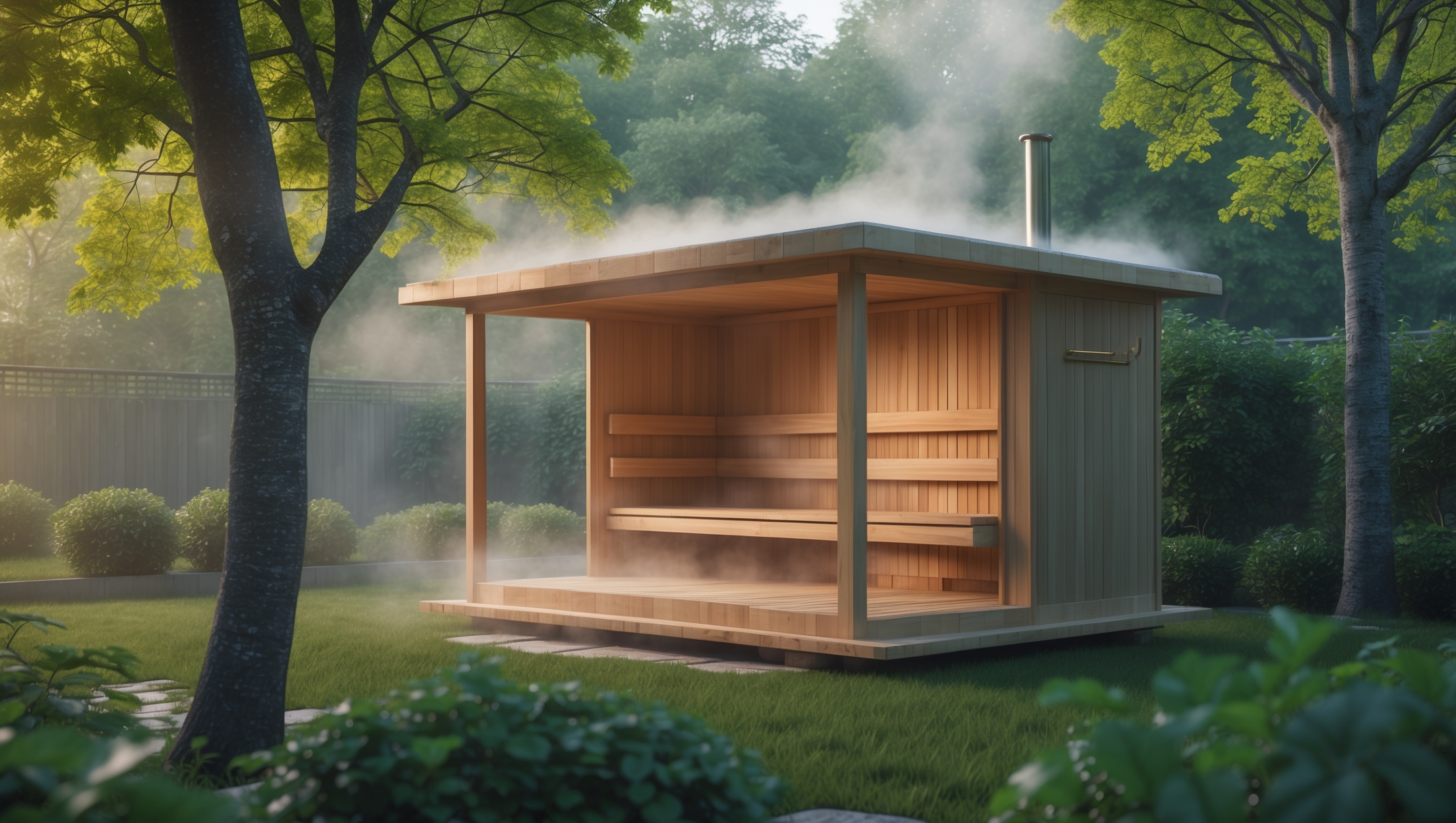
Introduction: The Value of Year-Round Sauna Care
Backyard saunas are more than just a luxury—they’re a portal to wellness, relaxation, and a unique connection with nature, right from your own property. Whether you use your sauna for muscle recovery, stress relief, or social gatherings, keeping it in pristine condition is crucial for safety, efficiency, and longevity. Unlike indoor models, backyard saunas are exposed to the full spectrum of seasonal weather: heat, cold, humidity, snow, pollen, and even critters. This means that proactive, seasonal maintenance isn’t just a recommendation—it’s a necessity. Neglecting sauna care can lead to costly repairs, decreased performance, and even health hazards. In this detailed guide, we’ll walk you through a comprehensive seasonal checklist to keep your backyard sauna operating at its best, ensuring safe and enjoyable sessions every month of the year. Whether you’re a first-time sauna owner or a seasoned enthusiast, this guide will help you protect your investment and maximize your wellness experience.
Spring: Awakening and Deep Cleaning
1. Inspect Structural Integrity
- Check for Winter Damage: Examine the exterior and interior for cracked panels, warped wood, or loose joints caused by freezing and thawing cycles.
- Inspect Door Seals and Windows: Ensure gaskets and seals are intact to keep heat in and moisture out.
- Look for Mold or Mildew: Pay special attention to corners and crevices where winter moisture may have lingered.
2. Deep Clean Interior and Exterior
- Vacuum and Sweep: Remove dust, leaves, and debris from all surfaces.
- Wash Benches and Walls: Use a mild, non-toxic wood cleaner or a mixture of warm water and baking soda. Avoid harsh chemicals that can damage wood and produce harmful fumes when heated.
- Clean Sauna Stones: Remove stones, rinse off dust and dirt, and discard any that are cracked or crumbling. Replace as needed.
3. Check Heating System
- For Wood-Fired Saunas: Inspect the stove and chimney for creosote buildup. Clean flue pipes and ensure all vents are unobstructed. Replace firebricks if cracked.
- For Electric Heaters: Dust off heating elements, check the wiring for wear, and test the thermostat for accuracy. Schedule professional service if you spot frayed wires or corrosion.
4. Refresh Accessories
- Wash Towels and Mats: Launder all textiles stored in the sauna area.
- Sanitize Buckets, Ladles, and Thermometers: Soak in a vinegar solution to remove mineral deposits and bacteria.
5. Ventilation Check
- Test Airflow: Make sure intake and exhaust vents are clear and functional to prevent moisture buildup and maintain air quality during spring humidity.
Summer: Managing Heat, Humidity, and Guests
1. Monitor for Overheating
- Check Thermostat Calibration: High ambient temperatures can affect heater performance. Test the sauna’s temperature controls for accuracy.
- Inspect Electrical Systems: Ensure circuits are not overloaded during frequent summer use.
2. Control Humidity and Mold
- Increase Ventilation: Keep vents fully open after sessions to speed up drying and reduce humidity inside the sauna.
- Wipe Down Surfaces: After each use, use a dry cloth to remove sweat and excess moisture from benches and floors.
3. Exterior Maintenance
- Clean Roof and Gutters: Remove pollen, leaves, and debris to prevent water pooling and leaks.
- Inspect Exterior Stain or Sealant: UV rays can degrade wood finishes. Reapply a sauna-safe, weatherproof sealant if the wood looks faded or dry.
4. Pest Prevention
- Seal Gaps: Check for and seal any holes that could admit insects, rodents, or birds.
- Store Firewood Properly: For wood-fired saunas, keep firewood elevated and away from the sauna structure to deter termites and ants.
5. Prepare for Entertaining
- Stock Up on Supplies: Keep extra towels, water, and non-slip mats on hand for guests.
- Safety Signage: Post simple guidelines for safe sauna use, especially if children or newcomers are present.
Autumn: Preparing for Cold Weather and Increased Use
1. Inspect Weatherproofing
- Check Door and Window Seals: Replace or repair worn-out gaskets to ensure heat retention during colder months.
- Examine Roof Integrity: Look for loose shingles, cracked flashing, and potential leak points before winter storms arrive.
2. Clean and Store Summer Accessories
- Wash and Store Lightweight Textiles: Swap out thin summer towels for thicker winter ones. Store off-season items in a dry area.
3. Heater and Chimney Prep
- Wood-Fired Stoves: Perform a thorough cleaning of the stove and chimney to remove soot and creosote buildup, reducing fire risk.
- Electric Heaters: Check wiring and controls before increased winter usage.
4. Sauna Stone Replacement
- Test Steam Production: Pour water on stones and listen for a lively hiss. If weak or uneven, replace stones to restore optimal steam and heat.
5. Leaf and Debris Management
- Clear Surroundings: Rake leaves and remove organic debris from around the sauna to prevent mold growth and slipping hazards.
Winter: Maximizing Warmth and Safety
1. Snow and Ice Removal
- Clear Roof and Pathways: Regularly remove snow from the sauna roof and create a safe, ice-free path to the entrance to prevent structural strain and slips.
- Check for Ice Dams: Look for ice buildup at the edges of the roof, which can cause leaks.
2. Prevent Freezing
- Insulate Pipes: If your sauna has water lines, use pipe insulation to prevent freezing and bursting.
- Monitor Interior Humidity: Cold air can cause condensation on windows and walls. Increase ventilation after use to dry out the interior.
3. Maximize Energy Efficiency
- Preheat Efficiently: Start the sauna heater 30-60 minutes before use, but avoid leaving it running for long periods when not in use.
- Check Door Fit: A properly fitted door prevents heat loss and lowers energy consumption.
4. Safety Precautions
- Fire Safety: Keep a fire extinguisher nearby, especially for wood-fired units. Test smoke and carbon monoxide detectors monthly.
- Slip Prevention: Place anti-slip mats inside and outside the sauna entrance.
5. Monitor for Critters
- Rodent Checks: Cold weather can attract rodents seeking warmth. Check for gnaw marks, droppings, and seal entry points.
All-Season Best Practices
1. Maintain a Cleaning Schedule
- Weekly: Wipe down benches and floors, empty trash, and check for unusual odors.
- Monthly: Inspect stones, clean glass, and check for mildew or mold.
- Quarterly: Deep clean interior and exterior, service heating system, and inspect for wear.
2. Log Maintenance and Repairs
- Keep a dedicated logbook or digital file listing all maintenance, repairs, and upgrades. This helps with warranty claims and resale value.
3. Use Sauna-Safe Products Only
- Cleaners: Avoid anything with bleach, ammonia, or strong fragrances.
- Wood Treatments: Use only products specifically designed for high-heat, high-humidity environments.
4. Encourage Safe Use
- Post safety guidelines for all users, including recommended session lengths, hydration reminders, and health warnings for pregnant women or those with heart conditions.
Conclusion: Invest in Your Wellness Sanctuary
A backyard sauna is an investment in comfort, health, and quality of life. However, the benefits can only be fully realized through diligent, year-round care. Seasonal changes bring unique challenges, from moisture and heat in summer to freezing and snow in winter. By following this detailed seasonal checklist, you’ll prevent small issues from becoming costly headaches, protect your sauna’s structure and systems, and ensure every session is safe and invigorating. Think of maintenance not as a chore, but as a ritual—one that extends your sauna’s life and enhances its ability to deliver daily wellness. Proper care also adds value to your property, preserves the natural beauty of the wood, and creates a welcoming environment for friends and family. Stay proactive, keep records, and don’t hesitate to consult professionals for major repairs or annual inspections. With a little regular attention, your backyard sauna will remain a cherished retreat for years to come, delivering warmth, relaxation, and resilience in every season.
When inspecting the sauna stones in spring, how often should I expect to replace them if I use my sauna a couple times a week? Are there ways to extend their life, or is replacement the only option if they show cracks?
If you use your sauna a couple of times a week, sauna stones typically last 1–3 years. Check them every spring for cracks or crumbling. To extend their life, clean off dust and occasionally rearrange them for better airflow. If stones are badly cracked or breaking apart, replacement is safest to maintain heat quality and avoid heater damage.
This is my first spring with an outdoor sauna, and I noticed some warping on the door. Is it possible to fix warped wood, or is replacement the only reliable option for maintaining a good seal and insulation?
Mild warping in sauna doors can sometimes be fixed by adjusting hinges, lightly sanding, or clamping the door flat for a period. However, if the warping is severe or the seal is compromised, replacing the door is usually the best way to maintain proper insulation and performance.
I noticed you mentioned checking for mold and mildew in corners after winter. If minor mold is found, what is the best way to remove it without damaging the sauna wood or leaving behind fumes when it heats up?
If you find minor mold, mix equal parts white vinegar and water in a spray bottle. Lightly mist the affected area and let it sit for about 10 minutes. Wipe gently with a soft, damp cloth. Avoid harsh chemicals or bleach, as these can damage the wood and leave lingering fumes when the sauna heats up.
When checking for winter damage, what’s the best way to address warped wood or cracked panels if you notice them early in the season?
If you spot warped wood or cracked panels early, lightly sand rough areas and treat them with a wood sealant to prevent further damage. For more severe warping or deep cracks, consider replacing the affected boards to maintain proper insulation and the sauna’s structural integrity.
How often should I replace the sauna stones if they just have a bit of surface wear but aren’t visibly cracked or crumbling yet?
If your sauna stones only show minor surface wear without any cracks or crumbling, you don’t need to replace them just yet. It’s usually recommended to inspect them at least once a year and replace them only when they start to crack, crumble, or become significantly misshapen. Regularly rearrange and clean them to ensure even heating.
You mention that harsh chemicals should be avoided when cleaning benches and walls. Are there any specific natural cleaners you recommend that still sanitize effectively?
For cleaning sauna benches and walls, a solution of white vinegar and water works well to sanitize without harsh chemicals. Another good option is a mix of mild, unscented soap and warm water. For deeper cleaning, you can use baking soda with water as a gentle scrub.
I noticed you recommend a mild, non-toxic wood cleaner for benches and walls. Are there any specific brands or homemade solutions that work best and are safe for the heating environment?
For backyard saunas, look for wood cleaners labeled non-toxic and safe for indoor or sauna use—brands like PureNature or Bio-Cleaners are often well-reviewed. Alternatively, you can make a homemade solution by mixing warm water with a small amount of gentle, unscented castile soap or white vinegar. Always avoid harsh chemicals or anything with strong fragrances, as they can linger and be unsafe in the heat.
When replacing sauna stones in the spring, does it make a difference whether I use the type of stones originally installed, or are there budget-friendly alternatives that still work well with most heating systems?
It’s usually best to use the type of stones recommended by your sauna’s manufacturer, since they’re chosen for heat retention and safety. However, some olivine or peridotite stones are affordable and work with most heaters. Just avoid river rocks or stones that could crack or explode when heated.
When inspecting the sauna after winter, if I do find warped wood or cracked panels, are there recommended repair techniques or should I be looking at full replacement for those sections?
If you find minor warping or small cracks, you can often sand and seal the affected areas to restore the wood and prevent further damage. For more severe damage, like deep cracks or panels that no longer fit properly, replacing the affected sections is usually best for safety and performance. Always use sauna-grade wood to maintain durability.