
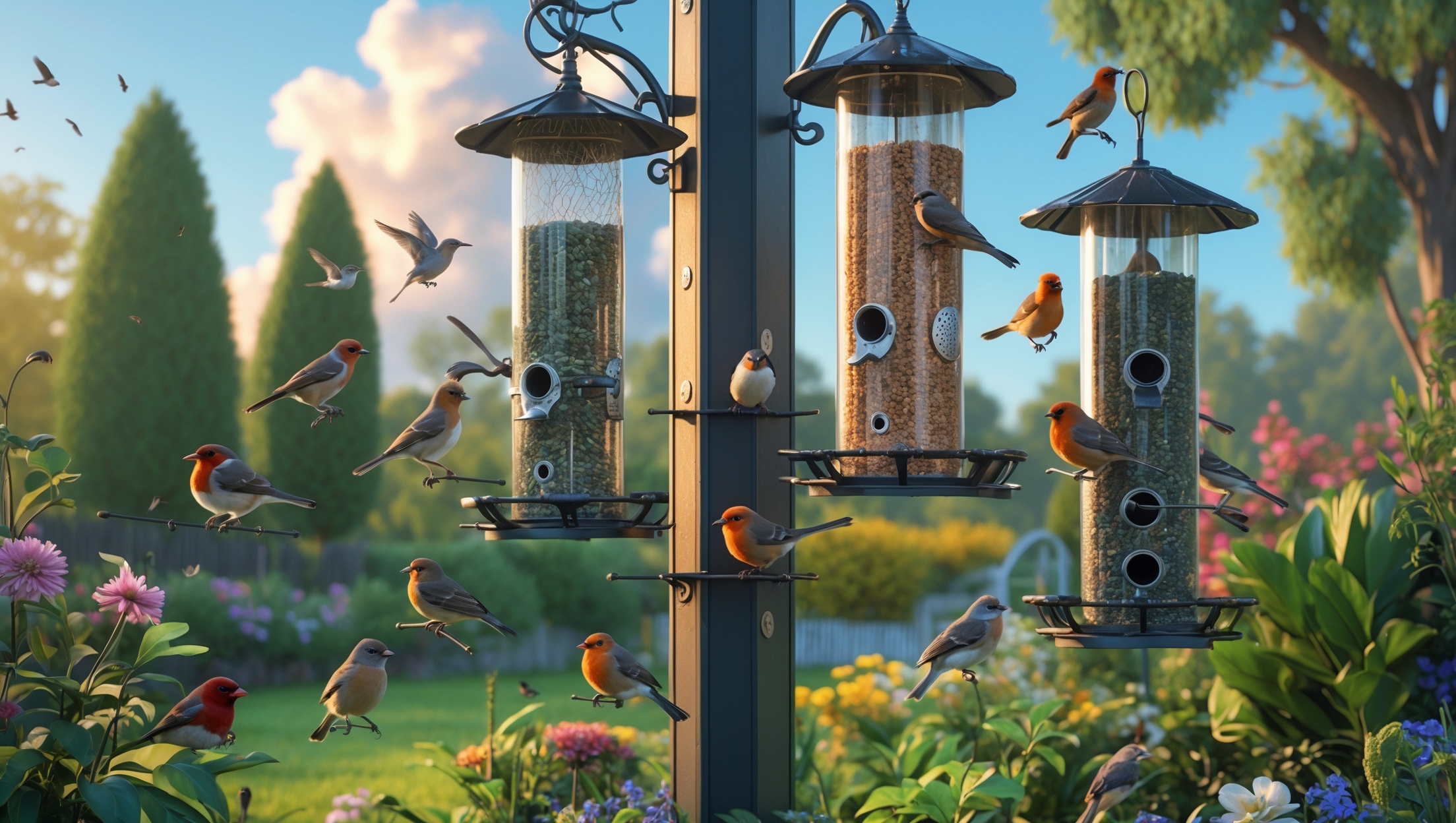
Introduction
Birdwatching is one of the simplest yet most rewarding ways to connect with nature from the comfort of your own home. Setting up a backyard bird feeder station invites a kaleidoscope of local bird species into your daily life, offering endless opportunities for observation, relaxation, and even photography. However, if you’ve ever set up a feeder, you probably know that squirrels can quickly become your number one adversary. These clever, persistent rodents can decimate seed supplies, scare away birds, and even destroy feeder equipment. Many bird enthusiasts are left frustrated after investing time and money, only to watch their efforts literally go to the squirrels.
Fortunately, with the right approach, you can create a bird feeder station that is both inviting to birds and nearly impenetrable to squirrels. This comprehensive, step-by-step tutorial will walk you through planning, assembling, and maintaining a backyard bird feeding station designed specifically to deter even the most determined squirrel. We’ll cover everything from choosing the right location and equipment to installing proven squirrel-proofing devices, all while prioritizing bird safety and feeder hygiene. Whether you’re a seasoned birder or a curious beginner, this guide will help you transform your yard into a haven for feathered friends—no squirrel invaders allowed. Let’s get started!
Planning Your Squirrel-Proof Bird Feeder Station
Understanding Squirrel Behavior
Squirrels are agile, intelligent, and relentless when it comes to accessing food. They can jump horizontally up to 10 feet and vertically up to 5 feet, easily scaling poles and leaping from overhanging branches. Any effective squirrel-proofing strategy starts with understanding these physical capabilities. If your feeder is within leaping distance from a tree, fence, or roof, squirrels will find a way. The first step in creating a successful feeder station is strategic placement and the selection of specifically engineered equipment.
Choosing the Ideal Location
- Distance from Launch Points: Place your feeder station at least 10 feet from any tree, fence, deck, or structure from which a squirrel could jump.
- Open Space: Select a clear area with minimal overhanging branches. The more isolated the pole, the better your results.
- Visibility: Opt for a spot visible from your home so you can enjoy birdwatching and monitor activity.
- Ground Cover: Avoid thick shrubbery under the feeder, which can provide cover for squirrels or make cleaning spilled seed difficult.
Assessing Your Yard
Walk around your yard and note possible squirrel access points. Measure a 10-foot radius from potential launch sites. Mark the best open, visible spot to serve as your feeder station’s anchor point. If your yard is small, prioritize distance from trees and choose the most open area available.
Selecting Squirrel-Proof Equipment
The Feeder Pole System
Invest in a heavy-duty, metal pole system designed for bird feeders. Avoid wooden or plastic poles, which squirrels can climb or chew through. Look for a pole at least 6-7 feet tall, with a diameter of 1 inch or more for stability. Many manufacturers offer modular systems with multiple hooks for hanging feeders, trays, and suet cages.
Essential Features
- Sturdy Base: Choose a pole with a ground auger or flange that screws deeply into the soil for stability.
- Multiple Arms: Opt for a pole with several hooks at varied heights to accommodate different feeder types and reduce crowding.
- Weather Resistance: Powder-coated or galvanized steel resists rust and lasts longer outdoors.
Squirrel Baffles
The baffle is your first line of defense. These are dome- or cone-shaped barriers that prevent squirrels from climbing up the pole. For best results, use a torpedo-style (cylindrical) or wide dome baffle, mounted at least 4-5 feet above the ground. Ensure the baffle fits snugly and cannot be bypassed by clever squirrels. Avoid cheap, lightweight plastic baffles, which can crack or be moved by persistent animals.
Squirrel-Proof Feeders
- Weight-Activated Feeders: These feeders have perches or doors that close when a heavier animal (like a squirrel) lands on them, but remain open for lightweight birds.
- Caged Feeders: Wire cages exclude larger animals but allow small birds inside. Ideal for protecting suet or seed cakes.
- Durable Materials: Choose feeders made of metal or thick polycarbonate, both for longevity and resistance to gnawing.
Feeder Types to Include
- Tube Feeders: For finches, chickadees, nuthatches, and titmice.
- Hopper Feeders: Attract a wide range of birds, but choose models with squirrel-proof features.
- Suet Cages: For woodpeckers and nuthatches; use caged designs for maximum protection.
- Platform Trays: If using, select ones with metal mesh bottoms and mount high, with baffle protection.
Gathering Tools and Materials
- Metal feeder pole system (with ground anchor)
- High-quality squirrel baffle (torpedo or dome style)
- At least two squirrel-proof feeders (tube, hopper, or caged)
- Birdseed suited to local species (black oil sunflower, nyjer, safflower, etc.)
- Level for ensuring pole is straight
- Shovel or post-hole digger (if necessary for hard ground)
- Measuring tape (for placement distance)
- Work gloves
- Step stool (for tall feeder poles)
Step-by-Step Installation Guide
Step 1: Preparing the Site
- Use the measuring tape to confirm your chosen spot is at least 10 feet from trees, fences, or sheds.
- Clear away any debris, thick grass, or shrubs from a 2-foot radius around the installation point.
- If the ground is hard, use a shovel or post-hole digger to loosen soil where the pole will be anchored.
Step 2: Installing the Feeder Pole
- Follow the manufacturer’s instructions for assembling the pole sections.
- Insert the ground anchor or flange deeply into the soil. For sandy or loose soils, reinforce with gravel or concrete as needed.
- Use a level to ensure the pole is perfectly vertical. This prevents feeders from tilting and spilling seed.
- Tighten all screws or clamps securely. Double-check stability by gently shaking the pole.
Step 3: Mounting the Squirrel Baffle
- Attach the baffle to the pole at 4-5 feet above the ground, below the lowest feeder or tray.
- Ensure the baffle cannot be pushed up or around by a determined squirrel—secure all fasteners tightly.
- If using a torpedo baffle, make sure it spins or wobbles when touched, discouraging climbing.
Step 4: Hanging the Feeders
- Hang the heaviest feeder closest to the pole’s center for balance. Use outer hooks for lighter feeders or suet cages.
- Space feeders apart by at least 8-12 inches to reduce crowding and allow birds room to maneuver.
- Check that all feeders hang above the baffle and that nothing is within a squirrel’s reach from the ground.
Step 5: Filling and Testing
- Fill feeders with appropriate seed blends. Avoid mixes with filler grains like milo or cracked corn, which attract squirrels and less desirable birds.
- Test feeders for stability and ease of access for birds.
- Observe for a few days. If you spot squirrels successfully reaching the feeders, reassess baffle height or location and adjust as needed.
Additional Squirrel-Proofing Strategies
Choosing the Right Seed
- Safflower Seed: Many squirrels dislike safflower, while cardinals, chickadees, and titmice love it.
- Nyjer (Thistle) Seed: Too small and bitter for squirrels, but a favorite of finches and siskins.
- Hot Pepper-Infused Seed: Capsaicin in hot pepper-treated seed deters mammals but does not affect birds. Handle with gloves and avoid inhaling dust.
Discouraging Ground Feeding
- Clean up spilled seed daily to avoid attracting squirrels and other rodents.
- Install a seed-catching tray below feeders (above the baffle) to minimize waste.
- Avoid intentionally scattering seed on the ground near your feeding station.
Physical Barriers and Modifications
- Use PVC pipe sleeves (2-3 inches in diameter) on poles as an extra slippery barrier.
- Regularly inspect and tighten all fasteners; squirrels exploit loose equipment.
- Trim overhanging branches within a 10-foot radius of the feeding station.
Maintaining Your Bird Feeder Station
Regular Cleaning
Clean feeders every two weeks with warm, soapy water or a mild bleach solution (9 parts water to 1 part bleach). Rinse thoroughly and dry before refilling. Bacteria and mold can harm birds, and old seed attracts rodents.
Seasonal Adjustments
- Winter: Use larger capacity feeders to reduce refill trips in cold weather. Brush snow off baffles and trays.
- Spring/Summer: Increase cleaning frequency during wet seasons to prevent mold. Monitor for ant and bee activity.
- Autumn: Remove excess leaves and debris from around the pole. Watch for new squirrel access points as foliage changes.
Feeder and Equipment Checks
- Inspect feeders for cracks or broken parts monthly. Replace damaged equipment promptly.
- Check baffle position after storms or heavy winds.
- Lubricate moving parts (like baffle mounts or weight-activated mechanisms) with non-toxic oil.
Observing and Troubleshooting
Monitoring Bird and Squirrel Activity
Keep a log or use a smartphone app to record which birds visit and at what times. Note any squirrel attempts and how they’re occurring. This will help you fine-tune your setup for maximum effectiveness.
Common Issues and Solutions
- Squirrels Climbing the Pole: Double-check baffle height and stability. Add a PVC sleeve if needed.
- Squirrels Leaping from Structures: Move the station farther from trees or fences, even if it means relocating to a less optimal viewing spot.
- Birds Not Visiting: Try different seed types or feeder styles. Birds may take a week or two to find new feeders.
- Other Pests (Rats, Raccoons): Clean up all spilled seed promptly. Consider night-removal of feeders if nocturnal pests become a problem.
Enhancing the Bird-Friendly Environment
Adding Water Sources
Install a bird bath or shallow water dish near (but not directly under) the feeding station. Change the water every 2-3 days and clean regularly. Heated bird baths are useful in winter.
Providing Shelter and Perches
- Plant native shrubs or small trees nearby (but outside the squirrels’ leaping range) to provide cover for birds.
- Add a few natural branches or purpose-made perches above the feeders for birds to queue and survey the area.
Native Plantings
Enhance your garden with native flowers and berry bushes to attract birds year-round. Plants like coneflowers, serviceberry, or viburnum offer natural food and shelter, boosting biodiversity and making your yard more resilient.
Conclusion
Creating a backyard bird feeder station that’s truly squirrel-proof may seem like a challenge, but with thoughtful planning and the right equipment, it’s entirely achievable. By understanding squirrel behavior, selecting a strategic location, investing in robust feeder poles and baffles, and choosing feeders designed to outsmart even the craftiest rodents, you set the stage for a bird-friendly oasis that’s as enjoyable for you as it is for your feathered visitors. Regular cleaning and maintenance not only keep birds healthy but also extend the life of your investment and minimize unwanted pest attention.
Remember, even the best setups may require occasional tweaks—squirrels are persistent, and local conditions vary. Stay observant, document what works, and don’t hesitate to adjust your approach as needed. With patience and attention to detail, you’ll be rewarded with a vibrant, lively feeding station that supports local wildlife and provides endless entertainment and educational opportunities for your household. Invite friends and family to participate, and share your birdwatching discoveries. Not only will you enjoy the beauty and activity of songbirds up close, but you’ll also play a part in supporting avian populations in your area. Happy birdwatching—and may your seeds stay for the birds!
I’m curious if there are any feeder designs or squirrel-proofing devices that have worked best for you in terms of long-term durability. Some options I’ve tried eventually wear out or get bypassed by the squirrels.
For long-term durability, weight-activated feeders made from metal tend to hold up really well against both weather and persistent squirrels. Baffle-style devices placed above or below the feeder also remain effective over time, especially if they’re made of sturdy materials and installed so squirrels can’t jump past them. Regularly checking and maintaining these parts will help keep them working season after season.
I’m a college student on a budget and want to set up a squirrel-proof bird feeder station. Are there any affordable DIY options or materials you’d recommend for someone just starting out, rather than buying the more expensive commercial squirrel-proof feeders?
Absolutely! You can use a simple metal pole with a baffle (like a large plastic bowl or stovepipe) to block squirrels. Hang a basic feeder above the baffle. Avoid wooden posts, as squirrels can climb them easily. Many people find PVC pipe or recycled materials work well and are inexpensive.
How much should I expect to spend roughly on setting up a decent squirrel-proof bird feeding station if I’m starting from scratch? I’m trying to budget for this project over the summer.
You can expect to spend about $60 to $150 for a good squirrel-proof bird feeder station setup. This includes a quality feeder, a sturdy pole with a baffle, and some starter bird seed. Prices can vary, so shopping around or waiting for sales could help you stay within your budget.
You mention that feeder placement is key because squirrels can jump quite far. Do you have any tips on measuring the best distance from trees or fences if my backyard is on the smaller side?
Absolutely! Squirrels can jump up to 10 feet horizontally, so aim to place your feeder at least that far from any tree, fence, or structure if possible. If space is tight, use a baffle on the feeder pole and make sure the feeder is difficult to reach from above or below. Even a few feet of clearance, combined with these barriers, can greatly reduce squirrel access.
You mentioned that squirrels can jump horizontally up to 10 feet. When picking the spot for my feeder, how far should I actually measure from fences or trees to make sure it’s safe, or is there a recommended minimum distance?
To keep your feeder safe from squirrels, place it at least 10 feet away from fences, trees, or anything a squirrel could leap from. Measuring 10 feet is a good minimum distance, but if you can manage a little more, that’s even better for extra protection.
I’m a bit concerned about cleaning and maintaining the feeder station once it’s squirrel-proofed. Does adding baffles or other squirrel deterrents make it harder to access the feeders for regular cleaning?
Adding baffles or other squirrel deterrents usually doesn’t make cleaning the feeders too difficult. Most baffles are designed to be easily removed or slid up the pole, so you can access and detach the feeders as usual. Just be sure to choose a system where the deterrents don’t block access to the feeder openings or mounting points.
You mention installing proven squirrel-proofing devices. Are there certain brands or types that work better for families who want minimal maintenance and don’t want complicated setups?
For families looking for minimal maintenance and easy installation, weight-sensitive feeders like the Squirrel Buster or Brome brands are popular choices. These feeders automatically close off access to squirrels without extra parts or complicated assembly, and they require little upkeep beyond regular cleaning.
How much ongoing maintenance does a squirrel-proof setup typically require? I want to be sure I can keep up with cleaning and repairs if I follow your step-by-step tutorial, especially if squirrels damage the setup over time.
A squirrel-proof bird feeder station usually needs basic maintenance like weekly cleaning of feeders and occasional checks for wear or damage, especially after storms or frequent squirrel attempts. If squirrels manage to dislodge parts or chew on components, you may need to tighten screws or replace chewed pieces, but these repairs are typically manageable and not too frequent.