
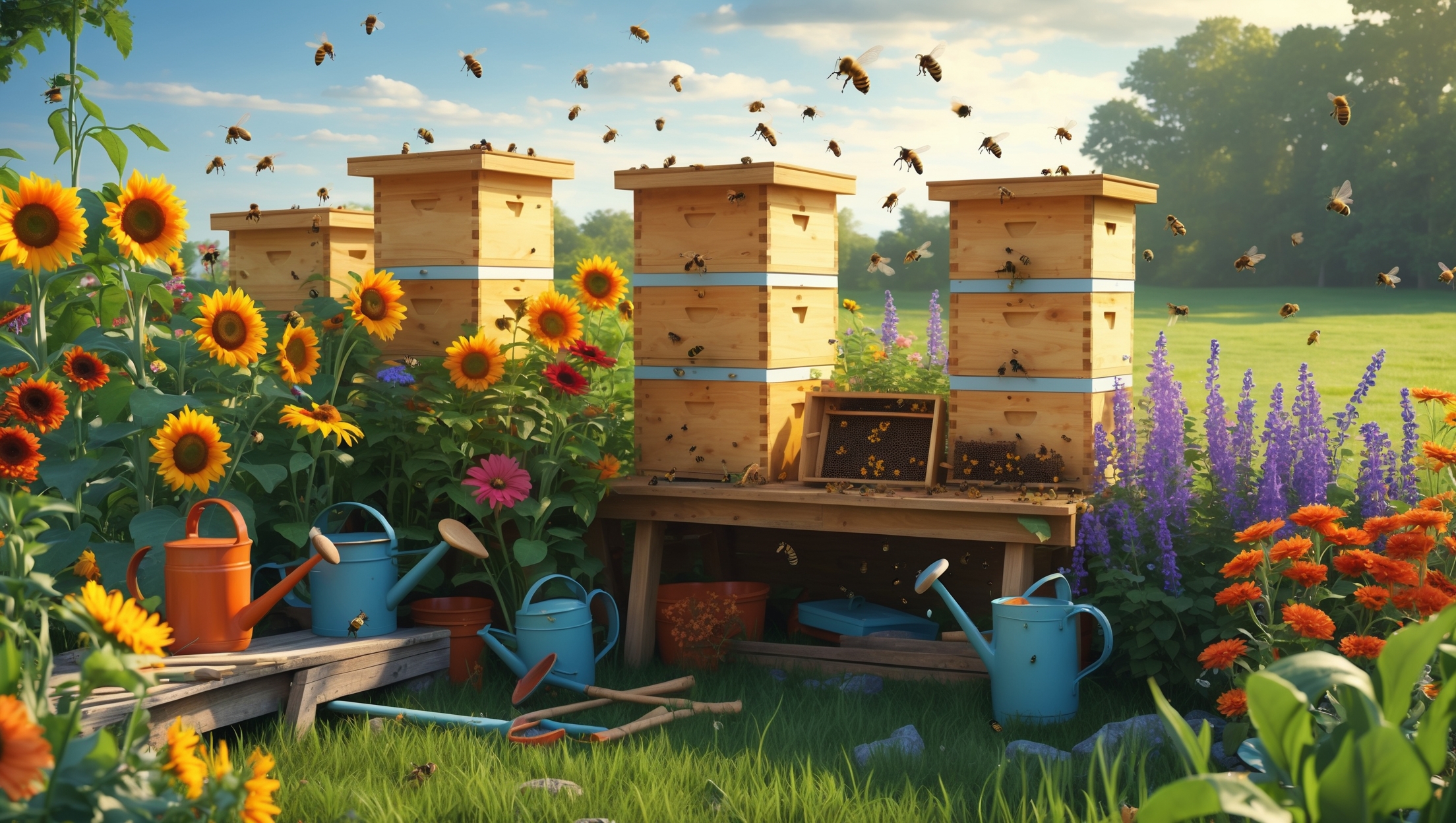
Introduction: Why Avoiding Beginner Mistakes Matters in Home Beekeeping
Beekeeping has emerged as a rewarding and environmentally beneficial hobby for homeowners seeking a closer connection to nature and a way to support local pollinators. However, as with any hands-on endeavor, setting up a successful home beekeeping operation requires more than simply ordering a hive and hoping for the best. Too often, new beekeepers make avoidable mistakes that can lead to colony collapse, wasted investment, or even neighborhood tensions. Learning about these common pitfalls is not just about saving money; it’s about ensuring the health, productivity, and sustainability of your bees for seasons to come. This guide delves into the most frequent missteps made by beginners, offering practical, actionable advice on how to avoid them and setting you on a course toward a thriving hive. Whether you’re inspired by the allure of golden honey, the ecological benefits of pollination, or the meditative joy of hive management, understanding what not to do is just as important as knowing what to do. Let’s explore the essential lessons every new beekeeper should learn before their first bees arrive.
Choosing the Wrong Location for Your Hive
Why Placement Matters
The location of your beehive is a critical decision that impacts bee health, honey production, your own convenience, and neighborhood relations. Beginners frequently underestimate environmental factors, leading to stressed or absconding bees.
Common Mistakes
- Too Much Shade: Placing hives in constant shade can make bees sluggish and vulnerable to moisture-related diseases.
- Full Sun with No Shelter: All-day sun in hot climates can overheat hives, causing brood loss and wax melt.
- Poor Accessibility: Positioning hives in hard-to-reach spots makes regular inspections and honey harvests frustrating.
- Too Close to Neighbors: Bees need flight paths clear of foot traffic and children’s play areas to prevent stings and complaints.
How to Avoid This Mistake
- Choose a spot with morning sun and afternoon shade, ideally facing southeast.
- Ensure the hive entrance faces away from high-traffic areas.
- Allow at least 10 feet clearance in front of the hive for bees to launch and land.
- Place hives on level, well-drained ground, ideally raised on stands 12–18 inches high to deter pests and moisture.
- Consult local guidelines regarding distance from property lines and structures.
Underestimating the Importance of Protective Gear
The Reality of Bee Stings
New beekeepers sometimes believe that gentle handling alone will prevent stings, or that minimal gear is sufficient. This assumption can lead to painful and discouraging experiences.
Common Mistakes
- Foregoing a full suit and gloves for the sake of comfort or cost.
- Using poorly fitting veils that leave gaps for bees to enter.
- Neglecting to keep gear clean, resulting in lingering alarm pheromones that provoke aggression.
How to Avoid This Mistake
- Invest in a high-quality, well-ventilated bee suit, gloves, and a secure veil.
- Inspect gear for tears or loose seams before each use.
- Wash gear regularly to remove bee scent markers.
- Keep a spare suit or veil on hand for guests or emergencies.
Neglecting to Start with Sufficient Education
The Value of Learning Before Doing
Too often, new beekeepers dive in after watching a few online videos, underestimating the complexity of hive dynamics and seasonal management. This approach leads to preventable colony losses and frustration.
Common Mistakes
- Skipping local beekeeping classes or mentorship opportunities.
- Relying solely on social media advice, which may be regionally inaccurate.
- Neglecting to read up on bee biology, pest management, or seasonal care before bees arrive.
How to Avoid This Mistake
- Join a local beekeeping association for hands-on workshops and support.
- Read at least one comprehensive book on beekeeping tailored to your climate.
- Attend field days or volunteer to shadow an experienced beekeeper before investing.
- Bookmark reliable extension service websites for region-specific guidance.
Ordering Bees and Equipment Too Late (or Too Early)
Timing Is Everything
Bees and equipment can sell out months in advance of the spring season. Conversely, ordering too early can lead to equipment sitting unused, risking damage, or bees left without a prepared home.
Common Mistakes
- Assuming bees can be picked up anytime; missing the spring window for package bees or nucs.
- Not assembling and painting equipment before bees arrive, causing last-minute stress.
- Storing woodenware outdoors, leading to warping or mold.
How to Avoid This Mistake
- Order bees by January or February for spring delivery (check local suppliers’ schedules).
- Assemble, paint, and cure all hive components at least a month before bees arrive.
- Store equipment indoors in a dry, rodent-proof space until needed.
- Create a checklist of all tools and parts required for installation day.
Improper Hive Inspections and Recordkeeping
Understanding What—and How—to Inspect
Early enthusiasm can lead to either over-inspecting (disturbing the bees) or neglecting inspections altogether. Both extremes can harm colony health and productivity.
Common Mistakes
- Opening the hive too frequently, causing stress, chilling brood, and disrupting the queen.
- Failing to conduct regular inspections, allowing diseases or queen loss to go unnoticed.
- Not keeping notes, resulting in confusion about hive progress or treatment history.
How to Avoid This Mistake
- Inspect every 7–14 days during spring and early summer, less often in late summer and fall.
- Keep a hive logbook or digital record: note queen presence, brood pattern, population, stores, and any treatments.
- Be organized: bring all tools, extra boxes, and treatments to the apiary to minimize trips.
- Learn how to distinguish normal hive behavior from signs of trouble (queen cells, disease, pests).
Ignoring Varroa Mite Management
The #1 Threat to Modern Beekeeping
Varroa destructor mites are a ubiquitous and deadly parasite. Many beginners underestimate their impact, leading to rapid colony death within a year.
Common Mistakes
- Assuming natural or “treatment-free” beekeeping will work for beginners.
- Failing to monitor mite levels with regular sampling (sugar roll or alcohol wash).
- Not understanding treatment timing and rotation of chemical or organic controls.
How to Avoid This Mistake
- Test for mites monthly from spring through fall, especially after honey harvest.
- Use proven monitoring techniques and keep records of counts over time.
- Implement an integrated pest management (IPM) strategy utilizing appropriate treatments for your climate and hive conditions.
- Consult reputable resources (university extension, experienced mentors) before implementing treatments.
Over- or Underfeeding Bees
The Importance of Supplemental Feeding
While bees forage naturally, there are critical times—such as after installation, during drought, or before winter—when supplemental feeding is essential. Misjudging when and how to feed can doom a new colony.
Common Mistakes
- Assuming bees will always find enough nectar and pollen on their own.
- Feeding the wrong type of syrup at the wrong time (e.g., using high-fructose corn syrup or honey from outside sources that may carry disease).
- Overfeeding, leading to syrup-filled combs instead of brood or honey stores.
How to Avoid This Mistake
- Feed 1:1 sugar syrup in spring for colony buildup; 2:1 syrup in fall to encourage winter stores.
- Provide pollen patties only during pollen dearths, not year-round.
- Do not feed during honey flow if you plan to harvest honey (to avoid sugar syrup contamination).
- Monitor stores visually—supplement only as needed, and remove feeders when natural forage is abundant.
Poor Swarm Prevention and Management
Why Bees Swarm—and Why It Matters
Swarms are a natural method of colony reproduction, but for backyard beekeepers, losing half your bees to a swarm means reduced honey production and potential for nuisance complaints.
Common Mistakes
- Neglecting to provide adequate space in the hive during spring buildup.
- Ignoring queen cell development or misidentifying queen cups.
- Failing to split strong colonies or replace failing queens in time.
How to Avoid This Mistake
- Monitor colony strength and add supers or brood boxes before the hive becomes crowded.
- Learn to identify queen cells and understand when to intervene (e.g., splitting the hive, removing queen cells, or requeening).
- Keep colonies with young, vigorous queens less prone to swarming.
- Stay proactive during peak swarm season (late spring to early summer).
Inadequate Preparation for Winter
Winterizing for Survival
Many new beekeepers focus on spring and summer, overlooking the critical steps needed to ensure their bees survive the winter. Losses often occur due to starvation, moisture, or poor ventilation.
Common Mistakes
- Leaving hives with insufficient honey stores (at least 60–90 lbs for northern climates).
- Failing to insulate or windbreak exposed hives.
- Not tilting the hive slightly forward to drain condensation.
- Neglecting mouse guards or pest protection for winter months.
How to Avoid This Mistake
- Assess and supplement stores in late summer and early fall; feed as needed.
- Add insulation wraps or windbreaks in cold climates.
- Install upper entrances or ventilation shims to allow moisture to escape.
- Place mouse guards at entrances and check for pest activity before winter sets in.
Ignoring Local Regulations and Neighborhood Relations
Compliance and Community Goodwill
Beekeeping is regulated differently across municipalities and homeowners’ associations. Uninformed beginners risk fines or forced hive removals, and poor neighbor relations can create unnecessary hostility.
Common Mistakes
- Failing to check local ordinances regarding hive numbers, placement, and registration.
- Not informing adjacent neighbors or providing water sources to prevent bees from visiting pools or birdbaths.
- Allowing aggressive colonies to persist, increasing sting incidents.
How to Avoid This Mistake
- Contact your local extension office or city hall for current beekeeping regulations.
- Register hives if required and keep signage discreet yet compliant.
- Maintain a clean water source close to the hive to discourage bees from seeking water elsewhere.
- Requeen aggressive colonies promptly to maintain docile genetics.
- Communicate with neighbors, offer them honey, and educate them about the benefits of bees.
Buying Low-Quality or Inappropriate Equipment
Investing Wisely from the Start
Tempted by low prices or unvetted online sellers, many beginners end up with ill-fitting hive parts, unsafe smokers, or “starter kits” lacking essential components. This leads to frustration and extra costs down the line.
Common Mistakes
- Purchasing incompatible hive components (e.g., Langstroth vs. Warre).
- Buying plastic frames or foundations that flex or warp easily.
- Overlooking the need for quality tools: hive tool, smoker, bee brush, and frame grip.
How to Avoid This Mistake
- Buy from reputable local suppliers or established beekeeping catalogs.
- Stick to one hive type and ensure all parts are compatible.
- Inspect woodenware for smooth joints and rot-resistant materials (cypress, cedar, pine).
- Invest in a durable stainless steel smoker and hive tool; avoid “all-in-one” kits with subpar items.
- Ask local beekeepers for brand recommendations based on your climate and goals.
Conclusion: Building a Thriving Home Beekeeping Operation—Mistake-Free
Embarking on your beekeeping journey is an exciting adventure that promises not only sweet rewards but also a deeper connection to the cycles of nature and your local ecosystem. By understanding and proactively avoiding the common mistakes outlined above, you set the stage for a healthier, more productive hive and a far more enjoyable experience. Remember, the most successful beekeepers are not those who never encounter challenges, but those who anticipate them and respond with knowledge and care.
Start with education, invest in quality equipment, and always put the well-being of your bees first. Regular monitoring, community engagement, and a willingness to seek mentorship will pay dividends for years to come. The world of beekeeping is filled with ongoing learning—embrace your mistakes as opportunities for growth, and never hesitate to reach out to local experts and fellow enthusiasts. With thoughtful preparation and mindful stewardship, your backyard can become a sanctuary for pollinators and a source of pride for your household. Happy beekeeping!
You mention poor accessibility as a beginner mistake. What specific features should I look for in a hive location to make inspections and honey harvesting easier, especially if I have a small backyard?
For easier inspections and honey harvesting, choose a hive location with level ground and clear, unobstructed access on all sides. Make sure there’s enough space to maneuver around the hive, even in a small yard. Avoid placing the hive directly against fences, thick shrubs, or walls so you can open and work with the hive comfortably. Also, consider shade in the afternoon for your comfort during summer checks.
If I have to keep the hive farther from the house for neighbor relations, are there any tips to make regular inspections less of a hassle?
Placing your hive farther from the house can add some extra steps, but you can make inspections easier by creating a clear, flat path and keeping the area around the hive free of tall grass or obstacles. Use a wheelbarrow or garden cart to carry tools, and consider storing basic equipment in a weatherproof box near the hive to save trips.
I’m in a pretty shady yard with some big trees—how much sunlight is the minimum for a hive to stay healthy, and is there a way to balance shade with warmth if my options are limited?
Honeybee hives ideally need at least a few hours of direct sunlight each day, especially in the morning to encourage activity and keep the hive dry. If your yard is quite shady, try to place the hive where it gets the most sun possible, even if it’s just early or late in the day. You can also help by making sure the entrance faces east or southeast and by avoiding damp spots to keep the hive warm and healthy.
Could you clarify what kind of shelter is recommended if a hive is exposed to full sun in a hot climate? Would a natural windbreak like shrubs work, or is a man-made structure better?
In hot climates, providing some afternoon shade is important to prevent hives from overheating. Natural windbreaks like shrubs can help with airflow and cooling, but for direct sun protection, a lightweight man-made shelter—such as a shade cloth or a simple roof that doesn’t block ventilation—tends to be more effective. Aim for something that provides shade during the hottest part of the day, while still allowing good air movement around the hive.
How far should I keep my hive from neighboring fences or kids’ play areas to minimize any issues with bee flight paths and reduce the chances of stings?
It’s best to keep your hive at least 10 to 15 feet away from fences, property lines, and play areas. This distance helps bees establish a higher flight path, reducing their interaction with people nearby and lowering the risk of accidental stings.
You mentioned that placing the hive too close to neighbors can cause issues with bee flight paths. Do you have any tips for figuring out a good minimum distance from property lines or ways to keep the bees from bothering nearby kids?
A good general rule is to keep hives at least 10–15 feet from property lines. To help keep bees away from kids or neighboring areas, consider placing a tall fence or dense hedge near the hive. This encourages bees to fly up and over, reducing low-level bee traffic where kids might play.
If you live in a neighborhood with small yards, how do you recommend balancing giving bees enough clear flight paths with keeping neighbors happy and avoiding complaints?
In small yards, it’s a good idea to place your hive away from property lines and where people gather. Installing a tall fence or hedge around the hive encourages bees to fly up and out, reducing their presence at neighbor level. Let neighbors know what you’re doing and reassure them about safety. Providing a water source near your hive can also keep bees from wandering into neighboring yards.
I live in a hot part of the US, so the warning about full sun and overheating caught my attention. Are there specific types of shelters or hive covers you recommend to help protect bees from excessive heat without compromising ventilation?
In hot climates, providing shade is essential. You can use a simple shade cloth or a canopy above the hives to block direct sunlight during the hottest part of the day. Make sure the material allows airflow, so ventilation isn’t reduced. Some beekeepers also use insulated hive covers designed for summer—they reflect heat but still allow air to circulate. Placing hives near natural shade from trees can also help, as long as the area isn’t overly damp.
If my yard doesn’t get much sun except for a few hours in the morning, is that enough for healthy bees, or should I look into supplemental options like artificial shade or windbreaks?
A few hours of morning sun is helpful, but bees generally thrive with more sunlight for warmth and activity. If your yard is shaded most of the day, you might see lower productivity and slower brood development. Artificial shade isn’t needed, but consider placing your hive where it gets the most sun possible and use windbreaks only if your location is very exposed to strong winds.
When considering neighborhood relations, are there specific guidelines or recommended distances to keep between hives and property lines to minimize potential issues with neighbors?
It’s usually recommended to place hives at least 10 to 20 feet from property lines to reduce neighbor concerns and bee traffic near their property. Installing barriers like fences or hedges can also encourage bees to fly upward, minimizing direct paths over neighbors’ yards.
You mentioned that hives should not be placed too close to neighbors to avoid issues. Is there a recommended minimum distance to keep in mind, especially in suburban neighborhoods where yard space is limited?
In suburban neighborhoods, it’s generally recommended to keep beehives at least 10 to 15 feet away from property lines to reduce the chances of bees becoming a nuisance to neighbors. If space is tight, consider using hedges or fencing to help direct bees’ flight paths upward and away from neighboring areas.
If a yard only has spots that are either mostly shaded or in full sun all day, which is the safer option for bee health, and are there creative solutions to help regulate temperature and light in those situations?
Full sun is generally the safer choice for bee health because it helps reduce moisture and discourages pests like small hive beetles. If full sun gets too intense, you can use shade cloths, plant shrubs nearby, or build a simple screen to provide afternoon shade and help regulate temperature without making the area too damp or dark.
I’m worried about placing my hive too close to my neighbors’ backyard since there are a lot of kids playing there. Are there any specific strategies or barriers I can use to keep bees’ flight paths away from those areas?
You can help direct your bees’ flight paths upward and away from your neighbors’ yard by placing a tall fence or dense shrubbery right in front of the hive entrance. This encourages bees to fly up and over, reducing encounters at ground level. Positioning the hive so the entrance faces away from the play area also helps.
I’m curious about the shade issue mentioned—if part of my yard gets morning sun but afternoon shade, would that be an acceptable spot for a hive or could it still cause problems for the bees?
A spot that gets morning sun and afternoon shade can actually work well for a beehive. Morning sunlight helps the bees start their day early and be more active, while afternoon shade can protect them from overheating in hot weather. Just make sure the area isn’t damp or too shaded all day.
If I realize after setup that my hive location is not as accessible as I thought, is it possible to move the hive later in the season without stressing the bees too much, and if so, how should I do it?
Yes, you can move a hive during the season, but it’s best to do so gently. Move the hive at night when all the bees are inside. If you’re moving it just a few feet, do it gradually over several days. For longer distances, move the hive more than three miles away, or bees may return to the old spot. Keep the move smooth to minimize stress.
I’m wondering how close is too close when it comes to placing a beehive near a neighbor’s yard or a kid’s play area. Are there recommended minimum distances to keep everyone safe and happy?
When placing a beehive, it’s best to keep it at least 10 to 15 feet away from property lines, play areas, or spots where people frequently gather. This helps reduce the chance of bees bothering neighbors or children. Adding a tall fence or hedge can also guide bees to fly up and away, which makes the hive less noticeable and safer for everyone nearby.
If my backyard has both sunny and shady spots, how do I decide which is best for setting up my first hive without putting the bees at risk of disease or overheating?
Choose a spot that gets morning sun and some afternoon shade. Morning sunlight encourages bees to start foraging early, while afternoon shade helps prevent the hive from overheating. Make sure the area is well-drained and not damp, as moisture can contribute to disease. Avoid deep shade, as it may keep the hive too cool and damp.