
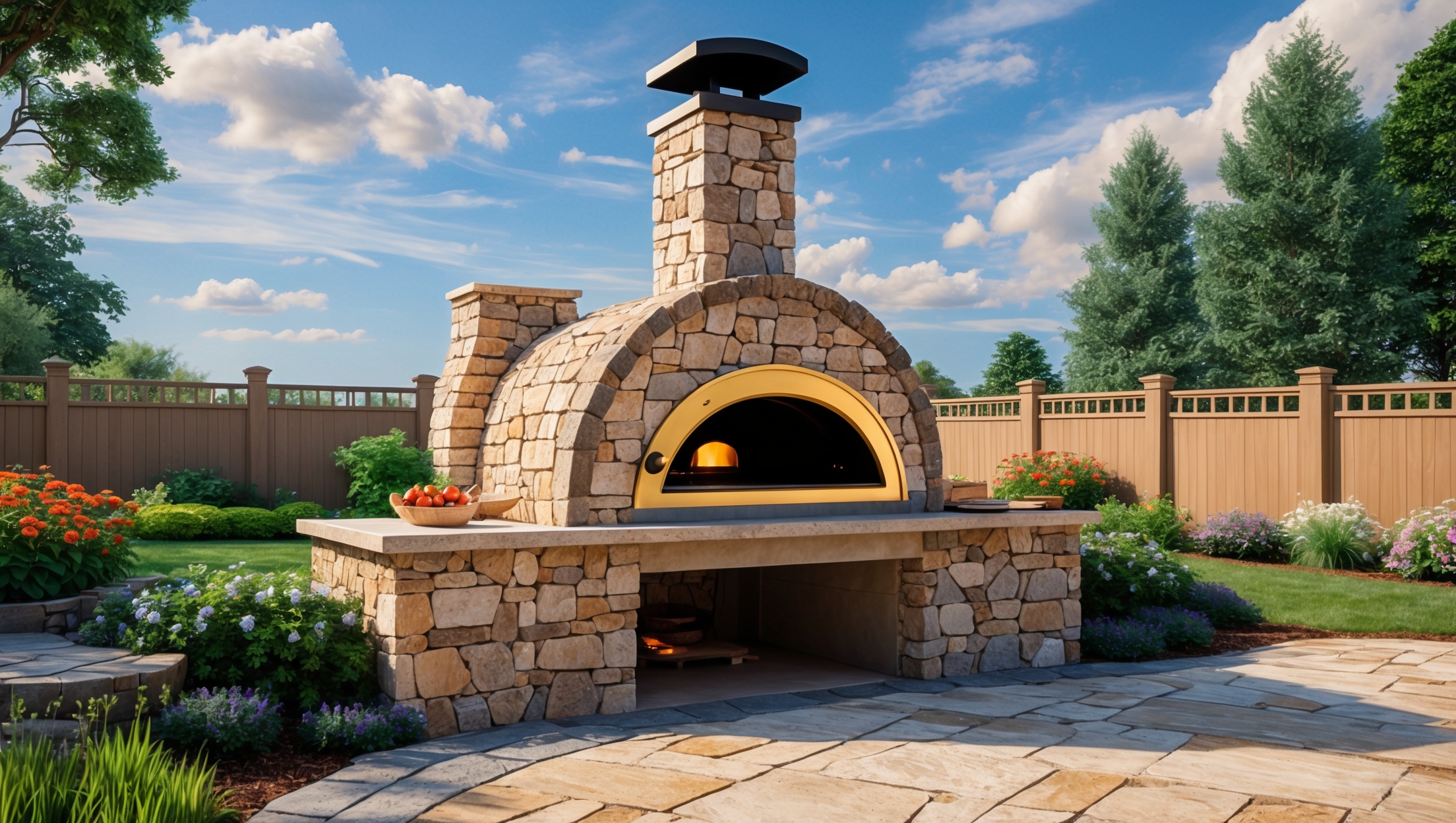
Introduction: Why Insurance Matters for Backyard Wood-Fired Pizza Ovens
Backyard wood-fired pizza ovens have become a beloved centerpiece in home entertaining, transforming ordinary gatherings into unforgettable culinary experiences. Whether you’ve built your oven from scratch or invested in a premium model, your outdoor pizza oven represents a significant commitment of time, money, and creativity. Yet, many homeowners overlook the importance of securing the right insurance coverage for this unique backyard feature.
Unlike standard grills or portable appliances, wood-fired pizza ovens bring distinct risks and responsibilities. From potential fire hazards and property damage to liability issues if a guest is injured, a pizza oven can impact your entire home insurance policy. Furthermore, the rising frequency of severe weather events means your investment is at risk from storms, hail, and even vandalism. Understanding the nuances of insuring a backyard wood-fired pizza oven is essential to protect your property, minimize liability, and preserve peace of mind.
This comprehensive guide delves into the core insurance considerations for backyard pizza oven owners. You’ll learn how different policies apply, what risks are commonly excluded, how to accurately value your oven for coverage, and practical strategies to reduce your premiums. Whether you’re a seasoned home chef or just firing up your first Neapolitan pie, you’ll find actionable advice to safeguard your oven and your home from the unexpected.
Understanding the Risks: Why Pizza Ovens Aren’t Like Other Backyard Features
Fire Hazards
Wood-fired pizza ovens operate at extremely high temperatures, often exceeding 800°F (427°C). While this makes for perfectly crisp crusts, it also increases the risk of accidental fires. Sparks, embers, or heat radiating from the oven can easily ignite nearby landscaping, wooden decks, or outdoor structures. Even a well-built oven can pose a threat if not used or maintained properly.
Structural Damage
Permanent brick or stone pizza ovens are heavy and can affect the structural integrity of decks or patios if not installed correctly. Over time, improper installation may lead to cracking, shifting, or sinking, potentially causing damage to your property or home foundation.
Weather and Environmental Risks
Outdoor ovens are exposed to the elements year-round. Hail, wind, freezing temperatures, and heavy rain can compromise the oven’s structure, damage insulation, or destroy finishes. In some regions, wildfires or falling branches add additional hazards.
Liability Issues
If a guest is burned, trips over the oven’s base, or is injured in any pizza-related mishap, you could be held legally liable. Hosting pizza parties might increase foot traffic and the likelihood of accidents, especially if alcohol is involved.
Theft and Vandalism
High-end, portable pizza ovens can be attractive targets for theft. Additionally, outdoor ovens may be subject to vandalism, especially if your property is in a high-traffic or urban area.
Types of Insurance and How They Apply
Homeowners Insurance
Most standard homeowners insurance policies offer some coverage for permanent outdoor structures, including built-in pizza ovens. However, the extent of coverage depends on several factors:
- Policy Limits: Coverage for “other structures” (like sheds, fences, and pizza ovens) is typically capped at 10% of your dwelling coverage. If your home is insured for $400,000, your outdoor structures may only be covered up to $40,000.
- Covered Perils: Policies usually cover fire, vandalism, theft, and some weather events, but may exclude floods, earthquakes, or wear-and-tear.
- Permanent vs. Portable: Built-in ovens are considered part of your property, while portable ovens may fall under personal property coverage. Check with your insurer to clarify how yours is classified.
- Documentation: You’ll need proof of purchase, photos, and receipts to file a claim.
Renter’s Insurance
If you rent your home and install a pizza oven, standard renter’s insurance typically covers only your personal property, not permanent structures. However, portable ovens can be protected under personal property provisions. Be sure to notify your landlord and insurer before installing any permanent fixture.
Umbrella Liability Insurance
This supplemental policy extends your liability coverage beyond standard limits. If a guest is seriously injured and sues for damages exceeding your homeowners policy, umbrella insurance can provide critical protection. This is particularly worthwhile if you frequently entertain guests with your pizza oven.
Specialty Insurance Riders
Some insurance companies offer riders or endorsements specifically for high-value backyard features, including custom ovens. These riders can cover gaps left by standard policies, such as accidental damage or higher coverage limits.
Common Insurance Exclusions and Pitfalls
Negligence and Improper Use
Claims may be denied if the insurer determines that the fire or damage was caused by misuse, lack of maintenance, or violation of local codes. For example, operating the oven too close to your house or under a flammable awning could void coverage.
Unpermitted Structures
If your pizza oven was built without the necessary permits or fails to comply with building codes, insurers can refuse to pay for any claims related to it. Always check local regulations before installation.
Wear and Tear
Gradual deterioration, cracks, or cosmetic damage from repeated use are rarely covered by insurance. Maintenance is the owner’s responsibility.
Flood and Earthquake Damage
Standard policies typically exclude flood and earthquake-related losses. If you live in a high-risk area, consider additional policies for these specific perils.
How to Accurately Value Your Pizza Oven for Insurance
Document Everything
Maintain a detailed file with receipts, photos, installation contracts, and any modifications. For custom ovens, include blueprints and material lists. Update this documentation after any upgrades or repairs.
Get a Professional Appraisal
If your oven is custom-built or includes unique features, hire an appraiser or contractor to provide a written valuation. This is especially important if the oven significantly increases your property value.
Estimate Replacement Cost vs. Actual Cash Value
- Replacement Cost: Covers the cost to rebuild or replace your oven with similar materials.
- Actual Cash Value: Factors in depreciation, which can result in a much lower payout.
Request replacement cost coverage where possible to ensure you can fully restore your oven after a loss.
Risk Management: Practical Steps to Reduce Hazards and Insurance Costs
Proper Installation
- Install on a non-combustible base, such as stone, concrete, or pavers, with adequate clearance from structures and overhangs.
- Follow all manufacturer guidelines and local building codes.
- Hire a licensed contractor for custom builds and obtain any required permits.
Fire Safety Measures
- Keep a fire extinguisher, fire blanket, and a bucket of sand nearby.
- Trim vegetation and remove flammable materials within at least 10 feet of the oven.
- Install spark arrestors on chimneys and ensure proper venting.
- Never leave the oven unattended while in use.
Weather Protection
- Use a heavy-duty, weatherproof cover when the oven is not in use.
- Seal cracks promptly to prevent water infiltration and freeze-thaw damage.
- Consider a retractable awning or pergola for additional shelter, ensuring it’s non-combustible and meets code.
Security Measures
- Anchor portable ovens to prevent theft.
- Install motion-activated lighting or security cameras in the backyard.
- Register high-value ovens with the manufacturer for better recovery in case of theft.
Regular Maintenance
- Inspect the oven for cracks, loose bricks, or chimney blockages before each use.
- Clean ashes and debris after every session.
- Schedule annual professional inspections, especially if the oven is heavily used.
How to Notify and Work with Your Insurance Provider
Contact Before Installation
Before installing a pizza oven, notify your insurance agent. They can advise on coverage options, required documentation, and any premium adjustments.
Policy Review and Updates
Review your homeowners policy to confirm “other structures” or “personal property” limits. If necessary, increase your coverage or add a rider for your oven.
Provide Documentation
Submit photos, purchase receipts, permits, and appraisal reports. Update your insurer after any significant changes or upgrades to your oven.
Request a Site Visit
Some insurers may want to inspect the installation site. Cooperate fully and address any safety recommendations they provide.
What to Do If You Need to File a Claim
Immediate Steps
- Document the damage with clear, dated photos from multiple angles.
- Secure the area to prevent further damage or injury.
- Notify your insurance provider as soon as possible and follow their instructions.
Claim Documentation
- Compile a detailed inventory of losses, including repair estimates or invoices.
- Provide all previously submitted documentation (receipts, appraisals, permits).
- Keep a log of all communications with adjusters and contractors.
Repair and Replacement
- Use licensed, insured contractors for repairs or reconstruction.
- Retain all receipts and invoices for reimbursement.
- Document the finished work with photos for your records and future coverage.
Frequently Asked Questions
Will installing a pizza oven increase my home insurance premiums?
It can, especially if the oven is large, custom-built, or increases the overall value of your property. However, demonstrating proper installation and safety measures may mitigate increases. Check with your insurer for specifics.
Do I need a separate policy for a portable pizza oven?
Usually not—portable ovens are typically covered under personal property within your homeowners or renter’s policy. However, confirm with your provider and consider extra coverage if your oven is high-value or frequently used for events.
What if my pizza oven causes damage to a neighbor’s property?
Your personal liability coverage within your homeowners policy should respond, but only if you are found legally liable. Umbrella insurance can provide additional protection for larger claims.
Can I insure a DIY or homemade pizza oven?
Yes, but documentation is crucial. Provide receipts for materials, photos of the build process, and a professional valuation to substantiate your claim in case of loss.
Conclusion: Peace of Mind for Pizza Lovers
Adding a wood-fired pizza oven to your backyard is an investment in both your home and your lifestyle. The ambiance, flavor, and communal joy of wood-fired cooking are hard to match. Yet, these benefits come with responsibilities—chief among them is ensuring your oven is properly insured against all the risks that outdoor living can bring.
From fire hazards and liability issues to weather and theft, the potential pitfalls can be daunting. However, with the right insurance strategy, detailed documentation, and proactive risk management, you can enjoy your pizza oven with confidence. Start by reviewing your current policies, understanding how your oven is classified, and making any necessary updates. Don’t hesitate to seek out specialty coverage or liability extensions if your setup is unique or your entertaining style is ambitious.
Most importantly, treat your pizza oven as you would any valuable home feature: maintain it diligently, use it safely, and communicate openly with your insurer. With a little effort and foresight, you’ll be free to focus on what matters most—sharing delicious, wood-fired creations with family and friends, season after season, knowing you’re protected from the unexpected. Bon appétit!
I’m a bit confused about how to value my homemade pizza oven for insurance. Should I just use the cost of materials, or do I also factor in my own labor and time when estimating its worth?
When estimating your homemade pizza oven’s value for insurance, it’s best to start with the cost of materials. Most insurers don’t include personal labor or time in the valuation, but you can check with your provider to see if they allow an added value for craftsmanship. Clear documentation and photos are also helpful.
If I built my wood-fired pizza oven myself instead of buying a pre-made one, does that make a difference in how my insurance company might cover it or how I need to document its value?
Yes, building your own wood-fired pizza oven can impact your insurance coverage. Insurers may require detailed documentation, such as photos, receipts for materials, and even proof of safe installation. The value might be based on material costs and comparable market rates, rather than a purchase price. Always inform your insurer about the oven’s construction to ensure proper coverage.
Are there typically exclusions in home insurance policies for outdoor ovens when it comes to damage from storms or vandalism, or is that something you have to add as an extra?
Home insurance policies often cover outdoor structures like pizza ovens, but there can be exclusions or limits, especially for damage from storms, vandalism, or fire. Some policies require you to specifically list these structures or add extra coverage for full protection. It’s wise to check your policy details and talk to your insurer to make sure your oven is covered the way you want.
I’m interested in how I should accurately value a homemade brick pizza oven for insurance purposes, since it wasn’t purchased as a ready-made model. Is there a standard way insurers assess custom-built outdoor ovens?
Insurers typically value a homemade brick pizza oven based on the cost of materials and labor to rebuild it, rather than the price of a ready-made model. It helps to keep receipts for materials and document your construction process with photos. If you hired help, include those costs too. Some insurers may request an appraisal or estimates from local contractors to confirm the replacement value.
The article mentions that pizza ovens differ from standard grills in terms of risk. What are some practical steps I could take to reduce premiums without sacrificing necessary coverage for potential fire hazards?
To help lower your insurance premiums while keeping solid fire hazard coverage, consider installing safety features like fire-resistant mats or barriers, placing the oven a safe distance from your home, and using non-combustible materials around the oven. Regularly maintain and inspect the oven, and tell your insurer about any safety upgrades, as they may qualify you for discounts.
I’m a little concerned about the liability aspect mentioned here. If a guest gets burned using our pizza oven, does regular homeowner’s insurance typically handle those kinds of claims?
If a guest is injured using your backyard pizza oven, most standard homeowner’s insurance policies do cover liability for accidents on your property, including burns. However, coverage details can vary, so it’s a good idea to review your policy or check with your insurance agent to make sure you have adequate protection for this specific situation.