
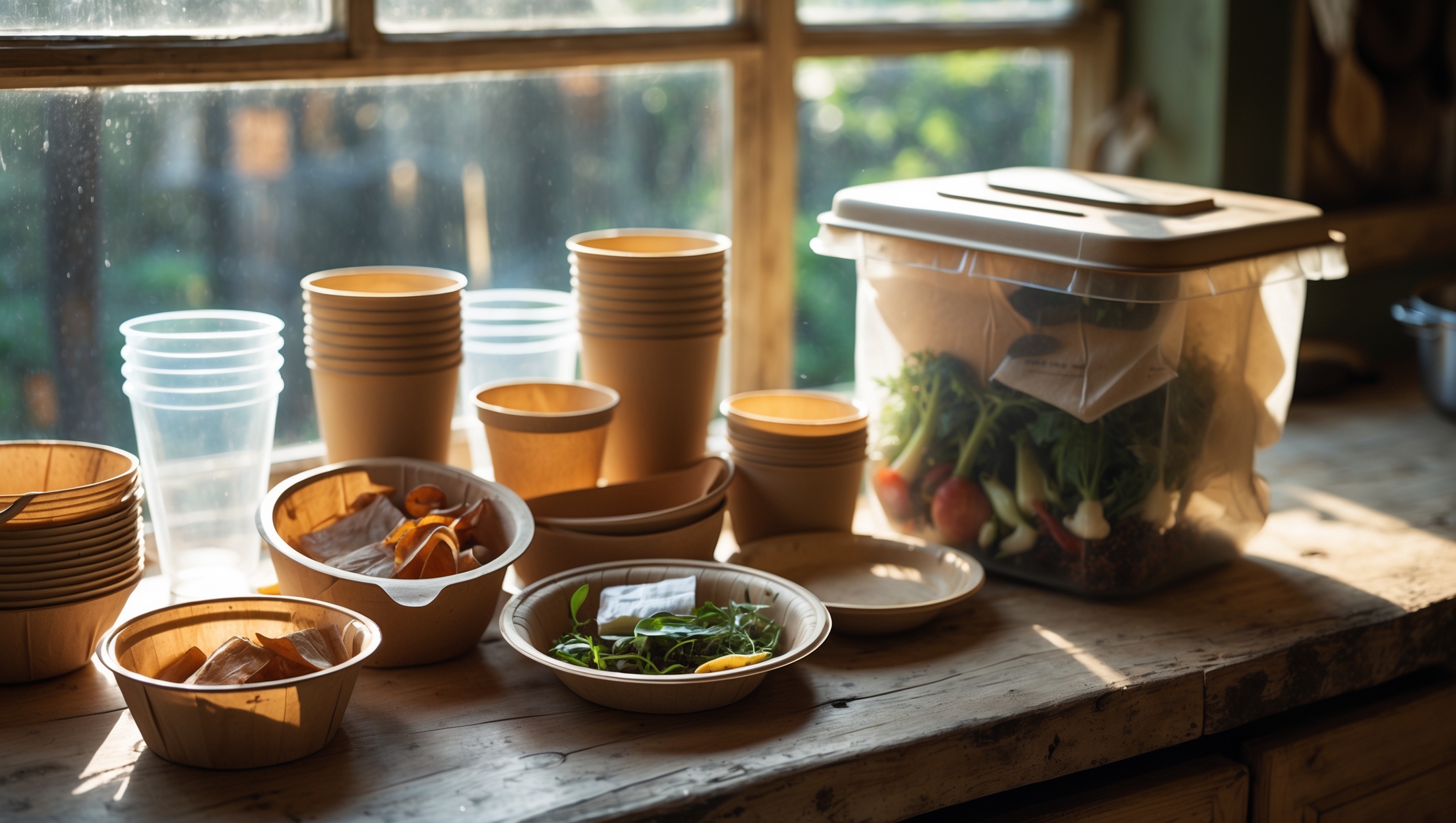
Introduction: Compostable Packaging—Is It Really That Simple?
Compostable packaging has become a buzzword in eco-friendly living, touted as a simple swap for reducing waste. From takeout containers to shopping bags and coffee cups, products labeled “compostable” seem like the perfect solution for a sustainable home. But is it really that straightforward? Many homeowners toss these items into their backyard compost bins, expecting them to break down just like fruit peels or coffee grounds. However, misconceptions abound about what compostable packaging actually means, how it behaves in home compost systems, and whether it delivers the environmental benefits promised on the label.
This in-depth post debunks the most common myths surrounding compostable packaging for home use. You’ll learn how these materials are designed, why not all compostable packaging is created equal, and what actually happens when you try to compost them at home. We’ll offer practical advice for interpreting labels, choosing sustainable packaging, and making sure your home composting efforts are truly eco-friendly. By the end, you’ll be equipped to make smarter, greener choices—without falling for the hype.
Myth 1: All Compostable Packaging Breaks Down in Home Compost Bins
Understanding Compostable vs. Biodegradable
Many people use “compostable” and “biodegradable” interchangeably, but they aren’t the same. Biodegradable simply means a material will break down eventually, but it could take years and might leave behind microplastics or chemical residues. Compostable means it will break down into natural elements, ideally leaving no toxins. However, the conditions required for this process aren’t always present in a backyard compost pile.
Types of Compostable Packaging
- Industrial Compostable: Most compostable packaging is designed to break down under the high heat and controlled conditions of industrial composting facilities. These temperatures (often 55°C/131°F or higher) are rarely achieved in a home compost bin.
- Home Compostable: A smaller category, these products are tested to break down in lower-temperature home composting systems. Look for certifications such as TÜV Austria’s OK compost HOME label.
The Reality in Your Backyard
Trying to compost an industrially compostable container at home usually results in frustration. These items may linger for months or years, leading to contamination of your finished compost or simply turning into litter. Only a select group of packaging is reliably compostable in backyard bins, and even then, it requires careful management.
Myth 2: Compostable Packaging Is Always the Most Eco-Friendly Choice
Production Footprint
Compostable packaging is often made from renewable resources like corn starch, sugarcane bagasse, or PLA (polylactic acid). While these materials are less fossil-fuel intensive than plastics, they can require significant water, energy, and agricultural land to produce. The overall environmental impact depends on how they’re sourced and manufactured.
End-of-Life Challenges
- If compostable packaging ends up in landfill, it may not break down at all due to lack of oxygen and moisture, potentially producing methane—a potent greenhouse gas.
- If it’s mistakenly sent to recycling, it can contaminate recycling streams, causing disruption at facilities and lowering the value of recycled plastics.
When Reusables or Recycling Win
For many situations, reusing durable containers or choosing recyclable packaging with robust local infrastructure is more sustainable than single-use compostables. Compostable packaging is best reserved for cases where contamination with food residue makes recycling impractical, and where industrial composting is available.
Myth 3: If It Says “Compostable,” You Don’t Need to Check the Label
Certification Schemes to Know
- OK compost HOME (TÜV Austria): Means the product will break down in typical home composting conditions, usually within a year.
- EN 13432, ASTM D6400, BPI Certified: These standards mean the item is suitable for industrial composting, not home composting.
- Uncertified Claims: Some packaging is labeled “compostable” without third-party testing. Be wary of these products.
How to Read the Label
Always look for recognized certifications and check whether the compostability claim specifies home or industrial settings. If in doubt, check the manufacturer’s website or contact customer service for clarification.
Myth 4: Compostable Packaging Breaks Down as Fast as Food Scraps
Decomposition Timelines
Food waste like banana peels or coffee grounds may break down in a home compost bin within a few weeks to months. Compostable packaging, especially thicker or laminated items, can take several months to over a year—even if certified for home composting. Temperature, moisture, and oxygen levels all influence the breakdown rate.
What Slows Down Composting?
- Size: Large items decompose more slowly. Shred or cut up packaging before composting.
- Compost Pile Health: An unbalanced pile (too dry, too wet, too little aeration) will slow decomposition of all materials, especially packaging.
- Material Type: PLA-based plastics are slow to degrade in home bins. Paper-based or bagasse materials break down more readily.
Myth 5: Compostable Packaging Adds Nutrients to Your Compost
Material Composition
Compostable packaging is often made with starches, cellulose, or bioplastics. While these materials will physically break down, they don’t add the same nutrients as fruit and vegetable scraps or yard waste. In fact, some bioplastics are relatively inert in terms of providing plant nutrition.
Potential Issues
- Some packaging contains additives, dyes, or coatings that aren’t beneficial for soil health.
- Overloading your compost with packaging instead of organic matter can reduce the quality of your finished compost.
Myth 6: You Can Compost Any Compostable Packaging With Pet Waste
Risks With Pet Waste
Many compostable pet waste bags are certified only for industrial composting. Home compost piles rarely get hot enough to kill harmful pathogens found in pet waste, which can pose health risks if the compost is used on edible plants. Only compost pet waste in dedicated, well-managed systems, and use the finished compost for ornamental plants, not food crops.
Practical Tips for Composting Packaging at Home
1. Check for Home Compostability Certification
Only add packaging clearly labeled as home compostable to your bin. Look for recognized certifications (e.g., OK compost HOME).
2. Shred or Cut Up Packaging
Smaller pieces break down faster. Tear or cut packaging into strips before adding it to the pile.
3. Balance Your Compost Pile
- Mix packaging with green waste (kitchen scraps, grass clippings) and brown waste (leaves, cardboard).
- Aim for a roughly 50:50 ratio for optimal decomposition.
4. Monitor Breakdown
If packaging remains after several months, consider removing it and disposing of it in municipal composting if available.
5. Avoid Overloading
Don’t overwhelm your compost with packaging at the expense of food and yard waste. Too much can slow down the entire process.
What to Do When Home Composting Isn’t an Option
Find Industrial Composting Facilities
Check with your local waste management authority to see if they accept compostable packaging. Many cities have commercial compost programs for food-service items.
Alternative Disposal Methods
- If no composting is available, dispose of compostable packaging in the trash—never in the recycling bin.
- Some specialty grocery stores collect compostable packaging for industrial composting.
How to Make Better Packaging Choices
Opt for Reusables First
Whenever possible, use reusable containers, bags, and utensils. These have a lower overall impact than single-use compostable alternatives, especially with repeated use.
Choose Packaging That Matches Local Disposal Options
- If your city offers industrial composting, compostable packaging can be a good option for food-contaminated items.
- If not, stick to recyclable or reusable packaging that aligns with your local waste streams.
Ask Businesses About Their Packaging
Support companies that clearly label their packaging and offer guidance on proper disposal. Don’t hesitate to ask restaurants, cafes, and stores about their packaging choices and composting programs.
Case Study: A Year of Composting Takeout Containers at Home
Setup
One homeowner in a suburban neighborhood decided to track the fate of various takeout containers—some labeled industrial compostable, others home compostable, and a few without certification—over a year in their backyard compost bin.
Findings
- Home Compostable Containers: Most paper-based containers with OK compost HOME certification broke down within 6-8 months, especially when shredded and mixed with greens and browns.
- Industrial Compostable Plastics (PLA): After a year, these were still largely intact, showing little sign of decomposition.
- Uncertified Packaging: Some packaging labeled only as “compostable” persisted in the bin far longer than food scraps, with some items never fully breaking down.
Lessons Learned
Certification matters. Items without clear home compost certification should not be added to backyard bins. Shredding and pile management make a significant difference in decomposition speed. Finally, even with best practices, not all compostable packaging will disappear in home systems.
Conclusion: Compostable Packaging—Smart Use Starts With the Truth
Compostable packaging offers real potential to reduce landfill waste and support circular resource use, but only when it’s used and disposed of correctly. The myths surrounding these products can unintentionally lead to wishful recycling, contaminated compost, and even undermined sustainability goals. Understanding that not all compostable packaging is suitable for home composting is critical—industrial-grade items simply won’t break down in your backyard bin. Certifications matter, and knowing how to interpret them helps you make informed decisions that match your local composting capabilities.
When home composting isn’t feasible, seek out industrial composting programs or, if unavailable, dispose of these items in the trash rather than risking recycling contamination. Most importantly, prioritize reusables and packaging that aligns with your community’s waste management systems. By arming yourself with accurate information, you avoid eco-traps and make choices that genuinely benefit the planet. Remember, sustainable living is as much about knowledge and intention as it is about the products themselves. Next time you reach for a compostable coffee cup or takeout container, you’ll know exactly what to do—ensuring your eco-friendly efforts truly make a difference.
I noticed you mentioned most compostable packaging is meant for industrial composting, not home compost bins. How can I tell from a label whether something is actually suitable for my backyard compost or needs commercial processing?
To find out if packaging is suitable for home composting, look for certification labels like ‘OK compost HOME’ or wording that specifically mentions home compost. If the label just says ‘compostable’ or ‘industrial composting,’ it likely needs commercial facilities. Double-check packaging details or contact the manufacturer if you’re unsure.
You mention that industrial compostable packaging needs high heat to break down. If I only have a backyard compost bin, what are some practical steps I can take to ensure these materials break down effectively, if at all?
Industrial compostable packaging is designed for commercial facilities, so it may not break down fully in a backyard bin. If you still want to try, cut the packaging into small pieces to speed up decomposition, keep your compost pile moist and well-aerated, and maintain a good mix of green and brown materials. However, be aware that even with these steps, some packaging may not break down completely at home.
I’m confused about how to tell if a product is suitable for home compost versus just industrial composting. Are there any common labels or certifications I should look for, or is it safer to avoid these packages altogether for backyard compost?
Look for labels like ‘home compostable’ or certifications such as OK Compost Home—these mean the packaging is designed to break down in backyard compost conditions. If you see only ‘industrial compostable’ or just ‘compostable’, it usually requires special facilities. When in doubt, it’s safer not to add the package to your home compost.
You mentioned that backyard compost bins usually don’t get hot enough for some packaging to break down. Are there hacks or methods to boost the temperature at home, or is it not worth the effort?
You can try boosting your compost bin’s temperature by increasing its size, turning it regularly for aeration, and balancing greens (like food scraps) with browns (like dry leaves). Keeping it moist but not soggy also helps. However, even with these methods, it’s tough to reach industrial composting temperatures, so some packaging may still not break down fully.
I’m curious about interpreting compostable labels at the store—how can I tell if an item is just industrially compostable versus truly suitable for home composting? Is there a certification or symbol I should look for to avoid adding the wrong stuff to my backyard pile?
To tell if packaging is truly home compostable, check for specific certifications. Look for a “home compostable” logo, such as the one from TÜV Austria (OK compost HOME) or Australasian Bioplastics Association. Items labeled only as “industrially compostable” or with an “OK compost INDUSTRIAL” mark should not go in your backyard compost.
I noticed you mentioned that most compostable packaging actually requires industrial composting conditions, like higher temperatures. If I only have a typical backyard compost bin, how can I tell which packaging is suitable for it and which isn’t?
To determine if packaging is suitable for your backyard compost bin, look for labels like ‘home compostable’ or certification logos specific to home composting. Packaging marked only as ‘compostable’ or ‘industrially compostable’ usually won’t break down properly in a home bin. When in doubt, check the packaging details or the manufacturer’s website for clarification.
I see that most compostable packaging needs industrial composting because of the higher temperatures. Are there any common types of packaging I should specifically avoid putting in my home compost bin?
Yes, you should avoid putting compostable packaging labeled as ‘industrial compost only’ or ‘PLA’ (polylactic acid) in your home compost bin, as they usually need higher temperatures to break down. Also, avoid packaging with glossy coatings or heavy inks, as these may not compost well at home.
If most compostable packaging actually needs industrial composting and typical backyard bins don’t get hot enough, what’s the best way for someone at home to dispose of takeout containers labeled compostable?
Most takeout containers labeled as compostable require industrial composting conditions to break down properly. At home, these containers don’t compost well in backyard bins. The best option is to check if your city offers an industrial composting pickup or drop-off service and use that. If not, unfortunately, you’ll need to dispose of them in the regular trash.
If most compostable packaging needs industrial-level heat to break down, what should I do with takeout containers labeled compostable if I only have a backyard compost pile?
If your takeout containers are labeled compostable but you only have a backyard compost pile, it’s best not to add them. Most of these containers require the sustained high heat of industrial composting to break down properly. Instead, check if your city offers a composting collection program that accepts these items, or place them in the trash if no suitable option exists.
Could you clarify how to tell if compostable packaging is truly suitable for backyard composting, versus needing those high temperatures only found in industrial facilities?
To check if compostable packaging is suitable for backyard composting, look for clear labeling saying ‘home compostable.’ If it only says ‘industrial compostable’ or shows seedling or BPI logos, it likely needs higher temperatures found in commercial facilities and won’t break down properly in a home compost pile.
I’m a bit confused about the difference between compostable and biodegradable. How can I tell from a product label whether it’s truly safe and effective for my at-home compost system?
Compostable products are designed to break down in composting environments, turning into nutrient-rich soil, while biodegradable items simply break down over time but might not be suitable for home compost. Look for labels that say ‘home compostable’ or carry certification logos like OK Compost HOME. If a label just says ‘biodegradable’ or only mentions ‘industrial compostable,’ it may not break down properly in your backyard compost.
How can I tell from a label whether a compostable package will actually decompose in my home compost bin, or if it’s only suitable for industrial composting?
Look for wording like ‘home compostable’ or certification symbols such as the TUV OK Compost HOME on the package label. If you see phrases like ‘industrially compostable’ or ‘compostable in commercial facilities,’ the packaging likely needs special conditions and won’t fully break down in a home compost bin.
You mentioned that compostable and biodegradable aren’t the same—are there any common items that are labeled compostable but actually take a really long time (or never fully break down) in home compost bins?
Yes, some items labeled as compostable—like certain bioplastics, cutlery, and takeout containers—often require the higher temperatures of industrial composting facilities to break down. In a typical home compost bin, these might persist for years or not fully decompose at all. Always check for ‘home compostable’ certification if you plan to compost them at home.
Is there a way to speed up the composting process for these types of packaging at home, or should I just avoid using them altogether if I don’t have access to an industrial facility?
You can speed up composting at home by shredding the packaging into smaller pieces, keeping your compost pile moist, and turning it regularly for good airflow. However, some compostable packaging is designed for industrial facilities and might break down very slowly in a home compost. If quick decomposition is important and you don’t have access to industrial composting, you may want to look for packaging specifically labeled as home compostable or consider alternatives.
Does composting packaging at home that isn’t designed for backyard conditions cause any issues for my soil or compost quality over time? I’m worried I might be doing more harm than good.
Composting packaging at home that isn’t labeled as suitable for backyard composting can slow down your compost pile and may leave behind pieces that don’t break down properly. This could affect the quality of your compost and even introduce unwanted materials into your soil. It’s best to only compost packaging clearly marked as home compostable.
Can you give some practical tips on how to tell the difference between packaging that truly works in backyard compost versus stuff that only breaks down in commercial facilities? Sometimes the packaging labels seem confusing or misleading.
Check the packaging for specific terms like ‘home compostable’—this usually means it’s suitable for backyard compost. If it only says ‘industrial compostable’ or ‘compostable where facilities exist,’ it likely needs commercial conditions to break down. Also, look for certification logos like OK Compost HOME. When in doubt, materials that look and feel like plastic, or have a shiny coating, usually aren’t suitable for home composting.
How can I tell if a compostable package will actually break down in my backyard bin versus needing industrial composting? Are there specific labels or certifications I should look for?
To figure out if a compostable package will break down at home, look for labels like ‘home compostable’ or certifications such as OK Compost HOME. Packages labeled only as ‘compostable’ or with an industrial composting certification (like ASTM D6400) usually require higher temperatures found in commercial facilities. Always check for specific home composting logos for best results.
If most compostable packaging only breaks down under industrial conditions, what should I do with these items if I don’t have access to a commercial composting facility nearby?
If you don’t have access to a commercial composting facility, it’s best not to put industrially compostable packaging in your home compost, as it likely won’t break down fully. Instead, dispose of these items in your regular trash, unless your local recycling program specifically accepts them.
If most compostable packaging requires high heat to break down properly, what should I do with items labeled ‘compostable’ if our local waste pickup doesn’t accept them separately?
If your local waste service doesn’t accept compostable packaging, it’s best not to put these items in your home compost bin, as most require industrial composting conditions to break down. Instead, dispose of them with regular trash unless you have access to a commercial composting facility or a drop-off location that accepts such materials.
For someone without access to industrial composting, what are the best ways to dispose of compostable packaging to make sure it doesn’t end up in a landfill or contaminate my backyard compost?
If you don’t have access to industrial composting, first check if your local community has a drop-off site or collection program for compostables. Most compostable packaging needs higher temperatures to break down, so it’s not ideal for home compost bins. If these options aren’t available, unfortunately, the packaging may end up in landfills, but separating it from regular recyclables helps avoid contamination.
How can someone know if compostable packaging will leave behind microplastics or chemical residues when composted at home, instead of turning into natural elements like food scraps do?
It’s tough to know for sure without lab testing, but you can check if the packaging has a trusted certification, like ‘home compostable’ from a recognized body. Avoid items labeled only as ‘biodegradable,’ as they may contain plastics. If the packaging leaves visible fragments after several months or feels unnatural, it’s likely not breaking down properly.
If most compostable packaging only works in industrial settings, what are the most eco-friendly alternatives we can offer our customers who want to reduce waste at home?
For customers aiming to reduce waste at home, consider offering reusable options like glass jars, metal tins, or cloth bags. If single-use is necessary, look for packaging made from recycled paper or cardboard, which breaks down easily in home compost or recycling systems. Encourage customers to reuse packaging whenever possible to further minimize waste.
I often see both biodegradable and compostable labels on packaging. How should I prioritize or choose between them if my local waste service doesn’t have industrial composting options?
If industrial composting isn’t available in your area, it’s best to prioritize packaging labeled as ‘home compostable.’ ‘Biodegradable’ items may break down slowly or require specific conditions not found in home compost bins. Always check if the package specifically states it’s suitable for home composting.
If most compostable packaging doesn’t break down in a regular backyard bin, what are some alternatives for people who don’t have access to an industrial compost site? Are there certain types of packaging that are more suitable for home composting?
If you don’t have access to an industrial composting facility, look for packaging labeled as “home compostable,” since these are designed to break down in backyard compost bins. Materials such as paper, cardboard, and certain bioplastics (like those certified for home composting) are more suitable. Otherwise, you might consider reusable packaging or recyclable materials as alternatives.
You mentioned that compostable packaging often requires higher temperatures than a backyard bin can provide. Are there any DIY methods or modifications homeowners can try to help these materials break down faster at home?
You can help compostable packaging break down faster at home by chopping it into smaller pieces, keeping your compost moist, and regularly turning the pile to boost airflow and heat. Adding more green materials, like food scraps or grass clippings, can also raise the temperature a bit, which helps speed up decomposition.
The article mentions that not all compostable packaging is created equal. Are there any specific labels or certifications I should be looking for to make sure something will break down in my home compost bin?
Yes, you should look for labels like ‘OK Compost HOME’ or ‘Certified Home Compostable.’ These certifications mean the packaging is designed to break down in a typical home compost bin. Avoid items labeled only ‘compostable’ or ‘industrially compostable,’ as they often need special facilities.
After reading about the difference between biodegradable and compostable, I’m wondering if using compostable packaging at home is really any better than regular paper or cardboard, especially if I can’t find an industrial composting facility nearby.
Compostable packaging can offer benefits if you have access to home composting and the packaging is certified for it. However, if you only have regular trash or recycling, paper and cardboard are often easier to recycle and may break down more effectively in landfills or municipal systems. It’s important to check what local facilities accept and the specific certifications on the packaging.
If most compostable packaging needs high temperatures from industrial composting, what should I do with those items if I don’t have access to a facility like that in my area? Is it better to put them in the trash or try anyway?
If you don’t have access to an industrial composting facility, it’s usually better to put compostable packaging in the trash. Home compost systems typically can’t break down these materials properly, so they might just remain intact and contaminate your compost. Always check with your local waste management for any special options.
You mentioned that industrial compostable packaging needs much higher temperatures than home compost can provide. Are there any specific labels I should look for to tell whether packaging is suitable for home composting?
Yes, look for labels that specifically say “home compostable” or feature a certification logo such as OK Compost HOME or the Australasian Bioplastics Association’s home compostable symbol. These indicate the packaging will break down in typical home compost conditions, unlike items labeled only as “industrial compostable.” Always check packaging for these clear distinctions.
If I can’t access an industrial composting facility in my city, what should I do with compostable takeout containers to make sure they don’t just end up in a landfill?
If you can’t access an industrial composting facility, check if your local curbside composting program accepts these containers. Most home compost piles don’t get hot enough to break them down, so if municipal options aren’t available, it’s best to minimize using compostable containers or look for packaging labeled as home compostable.
If I accidentally put industrially compostable packaging in my home compost, what actually happens to it? Does it just stay there without breaking down, or could it mess up my compost in other ways?
Industrially compostable packaging usually won’t break down properly in a home compost system because it needs higher temperatures and specific conditions. It might just sit there for a long time, slowing down your composting process. It generally won’t harm your compost, but it can leave behind bits of packaging that don’t decompose.
I see a lot of different labels on packaging like ‘compostable’ and ‘biodegradable.’ Are there any tips for figuring out which ones will actually break down in a home compost bin versus only in commercial facilities?
When reading labels, look for the phrase ‘home compostable,’ as this means the item should break down in a backyard compost bin. Items labeled just ‘compostable’ often require commercial composting. ‘Biodegradable’ is less reliable, as it doesn’t guarantee composting in home conditions. Checking for independent certifications like TUV OK Compost Home can also help.
If most compostable packaging needs industrial composting temperatures, what should I do with my takeout containers if my city doesn’t offer compost pickup? Is it better to just throw them out?
If your city doesn’t have an industrial composting facility or pickup, most compostable takeout containers should go in the trash. Home composting usually can’t break them down properly. While it feels wasteful, this avoids contamination in your home compost or recycling bin.
If I want my home composting efforts to be effective, are there certain types of compostable packaging I should look for that are specifically labeled for home composting, or are all of them basically meant for industrial facilities?
Not all compostable packaging is suitable for home composting. Look for items specifically labeled as ‘home compostable,’ as many products are only compostable in industrial facilities. Packaging marked ‘industrially compostable’ usually requires higher temperatures and more controlled conditions than you’ll find in a backyard compost bin.
If most compostable packaging needs high heat to decompose, are there any affordable ways for small businesses or homeowners to replicate those industrial conditions without sending everything offsite?
It’s true that most compostable packaging breaks down best in high-heat, industrial settings. For small businesses or homeowners, you can try building a hot compost pile by mixing greens and browns, keeping it moist, and turning it regularly to reach higher temperatures. Insulated compost bins or tumblers can also help maintain heat, but these methods may still be slower and less thorough than industrial composting.
You mentioned the difference between compostable and biodegradable materials—how can I tell which type of packaging I’m buying if the labels can be confusing? Are there specific certifications or symbols to look out for?
To tell if packaging is truly compostable or just biodegradable, look for certifications like the BPI (Biodegradable Products Institute) or the OK Compost logo. These symbols confirm that the packaging meets compostability standards. If the packaging only says ‘biodegradable’ without a certification, it might not break down in home composting conditions.
What should someone do if they don’t have access to industrial composting facilities in their area? Are there affordable disposal or collection programs small businesses can tap into, or does it make more sense to stick with recyclable packaging until infrastructure improves?
If industrial composting isn’t available locally, small businesses might find it easier to use recyclable packaging for now, as home composting can’t always handle compostable packaging. Some cities offer collection programs for businesses, so it’s worth checking with local waste management. Until infrastructure improves, focusing on recyclable options may be more practical and cost-effective.
Are there any easy home tests or clear certifications I can look for on packaging to know whether it will actually break down in my backyard compost or just sit there for years?
You can look for certifications like ‘OK Compost HOME’ or ‘TÜV AUSTRIA HOME Compostable’ on packaging, which indicate the material is tested to break down in typical home compost conditions. As a simple home test, try burying a small piece in your compost and monitor if it breaks down over a few months, but certified labels are much more reliable.
Can you share some tips on how to tell the difference between packaging I can safely compost at home versus those that need industrial composting? The labels all seem a bit confusing to me.
Home-compostable packaging usually features a label that says ‘home compostable’ or a symbol like a little house and plant. If it just says ‘compostable’ or has industrial symbols like ‘compostable in industrial facilities,’ it likely needs commercial processing. Always check for certification symbols, and when in doubt, check the product’s website or place it in your regular waste to avoid contaminating your home compost.
If most compostable packaging needs the high temperatures found in industrial composting facilities, what should I do with these items if my city doesn’t offer industrial compost pickup?
If your city doesn’t provide industrial compost pickup, most compostable packaging should be placed in the regular trash unless the packaging specifically states it’s home compostable. Home compost bins usually can’t break down industrial-grade materials properly, so adding them may just result in waste.
I’m curious about the potential downsides of composting packaging labeled as compostable at home when the conditions aren’t ideal. Could this unintentionally contaminate the compost or harm the garden soil?
Composting packaging labeled as compostable at home can sometimes cause issues if the conditions aren’t right. Some packaging needs higher heat to break down fully, so it might not decompose fully in backyard compost. This can leave bits of material in your compost, possibly affecting soil quality or introducing unwanted residues. It’s best to check if the packaging is certified for home composting and monitor your compost pile closely.
If most compostable packaging needs the high heat from industrial facilities, what should I do with these items if my local waste service doesn’t accept them—are there any safe alternatives or options?
If your local waste service doesn’t accept compostable packaging and you can’t access an industrial composting facility, it’s best to place these items in your regular trash to avoid contaminating recycling or home compost. For future purchases, consider choosing products with recyclable or reusable packaging as a more sustainable option.
Is there a reliable way for someone at home to tell if a compostable package can actually break down in a typical backyard compost bin, or do you recommend looking for certain labels or certifications?
It’s best to look for certifications like ‘OK Compost HOME’ or the Seedling logo, which indicate the package is suitable for home composting. Without these, it can be tricky to confirm if a package will fully break down in a backyard compost bin, since not all ‘compostable’ items decompose at home.
Since compostable and biodegradable aren’t the same and packaging might leave microplastics or toxins, is there a budget-friendly way for a business like mine to verify or choose packaging that’s truly safe for home composting without buying in huge quantities?
You can look for packaging certified with reliable standards like OK Compost HOME or ASTM D6400, which indicate safety for home composting. Ask suppliers for these certifications and request samples before committing to a large order. Some industry groups or local environmental organizations may also help verify claims or suggest vetted suppliers.
I’m new to home composting and still setting up my bin. Can you explain what conditions I’d need to create at home to successfully break down compostable packaging, or is it not really practical for most people?
To break down compostable packaging at home, you need a well-managed bin with good airflow, balanced moisture, and a mix of green and brown materials. Most home compost bins stay cooler than industrial sites, so some packaging may decompose slowly or not fully break down. For many people, only certified home-compostable items reliably decompose at home.
The article talks about high temperatures needed for industrial composting. Are there ways to modify or heat a home compost setup to help break down these types of packaging, or is that not realistic for most people?
It’s tough to reach the high temperatures needed for breaking down many compostable packaging materials at home, since most backyard compost piles don’t get hot enough or stay hot for long. While you could try to insulate your pile or turn it more often to boost heat, it’s usually not practical to get industrial-level results. For most people, these materials are better composted through commercial facilities.
I run a coffee shop and want to reduce waste, but I’m worried customers will toss our compostable cups in home bins where they might not break down. Are there affordable solutions or programs we could join to address this problem?
You’re right to be concerned—many compostable cups need industrial composting to break down properly, not home compost bins. Some affordable solutions include partnering with local composting facilities or joining cup collection programs where customers return used cups to your shop for proper disposal. You can also clearly label cups and display signs explaining composting requirements, helping guide customers to dispose of them correctly.
When compostable packaging says it requires industrial composting, what actually happens if I put it in my regular backyard compost bin—will it eventually break down at all, or could it contaminate my compost?
If compostable packaging is labeled as requiring industrial composting, it usually needs higher temperatures and more controlled conditions than a backyard compost bin can provide. In most cases, it won’t break down properly at home and could leave behind bits of material in your compost, potentially contaminating it. It’s best to keep these items out of your backyard compost.
If I end up putting industrially compostable packaging in my home compost bin by mistake, will it just stay intact, or could it cause issues with my compost quality? Should I remove them afterwards, or is it safe to leave them in?
Industrially compostable packaging often doesn’t break down properly in home compost bins because the conditions aren’t hot enough. These items can remain intact or fragment, possibly affecting compost texture or quality. It’s best to remove them if you find any, as they won’t decompose fully at home.
If most compostable packaging isn’t suitable for backyard compost, what practical steps can a small business take to handle this waste more sustainably, especially if local industrial composting isn’t available?
If local industrial composting isn’t available, your business could prioritize switching to packaging made from materials easily compostable at home, such as paper or cardboard. Alternatively, consider reusable or recyclable packaging, or encourage customers to return packaging for reuse. Engaging with local community gardens or composting groups for small-scale solutions might also help.
If most compostable packaging needs the high heat of industrial composting, what actually happens if I put these items in my backyard bin? Do they just sit there for years without breaking down, or could they contaminate my compost?
If compostable packaging is put in a backyard bin, most types won’t break down properly because home compost bins usually don’t get hot enough. These items may sit there for a long time, sometimes for years, and can leave behind bits of plastic or chemicals, potentially contaminating your compost. It’s best to stick with materials labeled home-compostable or use packaging in industrial composting where possible.
What are the most important things to look for on packaging labels to make sure I’m not accidentally adding stuff to my home compost that won’t break down properly?
Check for labels that specifically say ‘home compostable’ or have certification logos like OK Compost HOME. Avoid items labeled only as ‘industrially compostable’ or ‘biodegradable,’ as these often require special conditions to break down. Also, look at the ingredients—avoid packaging with plastic or foil layers.
Could you provide some tips on how to tell if a product labeled compostable will actually break down in a home compost setup and not just in an industrial facility?
To check if compostable packaging will break down at home, look for certifications like ‘Home Compostable’ or the OK Compost HOME logo. Avoid items marked only with ‘Industrial Compostable.’ Also, check the material—paper, cardboard, and plant-based plastics compost better than traditional plastics. If in doubt, test a small piece in your compost and observe how it breaks down over a few months.
I’m a bit confused about the difference between biodegradable and compostable materials when picking packaging for my store. Could you explain how to best communicate this to eco-conscious customers without causing more confusion?
Biodegradable means a material will break down naturally over time, but it might leave residues or take years. Compostable materials, however, break down quickly under composting conditions and turn into soil-enriching compost without harmful residues. You can highlight to customers that compostable packaging is designed for a faster, cleaner return to the earth, while biodegradable can be slower and less predictable.
When companies label their packaging as compostable, how can consumers tell if it’s suitable for backyard composting versus industrial composting? Are there certifications or wording to look for on the packaging?
You can check for specific labels or certifications on the packaging. For backyard composting, look for terms like ‘home compostable’ or certifications such as the OK Compost HOME mark. Packaging labeled only as ‘compostable’ or with ‘industrial compostable’ certifications usually requires commercial facilities. Reading the fine print or certification symbols can help clarify where the packaging can break down.
So if most compostable packaging actually needs the high heat of industrial composting, what should I do with these containers if my city doesn’t offer industrial compost pickup? Should I just put them in the trash or is there another option?
If your city doesn’t provide industrial composting, unfortunately most compostable packaging shouldn’t go in your home compost or recycling. In this case, it’s usually best to put them in the trash. You can also check with local specialty waste facilities or mail-back programs, but these options aren’t always available everywhere.
You talked about the different temperature requirements for industrial versus home composting. If I don’t have access to an industrial facility nearby, is it better to avoid compostable packaging altogether and stick with paper or other recyclables?
If you don’t have access to an industrial composting facility, home composting most compostable packaging can be challenging, since many require higher temperatures to break down properly. In that case, choosing paper or other readily recyclable materials is usually more environmentally effective, as these can be processed through standard recycling systems.
You said compostable and biodegradable aren’t the same—does that mean some packages labeled ‘biodegradable’ could actually harm my compost or garden over time?
Yes, that’s correct. Not all biodegradable packages are suitable for home composting. Some biodegradable items may break down into smaller pieces but can leave behind residues or chemicals that aren’t good for your compost or garden. Always look for packaging specifically labeled as ‘home compostable’ to ensure it’s safe for your compost pile.
You said conditions in home compost piles usually don’t match those needed for some packaging to break down. Are there ways to adjust or improve my backyard composting process so it can handle more types of compostable materials?
Yes, you can make your backyard compost more effective for tougher compostable packaging by keeping it hot, moist, and well-aerated. Try chopping materials into smaller pieces, turning the pile regularly, and mixing in green (nitrogen-rich) and brown (carbon-rich) materials. These steps help reach higher temperatures and speed up breakdown.
If most compostable packaging only breaks down in industrial facilities, what should I actually do with takeout containers labeled as compostable if I only have a backyard compost bin?
Most takeout containers labeled as compostable require the high heat and controlled conditions of industrial composting, so they usually will not break down properly in a backyard compost bin. If industrial composting isn’t available in your area, it’s best to put these containers in the regular trash to avoid contaminating your home compost.
If most compostable packaging won’t break down in my backyard compost pile, what is the most environmentally friendly way to dispose of it if I don’t have access to an industrial compost facility?
If you can’t access an industrial compost facility, your best option is to place compostable packaging in your regular landfill waste, as most won’t break down properly in home compost. If your area offers a green waste collection, check if they accept compostable packaging—some do. Reducing use or choosing recyclable or reusable packaging can also help minimize environmental impact.
You mentioned the risk of microplastics and chemical residues with biodegradable items—do compostable packages ever leave behind those kinds of contaminants in home compost, or are they totally safe?
Compostable packaging is generally designed to break down safely, but some products can still leave behind small amounts of microplastics or chemical residues, especially if they aren’t certified for home composting. For best results, look for packaging labeled as home compostable and avoid items that contain coatings or additives.
You mentioned it’s important to interpret labels on compostable packaging. Are there specific certifications or symbols I should look for that mean something is truly home-compostable?
Yes, look for specific certifications like the OK Compost HOME label or the Seedling logo with ‘home compostable’ wording. These indicate the packaging is tested to break down in typical home composting conditions, not just industrial ones. Always check for these symbols to be sure.
How can I tell the difference between compostable packaging that is truly suitable for home composting versus those that require industrial processing? Are there reliable labels or certifications I should watch for?
To identify if compostable packaging is truly suitable for home composting, look for specific labels such as ‘Home Compostable’ or certifications like OK Compost HOME. Packaging marked only ‘Compostable’ or with industrial certifications (like EN 13432 or ASTM D6400) usually requires industrial facilities. Always check the packaging for these distinctions.
I always thought anything labeled compostable could go into my backyard bin, but the article mentions most packaging needs industrial composting. How can I tell if something is actually suitable for home composting before I toss it in?
Look for packaging labeled specifically as ‘home compostable’ rather than just ‘compostable.’ Certifications or symbols such as the OK Compost HOME logo can help. If the packaging only mentions industrial or commercial composting, it’s not suitable for your backyard bin.
Sometimes my backyard compost doesn’t get very hot, especially in the winter. Is there anything I can do to help compostable packaging break down faster at home, or should I avoid these products altogether for my compost pile?
You can definitely help your compostable packaging break down faster by shredding it into small pieces, mixing it well with food scraps and yard waste, and keeping your pile moist but not soggy. Turning the pile regularly also helps. In cold weather, breakdown will be slower, but these steps will make a difference. It’s okay to use compostable packaging, just know it takes more time in cooler conditions.
If most compostable packaging needs those high temperatures found in industrial composting to break down, does putting them in my backyard compost bin actually do any good, or could it just leave behind waste that doesn’t fully decompose?
Most compostable packaging is designed for industrial facilities, which reach higher temperatures than backyard bins. If you put these items in your home compost, they often won’t break down fully and could linger as waste. It’s best to check if the packaging is specifically labeled as ‘home compostable’ before adding it to your backyard compost.
If most compostable packaging requires the high heat of industrial composting, what are some realistic ways for college students living in apartments to dispose of these materials sustainably?
For college students in apartments, municipal composting programs are a good option if your city offers them. You could also collect compostable packaging and drop it off at local composting facilities. If neither is available, check if your campus or nearby farmers’ markets have collection bins for compostables. Avoid putting these materials in your home compost or regular recycling, as they won’t break down properly that way.
If compostable packaging doesn’t break down properly in my backyard compost, could it leave behind any residues or toxins, or does it just not decompose fully?
If compostable packaging doesn’t break down fully in your backyard compost, it usually just remains as undecomposed pieces rather than releasing toxins. Most certified compostable packaging is designed to be non-toxic, so the main issue is incomplete decomposition rather than harmful residues.
What should I do with compostable packaging if I don’t have access to an industrial composting facility? Is it better to just throw it in the trash, or are there any practical alternatives?
If you don’t have access to an industrial composting facility, first check if the packaging is certified for home composting; if so, you can compost it in your backyard pile. If that’s not an option, unfortunately, most industrial-only compostable packaging won’t break down properly in home compost or landfill. In those cases, disposing of it in the trash is usually the best choice, but you can also look for local community compost drop-offs or composting services as a possible alternative.
Given that most compostable packaging needs industrial conditions, what practical steps can homeowners take if their city doesn’t offer industrial composting services? Is landfill disposal the only remaining option?
If industrial composting isn’t available in your area, check if any local businesses or community gardens accept compostable packaging. Some mail-in composting services exist, though they may have a fee. If none of these are options, unfortunately, landfill disposal is often the last resort, as home composting usually can’t break down most certified compostable packaging.
The article mentions that most compostable packaging requires the high heat of industrial facilities to break down properly. Are there any specific types or brands of compostable packaging that are truly suitable for at-home composting conditions?
Yes, some compostable packaging is designed for home composting, but it’s less common. Look for packaging labeled “Home Compostable” or certified by organizations like OK Compost Home or TUV Austria’s home compost standard. These are tested to break down in typical backyard compost conditions.
If most compostable packaging is only designed for industrial composting, what should busy families like mine do with takeout containers that are labeled compostable but can’t go in our home compost bin?
If your takeout containers are labeled compostable but not suitable for home composting, the best option is to place them in the trash unless your community offers an industrial composting program. You might want to check with your local waste authority to see if any commercial composting services are available in your area.
Could you give specific tips on what to look for on packaging labels to avoid accidentally tossing the wrong items into our home compost pile?
Look for labels that clearly say ‘home compostable,’ not just ‘compostable’ or ‘biodegradable,’ as many of those only break down in industrial facilities. Also, check for certifications like OK Compost HOME. Avoid packaging with plastic coatings or labels that mention ‘industrial compost only.’
If most compostable packaging needs the high heat from industrial composting to break down, does putting it in my backyard bin actually do more harm than good? What should I do if I don’t have access to municipal composting?
If compostable packaging is labeled as industrial or commercial compost only, it likely won’t break down fully in a backyard bin and can leave behind fragments. If you don’t have access to municipal composting, it’s best to put these items in the trash to avoid contaminating your home compost or garden. Look for packaging labeled as home compostable if you want to compost it yourself.
Are there any specific signs or symbols on packaging that can help homeowners figure out whether an item is suitable for their home compost, or do we have to research each product individually?
Look for certifications like ‘Home Compostable’ or the OK Compost HOME logo on packaging, as these indicate it’s suitable for home composting. Some items have industrial composting labels, which aren’t meant for home systems. If in doubt, check packaging details or contact the manufacturer for clarification.
You mention that most compostable packaging needs the high heat of industrial composting to break down properly. Are there any types of packaging that will reliably decompose in a typical backyard compost pile, and how can I identify them?
Some packaging labeled as ‘home compostable’ is designed to break down in backyard compost piles. Look for certifications like ‘OK Compost Home’ or clear labeling that states suitability for home composting. Avoid items labeled only as ‘industrial compostable,’ since they usually require higher temperatures than you can achieve at home.
If my backyard compost bin can’t reach the high temperatures that industrial facilities do, is there anything I can do to help compostable packaging break down faster at home?
You can help compostable packaging break down faster by shredding or cutting it into smaller pieces before adding it to your bin. Keeping your compost moist, turning it regularly for better aeration, and mixing it with plenty of food scraps and yard waste can also speed up the process.
Could you explain how to tell if compostable packaging is suitable for home composting versus just being industrially compostable? Are there specific labels or certification marks we should look for on the packaging?
Look for certification marks on the packaging, like the ‘OK Compost HOME’ or ‘Home Compostable’ labels, which mean it’s suitable for home composting. If it only has ‘industrially compostable’ or ‘OK Compost INDUSTRIAL,’ it needs special commercial composting facilities. Always check for these specific terms or logos before adding packaging to your home compost bin.
If home compost conditions aren’t enough for most compostable packaging, what are some practical options for someone who doesn’t have access to an industrial compost facility? Should I just avoid these products altogether?
If home composting can’t break down most compostable packaging, you have a few options: look for packaging certified specifically as ‘home compostable,’ try to reduce your use of single-use packaging, or check if your community offers collection points for compostables. If none of these are possible, it’s reasonable to prioritize recyclable or reusable options instead.
Now that I understand not all compostable packaging works at home, what steps would you recommend for someone who wants to make their takeout routine more eco-friendly without access to an industrial composting facility?
You can bring your own reusable containers when picking up takeout, or request minimal or no packaging. If that’s not possible, look for takeout spots that use packaging made from recycled paper or easily recyclable materials, and avoid bioplastics labeled as compostable unless you’re sure you can compost them properly at home.
When compostable packaging says it breaks down into natural elements, does that mean it’s safe for my garden soil, or could there still be chemical residues left over after composting at home?
When compostable packaging breaks down at home, it generally turns into natural elements like water, CO2, and biomass. However, some packaging might still leave small amounts of additives or inks behind. For home gardens, look for packaging labeled as ‘home compostable’ and check for certifications, as these are more likely to be safe and free from harmful residues.
If industrial composting isn’t available in my area and I put compostable takeout containers in my backyard bin, what actually happens to them? Do they just sit there for years or do they eventually break down somehow?
Most compostable takeout containers are designed for industrial composting, which uses higher heat and controlled conditions. In a backyard bin, these containers often break down very slowly, sometimes taking years or not decomposing fully. You might find that they just linger rather than turning into compost like food scraps or yard waste.
If most compostable packaging needs those really high temperatures from an industrial facility, what should I do with things labeled compostable if I don’t have access to that kind of composting service in my area?
If you don’t have access to industrial composting, check the packaging to see if it’s certified for home composting. If not, it’s best to put it in the regular trash, since most curbside recycling and home compost bins won’t break down these items properly.
You mention that industrial compostable packaging needs high temperatures—what should homeowners do with these items if local composting facilities are not available?
If your area doesn’t have industrial composting facilities, it’s best to check with your local waste management service about proper disposal options. Unfortunately, most industrial compostable packaging won’t break down in home compost bins, so placing them in general waste may be necessary until better solutions are available locally.
If most compostable packaging needs the high heat of industrial facilities, what actually happens if I put those takeout containers in my regular backyard compost? Are there risks of contamination or just slower breakdown?
If you put industrially compostable takeout containers in your backyard compost, they usually break down very slowly or not at all because your compost pile doesn’t get hot enough. The main risk is that these containers linger and mix with your finished compost, leaving bits of material that haven’t fully degraded, but they generally won’t contaminate your compost with harmful substances.
You mention that backyard compost piles rarely reach the high temperatures needed for some packaging to decompose. Are there any methods or tips to help a home compost bin get closer to those industrial conditions?
You can help your home compost bin reach higher temperatures by maintaining a balance of green and brown materials, keeping the pile moist but not soggy, and turning it regularly to add oxygen. Larger piles also retain heat better. However, even with these steps, it’s still tough to match industrial composting conditions, so some packaging may not fully break down.
I’ve been putting so-called compostable coffee cups in my backyard bin, but they don’t seem to break down like food scraps do. How can I tell if a package will really compost at home or if it needs special processing?
Some compostable coffee cups are designed for industrial composting, which uses higher heat and specific conditions not found in home bins. Check the packaging for certifications like ‘home compostable’ or clear labeling. If it only says ‘industrially compostable,’ it likely won’t break down efficiently in your backyard compost.
You mention that most compostable packaging is made for high heat industrial conditions that a typical backyard pile can’t provide. Do you have any suggestions for consumers who want to minimize waste but can’t access industrial composting services in their area?
If you don’t have access to industrial composting, consider choosing reusable or recyclable packaging whenever possible. Look for products labeled as ‘home compostable,’ which are designed for backyard conditions. You might also reduce packaging waste by buying in bulk, using refill stations, or supporting local businesses that use minimal packaging.
I’m a bit confused about the label requirements. Is there a specific certification or symbol I should look for that guarantees an item is truly home compostable and not just industrially compostable?
Yes, to ensure an item is genuinely home compostable, look for certifications like TÜV Austria’s OK Compost HOME or the Australian ABA Home Compostable logo. These symbols indicate the product will break down in typical home composting conditions, unlike items marked only with industrial composting certifications.
Could you give some practical tips on how to tell from a product label whether compostable packaging will actually break down in a regular backyard compost bin versus needing to go to an industrial facility?
Look for phrases like ‘home compostable’ on the packaging—this means it should break down in a backyard compost bin. If the label says ‘industrial compostable’ or ‘compostable in commercial facilities,’ it needs special conditions only found at industrial sites. Also, check for certification symbols such as OK Compost HOME for home compostability.
I’m trying to reduce waste at home and I’m confused about which packaging is truly eco-friendly for backyard composting. Are there any common takeout containers or bags that really do break down in typical home compost bins?
Most takeout containers and bags labeled as ‘compostable’ are designed for industrial composting, not backyard bins. In a typical home compost, only items made from uncoated paper, cardboard, or plant fibers break down well. Containers with bioplastic (PLA) or shiny linings usually won’t fully decompose at home.
The article mentions the difference between compostable and biodegradable materials. Is there a reliable way for consumers to tell if packaging labeled ‘compostable’ will work in a typical home compost setup, or do we have to look for specific certifications?
To know if ‘compostable’ packaging will actually break down in your home compost, look for certifications like ‘home compostable’ or specific logos from organizations such as OK Compost HOME. Many compostable items are only suited for industrial composting, so checking for these labels is the most reliable method.
You mentioned that most compostable packaging needs industrial composting conditions to break down properly. If I only have a regular backyard compost bin, what should I do with packaging labeled as compostable?
Most compostable packaging needs higher heat and special conditions found in industrial composting, which backyard bins usually can’t provide. It’s best to check the packaging for disposal instructions. If it specifies ‘home compostable,’ you can try it in your bin. Otherwise, place it in the trash or look for local industrial composting facilities that accept such items.
You mention that compostable and biodegradable aren’t the same and that some compostable items could leave toxins behind if they don’t break down properly. Is there a way homeowners can test whether compostable packaging is really safe and fully decomposing in their backyard setup?
Homeowners can do a simple backyard test by burying a small piece of the compostable packaging in their compost pile and checking it after a few months. If it hasn’t fully broken down, or if you notice any odd residues or odors, it may not be suitable for home composting. Watching for visible plastic fragments is also a good indicator.
If most compostable packaging is made for industrial composting facilities, what should we do with those items if our city doesn’t offer industrial compost collection? Do they just go to the landfill?
If your city doesn’t have industrial composting, most compostable packaging should not go in your home compost or recycling bin—they typically need the higher heat of industrial facilities to break down. Unfortunately, in that case, these items usually have to go in the landfill, since they won’t fully decompose in a regular home compost pile.
I’m interested in making my home composting truly eco-friendly, but I’m not sure how to tell when compostable items aren’t breaking down as expected. Are there signs I should watch for, and what should I do with packaging that seems to linger in the pile?
If compostable packaging isn’t breaking down after several months, look for signs like visible fragments, plastic-like pieces, or unchanged shapes. This could mean the material isn’t suited for home composting. In that case, remove the lingering items and place them in your regular trash, since they may require industrial composting conditions to fully decompose.
If most compostable packaging needs high heat to break down, what should I do with compostable takeout containers if I don’t have access to an industrial composting facility in my area?
If you don’t have access to an industrial composting facility, it’s best to check if your local curbside composting program accepts compostable packaging. Most home compost bins don’t reach the high temperatures needed to break down these materials, so they may not fully decompose in your backyard pile. If local options aren’t available, disposing of them in the regular trash is sometimes the only alternative.
Since biodegradable products might leave behind microplastics or chemical residues, does that mean home composting these could contaminate my compost? How do I make sure the compost I’m making stays safe and clean?
You’re right, some biodegradable products can leave behind microplastics or unwanted chemicals. To keep your compost safe, only add packaging labeled ‘home compostable’ and check for certifications. Avoid composting items that aren’t specifically designed for home composting, and regularly monitor your compost for any non-decomposed bits to remove.
How can someone tell the difference between packaging that’s truly compostable at home and stuff that only breaks down in industrial conditions? Are there any labels or certifications to look for?
To tell the difference, look for specific certifications on the packaging. For home compostability, check for labels like ‘OK Compost HOME’ or the Seedling logo with ‘Home Compostable.’ If packaging only says ‘compostable’ or has ‘OK Compost INDUSTRIAL,’ it requires commercial facilities to break down properly.
If most compostable packaging only breaks down in industrial facilities, what should I do with items labeled compostable if I don’t have access to one nearby?
If you can’t access an industrial composting facility, it’s best to check the packaging for specific disposal instructions. Most compostable packaging won’t break down fully in a home compost bin, so placing it in your regular trash is often the only option. Avoid putting it in recycling, as it can contaminate recyclables.
I run a café and want to reduce waste, but I’m worried about misleading claims on packaging labels. Are there any certifications or logos I should look for to make sure the compostable packaging really breaks down in a home compost bin?
To make sure packaging is truly home compostable, look for certifications like OK Compost HOME or the Australian AS 5810 standard. These logos indicate the product will break down in a typical home compost bin, not just in industrial facilities. Always check for these specific marks to avoid misleading claims.
What are some practical steps to make sure my home composting efforts are eco-friendly when so many compostable packages might not break down properly in my backyard pile?
To keep your home composting eco-friendly, check if packaging is labeled “home compostable” rather than just “compostable,” as many require industrial facilities. Cut packaging into small pieces to help it break down, and avoid adding anything with glossy coatings or plastic linings to your pile. Monitor your compost for any items that don’t break down, and remove them if needed.
I’ve noticed some compostable takeout containers don’t break down in my backyard pile after months. Are there steps I can take to make my home compost bin work better for these materials, or should I avoid using them altogether?
Some compostable takeout containers are made for industrial composting and may not break down well in backyard bins. You can try shredding the containers into smaller pieces, keeping your pile moist, and turning it regularly to speed up decomposition. Still, if they remain intact after a long time, it might be best to minimize their use or look for items labeled specifically as ‘home compostable.’
I’ve seen both biodegradable and compostable labels on takeout containers, but now I’m confused. For a busy family trying to reduce waste, is one type easier to manage at home, or should we avoid both unless we have access to industrial composting?
For home composting, compostable packaging is generally easier to manage than biodegradable, but not all compostable items break down fully in a backyard compost. Biodegradable labels can be misleading, as many need industrial conditions to decompose. If you don’t have access to industrial composting, it’s best to limit both types and focus on reusable containers whenever possible.
I try to buy sustainable takeout containers, but it’s hard to know if they’re meant for home composting or industrial processing. Is there an easy way to tell from the labels which products can go in my home compost pile?
It can be tricky, but look for labels that specifically say ‘home compostable’ or have certification logos like OK Compost HOME. Products labeled just ‘compostable’ or ‘industrial compostable’ usually need commercial facilities. If in doubt, check the packaging details or contact the manufacturer.
If I accidentally put packaging that’s only industrially compostable into my backyard bin, will it just sit there or could it actually mess up the composting process for other materials?
Industrially compostable packaging usually won’t break down properly in a backyard compost bin, since it needs higher temperatures and specific conditions. While it will mostly just sit there, it could slow down composting if it blocks airflow or mixes with other materials, so it’s best to remove it if possible.
If most compostable packaging needs industrial composting conditions, how can I tell if something labeled ‘compostable’ will actually break down in my backyard bin?
Check the label for terms like ‘home compostable’—this means it’s designed to break down in a regular backyard compost bin. If it only says ‘compostable’ or shows an industrial composting logo, it likely needs higher heat and controlled conditions only found in commercial facilities.
As a parent trying to reduce household waste, are there any brands or types of takeout containers you recommend that actually break down in a regular home compost bin, or should I avoid compostable packaging altogether?
Most takeout containers labeled as ‘compostable’ are designed for industrial composting and may not fully break down in a home bin. If you want to compost at home, look for containers made from uncoated paper or molded fiber without bioplastic linings. Alternatively, consider reusable containers or ask local restaurants if they offer plastic-free or easily recyclable options.
If I accidentally add industrially compostable packaging to my home compost bin, will it eventually break down or could it contaminate my compost with microplastics or other residues?
Industrially compostable packaging often requires higher temperatures and conditions not found in home compost bins. This means it likely won’t break down fully at home and could leave behind fragments or microplastics, potentially contaminating your compost. It’s best to keep these items out of your home compost.
I’m a small business owner trying to reduce landfill waste, but my area doesn’t have access to industrial composting facilities. Are there any truly home-compostable packaging options, or is it better to avoid these products altogether?
There are some packaging options certified as home-compostable, meaning they’ll break down in a typical backyard compost pile without industrial conditions. Look for packaging with clear home-compostable certifications. If you can’t reliably compost them at home, consider using recyclable or reusable packaging to minimize waste.
If most compostable packaging needs industrial composting to break down, what should we do with these items if we only have access to a backyard compost bin?
If you only have a backyard compost bin, most certified compostable packaging unfortunately won’t break down properly there. It’s best to put these items in the regular trash unless your community offers an industrial composting program. Stick to composting food scraps, yard waste, and packaging labeled specifically as ‘home compostable’ in your bin.
If most compostable packaging needs industrial composting conditions to break down properly, what should I do with items labeled compostable if I only have a backyard compost bin?
If you only have a backyard compost bin, it’s best to avoid adding compostable packaging unless the label specifically says it’s suitable for home composting. Most packaging labeled ‘compostable’ needs the higher heat and controlled conditions of industrial composting to break down properly. If the item isn’t home-compostable, place it in the trash or check if your local community offers industrial composting collection.
For people wanting to compost at home, is there a list of common materials or packaging types that actually break down in backyard systems, versus those that just don’t work outside of industrial facilities?
Home composting works well with materials like fruit and vegetable scraps, coffee grounds, uncoated paper, cardboard, and some certified home-compostable packaging (often labeled with specific certifications). However, most bioplastics, PLA cups, and some ‘compostable’ takeout containers require the higher heat of industrial facilities and won’t break down fully in backyard compost. Always check for a home-compostable label before adding packaging to your bin.
I usually toss compostable coffee cups into my home compost, but sometimes they just sit there for months without breaking down. Is there something I might be doing wrong with my composting setup, or are these cups just not meant for home composting?
Some compostable coffee cups are designed for industrial composting facilities, which use higher temperatures and controlled conditions. At home, these cups can break down slowly or not at all. Check if the cup is labeled ‘home compostable.’ If not, it may need commercial composting. For home composting, keep your pile moist, well-aerated, and balanced with both greens and browns to help things break down faster.
You pointed out that backyard compost bins don’t reach the high temperatures required for many compostable packages. What happens if I put these industrial compostable items in my home compost anyway?
If you put industrial compostable items in your home compost, they usually won’t break down properly because your bin doesn’t get hot enough. These items might stay mostly intact for a long time, leading to extra waste in your compost. It’s best to keep them out of your home compost and use only packaging labeled specifically for home composting.
If I can’t compost certain packaging at home because my bin doesn’t get hot enough, what is the best alternative for someone who doesn’t have access to an industrial composting facility?
If home composting isn’t an option for certain packaging, you can check if your community offers a drop-off site or collection program for compostables. Otherwise, dispose of those items in your regular trash. To reduce waste, consider choosing products with recyclable or reusable packaging when possible.
You mention that industrial composting requires much higher temperatures than what’s found in home compost bins. Are there any simple methods or tricks to help home composters speed up the breakdown of these materials?
To help compostable packaging break down faster in home compost bins, try shredding or cutting the material into smaller pieces first. Keep your compost pile warm, moist, and well-aerated by turning it often. Mixing in plenty of green waste, like fruit and veggie scraps, can also boost microbial activity and speed up decomposition.
If most compostable packaging is made for industrial facilities, what should I do with these items if my city doesn’t offer industrial composting pickup?
If your city doesn’t offer industrial composting pickup, it’s best not to put compostable packaging in your home compost, since it likely won’t break down properly. Instead, place these items in the landfill bin, as they can’t be recycled or composted at home. Check if there are any local drop-off sites for industrial composting as well.
If most compostable packaging only breaks down in an industrial facility, what are some realistic alternatives for someone who doesn’t have access to municipal composting services?
If you don’t have access to industrial composting, consider choosing reusable containers made from glass, metal, or durable plastic. Paper and cardboard (without coatings) can sometimes be composted at home, but check labels carefully. Reducing packaging by buying in bulk or bringing your own bags is also a practical solution.
If most compostable packaging is actually meant for industrial composting, are there any common household substitutes that would still be effective for someone committed to home composting?
Yes, for home composting, you can use materials like plain paper, cardboard (without glossy coatings or heavy inks), leaves, and food scraps as effective substitutes for industrially compostable packaging. These items break down well in home compost bins and help enrich your compost.
You mention that many compostable items don’t actually break down in typical home setups. Does this mean it’s better for the environment to just avoid compostable packaging altogether unless I have access to an industrial facility?
It’s true that most compostable packaging needs industrial facilities to break down properly. If you don’t have access to one, choosing recyclable or reusable packaging is often more environmentally friendly. Avoiding compostable packaging at home is usually best unless you know you can process it correctly.
If most compostable packaging is designed for industrial facilities, how can I tell if an item will actually break down in my backyard compost? Are there specific symbols or certifications I should look for?
To check if compostable packaging will break down in your backyard compost, look for certifications like ‘OK compost HOME’ or the ‘Home Compostable’ logo. These symbols mean the item is tested for home composting. Industrial compostable items usually have ‘OK compost INDUSTRIAL’ or BPI symbols, which are not suitable for backyard compost bins.
If my city doesn’t have an industrial composting facility, what should I do with compostable packaging that won’t break down in my backyard pile?
If compostable packaging won’t break down in your backyard pile and you don’t have access to an industrial composting facility, it’s best to dispose of it in the regular trash. Unfortunately, most of these items need higher temperatures to decompose, so home composting isn’t effective for them.
You mention that compostable and biodegradable mean different things, especially when it comes to leftover toxins. How can I tell from the label if packaging is truly safe for my home compost?
To determine if packaging is safe for your home compost, look for certifications like ‘OK Compost HOME’ or ‘Home Compostable’ specifically listed on the label. Avoid items labeled only as ‘biodegradable’ or ‘industrial compostable,’ as these may leave residues or require special conditions not found in a home compost bin.
After reading this, I’m worried my backyard compost isn’t hot enough for a lot of packaging. Is there anything I can do to improve my home compost setup to better handle these materials, or should I avoid using them altogether?
Home compost piles often don’t reach the high temperatures needed to break down many types of compostable packaging. To help, you can turn your pile regularly, keep it moist but not soggy, and balance greens and browns to boost heat. However, some packaging still won’t break down fully at home, so it’s best to use only items labeled as ‘home compostable’ or look for local industrial composting options.
The article mentions that most compostable packaging needs high heat from industrial facilities to break down properly. Are there any types of compostable packaging that are specifically designed to fully break down in a typical backyard compost bin?
Yes, there are some compostable packaging products labeled as ‘home compostable.’ These are specifically designed to break down in the lower temperatures and varied conditions of a backyard compost bin. When shopping, look for packaging certified with ‘home compostable’ standards, as most general ‘compostable’ items still require industrial composting to decompose fully.
If most compostable packaging needs higher temperatures found in industrial composting, what are some practical alternatives for someone who only has a backyard compost pile?
If you only have a backyard compost pile, look for packaging specifically labeled as ‘home compostable.’ These break down at lower temperatures. Alternatively, focus on composting food scraps, yard waste, and paper products like uncoated cardboard or newspaper, which naturally decompose in home compost systems.
I’d love to make more eco-friendly packaging choices at home. Can you recommend any brands or certifications that reliably indicate something will compost properly in a typical backyard setup rather than needing an industrial facility?
Look for packaging certified with the OK Compost HOME or TUV Austria Home Compostable labels—these are good indicators that the product should break down in a home compost bin. Some brands like BioBag and If You Care offer home-compostable packaging, but always double-check for those certifications to be sure.
The article mentions that most compostable packaging needs high heat from industrial facilities to break down properly. Are there any common types of compostable packaging that can reliably decompose in a typical backyard compost bin?
Some packaging made from materials like unlined paper, cardboard, or plant fibers (such as bagasse) can break down in a backyard compost bin, as long as they’re not coated with plastic or other barriers. However, most certified compostable plastics (like PLA) generally require industrial composting conditions. Always check the packaging for ‘home compostable’ labeling, and if in doubt, stick to simple, uncoated paper-based products for backyard composting.
You mention there’s a difference between compostable and biodegradable packaging. Are there any clear labels or symbols I should look for to figure out which products are truly suitable for home composting?
Yes, there are specific labels to look for. For home compostable products, search for certifications like ‘OK Compost HOME’ or the Seedling logo with ‘home compostable’ clearly stated. These indicate the packaging is suitable for composting in a backyard or home compost bin, unlike items labeled just ‘biodegradable’ or ‘compostable’ which may require industrial facilities.
The article mentions that industrial compostable packaging needs special conditions. Are there any clear ways to tell from the label if something will actually break down in a regular home compost bin?
Packaging labeled as ‘home compostable’ is designed to break down in a regular home compost bin, while ‘industrial compostable’ means it needs higher heat and specific conditions found at commercial facilities. Look for certifications or logos that specifically mention ‘home compostable’—if only ‘compostable’ or ‘industrial compostable’ is listed, it likely won’t break down properly at home.
As someone trying to make greener choices, is it better to avoid compostable packaging altogether at home if there’s no access to an industrial composting facility? Are there more reliable sustainable packaging options I should consider instead?
If you don’t have access to an industrial composting facility, many compostable packages won’t break down properly at home. In that case, consider packaging made from recycled paper, cardboard, or reusable containers, which are easier to recycle or use repeatedly. This can be a more effective way to reduce your environmental impact.
You highlight how compostable and biodegradable aren’t the same, and some compostable packaging leaves behind toxins if not broken down properly. What should I look for on packaging labels to avoid buying products that could harm my home compost?
When reading packaging labels, look for certifications like ‘home compostable’ or logos from organizations such as OK Compost HOME, TUV Austria, or the Compostable Seedling logo. Avoid products that only say ‘biodegradable’ or ‘industrial compostable,’ as these may not break down safely in your home setup and could leave harmful residues.
You mentioned that backyard compost bins don’t reach the high temperatures needed for a lot of compostable packaging. Does that mean tossing these into my home compost can actually cause problems or slow down the rest of the compost breaking down?
Yes, putting compostable packaging meant for industrial facilities into your home compost can slow down the process or even leave pieces behind. These materials often need higher temperatures to break down fully, so adding them to your backyard bin could result in incomplete decomposition and interfere with your regular compost.
I’m trying to minimize waste at home and want to use truly sustainable packaging. Does the article offer advice on specific materials or brands that reliably break down in a regular backyard compost, or should I avoid certain types altogether?
The article explains that not all compostable packaging breaks down in a backyard compost—it highlights the difference between industrial and home compostable materials. It recommends looking for packaging labeled ‘home compostable’ and cautions against items marked only ‘industrially compostable.’ Brands or specific materials aren’t listed, but it suggests avoiding bioplastics and packaging with multiple layers, as these often don’t break down easily at home.
After reading about the temperature requirements for industrial composting, I’m wondering if there are any simple ways to boost the effectiveness of my backyard compost pile to handle certain types of compostable packaging?
You can help your backyard compost pile reach higher temperatures by making it larger, turning it regularly to add oxygen, and balancing green (nitrogen-rich) and brown (carbon-rich) materials. Keeping the pile moist but not soggy also helps. These steps can make your pile more effective, but some compostable packaging may still break down slowly compared to industrial settings.
Could you clarify how to tell if a compostable package is meant for home composting versus industrial facilities? The labels often look similar, and I worry I might be putting the wrong items in my backyard bin.
To distinguish between home compostable and industrial compostable packaging, check the label closely for specific wording or symbols. Home compostable items usually say ‘home compostable’ or display a seedling logo with ‘OK compost HOME’. Industrial compostable packaging will often say ‘compostable in industrial facilities’ or feature a logo like ‘OK compost INDUSTRIAL’. If it only says ‘compostable’ without details, it’s safest not to put it in your backyard bin.
If most compostable packaging is meant for industrial composting and might not break down at home, what should I do with items like takeout containers or compostable cups to make sure I’m not just creating more waste?
If your local compost collection accepts compostable packaging, that’s the best option. For home composting, most takeout containers and compostable cups won’t break down well, so it’s better to put them in landfill if industrial composting isn’t available. Always check for specific disposal instructions in your area.
I see that compostable and biodegradable aren’t the same, especially in terms of residue and breakdown time. Are there specific symbols or certifications on packaging that reliably indicate something is truly home compostable versus just industrially compostable?
Yes, packaging that is truly home compostable often carries specific symbols or certifications. Look for certifications like OK Compost HOME or AS 5810. These indicate the material will break down in a typical home compost environment, unlike items labeled only as compostable or with just industrial certifications, which require special facilities.
I’m trying to choose the most sustainable option for my coffee shop, but I’m confused about whether to buy compostable or biodegradable packaging since you said they’re not the same. Are there certain certifications I should look for to make sure I’m picking the right one for home composting?
When shopping for packaging suitable for home composting, look for certifications like ‘OK Compost HOME’ or ‘Home Compostable’ from recognized organizations. These labels mean the packaging will break down in a typical home compost environment. ‘Biodegradable’ items aren’t always compostable at home, so checking for these specific certifications is the best way to ensure your choice is truly sustainable for home composting.
When it comes to picking out grocery items or takeout with eco-friendly packaging, what specific labels or certifications should I look for to make sure the packaging will compost properly at home?
When choosing grocery or takeout items, look for labels like ‘home compostable’ or certifications from organizations such as OK Compost HOME or TÜV AUSTRIA. Avoid packages labeled only as ‘industrially compostable,’ as these often won’t break down in a home compost system.
Are there any practical tips for busy families to choose truly home-compostable packaging, especially when grocery shopping? I worry about accidentally adding the wrong items to our compost and messing up the process.
When shopping, look for packaging labeled specifically as ‘home compostable’, not just ‘compostable’ or ‘biodegradable’. Avoid items with plastic-like coatings or unclear labeling. To save time, stick to brands or products you trust, and keep a small list of verified items near your compost bin to avoid mistakes when sorting waste at home.
I’m trying to be more eco-friendly at home, but after reading about industrial versus home compostable packaging, I’m confused. What’s the best way to handle takeout containers labeled compostable if I don’t have access to an industrial composting site nearby?
If you don’t have access to an industrial composting facility, it’s best not to put industrially compostable takeout containers in your home compost—they usually won’t break down properly. Instead, you can dispose of them in the regular trash, or check if a local collection program accepts them. For home compostable items, you can add them to your compost pile.
You mentioned that some compostable items might leave behind toxins or microplastics if not composted properly. If I’ve already added these materials to my compost, do I need to worry about the safety of my garden soil?
If you’ve already added compostable packaging to your compost, it’s unlikely to cause serious harm in small amounts, but ongoing use could affect your soil. Try to use certified home-compostable items and check for any visible plastic residue as you turn your compost. If you notice unnatural fragments, remove them to keep your soil as safe as possible.
What should I look for when reading labels to figure out if compostable packaging will actually break down in my backyard compost pile versus needing an industrial facility?
When checking labels, look for terms like ‘home compostable’ or certification marks specifically stating it’s suitable for home composting. If it only says ‘compostable’ or mentions industrial composting, the packaging likely requires specialized facilities to break down properly in a reasonable time.
How can I tell from the label if a takeout container or shopping bag will really compost safely in my home pile, or if it needs to go somewhere special?
Look for labels that say ‘home compostable’ or have a certification like OK Compost HOME. If the packaging just says ‘compostable’ or ‘industrial compostable,’ it probably requires special facilities and won’t break down fully in your backyard pile. When in doubt, check for detailed instructions on the packaging.
If most compostable packaging needs really high heat to break down, does that mean backyard composting won’t work for takeout containers and cups labeled as compostable? What should I do with those if there’s no industrial compost facility nearby?
You’re correct—many takeout containers and cups labeled as compostable need the high heat of industrial composting to break down properly, which home compost piles usually can’t provide. If no facility is nearby, it’s best to dispose of these in the regular trash to avoid contaminating your compost or local recycling. Always check the packaging for specific disposal instructions, as some products may be suitable for home composting.
Could you give practical tips for someone living in an apartment without access to industrial composting facilities? Is there any way to compost these materials at home, or should we avoid them altogether?
Composting compostable packaging at home in an apartment can be tricky, as many of these materials require higher temperatures than home systems reach. You can try a small-scale compost bin or a bokashi bin, but most certified compostable packaging still won’t break down well without industrial facilities. To reduce waste, focus on reusable or recyclable packaging when possible and only choose compostable items you’re sure your setup can handle.
I’m a little confused about the difference between compostable and biodegradable when it comes to things like takeout containers. Are there any specific symbols or wording I should look out for that really mean something for home composting?
Compostable items break down fully into safe compost under the right conditions, while biodegradable just means something will break down eventually, not always safely or quickly. For home composting, look for labels or symbols like ‘Home Compostable’ or the seedling/home compost logo. Avoid items labeled only as ‘biodegradable’—they may not break down properly in your home compost.
If a city doesn’t offer industrial composting services, what are the most sustainable alternatives for packaging disposal at home? Should consumers prioritize recyclable packaging instead, or are there other practical options for reducing waste?
If industrial composting isn’t available, consumers should look for packaging that’s easily recyclable through local programs or can be reused. Recyclable materials like paper, cardboard, and certain plastics are practical options. Reducing packaging use, choosing minimal or refillable packaging, and supporting companies with take-back schemes are also effective ways to cut waste at home.
As a small business owner, I want to offer eco-friendly takeout containers, but I’m concerned they might not actually break down at my customers’ homes. Are there certain brands or certifications you recommend looking for to make sure they’re truly home compostable?
Look for containers certified as ‘home compostable’ by reputable standards, such as TÜV OK compost HOME or Australian AS 5810. These certifications indicate the packaging will break down in typical home composting conditions, not just industrial ones. Always check the packaging or supplier details for these certifications.
If most compostable packaging is actually meant for industrial composting, how can I tell if an item will really break down in my backyard bin rather than just sitting there for years?
To know if packaging will compost at home, look for labels that specifically say ‘home compostable.’ Industrial compostable items might only break down in high-heat, controlled facilities, so they may not decompose well in backyard bins. If in doubt, check the packaging or contact the manufacturer for clarification.
You mention that many people confuse biodegradable with compostable. Are there any specific labels or certifications we should look for to know if something is truly safe for home composting, not just industrial?
Yes, to ensure packaging is safe for home composting, look for certifications like OK Compost HOME or the Australian AS 5810 standard. These labels confirm the product will break down in typical home compost conditions, unlike many items labeled simply as ‘biodegradable’ or ‘compostable,’ which may require industrial facilities.
When you say many compostable items won’t properly break down in backyard compost bins, does that mean throwing them in the regular trash is better than putting them in my home compost? What’s the most responsible way to dispose of these materials if I don’t have access to industrial composting?
If compostable items don’t break down well in your home compost, the best option is to check for local compost drop-off sites or community programs that accept these materials. If those aren’t available, unfortunately, putting them in the regular trash might be necessary, since improper composting can lead to contamination. Always try to reduce use of compostable packaging when industrial composting isn’t accessible.
I noticed it says that backyard compost bins rarely get hot enough for some compostable packaging. Are there tips for improving compost conditions at home to better handle these items, or is it unrealistic to expect most packaging to break down outside of a facility?
It’s true that most backyard bins don’t reach the high temperatures needed to break down many compostable packaging materials. You can improve your compost by chopping items smaller, keeping the pile moist, and turning it often to boost heat. However, many certified compostable packages still need the consistent high heat of industrial facilities, so expect only some to fully break down at home.
The article says that biodegradable and compostable are different, and that not all compostable items work in backyard bins. Could you share tips for what labels or certifications to look for so I know something is truly home-compostable?
Look for packaging labeled “home compostable” or bearing certifications like OK Compost HOME or TUV Austria’s HOME certification. These indicate the product can break down in typical backyard composting conditions. Avoid items labeled only as “industrial compostable,” since they need higher heat than a home bin provides.
I understand that compostable isn’t the same as biodegradable, and that some packaging leaves behind microplastics. Are there certain ingredients or certification labels I should specifically look for if I want home-compostable packaging that won’t leave any harmful residue?
When choosing home-compostable packaging, look for certifications like ‘OK Compost HOME’ or ‘TÜV Austria Home Compostable.’ These labels indicate the product safely breaks down without leaving harmful residues or microplastics. Also, seek ingredients such as paper, bagasse, or PLA that are clearly labeled as home-compostable rather than just biodegradable.
Does composting the wrong kind of packaging at home create any issues, like residue or harming the compost quality? I want to compost more, but I’m worried about making mistakes with these new materials.
Composting the wrong type of packaging can definitely cause problems. Non-compostable or industrially compostable packaging may not break down in a home compost and could leave behind plastic fragments or chemicals that affect compost quality. Always check if packaging is labeled as home compostable before adding it, and when in doubt, leave it out to keep your compost healthy.
If most compostable packaging is actually meant for industrial composting, what should I do with those takeout containers at home if I don’t have access to a facility nearby?
If you don’t have access to an industrial composting facility, it’s best to put those takeout containers in the regular trash unless packaging instructions say they are suitable for home composting. Compostable containers often won’t break down properly in backyard compost bins.
If I want to minimize my environmental impact at home, is it better to avoid compostable packaging altogether and stick to recyclable materials, or are there certain situations where home composting packaging makes sense?
If you have access to reliable recycling, recyclable materials are generally easier to process and less likely to end up in landfill. However, home-compostable packaging can make sense if you actively compost at home and the packaging breaks down fully in your system. Consider your local recycling and composting options, and use compostable packaging mainly when it suits your setup.
Your post points out that not all compostable packaging is created equal. For someone who mainly composts at home, what practical steps can we take to avoid accidentally buying packaging that won’t break down properly in a backyard compost pile?
When shopping, look for packaging labeled as ‘home compostable’ rather than just ‘compostable’ or ‘industrial compostable.’ Avoid items with plastic-like coatings or those that feel unusually sturdy. If you’re unsure, check the manufacturer’s guidance or stick with packaging made from plain paper or cardboard, as these are most likely to break down in backyard compost.
If I try to compost packaging labeled as compostable at home and it doesn’t fully break down, is that harmful for my finished compost or garden? What should I do with partially decomposed packaging materials?
If compostable packaging doesn’t fully break down in your home compost, it usually isn’t harmful, but the pieces may linger in your compost or garden. You can remove any large, undecomposed bits and try putting them back in the compost for another cycle, or dispose of them in your regular trash if they still don’t break down after more time.
You mentioned that not all compostable packaging breaks down in a backyard compost bin and that many require industrial facilities. How can I tell from the label whether a package is truly suitable for home composting, and are there any specific symbols or certifications to look for?
To check if packaging is suitable for home composting, look for labels stating ‘Home Compostable’ or showing a certification like the ‘OK Compost HOME’ symbol. Industrial compostable items usually say ‘Compostable’ or have the ‘OK Compost INDUSTRIAL’ mark. If neither is present, it’s safest to assume the package needs an industrial facility.
If most compostable packaging needs high heat only found in industrial facilities, what are the best alternatives for people who rely solely on backyard composting?
For those using backyard composting, the best alternatives are packaging made from materials like paper, cardboard, or plant fibers labeled as ‘home compostable.’ Avoid items marked only as ‘industrial compostable’ since they won’t break down fully in home systems. Reusable packaging and reducing single-use items are also great options.
Could you clarify how to tell the difference between packaging that’s just labeled ‘biodegradable’ versus what’s actually compostable at home? Sometimes the packaging labels are confusing and it’s hard to know what’s truly suitable for a backyard bin.
Biodegradable simply means the material will break down over time, but not necessarily in a backyard compost bin—it could take years or need special conditions. Compostable at home packaging will usually state ‘home compostable’ or show a certification (like ‘OK Compost HOME’). Look for these specific terms or symbols, as ‘biodegradable’ on its own doesn’t guarantee it’s safe for home composting.
I’m confused about how to tell if compostable packaging we buy for our coffee shop is actually suitable for home composting, or just for industrial facilities. What should we look for on the labels to make sure we’re making the right choice for our eco-conscious customers?
To ensure your compostable packaging is suitable for home composting, check the label for certifications like “Home Compostable” or standards such as AS 5810 or OK Compost HOME. Avoid packaging labeled only as “Industrial Compostable” or “Compostable” without a home-specific certification, as these often require commercial facilities to break down properly.
When compostable packaging doesn’t fully break down at home, is there a risk that it might leave behind microplastics or some kind of residue? Is it safer to stick with traditional compostables like food scraps and yard waste if I don’t have access to an industrial facility?
If compostable packaging doesn’t fully break down at home, it can sometimes leave behind small fragments or residues, especially if it’s made from bioplastics. These usually aren’t traditional microplastics, but incomplete breakdown can still leave unwanted material in your compost. If you don’t have access to an industrial composting facility, it’s generally safer to stick with known compostables like food scraps and yard waste in your home compost.
Does composting packaging like takeout containers in a regular home bin risk contaminating the compost or slowing down the process for other food scraps?
Yes, putting compostable packaging like takeout containers into a regular home compost bin can sometimes slow down the composting process or even risk contamination if they don’t fully break down. Many of these items are designed for industrial composting and may not decompose well at home, so check the label and only compost items marked as suitable for home composting.
Could you share how to properly check if packaging is suitable for home composting versus just industrial, especially when labels can be confusing? I want to avoid putting the wrong materials in my bin.
To check if packaging is home compostable, look for clear labels that say ‘home compostable’—not just ‘compostable’ or ‘industrial compostable.’ Certifications or logos from organizations like TÜV OK compost HOME can help. If in doubt, avoid packaging that feels plastic-like or has vague symbols, as these are often meant for industrial facilities only.
After debunking the myths about compostable packaging, what do you recommend as the most eco-friendly option for someone who doesn’t have access to an industrial composting facility? Are there specific materials to look for or avoid?
If you don’t have access to an industrial composting facility, look for packaging labeled as home-compostable. These are designed to break down in backyard compost bins. Materials like uncoated paper, cardboard, and some plant-based plastics (certified home-compostable) are better choices. Avoid packaging with plastic coatings, bioplastics labeled as industrial-compostable only, or anything with heavy inks or additives, as these won’t break down easily at home.
You explained that backyard compost bins might not reach the high temperatures needed for some compostable materials. Are there any compostable packaging options that reliably break down in a typical home compost setup, or should I avoid using them altogether?
Some compostable packaging made from materials like paper, cardboard, or certain plant fibers will usually break down well in a home compost bin. Look for packaging labeled as “home compostable” rather than just “compostable” or “industrial compostable.” If you’re unsure, it’s better to choose packaging you know will compost easily or recycle it instead.
If most compostable packaging needs industrial facilities to break down, what should someone do with those items if they don’t have access to one in their area? Is it better to just put them in the trash?
If you don’t have access to an industrial composting facility, it’s usually best to put compostable packaging in the trash. Most of these items won’t break down properly in home compost bins, and they shouldn’t go in your recycling bin either. While it feels counterintuitive, this helps avoid contaminating other waste streams.
I’ve tried composting takeout containers at home and they never seem to go away completely. Are there specific signs to watch for that mean something isn’t breaking down like it should and is it safe to leave them in my compost?
If takeout containers labeled as compostable aren’t breaking down after several months, that’s a sign they’re not suited for home composting. Watch for items that remain rigid, retain their shape, or show little change compared to food scraps. While they aren’t harmful to leave in your compost, they may not fully decompose and could slow down the process, so it’s best to remove them if you notice this.
You mentioned that most compostable packaging needs the high temperatures found in industrial composting. Are there any types of packaging or specific materials that reliably break down in typical home composting conditions?
Yes, some packaging made from materials like uncoated paper, cardboard, and certain plant-based films designed specifically for home composting can break down in typical backyard compost conditions. Look for packaging labeled ‘home compostable’ rather than just ‘compostable,’ as this means it’s been tested to decompose at lower temperatures found in home compost bins.
The article mentioned that not all compostable packaging is created equal. Are there any labels or certifications I should specifically look for if I want something that truly composts in a regular backyard pile?
Look for packaging labeled with certifications like “OK Compost HOME” or “Home Compostable.” These indicate the product should break down in a typical backyard compost setting. Avoid items labeled only “Industrial Compostable” or “Compostable” without further specification, as they may require special facilities.
If I want to make sure my home composting is actually eco-friendly and not just wishful thinking, what should I do with compostable packaging that isn’t marked as home-compostable? Is it better to throw it in the trash, or is there a special drop-off I should look for?
If compostable packaging isn’t clearly marked as home-compostable, it often won’t break down properly in your backyard bin. Instead of putting it in your trash, check if your local area has an industrial composting facility or a special drop-off point for compostable items. These facilities are equipped to handle packaging labeled as compostable but not home-compostable.
When picking out compostable packaging, how can I tell from the label whether it’s actually suitable for home composting versus just industrial facilities? Are there specific certifications or symbols I should look for?
Look for labels or symbols that say ‘home compostable’—these usually indicate packaging will break down in a backyard compost bin. Certifications like ‘OK Compost HOME’ or ‘TÜV AUSTRIA HOME’ show it’s tested for home settings. If it just says ‘industrial compostable’ or ‘compostable’, it’s likely not suitable for home composting.
In the article, you mention that most compostable packaging requires the high heat of industrial facilities. Are there any specific materials or brands of compostable packaging that are actually designed to break down effectively in typical backyard compost bins?
Yes, some materials like certified home-compostable films made from PLA blends or cellulose are designed for backyard composting. Look for packaging labeled with certifications such as “OK Compost HOME” or “Home Compostable”. Brands may vary by region, so always check for these specific certifications to ensure the packaging will break down in standard home compost conditions.
Can you recommend any specific labels or certifications I should look for if I want packaging that actually composts well at home, not just in industrial facilities?
For packaging that composts effectively at home, look for certifications like ‘OK Compost HOME’ or ‘TÜV AUSTRIA Home Compost.’ These labels indicate the product is tested and proven to break down in a typical home composting environment, not just in industrial composters.
If I accidentally put industrially compostable packaging in my home compost pile, is there a risk of microplastics or toxins remaining in the finished compost?
Industrially compostable packaging often needs higher temperatures and specific conditions to break down fully. If placed in a home compost pile, it may not decompose completely and could leave behind small fragments, but the risk of harmful toxins or microplastics is generally low if the material is certified compostable. However, incomplete breakdown can affect the quality of your compost, so it’s best to keep these materials out of home compost systems when possible.
If most compostable packaging needs high heat to break down, does that mean putting it in my backyard compost bin just makes it act like regular trash? Should I avoid buying these products if I don’t have access to an industrial composting facility?
If compostable packaging is labeled for industrial composting, it usually won’t break down properly in a regular backyard bin, and can end up acting like regular trash. If you don’t have access to an industrial composting facility, it’s a good idea to choose products that are certified as home compostable, or stick to packaging made from materials you can compost yourself.
I’ve put some compostable takeout containers in my backyard compost and they haven’t broken down after several months. Are there any steps I can take to help speed up the process at home?
Compostable takeout containers often need higher temperatures and more moisture to break down than most backyard compost piles provide. To help, try cutting the containers into smaller pieces, keeping your compost moist but not soggy, and turning the pile regularly to increase airflow. This can help speed up decomposition.
Given that industrial composting conditions are rarely met in home compost bins, what are the environmental consequences if people keep putting industrially compostable packaging in their backyard systems?
When industrially compostable packaging goes into home compost bins, it often doesn’t break down properly because the necessary high heat and controlled conditions aren’t there. This can lead to lingering plastic fragments in your compost, which may contaminate your soil and potentially harm plants. It’s best to check packaging labels and only add items specifically marked as home compostable to your backyard system.
Can you explain how to tell which compostable products will actually break down at home versus those that won’t? Are there any key symbols or certifications to look for on the packaging?
Look for packaging with a ‘home compostable’ certification, such as the OK Compost HOME label. This means the product is proven to break down in home compost conditions. If you see ‘industrial compostable’ or the seedling logo, those products generally need commercial facilities and may not break down at home. Always check the fine print for clear instructions or certifications.
If most compostable packaging needs those high temperatures from industrial composting, what are some realistic ways parents can reduce waste at home when those facilities aren’t available nearby?
When industrial composting isn’t accessible, parents can focus on reducing waste by choosing reusable containers, buying products with minimal or recyclable packaging, and starting a home compost for food scraps and yard waste. Also, planning meals and portion sizes helps cut down on overall waste.
The article mentions reading labels carefully, but I find the terms confusing. Are there any certifications or symbols I should look for to know if a package will actually break down in my home compost bin?
When checking packaging, look for certifications like “OK Compost HOME” or the “Home Compostable” symbol, as these indicate the product is tested for home composting conditions. Industrial compostable labels, like the seedling logo or “OK Compost INDUSTRIAL,” mean it needs higher temperatures to break down, so they aren’t suitable for your home compost bin.
If most compostable packaging requires higher temperatures than backyard setups provide, what would be the best disposal method for these items as a small café owner trying to reduce landfill waste?
Since most compostable packaging needs industrial composting, consider partnering with a local commercial composting facility or waste hauler that accepts these materials. You could set up a bin system at your café and coordinate regular pickups to ensure the packaging avoids landfill disposal.
If I’m already using a home compost bin and want to avoid sending packaging to industrial composters, what practical steps can I take to make sure the compostable packaging I buy will actually decompose properly at home?
To ensure compostable packaging breaks down in your home compost, look for products labeled ‘home compostable’ rather than just ‘compostable’ or ‘industrial compostable.’ Before adding them to your bin, shred or cut them into smaller pieces to speed up decomposition, and mix them with regular compost materials. Regularly turning your compost and maintaining the right moisture and temperature will also help.
How can I tell if the compostable packaging our cafe uses is actually suitable for backyard composting, or if it really needs an industrial facility? Are there key label terms or certifications I should look for?
To find out if your cafe’s compostable packaging is suitable for backyard composting, check the packaging for labels like ‘home compostable’ or certifications such as TÜV OK Compost HOME. If it only says ‘compostable’ or has an industrial certification like OK Compost INDUSTRIAL, it likely needs processing at a commercial facility.
If compostable packaging doesn’t break down in my backyard pile, what’s the best way to dispose of it? Should I send it to a special facility or just put it in the trash if I don’t have access to industrial composting?
If compostable packaging isn’t breaking down in your backyard pile, the best option is to check if your local area offers industrial composting facilities that accept these materials. If access to such a facility isn’t available, it’s unfortunately best to put the packaging in the trash, as it won’t properly decompose in typical home compost or landfill conditions.
What are some examples of packaging materials that reliably break down in a typical home compost setup? I want to avoid wasting money on items that won’t decompose properly in my bin.
In a home compost setup, materials like unbleached paper, cardboard without glossy coatings, bagasse (sugarcane fiber), and certified home-compostable films are reliable options. Look for packaging labeled specifically as ‘home compostable’—not just ‘compostable’—since many industrial compostable items won’t fully break down in a backyard bin.
I’ve noticed some coffee cups say ‘biodegradable’ and others say ‘compostable.’ Is there any simple way for parents to quickly tell if something truly works in a regular backyard compost bin?
To check if packaging will break down in your backyard compost, look for labels that say ‘home compostable.’ Items labeled only ‘biodegradable’ or ‘compostable’ often require industrial facilities. If unsure, check if the packaging mentions meeting standards like AS5810 (home compost) rather than just commercial composting.
If most compostable packaging needs industrial conditions to break down, what should I do with items labeled compostable if my city doesn’t offer industrial composting? Should they go in the trash or recycling instead?
If your city doesn’t offer industrial composting, most compostable packaging should not go in your home compost, recycling, or green waste bin unless the label specifically says it’s suitable for home composting. In most cases, it’s best to put these items in the trash to avoid contaminating recycling or compost systems.
If most compostable packaging requires industrial composting, what’s the best solution for small businesses like mine that want to reduce waste but don’t have access to those facilities?
For small businesses without access to industrial composting, consider using recyclable or reusable packaging materials instead of industrially compostable ones. You can also look for packaging certified for home composting. Additionally, encourage customers to reuse or recycle packaging, and communicate clearly about disposal options to minimize waste.
I’m curious about label interpretation. Are there specific certifications or symbols I should look for on packaging to make sure it’s truly compostable at home and not just biodegradable or industrial compostable?
Look for certifications like the OK Compost HOME label, which means the packaging is certified for home composting. The seedling or OK Compost INDUSTRIAL symbols indicate it’s only suitable for industrial facilities. Also, beware of vague terms like ‘biodegradable,’ as these don’t guarantee compostability at home.
When interpreting labels on compostable products, what should homeowners look for to determine if an item will actually break down in a home compost bin instead of just an industrial facility?
When checking compostable product labels, look for wording like ‘home compostable’ rather than just ‘compostable’ or ‘industrial compostable.’ Certifications such as OK Compost HOME or similar symbols also indicate suitability for home composting. If a product only mentions industrial composting, it likely won’t break down properly in a home compost bin.
If most compostable packaging needs the high heat of industrial facilities to break down, are there specific types or brands that actually work well in a regular backyard compost pile?
You’re right that many compostable packages require the higher temperatures of industrial composters. However, some items—like those labeled “home compostable”—are designed to break down in backyard compost bins. Look for certifications such as OK Compost Home or Australian AS 5810. These marks indicate the product is suitable for home composting. Always check the packaging details for these certifications.
How can I tell from the label whether a compostable package will actually break down in my home compost bin, rather than needing those high temperatures you described for industrial composting?
Check the label for phrases like ‘home compostable’ or certifications such as TUV OK Compost HOME. If it only says ‘compostable’ or has industrial composting certifications, it likely needs higher temperatures and won’t fully break down in a regular home compost bin.
Sometimes I see products labeled compostable at the stores, but I don’t have access to industrial composting. Are there any practical ways to dispose of these at home or should I avoid buying them altogether?
Not all compostable packaging breaks down easily in a home compost bin—many are designed for industrial facilities with higher heat and controlled conditions. If you don’t have access to industrial composting, it’s best to look for packaging specifically labeled as home compostable. Otherwise, these items may end up in landfill and won’t decompose as intended.
If most compostable packaging needs higher heat to break down, what are the best alternatives for eco-friendly packaging that will actually compost in a typical backyard bin?
For backyard composting, look for packaging made from materials like uncoated paper, cardboard, or bagasse, as these break down easily in home compost bins. Avoid packaging labeled only as ‘industrially compostable,’ since it usually requires higher temperatures. Also, check for certifications that specify home compostability.
For someone trying to make their composting routine more sustainable, do you have tips on how to deal with compostable coffee cups and takeout containers if our city doesn’t offer industrial composting facilities?
Compostable coffee cups and takeout containers often need high heat from industrial composting to break down fully. If your city lacks these facilities, try to avoid such packaging when possible and choose reusable or recyclable options instead. If you do end up with compostable items, check with local community gardens or farmers’ markets—some may accept them for composting. At home, only compost items labeled as home-compostable, since others may not break down properly in a backyard bin.
When looking at labels on compostable bags or containers, what specific terms or certifications should I be looking for to know they’re truly suitable for a home compost setup?
Look for certifications like ‘OK Compost HOME’ or ‘Home Compostable’ on the label, as these indicate the product will break down in a typical backyard compost pile. Avoid products labeled only as ‘Industrial Compostable’ or ‘Compostable in Commercial Facilities,’ since these require higher temperatures and conditions not found at home.
I noticed you mention that most compostable packaging needs the high heat of industrial facilities to break down properly. How can I tell if a product labeled compostable will actually break down in my backyard compost bin, or if it needs special processing?
To check if a compostable product is suitable for home composting, look for certifications like ‘OK Compost HOME’ or wording that specifically says ‘home compostable.’ If it only says ‘compostable’ or ‘industrially compostable,’ it usually needs special facilities. Always check the packaging details or contact the manufacturer if you’re unsure.
We use a lot of takeout containers labeled as compostable. If most of these are meant for industrial composting, is there any way to tell before buying if something will actually break down in a basic backyard compost pile?
Check the packaging for terms like ‘home compostable’ or specific certifications such as OK compost HOME. If it only says ‘compostable’ or ‘industrial compostable,’ it likely needs special facilities. Also, avoid containers made from bioplastics like PLA, as these usually won’t break down well in regular backyard compost.
You mention labels can be misleading—are there any specific symbols or certifications I should look for so I know if the packaging will actually break down in my home compost bin?
Look for certifications like the ‘OK Compost HOME’ label or the TUV Austria logo, which indicate the packaging is suitable for home composting. Avoid packaging that only says ‘compostable’ without a certification, as it might only break down in industrial facilities.
We use a backyard compost bin at our café, and I’ve noticed some compostable containers hardly break down at all. Are there certain packaging materials that are more likely to decompose in lower-heat home compost conditions?
Yes, some compostable containers are made for industrial composting and need higher heat to break down efficiently. At home, items labeled as ‘home compostable,’ especially those made from paper, cardboard, or bagasse, tend to decompose better. Thicker bioplastics or PLA containers often won’t fully break down in backyard compost bins.
When you mention that industrial composting uses much higher temperatures, does that mean items labeled ‘compostable’ won’t decompose at all in my home pile, or will they just take a lot longer?
Items labeled ‘compostable’ often require the higher temperatures found in industrial composting to break down efficiently. In a home compost pile, these items may eventually decompose, but it will likely take much longer, and some might not break down completely. You’ll see the best results with compostables specifically labeled as suitable for home composting.
If most compostable packaging needs industrial facilities, what am I supposed to do with those takeout containers at home if I don’t have access to one nearby? Should I just throw them in the trash?
If you don’t have access to an industrial composting facility, unfortunately, most compostable takeout containers can’t break down properly in a home compost bin. For now, it’s best to put them in the trash. If your city ever adds industrial composting, you could check back then.
If most compostable packaging needs high heat to break down, what’s the best way to dispose of these items if I don’t have access to an industrial composting facility in my area?
You’re right—many compostable packaging items are designed for industrial composting, which uses higher temperatures than home compost bins. If industrial facilities aren’t available nearby, the best option is to put these items in your regular trash, since they likely won’t break down properly in backyard compost. Always check the packaging for disposal instructions, and look for certified home-compostable options when possible.
If I want to encourage my customers to compost takeout containers at home, what practical steps should I give them, especially since most backyard compost bins don’t get as hot as industrial facilities?
Advise your customers to check if the containers are labeled as home compostable, not just industrially compostable. Suggest that they cut containers into smaller pieces to speed up breakdown, keep their compost moist and well-aerated, and understand that full decomposition may take several months. Remind them to avoid adding containers with plastic linings or coatings, as these may not break down at home.
When shopping for compostable items, what specific certifications or labeling should I look for to make sure they’re truly compostable in a typical home compost setup, not just industrial facilities?
When shopping for compostable items, look for certifications like “OK Compost HOME” or labels that specifically state suitability for home composting. Avoid products labeled only as “industrial compostable” or with certifications such as “OK Compost INDUSTRIAL,” as these usually require higher temperatures not found in home compost bins.
How can I tell if a compostable package is meant for home composting or if it needs to go to an industrial facility? Are there any specific labels or certifications I should look for before tossing it in my backyard bin?
To know if a package is suitable for home composting, check for labels such as “OK Compost HOME” or similar wording. If it only says “compostable” or has “industrial composting” or “commercial composting” certifications (like “OK Compost INDUSTRIAL” or “BPI Certified”), it needs to go to a special facility. Always read the packaging for clear guidance before putting it in your home compost.
If most compostable packaging is meant for industrial composting, what should I do with takeout containers labeled ‘compostable’ when my city doesn’t have an industrial facility? Is it better to just throw them in the trash?
When your city lacks industrial composting, compostable takeout containers usually can’t break down properly in a home compost bin. Unfortunately, the best option is to put them in the trash, since composting or recycling them incorrectly can contaminate those streams.
Can you clarify how to tell if a compostable package is suitable for backyard composting versus needing an industrial facility? The labels can be confusing and I want to make sure I’m not contaminating my home compost.
To determine if a compostable package is suitable for backyard composting, look for labels that specifically mention ‘home compostable’ or show certification marks for home composting. If packaging only says ‘compostable’ or ‘industrially compostable,’ it likely requires higher temperatures and should go to a commercial facility. When in doubt, check for detailed instructions on the packaging or contact the manufacturer.
If most compostable packaging needs high temperatures from industrial composting, what are the best ways for someone at home to dispose of these products sustainably if access to such facilities is limited?
If industrial composting isn’t an option, the most sustainable choice is to check if your local waste collection offers a special drop-off or pick-up for compostables. If not, these items should go in regular trash, as home compost bins usually can’t break them down. Whenever possible, choose reusable or recyclable packaging to reduce waste.
You mentioned that backyard compost piles often don’t reach the temperatures needed for some packaging to break down. Are there specific steps or changes I can make to my home compost to help these items decompose more effectively?
Yes, you can help your home compost get hotter by making a larger pile, turning it regularly to add oxygen, and keeping it moist but not soggy. Adding a good mix of green (nitrogen-rich) and brown (carbon-rich) materials can also boost decomposition. Shredding packaging into smaller pieces before composting will help, too.
The article mentions that industrial composting requires much higher temperatures than a home compost pile. Are there specific brands or materials commonly used for takeout containers that do break down effectively at home?
Most takeout containers labeled as compostable are designed for industrial composting and usually require higher temperatures than a home compost pile can provide. However, some items made from uncoated paper, bagasse (sugarcane fiber), or certified home-compostable bioplastics like those marked with OK Compost HOME may break down more effectively at home. Always check for specific home compostable certifications on packaging, as these indicate better suitability for backyard composting.
With so many takeout containers labeled compostable these days, is there a quick way to tell which ones will decompose at home versus needing industrial composting? I don’t want to accidentally add stuff that won’t break down.
Look for specific labels—items marked ‘home compostable’ are safe for your bin, but if it says ‘commercially compostable’ or just ‘compostable,’ it likely needs an industrial facility. Many takeout containers with PLA or bioplastic require industrial composting, so check for clear labeling or ask the restaurant if you’re unsure.
If most compostable packaging is made for industrial facilities, what should I do with takeout containers labeled compostable if I only have a backyard compost bin? Do they just end up in the landfill anyway?
If your compostable takeout containers are labeled for industrial composting, they likely won’t break down properly in a backyard compost bin. It’s best to check the label for home compost compatibility. If they’re not suited for home composting and you don’t have access to an industrial facility, they may unfortunately end up in the landfill.
If compostable packaging usually needs special conditions to break down, is it actually better for the environment than using recyclable or even regular plastic packaging when I don’t have access to industrial composting?
When industrial composting isn’t available, compostable packaging often won’t break down properly in home compost or landfill. In that case, recyclable packaging may be more environmentally friendly because it’s more likely to be processed correctly. Regular plastic usually has the biggest environmental impact, so it’s typically the least preferable option.
How can I tell if a compostable food container is meant for industrial facilities or if it’s safe to put in my backyard compost? Are there specific symbols I should look for on the packaging?
To determine if a compostable food container is suitable for home composting, check the packaging for specific certification symbols. Look for labels like ‘OK Compost HOME’ or similar wording, which indicate it’s safe for backyard compost. Items marked with ‘compostable’ or with the ‘OK Compost INDUSTRIAL’ symbol are meant for industrial facilities only and may not break down properly at home.
I’ve started adding compostable takeout containers to my home compost, but they never seem to break down like fruit peels do. Are there any steps I can take to make them decompose more quickly in a typical backyard compost setup?
Compostable takeout containers often need more time and higher temperatures to break down than food scraps. To help them decompose faster, try shredding or tearing them into small pieces first, keep your compost moist, and turn it regularly to boost aeration and heat. This encourages quicker breakdown in a home compost setup.
I see a lot of packaging labeled as compostable, but if most of it only breaks down in industrial facilities, what should I actually do with these items if I only have a backyard compost?
Many compostable packaging items require the high heat of industrial composting to break down properly, so they often won’t decompose in a typical backyard compost. If you only have a backyard compost, it’s best to compost items labeled as ‘home compostable.’ For other packaging, check if your local community offers industrial compost collection, or otherwise dispose of them with regular trash if no better option exists.
Are there specific types or brands of compostable packaging that are truly designed to break down in a typical home compost pile, or is it safer to avoid these products altogether if I don’t have access to an industrial compost facility?
Some compostable packaging is certified for home composting, usually labeled ‘home compostable’ with certifications like OK Compost HOME. However, many products are only suitable for industrial composting, so it’s important to check the packaging for specific home composting labels. If you don’t see this or are unsure, it’s safer to avoid these products in your home compost pile.
Sometimes I notice that even packaging labeled as compostable doesn’t break down in my backyard bin, even after months. Is there anything I can do to help speed up the process at home, or is it a lost cause with most of these materials?
You can try a few things to help compostable packaging break down faster at home. Cut or shred the material into smaller pieces to increase surface area, keep your compost moist but not soggy, and turn it regularly for good aeration. However, some packaging is made for industrial composting and may not fully break down in backyard conditions.
The article mentions practical advice for interpreting labels. How can I tell if a compostable package will work in a home bin versus needing industrial processing? Are there specific certifications to look for?
To know if compostable packaging is suitable for your home bin, check the label for certifications like ‘OK Compost HOME’ or ‘Home Compostable.’ These indicate the item can break down in a standard home compost setup. If the label says ‘Industrial Compostable’ or carries symbols like ‘EN 13432,’ it needs commercial facilities to decompose properly.
If most compostable packaging is meant for industrial composting and my backyard bin doesn’t get that hot, does that mean those takeout containers I get aren’t actually breaking down in my pile? Are there specific packaging labels I should look for that indicate home compostability?
You’re right—most takeout containers labeled as ‘compostable’ are designed for industrial composting facilities, which reach much higher temperatures than a typical backyard bin. These containers may not fully break down at home. When shopping, look for packaging labeled ‘home compostable’ or certified by organizations like OK Compost Home, as these are formulated to decompose in backyard conditions.
I’ve noticed some packaging labeled as ‘home compostable’ and others as ‘industrial compostable.’ How can I tell the difference when buying products, and are there reliable symbols or certifications I should look for?
When shopping, look for specific certifications on the packaging. ‘Home compostable’ products often display symbols like OK Compost HOME or the Australian AS5810 logo. ‘Industrial compostable’ packaging may show the OK Compost INDUSTRIAL or BPI Compostable certification. Always check the label for these logos to ensure you’re getting the right type for your compost setup.
For busy families who want to reduce waste but don’t have access to an industrial composting facility, what are the best alternatives to using these so-called compostable packages at home?
For busy families without access to industrial composting, the best alternatives are to prioritize packaging made from recycled paper, cardboard, or reusable materials. Focus on products with minimal or no packaging, and reuse containers when possible. Compost food scraps and yard waste at home, as these break down easily in backyard composters.
I have a backyard compost pile, but I’m not sure if it’s warm enough to handle compostable packaging. Is there a way to boost the temperature at home, or should I avoid putting these items in altogether?
Compostable packaging often requires higher temperatures than typical backyard piles can reach, especially for thicker or PLA-lined items. To boost your compost pile’s heat, try turning it regularly, keeping it moist (but not soggy), and adding a balanced mix of green (nitrogen-rich) and brown (carbon-rich) materials. However, unless your pile consistently gets hot (above 55°C/130°F), it’s safer to avoid putting compostable packaging in to prevent incomplete breakdown.
You mention that not all compostable packaging breaks down at home. Are there any labels I should specifically look for to know if something is truly home-compostable rather than just industrially compostable?
Look for packaging labeled with certifications like ‘Home Compostable’ or symbols such as ‘OK Compost HOME’ or ‘AS 5810.’ These indicate the product is suitable for breaking down in a home compost environment, unlike items marked only as ‘Industrially Compostable,’ which need special facilities.
If I put compostable packaging in my backyard compost bin and it doesn’t break down completely, could it actually harm my compost or garden plants in the long run?
If compostable packaging doesn’t fully break down in your backyard bin, it’s unlikely to harm your compost or plants, but it may leave behind pieces that take longer to decompose. These pieces can be sifted out and composted again, or disposed of separately if needed.
If most compostable packaging actually needs those high industrial composting temperatures, are there any common types that will reliably break down in a typical backyard setup in the US, or should we be avoiding buying these altogether?
Most compostable packaging on the market, especially those labeled as ‘bioplastic’ or ‘PLA,’ usually need the high heat of industrial composting to break down effectively. Paper-based packaging without plastic lining is more likely to compost successfully in a backyard pile. If backyard composting is your only option, stick with uncoated paper or cardboard. To avoid confusion and waste, it’s best to limit purchases of packaging labeled as compostable unless you have access to a commercial composting facility.
Could you explain how homeowners can tell if a compostable package is suitable for backyard composting versus only for industrial facilities? Are there certain labels or certifications we should look for to avoid contaminating our compost?
To check if a compostable package is safe for your backyard compost, look for specific labels such as “home compostable” rather than just “compostable.” Certifications like OK Compost HOME or the Australasian Bioplastics Association’s home compostable logo indicate suitability for home composting. Packages labeled only with “industrial” or “commercial composting” should not go in your home compost, as they require higher processing temperatures.
You pointed out that compostable and biodegradable aren’t the same, and that some compostable packaging might leave behind toxins if not broken down properly. How can consumers verify if a specific product is actually safe and effective for home composting?
To check if a product is truly safe for home composting, look for certifications like ‘OK Compost HOME’ or ‘Home Compostable’ labels, which indicate it has been tested for home compost conditions. Also, review the material’s ingredients for any additives or plastics. If unsure, contact the manufacturer for detailed compostability information.
I’m just starting to compost at home and want to make sure I’m not causing more harm than good. What should I look out for when choosing takeout containers or grocery bags that claim to be compostable?
When choosing compostable packaging, check if it’s labeled as ‘home compostable’ rather than just ‘industrial compostable.’ Avoid items with plastic-like coatings, as these often need special facilities. Also, look for certifications like OK Compost Home or BPI. If you’re unsure, it’s safer to compost only paper-based materials at home.
Could you clarify what to look for on packaging labels to know if something is truly home compostable? Are there certifications or symbols I can rely on to avoid accidentally contaminating my home compost pile?
To ensure packaging is truly home compostable, look for specific certifications like ‘OK Compost HOME’ or the ‘AS 5810’ standard. These symbols indicate that the product will break down in a typical home compost environment. Avoid packaging labeled only as ‘industrial’ or ‘commercial compostable,’ as these require special facilities.
What are some practical ways homeowners can improve their backyard compost piles so that more types of compostable packaging actually break down, or is this largely out of their control due to temperature limitations?
Homeowners can help more compostable packaging break down by chopping materials into smaller pieces, keeping the pile moist but not soggy, and mixing it regularly for good airflow. However, some packaging requires higher temperatures than most backyard piles reach, so full breakdown may still be difficult at home.
If most compostable packaging needs the high heat and controlled conditions of industrial facilities, what should homeowners do with these items if industrial composting isn’t available in their area?
If industrial composting isn’t available locally, it’s best not to put compostable packaging in your home compost bin, as it likely won’t break down properly. Instead, dispose of these items in your regular trash unless your community has a specific collection program for compostables. Watch for updates, as local composting options may expand in the future.
If most takeout containers labeled compostable won’t break down in my home setup, are there types of packaging you’d recommend that are truly compostable at home? I want to avoid sending more waste to landfill.
For home composting, look for packaging labeled specifically as ‘home compostable’ rather than just ‘compostable.’ Materials like uncoated paper, cardboard, and certain bioplastics (such as those made from potato or corn starch and certified home compostable) tend to break down more reliably in backyard composters. Avoid packaging with plastic linings or heavy coatings, as these usually require commercial facilities to degrade.
If my home compost bin doesn’t reach high temperatures like those in industrial facilities, does that mean compostable packaging will just sit there and not break down? Should I bother putting it in my compost at all?
Home compost bins usually don’t reach the high temperatures needed to break down many types of compostable packaging, especially those labeled as ‘industrially compostable.’ If your packaging is only suitable for industrial composting, it likely won’t break down well at home and may persist for a long time. It’s best to check the packaging for specific composting instructions. For home compostable items, they should eventually break down, though it might take longer than food scraps. If in doubt, it’s better to dispose of industrially compostable packaging through the appropriate collection system if available.
How can homeowners tell whether a product labeled as compostable will break down properly at home, versus needing to be sent to an industrial facility? Are there any certifications or symbols we should specifically look for?
To determine if compostable packaging will break down at home, look for certifications like OK Compost HOME, which means it’s suitable for home composting. Products labeled only as ‘compostable’ or with the industrial composting symbol (such as BPI or OK Compost INDUSTRIAL) usually require commercial facilities. Always check packaging for these specific logos.
I’ve heard some compostable packaging can leave behind microplastics or chemicals if not composted correctly. Are there any signs to watch for that indicate my home compost isn’t breaking down these materials the right way?
Yes, if your compostable packaging isn’t breaking down properly, you might notice visible fragments that don’t resemble natural compost even after several months. Persistent clear or shiny pieces could indicate microplastics. Strong chemical odors, slimy residue, or a lack of breakdown compared to food scraps are also warning signs. If you see these, your compost may not be processing certain materials fully.
I’m curious about how to tell from a label whether something is suitable for home composting or just for industrial composting. Are there standard symbols or certifications I should look for to avoid putting the wrong items in my compost?
To determine if packaging is suitable for home composting, look for labels or certifications such as ‘OK Compost HOME’ or the ‘Home Compostable’ logo. These indicate the product breaks down safely in a backyard compost. If a label only says ‘industrial compostable’ or shows ‘OK Compost INDUSTRIAL,’ it needs special facilities and shouldn’t go in your home compost bin.
If most compostable packaging needs the higher heat of an industrial facility, what should homeowners do with these items if they don’t have access to industrial composting in their area?
If industrial composting isn’t available locally, it’s best not to put compostable packaging in your home compost, as it likely won’t break down properly. Instead, dispose of these items in the regular trash unless your local recycling or waste management offers a special collection for them.
You mentioned that compostable items need certain conditions to break down properly. What should I look for on packaging labels to know if it’s really suitable for home composting?
Look for clear wording on the packaging, such as ‘home compostable’ or specific certification logos like OK Compost HOME. If it only says ‘industrially compostable’ or just ‘compostable,’ it may not break down in a home compost bin. Always check for these details before adding items to your compost pile.
I’m trying to cut down on waste, but I keep getting confused by all the different labels. Can you explain how to tell the difference between compostable and biodegradable when shopping for kids’ lunch supplies?
Compostable products are designed to break down into natural materials in a compost environment, leaving no toxic residue. Look for labels that say ‘certified compostable’ or have recognized composting certifications. Biodegradable simply means the item will break down over time, but not necessarily in a home compost or without leaving traces. For kids’ lunch supplies, choosing certified compostable items is usually best if you want to compost at home.
In situations where our community doesn’t have access to an industrial composting facility, what is the best way to dispose of compostable packaging? Should we avoid these products if we’re limited to home composting only?
If your community lacks an industrial composting facility, most compostable packaging won’t break down properly in a home compost bin. These items often need higher temperatures to decompose. It’s best to avoid these products unless the packaging is labeled as home-compostable. Otherwise, they’ll typically end up in the landfill.
If someone doesn’t have access to an industrial compost facility, what are the best ways to responsibly dispose of compostable packaging at home to avoid contamination or ending up in the landfill?
If your compostable packaging is labeled ‘home compostable,’ you can add it to your backyard compost pile, making sure to shred it into smaller pieces for quicker breakdown. If it’s ‘industrial compostable’ only, it’s best not to put it in your home compost; instead, look for local composting drop-off points or community gardens that accept such materials to keep them out of the landfill and recycling bins.
If most compostable packaging only breaks down in high-heat industrial compost facilities, what’s the best option for eco-friendly packaging if I don’t have access to those services in my area?
If you don’t have access to industrial composting, look for packaging labeled as home compostable, which is designed to break down in backyard compost bins. Alternatively, consider recyclable or reusable packaging options, as these can be processed more widely through local recycling programs or used multiple times, reducing overall waste.
Could composting packaging that isn’t meant for home bins actually harm my compost or garden, like by leaving behind toxins or microplastics? I’d like to avoid making things worse by accident.
Yes, composting packaging that’s only industrially compostable can cause issues in your home bin. These materials might not break down fully and could leave behind microplastics or chemical residues. For safe home composting, stick to packaging clearly labeled as home compostable.
You mention that compostable and biodegradable aren’t the same. How can I tell from the label whether a takeout container will actually compost at home, or if it needs special industrial conditions?
To check if a takeout container is suitable for home composting, look for labels like ‘home compostable’ or specific certification marks (such as OK Compost HOME). If it only says ‘compostable’ or ‘biodegradable,’ it often needs industrial composting. The packaging should clarify if it’s safe for home compost—if not, it’s best to assume it requires special facilities.
If most compostable packaging only breaks down in industrial compost facilities, what should we do with these items if municipal composting isn’t available in our area? Is it better to put them in the trash or try composting them at home anyway?
If municipal composting isn’t available and the packaging is labeled as industrial compostable, it’s usually best to dispose of it in the trash. Most home compost bins rarely reach the heat or conditions needed to break these items down properly, and they could linger in your compost pile for years. Whenever possible, look for packaging labeled as home compostable, which is designed to break down in backyard systems.
How can I tell if a compostable package is intended for home composting versus only for industrial composting? Are there specific terms or symbols on the label I should look out for?
To determine if compostable packaging is meant for home composting, check the label for phrases like ‘home compostable’ or symbols with a house or garden. Industrial compostable items often say ‘commercially compostable’ or feature the seedling logo. If in doubt, look for certification details, as home compostables are usually clearly marked.
I read that most compostable packaging needs much higher temperatures than my home pile can reach. Is there any way to adapt a DIY compost setup at home to handle these materials better?
You’re right—many compostable packaging materials are designed for industrial composters, which reach higher temperatures than home setups. At home, you can try improving aeration, keeping your pile moist but not soggy, and adding high-nitrogen materials like grass clippings to boost heat. Shredding packaging into smaller pieces may also help, but results can still be slow and incomplete for tougher items.
What should I do if I use compostable coffee cups and food containers at home, but my local area doesn’t have an industrial composting facility? Are there alternative eco-friendly options for families like mine?
If your area lacks an industrial composting facility, most compostable coffee cups and food containers unfortunately won’t break down properly in a home compost. For a more eco-friendly approach, consider switching to reusable cups and containers, or seek out products labeled as home compostable, which are designed to break down in backyard compost bins.
Can you suggest practical alternatives for everyday items like coffee cups or takeout containers if my city doesn’t have access to an industrial composting facility? I’d like options that can truly go into my home compost or regular trash with minimal impact.
For coffee cups and takeout containers, look for items made from plain paper or cardboard without plastic linings, as these can usually be home-composted if they’re clean. Alternatively, reusable cups and containers made of stainless steel or durable plastic are great since they eliminate waste altogether. If disposables are necessary, uncoated paper products are best, as they break down in home compost or degrade with minimal impact in regular trash.
If most compostable packaging needs high heat like in industrial facilities, what are some practical steps homeowners can take to avoid sending these products to the landfill when industrial composting isn’t accessible?
If industrial composting isn’t available nearby, check if your city offers drop-off sites or special collection for compostables. When possible, choose packaging labeled as home compostable instead. Reducing use and opting for recyclable or reusable packaging are also good ways to minimize waste sent to landfills.