
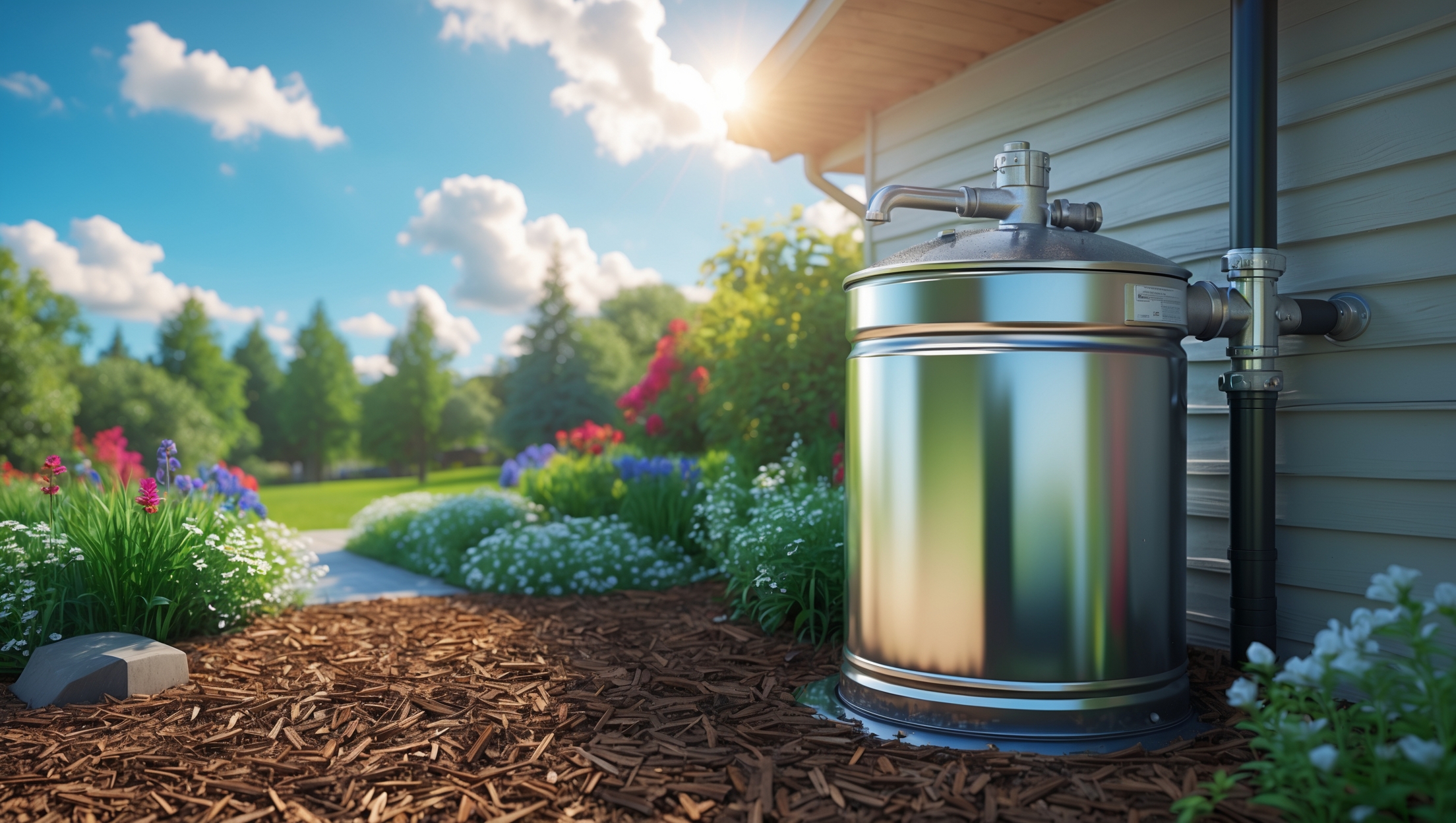
Introduction: Why Build a Rain Barrel System?
Water conservation is more important than ever, especially for homeowners seeking sustainability, cost savings, and a resilient garden. The average rooftop can collect hundreds of gallons of rainwater from a single storm, yet most of this precious resource ends up flowing straight into storm drains. Installing a DIY rain barrel system is an effective and accessible solution for capturing runoff, reducing your utility bills, and providing your plants with naturally soft, chemical-free water. Whether you want to cut your outdoor water usage, prepare for drought, or simply practice eco-friendly habits, this step-by-step guide will walk you through designing, sourcing, installing, and maintaining an efficient rain barrel setup tailored to your home’s needs. We’ll cover practical tips, common pitfalls, safety considerations, and how to maximize your rainwater harvest for lasting results.
How Rain Barrel Systems Work
A rain barrel system collects and stores rainwater from your home’s roof via the gutter downspouts. The stored water can be used for watering gardens, lawns, and even for washing tools or outdoor furniture. By intercepting rain at the source, you reduce stormwater runoff, decrease erosion, and lessen the burden on local water supplies.
- Collection: Rainwater flows from the roof into your gutters, then is diverted into a barrel.
- Storage: The barrel holds the water, usually ranging from 40 to 80 gallons per unit.
- Dispensing: Water is accessed via a spigot or hose attachment, often aided by gravity.
Planning Your DIY Rain Barrel System
Assessing Your Needs
Start by evaluating your goals and requirements:
- How much water do you want to collect?
- What will you use the water for?
- How much roof area and rainfall do you have?
- Where is the best location for the barrel(s)?
Calculating Potential Rainwater Harvest
Estimate your collection capacity using this formula:
- 1 inch of rain on 1,000 sq. ft. of roof = ~623 gallons.
- Example: 500 sq. ft. roof area × 1 inch rain = ~312 gallons.
- Most rain barrels hold 40–80 gallons—consider linking multiple barrels for higher capacity.
Selecting a Suitable Location
- Place the barrel under a downspout with high roof coverage.
- Ensure the ground is level and can support the full weight (a 55-gallon barrel can weigh over 450 lbs when full).
- Allow easy access for filling watering cans or attaching hoses.
- Make sure overflow is directed away from your foundation.
Choosing Materials and Tools
Rain Barrel Options
- Commercial Barrels: Pre-built with spigots, screens, and overflow valves. Easy but more expensive.
- Repurposed Food-Grade Barrels: Budget-friendly, but require more DIY work and thorough cleaning. Never use barrels that contained chemicals.
Essential Components
- 55-gallon food-grade plastic barrel or commercial rain barrel
- Downspout diverter or flexible elbow
- Spigot or hose bib (¾” is standard)
- Overflow valve or hose
- Screen or debris filter (to block leaves and mosquitoes)
- Plumber’s tape (Teflon)
- Caulk or waterproof sealant
- Cinder blocks, pavers, or a wooden stand (to elevate the barrel)
- Drill with hole saw and standard bits
- Adjustable wrench
- Hacksaw (for downspout modification)
Optional Add-Ons
- Linking kit (to connect multiple barrels)
- Rain chain for aesthetic diversion
- Automatic watering system adapters
- Decorative barrel covers or paint (use non-toxic, weather-resistant paint)
Step-by-Step Setup Tutorial
1. Prepare the Rain Barrel
- Clean Thoroughly: Rinse the barrel with a diluted bleach solution (1/8 cup bleach per gallon of water), then rinse multiple times with clean water. Let it dry.
- Mark Holes: Use a marker to indicate where you’ll install the spigot (about 2–4 inches from the bottom), overflow (near the top), and any linking ports.
2. Drill and Install Fittings
- Spigot: Drill a hole for the spigot, wrap its threads with plumber’s tape, and screw it in tightly. Seal around the base with caulk for a watertight fit.
- Overflow: Drill a hole at the top for the overflow valve. Install the fitting and attach a hose to direct excess water away from your foundation or into another barrel.
- Screen: Cut a hole in the barrel’s lid to fit the downspout or diverter. Secure a mesh screen over the opening to keep out debris and insects.
3. Prepare the Base
- Level the ground under your chosen downspout.
- Stack cinder blocks, bricks, or a sturdy wooden platform to raise the barrel at least 12–18 inches above ground. This increases water pressure and makes filling watering cans easier.
4. Modify the Downspout
- Measure and mark where the downspout meets the top of the barrel. Use a hacksaw to cut the downspout at this point.
- Install a diverter or flexible elbow to direct water from the downspout into the barrel’s screened opening.
- Ensure the downspout extension is secure and can be easily removed for cleaning.
5. Position and Connect the Barrel
- Place the barrel on the prepared stand directly under the modified downspout.
- Double-check that all fittings are tight and that the screen is secure.
- Test the system by running water through the gutter or waiting for the next rainfall.
6. Set Up Overflow Management
- Attach a hose or pipe to the overflow fitting and run it away from your home’s foundation, ideally to a permeable area or another barrel.
- Check that the overflow path is clear and won’t cause puddling or erosion.
7. (Optional) Link Multiple Barrels
- If you want more capacity, link barrels using a connector kit or short hoses at the overflow level so excess water from the first barrel flows into the next.
- Ensure all barrels are at the same height for efficient transfer.
Practical Tips and Troubleshooting
Preventing Mosquitoes and Algae
- Always use a fine mesh screen to block insects.
- Keep the lid closed and sealed except when accessing water.
- Place the barrel in partial shade to limit algae growth.
- Clean the barrel every 3–6 months.
Winterizing Your Rain Barrel
- Before the first freeze, drain the barrel completely.
- Disconnect and store hoses or diverters.
- Turn the barrel upside down or store it indoors to prevent cracking from ice expansion.
- Redirect the downspout away from the foundation for winter.
Maximizing Water Pressure
- Elevate the barrel as high as practical for better flow.
- Use a short, wide-diameter hose for gravity-fed systems.
- Consider a small solar-powered pump if you need more pressure for irrigation.
Ensuring Safe Water Use
- Rain barrel water is not potable—never use it for drinking or cooking.
- Use only for watering plants, lawns, or outdoor cleaning tasks.
- Keep barrels away from pets and children; secure the lid tightly.
Maintenance Best Practices
- Inspect and clean the barrel, screens, and fittings monthly during the rainy season.
- Flush out sediment and debris at least twice a year.
- Check for leaks, cracks, and loose fittings.
- Replace worn or damaged components promptly.
- Monitor for mosquito larvae—add a mosquito dunk (Bti-based, safe for plants) if needed.
- Keep the overflow path clear.
Common Mistakes and How to Avoid Them
- Using Non-Food-Grade Barrels: Avoid barrels that once contained chemicals.
- Poor Siting: Don’t place barrels on sloped or unstable ground.
- Ignoring Overflow: Always plan for overflow and direct it away from your foundation.
- Skipping Screens: Unscreened barrels invite mosquitoes and debris.
- Not Winterizing: Leaving water in the barrel over winter can cause splitting and leaks.
Enhancing Your Rain Barrel System
Automation and Irrigation
- Install a drip irrigation adapter for hands-free watering.
- Add a timer for consistent scheduling.
- Connect multiple barrels for increased capacity and longer watering periods.
Decorative Options
- Paint your barrel with exterior-grade, non-toxic paint to match your garden aesthetic.
- Disguise with trellises, planters, or lattice screens.
- Choose barrels with faux wood or stone finishes for a polished look.
Compliance and Local Regulations
In most areas, rain barrel installation is legal and even encouraged, but check with your local municipality for any restrictions or guidelines. Some regions offer rebates or incentives, while a few arid states have specific rules regarding water rights. Always comply with local plumbing and stormwater regulations.
Conclusion: Reap the Rewards of Rainwater Harvesting
Building your own rain barrel system is more than just a weekend project—it’s a step toward resilience, sustainability, and stewardship of your local environment. By harvesting rainwater, you’ll reduce your household’s demand on municipal supplies, lower your water bills, and provide your garden with naturally soft, chlorine-free water that plants love. You’ll also help manage local stormwater runoff, which can reduce erosion and protect waterways. Throughout the installation, remember that attention to detail—like secure fittings, proper siting, and regular maintenance—will ensure your system’s longevity and effectiveness. Don’t be afraid to customize your setup with additional barrels, automated irrigation, or creative landscaping touches. Whether you’re a gardening enthusiast, eco-conscious homeowner, or simply looking to save money, a rain barrel system is a rewarding investment that pays dividends for years to come. Start small, learn as you go, and enjoy the satisfaction of making your home—and your world—a little greener, one rainstorm at a time.
When sourcing the materials for this system, are there any budget-friendly options for barrels and other parts that still meet the safety recommendations for home gardens? I want to make sure I don’t cut corners on quality.
You can often find food-grade barrels at local bottling plants, bakeries, or food distributors at a lower cost—just make sure they haven’t stored any harmful chemicals. For other parts like spigots and hoses, hardware stores sometimes carry affordable kits designed specifically for rain barrels, which are safe for garden use.
Could you clarify if the system described works well with roofs that have asphalt shingles? I’m concerned about any potential contamination from roofing materials and how that might affect the water quality for garden use.
The system can be used with asphalt shingle roofs, and many homeowners do so for garden irrigation. However, it’s true that asphalt shingles may leach small amounts of chemicals, especially when new. These are usually considered safe for ornamental plants but are not recommended for edible gardens. For vegetable gardens, a food-grade roof or alternative water source is a safer choice.
Could you provide more details about safe materials for barrels? I want to make sure I’m storing water in something suitable for garden use and not introducing any chemicals from plastics or previous contents.
For garden use, it’s best to use food-grade plastic barrels, typically marked with HDPE (high-density polyethylene) and a recycling code of 2. Make sure the barrel hasn’t been used to store chemicals or oils—look for ones that previously held food products like juices or syrups. Avoid barrels that once contained non-food substances, as residues may linger. Thoroughly clean the barrel before use.
The article mentions estimating water collection based on roof area and rainfall, but what about safety precautions for keeping mosquitoes and debris out of the barrels? Do you have specific recommendations for screens or covers?
To keep mosquitoes and debris out of your rain barrels, it’s important to use fine mesh screens (1/16-inch or smaller) over all openings, including the top and any intake holes. Secure the screen tightly to prevent gaps. You can also use tight-fitting lids or specialty rain barrel covers designed for this purpose. Regularly check and clean the screens to maintain airflow and prevent clogs.
If I’m mainly interested in using the rainwater to water a veggie garden, are there any safety considerations I should keep in mind when sourcing barrel materials or deciding on water uses? I saw you mentioned chemical-free water, so just want to be sure.
For watering a veggie garden, use food-grade barrels that haven’t stored chemicals or oils in the past. Avoid barrels that held anything toxic. Also, don’t use water collected from roofs treated with pesticides, wood preservatives, or containing lead paint. It’s best to water soil, not edible leaves directly, to minimize risks.
You mentioned safety considerations—could you elaborate on what those are? Specifically, are there regulations or best practices for making sure the collected water stays clean and doesn’t become a breeding ground for mosquitoes?
Safety for rain barrels mainly involves preventing contamination and mosquito breeding. Use a fine mesh screen over the barrel to keep debris and insects out, and make sure the barrel is tightly sealed except for the inlet and outlet. Regularly clean the barrel and avoid using water from roofs with lead paint or asphalt shingles for edible plants. Some areas have local regulations about rainwater collection, so it’s a good idea to check with your municipality before installing your system.
You mention barrel sizes between 40 and 80 gallons—do you have any tips on deciding how many barrels I might need for a medium-sized roof and average rainfall?
To estimate the number of barrels, calculate your roof’s catchment area (length x width in feet), then multiply by average rainfall (in feet) to get gallons collected (1 inch rain on 1000 sq ft yields about 623 gallons). Divide your expected collection per rain event by the barrel size. This helps determine how many barrels you’ll need to capture and store what your roof provides.
If I want to connect multiple barrels together for extra storage, do I need to do anything special with the setup or is it just a matter of linking the hoses? Are there any issues I should watch out for with overflow?
When connecting multiple barrels, it’s best to use hoses or pipes near the bottom of each barrel so water flows evenly between them. Make sure each barrel has an overflow outlet at the top to handle heavy rain, and direct that overflow away from your home’s foundation to prevent water damage. Check for leaks at the connections and keep the system clean to avoid clogs.
Are there any recommended maintenance routines or troubleshooting steps for common issues, like clogged outlets or algae buildup inside the barrel, especially if I plan to use the system year-round?
For year-round use, check your rain barrel monthly for debris and clean the inlet screen to prevent clogs. Scrub the barrel interior twice a year to control algae, and use opaque materials or tight-fitting lids to limit sunlight exposure. If an outlet gets clogged, flush it with a hose or clear it with a flexible brush. In winter, ensure water can drain freely to prevent freezing and damage.
I’m curious about mosquito prevention with these rain barrel systems. Does your step-by-step guide cover specific tips to keep insects and larvae out of the stored water, especially during the warmer months?
Yes, the guide includes tips for mosquito prevention. It recommends using tight-fitting lids or screens over the rain barrel openings to block insects from entering. Cleaning the barrel regularly and checking for any gaps can also help keep mosquitoes and larvae out, especially in warmer weather.
Is there an average upfront cost homeowners can expect when sourcing materials for a basic DIY rain barrel setup, and are there recommended budget-friendly options for people just getting started?
Homeowners can usually expect to spend between $40 and $100 upfront for a basic DIY rain barrel setup, depending on barrel size and materials. To keep costs down, consider repurposing a food-grade barrel, using simple spigot kits, and checking local community programs for discounted or free barrels.
I’m considering setting up a rain barrel system behind my shop, but I’m worried about mosquitoes and debris getting into the water. Does the article cover effective ways to keep the barrels sealed and clean, especially if I plan to use the water for my vegetable patch?
Yes, the article addresses both mosquito prevention and debris control. It recommends fitting your barrel with a fine mesh screen over the inlet to stop insects and leaves from getting inside. Regularly checking and cleaning the screen will help keep the water clean and safe for your vegetable patch.
Could you expand on the potential cost savings for a small business using a rain barrel system? I’m trying to estimate whether the materials and setup time will pay off compared to my current outdoor water bill.
For a small business, rain barrels can significantly cut outdoor water costs, especially if you use a lot for landscaping or cleaning. The initial materials usually cost $50 to $150 per barrel, plus setup time. Savings depend on local rainfall and water rates, but many users see a return on investment within one to two years. If you track your current outdoor water usage, you can estimate savings by comparing that amount to average rainfall and the storage capacity of your barrels.
You mentioned safety considerations—what specific precautions should I take to prevent mosquitoes or algae buildup in my rain barrel over time?
To prevent mosquitoes and algae in your rain barrel, make sure to use a tight-fitting lid or fine mesh screen over all openings. Regularly check for gaps or standing water around the barrel, clean the barrel every few months, and place it in a shaded area to limit sunlight, which reduces algae growth.
When calculating storage volume, how do you decide between using one large barrel versus connecting multiple smaller ones? I’m interested in maximizing capacity without taking up too much space near my downspouts.
Choosing between one large barrel and several smaller ones often depends on your available space and the layout near your downspouts. If you have limited width but some flexibility with height or depth, a single large barrel might work best, as it offers maximum capacity in one footprint. If your area is awkwardly shaped or you need to fit barrels around obstacles, connecting multiple smaller barrels in series can help you use available nooks and corners. Also, multiple barrels let you expand over time if you start with just one or two.
You mention that barrels usually range from 40 to 80 gallons. Are there any guidelines for deciding what size is most efficient for a typical suburban home, especially in areas with irregular rainfall?
For a typical suburban home, a 50- to 60-gallon barrel often strikes a good balance between capacity and space. If your area experiences irregular rainfall, a larger barrel (around 80 gallons) can help capture more water during heavy rains, ensuring you have reserves for dry spells. Also, consider how much outdoor watering you do—more frequent use may justify a larger or even multiple barrels.
Is it possible to connect multiple barrels together to increase storage, or does that complicate things? If so, are there special connectors or setups you recommend to make sure the system works properly?
You can definitely connect multiple rain barrels to increase your water storage. The simplest way is to use flexible hose or PVC pipe to link the overflow outlets near the top of each barrel, allowing water to flow from one to the next. Barrel connectors or bulkhead fittings are commonly used for leak-proof joins. Just ensure all barrels sit at the same level for even distribution.
You mention common pitfalls during installation—are there particular mistakes that tend to cause leaks or overflow issues, and what can I do during setup to avoid them?
Leaks often happen if the barrel fittings or spigots aren’t sealed tightly, so make sure to use waterproof sealant and check all connections. Overflow issues usually occur if the overflow outlet is too small or not directed away properly. Use a wide overflow hose, and position it to divert excess water safely away from your house foundation.
Could you give a rough estimate on how much it would cost to build a basic rain barrel system using commonly available parts? I’m trying to figure out if this is manageable within a tight budget.
A basic rain barrel system can usually be built for $30 to $70 if you use a recycled food-grade barrel, standard downspout diverters, and basic plumbing fittings. The largest expense is often the barrel itself, but checking with local food suppliers or hardware stores for used barrels can help keep costs down.
Is it better to use multiple smaller barrels or one large barrel if I want to maximize rainwater collection for a medium-sized yard? Are there pros and cons to either setup that I should consider?
Using multiple smaller barrels offers flexibility—you can place them in different locations and expand your system easily over time. If one barrel needs cleaning or maintenance, the others can still collect water. A single large barrel usually takes up less space and requires fewer connections, making installation simpler, but if it overflows or needs repair, you may lose more stored water at once. For a medium-sized yard, consider your available space, maintenance preferences, and how much water you want to store when deciding between the two options.
The article mentions using the collected water for gardens and outdoor cleaning—are there any filters or treatments recommended if I want to use it for edible plants, or is the rainwater safe as is?
Rainwater collected directly from your roof can contain debris, bird droppings, and other contaminants, so it’s best to filter it before using it on edible plants. Consider installing a simple screen or mesh filter at the entry point of your barrel, and if possible, use a first-flush diverter to discard the initial runoff. For extra safety, avoid using water from roofs treated with chemical coatings. Rainwater is generally safe for gardens, but these steps help minimize risks.
If I want to use the water from a rain barrel for tasks like washing outdoor furniture, are there any safety or water treatment steps I should consider, or is it safe to use straight from the barrel?
Rain barrel water is untreated and can contain bacteria or debris. For washing outdoor furniture, it’s usually fine to use it straight from the barrel as long as you avoid contact with food surfaces or items used by children. Just avoid using it for drinking, cooking, or personal hygiene without proper filtration and disinfection.
You mentioned barrels usually ranging from 40 to 80 gallons—do you have suggestions for connecting multiple barrels together for larger gardens, and are there any safety or maintenance issues to watch out for if daisy-chaining barrels?
Connecting multiple barrels is a great way to increase water storage. You can link barrels using overflow hoses or PVC pipes near the top of each barrel, allowing water to flow from one to the next. Use sturdy, food-grade barrels and ensure all connections are secure to prevent leaks. Check for mosquito screens and keep lids tight to avoid pests and algae. Regularly inspect for clogs or sediment buildup.
Do you have any tips on keeping mosquitoes or other pests out of the rain barrel? I’m interested in setting this up, but I’m concerned about standing water attracting bugs.
To keep mosquitoes and pests out of your rain barrel, make sure to use a tight-fitting lid and cover all openings, including the intake and overflow, with fine mesh screens. Check these screens regularly for any holes or debris, and clean them as needed. Also, avoid letting water sit stagnant for too long—using the collected water frequently helps discourage mosquito breeding.
Could you elaborate on the maintenance involved after installing a rain barrel system, especially regarding preventing mosquito breeding and keeping the water clean for garden use?
To maintain your rain barrel system, clean the barrel every few months by emptying and rinsing it. Use a fine mesh screen over all inlets to prevent mosquito entry. Check and clear any debris from the screen and gutters regularly. Consider adding a mosquito dunk (a safe, biological control) inside the barrel to further prevent larvae. Keep the barrel tightly covered and use water promptly to ensure it stays fresh for your garden.
If I want to set up rain barrels on a budget, are there certain materials or components that you recommend prioritizing for quality, and are there areas where it’s okay to save money?
Focus your budget on a sturdy, food-grade barrel and a reliable spigot, since these are key for safety and long-term use. You can save money by using basic screening material for the inlet, simple downspout diverters, and repurposed stands or platforms for the barrels.
For homes with limited yard space, is it possible to connect multiple smaller barrels instead of one large one? If so, how would I set that up and make sure I’m maximizing my rainwater harvest efficiently?
Yes, you can absolutely connect multiple smaller barrels if space is tight. Arrange the barrels side by side, and use short sections of hose or PVC pipe with watertight fittings to link the overflow outlet of one barrel to the inlet of the next. This way, when the first fills up, excess water flows into the next barrel, making efficient use of all available storage. Be sure each barrel is on a level base and check connections for leaks to maximize your rainwater harvest.
You mention that barrels typically hold between 40 to 80 gallons. How do I determine the ideal number of barrels or total storage I’d need if my garden is medium-sized and I want to cover most of my summer watering needs?
To estimate your ideal barrel setup, first calculate how much water your garden needs weekly (in gallons) during summer. Multiply that by the number of weeks you want to cover. Divide the total gallons by the barrel size (e.g., 55 gallons) to find out how many barrels you’ll need. Most medium gardens use 1–2 barrels, but your actual needs may vary depending on plant types and local rainfall.
Is there a recommended way to keep mosquitoes or algae from growing in the rain barrel over time, especially since the article mentions storing water for garden use?
To prevent mosquitoes, make sure your rain barrel has a tightly fitting lid and cover any openings with fine mesh. For algae control, keep the barrel out of direct sunlight if possible or use an opaque barrel that blocks light. Periodically cleaning the barrel also helps reduce algae buildup.
The article suggests different barrel sizes, but is there an ideal number of barrels or a recommended capacity for a typical suburban home with moderate rainfall? I’m trying to figure out if it’s better to start with one large barrel or several smaller ones.
For a typical suburban home with moderate rainfall, starting with one 50- to 80-gallon barrel is often enough for basic garden use. If you want more capacity, connecting two or more smaller barrels in series gives you flexibility and makes handling easier than one very large barrel. This setup also allows you to expand your system over time as your needs grow.
If I want to use rainwater for washing outdoor furniture, are there any extra filtration steps or precautions I should take compared to just using it for watering plants?
When using rainwater for washing outdoor furniture, it’s a good idea to add a fine filter or mesh to remove debris and prevent clogs. Unlike watering plants, you might also want to disinfect the water, especially if furniture is used for dining or by children. Avoid using rainwater that has flowed over roofs treated with chemicals.
Could you clarify if the water collected from asphalt shingle roofs is safe to use for vegetable gardens? I’m trying to figure out if I need to add any filters or take extra precautions.
Water collected from asphalt shingle roofs may contain contaminants like petrochemicals or heavy metals, which could be harmful if used directly on edible plants. If you plan to use this water for vegetable gardens, it’s best to install a filtration system specifically designed to remove such contaminants or reserve this water for non-edible plants, just to be safe.
Is there anything specific I should look for when selecting a location for the rain barrel to ensure optimal water collection and easy maintenance, especially in areas with limited yard space?
Choose a spot under a downspout where rainwater naturally flows off your roof. Make sure the area is level and stable for the barrel. Ensure enough clearance for connecting hoses and for cleaning or emptying the barrel. If space is tight, pick a spot that’s easy to access but doesn’t block walkways or daily activities.
When planning out the location for a rain barrel, what should I watch out for regarding foundation safety or overflow issues? My downspouts are pretty close to the house and I’m a bit worried about potential water damage.
It’s smart to be cautious about placement. Make sure your rain barrel sits on a stable, level surface, ideally using a concrete paver or stand to prevent shifting or sinking. Place the barrel slightly away from your house and slope the ground so any overflow drains away from the foundation. Also, attach an overflow hose to direct excess water safely away from the building.
When selecting a location for the rain barrel, is it okay to place it directly on the ground, or does it need to be elevated for better water pressure when using a hose attachment?
Elevating your rain barrel is recommended if you plan to use a hose attachment. Placing it on a sturdy platform, like concrete blocks, increases gravity-fed water pressure and makes it easier to fill watering cans or use a hose. Sitting it directly on the ground will usually give you less water flow.
I’m interested in maximizing collection during heavy storms but my gutter downspouts are located at different corners of my house. Do you have any tips for linking multiple barrels or managing overflow without causing drainage issues near the foundation?
To link multiple barrels, you can connect them using hoses or PVC pipes fitted with bulkhead fittings near the tops of each barrel. This way, when one fills up, water flows into the next. For overflow, direct any excess with flexible tubing or a splash block away from your foundation to a garden or safe drainage area.
Does it make a big difference in water savings if I connect multiple barrels together, or is one typically enough for an average-sized garden?
Connecting multiple barrels can significantly increase your water storage, which is useful during dry spells or if you have a larger garden. For an average-sized garden, one barrel might be enough for basic watering, but adding more barrels gives you extra capacity and flexibility, especially if you want to collect as much rainwater as possible during heavy rainfall.
When figuring out how much water I can collect, do I need to account for first flush diverters or seasonal debris in the gutters, or is the calculation just based on total roof area and rainfall like the formula suggests?
It’s wise to consider first flush diverters and seasonal debris in your calculations. While the basic formula uses total roof area and rainfall, diverters and debris can reduce the amount of water that actually reaches your barrel, so your collected volume may be somewhat less than the theoretical maximum.
When setting up the rain barrel near my downspout, how much space should I leave around it for easy access and safe installation? I have a somewhat narrow area next to my house and want to ensure it fits.
It’s best to leave at least 12 to 18 inches of space around your rain barrel. This gives you enough room to access the spigot, clean the barrel, and check connections. If your space is narrow, ensure you can comfortably reach the top and front of the barrel for maintenance and water collection.
I noticed the storage sizes you mentioned range from 40 to 80 gallons. If I want to connect multiple barrels together to increase capacity, do you suggest any specific connectors or layout tips to maximize water flow and prevent leaks?
Connecting multiple barrels is a smart way to boost capacity. Use bulkhead fittings and short sections of hose or PVC pipe to link barrels at their lowest points, which helps maintain even water levels. Ensure all connections are sealed tightly with waterproof tape or silicone to prevent leaks. Placing barrels on a level surface and including an overflow outlet on the last barrel will improve flow and avoid spillage.
For homeowners in regions with freezing winters, are there specific steps to winterize a rain barrel system or should it be disconnected entirely during the cold months?
In regions with freezing winters, it’s important to disconnect your rain barrel system before temperatures drop below freezing. Drain the barrel completely, remove hoses or attachments, and store the barrel upside down or indoors to prevent cracking. This protects both the barrel and your home’s gutter system from freeze damage.
Can this rain barrel system be hooked up to existing irrigation lines, or would I need to modify the setup a lot if I want to water my garden automatically rather than hauling buckets?
You can connect a rain barrel system to existing irrigation lines, but some modifications are usually needed. You’ll likely need a hose adapter or spigot, and possibly a pump if your irrigation system requires pressure. Automatic watering is possible with the right setup, just be sure to include a filter to keep debris out of your irrigation lines.
If I want to set up multiple barrels to maximize my rainwater harvest, is there a recommended way to connect them together so they fill evenly, and are there any issues with water pressure I should expect for garden use?
To connect multiple barrels for even filling, use PVC pipes or hoses to link the barrels at their bases. This way, water levels balance across all barrels. Keep barrels at the same height for best results. For garden use, expect lower water pressure since the system is gravity-fed, so using soaker hoses or watering cans works better than sprinklers.
When it comes to choosing a spot for the rain barrel, is there an ideal distance it should be from the downspout or garden to make using the water most convenient? I want to avoid lugging heavy watering cans too far.
Position the rain barrel as close as possible to your downspout, since you’ll need to collect water directly from it. To make watering your garden easy, place the barrel near the area you most often water, ideally within a hose’s reach or just a few steps away to minimize carrying heavy cans.
I’m curious about safety: with kids around, are there any tips for making sure the rain barrel is secure and won’t attract mosquitoes or other pests mentioned in your maintenance section?
To keep kids safe, make sure the rain barrel has a tight-fitting, locked lid they cannot easily open. For pests like mosquitoes, use fine mesh screens over all openings to prevent entry and check regularly for any gaps. Empty and clean the barrel as recommended to avoid stagnant water, which attracts pests.
I have an older house and the downspouts are a bit irregular compared to more modern setups. Is there a recommendation for adapting the rain barrel system to fit non-standard gutters, or do I need to buy special diversion kits?
You can often adapt a rain barrel system to irregular or non-standard downspouts using flexible downspout extenders or universal diverter kits, which are designed to fit a range of shapes and sizes. If your gutters are very unusual, you might need to use additional adapters or cut a custom opening in the barrel lid to fit your setup.
When it comes to sourcing materials for the barrel and fittings, what budget-friendly options or reusable containers would you suggest that still meet the necessary safety and durability requirements?
Food-grade plastic barrels, like those used for bulk food or drink storage, are an affordable and safe option if thoroughly cleaned. You might find these at local restaurants or food suppliers. For fittings, PVC plumbing parts are both budget-friendly and durable. Always avoid containers that previously held chemicals, and look for UV-resistant barrels for a longer-lasting setup.
You mention using the collected rainwater for outdoor tasks, but are there any guidelines or filters you’d recommend if I want to use it for washing my car or filling a kiddie pool for the kids?
If you plan to use rainwater for washing your car or filling a kiddie pool, it’s a good idea to install a basic filter, such as a fine mesh screen, at the barrel inlet to remove debris. For extra safety, especially for kids’ pools, consider an inline sediment filter and avoid using rainwater collected from roofs treated with chemicals. Always clean the barrel regularly and let the water run for a minute before use to flush out any contaminants.
I live in an area that occasionally freezes in winter. What are the best practices for prepping the rain barrel system for cold weather, and can the same setup work year-round with just a few adjustments?
To prepare your rain barrel for freezing temperatures, it’s best to drain all water, disconnect the barrel from the downspout, and store it upside down or indoors if possible. This prevents cracking and damage from ice. Most standard DIY setups aren’t recommended for year-round use in freezing climates without modifications like a frost-proof diverter or insulating materials.
The article mentions calculating potential rainwater harvest based on roof area and rainfall. Do you have advice for homeowners in regions with unpredictable weather patterns on how to size the system effectively?
For areas with unpredictable weather, it’s best to size your rain barrel system based on average monthly rainfall and the largest storm events you might experience. Consider installing additional barrels or modular tanks to expand capacity during wetter periods. Also, plan for overflow management to avoid flooding during heavy rains.
What kind of ongoing maintenance does a home rain barrel system typically require, and are there any common issues to watch out for, like clogs or algae buildup, that beginners should be aware of?
A rain barrel system needs regular maintenance to work well. You should clean the barrel and filter screens every few months to prevent clogs from leaves or debris. Check for leaks, make sure the spigot is clear, and regularly empty and scrub the barrel to prevent algae buildup, especially in warm weather. Also, keep the lid tight to keep out mosquitoes and pests.
I noticed you mentioned safety considerations—are there best practices for preventing mosquito breeding or algae growth in the barrel over the summer months? Any maintenance tips to keep the water clean for garden use?
To prevent mosquitoes, use a tight-fitting lid or fine mesh screen over the barrel openings. For algae control, keep the barrel out of direct sunlight or use an opaque container. Clean your barrel every few months by rinsing with a mild bleach solution and flushing out debris. Periodically check and unclog the spigot and screens to maintain water quality for your garden.
I’m wondering about safety—do you have any advice for preventing mosquitoes from breeding in the barrels? I want to make sure I’m not creating a new problem while trying to save water.
To prevent mosquitoes from breeding in your rain barrel, use a tight-fitting lid or fine mesh screen over all openings, including the inlet and overflow. Make sure there are no gaps where insects can enter. Regularly check and clean the screen, and empty any standing water from around the barrel.
If my gutter downspout is on the opposite side of the house from my garden, how tricky is it to set up a rain barrel system with hoses or pipes to reach where I need the water?
Setting up a rain barrel system on the opposite side of the house does add some complexity, but it’s very doable. You can use a long, durable garden hose or install underground piping to transport the water to your garden. Just make sure the hose or pipe has a slight downward slope for gravity flow, or consider a small pump if your garden is uphill.
If my downspouts are in awkward spots, like near driveway slopes or close to windows, do you have tips for relocating or extending them to work safely with a rain barrel system?
If your downspouts are in tricky locations, you can use flexible downspout extenders or elbow joints to reroute the water flow to a more suitable spot for your rain barrel. Just make sure the new location is stable, away from windows, and directs overflow safely away from your home’s foundation. Secure all extensions well to prevent leaks or detachment.
How do you keep mosquitoes and debris out of the barrel? Are there certain types of screens or covers you recommend that work best with typical US rain barrels?
To keep mosquitoes and debris out, cover all openings with fine mesh screens—look for stainless steel or durable nylon mesh with small holes (1/16 inch or finer). Secure lids tightly and ensure downspout inlets are also screened. Some hardware stores sell rain barrel-specific screens designed to fit standard US barrels.
You mentioned safety considerations when setting up the rain barrel. What should I be careful about if I have kids and pets in the yard, especially regarding the lid or overflow?
When setting up your rain barrel, make sure the lid is secure and childproof to prevent kids or pets from accessing the water or falling in. Use a mesh screen to cover any openings and block debris, and check that the overflow hose directs water safely away from play areas to avoid slippery spots.
I noticed you mention rain barrels usually range from 40 to 80 gallons per unit. If I wanted to link multiple barrels together to increase capacity, are there special connectors or precautions I should be aware of during installation?
You can absolutely link multiple rain barrels to boost your storage. Use overflow or barrel connector kits, which typically include hoses or PVC pipes and bulkhead fittings. Make sure all barrels are at the same height for even water flow, and check that connections are watertight to prevent leaks. It’s also important to keep the barrels level and secure to avoid tipping when they’re full.
You mention rain barrels usually hold 40 to 80 gallons—if I want to collect more water, is it better to connect multiple smaller barrels or invest in a single large tank? Are there trade-offs between the two approaches?
Both options can work, but there are some trade-offs. Connecting multiple smaller barrels gives you flexibility—you can add more over time and place them in different locations. It’s also easier to move or replace one if needed. A single large tank maximizes storage in one spot and may be more efficient if space allows, but it’s heavier, harder to install, and may cost more upfront. Consider your available space, budget, and how much water you want to store.
What are some common maintenance issues I should look out for with a DIY rain barrel setup, especially in regions that experience freezing temperatures during winter?
In regions with freezing winters, it’s important to disconnect and drain your rain barrel before temperatures drop to prevent cracking from ice expansion. Also, check regularly for clogged screens or downspouts, clean out debris, and inspect for any leaks or loose connections after harsh weather.
I’m curious about the placement of the rain barrel. Are there any safety or municipal code concerns to watch out for when choosing the location near downspouts?
When placing your rain barrel, make sure it’s on a stable, level surface to prevent tipping. Some municipalities have rules about rainwater collection, so check local codes regarding placement, overflow, and mosquito prevention. Keep the barrel away from pathways to avoid trip hazards, and ensure it’s close enough to the downspout for easy connection.
We have a small backyard and not much space near our downspouts. Do you have tips for making the most out of a limited roof area, or should we connect multiple smaller barrels?
If space is tight, using one or two smaller barrels that fit your area is a smart option. You can also link barrels together with hoses or connectors to collect more water without taking up extra room. Installing them under the downspout with a diverter helps maximize collection from your limited roof area.
I’m interested in connecting multiple barrels together for extra capacity. Does your step-by-step guide cover overflow solutions or maintaining even water levels between barrels?
The step-by-step guide includes tips for connecting multiple barrels and provides overflow solutions to prevent flooding when one barrel fills up. It also covers how to link barrels so they maintain even water levels, usually by connecting them at the bottom with hoses or PVC piping.
For families on a budget, what are some affordable options for sourcing or repurposing barrels safely, and are there any materials to avoid when building a DIY rain barrel system?
For budget-friendly options, look for food-grade barrels from local restaurants, food processing plants, or community recycling programs. Make sure the barrels haven’t stored chemicals or toxic substances. Avoid using barrels that held oils, pesticides, or industrial materials, as residues can contaminate your water and harm plants.
I noticed you mentioned maintenance for the rain barrel system—can you explain what kind of regular cleaning or checks are needed to keep it safe for watering vegetables and flowers? I’m hoping to minimize extra work if possible.
To keep your rain barrel system safe for watering veggies and flowers, check the barrel for debris every few weeks and clean the inside at least once each season. Make sure to clear out leaves from the screen or filter, and inspect for mosquito larvae or algae. This keeps the water clean but doesn’t require much effort beyond regular garden maintenance.
I’m trying to estimate how much space I’ll need for my setup. When selecting a location, are there any considerations for winterizing the rain barrel system, especially in areas where temperatures drop below freezing?
When choosing a spot for your rain barrel, make sure it’s accessible for draining before winter. In freezing climates, you’ll need to completely empty the barrel and disconnect it to prevent cracking. Leave room around the barrel for insulation or to move it indoors if necessary. Also, consider elevation for easy drainage and seasonal maintenance.
Could you elaborate on any maintenance issues you’ve run into over time, like clogged gutters or mosquito problems? The article mentions maintenance, but I’m wondering how often these issues actually come up and how you’ve handled them in practice.
Clogged gutters and mosquito issues do come up, especially after storms or during peak mosquito season. I’ve found gutter screens help reduce debris and need cleaning about once a month. For mosquitoes, using a fine mesh screen over the barrel inlet and adding mosquito dunks every few weeks keeps them under control. Regular checks—every couple of weeks—help spot problems early.
You mention planning around your roof area and typical rainfall—are there any online tools or calculators you recommend to help with those estimates for someone who’s new to this?
Yes, there are several helpful online calculators for estimating potential rainwater collection. Look for rainwater harvesting calculators—most just need your roof area (in square feet or meters) and average monthly rainfall (often available from local weather data or climate sites). These tools can quickly estimate how much water you can collect, which is great for beginners planning barrel size and placement.
Do you have any advice on sourcing affordable materials for the rain barrel system, especially for someone trying to stay on a budget while making sure everything is durable and safe for garden use?
To keep costs low and ensure durability, consider repurposing food-grade barrels from local restaurants or food suppliers, as these are often safe for garden use. Check hardware stores or online marketplaces for deals on hoses, spigots, and fittings. Avoid barrels that previously held chemicals to ensure water safety for your plants.
I noticed the storage capacity ranges from 40 to 80 gallons per barrel. How do I calculate the number of barrels I’ll need if I have a medium-sized roof and I want enough water for both the lawn and garden during dry spells?
To estimate the number of barrels, first calculate your roof’s area (length x width in feet). Each square foot collects about 0.6 gallons per inch of rain. Estimate how much water you’ll use during dry spells for your lawn and garden, then divide that total by the storage capacity of one barrel to find how many you’ll need.
I’m curious about maintenance—are there any specific safety tips for keeping the rain barrel system free from mosquitoes and algae buildup, especially if I plan to store water for longer periods as mentioned in the article?
To prevent mosquitoes, make sure all openings are covered with fine mesh or a secured lid, and regularly check for any gaps. To reduce algae, keep the barrel out of direct sunlight and clean it every few months. You can also add a few drops of vegetable oil to the surface to deter mosquito larvae.
Could you elaborate more on how to estimate how much water I’ll actually use for my garden versus what I might collect? I’m not sure how to decide on the best barrel size using the formula you mentioned.
To estimate your water usage, note how many gallons your garden needs weekly—this depends on plant type and area (for example, most gardens need about 1 inch of water per week, which equals about 0.6 gallons per square foot). For collection, use the formula: roof area (sq ft) x rainfall (inches) x 0.623 = gallons collected. Compare your weekly use to the average rain you can catch to decide the barrel size. A larger barrel is better if rain is infrequent or your garden is big.
Can you clarify if there are any safety or legal considerations for collecting rainwater in all states? I want to make sure I’m compliant before setting up the barrels at my business.
Rainwater collection laws vary widely by state and sometimes even by city. In some places, collecting rainwater is fully permitted, while others have restrictions or require permits, especially for businesses. It’s important to check with your local and state water authorities to ensure compliance before installing your system.
If my gutters are currently clogged or need repairs, should I fix those issues before setting up the rain barrel, or can I install the system first and tackle the gutters later?
It’s best to fix any clogged or damaged gutters before installing your rain barrel system. Properly functioning gutters ensure rainwater flows smoothly into the barrel, maximizing efficiency and preventing overflow or blockages. Address the gutter issues first, then set up your rain barrel for the best results.
How much does it typically cost to set up a rain barrel system with all the necessary parts, and are there any budget-friendly alternatives to store more water if I have a large garden?
A basic rain barrel system usually costs between $50 and $150, depending on the barrel size and quality of materials. For larger gardens, you can use multiple barrels or consider repurposing food-grade plastic containers or IBC totes, which can store much more water at a lower cost per gallon. Just ensure any alternative containers are safe for water storage.
For homeowners in regions that experience freezing winters, what additional steps should be taken to protect a rain barrel system from damage or to prepare it for cold weather?
In regions with freezing winters, it’s important to drain your rain barrel completely before temperatures drop to prevent cracking or splitting. Disconnect the barrel from the downspout, store it upside down, and keep all attachments (like hoses and spigots) indoors. If possible, cover the barrel opening to keep out debris until spring.
When calculating how many barrels we’ll need, is it better to connect multiple smaller barrels or go with one large one? Are there pros and cons to each approach in terms of overflow or efficiency?
Both approaches work, but connecting multiple smaller barrels offers flexibility. If one fills up, others can take the overflow, reducing spillage. Smaller barrels are also easier to move or replace. One large barrel takes less space and needs fewer connections but can be heavy and harder to install or maintain. Choose based on your space, budget, and how much water you want to collect.
I understand the barrels range from 40 to 80 gallons, but is it better to have several smaller barrels or one large one if my roof collects a lot of water? Are there pros and cons to either setup?
Both options work, but several smaller barrels give you more flexibility and make it easier to move, clean, or replace individual barrels. You can also connect them to increase capacity as needed. One large barrel holds more water in one place, but it can be harder to handle and might overflow faster if your roof collects a lot at once. Think about your space, how much water you want to store, and maintenance preferences when deciding.
What are some common issues people run into with installing the spigot or hose attachment, and do you have any troubleshooting tips for leaks or low water pressure from the barrel?
When installing the spigot or hose attachment, common issues include leaks around the fittings and low water flow. To prevent leaks, make sure to use plumber’s tape on threaded connections and tighten all fittings securely, but not so tight that you crack the barrel. For low pressure, check that the spigot is installed at the lowest point and the barrel is elevated on sturdy blocks or stands to increase gravity flow. Also, ensure the hose isn’t kinked or clogged.
For someone on a tight budget, are there any recommendations in the tutorial for sourcing affordable barrels or using repurposed containers safely? I want to make sure I’m not missing any important safety tips.
Yes, the tutorial suggests looking for food-grade barrels from local restaurants, bakeries, or bottling plants, as these are often inexpensive or even free. It emphasizes avoiding barrels that previously held chemicals. Make sure to clean any container thoroughly and use only those that are labeled safe for potable water to ensure safe water collection.
When placing the barrel, how important is the elevation for gravity-fed dispensing, and are there affordable solutions if the ideal area is on uneven ground?
Elevation is key for generating enough pressure in a gravity-fed system—the higher the barrel above your hose or spigot, the better the water flow. If your chosen spot is uneven, using concrete blocks, a sturdy wooden platform, or landscaping bricks can create a stable, raised base without much expense.
If I want to connect multiple barrels to increase my water storage, does the setup process change much from the one-barrel instructions here? Any tips on linking them efficiently for a larger garden in a drier climate?
Yes, connecting multiple barrels does require a few adjustments. You’ll need to link the barrels at the bottom with hoses or PVC pipes so water flows evenly between them. Install overflow valves on each barrel and ensure all barrels are at the same height for balanced filling. This setup works well for larger gardens, especially in dry areas.
Do you have any tips for keeping mosquitoes out of the stored rainwater, or is there a specific kind of cover or screen I should look for when buying barrels?
To keep mosquitoes out of your rain barrel, use a fine mesh screen over all openings where water or air can enter. Many rain barrel kits include a tight-fitting lid or screen designed just for this purpose. Also, regularly check for gaps and clear debris to prevent mosquitoes from breeding.
If I want to set up more than one barrel to increase my storage, is it okay to connect barrels in a series using hoses, or would that create issues with water pressure or leaks? Have you found one method to be more reliable than the others mentioned?
Connecting multiple barrels in a series with hoses is a common method and works well for most home setups. Just be sure to use sturdy, leak-proof connectors and keep the hoses at the same level to balance water flow. Secure hose clamps can help minimize leaks. Overall, many people find the series setup reliable as long as connections are tight and checked regularly.
If my main downspout empties out onto a sloped driveway, is there a way to set up a rain barrel safely so it doesn’t tip over or cause water to pool in the wrong spot?
You can place the rain barrel on a level platform made of concrete blocks or pavers to keep it stable on the sloped driveway. Make sure the barrel is securely strapped or anchored. Use a flexible downspout extension to direct water into the barrel, and consider adding an overflow hose to channel extra water safely away from the driveway to prevent pooling.
Is it possible to connect two rain barrels together for extra storage using this setup, and if so, would I need special fittings or just standard spigots and hoses?
You can definitely connect two rain barrels together to increase your water storage. You’ll need either a rain barrel linking kit or you can use standard garden hoses with hose adapters and fittings. Make sure both barrels are at the same height for balanced flow, and connect the overflow or spigot of the first barrel to the intake of the second. This setup doesn’t require any particularly special fittings beyond what’s typically used for garden hoses and adapters.
Can you walk through what kind of maintenance is involved with the rain barrel setup, especially during the winter months? I’m worried about freezing or potential damage when temperatures drop.
During winter, it’s important to empty your rain barrel completely to prevent water from freezing inside and causing cracks. Disconnect the barrel from your downspout and store it upside down or in a sheltered spot. Also, remove and clean any filters or screens, ensuring they’re dry before storing. In warmer months, check regularly for debris, algae buildup, and leaks, and clean the barrel as needed.
Once the barrel is full during a heavy rain, what happens to the extra water? Does it overflow safely, or do I need to add something to handle excess runoff so it doesn’t cause problems near my house’s foundation?
Once your rain barrel is full, any extra water will overflow, which could potentially pool near your home’s foundation if not managed. To prevent this, it’s best to install an overflow hose or pipe that diverts excess water away from your house to a safe drainage area or garden. This helps protect your foundation and makes the system safer.
If I want to set up multiple barrels to maximize water storage, do I need any special connectors or overflow system recommendations to avoid flooding around my foundation?
Yes, when connecting multiple barrels, you’ll need linking kits or hose connectors to join them securely, allowing water to flow evenly between barrels. To prevent overflow near your foundation, install an overflow hose or pipe leading excess water away from your house, ideally directing it to a garden or safe drainage area.
When planning the setup, is it better to have one large barrel or connect several smaller ones together? I have limited space near my downspouts and want to make the most out of the rainwater I collect.
If you have limited space, connecting several smaller barrels together can be more flexible than using one large barrel. Smaller barrels can fit into tight spots, and linking them with hoses lets you expand your system as needed. This setup maximizes your storage without needing a large, single space.
After setting up the system described, about how much time per month do you spend on routine maintenance like cleaning filters or checking for mosquito issues? I want to plan ahead for ongoing upkeep.
Once your rain barrel system is set up, you can expect to spend about 30 to 60 minutes per month on routine maintenance. This includes cleaning the filter screen, inspecting for debris, and making sure mosquito prevention measures like mesh covers are in place. Most tasks are quick, but it’s good to check after heavy rain or if you notice reduced water flow.
What’s the average setup cost for a basic DIY rain barrel system, including tools and materials, and are there ways to do it on a student-friendly budget?
A basic DIY rain barrel system usually costs between $40 and $100, including the barrel, spigot, diverter, and basic tools. For a student budget, look for free or recycled barrels from food suppliers, use simple hand tools you already have, and check local community workshops for free fittings and advice.
If my roof and gutter system collect more than one barrel can hold during a heavy storm, is it better to connect multiple barrels in series or use overflow outlets? What would be the pros and cons for a small business property?
For a small business property, connecting multiple barrels in series allows you to store more water, which can be useful for larger landscaping needs. Series connections mean overflow from one barrel fills the next, maximizing collection. Overflow outlets direct excess water safely away but don’t increase storage. Series connections require careful setup to ensure even flow and stability, while overflow outlets are simpler but less efficient for maximizing water capture.
Is there a big difference in durability or effectiveness between using a repurposed food-grade barrel versus buying a new rain barrel kit from a hardware store? I’m trying to figure out the best option for a tight budget.
Both options can work well for collecting rainwater. Repurposed food-grade barrels are usually less expensive and, if cleaned thoroughly, are safe and durable. New rain barrel kits often include extras like spigots and overflow valves, and may look neater, but cost more. For a tight budget, a clean food-grade barrel with proper fittings can be just as effective and last for years.
Is there a recommended maintenance routine or checklist to keep rainwater clean and the system running efficiently through different seasons? I’m particularly concerned about preventing mosquito breeding in the warmer months.
To keep your rain barrel system clean and efficient, regularly check for debris in the gutters and on the screen filter, especially after heavy rain. Clean the barrel every few months, and ensure all openings are tightly screened to block mosquitoes. In warmer months, check for any standing water around the barrel, and consider adding a mosquito dunk (safe for plants) to the water. Drain and store the barrel before freezing temperatures arrive.
You mentioned the importance of safety considerations for installing a rain barrel system. Could you clarify which specific safety concerns homeowners should be most aware of during installation and ongoing use, especially in areas with young children or pets?
Homeowners should secure the rain barrel with a sturdy lid to prevent children or pets from falling in. Place the barrel on a stable, level surface to avoid tipping. Also, make sure all connections are tight to prevent leaks and reduce the risk of mold or slippery areas. Regularly check for mosquito breeding and keep the area clear of debris.
I see the article mentions barrels usually hold 40 to 80 gallons, but if I want to connect two or more barrels together for extra storage, do I need to use special connectors or is standard garden hose sufficient?
You can connect multiple rain barrels using standard garden hose and hose bibs for basic setups. However, for better flow and leak resistance, many people use specialized barrel connector kits, which include bulkhead fittings and flexible tubing. Either method works, but ensure all connections are watertight to prevent leaks.
The article mentions using barrels between 40 to 80 gallons, but how do I know which size is right for a small urban backyard with limited space? Is it better to start with one barrel and add more later?
For a small urban backyard, a 40-gallon barrel is usually a good starting point since it takes up less space and is easier to manage. You can definitely add more barrels later if you find you need more capacity. Starting with one helps you see how much rainwater you actually collect and use.
I’m curious about safety—are there any risks of mosquitoes or contamination when storing rainwater in these barrels, and what steps do you recommend to keep the water clean and safe for garden use?
Yes, mosquitoes and contamination can be concerns if rain barrels aren’t set up properly. To prevent mosquitoes, make sure all openings are tightly screened or sealed, especially the inlet and overflow. Clean your barrel and gutters regularly to avoid debris buildup, which can lead to contamination. It’s best to use collected water only for non-edible plants, and avoid drinking or cooking with it.
Can you give some advice on what kind of barrels are best for families with young kids around? I’m worried about safety and making sure kids can’t accidentally get into the barrels.
For families with young children, choose food-grade, heavy-duty plastic barrels with secure, childproof lids that lock or screw tightly shut. Make sure the barrels are opaque to prevent algae growth and place them in areas that are not easily accessible to children. Always keep the lid closed and consider adding a lock or latch for extra safety.
I’m curious about maintenance—does a rain barrel system need to be cleaned out every season, and if so, how much time should I plan to spend on that? Also, are there any signs of problems I should watch for?
Yes, it’s best to clean out your rain barrel system at least once per season, typically in the spring or fall. Plan to spend about 30 to 60 minutes for a thorough rinse and inspection. Watch for signs of algae growth, mosquito larvae, unusual smells, or debris buildup—they signal it’s time for cleaning or minor repairs.
If my roof doesn’t have gutters on every side, is it still possible to set up an efficient rain barrel system, or would I be missing out on a lot of potential water collection?
You can absolutely set up a rain barrel system even if your roof doesn’t have gutters on every side. Just focus on areas where gutters exist—these will still collect a significant amount of water. If you want to maximize collection, consider adding gutters to other roof sections in the future, but you can start small and expand as needed.
Do you have any tips for keeping mosquitoes and algae out of the rain barrel during our warm and humid summers? I’m concerned about standing water becoming a breeding ground, so I’d love advice on low-maintenance prevention methods.
To keep mosquitoes out, cover all openings with fine mesh screens and make sure lids fit tightly. For algae, place your barrel in a shaded spot and use opaque containers to block sunlight. Cleaning the barrel every few weeks and adding a mosquito dunk (safe for gardens) can also help minimize issues with minimal effort.
I noticed you mentioned water usage for gardens and washing tools. Is it safe to use rain barrel water on edible plants, or are there extra steps needed to filter the water coming off a typical asphalt shingle roof?
Rain barrel water collected from asphalt shingle roofs can contain contaminants, so it’s best not to use it directly on edible plants, especially those you eat raw. If you want to use rainwater for vegetable gardens, install a proper filtration system or use the water for non-edible plants and tool cleaning instead. Washing fruits and vegetables with potable water after harvest is also a good idea.
How much maintenance does the rain barrel need once it’s set up? For example, how often should I clean it out, and what happens if I forget during the summer?
Rain barrels need routine maintenance to work well. You should clean your barrel and filter screen every 1–2 months during use, especially in summer when debris, algae, and mosquitoes can become issues. If you forget to clean it for a while, water flow may slow and water quality could decline, so regular checks are important.
If I want to start small on a tight budget, is it better to buy a commercial rain barrel kit or source the parts myself as suggested in the guide, and roughly how much should I expect to spend either way?
Sourcing the parts yourself, as described in the guide, is usually more budget-friendly. You can often find food-grade barrels and basic fittings for as little as $30 to $60 altogether. Commercial kits tend to range from $80 to $150. Doing it yourself lets you control costs and reuse materials, but requires a bit more effort with assembly.
Do you have any advice on budget-friendly sources for barrels that are still safe for watering vegetables? I’m trying to keep costs reasonable but want to make sure the barrel material won’t contaminate my garden water.
You can often find food-grade barrels at local restaurants, bakeries, or food processing companies—just ask if they have any clean plastic drums they no longer need. Look for barrels that previously held food or drink products, not chemicals, and always rinse them thoroughly before use. Avoid barrels labeled with recycling codes 1, 2, 4, or 5 for the safest options. Checking classifieds or farm supply stores can sometimes yield affordable, safe barrels too.
If I want to use the rain barrel mostly for watering my vegetable garden, do I need any special kind of filter or attachment to make sure the water is safe for plants, or is the standard setup enough?
For most vegetable gardens, the standard rain barrel setup is usually sufficient. However, adding a simple debris screen or mesh filter at the top helps keep out leaves and insects. If your roof or gutters contain materials like lead or certain chemicals, consider a first-flush diverter or a finer filter for extra safety. Always avoid using water collected from roofs treated with pesticides or old roofing materials.
If I want to use the stored rainwater for washing tools or cleaning outdoor furniture, do I need to treat or filter the water further, or is it safe to use straight from the barrel as long as the system is maintained?
For cleaning tools or outdoor furniture, rainwater from a well-maintained barrel is generally fine to use without additional treatment. Just make sure the system is kept clean and free from debris or mosquito breeding. Avoid using rainwater directly if it appears dirty or has a strong odor.
When choosing a spot for the rain barrel, is it better to place it right next to the downspout or can it be set up a few feet away with some piping? I’m trying to maximize space in a small yard.
Placing the rain barrel directly under the downspout is simplest, but you can set it a few feet away using a pipe or flexible hose to connect the downspout and barrel. Just make sure the pipe has a slight downward slope for good water flow and keep the distance as short as possible to minimize water loss and clogging.
If I want to set up multiple barrels to increase my storage, is there a recommended way to connect them together or any safety considerations I should keep in mind when linking barrels?
You can connect multiple barrels using short sections of hose or PVC pipe at the bottom of each barrel, allowing water to flow evenly between them. Make sure all barrels are on a level surface and use sealed, watertight fittings to prevent leaks. It’s also important to secure the barrels to prevent tipping and to keep mosquito screens over all openings.
I noticed you mention collecting water from gutter downspouts, but my roof has two separate gutter systems on opposite sides. Is it better to set up two smaller barrels or try to link them together somehow for more storage and easier access?
If you have two separate gutter systems, you can either set up two smaller barrels, one for each downspout, or link them together. Linking the barrels with a connector hose near their bases lets water balance between them, increasing overall storage and making it easier to access water from one point. This approach is usually more convenient, but if the barrels are far apart, two separate setups might be simpler.
I noticed you mentioned using the rainwater for washing tools and outdoor furniture. Are there any restrictions or local regulations small businesses should be aware of when using rain barrel water for this purpose?
There can be local restrictions on rainwater use, especially for businesses. Some areas require permits for collecting or storing rainwater, and certain uses—like washing tools—may have guidelines to prevent runoff or environmental harm. It’s best to check with your city or county environmental or water department to ensure compliance before using rain barrel water for business-related cleaning.
Could you provide a little more detail on what materials or tools are most budget-friendly for a beginner setting up a rain barrel for the first time? I want to make sure I don’t miss any essentials while keeping costs down.
For a budget-friendly rain barrel setup, look for a recycled food-grade plastic barrel, which is often the cheapest option. Essential tools and materials include a drill with a hole saw bit (for spigot and overflow holes), a basic spigot kit, Teflon tape, a mesh screen (to keep out debris), and cinder blocks to elevate the barrel. You’ll also need a hacksaw if you have to cut the downspout. These basics will help you get started without overspending.
The article mentions barrels ranging from 40 to 80 gallons. Is it better to start with a smaller barrel and add more later, or set up a larger system from the start if I want to maximize collection?
If your goal is to maximize rainwater collection, starting with a larger barrel or linking multiple barrels from the beginning is usually more efficient. This avoids the need to redo plumbing and connections later. However, if space, budget, or experience are concerns, starting smaller and expanding as needed is also a good approach.
The article mentions common pitfalls when installing a rain barrel system. Could you give examples of mistakes people should watch out for during installation or maintenance?
Certainly! Common mistakes include placing the barrel on an uneven or weak surface, which can cause tipping or leaks, and forgetting to install a mesh screen, allowing debris or mosquitoes inside. People also sometimes neglect to clean gutters and the barrel regularly, leading to blockages or stagnant water. Another pitfall is not directing overflow away from the house foundation, which can cause water damage.
Could you provide more details on the safety considerations you mentioned, especially for preventing mosquito breeding and keeping the stored water clean? This is a big concern for us in the summer months.
To prevent mosquito breeding, be sure to cover your rain barrel with a tight-fitting lid or fine mesh screen to block insects. Clean the barrel regularly to remove debris, and check for cracks or gaps where mosquitoes could enter. Using opaque barrels helps reduce algae growth, and it’s best to empty and rinse the barrel periodically to keep the water fresh.
When estimating rainwater collection using the formula you mention, do you have advice on accounting for seasonal changes in rainfall or especially heavy storms? I’m trying to budget for how many barrels we’d need for our landscaping business.
To better estimate your rainwater collection needs, review local rainfall data for each season and identify peak and low rainfall months. For heavy storms, consider your roof’s maximum collection potential and add extra barrel capacity for these events or an overflow system. Planning for both average and extreme conditions will help ensure you have enough storage year-round.
I’m curious about how much time and money the whole DIY setup might take for someone new to this. Can you give an estimate for costs of materials and typical installation time for a basic system?
For a basic DIY rain barrel system, most newcomers can expect to spend about $40–$100 on materials like a food-grade barrel, spigot kit, and downspout diverter. Installation usually takes 2 to 4 hours, depending on your tools and setup. This makes it a budget-friendly and manageable weekend project for most people.
The article mentions using barrels that hold 40 to 80 gallons, but on a tight budget, are there affordable alternatives or tips for sourcing suitable barrels? Any recommendations on places or types of barrels that work well without breaking the bank?
You can often find affordable barrels by checking local food processing facilities, restaurants, or car washes, as they sometimes sell or give away used food-grade barrels. Look for barrels that previously held food or drink products, since they’re safe for water collection. Online marketplaces or community groups can also be good sources. Just make sure to avoid any barrels that stored chemicals.
When sourcing materials for the DIY rain barrel system, do you recommend any specific type of barrel or fittings that hold up best over time, especially in areas with freezing winters?
For areas with freezing winters, use a food-grade, UV-resistant plastic barrel, as these are less likely to crack in cold weather. Choose heavy-duty brass or stainless steel fittings, since they resist rust and are more durable than plastic. Make sure all components can expand and contract safely with temperature changes.
Is it possible to link multiple barrels together easily? I have a larger roof and want to know if the setup or materials change much when scaling up from one to several barrels.
Yes, you can link multiple rain barrels together to increase your water storage. You’ll just need additional barrels, some connectors like PVC or hose fittings, and extra tubing. The main setup stays the same, but make sure all barrels are on level ground and connected near the bottoms so they fill evenly.
When figuring out where to place the rain barrel, are there specific safety considerations for supporting the weight when it’s full? For example, do you recommend a concrete base or some other type of reinforcement for larger barrels?
Yes, safety is important when placing a rain barrel, especially larger ones. A full barrel can weigh several hundred pounds, so it needs a solid, level base. A concrete pad is ideal for stability and durability, but you can also use sturdy pavers or a reinforced wooden platform as long as it is level and able to support the full weight. Avoid placing barrels directly on soil, as this can shift or settle over time.
If my downspouts are in awkward spots on my house, do you have any suggestions for relocating rain barrels or redirecting the water without causing leaks or overflow issues?
You can use flexible or corrugated downspout extensions to redirect water from your current downspout locations to your rain barrel, even if the barrel is a few feet away. Ensure all connections are tight and sealed with waterproof tape or sealant to prevent leaks. Also, consider adding an overflow hose near the top of the barrel to safely divert excess water away from your foundation during heavy rains.
If I want to set up a rain barrel mainly for watering my vegetable garden, are there any safety concerns about contaminants from roof materials, or should I use a filter before storage?
Yes, safety is important. Some roof materials, like old asphalt shingles or treated wood, can leach contaminants into rainwater, which may not be safe for edible plants. Using a first-flush diverter or filter before water enters the barrel can help reduce debris and contaminants. Always avoid collecting water from roofs with lead flashing or where chemicals have been applied.
If my roof area is quite large, is it better to connect multiple smaller barrels or invest in one high-capacity tank for storage? I’d like to maximize collection but keep things manageable for maintenance.
Connecting multiple smaller barrels can be a practical choice for large roof areas. This setup lets you expand storage over time and makes individual barrels easier to clean and maintain. You can link them with hoses or pipes for even water distribution. A single high-capacity tank offers more storage in one spot but may be harder to maintain and costlier to install. Overall, multiple smaller barrels provide flexibility and easier management.
For the initial setup, is there a significant difference in water quality or efficiency between using a single large rain barrel versus connecting multiple smaller ones together, especially if I have limited space near my downspout?
Using a single large rain barrel is often more space-efficient and easier to maintain, especially if space near your downspout is limited. Connecting multiple smaller barrels can increase total capacity and flexibility, but may require more hoses and fittings, which could slightly reduce efficiency if not set up properly. Water quality should remain similar in both setups, provided all barrels are clean and sealed.
You mention that barrels usually range from 40 to 80 gallons. If I want to collect more water, is it better to connect multiple barrels together or should I look for a single larger container? Any pros or cons to linking them?
Linking multiple barrels together is a great option if you want to expand capacity. This setup lets you add more barrels as needed and makes them easier to move or replace individually. However, it requires extra connectors and careful leveling. A single large container holds more at once but can be harder to install, move, or clean. Choose based on your space, needs, and what’s easier for you to manage.
Are there common problems with connecting the rain barrel to older gutter systems, or anything I should look out for if my gutters are a bit old? I want to avoid leaks or overflow.
Older gutters can pose a few challenges, such as uneven edges, rust, or accumulated debris, which may lead to leaks or poor water flow into the rain barrel. Before connecting your barrel, inspect and clean your gutters thoroughly. Make sure the downspout fits securely with the diverter or hose, and seal any gaps with waterproof sealant. Checking for stable mounting is also important to prevent overflow or accidental detachment during heavy rain.
If I want to use the rainwater for more than just my garden, like washing my car or filling a small pond, are there any extra steps or filters I should add to the basic setup described here?
Yes, if you plan to use the rainwater for tasks like washing your car or filling a pond, it’s a good idea to add extra filtration to your basic rain barrel setup. Consider installing a fine mesh pre-filter at the downspout to catch debris, and a charcoal or sand filter to help remove smaller particles and impurities. This will help ensure the collected water is cleaner and more suitable for those uses.
The article mentions barrels usually range from 40 to 80 gallons—how do you determine what size makes sense for your specific roof size and local rainfall? Are there drawbacks to connecting multiple smaller barrels versus getting a really big one?
To choose the right barrel size, estimate how much rain your roof collects: multiply your roof area (in square feet) by average rainfall (in inches), then divide by 231 to get gallons per rain event. Multiple smaller barrels can be easier to place and move, but they take up more space and may require more connectors. One large barrel holds more water in one spot but can be heavy and harder to manage when full.
Could you provide advice on the types of materials or brands that work best for rain barrels, especially for homeowners on a tight budget looking for durability?
For a budget-friendly yet durable option, food-grade plastic barrels are commonly used for DIY rain barrels. Look for recycled 55-gallon drums, often available from bottling companies or local classifieds. Avoid barrels that previously held chemicals. Brands aren’t as important as ensuring the barrel is sturdy and safe for water collection.
I’d like to use collected rainwater mainly for washing outdoor furniture and tools in addition to gardening. Are there any extra filtration or setup steps I should consider to make sure the water is clean enough for those uses?
For washing outdoor furniture and tools, it’s a good idea to add a fine mesh or sediment filter at the outlet of your rain barrel. This will help remove debris and particles. Make sure to clean the barrel regularly, and consider a simple first-flush diverter to keep initial roof runoff, which contains more contaminants, out of your barrel.
When setting up a rain barrel system, are there specific concerns about mosquitoes breeding in the stored water, and what are the best ways to prevent that while still making it easy to access the collected water?
Mosquitoes can indeed breed in standing water, so it’s important to keep your rain barrel sealed. Use a tight-fitting lid or a fine mesh screen over openings to block insects but still let water in. Check regularly for gaps and clear debris from the screens. If your barrel has a spigot and you keep it covered except when filling a watering can, you should have easy access without inviting mosquitoes.
You mentioned barrels usually hold 40 to 80 gallons, but what are the pros and cons of connecting multiple smaller barrels versus investing in one large tank for a backyard setup?
Connecting multiple smaller barrels gives you flexibility in placement and makes maintenance easier, since you can clean or replace one at a time. However, it takes up more space and may require more fittings. A single large tank maximizes capacity in one spot, but it can be costly, harder to move, and more challenging to clean if debris builds up.
If my gutter downspout isn’t near where I want to place the barrel, what are some practical ways to redirect the flow? I’m trying to maximize collection without a major renovation or expensive supplies.
You can use flexible downspout extenders or corrugated drain pipes to route water from your gutter to the barrel’s location. These can be cut to length and easily positioned along the ground or secured above ground with brackets, helping you avoid major modifications or high costs.
I’m curious about sourcing barrels—are there specific materials or types you recommend avoiding because of safety concerns or potential chemical leaching into the collected water?
You’ll want to choose food-grade barrels made of high-density polyethylene (HDPE), as these are safest for storing water. Avoid barrels that previously held chemicals, oils, or non-food substances, as they may leach harmful residues. Steer clear of barrels labeled for industrial use or non-food materials to prevent contamination issues.
When calculating how much water can be collected, do you suggest installing multiple barrels to increase storage, or are there diminishing returns after a certain capacity for most average-sized roofs?
Installing multiple barrels can definitely increase your storage, especially during heavy rains or if your roof has a large surface area. However, for most average-sized roofs, there is a practical limit—once your storage matches the typical rainfall you can collect between uses, adding more barrels may not be necessary. Consider your local rainfall patterns and your water use needs to find the optimal number of barrels.
You mention using barrels that range from 40 to 80 gallons. If my downspout collects from a large section of roof and I get a heavy rain, how do I keep the barrel from overflowing or causing water to pool near my foundation?
To prevent overflow, install an overflow valve or hose near the top of your barrel. Direct the overflow away from your foundation, ideally toward your garden or a safe drainage area. You can also connect multiple barrels in series to increase capacity and manage larger volumes during heavy rains.
If I don’t have a lot of DIY tools, what’s the minimum equipment I need to build and install a basic rain barrel system like the one described? Is it possible to set up something effective on a tight budget?
You only need a few basic tools to set up a simple rain barrel system: a drill (for making inlet and outlet holes), a hacksaw (to trim the downspout if needed), and a screwdriver. For a budget-friendly setup, you can use a recycled food-grade barrel, basic plumbing fittings, and a downspout diverter kit. Many hardware stores sell inexpensive starter kits to make the process easier.
I see the article mentions using rainwater for watering gardens and washing tools. Is it safe to use rain barrel water on vegetable gardens, or are there any precautions I should take regarding roof materials or potential contaminants?
Rain barrel water is generally safe for watering vegetable gardens, but some precautions are wise. Make sure your roof and gutters are not made from materials that can leach harmful chemicals, like old lead paint or treated wood. Clean your gutters regularly to reduce debris and consider installing a first-flush diverter to keep the initial, more contaminated runoff out of your barrel.
When estimating how much rainwater I can collect, does the type of roofing material make a difference? My small business roof is metal, and I want to make sure I’m calculating accurately.
Yes, the type of roofing material does affect rainwater collection. Metal roofs are actually ideal because they allow almost all the rainwater to run off efficiently, unlike some materials that absorb or slow water. For your metal roof, you can estimate that about 90-95% of rainfall can be collected, making your calculations more accurate.
Could you share what the approximate total cost would be for setting up a basic 50-gallon rain barrel system, including necessary hardware? I’d like to ensure this is feasible for my budget before I start sourcing materials.
For a basic 50-gallon rain barrel system, expect to spend around $50 to $100. This usually covers the barrel itself, a spigot, screen, downspout diverter, and basic fittings. Costs can vary depending on whether you purchase a pre-made kit or source parts individually, and if you find a used food-grade barrel, you might save even more.
I’m interested in using the water for washing tools and maybe even my car sometimes. Is there anything different I need to do with the filtration or setup for those uses compared to just watering plants?
If you plan to use rain barrel water for washing tools or your car, it’s a good idea to add a finer filter or mesh at the outlet to catch more debris. While plants aren’t usually harmed by small particles, cleaner water helps prevent scratches or residue when washing surfaces. Regularly check and clean your filters to maintain good water quality.
If my roof is partially shaded by trees, will that affect the amount or quality of rainwater I can collect with a DIY barrel system? Should I be concerned about extra debris ending up in the barrel?
Having trees shading your roof can lead to more leaves, twigs, and organic debris getting washed into your rain barrel, especially after storms or windy days. While the amount of water collected should remain similar, you might notice more debris in your barrel. It’s a good idea to install a screen or mesh filter on your barrel and clean your gutters regularly to help keep the collected rainwater cleaner.
I’m trying to figure out the cost before I get started. Are there certain rain barrel materials or components that are more affordable for beginners, or any tips on sourcing barrels if I’m on a tight budget?
If you’re on a budget, consider repurposing food-grade barrels from local restaurants or bottling plants, as they often sell or give them away cheaply. Plastic barrels are typically more affordable than specialty kits. For fittings, look for DIY rain barrel kits or use basic plumbing parts from hardware stores, which can save money compared to pre-made setups.
If I have limited gutter space on my house, do you recommend connecting multiple smaller barrels or just going for one of the larger 80-gallon ones mentioned?
If your gutter space is limited, a single larger 80-gallon barrel is usually more efficient. It takes up less ground space and requires only one connection point, making installation simpler. Multiple smaller barrels might be useful if you have separate downspouts, but otherwise, one larger barrel is typically easier to manage.
How do you determine the best location for the rain barrel, especially if some downspouts are in shaded areas and others get a lot of sun? Does it matter in terms of water quality or maintenance?
When choosing a location for your rain barrel, it’s better to place it where the downspout collects the most runoff, but the spot’s sun or shade also matters. Barrels in the sun can warm water, which might encourage algae growth, leading to more frequent cleaning. Shaded areas help keep water cooler and may reduce algae, lowering maintenance. Just make sure the area is stable and accessible for use and cleaning.
I’m trying to figure out if a rain barrel system actually saves money long term. About how much can the average homeowner expect to save annually on their water bill by using one for gardening?
Savings from a rain barrel system depend on your local water rates and how much you use it. For most homeowners, using collected rainwater for gardening can save between $20 and $100 per year on their water bill. The more you water your garden, the greater the potential savings.
When setting up a rain barrel for the first time, what are some common mistakes people make with placement or installation that could affect how much water is actually collected and used?
A common mistake is placing the rain barrel on uneven ground, which can cause it to tip or not collect all the runoff. Another issue is positioning it too far from the downspout, so rainwater doesn’t flow efficiently into the barrel. Also, not using a secure lid or proper screening can lead to debris or pests getting inside. Ensuring the barrel is elevated helps with water flow when using a hose.
Does the type of material used for the barrel affect the quality of water stored for garden use, and are there certain materials I should avoid when sourcing a rain barrel for my family?
Yes, the barrel material does matter for water quality. Food-grade plastic barrels are highly recommended because they don’t leach harmful chemicals. Avoid barrels that held chemicals or non-food substances, as residues can contaminate your water. Metal barrels may rust, and wooden barrels can rot over time, so stick to safe, food-grade plastics for best results.
What kind of maintenance does the system need, especially during the winter in colder areas? Should I empty the barrels or do something else to prevent them from cracking or getting damaged?
In colder climates, it’s important to empty your rain barrels before winter to prevent water from freezing and expanding, which can cause cracks or damage. Disconnect the barrels, drain all water, and store them upside down or in a sheltered spot if possible. Also, clean out any debris and remove hoses or diverters to keep everything in good condition for spring.
Can I use more than one barrel to increase my storage, and if so, how do I connect multiple barrels together so they fill up evenly from a single downspout?
Yes, you can definitely use multiple barrels to boost your storage. The best way to connect them is with hoses or PVC pipes at the bottom of each barrel, so water flows between them as levels rise. This helps ensure all barrels fill up evenly. Just make sure the connecting pipes are level and the same diameter for balanced flow.
You mentioned using the collected rainwater for gardens and outdoor uses, but is it safe to use this water on edible plants, or would that require extra filtration because of roof chemicals?
Rainwater collected from roofs can carry contaminants like dirt, bird droppings, or roof chemicals, which may not be safe for edible plants without extra filtration. If you plan to use rainwater for fruits or vegetables, it’s best to use a first-flush diverter and a food-safe filtration system to reduce risks. Otherwise, restrict its use to non-edible plants or ornamental gardens.
Could you elaborate on what kind of maintenance is required to keep a rain barrel system running efficiently throughout the different seasons, especially with freezing temperatures in winter?
To keep your rain barrel system efficient year-round, regularly clean the barrel and filters to prevent debris buildup. Before winter, disconnect and drain the barrel, then store it upside down to avoid cracking from freezing water. In spring, thoroughly inspect for leaks and reconnect the system. This seasonal care helps ensure longevity and effectiveness.
How much time should I set aside to complete the DIY rain barrel installation, assuming I need to source materials and adapt the system for a medium-sized home with two downspouts?
For a medium-sized home with two downspouts, you should plan on spending about half a day to a full day for the entire rain barrel installation, including sourcing materials. If you already have the tools and supplies on hand, the setup itself usually takes 2 to 4 hours. Allow extra time if you need to customize fittings or make adjustments for your specific downspout layout.
How much does it typically cost to set up a basic rain barrel system as described here, including all the needed parts and any special tools? I’m trying to create a budget before I get started.
For a basic rain barrel system like the one described, you can expect to spend between $50 and $120. This covers the barrel, spigot, mesh screen, overflow hose, and connectors. If you need a drill or hole saw (and don’t already own them), budget about $20–$40 extra. Prices can vary depending on whether you buy new parts or repurpose items.
Are there any safety tips for keeping mosquitoes and other pests out of the rain barrel once it’s set up? I noticed you mentioned maintenance, but I’d love some advice to prevent problems right from the start.
To keep mosquitoes and pests out of your rain barrel, make sure to use a tight-fitting screen or mesh over all openings, including the top and the overflow outlet. Regularly check for and seal any gaps. Also, empty the barrel every week or two if possible, and keep gutters clean to prevent organic debris buildup, which can attract pests.
For homeowners in areas that experience freezing winters, are there any specific precautions or adaptations needed for rain barrel systems to prevent damage or water contamination?
In areas with freezing winters, it’s important to disconnect your rain barrel and drain all water before temperatures drop to prevent cracking from ice expansion. Store the barrel upside down or indoors if possible. Also, clean it thoroughly before storage to avoid mold or contamination when you use it again in spring.
I noticed you mentioned placing barrels near downspouts, but my yard slopes away from my house. Are there tips for setting up a rain barrel system if my ideal spot isn’t right next to a downspout?
If your ideal location isn’t next to a downspout, you can use flexible downspout extenders or PVC pipe to channel water from the roof to your rain barrel further away. Just ensure the pipe maintains a downward slope to keep water moving. You can also use rainwater diverters to direct flow efficiently.
Is there any concern about mosquitoes breeding in the stored water, and if so, what steps do you recommend to prevent that when setting up a rain barrel system?
Mosquitoes can breed in standing water, so it’s important to take precautions. Make sure your rain barrel has a tightly fitting lid and cover any openings with fine mesh screens. Check regularly for gaps or damage. You can also add mosquito dunks, which are safe and effective for controlling larvae in collected rainwater.
I’m wondering about the best way to keep mosquitoes out of the rain barrel. Does the guide recommend any specific screens or covers, and how often do they need to be checked or replaced?
The guide does recommend using fine mesh screens or tight-fitting lids to cover all openings on your rain barrel, which are effective at keeping mosquitoes out. It’s a good idea to check these screens every couple of weeks, especially after storms or heavy use, and replace them if you notice any tears or gaps.
How much does it typically cost to build a basic rain barrel system like the one you describe, and are there any ways to keep expenses lower for students or people on a budget?
A basic DIY rain barrel system usually costs between $30 and $70 if you use a repurposed food-grade barrel, basic tools, and simple hardware. To save money, look for free or discounted barrels from local food suppliers, check community recycling programs, and reuse spare materials you have at home. Hardware stores may also offer student discounts or bulk deals on connectors and hoses.
When deciding where to place the rain barrel, are there any risks I should know about, like foundation damage or overflow during really big storms? The article mentions location but I’m not sure how close is too close to my house.
You’re right to think about risks. Placing a rain barrel too close to your house can cause problems if it overflows, like water pooling near your foundation and potentially leading to damage or leaks. It’s best to keep the barrel at least a couple of feet away from your house and ensure any overflow is directed safely away from your foundation. Also, set the barrel on a stable, level surface to prevent tipping.
For someone on a tight budget, are there any tips in this guide for sourcing affordable barrels or reusing containers safely? I want to get started but don’t want to spend a lot on brand-new barrels if possible.
Absolutely, the guide suggests looking for used food-grade barrels from local restaurants, beverage distributors, or community groups. These are often sold cheaply or even given away. Just make sure the containers previously held food or drink products, not chemicals, and give them a thorough cleaning before use to ensure safety for water collection.
When calculating potential rainwater harvest, what’s the best way to estimate for irregularly shaped or older roofs? I’m not sure how accurate the standard formula would be for my 1940s bungalow with a complex roofline.
For irregular or complex roofs like those on older bungalows, try breaking the roof into sections and measuring each one’s footprint from above. Add up the areas of all sections for a total catchment area, then use the standard formula. This approach gives a more accurate estimate tailored to your unique roof shape.
What budget range should I expect for a basic rain barrel system as described, and are there any affordable options for sourcing barrels and essential parts without sacrificing quality or safety?
For a basic rain barrel system like the one described, you can expect to spend between $40 and $100, depending on materials and whether you buy new or used parts. Food-grade barrels can often be sourced affordably from local food suppliers or recycling centers. For essential parts like spigots and mesh screens, hardware stores usually have budget-friendly yet safe options. Always avoid barrels that previously contained chemicals to ensure water safety.
If my downspouts are located pretty far from where I’d want to place the rain barrel, what’s the best way to reroute the water without causing leaks or overflow issues?
You can use flexible downspout extension tubing or PVC piping to redirect water from your gutters to the rain barrel’s location. Make sure the pipe runs downhill for proper flow, and use secure, sealed connections to prevent leaks. Adding an overflow hose or diverter will help manage excess water during heavy rains.
Can you explain how to keep mosquitoes from breeding in the rain barrel, especially since it holds standing water? Are there any specific types of screens or covers you recommend?
To keep mosquitoes out of your rain barrel, use a fine mesh screen (such as window or nylon mesh) securely over all openings, including the intake and overflow. Make sure the lid fits tightly. You can also add mosquito dunks, which are safe for plants and pets, to the water as an extra precaution.
How do you recommend filtering rainwater collected from a roof, especially if I plan on using it to water edible plants? Are basic mesh screens enough or should I add extra filters?
Basic mesh screens are good for keeping out large debris like leaves and twigs, but for watering edible plants, it’s safer to add extra filtration. Consider installing a fine sediment filter or a first-flush diverter to remove smaller particles and contaminants that might come from the roof. This helps ensure the water is cleaner and safer for your garden.
If I want to set up multiple rain barrels and link them together for greater capacity, can you recommend the best way to connect them while ensuring proper water flow and avoiding overflows during heavy storms?
To connect multiple rain barrels, use short lengths of hose or PVC pipe near the bottom of each barrel to link their outlets, ensuring water levels stay even. Install overflow outlets at the top of each barrel, directing excess water safely away from your foundation. Make sure all connections are watertight and check that your system can handle high inflow during storms.
When figuring out how much water I can actually collect from my roof, do I need to account for evaporation or any loss from the gutters, or should I just use the calculation you provided in the article?
You can use the calculation in the article for a solid estimate of how much water your roof can collect since it’s based on your roof area and rainfall. However, in real-world conditions, a small amount of water may be lost due to evaporation, leaks, or overflow from your gutters, especially during heavy rain. For most home systems, these losses are minor, but if you want extra accuracy, you could reduce the calculated total by about 5 to 10 percent to account for them.
If I want to use the collected rainwater for washing tools as well as watering my garden, are there any extra filters or steps I should add to the setup beyond what’s outlined here?
If you plan to use rainwater for washing tools as well as watering, consider adding a fine mesh or sediment filter to your setup. This will help remove debris, dirt, and larger particles that might be present in the collected water. A first-flush diverter is also a good addition, as it prevents the initial runoff from your roof (which may contain more contaminants) from entering the barrel.
I noticed you mentioned the capacity formula, but how would you recommend connecting multiple barrels together for households with larger roofs? Is there a straightforward way to link barrels without needing a pump?
To connect multiple barrels for larger roof areas, you can use simple gravity-fed linking. Attach a hose or PVC pipe with watertight bulkhead fittings near the bottom of each barrel, connecting them in series. This allows water to flow from one barrel to the next naturally, keeping the system balanced without a pump.
How much ongoing maintenance should I expect with a DIY rain barrel system, especially in terms of preventing mosquito breeding and keeping the water from getting stagnant?
A DIY rain barrel system needs regular upkeep. Plan to check and clean the barrel and screen every couple of weeks, especially after heavy rain. Make sure all openings are covered with fine mesh to keep mosquitoes out. Empty and rinse the barrel if water becomes stagnant, and consider adding mosquito dunks (safe for plants) if needed.
If I want to connect multiple rain barrels together to increase storage, do I need any special equipment or can I just use basic plumbing supplies from a hardware store?
You can generally use basic plumbing supplies from a hardware store, such as hoses, PVC pipes, and connectors, to link multiple rain barrels together. Just make sure all fittings are watertight and compatible with your barrels. Some people also use bulkhead fittings for added leak protection where pipes enter the barrels.
Could you give a rough estimate of initial costs to set up a rain barrel system for a storefront with limited space? I’m wondering how much I’d need to budget if I want to cut down my utility bill.
For a small storefront, you can expect to spend $50 to $150 for a basic rain barrel kit, including the barrel, spigot, and downspout diverter. If you need a more decorative or higher-capacity system, costs may rise to $200 or more. Keep in mind you might also spend extra on stands or overflow hoses if needed for your space.
For a small business with limited outdoor space, what’s the best location for a rain barrel to avoid disrupting operations, and are there any safety considerations I should keep in mind in a commercial setting?
For a small business, place the rain barrel near a downspout close to landscaped areas or gardens, away from main walkways and loading zones to minimize disruption. Ensure the barrel is on a level, stable base and use a secure lid to prevent spills and deter pests. Also, post clear signage and check for any local regulations regarding water collection systems.
Can you provide more detail on how to calculate the expected rainwater collection based on specific roof size and local rainfall averages? I want to make sure my setup isn’t either too large or too small for my needs.
To estimate rainwater collection, multiply your roof area (in square feet) by the local average rainfall (in inches), then by 0.623 to get gallons captured. For example, a 1,000 sq ft roof with 1 inch of rain collects about 623 gallons. Adjust your barrel size based on how much water you expect to use and your local rainfall patterns.
I want to set this up mainly to prepare for droughts, but I worry about winter freezing damages. What’s the best way to winterize the rain barrel system so it doesn’t crack or break when temperatures drop?
To protect your rain barrel from freezing damage, drain it completely before winter arrives, disconnect it from the downspout, and store it upside down if possible. You can also move it indoors or to a sheltered area. Make sure all hoses or spigots are emptied and removed to prevent cracking.
You mention calculating potential rainwater harvest using roof area and rainfall. Is there a recommended minimum roof size or rainfall amount needed to make a rain barrel system worth installing for a small home in a drier climate?
Even in drier climates, a rain barrel system can be worthwhile if you have at least 200 square feet of roof area and receive 10 inches of annual rainfall or more. While yields will be smaller, you can still collect enough water for garden or landscape use, especially if you install multiple barrels or connect them in a series.
I noticed the article mentions using rainwater for gardens and washing tools, but is it safe to use this collected water on edible plants, or should it only be used for ornamentals?
Rain barrel water is generally safe for ornamental plants and lawns, but using it on edible plants is less straightforward. Roof runoff can contain contaminants like bird droppings or roofing chemicals. If you want to use rainwater on fruits or vegetables, apply it only to the soil and avoid wetting edible parts, or consider additional filtration and disinfection steps for added safety.
I noticed you mentioned the barrels usually range from 40 to 80 gallons. For someone trying to maximize storage but with limited space, is it better to link multiple smaller barrels together or invest in one larger tank?
If you’re tight on space, linking a few smaller barrels can be more flexible since you can arrange them to fit odd corners or narrow areas. However, if you have room for a single larger tank, that often saves space overall and reduces maintenance compared to managing several smaller barrels.
Does the guide cover how to prevent mosquitoes and other bugs from breeding in the stored rainwater? I want to make sure my rain barrel system doesn’t become a pest issue for my backyard.
Yes, the guide includes tips on keeping mosquitoes and other pests out of your rain barrel. It recommends using a tight-fitting lid or a fine mesh screen to cover openings, which helps prevent insects from accessing the water. Regularly checking for gaps and cleaning out debris are also suggested to avoid pest problems.
How much time does it typically take to complete the whole DIY rain barrel setup process for one person, including installation and any modifications to existing gutters? I’m trying to plan this out for a weekend project.
For most people, setting up a DIY rain barrel system—including modifying existing gutters—takes about 3 to 5 hours. This allows time for gathering materials, assembling the barrel, making gutter adjustments, and ensuring everything is watertight. It’s definitely manageable as a weekend project.
If I’m mostly interested in using rainwater for indoor plants, are there extra steps I should take to make sure the stored water doesn’t develop algae or odd smells over time?
To keep your stored rainwater fresh for indoor plants, make sure your barrel is opaque to block sunlight, which helps prevent algae growth. Keep the barrel tightly sealed to keep out debris and insects. Clean your barrel every few months, and if you notice any odors, empty and rinse it before refilling.
If I’m on a tight student budget, do you have suggestions for sourcing affordable materials for a basic rain barrel system, or any recommendations for DIY alternatives to the spigot and hose attachments?
For a tight budget, try asking local food suppliers or car washes if they have extra food-grade barrels—they’re often inexpensive or free. Instead of a store-bought spigot, you can use a bulkhead fitting or even repurpose a sturdy plastic faucet from old containers. For hoses, cut used garden hoses or washing machine hoses to size. Just make sure any parts you use are safe for water storage.
If I want to use rainwater not only for my garden but also for washing outdoor furniture, do I need any special kind of filter or spigot attachments, or will the basic setup described in the tutorial be enough?
For washing outdoor furniture, you may want to add a simple mesh or sediment filter at the spigot to catch debris like leaves or dirt that can come from roof runoff. The basic setup will work, but a filter will help keep the water cleaner for rinsing surfaces. Standard garden hose attachments usually fit most rain barrel spigots, so no special attachments are required unless you want specific spray patterns.
Could you clarify if there are any safety concerns about mosquitoes or water quality when storing rainwater for several weeks in a barrel, especially during warmer months?
Yes, mosquitoes can breed in standing water, so it’s important to keep your rain barrel tightly covered and use fine mesh screens over any openings. For water quality, avoid using rainwater from roofs with lead paint or treated wood, and clean the barrel regularly to prevent algae and bacteria growth, especially in warm weather.
I’m trying to figure out the budget for this project. Can you give an estimate of the average total cost for setting up a basic rain barrel system as described, including any essential accessories?
For a basic DIY rain barrel system like the one described, you can expect to spend around $50 to $120. This includes the barrel, spigot, hose, mesh screen, and necessary fittings. The price may vary depending on the size of the barrel and the local cost of materials.
In the section about calculating how much rainwater you can collect, do I need to worry about the type of roofing material affecting water quality, especially if I want to use the water for my vegetable garden?
Yes, the type of roofing material does matter for water quality, especially if you plan to use the collected rainwater on edible plants. Some materials like treated wood, asphalt shingles, or roofs painted with toxic coatings may leach chemicals. Metal and clay tile roofs are generally safer choices. It’s a good idea to research your roof type and consider basic filtration if you’re using the water for your garden.
My commercial property has a much larger roof area than a typical home. Would the calculations and system design in your guide still apply, or should I look into a different setup for higher volume collection?
For a commercial property with a larger roof area, you’ll likely need a higher-capacity system than the one outlined in our home-focused guide. Consider using larger storage tanks, heavier-duty gutters, and possibly multiple barrels or cisterns connected in series. Also, double-check your local regulations for commercial rainwater collection.
For those on a tight budget, are there recommendations for sourcing affordable materials or repurposing containers, without compromising on the efficiency or safety of the DIY rain barrel system?
You can keep costs low by repurposing food-grade barrels, such as those used for bulk pickles or juices, often available from local restaurants or food suppliers. Make sure the container is thoroughly cleaned and never used for chemicals. For fittings, basic PVC plumbing parts from hardware stores work well and are usually inexpensive.
I’m curious about maintenance—how often do rain barrels typically need to be cleaned, and what are some common issues to watch out for, like algae or mosquito problems?
Rain barrels should generally be cleaned out at least once a year, preferably before the rainy season starts. Watch for algae buildup, which happens if the barrel sits in direct sunlight—placing it in the shade or using a dark-colored barrel helps prevent this. To control mosquitoes, make sure the barrel has a tight-fitting lid and cover all openings with fine mesh screens.
If I want to set up rain barrels at multiple downspouts around my house, do I need to connect them together, or is it better to keep the systems separate? Would that change how I calculate my potential collection capacity?
You can keep rain barrels at separate downspouts, or connect them together if you want to increase storage at one location. Keeping them separate can help spread collection around your property, while connecting barrels increases capacity at a single spot. Either way, add up the total volume of all barrels to calculate your collection capacity.
You mentioned barrels typically hold 40 to 80 gallons, but I’m hoping to capture more water for my big vegetable garden. Is it better to link several smaller barrels together or invest in a single large tank, and are there any DIY challenges with either approach?
Linking several smaller barrels can be more flexible, as you can expand your system over time and place barrels where space allows. However, connecting them securely and evenly distributing water flow can take extra effort. A single large tank holds more water and may be easier to maintain, but it requires more space and can be challenging to install without help. Consider your available space, budget, and future needs before deciding.
The article mentions barrels usually hold between 40 and 80 gallons. Is it better to connect multiple smaller barrels together or use one large tank if I have limited space by my downspout?
If you’re limited on space by your downspout, connecting multiple smaller barrels can actually be more flexible. You can arrange them in a way that best fits your available area, and it’s easier to add or remove capacity as needed. A single large tank might hold more water, but it usually requires more space and can be harder to install in tight spots.
The article mentions estimating the rainwater collection based on roof size, but is there a recommended minimum or maximum number of barrels to install for an average household? How do you decide when it’s worthwhile to expand your system?
For an average household, starting with one or two barrels (each around 50-60 gallons) is common. The number depends on your roof area, local rainfall, and intended water use. If your barrels regularly overflow or you use the water quickly, that’s a good sign it’s worthwhile to add more barrels.
If I want to set up multiple barrels for higher capacity, do I need extra equipment to connect them together, and are there any tips on preventing leaks between barrels?
To connect multiple barrels, you’ll need linking kits or hoses designed for rain barrels, plus fittings like bulkhead adapters or PVC pipes to join them near the bottom so they fill evenly. For leak prevention, use rubber washers or plumber’s tape on all threaded connections, and ensure each joint is tightened securely.
Could you clarify what kind of maintenance is usually needed to keep the system working well, especially in regions where winters are pretty harsh? I want to avoid any issues with freezing or algae.
To keep your rain barrel system in good shape, regularly remove debris from the screen and clean the barrel to prevent algae. Before winter, always drain the barrel completely, disconnect hoses, and store them indoors to avoid freezing damage. Secure the barrel upside down or indoors if possible, and reconnect everything in spring.
You mentioned storing rainwater in barrels ranging from 40 to 80 gallons. For households with limited space, is it better to use multiple small barrels or one larger one to maximize water collection and ease of maintenance?
If space is tight, using one larger barrel tends to save more room and can be easier to manage since there’s only a single container to clean and maintain. However, several smaller barrels can offer flexibility if you need to fit them into awkward spaces or move them around. Both options work well, so choose based on your available space and access for cleaning.
The article talks about calculating how much rainwater you can collect based on your roof size. Is there an easy way for a beginner to estimate this without special tools?
Yes, you can estimate it easily. Measure the length and width of your roof in feet, multiply them to get the area, then multiply by 0.6 to estimate gallons collected per inch of rain. For example, a 10×20 foot roof collects about 120 gallons per inch of rainfall. No special tools needed—just a tape measure and simple math.
The article mentions storing rainwater for garden use, but are there any safety concerns I should be aware of if I want to use the water for washing tools or equipment at my shop?
When using rainwater for washing tools or equipment, avoid using it for anything that contacts food or drinking water, since it may contain debris or contaminants from your roof. For general cleaning, rainwater is usually fine, but wear gloves and wash hands afterward. Regularly clean your barrel and use a filter to help reduce sediment and debris.
Does collecting rainwater in barrels create any mosquito or algae issues? What kinds of maintenance or safety steps should I plan for to keep the water clean and avoid any problems, especially during the warmer months?
Collecting rainwater can attract mosquitoes and promote algae growth if the barrels aren’t properly maintained. To avoid these issues, use tightly fitting lids or fine mesh screens over openings, clean barrels regularly, and empty standing water from gutters and overflow. Placing your barrel in a shaded area and using non-toxic mosquito dunks can also help keep the water cleaner during warmer months.
The article mentions maximizing rainwater harvest. For those of us with a larger roof area, is it better to set up multiple smaller barrels or invest in one big tank, considering space and ease of use?
For a larger roof area, both options have pros and cons. Multiple smaller barrels are easier to move, clean, and connect to different downspouts, helping distribute collected water. A single large tank saves space and can store more water in one place but may need a strong foundation and is harder to install or move. Consider your available space, budget, and how you’ll use the water to decide which fits your needs best.
If I have a smaller roof area, is it still worth setting up a rain barrel system, or are there minimum size recommendations to make the effort practical?
Even with a smaller roof area, setting up a rain barrel system can still be worthwhile. You’ll collect less water overall, but it can be enough for tasks like watering plants or small gardens. There’s no strict minimum size, but choosing a smaller barrel (like 30-40 gallons) can be practical for limited space and collection.
If my roof is pretty small and I get moderate rainfall, is it still worth building a rain barrel system? How can I estimate if the time and effort will actually lead to noticeable water savings at my house?
Even with a small roof and moderate rainfall, a rain barrel can still help you collect water for gardens or outdoor use, which reduces your tap water usage. To estimate savings, calculate your roof area (in square feet), multiply by average rainfall (in feet), and then by 7.48 to convert to gallons. Compare this potential collection to your outdoor water needs to see if the system will make a noticeable difference for you.
The article mentions different barrel sizes from 40 to 80 gallons. Is there an optimal size for a typical suburban home garden, or should I consider connecting multiple barrels for better efficiency?
For a typical suburban home garden, a 55-gallon barrel usually offers a good balance between space and storage. If your garden needs more water or you want to capture more during heavy rains, connecting multiple barrels in series can boost efficiency without taking up much extra space.