
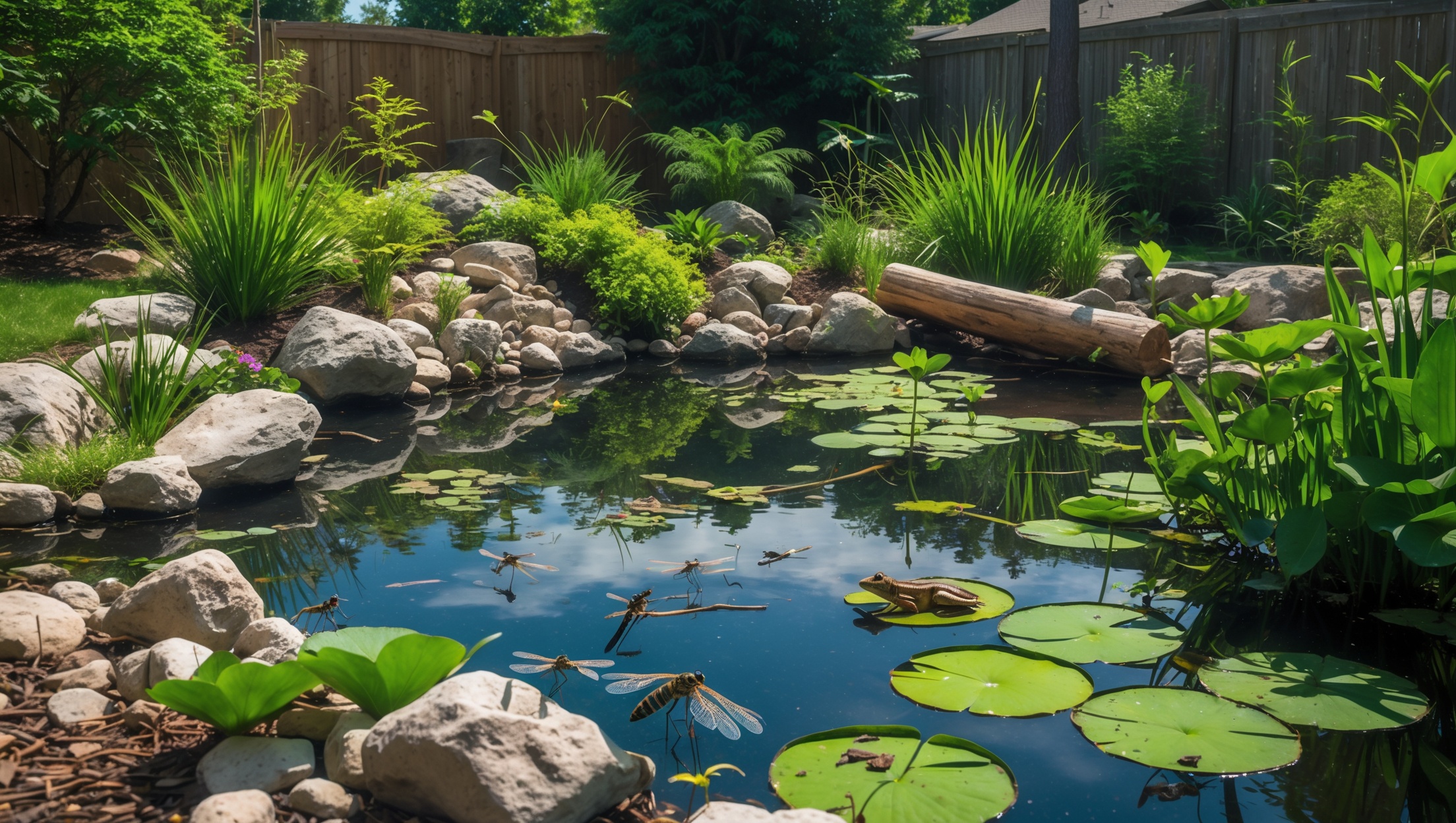
Introduction: Backyard Wildlife Ponds—Fact vs. Fiction
Backyard wildlife ponds have surged in popularity among gardeners, nature lovers, and homeowners seeking to boost biodiversity just outside their doors. Yet, despite their ecological benefits and visual appeal, misinformation abounds. Some believe that ponds are mosquito magnets, require endless maintenance, or demand elaborate filtration systems. Others worry about attracting unwanted pests or causing neighborhood problems. These myths often discourage people from taking the rewarding leap into building a wildlife pond, leaving valuable habitat unrealized in urban and suburban spaces.
This article tackles the most persistent myths about backyard wildlife ponds, giving you the facts and practical guidance you need to confidently create and maintain a natural oasis. Whether you’re envisioning a small reflection pool or a thriving habitat for frogs, dragonflies, and songbirds, we’ll separate fact from fiction, highlight sustainable practices, and help you avoid costly misconceptions. By the end, you’ll know how simple, low-impact, and rewarding a wildlife pond can truly be—no matter the size of your backyard or your DIY experience level.
Myth #1: “A Pond Will Attract Swarms of Mosquitoes”
Understanding Mosquito Ecology
This is perhaps the most enduring pond myth. Many people assume that any standing water will quickly become a mosquito breeding ground. While it’s true that mosquitoes lay eggs in stagnant water, a well-designed wildlife pond is actually a powerful deterrent to mosquito populations.
How Wildlife Ponds Control Mosquitoes Naturally
- Predatory Insects: Dragonfly larvae, water beetles, and notonectids (backswimmers) all prey heavily on mosquito larvae.
- Amphibians: Frogs, toads, and newts feed on both larvae and adult mosquitoes.
- Fish (Optional): Some native fish species, like gambusia (mosquitofish), are voracious consumers of mosquito larvae. However, in a wildlife pond, fish are often omitted to favor amphibian populations.
The key is to keep water moving and ensure biodiversity. A balanced pond teeming with life will naturally suppress mosquito numbers far more effectively than a bird bath or neglected rain barrel ever could.
Myth #2: “Wildlife Ponds Need Expensive Pumps and Filters”
The Self-Balancing Power of Natural Ponds
Unlike ornamental koi ponds or formal water gardens, wildlife ponds are designed to mimic natural wetlands. They rely on a careful balance of plants, microorganisms, and animals to maintain water quality. Here’s how:
- Oxygenating Plants: Species like hornwort, water crowfoot, or elodea release oxygen into the water, supporting healthy microbes and invertebrates.
- Marginal Plants: Grasses, sedges, and reeds along the pond’s edge absorb excess nutrients, preventing algae blooms.
- Microbial Action: Beneficial bacteria break down organic matter, keeping the pond clear and reducing odor.
If you size your pond appropriately and avoid overstocking with fish or feeding wildlife, most backyard wildlife ponds operate beautifully without electricity or complex plumbing. Initial setup costs are moderate, and ongoing expenses are minimal—usually just a bit of top-up water during dry spells.
Myth #3: “Ponds Are Too Much Work to Maintain”
Low-Maintenance Design Principles
One of the main appeals of wildlife ponds is their low-maintenance nature. After the initial establishment period, a well-designed pond needs far less attention than a lawn or flower bed. Key practices include:
- Strategic Planting: Fill at least half the pond with native aquatic and marginal plants to stabilize water quality and provide shelter for wildlife.
- Seasonal Pruning: Cut back excess plant growth in late fall or early spring to prevent nutrient overload.
- Silt Removal: Every 2–3 years, scoop out accumulated debris or silt if it becomes excessive—usually a quick job with a small net or pond vacuum.
Unlike swimming pools or ornamental water features, wildlife ponds thrive on benign neglect. Observing and enjoying the seasonal changes becomes the main “maintenance task.”
Myth #4: “A Pond Will Attract Unwanted Pests or Cause Problems”
The Truth About Wildlife Visitors
Concerned about raccoons, snakes, or other critters? While a wildlife pond may draw more animal visitors, most are beneficial—pollinators, amphibians, and birds. Here’s how to keep things in balance:
- Proactive Design: Incorporate gently sloped sides and plenty of hiding spots (rocks, logs, dense plants) to provide shelter and escape routes.
- Discourage Pet Access: Use fencing or plant barriers if you’re worried about dogs or cats disturbing the pond.
- Mitigate Nuisance Wildlife: If raccoons or similar visitors become problematic, simple deterrents like motion-activated sprinklers or relocating pet food can help.
Snakes, for example, are rarely dangerous and often help control rodents and insects. Most “problem” animals are either passing through or easily managed with minor adjustments.
Myth #5: “Wildlife Ponds Are Too Ugly or Messy for a Backyard”
Blending Beauty and Ecology
Some assume that “wildlife” equates to “messy,” picturing a tangled swamp rather than an appealing garden feature. In reality, wildlife ponds can be stunning focal points—brimming with blooms, alive with dragonflies, and framed by lush greenery. Design tips include:
- Choose Attractive Native Plants: Water lilies, iris, pickerelweed, and marsh marigold offer color and structure.
- Edge With Stone or Logs: Natural materials provide definition and a finished look while offering habitat.
- Vary Depth and Shape: Irregular outlines and varied depths create visual interest and support more species.
Thoughtful placement and planting can seamlessly integrate a wildlife pond into gardens of all styles—from cottage to modern minimalist.
Myth #6: “A Small Yard Can’t Support a Wildlife Pond”
Ponds for Patios and Tiny Spaces
You don’t need a sprawling backyard to make a difference. Even a mini pond in a half-barrel, stock tank, or large ceramic bowl can support frogs, insects, and birds. Tips for small-space ponds:
- Go Vertical: Use stacked stones or shelves for marginal plants in small containers.
- Maximize Plant Diversity: Choose compact native species that provide shelter and food for wildlife.
- Keep Water Clean: Change part of the water every couple of weeks and avoid overfeeding any fish or wildlife.
Even the smallest pond adds beauty and ecological value, attracting pollinators, amphibians, and songbirds to urban and suburban spaces.
Myth #7: “All Pond Plants Are Invasive or Harmful”
Choosing the Right Flora
Some people fear that pond plants will take over their yard or cause environmental harm. Invasive species like water hyacinth or yellow flag iris are a real concern, but the solution is simple: plant responsibly. Opt for native or non-invasive species suited to your region, such as:
- Marsh marigold (Caltha palustris)
- Pickerelweed (Pontederia cordata)
- Bog bean (Menyanthes trifoliata)
- Soft rush (Juncus effusus)
Check local extension office lists or native plant societies for recommendations. Responsible planting ensures your pond benefits wildlife without becoming a problem for neighbors or the wider ecosystem.
Myth #8: “Ponds Lower Property Value or Violate HOA Rules”
Understanding Regulations and Resale Impact
Some HOAs may have rules about water features, but many allow wildlife ponds if they’re well-maintained and don’t create nuisances. Before you dig, check:
- Your HOA’s landscaping guidelines or covenants
- City or county regulations regarding water features and setbacks
- Any local ordinances about standing water or wildlife habitats
As for property value, a well-designed pond can be a unique selling point, especially for buyers interested in gardening or nature. Properly integrated and maintained, a pond often enhances curb appeal and creates a standout feature in competitive markets.
Best Practices for a Successful Wildlife Pond
Planning and Placement
- Choose a Sunny Spot: 6+ hours of sunlight encourages healthy plant growth and supports aquatic life.
- Avoid Tree Roots: Place your pond away from large trees to reduce leaf litter and root interference.
- Shape Matters: Irregular outlines provide more habitat diversity than a perfect circle or rectangle.
Constructing the Pond
- Depth: Aim for at least 18–24 inches in the deepest area, with shallow shelves for marginal plants and easy wildlife access.
- Liner Selection: Use durable, non-toxic pond liners (EPDM or PVC) or pre-formed rigid liners for small projects.
- Edging: Naturalize the pond edge with rocks, logs, and native plants to blend with the landscape and provide habitat.
Planting for Biodiversity
- Include a mix of submerged, floating, and marginal plants.
- Favor native species for better wildlife support and lower maintenance.
- Plant in spring or early summer for best establishment.
Filling and Cycling
- Use rainwater if possible to avoid chlorine and minimize nutrient load.
- If using tap water, let it stand for 24–48 hours before adding plants and wildlife.
- Allow the pond to stabilize for several weeks before introducing amphibians or invertebrates.
Ongoing Care
- Top up water during dry spells.
- Remove excess plant material annually.
- Observe wildlife and enjoy seasonal changes!
Frequently Asked Questions
Do I Need to Add Wildlife Manually?
Most local amphibians, aquatic insects, and even some plants will find your pond naturally. Avoid introducing non-native species. If you want to encourage frogs or newts, provide gentle slopes and plenty of cover.
How Do I Prevent Algae Blooms?
Avoid overfeeding wildlife, minimize fertilizer runoff, and plant generously. Shade from lilies and floating plants also helps.
What About Safety for Children?
Consider a shallow “beach” area or install secure fencing if young children will be nearby. Always supervise kids around water, no matter how shallow.
Conclusion: A Wildlife Pond—Closer and Simpler Than You Think
Setting up a backyard wildlife pond is far less daunting—and far more rewarding—than the myths might suggest. When you understand the natural processes at work, you can design a pond that virtually cares for itself, enriches your garden’s beauty, and provides a sanctuary for birds, amphibians, and beneficial insects. There’s no need for elaborate pumps, endless cleaning, or fears of becoming a neighborhood mosquito breeder. In fact, a well-balanced wildlife pond is one of the most sustainable, low-maintenance ways to foster biodiversity at home.
By debunking these common misconceptions, you can move forward with confidence and creativity. Whether your space is large or small, city or country, a wildlife pond offers an opportunity to reconnect with the rhythms of nature, observe fascinating creatures up close, and contribute positively to your local environment. The key is thoughtful planning, responsible planting, and a willingness to let nature do the heavy lifting. Start small if you need to, and let your pond evolve with the seasons. Over time, you’ll find that the real magic isn’t just in the water—it’s in the web of life your backyard now supports.
Ready to take the plunge? With the facts in hand and nature on your side, your backyard can become a thriving oasis—no myths required.
Do you have tips for making a small wildlife pond in a backyard that doesn’t attract other pests, like raccoons or rodents? I want the pond to be low-maintenance and safe for kids.
To keep a small wildlife pond low-maintenance and less attractive to pests like raccoons or rodents, use natural barriers such as rocks or dense planting around the edges rather than open banks. Avoid leaving pet food or birdseed nearby, and consider a pond depth of at least 18 inches to deter animals from wading. Choose hardy native plants and keep the water moving slightly with a bubbler to discourage mosquitoes. For kid safety, use secure edging or a mesh cover when children are playing nearby.
I have a pretty small backyard and the idea of a wildlife pond sounds awesome, but I’m worried about maintenance. Can you share what kind of upkeep is actually required to keep the pond from getting stagnant or turning into a mess?
You don’t need a huge pond or tons of work to keep it healthy. Regular upkeep usually means removing fallen leaves, occasionally thinning out plants, and topping up water in dry spells. Adding a few oxygenating plants can help keep the water clear. Also, avoiding fish will keep the ecosystem balanced and reduce algae problems. With a little attention, even a small pond can stay clean and welcoming for wildlife.
I’m interested in adding a small pond for wildlife, but I’m concerned about keeping maintenance manageable as a busy parent. What low-maintenance design tips do you recommend to make sure the pond stays healthy without needing constant attention?
To keep your wildlife pond low-maintenance, choose a simple shape and avoid adding pumps or filters. Use a mix of native plants to support natural cleaning and balance. Make the pond at least 18 inches deep in some areas to limit algae. Avoid fish, as they require extra care. Topping up water and removing debris now and then should be enough.
As a total beginner, I’m worried that I might accidentally create stagnant water. What are the simplest steps to keep the pond healthy and avoid attracting mosquitoes right from the start?
To prevent stagnant water and mosquitoes, keep your pond water moving with a small fountain or pump. Add a mix of native aquatic plants, like water lilies or rushes, as they help oxygenate the water. Avoid overfilling with organic debris, and check regularly to clear fallen leaves. These steps will help keep your pond healthy right from the start.