
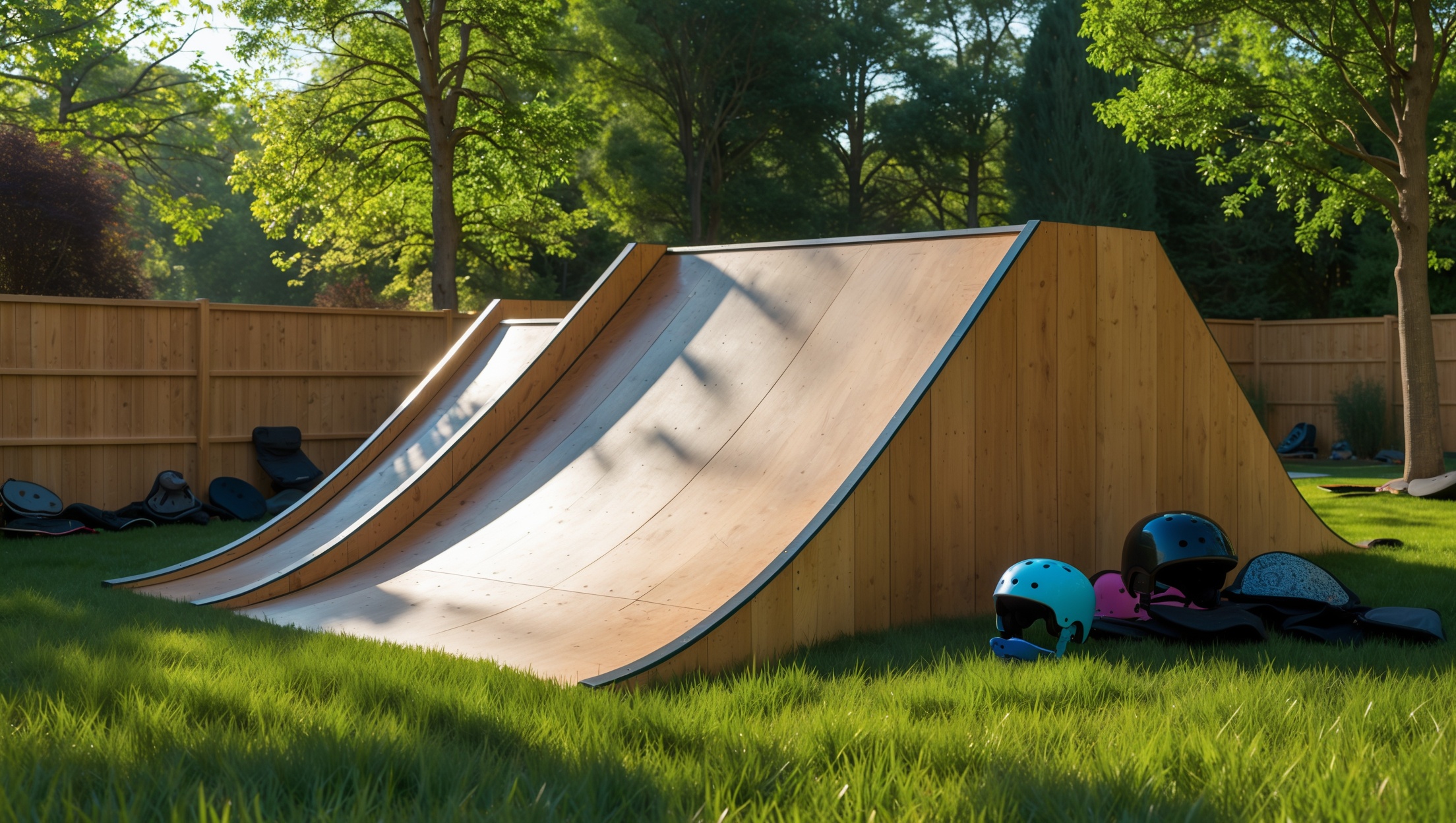
Introduction: The Risks and Rewards of Backyard Skateboarding Ramps
Building a backyard skateboarding ramp is a dream come true for many skaters, whether you’re a parent encouraging your child’s passion or a lifelong skater looking for convenient practice at home. From quarter pipes to mini ramps and full halfpipes, these structures transform backyards into personal skate havens, offering year-round access and endless fun. But along with the thrill comes a significant level of risk—both to personal safety and property. Homeowners often overlook the insurance implications of constructing and using a skate ramp, only realizing the gaps in coverage after an accident or damage occurs. Proper insurance and risk management are not just practical—they’re essential for protecting your investment, your home, and your peace of mind.
This guide will walk you through everything you need to know about insuring a backyard skateboarding ramp. We’ll cover the different types of coverage to consider, how to talk to your insurance agent, risk mitigation strategies, and what to do if something goes wrong. Whether you’re still sketching out plans or already enjoying your ramp, understanding these key concepts will help ensure that your DIY skatepark remains a source of joy rather than stress. Let’s dive into the details and make sure your ramp is as secure as it is fun.
Understanding the Unique Risks of Backyard Skateboarding Ramps
Common Liability Concerns
Skateboarding is inherently risky, and ramps increase the likelihood of injuries—both to household members and visiting friends. Even if you post warning signs, you may be held liable for injuries, especially if your ramp is visible or accessible from public spaces. Common injury scenarios include falls, collisions, and improper use by inexperienced skaters.
Property Damage Risks
Ramps can also cause property damage. Water damage from poor construction, fire risk from electrical lighting, and the potential for ramps to become airborne in storms are all legitimate concerns. Damage can extend to neighboring properties, particularly in wind events or if a ramp is installed near property lines.
Other Risks: Nuisance and Code Violations
Noise complaints, code violations, and even trespassing can arise from backyard skate ramps. These issues can result in legal trouble, fines, and increased insurance scrutiny.
Insurance Coverage: What You Need and Why
Homeowners Insurance: The Basics
Most standard homeowners insurance policies provide some liability coverage and protection for structures on your property. However, not all policies treat skateboarding ramps the same way. Some insurers consider ramps an “attractive nuisance”—a structure likely to attract children and increase risk.
- Personal Liability Coverage: Pays for medical bills and legal fees if someone is injured on your property.
- Medical Payments Coverage: Covers minor medical expenses for non-household members injured on your property, regardless of fault.
- Other Structures Coverage: Protects detached structures like sheds, fences, and in some cases, skate ramps.
When Your Policy Might Not Cover You
Many insurers exclude coverage for certain “hazardous” amenities such as trampolines, pools, and—increasingly—skate ramps. Coverage may also be denied if you fail to disclose the ramp, use non-compliant construction methods, or violate local codes.
Umbrella Policies for Extra Protection
If you frequently host groups or want higher liability limits, a personal umbrella policy is wise. These policies supplement your homeowners coverage and can provide $1 million or more in additional liability protection.
Renter’s Insurance Considerations
If you rent your home, adding a skate ramp without landlord permission can void your lease and your renter’s policy. Always get written consent, and check if liability coverage extends to outdoor structures you install.
How to Talk to Your Insurance Agent About Your Ramp
What to Disclose
Be upfront with your agent about the size, type, and placement of your ramp. Disclose whether it’s permanent or temporary, professionally built or DIY, and how it will be used. Failure to disclose can lead to claim denials.
Key Questions to Ask
- Will my policy cover injuries that occur on the ramp?
- Is the ramp covered as an “other structure”?
- Are there specific requirements for construction, safety features, or fencing?
- Will my premiums increase?
- Are there exclusions or endorsements available for skate ramps?
- Do you recommend an umbrella policy?
Documentation Tips
Document the ramp’s construction with photos, receipts, and plans. Keep records of any professional work, safety features you’ve added, and annual maintenance. This documentation can be invaluable if you need to file a claim.
Risk Management and Injury Prevention Strategies
Ramp Design and Construction
- Follow professional plans or hire an experienced builder familiar with skate ramp safety.
- Use weather-resistant, high-quality materials.
- Avoid sharp edges, exposed nails, or splintering surfaces.
- Ensure proper drainage to prevent wood rot and mold.
Location Matters
- Place ramps away from property lines, windows, and overhead hazards like power lines.
- Ensure a level, stable foundation.
- Install ramps in areas not prone to flooding or erosion.
Access Control and Security
- Install a lockable gate or fence if the ramp is accessible from the street or alley.
- Post clear signage: “Use at Your Own Risk.”
- Limit unsupervised use, especially by minors.
Safety Equipment and Supervision
- Require helmets, knee and elbow pads, and wrist guards.
- Keep a stocked first-aid kit nearby.
- Supervise young or inexperienced skaters at all times.
Maintenance Best Practices
Inspect the ramp regularly for loose screws, warped wood, and slick surfaces. Address issues immediately to prevent accidents. Clean debris and leaves, especially in autumn, to avoid slips. Refinish or seal wood annually to protect against the elements.
Legal and Compliance Considerations
Local Zoning and Building Codes
Many municipalities have rules regarding accessory structures, including maximum height, setback from property lines, and allowable uses. Some require permits for ramps over a certain size or height.
- Check with your local planning department: Ask for written confirmation of what’s allowed.
- Obtain permits if required: Unpermitted structures can void insurance coverage and result in fines or removal orders.
- HOA Rules: If you live in a community with a homeowners association, review their guidelines and seek approval in writing.
Noise and Nuisance Laws
Skateboarding ramps can generate significant noise. Be proactive by talking to neighbors, limiting use to reasonable hours, and installing sound-dampening features like rubber mats or landscaping.
Attractive Nuisance Doctrine
In many states, homeowners are held to a higher standard of care for structures that might attract children. Even if someone trespasses and gets injured, you could be held liable if proper precautions weren’t taken.
What If an Accident Happens? Handling Claims and Liability
When to File a Claim
If someone is injured or property is damaged in connection with your ramp, contact your insurance agent immediately. Provide thorough documentation, including photos, witness statements, and medical reports.
How Claims Are Handled
Your insurer will investigate whether your policy covers the incident, considering policy language and any exclusions. If you didn’t disclose the ramp, or if it’s deemed non-compliant or negligently maintained, your claim may be denied.
Legal Defense and Settlement
Homeowners liability coverage typically includes legal defense costs, even if a lawsuit is frivolous. Settlements may be negotiated if you’re found liable. An umbrella policy can be crucial for covering excess costs.
Tips for Keeping Peace with Neighbors and Your Community
- Inform neighbors before building; address concerns proactively.
- Limit ramp use to daylight hours or local “quiet hours.”
- Use landscaping or fences as sound barriers.
- Keep the ramp and surrounding area tidy and well-maintained.
- Encourage responsible use by all skaters; discourage unsupervised gatherings.
Frequently Asked Questions
- Does building a ramp always increase my insurance premiums? Not always, but it can. Your insurer may consider the added risk and adjust premiums accordingly.
- Can I be sued if someone sneaks onto my property and gets hurt? Yes, especially if the ramp is considered an attractive nuisance. Proper fencing and signage help, but liability can still arise.
- Will my ramp be covered if it’s damaged in a storm? Only if your policy covers “other structures” and the ramp is properly disclosed and permitted.
Conclusion: Protecting Your Ramp, Your Family, and Your Future
Backyard skateboarding ramps offer unmatched joy, creativity, and skill-building potential. But with that freedom comes a responsibility to manage risks—both for your loved ones and anyone else who might use the ramp. Insurance is a crucial tool in that process, but it’s only as effective as the information you provide and the precautions you take. By understanding your policy, communicating openly with your insurer, and following best practices in ramp design, safety, and community relations, you can ensure that your backyard skatepark is a source of pride rather than anxiety.
Don’t let insurance questions or liability fears prevent you from building the ramp of your dreams. Instead, use this knowledge to build smarter, safer, and with the confidence that comes from being fully protected. Reach out to your insurance agent, double-check local codes, and invite the neighborhood for a session—knowing you’ve done everything possible to keep the fun rolling safely. With the right approach, your backyard ramp can be the centerpiece of a safe, exciting, and legally sound skating experience for years to come.
If I already have a homeowner’s insurance policy, how do I determine whether my backyard skateboarding ramp is covered, especially regarding injuries to visiting friends or neighborhood kids?
To find out if your backyard skateboarding ramp is covered by your homeowner’s insurance, review your policy’s exclusions and liability coverage. Most policies exclude injuries from high-risk activities or homemade structures. Contact your insurance agent directly to discuss your ramp, clarify coverage for guest injuries, and ask if you need extra liability protection or an umbrella policy.
I’m worried about water damage since my ramp will be outside. Are there certain construction techniques or materials that insurers prefer to reduce risks and possibly lower premiums?
Insurers usually prefer ramps built with pressure-treated lumber or marine-grade plywood, as these resist moisture and decay. Adding a waterproof sealant, proper drainage, and elevating the ramp slightly off the ground also helps prevent water damage. Using these techniques not only protects your ramp but can make you a lower risk in the eyes of insurers, potentially reducing your premiums.
Could you clarify what kinds of risk mitigation strategies actually help lower insurance premiums for backyard ramps? For example, would installing a lock or only allowing supervised use make a difference to insurers?
Yes, insurers often consider risk mitigation strategies when setting premiums. Installing a lock to restrict access and ensuring the ramp is only used under supervision can both reduce the risk of accidents or unauthorized use. Other helpful measures include regular maintenance checks, adequate lighting, and clearly posted safety rules. These steps can demonstrate to insurers that you are taking safety seriously, which may help lower your premium.
The article mentions property damage risks like water and fire. Do most standard homeowners insurance policies cover these types of damage caused by a DIY skate ramp, or would I need additional coverage?
Most standard homeowners insurance policies do cover property damage from risks like water and fire, but damage related to a DIY skate ramp can be tricky. Many insurers exclude coverage for structures not built to code or not disclosed. It’s a good idea to inform your insurance company about the ramp and ask if you need additional coverage to be fully protected.
Suppose I already built my quarter pipe but haven’t talked to my insurance agent yet. What’s the first step I should take to make sure I’m protected before letting anyone else use it?
Before letting anyone else use your quarter pipe, contact your homeowner’s insurance agent right away. Explain that you’ve built a skateboarding ramp and ask if your current policy covers accidents or injuries related to it. They’ll advise if you need extra liability coverage or steps to reduce risk, ensuring you’re properly protected.
If my ramp causes property damage, like water issues from bad construction or even a fire from electrical lighting, would most standard homeowners policies cover those scenarios or would I need to add a special rider?
Standard homeowners policies often exclude coverage for damage caused by poorly constructed structures or intentional modifications like ramps, especially if the installation doesn’t meet code or safety standards. Damage from added electrical lighting or poor drainage might not be covered without notifying your insurer. To be safe, consider discussing your ramp with your insurance provider and ask if a special rider or endorsement is needed for full protection.