
Introduction
Few features can transform a backyard as effectively as a fire pit. Whether you’re roasting marshmallows, hosting friends, or simply relaxing by the glow of the flames, a fire pit creates a special ambiance. However, with this charm comes real responsibility. Fire pits, if not managed with care and foresight, can pose serious hazards—including property damage, wildfires, or injury. Each year, emergency services respond to countless calls related to outdoor fires that could have been prevented with proper planning and adherence to safety protocols. If you want to enjoy your fire pit without worry, you need more than a spark of common sense—you need a thorough, actionable safety checklist. This guide takes you step-by-step through everything you must consider, from site selection to extinguishing embers, ensuring your backyard gatherings remain memorable for all the right reasons.
Section 1: Choosing the Right Location
1.1 Distance from Structures
Ensure your fire pit is positioned at least 10-25 feet away from any structures—including your house, garage, shed, fences, and overhanging branches. This distance minimizes the risk of radiant heat or stray embers igniting something unintended.
1.2 Avoid Overhead Hazards
- Never place your fire pit beneath low-hanging branches, awnings, or power lines. Radiant heat rises and can dry out or ignite materials above the pit.
- Trim back shrubs or tree limbs in the vicinity, and regularly check for new growth.
1.3 Surface and Stability
- Install your fire pit on a flat, non-combustible surface such as gravel, stone, brick, or concrete. Grass and wooden decks can catch fire if embers escape.
- Avoid sloped ground to prevent tipping or uneven burning inside the pit.
Section 2: Fire Pit Construction and Materials
2.1 Approved Materials
- Use fire pits made from cast iron, steel, copper, or concrete designed for high-heat tolerance.
- Avoid makeshift pits lined with river rocks or non-fire-rated materials, as these can explode when heated.
2.2 Screening and Spark Guards
- Always use a fitted mesh spark screen to contain embers and sparks.
- Inspect the screen for holes or damage before every use.
2.3 Permanent Installations
- If building a permanent stone or brick fire pit, ensure a steel ring liner is installed to prevent cracking and heat damage.
- Use fire bricks for interior walls, and mortar rated for high temperatures.
Section 3: Preparing the Surroundings
3.1 Establishing a Clear Zone
- Maintain a 6- to 10-foot clear area around the fire pit, free of furniture, plants, and other combustibles.
- Keep outdoor rugs and cushions well back; synthetic materials can melt or ignite from heat.
3.2 Wind Direction and Shelter
- Check the wind direction before lighting a fire. Strong winds can carry embers to unintended areas.
- If possible, use windbreaks (like low walls) set far enough away to be safe but effective in reducing gusts.
Section 4: Fire Starting and Fuel Safety
4.1 Approved Fuels
- Burn only dry, seasoned hardwood. Avoid softwoods (like pine or cedar) that pop and throw more sparks.
- Never burn trash, plastics, treated lumber, or painted/varnished wood—these release toxic fumes and can create dangerous flare-ups.
4.2 Safe Ignition Practices
- Use commercial fire starters, kindling, or matches to light your fire. Avoid lighter fluid or gasoline—these are unpredictable and hazardous.
- Ignite small, manageable fires rather than large blazes. Overfilling the pit increases risks.
4.3 Fuel Storage
- Store extra firewood at least 15 feet from the fire pit area.
- Keep all flammable liquids (including barbecue starter fluids) well away from the pit and out of direct sunlight.
Section 5: Monitoring and Safe Use
5.1 Supervision at All Times
- Never leave a fire pit unattended, even for a moment. Assign a responsible adult as a fire warden during gatherings.
- Children and pets should remain at least three feet from the pit at all times, preferably under direct supervision.
5.2 Fire Control Tools On-Hand
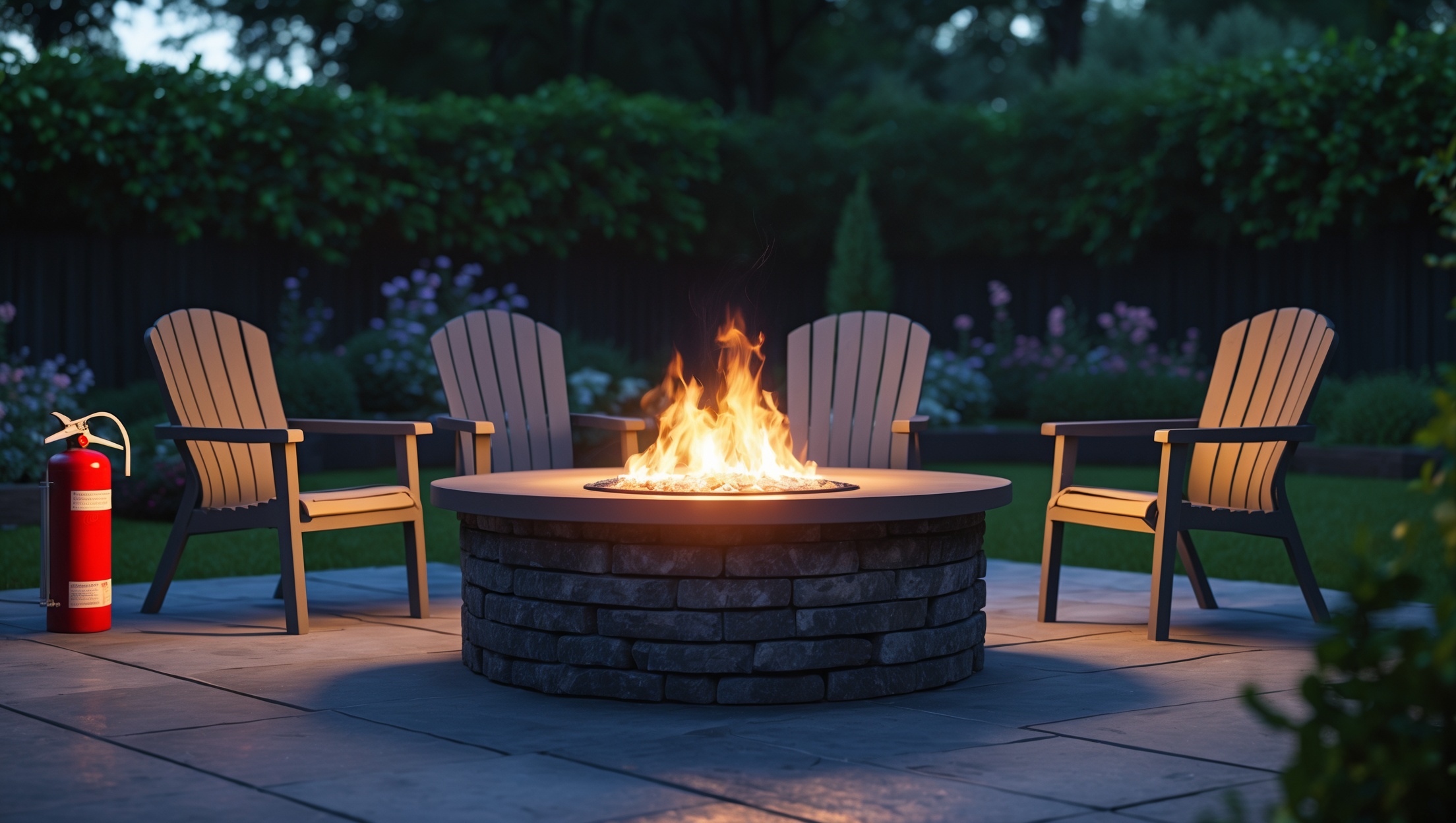
- Keep a bucket of water, sand, or a fire extinguisher rated for Class A fires within easy reach.
- Long-handled fire tools (poker, tongs, shovel) allow you to manage logs safely.
5.3 Clothing and Behavior
- Discourage loose or synthetic clothing near the fire—natural fibers like cotton and wool are safer.
- Enforce a strict “no horseplay” rule around the pit to prevent falls or accidental contact with hot surfaces.
Section 6: Extinguishing the Fire
6.1 Proper Cool-Down
- Allow wood to burn down to ash. Spread embers out with a poker to speed cooling.
- Pour water over the ashes, stirring thoroughly until hissing stops and no steam or heat remains.
- If using sand, shovel it over the embers and mix in thoroughly. Always check for hot spots before leaving the area.
6.2 Disposal of Ashes
- Wait at least 24 hours before removing ashes. Place them in a metal bucket with a tight-fitting lid, never plastic or paper bags.
- Store the bucket outside, away from buildings and combustible materials, until completely cool.
Section 7: Maintenance and Ongoing Safety Checks
7.1 Routine Inspections
- Check the fire pit structure for cracks, rust, or loose bricks at least monthly.
- Inspect screens, covers, and tools for damage before every use.
7.2 Cleaning and Debris Removal
- Remove ash and debris frequently—ash buildup can impede airflow and make fires harder to control.
- Keep the surrounding area free of leaves, pine needles, or other easy-to-burn debris, especially in autumn.
7.3 Seasonal Adjustments
- In dry, windy, or drought conditions, consider a voluntary “no-burn” policy to prevent accidental wildfires.
- Before winter, clean and cover the fire pit to extend its life and prevent weather-related wear.
Section 8: Emergency Preparedness
8.1 Fire Response Plan
- Ensure everyone in your household knows the location of fire extinguishers and water sources.
- Keep a charged mobile phone nearby to call emergency services if needed.
- Post clear house numbers in case responders need to locate your property quickly.
8.2 First Aid for Burns
- Stock a first aid kit with burn cream, sterile gauze, and bandages near your fire pit area.
- If a burn occurs, run cool (not cold) water over the area for several minutes and seek medical attention for anything more than a minor superficial burn.
Section 9: Neighborhood and Community Considerations
9.1 Local Ordinances and Burn Bans
- Check your municipality’s regulations regarding outdoor burning and fire pit usage. Some areas restrict open flames or require permits.
- Be aware of seasonal burn bans, especially during droughts or high-wind periods.
9.2 Courteous Use
- Let neighbors know in advance if you plan to have a fire. Smoke and odors can travel, especially on humid or still nights.
- Minimize noise and extinguish fires promptly in the evening to respect quiet hours.
Conclusion
Backyard fire pits offer warmth, ambiance, and a gathering place for friends and family, but only when managed responsibly. By following a comprehensive safety checklist, you significantly reduce the risks associated with open flames. From selecting a proper location and using only approved materials, to never leaving a fire unattended and knowing how to extinguish it correctly, every step is a building block for safe enjoyment. Your diligence in maintaining the pit, storing fuel properly, and keeping emergency tools on hand not only protects your home and loved ones but also your entire community.
Remember, fire safety isn’t just about the obvious hazards—it’s about cultivating habits that prevent the unexpected. By setting clear rules, communicating with guests and neighbors, and reviewing your safety protocols regularly, you create a culture of care around your backyard fire experience. Make safety your tradition, and your fire pit will serve as a source of comfort and joy for many seasons to come.