
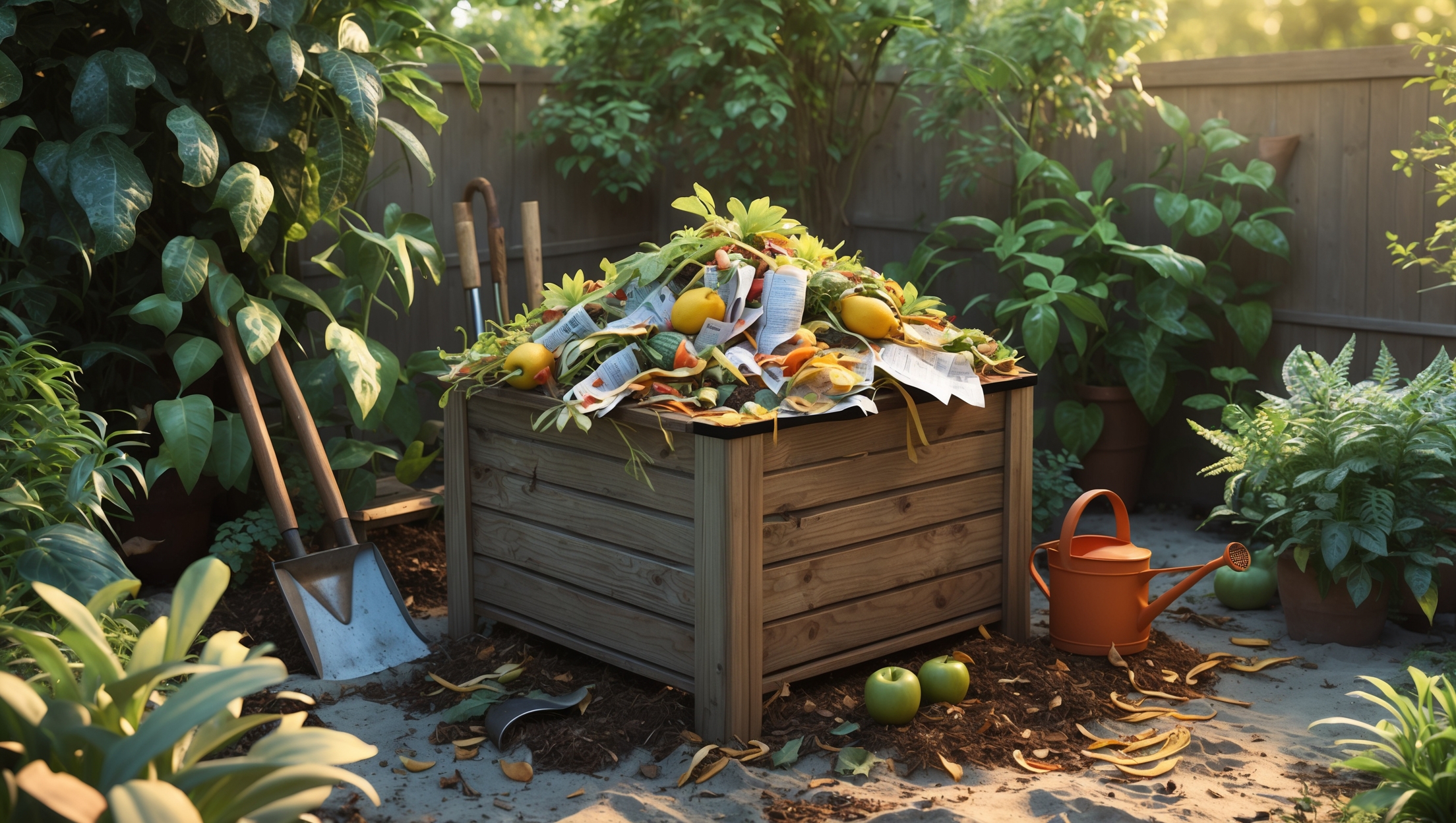
Introduction: Unveiling the Truth About Home Composting
Composting is one of the most rewarding ways to reduce household waste and create nutrient-rich soil for your garden. Yet, despite its growing popularity, composting is surrounded by persistent myths that discourage beginners and even mislead experienced gardeners. Have you ever heard someone say compost piles always smell bad, attract pests, or require too much work? Maybe you’ve been told you can’t compost in a small apartment, or that you need fancy equipment to get started. These misconceptions can prevent people from tapping into the many benefits of composting, from lower waste bills to healthier plants and a smaller carbon footprint.
This comprehensive guide busts the most common composting myths, providing evidence-based answers and practical tips to help you start or improve your home composting system. Whether you’re a beginner or a seasoned gardener, understanding what really works—and what doesn’t—can make composting simpler, cleaner, and more effective. Let’s dig in and separate fact from fiction so you can compost confidently at home, regardless of your space, climate, or skill level.
Myth 1: Composting Always Smells Terrible
Understanding Compost Odors
One of the most common deterrents to home composting is the fear that it will produce strong, unpleasant smells. In reality, a well-managed compost pile should emit an earthy, forest-like aroma.
Why Bad Smells Happen
- Too Many Wet Ingredients: Excess kitchen scraps, grass clippings, or other ‘green’ materials can make the pile soggy, encouraging anaerobic bacteria that create foul odors.
- Poor Aeration: A compacted pile lacks oxygen, further enabling smelly anaerobic decomposition.
- Improper Ingredients: Adding meat, dairy, oils, or pet waste can cause odors and are generally best avoided in home composting.
How to Prevent Odors
- Balance ‘greens’ (nitrogen-rich materials) and ‘browns’ (carbon-rich materials) like dried leaves, cardboard, or straw.
- Turn or aerate the pile regularly to supply oxygen.
- Keep the pile moist but not wet—like a wrung-out sponge.
- Cover fresh kitchen scraps with a layer of browns to contain smells.
With these habits, your compost will smell pleasant, not putrid.
Myth 2: Composting Attracts Rats and Other Pests
What Really Attracts Pests?
Many fear that composting will bring rats, raccoons, or insects into their yards. The truth is, improper composting practices—not composting itself—are usually to blame.
- Meat, dairy, and oily foods are irresistible to rodents and should be excluded from home piles.
- Food scraps left exposed on top of a pile can attract critters.
- Overly wet, anaerobic piles can harbor insect larvae.
How to Compost Without Inviting Pests
- Use a rodent-resistant bin, especially if you live in an urban area.
- Bury food scraps well inside the pile or cover them with several inches of browns.
- Regularly turn and harvest your compost to avoid stagnant, pest-friendly conditions.
Follow these steps and your compost will be far less attractive to unwanted visitors than your garbage can.
Myth 3: Composting Requires a Large Yard or Garden
Composting in Small Spaces
It’s a misconception that composting is only possible for those with big backyards. In fact, urban and apartment dwellers have several effective options:
- Worm Bins (Vermicomposting): Compact indoor bins use red wiggler worms to break down food scraps odorlessly.
- Bokashi Buckets: This anaerobic system ferments food waste indoors with minimal space and no smells.
- Electric Kitchen Composters: Small countertop machines can process food scraps into usable material within hours.
- Community Composting: Many cities offer drop-off sites or curbside pickup for food scraps.
No yard required—just a willingness to try a system that fits your space and lifestyle.
Myth 4: You Need Special Equipment to Compost
The Essentials vs. The Extras
While there are many commercial compost tumblers, bins, and gadgets on the market, they aren’t necessary for successful composting. Here’s what you actually need:
- Basic Outdoor Pile: Start a heap in a corner of your yard and cover with leaves or straw. No bin required.
- DIY Bins: Use old pallets, wire mesh, or even a simple trash can with holes drilled for airflow.
- Pitchfork, Shovel, or Trowel: For turning and mixing your pile.
- Kitchen Scrap Container: Any lidded container will do.
Advanced equipment can make the process neater or faster, but isn’t essential for great results.
Myth 5: All Organic Matter Can Go Into the Compost
What Should (and Shouldn’t) Be Composted
While composting is a great way to recycle many organic materials, some items are best avoided in home systems:
- Meat, dairy, and fish: Attract pests and decompose slowly.
- Oily foods and fats: Slow down composting and can create odors.
- Pet waste: May carry pathogens unsafe for home compost.
- Diseased plants and weeds with seeds: Can survive the compost process and spread in your garden.
- Glossy or colored paper: May contain toxins or won’t break down properly.
Stick to fruit and vegetable scraps, coffee grounds, eggshells, yard trimmings, and plain paper products for best results.
Myth 6: Compost Takes Years to Be Ready
How Long Does Composting Really Take?
The timeline for finished compost varies based on your method and how actively you manage your pile:
- Active (Hot) Piles: With regular turning and balancing, compost can be ready in 2-3 months.
- Passive (Cold) Piles: Left alone, piles might take 6-12 months to decompose fully.
- Worm Bins: Finished vermicompost is often ready in 2-4 months.
Factors like temperature, moisture, and particle size also affect composting speed. Chopping materials smaller and turning your pile more often can accelerate the process.
Myth 7: Composting Is Too Much Work
Making Composting Manageable
Many people are intimidated by the idea of constant maintenance, but composting can be as hands-on or hands-off as you wish.
- Low-Maintenance Options: Simply build a pile and let nature take its course. It’ll just take longer.
- Routine Tasks: Turning the pile every week or two and adjusting moisture levels can speed things up but aren’t strictly necessary.
- Set-and-Forget Systems: Bokashi buckets and worm bins require minimal effort beyond occasional draining or harvesting.
Composting is flexible. Invest as much or as little time as suits your schedule.
Myth 8: Compost Must Be Hot to Work
Hot vs. Cold Composting
Hot (thermophilic) composting is efficient and kills many pathogens and seeds, but it’s not the only way. Cold composting—simply piling up materials and leaving them be—also works, just more slowly and without the high temperatures.
- Hot Composting: Requires regular turning, monitoring, and a critical pile size (at least 3’x3’x3’).
- Cold Composting: Ideal for those with less time or fewer materials; suitable for smaller spaces.
Either method produces usable compost. Choose the one that fits your lifestyle and needs.
Myth 9: Compost Is Too Acidic for Plants
The pH of Finished Compost
Some worry that applying compost to the garden will hurt plants due to acidity. However, finished compost is typically neutral to slightly alkaline (pH 6.5–8), making it safe and beneficial for most plants. If your compost is sour-smelling or acidic, it’s likely not fully decomposed.
How to Use Compost Safely
- Allow compost to mature until it is dark, crumbly, and smells earthy.
- Apply as a mulch, soil amendment, or mix into potting soil.
Your plants will thank you!
Myth 10: Composting Doesn’t Make a Real Difference
The Environmental Impact
Some skeptics claim that home composting is too minor to matter. In fact, food scraps and yard waste make up more than 28% of what we throw away. When sent to landfills, these materials produce methane, a potent greenhouse gas. Composting at home reduces landfill waste, cuts methane emissions, and returns nutrients to the soil—helping your garden and the planet.
- Reduces landfill waste and methane production
- Improves soil health, water retention, and plant growth
- Encourages sustainable, circular living
Every compost pile counts.
Practical Tips for Successful Home Composting
Getting Started
- Choose a composting method that fits your space: outdoor bin, worm bin, or bokashi.
- Keep a small container for kitchen scraps and empty it regularly.
- Layer greens (kitchen waste, grass clippings) with browns (leaves, cardboard, straw).
- Monitor moisture: compost should feel like a wrung-out sponge.
- Turn or mix the pile every week or two if possible.
- Harvest finished compost when it’s dark, crumbly, and earthy-smelling.
Troubleshooting Common Issues
- Smelly compost? Add more browns and turn the pile.
- Pile not heating up? Add more greens, water, or increase pile size.
- Pests present? Avoid meat/dairy, bury food scraps, use a closed bin.
- Too wet? Add dry browns and aerate more often.
- Too dry? Add water and more greens.
With patience and a little observation, you’ll soon master the art of composting.
Conclusion: Composting With Confidence
Composting is often misunderstood, but the truth is refreshingly simple: anyone can do it, anywhere, with minimal fuss. By debunking the persistent myths that surround home composting, we’ve seen that unpleasant odors, pests, and excessive effort aren’t inherent to the process—they result from a few easily avoidable mistakes. You don’t need specialized equipment, a sprawling yard, or even a green thumb. With the right knowledge and a willingness to experiment, you can turn everyday food scraps and yard waste into rich, beneficial compost.
Remember, composting isn’t just for environmentalists or expert gardeners. It’s a practical, accessible way to reduce landfill waste, enrich your soil, and take control of your household’s environmental impact. Start small, stay curious, and let nature do the heavy lifting. Each banana peel, coffee ground, or pile of autumn leaves you compost is a step toward a healthier garden and a healthier planet.
So let go of the myths and give composting a try. Your plants, your wallet, and the earth will thank you.
How long does it usually take for a well-managed compost pile to produce usable soil, and what are some signs that things might not be working correctly aside from bad smells?
A well-managed compost pile typically produces usable soil in about 2 to 6 months, depending on factors like temperature, moisture, and how often you turn it. Signs that things aren’t working right include a dry pile, slow decomposition, lots of recognizable food scraps, or an abundance of flies or pests.
You mention that meat, dairy, oils, and pet waste shouldn’t be added to home compost piles to avoid odors. Is there a safe way to compost these items at home, or should they always go in the trash?
While it’s best to avoid adding meat, dairy, oils, and pet waste to standard backyard compost because they can attract pests and create odors, there are specialized options. Bokashi bins or in-vessel composters are designed to handle these materials more safely. Otherwise, it’s safest to dispose of them in the trash.
I get the part about balancing greens and browns to avoid bad smells, but how do you figure out the right ratio if you’re mostly composting kitchen scraps without much yard waste? Any tips for apartment dwellers?
If you have mostly kitchen scraps and little yard waste, try adding shredded paper, cardboard, or even dried leaves from houseplants as your brown material. Aim for roughly two parts browns to one part greens. Tear materials into small pieces to help them break down, and turn or mix your compost regularly to keep it aerated. Small indoor compost bins or bokashi systems can also be great options for apartment living.
You mention that balancing ‘greens’ and ‘browns’ is crucial to preventing smells. Is there an easy way to tell if the ratio is off without testing equipment, and what should I do if my pile suddenly smells bad?
If your compost pile smells bad, it’s often due to too many ‘greens’ (like food scraps) and not enough ‘browns’ (like dry leaves or cardboard). A healthy pile should smell earthy, not sour or rotten. If it gets smelly, simply add more browns, mix the pile to aerate it, and keep it lightly moist but not soggy.
I was surprised to read that a well-managed compost pile shouldn’t actually smell bad, just earthy. If mine is starting to have a sour or rotten smell, does that always mean I have too many wet or ‘green’ materials? Are there any other common mistakes that can make compost smell, and how can I fix them without starting over?
Great question! A sour or rotten smell usually means your compost is going anaerobic, often because it’s too wet or has too many ‘green’ materials like food scraps or grass clippings. But it can also happen if the pile isn’t getting enough air. Try mixing in more ‘brown’ materials like dry leaves, shredded newspaper, or cardboard to balance it out and soak up excess moisture. Also, turning or aerating the pile helps a lot—it brings in oxygen and prevents that smelly, soggy environment. You definitely don’t have to start over; just adjust the ingredients and give the pile a good mix. Most smells clear up pretty quickly with those simple fixes!
I was surprised to read that a well-managed compost pile shouldn’t smell bad but actually smell earthy. If mine starts to get a bit stinky, what’s the best way to fix it? Is it just about balancing green and brown materials, or should I be turning it more often too?
Great question! If your compost pile starts smelling bad, it usually means something’s out of balance. The most common cause is too many ‘green’ materials like food scraps or grass clippings, which can make things soggy and limit airflow. To fix this, try adding more ‘brown’ materials such as dry leaves, shredded newspaper, or cardboard to absorb moisture and provide structure. Mixing or turning the pile more often is also helpful—it introduces oxygen, which keeps things aerobic and prevents those funky, rotten smells. In general, aim for a mix that’s about 2 to 3 parts browns to 1 part greens, and turn the pile every week or two. If it’s still smelly, check for overly wet spots and add more dry browns. You’ll know you’re on track when the pile starts to smell more like soil after a rainstorm!
I live in a small apartment with no yard, so I’m curious about how practical indoor composting is. Can balancing greens and browns really keep things odor-free in a confined space?
Indoor composting is definitely practical, even in small apartments. Balancing greens (like fruit scraps) with browns (like shredded paper) helps control odors by ensuring the compost doesn’t get too wet or anaerobic. Using a well-ventilated bin and turning your compost regularly can further keep smells in check.
I run a small cafe and worry about pests since we generate a lot of kitchen scraps. Could you clarify what ‘proper ingredients’ means for a business like mine, and are there specific composting bins that help deter rodents?
For your cafe, ‘proper ingredients’ means only adding fruit and vegetable scraps, coffee grounds, and eggshells—avoid meats, dairy, and oily foods, as these attract pests. Consider using rodent-proof compost bins with secure lids, preferably made of sturdy plastic or metal, to help keep rodents out.
The article mentions not composting meat and dairy because of odor issues. Is it possible to safely compost these items at home if I use a special bin or method, or is it always a bad idea for beginners?
It is possible to compost meat and dairy at home using specialized methods like Bokashi bins or in-vessel composters, which help contain odors and pests. However, for beginners, it’s usually safer to avoid these items until you’re comfortable managing a compost system, as improper handling can attract animals and cause unpleasant smells.
the breakdown on why compost piles can smell. If we accidentally add too many ‘greens’ and it starts to stink, how quickly can we fix the balance, and will that completely get rid of the odor?
Compost piles usually smell when there are too many ‘greens’—materials like food scraps and grass clippings—causing excess moisture and lack of airflow. You can fix this quickly by adding more ‘browns’ like dry leaves or cardboard and mixing the pile to improve aeration. Odor often improves within a day or two if the balance is restored and maintained.
I noticed you recommend avoiding meat, dairy, and oils in home composting. Are there any safe methods or specialized bins for composting these items, particularly for someone living in an apartment?
Composting meat, dairy, and oils at home is challenging due to odors and pests, but specialized options exist. Bokashi bins are a popular choice for apartments—they ferment food waste (including meat and dairy) in an airtight container using bran inoculated with microbes. After fermentation, the material can be safely buried in soil or added to an outdoor compost pile for further breakdown.
If a compost pile does start to smell bad, how quickly can it be fixed by adjusting the balance of greens and browns or improving aeration?
If your compost pile starts to smell, you can often fix it within a few days by adding more browns (like dry leaves or cardboard) to balance wet greens, and by turning the pile to improve aeration. Smells should noticeably improve within 24 to 72 hours once adjustments are made.
If a compost pile starts to smell bad even after following the tips for balancing greens and browns, what troubleshooting steps do you recommend to quickly fix the odor?
If your compost pile still smells, try turning the pile to increase airflow—bad odors often mean it’s too wet or compacted. Check moisture levels; it should feel like a wrung-out sponge. Add more browns like dry leaves or shredded paper to absorb excess moisture and balance the pile.
If you’re living in a small apartment as mentioned, what method or setup would you personally recommend for odor-free composting indoors? I’m curious what actually works without expensive equipment.
For small apartments, a simple bokashi bin or a well-sealed countertop compost bin with carbon-rich bedding like shredded paper can work very well. Add food scraps in small amounts, cover each layer, and stir occasionally. This helps keep things odor-free without needing pricey gadgets.
You mentioned composting in small apartments. What are some practical ways students living in dorms or shared apartments can start composting without attracting pests or annoying roommates?
For students in dorms or shared apartments, try using a small, sealed compost bin or a countertop compost pail with a charcoal filter to contain smells and pests. You can collect food scraps and drop them off at campus or community composting programs regularly. Talk with roommates to agree on what goes in the bin and empty it often to keep things tidy.
If my compost pile starts to get a little smelly, is it usually because of the balance between green and brown materials, or could it be something else like the type of kitchen scraps I’m adding?
A smelly compost pile is often due to an imbalance between green (nitrogen-rich) and brown (carbon-rich) materials, with too many greens causing odor. However, certain kitchen scraps like meat, dairy, or oily foods can also cause smells and shouldn’t be added. Make sure to mix in enough browns and avoid those problematic scraps.
If a compost pile starts to smell despite balancing greens and browns, what troubleshooting steps should I try first? I’m nervous about accidentally creating bad odors, especially since our backyard is close to our neighbors.
If your compost pile smells, even with a good green-brown balance, try turning it more often to boost airflow. Check that it’s not too wet—if it is, add more dry browns like leaves or shredded paper. Also, avoid adding meat, dairy, or oily foods, as these can cause odors.
I live in an apartment with limited space—are there particular types of bins or methods you would recommend for managing odors effectively indoors, especially if I’m mostly composting kitchen scraps?
For apartment composting, a sealed countertop compost bin with a charcoal filter is great for minimizing odors. Another option is a bokashi bin, which ferments food scraps and contains smells well. Regularly emptying your bin into a larger community drop-off or curbside compost program also helps keep odors in check.
For those of us living in small apartments, are there specific types of containers or low-maintenance composting systems you recommend that minimize odor and fit in limited spaces?
For small apartments, consider using a bokashi bin or a worm composting (vermicomposting) system. Both are compact, easy to manage, and designed to control odors. A sealed countertop compost bin with a charcoal filter is another good low-maintenance option for keeping smells at bay.
If you accidentally add something like meat or dairy to your compost, what should you do to fix the pile and get rid of any potential odors quickly?
If you’ve added meat or dairy by accident, remove as much as you can from the pile right away. Then, mix in extra brown materials like dry leaves, shredded paper, or cardboard to help neutralize odors. Turn the pile thoroughly to boost aeration and speed up decomposition.
You mention that adding meat and dairy should be avoided to prevent odors, but what about compostable bioplastics or certified compostable bags? Do these break down safely in home compost systems?
Compostable bioplastics and certified compostable bags often require higher temperatures and conditions found in industrial composting facilities, not typical home compost bins. They usually break down very slowly at home, if at all, and may not fully decompose. For best results, stick to plant-based materials in your home compost.
Could you clarify what ratio of greens to browns you recommend to keep the compost pile smelling earthy rather than unpleasant? I’m just starting out and worry about adding too many kitchen scraps.
To keep your compost pile smelling earthy, aim for about 2 to 3 parts browns (dry leaves, cardboard, paper) to 1 part greens (kitchen scraps, fresh grass). If you notice any foul odors, try adding more browns and mixing the pile to improve air flow.
I noticed the article says compost piles shouldn’t smell bad if managed correctly, but what’s the fastest way to fix a smelly pile if it already stinks? Is there a particular ratio of browns to greens you’d recommend for small backyard setups?
If your compost pile smells bad, it’s often due to excess moisture or too many greens (like food scraps). Quickly fix this by turning the pile to add air and mixing in more browns, such as dry leaves or cardboard. For small backyard setups, aim for roughly two to three parts browns to one part greens by volume. This should help control odors and speed up decomposition.
If I’ve already noticed my compost pile starting to smell, is it too late to fix it, or can I still save the batch? I want to avoid starting over if possible.
You can absolutely save your compost! Smells usually mean it’s too wet or has too much green material. Try turning the pile to add air and mix in more dry, brown materials like leaves or cardboard. This should help balance it and get rid of the odor.
The article says that compost piles can smell bad if you use the wrong balance of ‘greens’ and ‘browns’. How do you know the right ratio to keep things from smelling, and do you need to turn the pile often?
A good guideline is to use about two to three parts ‘browns’ (like dry leaves or cardboard) for each part ‘greens’ (like kitchen scraps). If your pile smells sour or rotten, try adding more browns. Turning the pile every week or two helps add air and prevents odors, but even occasional turning is helpful.
You mention that improper ingredients like meat and dairy can cause bad smells. Are there any less obvious food scraps or household items that people often add by mistake that should really be avoided in a home compost pile?
Yes, besides meat and dairy, you should also avoid adding oily foods, glossy or colored paper, pet waste, and cooked foods, as these can attract pests or introduce harmful substances. Citrus peels and large amounts of onion can also slow down composting and upset the balance, so it’s best to limit or exclude them.
You mentioned composting in small apartments as a common misconception. What indoor composting methods would you recommend for people with limited space who are concerned about both odors and pests?
For small apartments, I recommend using a bokashi bin or a worm bin (vermicomposting), as both are compact and can be kept indoors. Bokashi bins ferment food scraps and seal tightly, minimizing odors and pests. Worm bins, if managed well, also keep smells low and avoid attracting insects.
You mentioned that composting is possible even in small apartments. Could you clarify what type of setup would work best for limited indoor space, and does it really avoid the odor and pest issues?
For small apartments, a compact indoor compost bin—like a bokashi bin or a sealed worm bin (vermicomposting)—works well. These systems are designed to fit under sinks or in closets and, when managed properly, avoid odors and pests. Using the right materials and maintaining moisture and balance is key to keeping things clean and odor-free.
I live in a college apartment without a yard, so I’m wondering if there are easy composting methods you recommend for small indoor spaces that won’t create odors or attract pests.
You can definitely compost indoors, even in a small apartment. Try using a countertop compost bin with a tight-fitting lid or a bokashi system, both of which minimize odors and keep pests out. Vermicomposting with worms in a ventilated bin is another compact, odor-free option if you have a little extra space under the sink or in a closet.
Is it really necessary to avoid all meat and dairy in home composting, or are there safe methods to include small amounts without creating odors?
You don’t have to avoid meat and dairy completely, but they do require extra care in home composting. Small amounts can be added if you use a well-managed, hot compost pile and bury them deep to minimize odors and pests. Alternatively, specialized systems like Bokashi bins can safely handle these materials.
The article mentions you don’t need fancy equipment to compost at home, but for small business owners with limited time, is there a particular low-maintenance setup or container that works well for keeping pests away?
For small business owners, a closed tumbler compost bin is a good option. It keeps pests out, contains odors, and is easy to turn with minimal effort. Just add your scraps and turn the bin every few days. This setup is low-maintenance and efficient for busy schedules.
If my compost pile starts to smell a bit off, what are the immediate steps I should take to balance out the ‘greens’ and ‘browns’ quickly? I need something low-maintenance because I run my business full-time.
If your compost pile smells, it’s likely too wet or has too many ‘greens’ like food scraps. Quickly add a generous layer of ‘browns’ such as dry leaves, shredded paper, or cardboard. Give the pile a quick turn with a pitchfork or shovel to let in air—this helps balance things with minimal effort.
The article mentions avoiding meat and dairy to prevent odors, but are there any other common kitchen scraps people might accidentally add that should be left out of a home compost pile?
Yes, besides meat and dairy, you should also avoid adding oily foods, cooked foods, large amounts of citrus peels, onions, garlic, and baked goods like bread or pastries. These items can attract pests, slow down composting, or create unpleasant smells.
I live in a small apartment and only have space for a tiny compost bin. Would balancing greens and browns still prevent odors, or does the limited airflow in a small container make it impossible to avoid smells?
Balancing greens and browns is still very effective in a small compost bin, even with limited airflow. To further control odors, make sure to turn or mix the contents often and avoid adding too much wet material. Adding shredded paper or dry leaves can also help absorb moisture and keep smells to a minimum.
I noticed you mentioned not to add meat, dairy, or oils to home compost because of smells. Are there any safe ways to compost these items, or do they always need to go in the trash?
Meat, dairy, and oils are tricky in home compost because they attract pests and cause odors. However, if you have a hot compost system that reaches high temperatures or a bokashi bin, you can compost these safely. Otherwise, it’s best to keep them out of traditional backyard piles.
Could you clarify what you mean by ‘fancy equipment’? Are there inexpensive DIY options that work well for people just starting with composting outdoors?
By ‘fancy equipment’, we mean specialized compost bins, tumblers, or electronic composters that can be costly. For beginners, a simple DIY compost bin made from wood pallets, wire mesh, or even a repurposed trash can works well. Just ensure good airflow and easy access for turning the pile.
You mention avoiding meat, dairy, and oils in home composting, but are there any safe ways to handle small amounts of these items, or should they all go to landfill?
Small amounts of meat, dairy, and oils can attract pests and create odors in typical home compost systems, so they’re best avoided. If you have a bokashi bin or an industrial composting option in your area, those methods can handle these items more safely. Otherwise, it’s safer to dispose of them in the trash.
I live in a small apartment and have always heard composting is messy or smelly. Based on the myth-busting section, do you have recommendations for simple, low-odor compost methods suited for tight indoor spaces?
Absolutely, composting can work well in small apartments without causing mess or odors. The article suggests using a sealed indoor compost bin, such as a bokashi bucket or a worm bin (vermicomposting). These methods break down food scraps efficiently and contain smells when managed properly. Just remember to use the right balance of food scraps and bedding, and keep the bin sealed between uses.
If a pile starts to smell despite balancing greens and browns, what are the quickest troubleshooting steps to get rid of the odor? Is turning the pile usually enough or should I add more browns immediately?
If your compost pile smells, the most effective first step is to turn it to boost aeration. This often resolves odors by adding oxygen. If the smell persists, sprinkle in more browns like dry leaves or shredded paper to absorb excess moisture and balance nitrogen. These two steps together usually get rid of most compost odors quickly.
If I live in a small apartment with limited ventilation, would a worm bin still avoid the bad smells you discussed, or are there special steps I need to follow to keep things odor-free indoors?
A worm bin can stay odor-free even in a small apartment if you follow a few key steps: avoid overfeeding the worms, always bury food scraps under bedding, and keep the bedding moist but not soggy. Also, ensure good airflow by drilling small holes in the bin. With these practices, smells should be minimal.
If my compost pile starts to smell, how can I figure out whether it’s from too many ‘greens,’ not enough air, or adding something I shouldn’t have? Are there specific signs to look for with each issue?
A smelly compost pile can be caused by excess ‘greens’ (like food scraps), poor aeration, or the presence of unsuitable items. If the pile is slimy and emits an ammonia-like odor, it’s likely too many ‘greens.’ A rotten or sour smell often means there’s not enough air or the pile is too wet. If you notice unusual or chemical smells, you may have added inappropriate items like dairy, meat, or oils. Turning the pile and balancing with more ‘browns’ (dry materials) usually helps.
I live in a small apartment and have been told I can’t compost indoors. The article suggests otherwise—could you clarify what methods or setups work best for indoor composting, especially without fancy equipment?
You definitely can compost indoors, even in a small apartment. The article mentions simple options like a worm bin (vermicomposting) or using a sealed bokashi bucket. Both methods require minimal space and control odors well. You don’t need fancy equipment—just a sturdy container, bedding materials, and kitchen scraps. Keep the bin somewhere out of direct sunlight and maintain the right moisture. This way, you can easily and cleanly compost at home.
You mentioned apartment composting and the myth that you need fancy equipment. What simple composting methods would you recommend for someone with very limited space and budget, especially for reducing odors?
For apartment composting with limited space and budget, try a simple sealed bucket or bin with small air holes for airflow. Add fruit and veggie scraps, mixing in shredded newspaper or cardboard to balance moisture and reduce odors. Stir occasionally and avoid adding meat or dairy to help keep smells down.
If I’m mostly composting kitchen scraps and don’t have many ‘browns’ like dried leaves handy, what affordable alternatives would you recommend to keep my pile balanced and odor-free as described in the article?
You can use shredded newspaper, cardboard, or paper towels as affordable ‘brown’ materials if you lack dried leaves. These carbon-rich options help balance your compost pile and minimize odors, just be sure to avoid glossy or colored paper. Mix them well with your kitchen scraps for best results.
I run a small café and worry about odors since we produce a lot of coffee grounds and veggie scraps daily. Based on your advice, how often should I turn the compost pile to keep it smelling fresh in a busy work environment?
To keep your café’s compost pile smelling fresh, aim to turn it every few days—about two or three times a week is ideal. Regular turning helps aerate the pile, speeds up decomposition, and prevents foul odors by reducing excess moisture and promoting even breakdown of coffee grounds and veggie scraps.
You mentioned that compost piles shouldn’t smell bad if managed properly, but what can I do if mine already smells weird? Are there quick fixes to restore balance or do I need to start over?
If your compost pile smells bad, it’s often due to too much moisture or an imbalance of green (wet) and brown (dry) materials. Try turning the pile to add air, mix in dry materials like leaves or shredded paper, and avoid adding more wet items for a while. You usually don’t need to start over; these adjustments should help restore balance.
The article says to avoid meat, dairy, and oils in compost to prevent odors. Are there any other surprising ingredients that shouldn’t go in a home compost pile, even if they seem natural?
Yes, aside from meat, dairy, and oils, it’s best to avoid composting things like glossy or colored paper, large amounts of citrus peels, pet waste, and diseased plants. These can attract pests, introduce toxins, or disrupt the composting process, even though they might seem natural.
If I only have a small kitchen and no access to outdoor space, can I still compost effectively without it starting to smell? The article mentions that compost shouldn’t smell bad if managed right, but does that apply to tiny indoor setups too?
Yes, you can compost effectively in a small kitchen without bad odors. For indoor setups, consider using a sealed compost bin or a bokashi system, and regularly add a balance of food scraps and dry materials like shredded paper. As long as you avoid too much moisture and stir occasionally, it should stay odor-free.
You talk about bad smells coming from too many wet ingredients or poor aeration. If my compost starts to smell, what should I add or do right away to fix it before it gets worse?
If your compost starts to smell, mix in dry materials like shredded paper, leaves, or straw to balance out the moisture. Also, turn the pile thoroughly to improve airflow. These steps will help reduce odors and get your compost back on track quickly.
If someone lives in a climate with a lot of rainfall, how can they keep their compost from getting too soggy and smelly without investing in expensive equipment?
If you live in a rainy climate, try covering your compost pile with a tarp or lid to limit excess rainwater. Also, add more dry materials like leaves, straw, or shredded paper to balance out moisture. Turning the pile regularly helps air it out and prevents bad smells.
I noticed you mentioned that compost piles only smell bad if they’re not managed properly. If my compost starts to develop an odor, what’s the quickest way to fix that before it gets worse?
If your compost starts to smell, it usually means there’s too much moisture or not enough airflow. Quickly fix this by turning the pile to add oxygen and mixing in dry materials like shredded paper, leaves, or straw to balance moisture levels. This should help eliminate odors fast.
The article mentions balancing greens and browns to prevent compost from smelling bad. Could you give more specific examples of easy-to-find browns, especially for someone in an urban area without access to fallen leaves?
Absolutely! In urban areas, easy-to-find browns include shredded newspaper (avoid glossy pages), cardboard (like paper towel rolls and shipping boxes), paper bags, and even dried coffee filters. You can also use sawdust from untreated wood and small amounts of wood chips if available. These materials help absorb moisture and keep your compost smelling fresh.
The article says apartment dwellers can compost without fancy equipment. Could you explain some low-cost or DIY options for small indoor spaces that effectively keep pests away?
Absolutely! Small indoor composting can work well with simple setups like a sealed plastic bin or a repurposed bucket with a tight-fitting lid to contain odors and deter pests. Try layering food scraps with shredded paper or dry leaves to balance moisture and minimize smells. Stir the mix regularly, and avoid adding meat or dairy, which attract pests. Bokashi bins and worm bins (vermicomposting) are also compact, odor-resistant options you can make at home with basic containers.
The article mentions that poor aeration can cause compost to smell bad. Can you give more details on how often I should turn or aerate the pile, especially if I’m using a small bin on my apartment balcony?
For a small compost bin on your balcony, aim to turn or mix the contents about once a week. This helps maintain good airflow and prevents odors. If you notice any bad smells or the compost looks soggy, try aerating more often and adding dry materials like shredded paper or leaves.
You mentioned avoiding meat and dairy to prevent odors, but what about small amounts of bread or cooked veggies? Do those cause the same problems in a home compost bin?
Small amounts of bread and cooked vegetables are generally safe to add to your home compost bin. While they can break down more slowly and may attract pests if used in large quantities, moderate amounts usually don’t cause significant odor or issues. Just be sure to balance them with plenty of dry materials like leaves or paper.
You mentioned that meat, dairy, and oils should be avoided to prevent odors, but what about cooked vegetables or bread? Are those okay to add to a home compost pile?
Cooked vegetables and bread can be added to a home compost pile, but in moderation. Since they break down quickly, they might attract pests if not buried or mixed well with dry materials. Avoid adding anything with lots of oil, sauce, or dairy, as those can cause odors and slow decomposition.
The article mentions that improper ingredients like meat or dairy can cause odors. Can you recommend a clear list of what is and isn’t safe to add to a basic home compost pile?
Absolutely. For a basic home compost pile, safe items include fruit and vegetable scraps, coffee grounds, tea bags, eggshells, leaves, grass clippings, and shredded paper. Avoid adding meat, dairy, oily foods, bones, pet waste, and diseased plants, as these can cause odors and attract pests.
I live in a small apartment and I’ve heard you can’t compost without a backyard. Are there particular methods or containers that work well indoors without causing smells, or is it truly possible to compost effectively in smaller spaces?
You can absolutely compost indoors, even in a small apartment. Bokashi bins and worm bins (vermicomposting) are popular methods for indoor composting since they’re compact and designed to minimize odors when managed properly. Just be sure to follow the guidelines for moisture and balance of food scraps to avoid any smell.
I’ve heard that composting in a small apartment can be tough. Does your guide suggest any specific methods or containers for people with very limited space, or should I stick with outdoor piles only?
The article covers several options suitable for small spaces, including indoor compost bins and worm bins (vermicomposting). These methods are designed for apartments and don’t require outdoor piles. Look for compact, sealed containers that control odor and fit under sinks or in closets.