
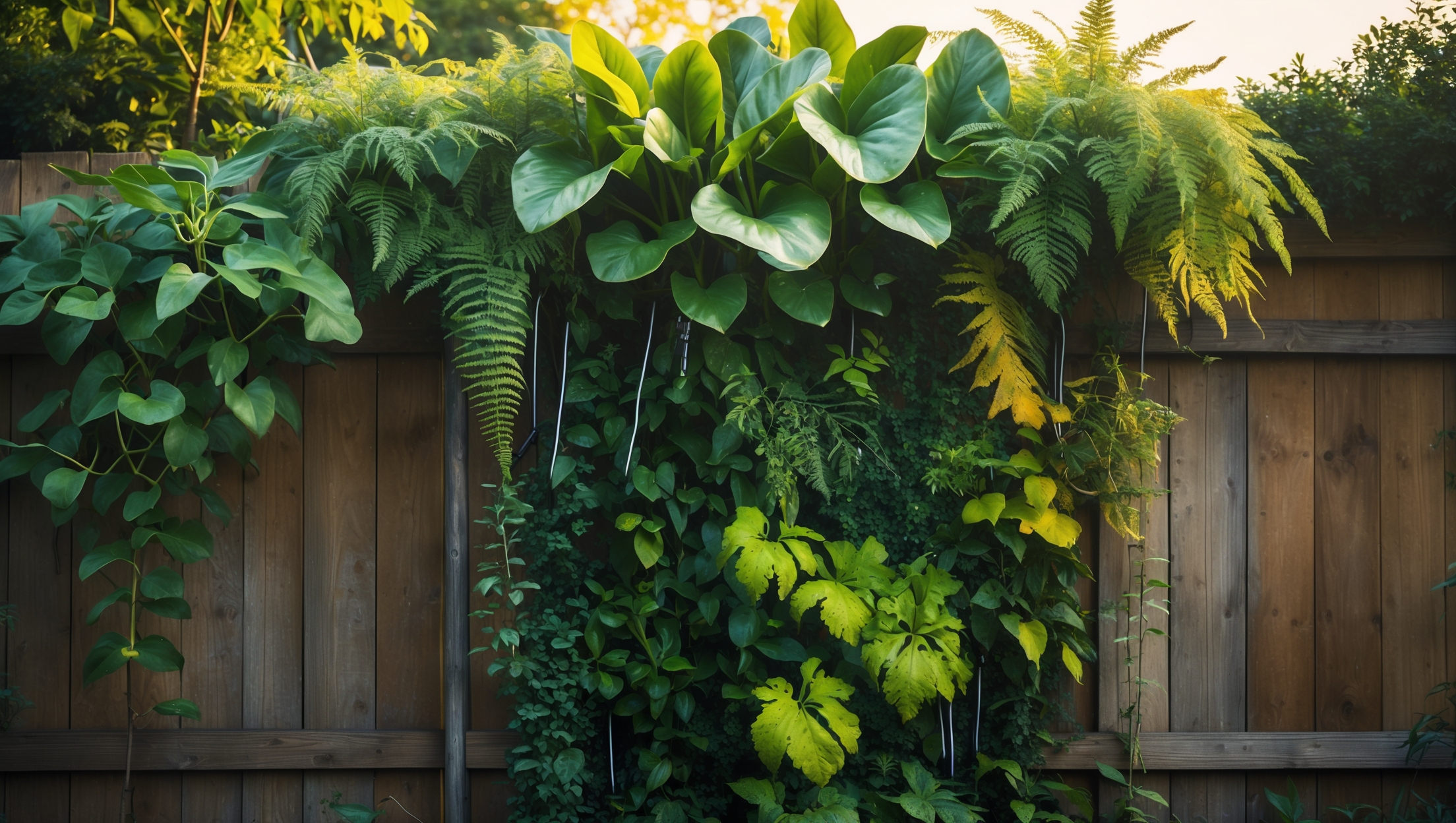
Introduction: Why Vertical Garden Maintenance Matters
Vertical gardens, sometimes called living walls or green walls, have surged in popularity for urban and suburban homeowners seeking to maximize greenery in compact outdoor spaces. These installations offer not only visual appeal and privacy but also environmental benefits such as improved air quality and natural cooling. However, their vertical orientation introduces unique maintenance challenges that differ from traditional in-ground beds or container gardens. Without proper attention, vertical gardens can quickly become patchy, overgrown, or susceptible to pests and diseases. In this comprehensive guide, we’ll walk you through proven best practices for maintaining a thriving backyard vertical garden. From irrigation system upkeep to pruning strategies and pest management, you’ll learn how to keep your green wall lush, vibrant, and healthy through every season.
Understanding Your Vertical Garden’s Structure
Before diving into maintenance routines, it’s important to understand the anatomy of your vertical garden. Most systems consist of a frame or panel attached to a wall or free-standing structure, planting pockets or containers, a growing medium (such as soil, felt, or hydroponic substrate), and an integrated irrigation system. Materials and plant selection vary, but all require regular checks for structural integrity and plant health.
Types of Vertical Garden Systems
- Panel/Pocket Systems: Modular panels or fabric pockets mounted on walls, popular for DIY and commercial setups.
- Tray Systems: Stacked trays holding soil or substrate, offering easy access for replanting and maintenance.
- Hydroponic Walls: Soil-free systems using nutrient-rich water, demanding more frequent monitoring of pumps and reservoirs.
- Freestanding Towers: Vertical columns with rotating or fixed planting spaces, often used for herbs and leafy greens.
Irrigation System Maintenance
Consistent, efficient watering is the linchpin of vertical garden health. Most living walls use drip irrigation or wicking systems to deliver water evenly. Without regular upkeep, clogged emitters, leaks, or uneven distribution can lead to dry pockets or waterlogging.
Checking for Clogs and Leaks
- Inspect drip lines and emitters weekly for mineral buildup or blockages.
- Flush lines with clean water monthly to prevent debris accumulation.
- Examine connections for leaks that can cause water stains or wasted resources.
Calibrating Watering Schedules
- Adjust timers seasonally: increase frequency during hot, dry months and reduce during cooler or rainy periods.
- Observe plant response—if leaves yellow or wilt, tweak duration or frequency accordingly.
- Install a soil moisture sensor for automated, climate-responsive irrigation.
Managing Water Quality
- Use filtered or rainwater if possible to minimize mineral deposits.
- Flush the system quarterly to remove salts and prevent clogging.
- If using hydroponics, monitor pH and nutrient levels weekly.
Plant Care and Pruning Techniques
Vertical gardens are prone to rapid overgrowth and competition for light and nutrients. Strategic pruning and plant replacement keep the wall balanced, attractive, and healthy.
Routine Pruning
- Trim trailing or vining plants monthly to prevent overcrowding.
- Remove dead or yellowing foliage to promote air circulation and reduce disease risk.
- Shape plants to encourage bushier growth and fill bare spots.
Replanting and Rotating
- Replace underperforming or diseased plants as soon as issues are spotted.
- Rotate annuals and herbs seasonally for continual color and harvest.
- Group plants with similar light and water needs together for easier care.
Fertilization and Soil Health
Vertical gardens have limited root space, making soil health and nutrient availability critical. Regular fertilization and substrate checks prevent deficiencies and keep growth vigorous.
Choosing the Right Fertilizer
- Use a balanced, water-soluble fertilizer every 4–6 weeks during the growing season.
- For edible walls, select organic or food-safe options.
- If using hydroponics, follow the manufacturer’s nutrient schedule precisely.
Refreshing the Growing Medium
- Top-dress soil-based systems with compost or worm castings twice a year.
- Replace or replenish substrate in pockets or trays annually to prevent compaction and nutrient depletion.
- Check for root mass buildup, which can block water flow—thin roots as needed.
Pest and Disease Management
Dense plantings and humid microclimates make vertical gardens susceptible to pests and diseases. Early detection and targeted interventions are key.
Common Vertical Garden Pests
- Aphids and whiteflies (especially on soft-stemmed plants)
- Spider mites (on undersides of leaves in dry conditions)
- Fungal gnats (in overwatered substrates)
Integrated Pest Management Techniques
- Inspect plants weekly for visible pests, sticky residue, or leaf discoloration.
- Use insecticidal soap or neem oil sprays for outbreaks; test on a small area first.
- Encourage beneficial insects like ladybugs or lacewings.
- Remove and dispose of infected plant material promptly.
Preventing Fungal and Bacterial Problems
- Ensure good air circulation by thinning crowded areas.
- Avoid overhead watering; stick to drip or root-level systems.
- Sanitize tools and gloves between uses.
Seasonal Vertical Garden Care
Each season brings its own maintenance tasks. Adapting your routine ensures your living wall stays healthy year-round.
Spring
- Check structural components for winter damage.
- Clean irrigation lines and test system flow.
- Refresh soil and fertilize to jumpstart growth.
- Replant with spring annuals or perennials as needed.
Summer
- Increase watering frequency and monitor for heat stress.
- Prune vigorously to control excessive growth.
- Scout for pests and treat at first signs of infestation.
Autumn
- Remove spent annuals and trim back perennials.
- Reduce fertilizer applications as growth slows.
- Check and clean drainage outlets to prevent clogging from fallen leaves.
Winter
- Protect tender plants with frost cloth or by bringing removable modules indoors.
- Reduce watering but avoid letting substrate dry out completely.
- Inspect supports for freeze–thaw damage.
Structural and System Checks
The longevity of your vertical garden depends on more than just plant care. Regularly inspect the physical and mechanical elements to prevent system failure.
Frame and Fastening Inspection
- Examine mounting hardware for rust or loosening, especially after storms or temperature swings.
- Tighten screws and reinforce anchors as needed.
- Look for warping or sagging in frames, which can compromise plant pockets.
Drainage and Runoff Management
- Ensure bottom trays or catch basins are clear to prevent overflow and water damage.
- Direct runoff away from building foundations or walkways.
- Check for leaks along seams or joints, sealing as necessary.
Lighting Adjustments and Plant Health
Light exposure can vary dramatically across a vertical wall. Monitoring and managing light, especially in shaded or overly exposed areas, keeps all plants growing evenly.
Supplemental Lighting
- Install adjustable LED grow lights if certain sections receive inadequate sunlight.
- Use timers to mimic natural daylength, particularly in winter or on north-facing walls.
Managing Sunburn and Shade
- Provide shade cloth in peak summer for sun-sensitive species.
- Rotate or replace plants that show signs of sunburn or etiolation (leggy growth).
Record-Keeping and Long-Term Planning
Meticulous records help identify patterns, track successful plant varieties, and anticipate maintenance needs.
- Maintain a garden journal noting planting dates, fertilizer applications, and pest issues.
- Photograph your wall seasonally to monitor progress and spot recurring problems.
- Create a maintenance calendar to schedule key tasks throughout the year.
Conclusion: Sustaining a Living Wall for Years to Come
Backyard vertical gardens are living art installations, blending aesthetic value with environmental benefits. Yet, their beauty and productivity depend entirely on thoughtful, regular maintenance. By keeping a close eye on irrigation systems, practicing strategic pruning, staying vigilant against pests, and adjusting care routines seasonally, you can ensure your green wall remains a thriving focal point for years to come. The extra effort pays off in vibrant foliage, healthier plants, and the satisfaction of a sustainable outdoor oasis—even in the tightest spaces. Embrace these best practices and your vertical garden will reward you with abundance, privacy, and the calming presence of living greenery, season after season.
If my green wall starts looking patchy or overgrown between seasons, what’s the best way to quickly revive it without having to replant the whole thing?
If your green wall looks patchy or overgrown, start by trimming back any excessive growth and removing dead or yellowing leaves. Gently clean off debris and check for clogged irrigation. Fill bare patches by repositioning healthy nearby plants or adding cuttings if possible. Fertilize lightly and monitor light and water levels to encourage even, healthy regrowth.
For someone just starting out with a backyard vertical garden, is there a particular system—panel, tray, hydroponic, or tower—that tends to require less frequent maintenance or is more budget-friendly in the long run?
If you’re looking for a system that requires less frequent maintenance and is budget-friendly, tray systems are a good choice for beginners. They’re straightforward to set up, easy to water, and replacing plants or soil is simple. Hydroponic and tower systems can be efficient but usually cost more upfront and may need more regular care.
For a vertical garden that uses fabric pocket systems, how often should I be checking for structural wear or potential water damage to the wall behind it? Any tips for preventing moisture issues?
For fabric pocket systems, check for structural wear and signs of water damage every month. To prevent moisture issues, use a waterproof barrier between the vertical garden and the wall, ensure proper drainage, and avoid overwatering. Also, let the wall air out occasionally by removing the garden temporarily if possible.
Between tray systems and freestanding towers, which do you find easier to maintain for beginners, especially when it comes to replanting and keeping everything watered evenly?
Tray systems are generally easier for beginners to maintain. They make replanting simpler since individual trays can be accessed or swapped out without disturbing the whole setup. Watering is also more even because trays are usually designed to distribute moisture uniformly, reducing the worry about dry spots compared to some tower designs.
I’m worried about pests in a vertical garden since everything is off the ground. Do you recommend any specific pest control methods that work without damaging the wall or irrigation components?
For vertical gardens, focus on regular inspection to catch pests early. Use natural remedies like neem oil or insecticidal soap, which are gentle on plants and safe for wall and irrigation equipment. Avoid harsh chemicals, and consider releasing beneficial insects like ladybugs to control pests naturally.
I’m curious about plant selection for hydroponic vertical walls. Are there certain types that tend to be more pest-prone or difficult to keep healthy in this setup?
In hydroponic vertical walls, leafy greens like lettuce, spinach, and herbs such as basil usually thrive and are less prone to pests. Fruiting plants or those with woody stems, like tomatoes or peppers, can be more challenging and often attract pests or develop root issues. It’s best to start with hardy, fast-growing plants and monitor them regularly for early signs of stress or infestation.
We have a panel-style vertical garden, and I’m worried about pest outbreaks. Are there certain plant types or growing mediums that are less likely to attract bugs or disease in these pocket systems?
For panel-style vertical gardens, choosing pest-resistant plants like ferns, succulents, and certain herbs (such as mint or thyme) can help reduce bug issues. Using sterile, well-draining soilless mixes—like coconut coir and perlite—also helps prevent disease and deters many pests compared to traditional soil.
Can you share tips on how often to check the structural integrity of a panel or pocket-style vertical garden, especially in areas with heavy rain?
For panel or pocket-style vertical gardens in areas with heavy rain, it’s wise to check the structural integrity every 2 to 4 weeks. After any intense rainstorm, do a quick inspection for water damage, loose parts, or signs of rust and rot. Tighten fasteners and repair worn fabrics as needed to keep your garden safe and stable.
If I want to start with a freestanding tower for herbs, is there a recommended schedule for checking the irrigation system, or does it depend on the specific plants I choose?
The frequency for checking your irrigation system depends partly on the herbs you choose, but as a general rule, inspect the system at least once a week. Some herbs prefer drier conditions, while others need consistently moist soil, so adjust your checks as you learn how quickly the soil dries for your particular plants.
If I’m considering a DIY panel or pocket vertical garden, what are some budget-friendly tips for making sure the structure stays sturdy and plants don’t become overgrown too quickly?
For a sturdy DIY vertical garden, use recycled wood pallets or plastic crates, securing them firmly to a wall or freestanding frame. For panels or pockets, choose lightweight potting mix and avoid overcrowding plants. Prune regularly and select slow-growing, compact species to prevent overgrowth and reduce frequent maintenance.
For a first-time DIYer, which system would you recommend—panel/pocket or tray—if I want something easy to maintain and replant each season? Are there differences in how often each type needs structural checks?
For first-time DIYers, tray systems are often easier to maintain and replant each season because you can individually lift out and swap plant trays. Tray systems generally require less frequent structural checks since they distribute weight more evenly, while panel or pocket systems may need more regular checks for sagging or material wear, especially after watering or storms.
I’m curious if certain plant varieties are better suited for hydroponic walls versus soil-based pocket systems when it comes to minimizing pest issues. Do you have recommendations on which to choose depending on pest management needs?
Certain plants, like herbs (basil, mint, chives) and leafy greens (lettuce, spinach), generally thrive in hydroponic walls and tend to attract fewer soil-borne pests. For soil-based pocket systems, succulents and some ferns can be good choices as they are less prone to pest problems. If pest management is a primary concern, hydroponic systems with resistant herbs and greens might offer the lowest risk.
For someone on a limited budget, which vertical garden system from those listed tends to require the least ongoing maintenance and repair costs over time, especially in terms of irrigation and plant care?
From the systems discussed, felt pocket planters generally have the lowest long-term maintenance and repair costs. They use simple hand watering or drip lines, are lightweight, and need minimal repairs. Modular or framed systems often require more investment in irrigation setup and replacement parts, so for a tight budget, felt pockets are usually the most cost-effective and easiest to care for.
For someone on a tight budget, are there low-maintenance vertical garden systems that still work well in areas with extreme summer heat? I’m weighing tray versus pocket options for my backyard.
Tray systems tend to be a better choice for extreme summer heat and tight budgets. They hold more soil, making moisture retention easier and reducing how often you’ll need to water. Pocket systems dry out quicker and often require more frequent maintenance, which may not be ideal in hot climates.
I’m considering installing a vertical garden with modular panels on my backyard fence. Are there any special maintenance tasks I should be aware of to prevent the frame or pockets from degrading outdoors over time?
Outdoor vertical gardens with modular panels need a few extra care steps. Choose weather-resistant materials for frames and pockets, like powder-coated metal or UV-stabilized plastic. Regularly check for rust, mold, or rot, and clean surfaces to remove debris or algae. Make sure drainage is effective to avoid water buildup, and reposition panels if you notice excessive sun or moisture damage.
I’m curious about the structural checks for different vertical garden systems. Are some types, like panel/pocket systems or tray systems, more prone to damage or wear over time than others?
Panel and pocket systems can sometimes be more prone to fabric wear or sagging, especially if exposed to heavy moisture or if not securely mounted. Tray systems are generally sturdier but may develop leaks or cracks if not checked for accumulated water or structural stress. Regular inspections for loose fittings, water damage, and material fatigue are important for all types, but soft fabric systems need particular attention for tearing or mold.