
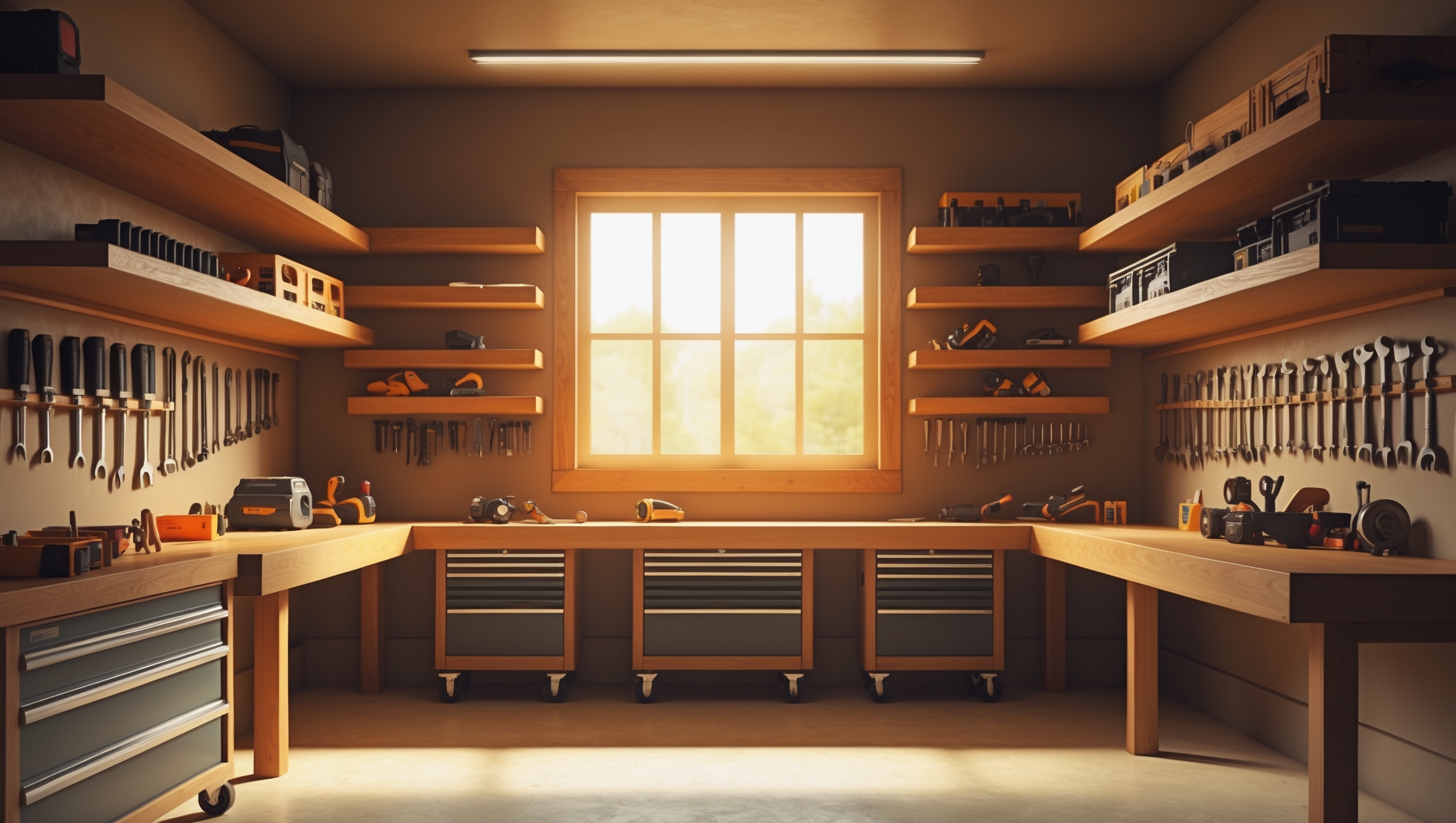
Introduction: Building Your First Home Workshop—Budgeting for Success
Setting up your first home workshop is an exciting journey that promises creativity, productivity, and endless DIY possibilities. But before you start envisioning your dream space filled with gleaming tools and organized shelves, there’s a critical step you can’t afford to overlook: budgeting. Many first-time workshop owners underestimate the true costs involved, leading to overspending, unfinished spaces, or poor equipment choices. This comprehensive guide is designed to help you avoid those pitfalls by providing a detailed cost breakdown and practical budgeting strategies tailored for beginners. Whether your passion lies in woodworking, automotive projects, or general home repairs, understanding the financial commitment upfront will save you time, money, and frustration. From choosing the right tools to optimizing your space and factoring in hidden expenses, this article will empower you to assemble a functional, safe, and efficient workshop—without blowing your budget. Read on for a step-by-step approach to budgeting, smart shopping tips, and real-world examples to guide you from planning to completion.
Assessing Your Needs: Setting the Scope and Priorities
Defining Your Workshop’s Purpose
The first step in budgeting is to clarify what you want to accomplish in your workshop. Are you planning to use it for woodworking, metalworking, automotive repairs, crafting, or a mix of hobbies? Each use case has unique requirements, impacting tool selection, layout, and overall costs. Write down your main activities and the types of projects you envision completing in your workshop over the next year.
Space Considerations
Measure your available space—whether it’s a garage, basement, or shed—and consider its current condition. The size and quality of your space will affect expenses for flooring, lighting, insulation, and storage solutions. Assess whether you need to allocate funds for structural improvements, electrical work, or climate control.
Setting a Realistic Budget Range
Once you’ve clarified your needs, set a realistic budget range. Consider your available funds, desired timeframe, and willingness to purchase secondhand equipment. A basic home workshop can start from as little as $500 for minimal setups, while a fully equipped, specialized space may run $5,000 or more. Establish a maximum spend before finalizing your shopping list.
Cost Breakdown: Major Expense Categories
1. Tools and Equipment
- Essential Hand Tools: Hammer, screwdrivers, pliers, tape measure, utility knife, wrenches, and levels. Expect to spend $100–$250 for decent quality starter sets.
- Power Tools: Cordless drill/driver, circular saw, jigsaw, sander, and a shop vacuum are common basics. Budget $250–$600 depending on brands and features.
- Specialty Tools: Depending on your focus (e.g., woodworking vs. auto repair), add items like table saws, planers, or automotive jacks. These can range from $200 to $2,000+ each.
- Tool Storage: Tool chests, pegboards, and shelving units. Allocate $100–$400 for robust storage solutions.
2. Workbench and Workspace
- Workbench: Pre-made benches cost $150–$600; DIY options can be built for $75–$200 in materials.
- Stools and Seating: Budget $40–$150 for ergonomic seating, if needed.
3. Workshop Infrastructure
- Electrical Upgrades: Adding outlets, upgrading circuits, or installing task lighting may cost $200–$1,200, especially if hiring an electrician.
- Lighting: LED shop lights start at $30 each. A medium-sized workshop may need $120–$300 worth of lighting for optimal visibility.
- Heating/Cooling: Portable heaters/fans cost $50–$250 each. Full HVAC upgrades can reach $1,000+.
- Insulation: Insulating a single-car garage may cost $300–$800, depending on materials and DIY vs. professional installation.
4. Safety and Compliance
- Fire Extinguisher: $25–$50 for a basic ABC-rated unit.
- First Aid Kit: $20–$50 for a comprehensive kit.
- Ventilation/Dust Collection: Shop vacs ($100–$250), air purifiers ($100–$300), or small dust collectors ($200–$600) for woodworking.
- Personal Protective Equipment (PPE): Safety glasses, hearing protection, gloves, respirators—budget $50–$150.
5. Materials and Supplies
- Consumables: Fasteners, adhesives, sandpaper, blades, drill bits. Plan for $50–$150 initially, with ongoing needs as projects progress.
- Paint/Finishes: $20–$100 depending on product types and quantities.
6. Miscellaneous and Hidden Costs
- Permits and Compliance: If making significant electrical or structural changes, check local regulations. Permit fees may range from $50–$300.
- Insurance: Consider adding workshop coverage to your homeowner’s policy. Additional premiums may vary but expect $50–$200 annually.
- Waste Disposal: Renting a dumpster or hauling debris could add $50–$150 to your setup costs.
Sample Budget Scenarios
Entry-Level DIY Workshop ($700–$1,500)
- Basic hand tool set: $150
- Core power tools: $400
- Workbench (DIY): $100
- Lighting upgrade: $120
- Tool storage: $100
- Safety gear: $80
- Consumables and supplies: $100
- Total: $1,050
Intermediate Workshop ($2,000–$3,500)
- Expanded hand and power tools: $900
- Specialty tool (e.g., table saw): $500
- Workbench (store-bought): $350
- Insulation: $500
- Electrical upgrades: $600
- Dust collection: $300
- Safety and compliance: $150
- Consumables: $200
- Total: $3,500
Advanced Multi-Purpose Workshop ($5,000+)
- Full suite of high-end tools: $2,000+
- Multiple specialty machines: $2,000+
- Custom workbench and cabinetry: $1,000
- Climate control (mini-split HVAC): $1,200
- Professional electrical and lighting: $1,500
- Advanced dust collection: $1,000
- Permits and insurance: $400
- Total: $8,100+
Smart Budgeting Tips and Cost-Saving Strategies
Prioritize Must-Have Tools
Start with the essentials for your core activities, then expand as you identify real needs. Avoid buying specialty tools “just in case.” Many beginners over-purchase, leading to wasted funds and clutter.
Buy Quality Where It Counts
Invest in quality for frequently used tools (e.g., drills, saws, measuring tools) to avoid premature replacements. For rarely used items, consider lower-cost options or borrowing.
Shop Secondhand and Look for Sales
Check local classifieds, online marketplaces, and garage sales for gently used tools, benches, and storage units. Manufacturers’ holiday sales can also yield significant savings on new equipment.
DIY Where Possible
Building your own workbench or shelving can cut costs and allow for customization. Plenty of free or inexpensive plans are available online, requiring only basic tools and materials.
Plan for Future Expansion
Design your workshop layout and electrical capacity with growth in mind. Investing in an extra circuit or outlet now can save on costly upgrades later.
Hidden Costs and How to Avoid Surprises
Permits and Code Compliance
Always verify whether your planned upgrades (especially electrical or structural) require permits. Fines for non-compliance can exceed the cost of the permit itself. Check with your local building department before starting.
Insurance Considerations
Notify your insurance provider about your workshop, particularly if using high-powered equipment or storing flammable materials. Some policies exclude coverage for outbuildings or non-standard uses.
Ongoing Consumables and Maintenance
Budget for replacement blades, bits, sandpaper, lubricants, and cleaning supplies. Regular maintenance—like sharpening tools and servicing power equipment—will ensure longevity and safety.
Maximizing Value: Where to Splurge and Where to Save
Splurge
- Primary power tools (drills, saws, sanders): Reliability and accuracy pay off in the long run.
- Workbench/work table: A solid, stable surface enhances safety and precision.
- Lighting: Proper illumination is critical for safety and quality work.
Save
- Rarely used specialty tools: Rent or borrow when needed.
- Shop furniture and storage: DIY options can be as functional as store-bought versions.
- Decor and non-essentials: Focus on function first; aesthetics can always be upgraded later.
Step-by-Step Workshop Budgeting Checklist
- Define your workshop’s primary use and essential activities.
- Measure and assess your available space.
- List required tools, equipment, and infrastructure upgrades.
- Research average prices for each item (use this guide as a baseline).
- Identify items for possible DIY or secondhand purchase.
- Allocate a contingency fund (10–15%) for unexpected expenses.
- Check permit and insurance requirements.
- Create a phased spending plan—start with essentials, then expand as needed.
Conclusion: Building Your Workshop Without Breaking the Bank
Setting up your first home workshop is a rewarding investment in your skills, hobbies, and personal satisfaction. By understanding the full spectrum of costs—from must-have tools and workspace upgrades to hidden expenses like permits and insurance—you can create a realistic, actionable budget. Remember, the best workshops aren’t built overnight or with unlimited funds; they evolve thoughtfully, prioritizing function, safety, and your specific needs. Start small if necessary, focus on quality where it counts, and take advantage of cost-saving opportunities like secondhand shopping and DIY solutions. Track your expenses, plan for maintenance, and don’t neglect compliance or insurance—it’s better to be prepared than to be caught off guard. With careful planning and a clear budget, you’ll be well on your way to a productive, efficient, and enjoyable home workshop that supports your creative ambitions for years to come.
Could you provide more detail on hidden expenses that tend to surprise first-time workshop owners? For example, are there common electrical or permitting costs people tend to miss when budgeting?
Hidden expenses often catch first-time workshop owners off guard. Electrical upgrades, like adding extra outlets or higher-capacity circuits for power tools, can be costly. Permitting fees are sometimes overlooked, especially if local codes require inspections or special approvals. Unexpected costs can also include dust collection systems, fire safety equipment, and insurance premiums.
The article mentions allocating funds for structural improvements depending on the current condition of the space. Could you give some typical cost ranges for upgrading insulation and lighting in a standard two-car garage workshop?
For a standard two-car garage, upgrading insulation typically runs between $1,000 and $2,500, depending on material and installation complexity. For lighting, expect to spend $200 to $800 for quality LED fixtures and basic electrical work. Costs can vary based on the region and your specific needs.
When budgeting for a first workshop, how can I estimate the costs of structural improvements if I’m starting with an unfinished garage? The article mentions accounting for these, but I’m not sure what realistic numbers to plan for.
Estimating structural improvement costs for an unfinished garage depends on your area and the work required. For basics like insulation, drywall, and electrical upgrades, plan for $3,000 to $8,000. If you need new flooring or significant repairs, add $2,000–$5,000 more. Getting quotes from local contractors will give you more precise numbers.
I’m just starting to plan my first home workshop and noticed you mentioned hidden expenses in the budgeting process. Could you give some examples of what these hidden costs might be? I want to make sure I’m not caught off guard by anything unexpected as I put my budget together.
Absolutely, it’s smart to think ahead about those sneaky expenses! Hidden costs can include things like electrical upgrades if your space needs more outlets or higher-capacity circuits for larger tools, extra lighting for safety and visibility, climate control (like a heater or dehumidifier), and even insurance if you’re planning on storing expensive equipment. You might also need to budget for ventilation, especially if you’ll be working with paints or stains. Don’t forget about small stuff like extension cords, tool storage solutions, and personal protective gear—they all add up. Planning for these early on can help keep your project on track and your wallet happy.
I noticed you mentioned hidden expenses when setting up a home workshop. Could you give some examples of what those might be? I’m worried about getting blindsided by costs I haven’t thought of, especially since I’m just starting out and trying to plan my budget thoroughly.
Great question! Some common hidden expenses when building your first workshop include things like electrical upgrades (adding outlets, higher-capacity circuits), better lighting, ventilation improvements if you’re working with dust or fumes, and climate control if you want to use the space year-round. People also sometimes forget to budget for storage solutions like shelving, cabinets, or pegboards to keep tools organized. Consumables—such as sandpaper, screws, glue, and cleaning supplies—can also add up over time. It’s a good idea to set aside a small buffer in your budget for these unexpected costs, since they can really make a difference once you get started.
I’m just starting to plan my first workshop mainly for woodworking, but I also want to do some occasional home repairs. When figuring out the budget, how should I balance spending on specialized woodworking tools versus more general-purpose tools for home repairs? Is it better to prioritize one category first or try to get a mix even if that means starting with fewer items in each?
Great question! When you’re just starting out, it’s smart to focus first on the tools you’ll use most often for your main activity—in your case, woodworking. Foundation tools like a circular saw, a drill/driver, and a good sander can actually serve double duty for both woodworking and general repairs. Once you have those basics, you can gradually add more specialized woodworking tools (like a table saw or router) as your skills and projects expand. Prioritizing multi-use tools early on helps stretch your budget and covers both your main hobby and repairs. As you work on more projects, you’ll get a better sense of which specialty tools are worth investing in next.
When you mention hidden expenses for setting up a workshop, could you give some real-world examples of what those might include? I want to avoid surprises in my budget.
Some real-world hidden expenses can include things like increased electricity bills from power tools, extra insurance coverage for your new equipment, permits or inspection fees (if required locally), and unexpected upgrades to your electrical panel. You might also need climate control solutions, better ventilation, or pest prevention, depending on your space.
If I want to start small and gradually expand my tool collection, what budgeting strategies would you suggest to avoid overspending in the first year?
Begin by prioritizing essential tools for your immediate projects and set a monthly spending cap to stay disciplined. Track every purchase, watch for sales or secondhand deals, and avoid buying specialty tools until you truly need them. Reassess your needs regularly to adjust your budget as your skills and workshop grow.
When considering hidden expenses, are there any common costs that new workshop owners often forget to factor in, like permits or increased electricity usage?
Yes, new workshop owners often overlook costs like permits, which may be required by local authorities, and increased electricity usage from tools and lighting. Other commonly forgotten expenses include insurance, ventilation, waste disposal, and periodic tool maintenance. Including these in your budget helps avoid surprises later on.
When budgeting for the structural improvements you mentioned, do you have any tips on estimating costs for things like insulation or electrical upgrades in a garage versus a basement workshop?
Estimating costs can vary by space. For insulation, garages often need more if they’re detached or less finished, so factor in higher square footage and exterior walls. Electrical upgrades in garages may require longer wiring runs, while basements might already have closer access to the main panel. Always get a few contractor quotes for both spaces to compare and ask about code requirements, as these can impact your final budget.
Do you have any suggestions for estimating hidden expenses, like electrical upgrades or ventilation, when setting up a workshop in an older basement?
When estimating hidden expenses in an older basement, consider having a licensed electrician and HVAC specialist inspect the space first. They can identify outdated wiring or ventilation issues and provide quotes. Add a contingency buffer of around 15-20% to your budget to cover surprises like mold, water leaks, or code upgrades.
Once I’ve listed out my main projects and measured my space, what’s the smartest way to prioritize spending between structural improvements like lighting and insulation versus buying essential tools right away?
After outlining your projects and measuring your space, focus first on structural improvements like lighting and insulation if they directly affect safety, comfort, or tool performance. Once those basics are covered, invest in the essential tools you need for your initial projects. This approach ensures your workspace is functional and pleasant from the start, while letting you gradually add more tools as needed.
Could you give some examples of hidden expenses people often overlook when setting up their first home workshop? I’m worried about unexpected costs throwing off my budget.
Some commonly overlooked expenses include electrical upgrades for power tools, proper lighting, ventilation systems, dust collection solutions, and extra storage like cabinets or shelving. Safety gear, fire extinguishers, and small tools or fasteners can also add up. Planning for these in advance can help you avoid budget surprises.
I noticed you recommend writing down main workshop activities to clarify needs. How much should my budget flex if I want to switch from basic home repairs to woodworking over time?
If you plan to move from basic home repairs to woodworking, your budget should increase by at least 40–60 percent. Woodworking often requires more specialized tools, dust collection, better lighting, and safety equipment. It’s smart to allow extra funds for tool upgrades and materials as your interests develop.
We’re looking to turn our unfinished basement into a multipurpose workshop for woodworking and some automotive repairs. Do you have any tips on budgeting for flooring and lighting upgrades when the space might need insulation too?
Start by listing your must-haves: insulation, flooring, and lighting. Prioritize insulation first, as it impacts comfort and energy use. For flooring, durable and easy-to-clean options like epoxy or sealed concrete are budget-friendly. For lighting, opt for LED fixtures—they’re energy efficient and bright. Get quotes for each upgrade, and consider tackling one improvement at a time if budget is tight.
Can you provide more specific examples of real-world budgeting strategies mentioned in the article, maybe even a sample cost breakdown for a modest first workshop setup?
Certainly! The article suggests starting with a detailed list of essential tools and materials, comparing new versus secondhand options, and setting a firm spending cap. For a modest workshop, it outlines a sample budget like $400 for basic tools, $200 for workbenches and storage, $100 for safety equipment, and $300 for lighting and electrical needs. Tracking all expenses and adjusting your plan as you go is also recommended.
For someone mainly interested in woodworking and maybe a bit of crafting, are there certain tools or setup costs you would suggest skipping or minimizing at first to stay under budget?
If your main focus is woodworking and some crafting, you can skip or minimize costs on specialty power tools like large jointers, planers, or CNC machines at first. Start with essentials like a circular saw, drill, clamps, and a sander. For crafting, basic hand tools often suffice. You can also save by using a sturdy table instead of buying a dedicated workbench right away.
When planning the budget for a home workshop, how much should I realistically set aside for hidden expenses like electrical upgrades or insulation? I want to avoid underestimating these costs.
For hidden expenses such as electrical upgrades or insulation, it’s wise to set aside an extra 15% to 20% of your total workshop budget. These costs can vary widely, but building a cushion into your budget helps prevent surprises and keeps your project on track.
When budgeting for a first-time workshop in a basement or garage, do you have any cost estimates specifically for improving things like lighting and insulation? I’m trying to figure out which upgrades are truly necessary from the start.
For lighting, upgrading to bright LED fixtures can cost around $50–$150 each, depending on brightness and quality. Insulation varies more; insulating garage walls or a basement might range from $1 to $2 per square foot for DIY materials. Consider starting with good lighting and basic insulation if the space feels cold or damp, then add more upgrades as needed.
Could you give some ballpark figures or real-world examples for what a beginner might expect to spend on a woodworking setup as compared to an automotive-focused workshop?
For a beginner woodworking setup, you might expect to spend around $1,000 to $2,500, covering essentials like a table saw, miter saw, drill, and basic hand tools. An entry-level automotive workshop usually costs more, typically $2,500 to $6,000, since you’ll need a jack, jack stands, compressor, a good set of wrenches, and specialty tools for car systems. Costs depend on tool quality and how many different tasks you want to handle.
The article mentions real-world budgeting examples—could you share a sample breakdown for someone mainly focused on woodworking? I’m trying to figure out what a reasonable starter budget might look like.
For a woodworking-focused starter workshop, a reasonable budget might look like this: basic power tools (table saw, drill, sander, jigsaw) around $600–$800; workbench and storage $200–$400; safety gear $100–$150; lumber and supplies $150–$300. In total, expect around $1,000–$1,650 for a solid beginner setup.
If my main focus is woodworking but I might want to add basic automotive tools later, should I plan my tool purchases all at once or build up my collection over time to stay within budget?
It’s usually best to build up your tool collection over time, especially to keep your budget manageable. Start with essential woodworking tools first. As your needs expand, you can gradually add basic automotive tools, ensuring each purchase fits your workflow and finances.
Once I’ve listed out my intended workshop activities, what’s the next practical step to estimate a realistic budget before making any purchases?
After listing your workshop activities, the next step is to break down the essential tools, materials, and equipment needed for each activity. Research current prices for these items, factor in costs like safety gear, storage, and utilities, and then total everything up. This will give you a clear, realistic budget before you start buying anything.
When comparing woodworking and automotive projects, which usually ends up costing more to set up for a beginner’s home workshop, and are there ways to keep those costs down?
Typically, setting up for automotive projects costs more than woodworking due to the need for heavier-duty tools, specialized equipment like lifts or jacks, and often a larger workspace. However, beginners can keep costs down in both cases by starting with essential hand tools, buying used equipment, and gradually expanding their collection as needed.
If my available space is an unfinished garage, which upgrades should take priority to make it safe and functional for a basic workshop—insulation, lighting, or flooring?
For an unfinished garage, prioritize lighting first to ensure you can work safely and see what you’re doing. Next, address the flooring by sealing or covering it to protect against dust and moisture. Insulation can come later unless temperature control is a major concern for your needs.
When setting a budget for my first workshop, what are some of the most commonly overlooked expenses that beginners tend to forget about until later in the process?
Some commonly overlooked expenses include electrical upgrades for power tools, proper lighting, ventilation systems, and workspace safety gear like fire extinguishers. Beginners also often forget about storage solutions for tools and materials, as well as ongoing costs such as tool maintenance and consumables like screws, sandpaper, and adhesives.
I’m planning to set up a workshop mainly for woodworking and small repairs in my garage. Could you offer any real-world examples of hidden expenses that tend to surprise first-timers?
Some hidden expenses that often catch people off guard include proper dust collection systems, upgraded electrical outlets or circuits for power tools, adequate lighting, and climate control to protect materials and tools. You might also need extra storage solutions, safety gear, and insurance coverage for both tools and liability.
I noticed you suggest listing out main activities for the workshop first. If I want to combine woodworking and occasional car repairs in a garage, do you recommend separate tool zones or sharing space to save on costs?
If you’re combining woodworking and car repairs in your garage, consider creating separate tool zones for each activity if space allows. This helps keep tools organized and prevents sawdust from affecting car repairs. However, if you’re on a tight budget, sharing space can work—just invest in good storage and cleaning solutions to keep things tidy and safe.
You mention factoring in hidden expenses when setting up a home workshop. Could you clarify what some of those lesser-known costs might be, and how much I should realistically set aside for them?
Hidden expenses for a home workshop often include things like electrical upgrades, proper lighting, ventilation, tool maintenance, insurance, and safety gear. You might also face unexpected costs for storage solutions or soundproofing. It’s wise to set aside an extra 10–20% of your total workshop budget to cover these lesser-known costs and avoid surprises.
When factoring in hidden expenses for a beginner workshop, what are some common costs people tend to overlook, especially with regard to insulation and electrical upgrades?
People often overlook the cost of proper insulation materials and installation, especially if climate control is important. For electrical upgrades, additional expenses can include hiring a licensed electrician, upgrading the main service panel, adding extra outlets, and ensuring proper lighting. Permit fees and unexpected repairs when updating old wiring are also common hidden costs.
If I want to set up a small workshop mainly for woodworking in my garage, how much should I realistically budget for space improvements versus tools and equipment?
For a small garage woodworking workshop, space improvements like insulation, lighting, and electrical upgrades typically range from $500 to $2,000, depending on your needs. Tools and equipment can vary widely, but expect to budget $1,000 to $3,000 for quality starter tools. Usually, tools take up the larger share of the budget, but investing in basic space upgrades will make your workshop more comfortable and efficient.
If I mainly want to use my workshop for woodworking but might do small home repairs too, do you suggest prioritizing specialized tools or versatile ones in my initial budget?
For your situation, it’s wise to prioritize versatile tools when starting out. Tools like a circular saw, drill-driver, and quality workbench can handle a wide range of woodworking projects and small repairs. As your skills and needs grow, you can then add more specialized woodworking tools.
When it comes to budgeting for a mix of hobbies like light automotive repairs and crafting, do you have tips on prioritizing which tools or structural improvements to invest in first without going over budget?
Start by listing the tools and improvements essential for both hobbies, like a sturdy workbench, good lighting, and a basic tool set. Invest first in versatile, multipurpose items you’ll use most often. Hold off on specialized tools or upgrades until you know which activities you enjoy most and use frequently. This way, you avoid overspending on items that aren’t immediately necessary.
When budgeting for workshop tools as a beginner, how should I decide between buying cheaper starter tools versus investing in higher-end equipment right away?
As a beginner, it’s wise to start with affordable, reliable tools for the basics. This lets you learn and see which tools you use most. Once you gain experience and understand your needs, you can gradually upgrade to higher-end equipment for the tools you rely on most.
How do you recommend balancing the budget between buying essential tools versus investing in better lighting and storage for a new workshop? I feel like both are important, but I’m not sure which should be prioritized.
It’s smart to prioritize essential tools first, since they’re fundamental to getting work done. Once you have the basics covered, allocate your next portion of the budget to lighting—good visibility makes a huge difference. Storage can be simple at first and upgraded over time as your tool collection grows.
If I only have a small budget, which tools or features should I prioritize first when outfitting my workshop for general home repairs?
For a small budget, focus on basic hand tools like a hammer, screwdrivers, measuring tape, pliers, and an adjustable wrench. Consider a cordless drill for versatility. Start with a sturdy workbench or solid table, and gradually build your collection as your needs grow.
How detailed should my initial budgeting spreadsheet be? For example, do you recommend listing every tool and upgrade, or is it better to estimate broad categories like storage, safety, and equipment?
For your initial budgeting, it’s helpful to strike a balance. List major tools and upgrades individually if they are significant purchases, but for smaller items, grouping them into categories like storage, safety, and equipment works well. This way, your budget is manageable and detailed enough to track major expenses without getting overwhelming.
When budgeting for a first workshop, how much should I expect to spend on hidden expenses like insulation or electrical work that might not be obvious upfront?
Hidden expenses like insulation and electrical work can vary, but you should budget an extra 15–25% of your total workshop costs for these. For a basic setup, insulation might run $500–$1,500, while electrical work could range from $800 to $2,500 depending on your needs and local rates.
You mention factoring in hidden expenses when budgeting for a home workshop. Can you give some examples of what these hidden costs might be, especially for someone setting up in an older garage or basement?
Hidden expenses can include electrical upgrades if your older garage or basement doesn’t have enough outlets or sufficient power for your tools. You might also need moisture barriers, insulation, or dehumidifiers to address dampness. Other common costs are fixing poor lighting, repairing cracked floors, improving ventilation, and pest-proofing the space.
When budgeting for a workshop in a basement versus a garage, are there major cost differences related to things like insulation, ventilation, or flooring that beginners often overlook?
Yes, there can be significant cost differences. Basements often need extra insulation and moisture barriers, which add to costs. Ventilation is usually more involved in basements to manage humidity and fumes. Garage workshops might need upgraded flooring for durability, but they usually have better airflow. Beginners sometimes overlook these extra expenses when planning.
You mention hidden expenses—could you give some real-world examples of those that first-time workshop owners often overlook when planning their space?
Common hidden expenses for first-time workshop owners include costs for permits or zoning compliance, increased insurance premiums, utility upgrades if your tools need higher power, ventilation or dust control systems, and unexpected repairs. You might also overlook expenses for proper lighting, security, waste disposal, or even climate control to protect materials and equipment.
Could you give some real-world examples or ballpark figures for startup costs if I’m setting up a workshop mainly for woodworking in a standard two-car garage? I’m trying to prioritize my purchases but don’t want to overspend early.
For a woodworking setup in a two-car garage, expect a basic starter tool kit (table saw, miter saw, drill, sander, clamps) to cost around $1,000–$2,000 if you buy quality entry-level brands. Add another $500–$1,000 for workbenches, storage, and dust collection. Prioritize essentials first, and consider buying secondhand for bigger savings.
When figuring out my budget, how do I estimate hidden expenses like ventilation or electrical upgrades for a garage space that’s not really set up for a workshop yet?
To estimate hidden expenses like ventilation or electrical upgrades, start by consulting a licensed electrician and HVAC professional for quotes based on your garage’s current setup. Factor in costs for adding outlets, new circuits, better lighting, and proper exhaust or fans. It’s smart to add a 10–20% buffer to your overall budget to cover any surprises or minor fixes that come up during the conversion.
If I only have a one-car garage to work with and want to do both woodworking and small automotive repairs, how should I prioritize tool purchases to stay within a modest budget?
Start with versatile essentials like a sturdy workbench, a quality cordless drill, a circular saw for woodworking, and a socket set for auto repairs. Multi-purpose tools and portable storage help save space. Add specialized items gradually, focusing on your most frequent tasks first to maximize your budget.
For someone primarily interested in woodworking but considering occasional automotive projects, how should I prioritize tool purchases so I stay within budget without sacrificing too much versatility?
Focus first on essential woodworking tools like a quality table saw, miter saw, drills, and hand tools, as these will see the most use. Choose versatile items, such as a sturdy workbench and adjustable clamps, which are helpful for both woodworking and automotive tasks. For automotive projects, add tools gradually—like a basic socket set or jack—only as specific needs arise. This approach keeps you versatile and within budget.
When budgeting for a first home workshop, how do you recommend estimating costs for hidden or unexpected expenses like electrical work or insulation upgrades? Are there common areas people tend to overlook in their initial planning?
To estimate hidden or unexpected costs, add a contingency fund to your budget—typically 10–20% of your total estimate. People often overlook expenses like permits, tool storage, dust collection, proper lighting, and unforeseen repairs to walls or floors. Reviewing your space thoroughly and talking to contractors can help identify these less obvious costs.
Do you have any advice on estimating hidden or unexpected costs that might come up during the process of converting a basement or garage into a functional workshop?
When converting a basement or garage, hidden costs often come from electrical upgrades, moisture-proofing, insulation, permits, and addressing any structural issues. It’s wise to set aside a contingency fund—typically 10 to 20 percent of your total budget—to handle these surprises without stress.
In your breakdown, how do the starting costs for woodworking compare to those for automotive repairs? I’m interested in both, but my budget is limited, so I’m wondering which is more feasible to start with.
In the article, the initial costs for woodworking are generally lower than those for automotive repairs. Basic woodworking requires fewer specialized tools, whereas automotive work often needs pricier equipment like jacks and diagnostic tools. If you’re on a tight budget, woodworking is typically more affordable to start with.
For someone interested in a mix of woodworking and basic automotive repairs, is it more cost-effective to buy combo tools or to invest in separate, specialized equipment right from the start?
If your workshop will cover both woodworking and automotive repairs, investing in separate, specialized tools is usually more cost-effective in the long run. Combo tools often compromise on performance or features, especially across different trades. Starting with a few quality basics for each area is a good approach and lets you expand as your needs grow.
How do you suggest balancing the cost between buying essential tools versus spending on things like storage solutions and insulation, especially if my budget is pretty limited at the start?
When your budget is limited, prioritize essential tools first—these are necessary for any work to happen. For storage, start with budget-friendly options like shelves or pegboards you can build yourself. Insulation can often wait unless your space is very drafty or you plan to work year-round. Balance by revisiting non-essentials as funds allow.
You mentioned hidden expenses in the article—could you give some examples of what those might be, especially things that catch most beginners by surprise?
Some hidden expenses that often surprise beginners include the cost of electrical upgrades, climate control like heating or ventilation, waste disposal fees for materials, insurance for your tools and space, and permits or inspections. Small items like extension cords, lighting fixtures, or storage solutions can also add up unexpectedly.
When accounting for hidden expenses like ventilation or extra outlets, do you have tips on how to keep surprise costs from blowing my budget?
To avoid surprise costs, make a detailed checklist of everything your workshop might need, including things like ventilation, extra outlets, insulation, and permits. Get multiple quotes for each item or service, and add a 10-15% contingency fund to your budget to cover unexpected expenses. This way, you’ll be better prepared if something unplanned comes up.
Once I have a clear budget and list of priorities, what are the most effective ways to stick to my spending plan as I shop for tools and materials? Any tips for avoiding impulse buys?
Once your budget and priorities are set, take your list with you when shopping and stick to it. Compare prices online and in-store before buying anything, and avoid browsing unrelated aisles. If you see something tempting, wait 24 hours before deciding. Tracking your expenses as you go also helps keep you accountable.
Could you give an example of a beginner woodworking setup with estimated costs? I’m trying to figure out what a reasonable starter budget looks like for someone who mainly wants to do small furniture projects.
A beginner woodworking setup for small furniture projects might include a circular saw ($60–$120), a cordless drill ($40–$100), a random orbital sander ($40–$80), clamps ($30), a workbench ($100), and basic hand tools like a hammer, tape measure, and chisels ($50). Altogether, you could start with a budget of $300–$400 for essential tools, not including wood and supplies.
When you mention factoring in hidden expenses for a home workshop, could you give some concrete examples of what those might be? I’m worried I might overlook something in my initial budget.
Hidden expenses for a home workshop can include things like increased utility bills, permits or inspection fees, insulation upgrades, extra lighting, dust collection systems, and storage solutions. You might also face costs for tool maintenance, small safety gear, or repairs to your workspace over time. Planning for these helps avoid budget surprises.
When budgeting for a workshop in a garage versus a basement, do you recommend allocating more for insulation and lighting upgrades in one over the other?
It’s wise to allocate more for insulation in a garage since garages are usually less insulated than basements and experience greater temperature swings. For lighting, basements often have little natural light, so you may need to invest more there for adequate brightness. Prioritize insulation in garages and lighting upgrades in basements.
When you mention hidden expenses in setting up a workshop, could you give some real-world examples of these costs that beginners might miss? I’d like to avoid budget surprises as I plan my own setup.
Hidden expenses often include electrical upgrades for safe tool operation, proper lighting, heating or cooling systems, tool maintenance supplies, dust collection equipment, and insurance for your workshop and tools. You might also encounter costs for storage solutions, extension cords, surge protectors, and permits if any construction or renovations are needed. Planning for these can help you stay on budget.
When budgeting for a new workshop, how much should I realistically set aside for upgrades like insulation or better lighting in an older garage? Do you have ballpark figures for those hidden structural costs?
For upgrades like insulation, expect to spend around $1,000 to $2,500 for a standard two-car garage, depending on material and labor. Upgrading lighting can range from $200 to $800, depending on how extensive you want the improvements. It’s wise to budget a little extra, as older garages can reveal surprises once work begins.
When budgeting for hidden expenses like electrical upgrades or insulation, how much should I realistically set aside as a buffer for unexpected costs? Are there common surprises that beginners overlook?
A good rule of thumb is to set aside an extra 10-20% of your total workshop budget to cover unexpected costs like electrical work, insulation, or permit fees. Common surprises for beginners include needing more outlets, higher-quality lighting, dealing with moisture issues, or addressing local building code requirements.
When you talk about factoring in hidden expenses, could you give some real-world examples of unexpected costs that commonly come up during the planning or building phase of a first-time home workshop?
Some common hidden expenses include permit fees, additional electrical wiring or panel upgrades, unexpected foundation work, moisture barriers, and insurance increases. People also sometimes overlook costs for waste removal, extra tools or hardware, and heating or cooling the new space.
Could you give some examples of the hidden expenses that people often overlook when setting up their first home workshop? I’m trying to avoid getting caught off guard by unexpected costs.
Many people overlook costs like electrical upgrades for extra outlets or better lighting, insulation or climate control for comfort, and dust collection systems for safety. Other commonly missed expenses include storage solutions, extension cords, fire extinguishers, and even permits if you’re making structural changes. Factoring these in early can help you stay on budget.
When budgeting for space improvements like insulation and lighting, how do I estimate those costs if my garage is unfinished? Are there any average figures or resources you recommend for calculating those expenses?
For an unfinished garage, insulation costs generally range from $1 to $2.50 per square foot, depending on material and labor. Lighting upgrades can vary, but budgeting $100 to $200 per fixture (including installation) is a good starting point. For more precise estimates, measure your space and check with local hardware stores or contractors—they often provide free quotes.
The article mentions tailoring budgets based on workshop activities like woodworking or auto repairs. Do you have advice on balancing tool quality with budget for someone who wants to dabble in multiple hobbies without overspending?
Focusing on versatile, mid-range tools is a smart way to balance quality and cost when exploring several hobbies. Consider starting with essential, multi-use items instead of highly specialized gear. As your interests and skills develop, you can upgrade or add specific tools tailored to each activity.
When factoring in hidden expenses that come up while setting up a home workshop, what are the most commonly overlooked costs that tend to impact beginners the most?
Beginners often overlook costs like electrical upgrades for heavy-duty tools, proper ventilation or dust extraction systems, insurance for tools and liability, and quality lighting. Consumables such as screws, adhesives, and replacement blades also add up quickly. Budgeting for these hidden expenses can help avoid surprises.
If my basement needs structural improvements before it can be a workable workshop, do you recommend prioritizing those upgrades over buying starter tools, or is it better to try to split the budget between both? How would you approach this decision?
It’s best to prioritize structural improvements before purchasing tools. A safe, stable workspace is essential for both your safety and the effectiveness of your projects. Once the basement is secure and ready, you can gradually invest in tools as your budget allows.
After figuring out the main activities and space limitations, what’s the next step in estimating the total startup costs for a beginner’s workshop? Do you recommend any templates or tools for tracking these expenses?
Once you’ve identified your main activities and space limits, the next step is to make a detailed list of all essential tools, materials, and safety gear you’ll need. Assign estimated prices to each item. Many people find spreadsheet programs helpful for tracking expenses—templates like basic budget spreadsheets or workshop-specific planners allow you to organize costs by category and update them as you shop around.
If my available space is a small basement, would you recommend prioritizing sturdy storage solutions or investing more in better lighting first? I mostly plan on doing woodworking.
For woodworking in a small basement, prioritize good lighting first. Safe, accurate work depends on seeing clearly, especially when using power tools. Once lighting is sufficient, focus on sturdy storage to keep your workspace organized and safe.
In your cost breakdown, do you recommend allocating more of the budget toward high-quality tools or toward improving the workshop space itself, like insulation and lighting? I’m trying to figure out the best way to prioritize spending as a beginner.
As a beginner, it’s smart to balance your spending. If your workshop space is uncomfortable or poorly lit, working there can be frustrating, so basic improvements like insulation and good lighting are worthwhile early investments. For tools, start with a few essential, reliable options rather than the most expensive ones—you can upgrade as your skills and needs grow.
When budgeting for hidden workshop expenses, what are some commonly overlooked costs besides tools and materials, like ventilation or electrical upgrades? Have you found any that add up faster than expected?
Some commonly overlooked workshop costs include proper lighting, insulation, fire safety equipment, and permits for electrical work. Upgrading outlets or adding new circuits can add up fast. Also, don’t forget ongoing costs like heating, cooling, and dust collection systems—they often exceed initial estimates.
When you mention factoring in hidden expenses for things like flooring, lighting, and insulation, do you have any tips on how to estimate those costs for an unfinished garage? I’m worried about missing something important in my budget.
For an unfinished garage, start by measuring the exact square footage to estimate materials for flooring and insulation. Get quotes from local suppliers for each material type—basic concrete, insulation batts, and lighting fixtures. Add about 10–15 percent extra for unexpected costs. Don’t forget costs for installation, permits, and potential electrical upgrades.
You mention factoring in hidden expenses like insulation and lighting. Could you give a ballpark estimate for those costs in a small garage workshop to avoid surprises down the road?
For a small garage workshop, insulation typically costs between $1 and $2.50 per square foot depending on material and region. Lighting can add another $100 to $400 if you install basic LED fixtures. These numbers should help you set a realistic budget and reduce surprises.
If I’m mostly interested in woodworking but might dabble in other hobbies later, should I invest in versatile tools up front or focus on the basics and upgrade as my needs change?
If your main focus is woodworking, it’s usually best to start with the basic, high-quality tools you’ll use most often. As your interests expand or change, you can invest in more specialized or versatile tools later. This approach helps you manage costs and ensures you get equipment that truly fits your needs.
Could you provide some guidance on how the budgeting strategies might change if I’m planning a workshop for both woodworking and automotive repairs, since each has different tool and space needs?
When budgeting for a workshop serving both woodworking and automotive repairs, you’ll need to allocate funds separately for each area’s specialized tools and equipment. Plan for more space, as automotive work requires vehicle access and possibly a lift, while woodworking benefits from dust collection and bench space. Divide your budget to cover both sets of essentials, safety equipment, and any unique upgrades needed for each craft.