
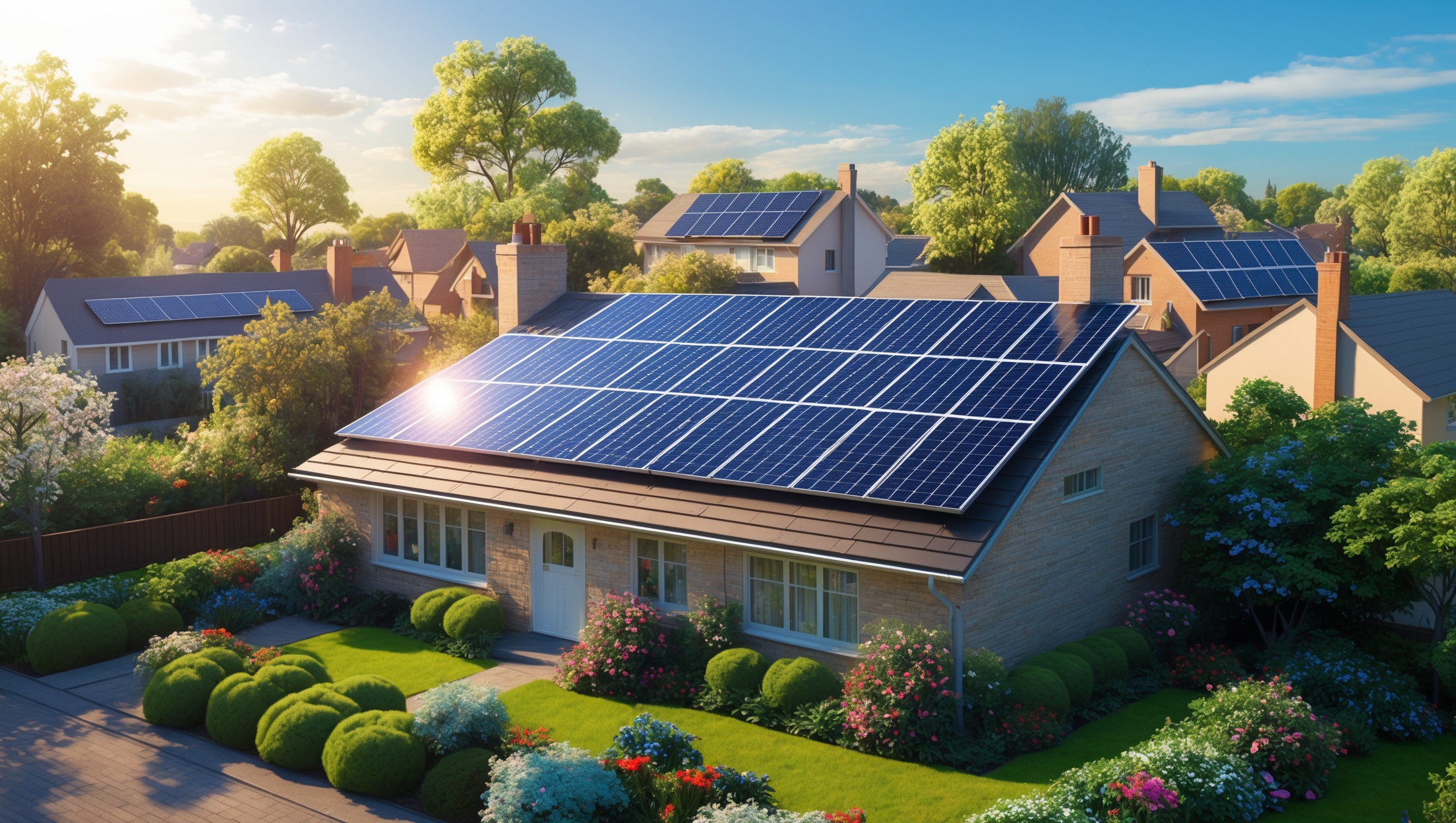
Introduction: Why Avoiding Common Solar Setup Mistakes Matters
Embracing solar energy at home is an empowering step toward sustainability, energy independence, and long-term financial savings. However, the process of setting up a home solar power system is far from plug-and-play. While the allure of slashing energy bills and reducing your carbon footprint is strong, many homeowners underestimate the complexity involved in planning, selecting, and installing solar panels. Mistakes made during this process can lead to costly inefficiencies, safety hazards, and even legal headaches down the road. The learning curve is real, but with the right guidance, you can confidently navigate the journey from concept to kilowatts.
This guide is designed specifically for homeowners eager to avoid the most common—and often costly—beginner mistakes when setting up a home solar power system. We’ll cover practical pitfalls in system sizing, siting, permitting, hardware selection, installation, and maintenance. You’ll find actionable advice, real-world examples, and essential checklists to help you side-step the errors that sabotage solar dreams. Whether you’re DIY-ing your setup or working with a professional installer, these insights will help you make informed choices, protect your investment, and maximize your solar returns from day one.
1. Underestimating Your Home’s Energy Needs
Why Proper Sizing Is Critical
One of the most frequent mistakes beginners make is miscalculating how much energy their household actually consumes. Oversized systems lead to overspending, while undersized arrays leave you dependent on the grid and missing out on savings. Your solar system should be tailored to your unique consumption patterns, not just average figures or rule-of-thumb estimates.
How to Accurately Assess Consumption
- Review Past Utility Bills: Collect 12 months of energy usage data to account for seasonal variations.
- Consider Upcoming Changes: Are you planning to add an EV, remodel, or increase/decrease household size? Factor these into your projections.
- Use an Online Calculator: Reputable solar sizing calculators from utility companies or solar manufacturers can offer a helpful starting point, but always cross-check with your own data.
Avoid the pitfall of sizing your system based solely on anecdotal advice. Invest time in this step to ensure your solar setup meets your actual needs—and no more.
2. Poor Site Assessment and Panel Placement
Ignoring Shading and Orientation
Even the most advanced solar panels can’t generate electricity from shade. Trees, chimneys, neighboring buildings, and even vent pipes can cast shadows that dramatically reduce output. Another rookie mistake: assuming any south-facing roof is optimal. While a southern orientation is generally best in the northern hemisphere, pitch, azimuth, and local weather patterns matter too.
How to Evaluate Your Site Effectively
- Conduct a Solar Path Analysis: Use tools like the Solar Pathfinder, SunEye, or free apps to assess annual sun exposure and shade patterns.
- Measure Roof Pitch and Orientation: Ideal tilt angles vary by latitude; a professional site assessment can help fine-tune placement.
- Plan for Growth: Will nearby trees grow tall enough to shade your panels in 5-10 years? Anticipate future obstructions.
Avoid placing panels where even intermittent shading occurs during peak sun hours (10 a.m.–2 p.m.). The effects on output are often more severe than beginners expect.
3. Overlooking Local Codes, Permits, and HOA Rules
Compliance Isn’t Optional
Failure to research and secure the right permits can bring your project to a grinding halt. Local jurisdictions often have strict requirements for solar installations—covering everything from electrical codes to wind load ratings. Homeowners’ Associations (HOAs) may impose additional restrictions on appearance or panel placement.
Steps to Stay Compliant
- Start with Your Municipality: Contact your city or county permitting office to learn about specific solar codes, fees, and approval timelines.
- Check HOA Guidelines: Obtain written permission if needed and clarify any restrictions on panel visibility or mounting methods.
- Understand Inspection Requirements: Plan for possible site inspections during and after installation.
Skipping these steps can result in fines, forced removal, or denied grid interconnection—turning your green dream into a bureaucratic nightmare.
4. Choosing the Wrong Hardware or Inverter Type
Not All Panels and Inverters Are Created Equal
Solar panels differ in efficiency, durability, and performance in low-light conditions. Inverters—responsible for converting DC solar power to usable AC—come in three main types: string inverters, microinverters, and power optimizers. Each has unique pros and cons, especially in shaded or complex roof scenarios.
Common Hardware Selection Errors
- Prioritizing Cheapest Panels: Low-cost panels often have lower efficiency or shorter warranties. Quality matters for long-term performance.
- Ignoring Inverter Upgrades: Microinverters or power optimizers can boost output in partially shaded or multi-orientation arrays but are often overlooked.
- Neglecting Warranty and Support: Reliable manufacturers offer robust warranties (20–25 years for panels, 10+ years for inverters).
Consult with reputable solar suppliers and compare product datasheets—don’t go with the first deal you find online.
5. DIY Installation Without Proper Knowledge
Solar Isn’t a Typical DIY Project
While it’s possible to self-install a solar system, especially with plug-and-play kits, most residential setups require electrical knowledge, roofing skills, and compliance with safety codes. Mistakes can lead to fires, leaks, or denied utility interconnection.
When to Call in the Pros
- Complex Roofs or Electrical Panels: If your roof has unusual features or your main panel is outdated, professional help is strongly advised.
- Grid-Tied Systems: Utility companies often require certified installations for grid interconnection and net metering.
- Battery Integration: Adding backup batteries (like Tesla Powerwall or LG Chem) adds another layer of complexity and risk.
If you do opt for DIY, take advantage of online certification courses and local workshops. Never cut corners on safety gear or code compliance.
6. Poor Electrical Integration and Grid Connection
The Dangers of Faulty Wiring
Improper wiring or connections can create fire hazards, system inefficiencies, or void warranties. It’s essential to use appropriately rated breakers, wiring, and connectors.
Key Steps for Safe Integration
- Follow NEC Guidelines: The National Electrical Code (NEC) sets standards for solar installations—study the relevant sections or hire a licensed electrician.
- Install Proper Disconnects: Both AC and DC disconnects are required for maintenance and emergency shutdowns.
- Coordinate with Utility: Submit interconnection applications early and understand utility metering policies.
Rushing this phase can result in dangerous mistakes or delays in bringing your system online.
7. Skipping System Monitoring and Maintenance
Out of Sight, Out of Mind?
Solar panels are relatively low-maintenance, but neglecting periodic inspections and system monitoring can lead to missed savings and undetected issues.
Best Practices for Ongoing Performance
- Install a Monitoring System: Track output in real time to spot drops in performance (caused by dirt, shade, or equipment failure).
- Schedule Visual Inspections: Check for debris, bird nests, or signs of panel damage every few months.
- Clean Panels Carefully: Use soft brushes and avoid harsh chemicals. Most homeowners only need to clean panels once or twice per year, depending on local dust and pollen levels.
Regular attention ensures your system delivers the savings and reliability you expect for decades.
8. Overlooking Incentives, Rebates, and Financing Options
Leaving Money on the Table
Federal, state, and local incentives can shave thousands off your upfront costs, but many homeowners fail to research or apply for them in time. Financing options—from solar loans to power purchase agreements (PPAs)—also play a big role in project affordability.
How to Maximize Financial Benefits
- Research Current Incentives: Check the Database of State Incentives for Renewables & Efficiency (DSIRE) and ask local installers about rebates.
- Understand Tax Credits: The federal solar tax credit (ITC) can cover up to 30% of costs if you meet eligibility requirements.
- Compare Financing Offers: Evaluate loan terms, interest rates, and any early repayment penalties.
Apply for incentives early. Delays may disqualify you or reduce the amount you receive.
9. Not Planning for Future Expansion or Battery Storage
Solar Needs Change Over Time
Many homeowners regret choosing inverters or racking systems that don’t allow for easy expansion. Others wish they’d left space or wiring in place for future battery installations—especially as grid outages become more common.
Future-Proof Your System
- Select Scalable Components: Some inverters and mounting systems are designed for easy add-ons.
- Pre-wire for Batteries: Even if you don’t install batteries now, laying conduit or leaving wall space saves money later.
- Leave Room in Electrical Panel: Plan for future circuit breakers and connections.
Thinking ahead can save you thousands on upgrades and ensure your system adapts to new energy needs.
10. Failing to Educate Household Members
Solar Safety Is Everyone’s Responsibility
The final mistake: not informing everyone in the home about the basic operation and safety considerations of your solar setup. Children, guests, or service professionals may inadvertently damage equipment or put themselves at risk if unaware.
Solar Safety Tips for Households
- Label Key Components: Clearly mark shutoff switches and disconnects.
- Share Emergency Procedures: Everyone should know how to disconnect the system in an emergency.
- Keep Manuals Accessible: Store installation and warranty documents where all adults can find them.
Well-informed households are safer and better equipped to handle minor troubleshooting or emergencies.
Conclusion: Charting a Smooth Path to Solar Success
Setting up a home solar power system is a rewarding investment in your financial future and the planet’s well-being. However, the path to energy independence is filled with technical, logistical, and regulatory challenges that can trip up even the most enthusiastic beginners. By learning from the common mistakes outlined in this guide—ranging from oversights in system sizing to neglecting essential safety and compliance steps—you can sidestep costly pitfalls and maximize your solar returns from the outset.
Remember, successful solar projects start with a clear-eyed assessment of your home’s energy needs and site conditions. Take the time to understand local permitting processes, carefully select reliable hardware, and don’t hesitate to seek professional help when needed. Proactively plan for future upgrades and keep everyone in your household informed about basic operation and safety. Regular maintenance and performance monitoring will ensure your investment pays dividends for decades to come.
Solar power is more than a trend—it’s a long-term commitment to smarter, cleaner living. With careful planning and the right knowledge, you’ll enjoy the satisfaction of harnessing the sun’s energy safely, efficiently, and confidently. Here’s to a brighter, more sustainable future powered by your own rooftop!